How That Shows Up in the Door
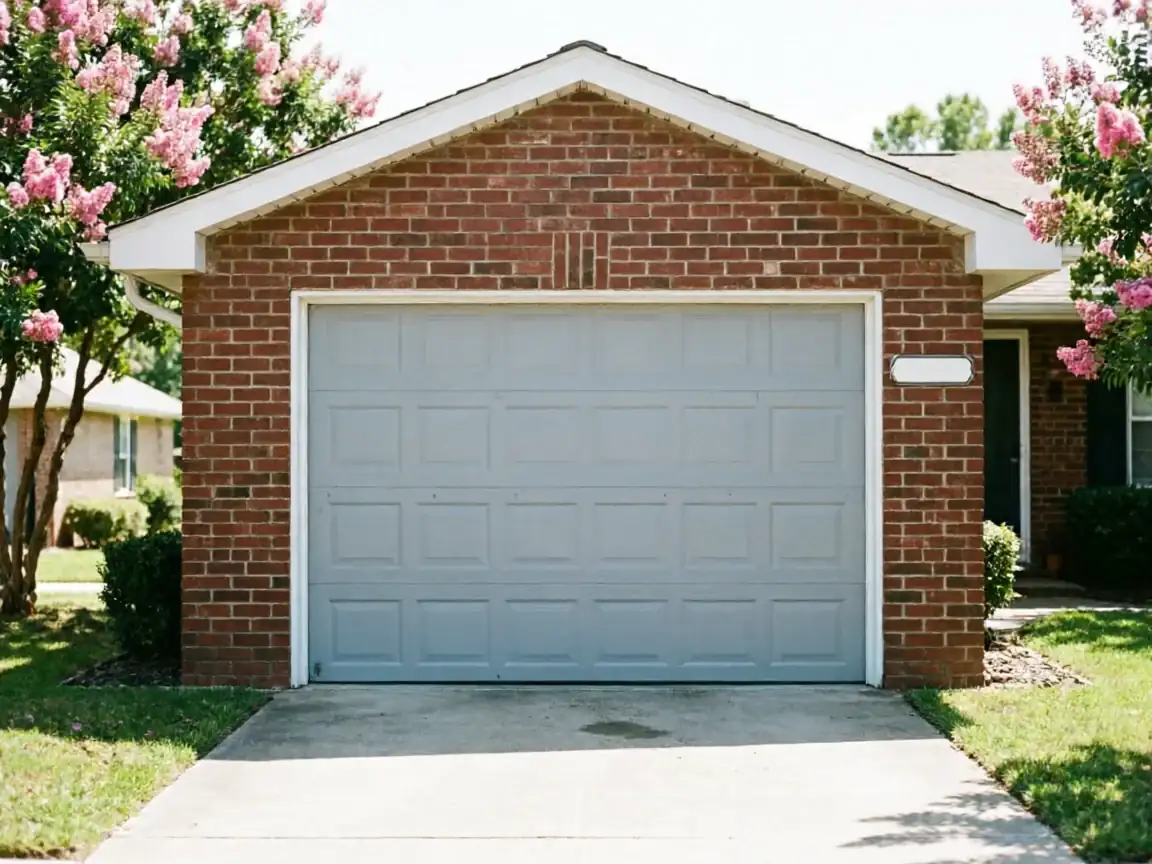
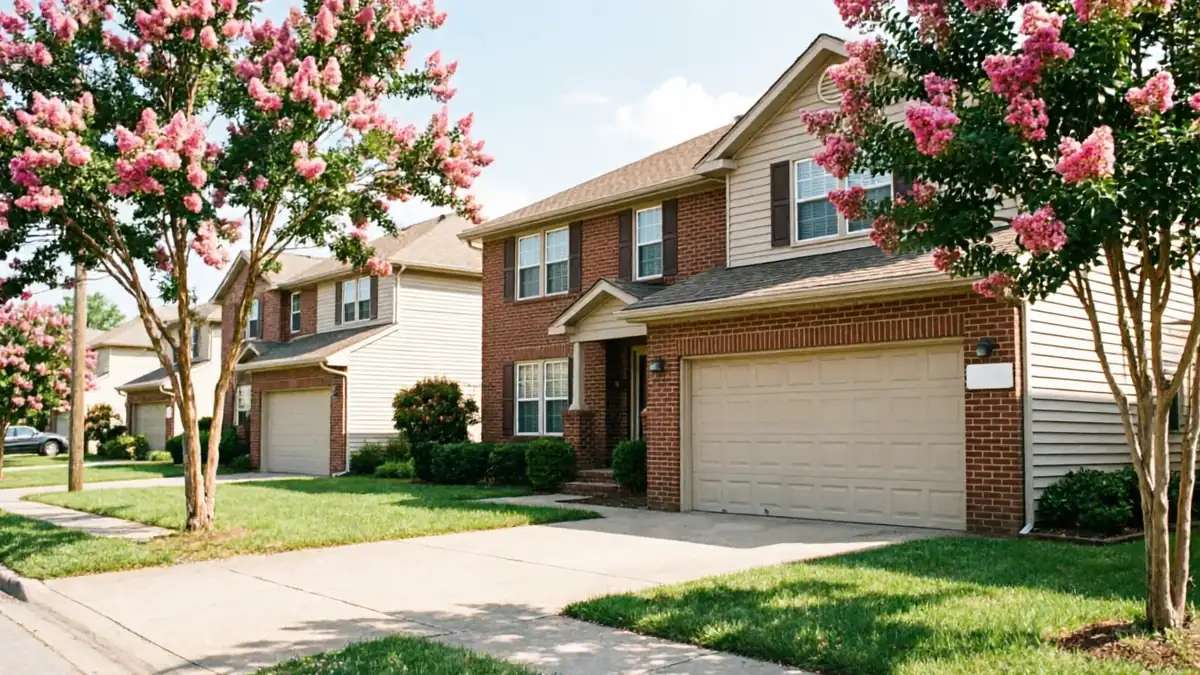
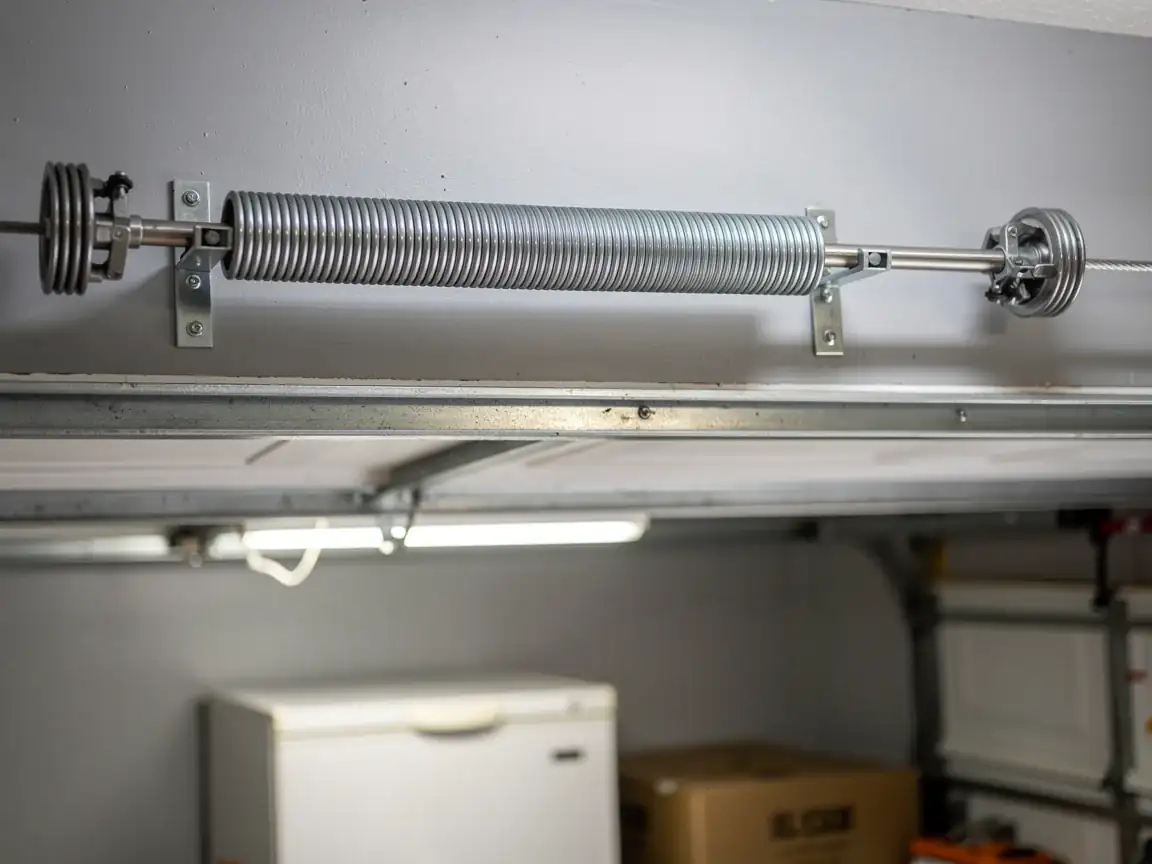
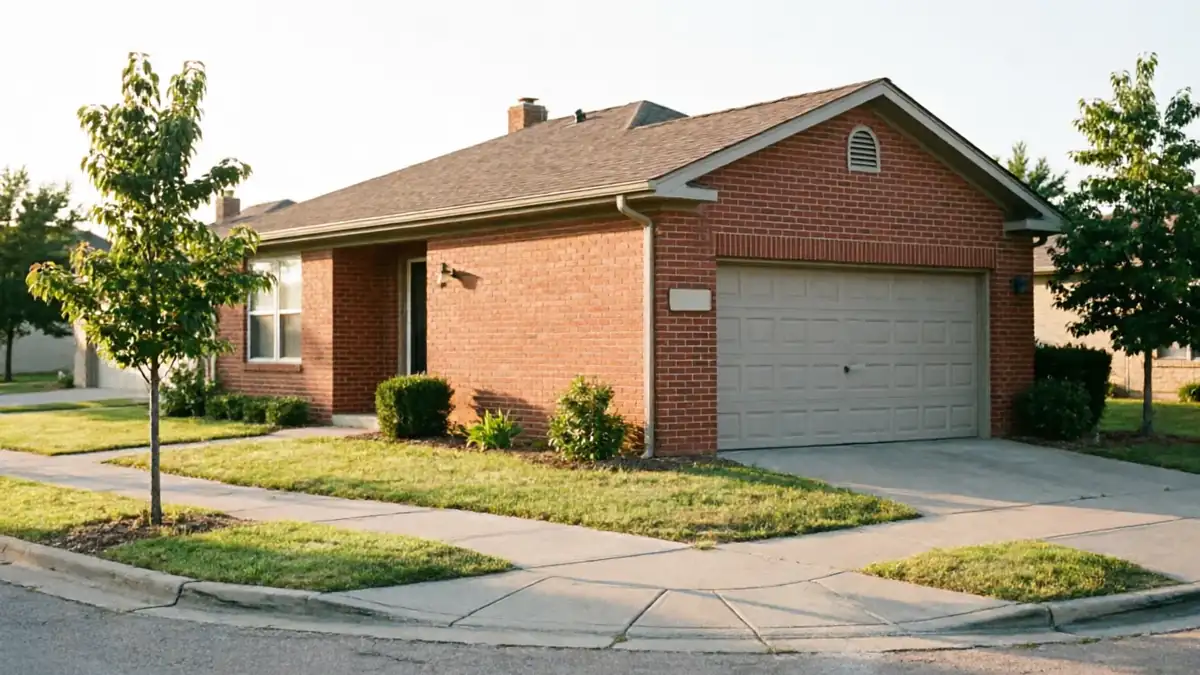
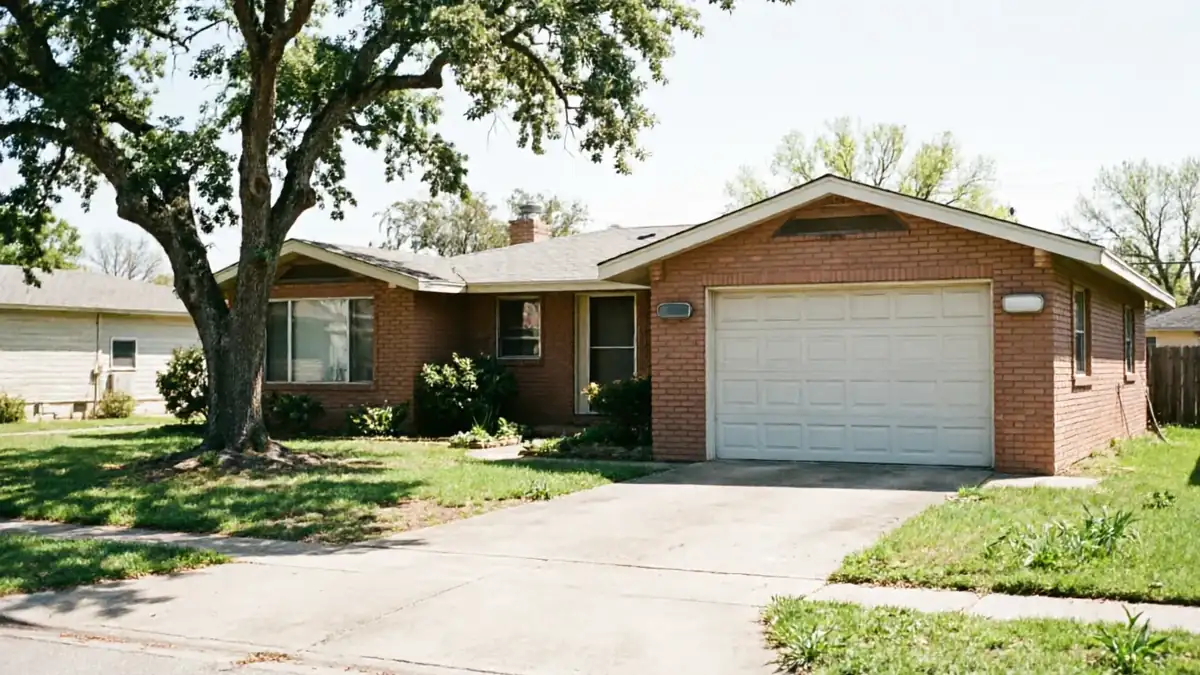
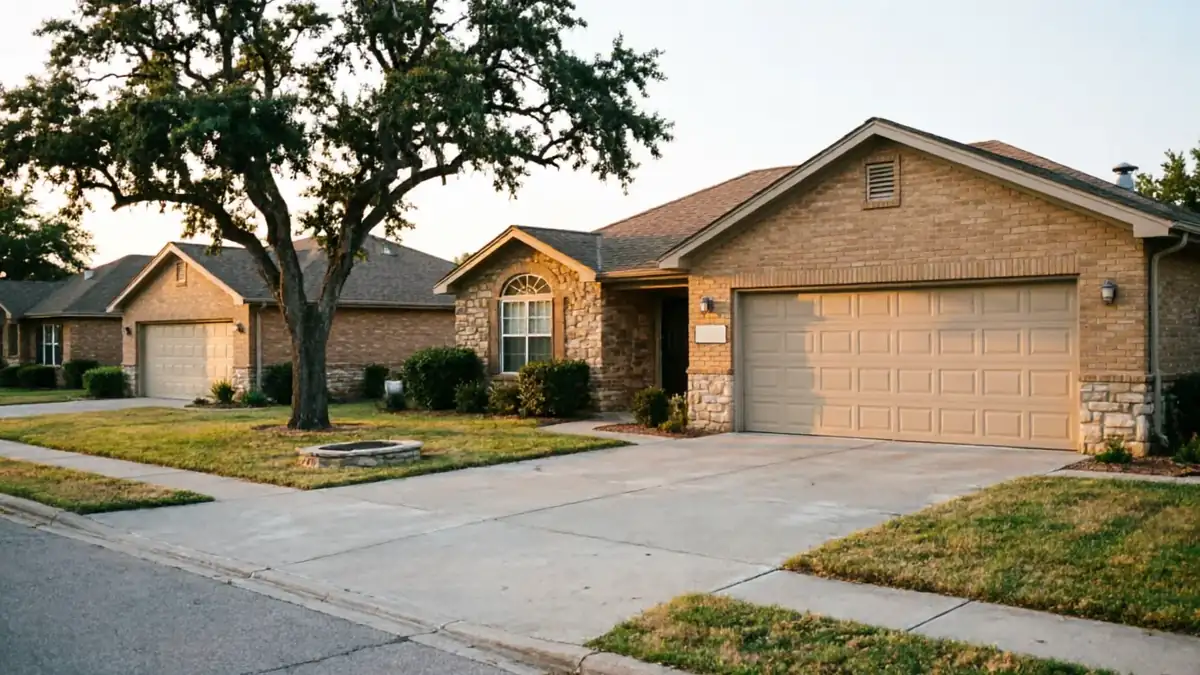
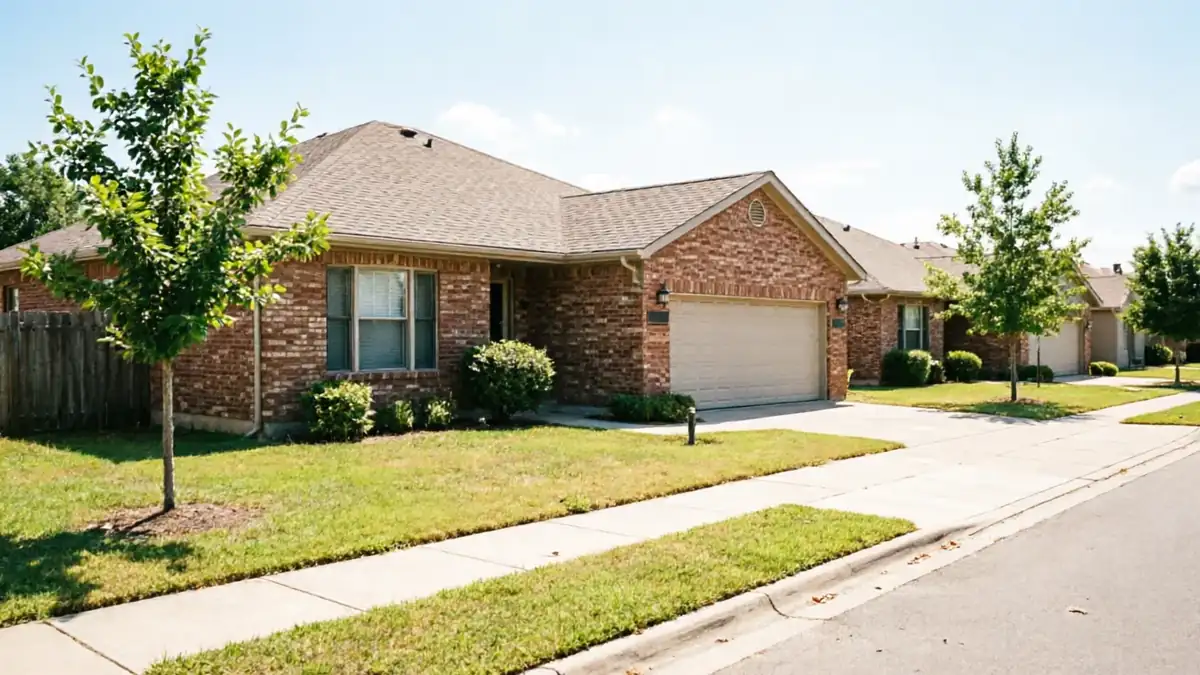
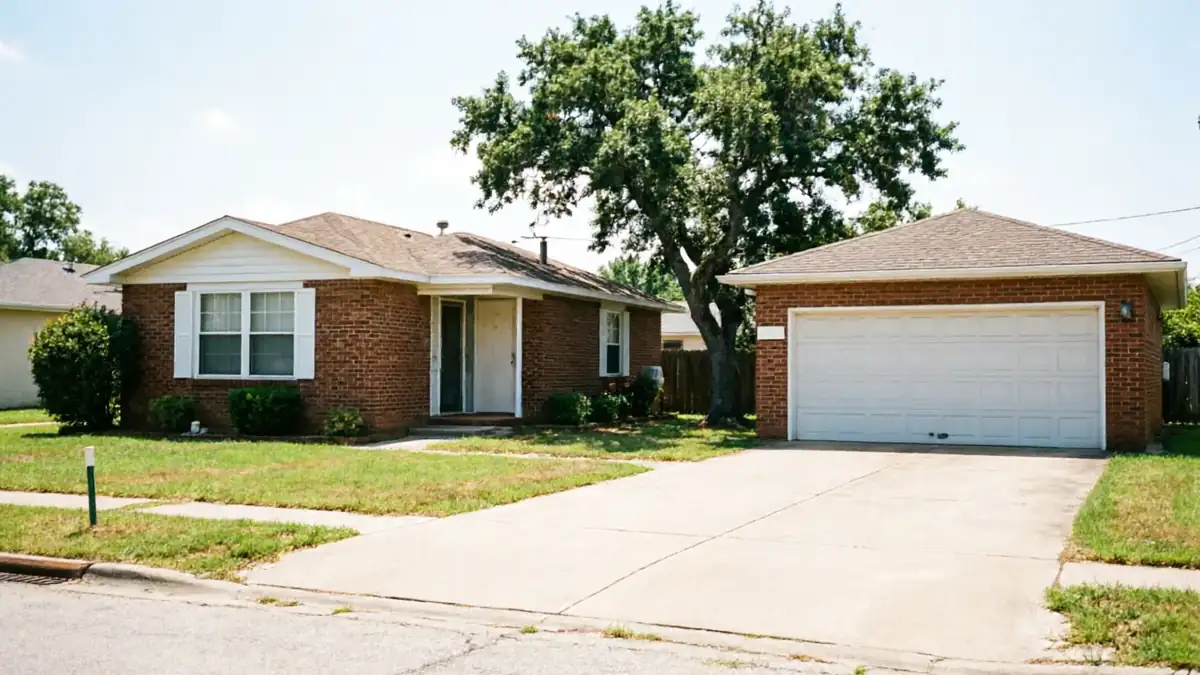
Lucas sits about 6 miles from our shop in Wylie, and the houses here skew a bit older than the broader service area's 2005 median - most lots went up around 2002. That matters more than it sounds. A door and opener installed in 2002 is now old enough that the original torsion spring has usually cycled past its rated life, and the opener is often a chain-drive unit from a brand that's since changed its circuit board design twice over. We see a lot of openers here that still work fine on the surface but grind or hesitate on cold mornings because the capacitor or the logic board is on its way out.
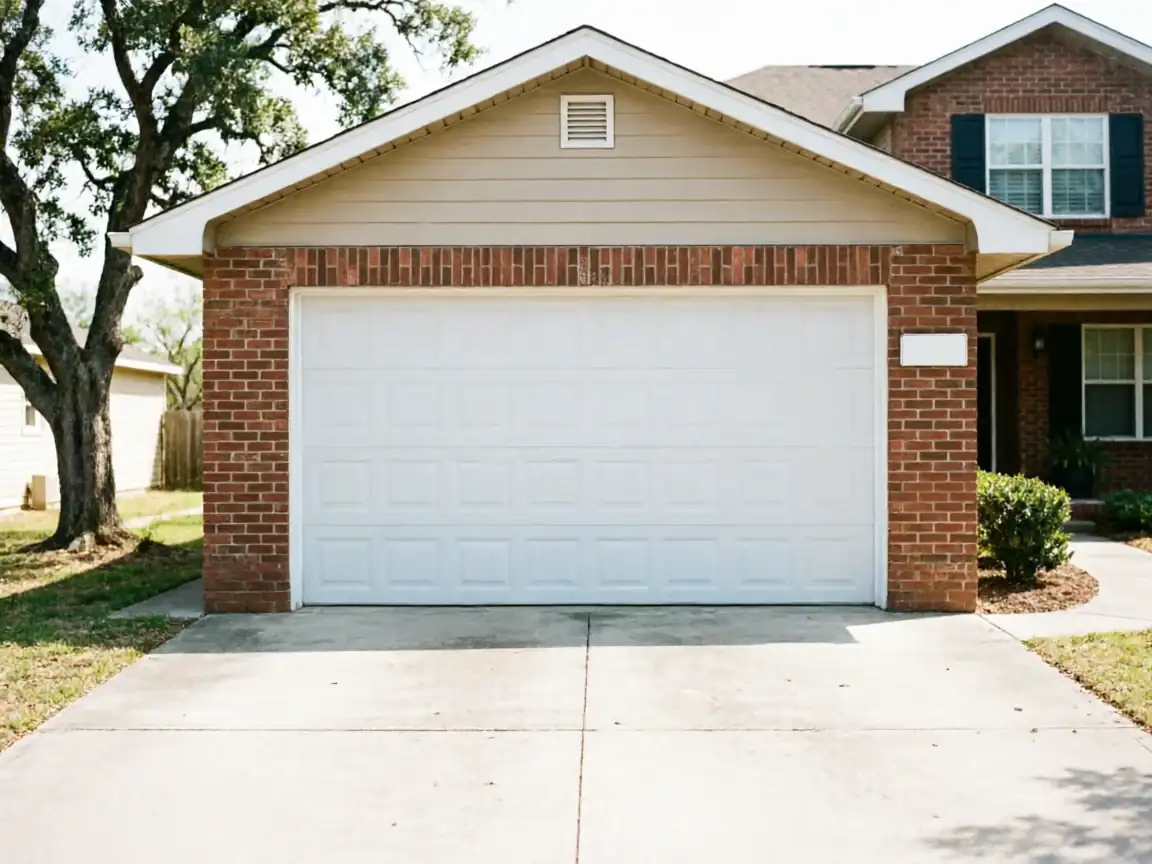
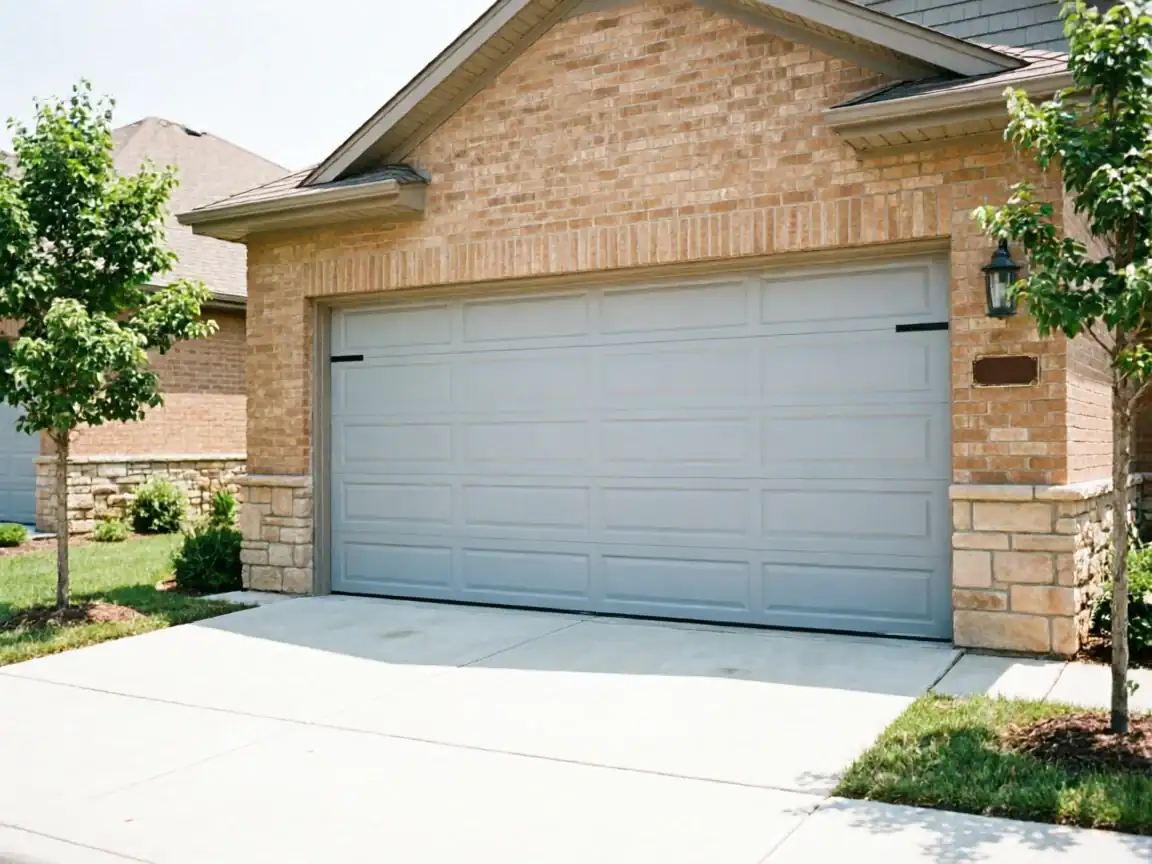
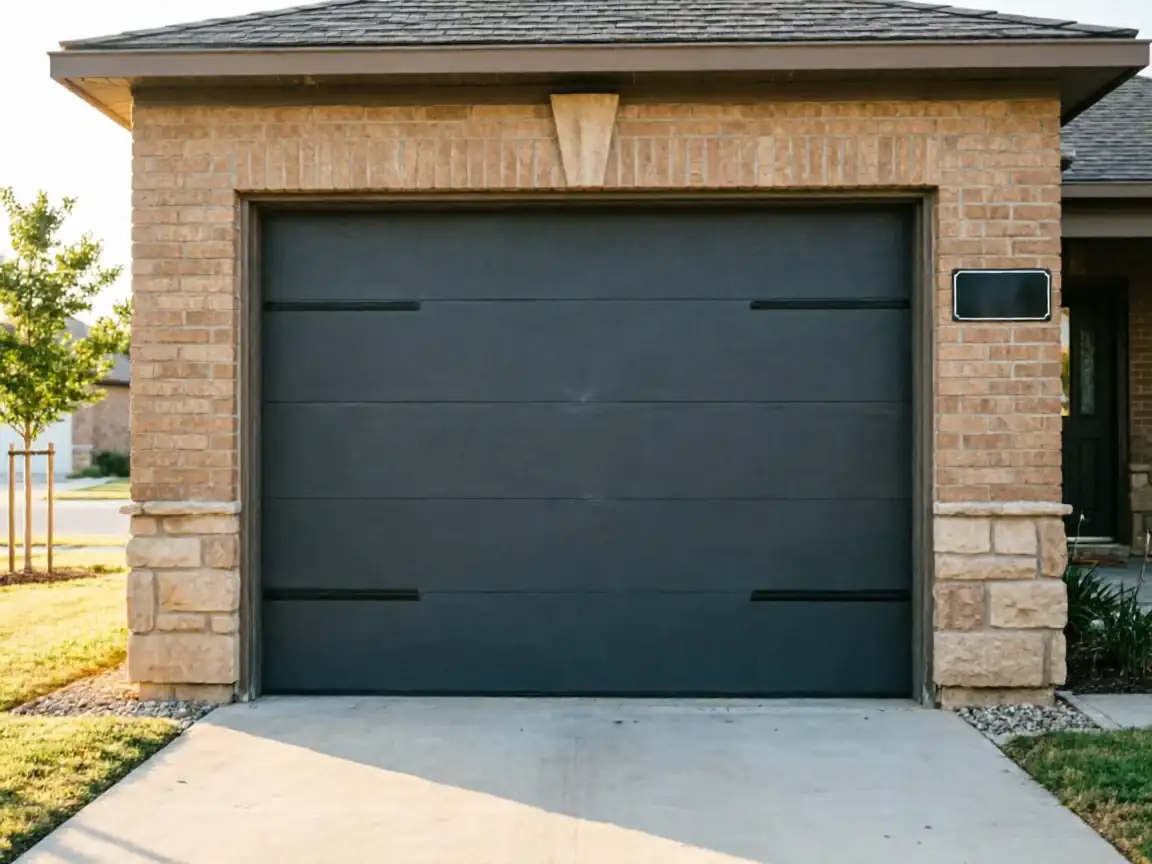
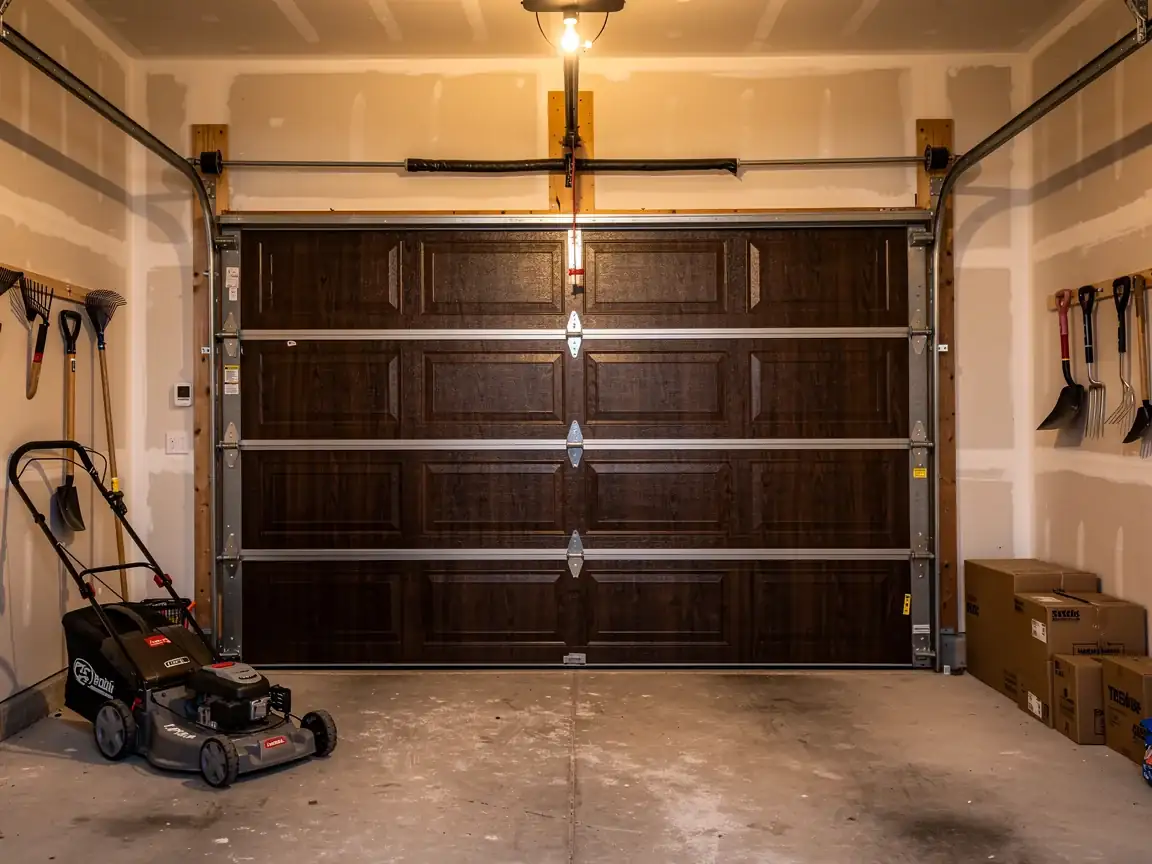
Because Lucas lots tend to run larger and the homes here were built with bigger garage bays - three-car configurations are common - the doors themselves are often wider and heavier than what you'd find on a 1990s starter-home street. Wider doors put more strain on a single spring setup, which is part of why double-spring failures show up more here than in some of the denser, older pockets closer to Wylie proper.
What We Will Not Take On
We don't stock parts out of a depot in Lucas - every truck comes from Wylie, so if you need a same-day fix for a spring that's uncommon or a panel that has to be special-ordered, that adds a day or two regardless of how close you are. We also won't try to patch a torsion spring system that's mismatched to the door weight just to save you money up front; on the bigger three-car doors common in Lucas, an undersized spring will fail again within a year and we'd rather tell you that than quote a cheap fix that doesn't hold.
If your opener logic board is the failure point and the unit is a model where the manufacturer no longer makes replacement boards, we'll tell you straight that replacement is the better call rather than hunting for a part that may not exist anymore.
The Houses Here
With roughly 2,724 households in Lucas and a median household income around $178,403
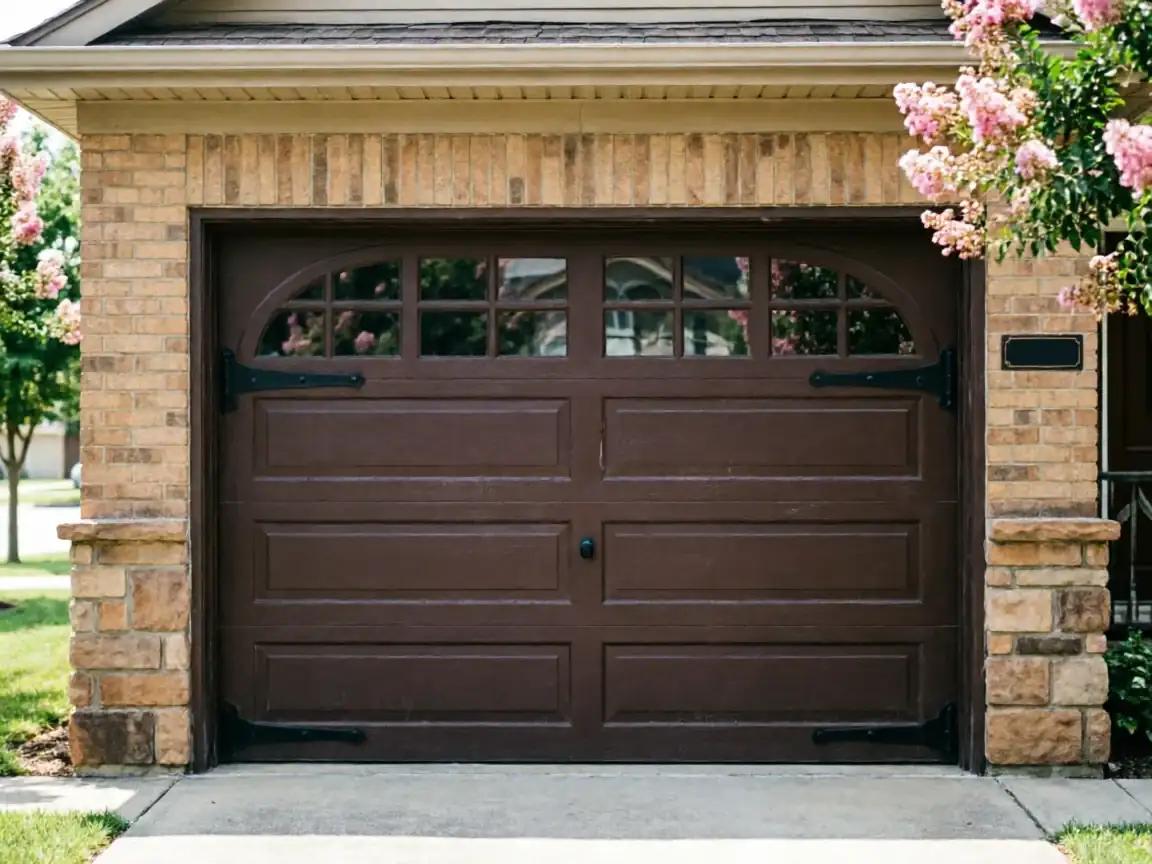
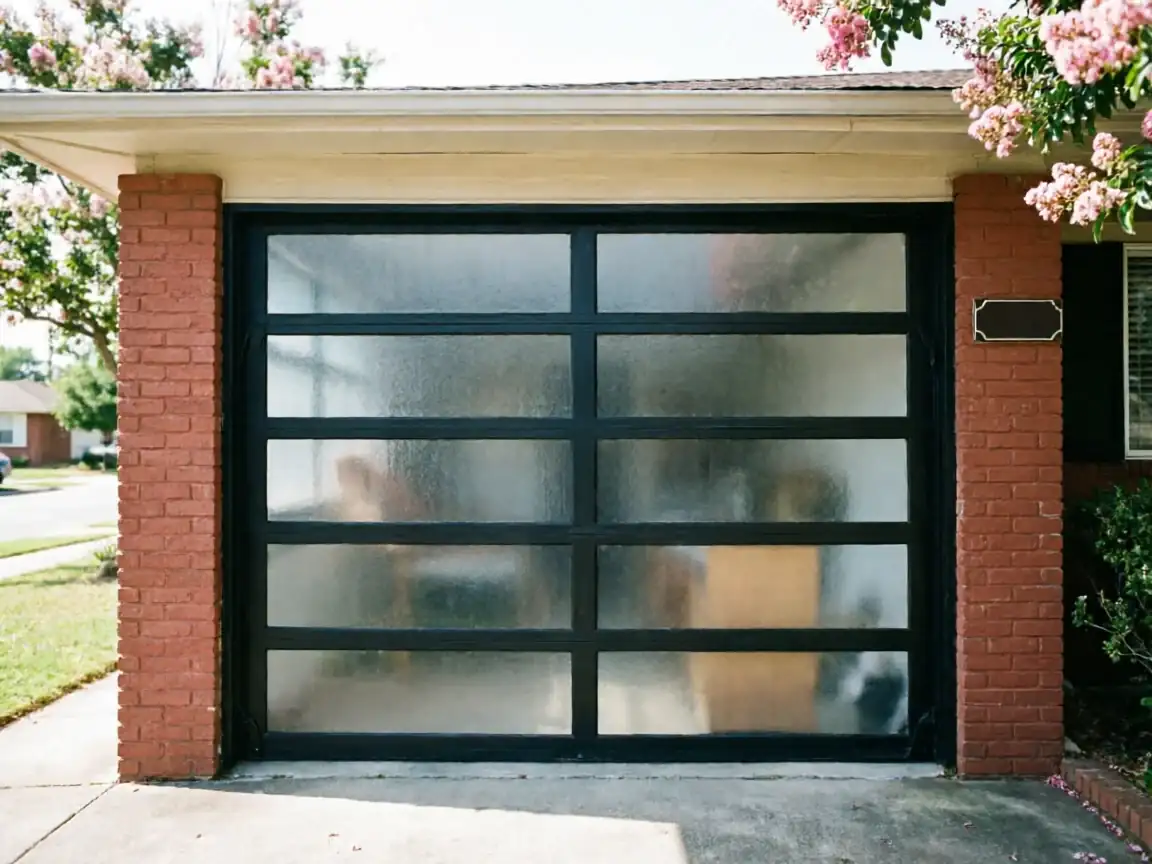
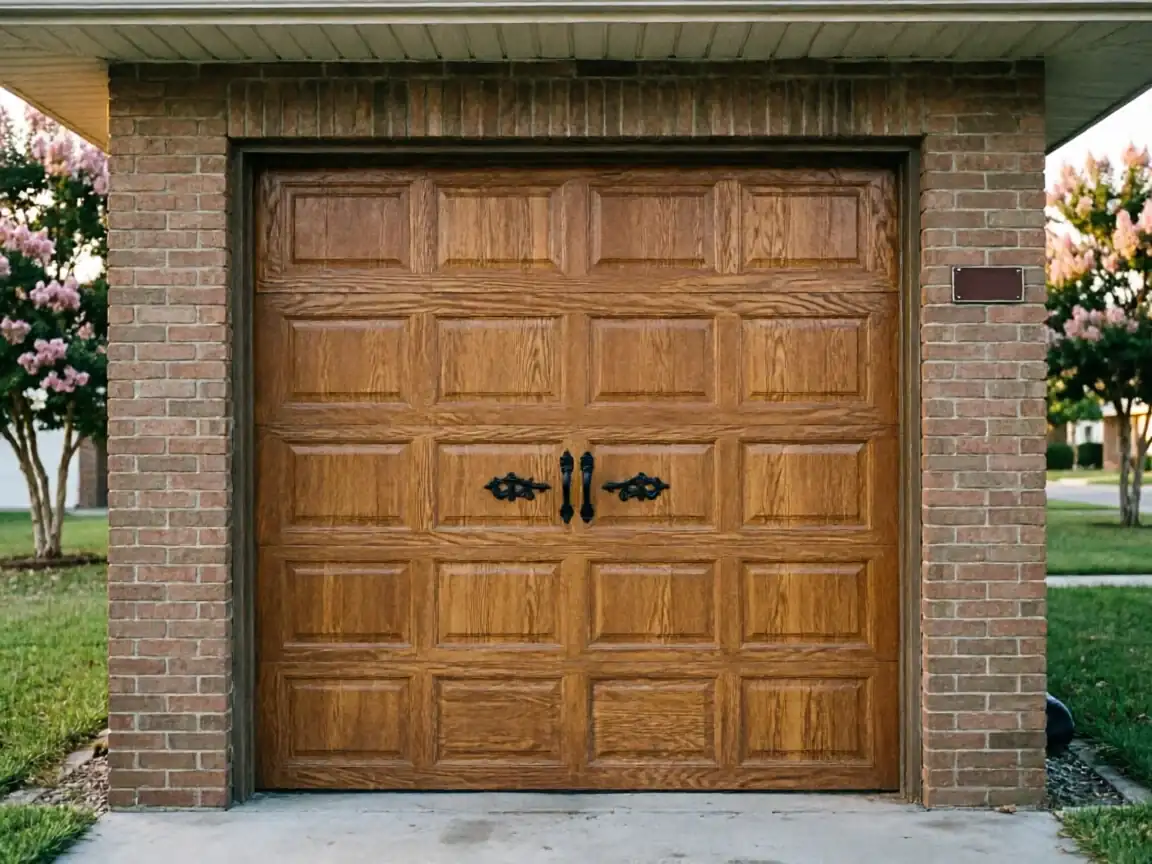
Well above the wider service area's $127,000 - this is a market where owners tend to replace rather than nurse along a dying opener, and we see more requests for insulated steel doors and quieter belt-drive openers than in some of the neighboring towns. The 2002-era build date also means a decent share of homes are coming up on original hardware replacement regardless of income: rollers, cables, and hinges all have a shelf life, and twenty-some years is past it for most of what was installed standard back then.
- 2,724 households
The area sits in the same mild-with-occasional-freeze climate band as the rest of our coverage
So we're not dealing with extreme cold-weather failures, but an overnight freeze after a wet spell can still stiffen grease in an old roller track enough to make a door bind on the first open of the day.
The Calls We Get From Here
The most common call from Lucas is a double-wide door that's suddenly heavy to lift by hand - almost always a broken torsion spring on a door sized for a three-car garage, where the spring was doing more work than a standard single-car setup. Second most common is an opener that runs but won't respond to the remote reliably, which on a 2002-build home is frequently the circuit board rather than the remote battery.
We also get calls about noise - a door that's gone from quiet to a grinding rattle - which on homes this age is usually worn rollers that were never swapped out. It's a straightforward fix, but it's one people put off longer than they should because the door still opens.