Doing Nothing For Now
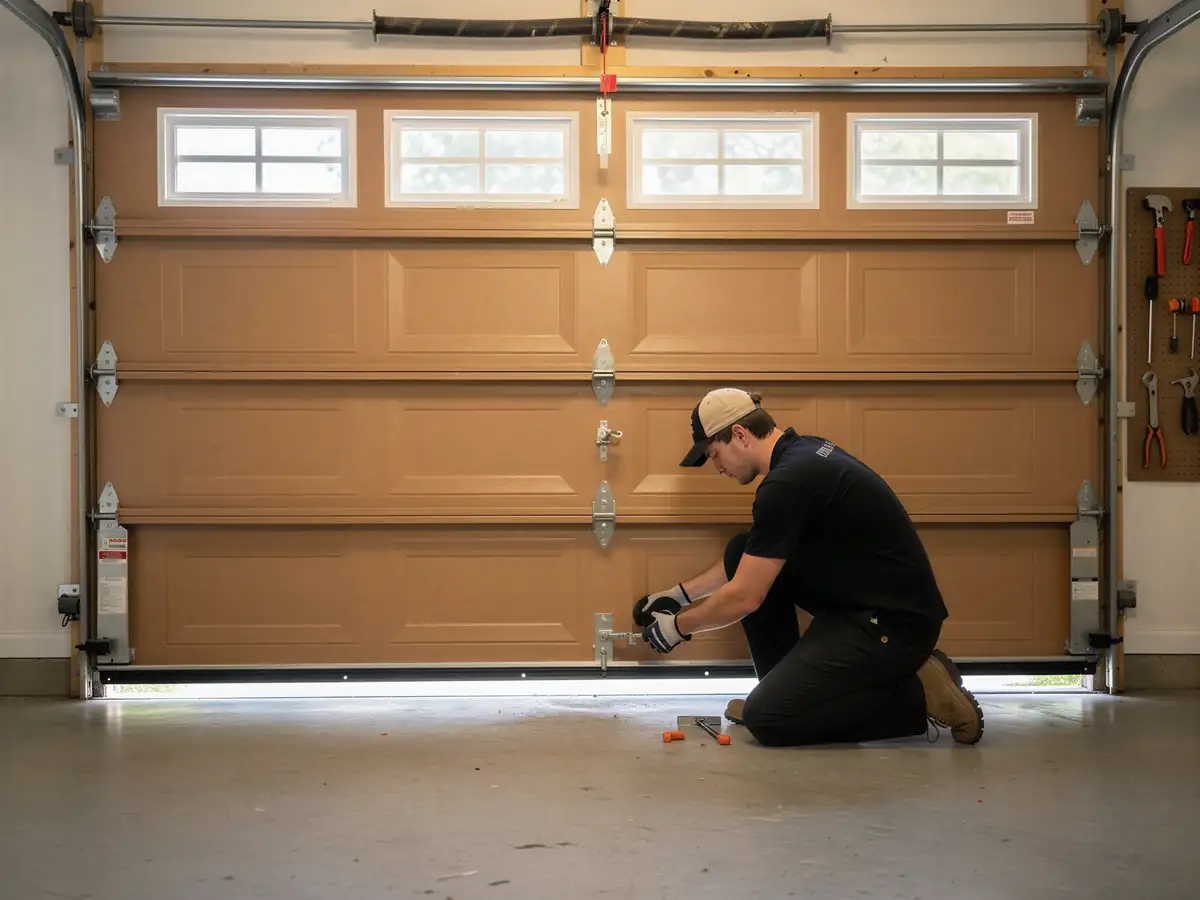
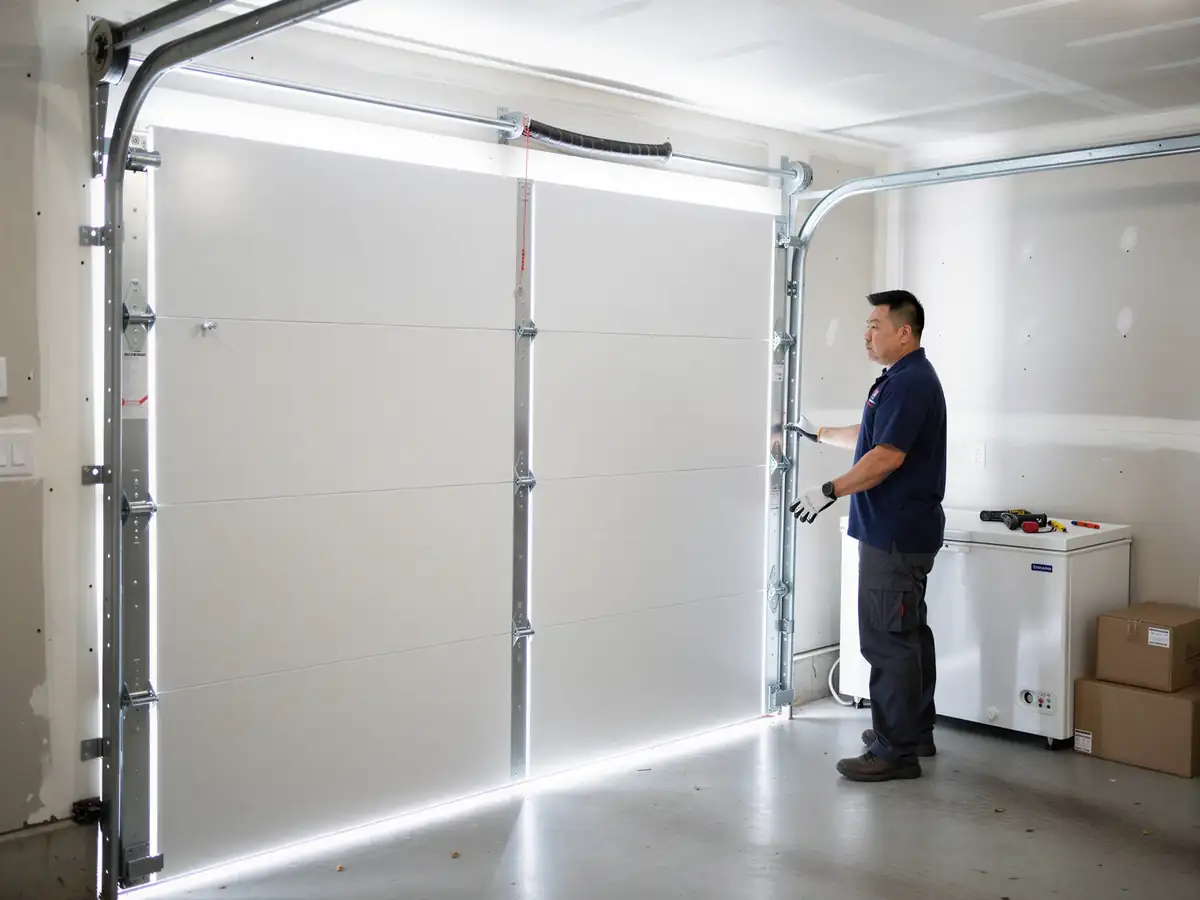
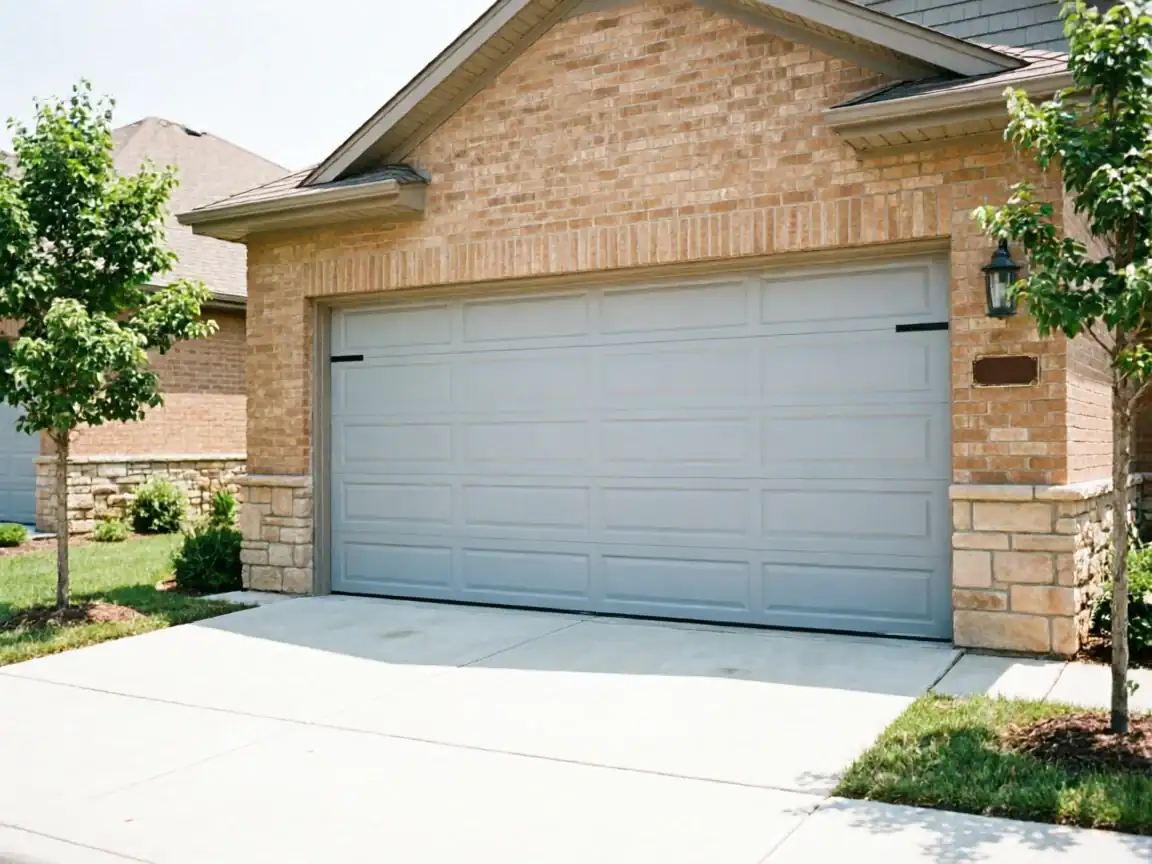
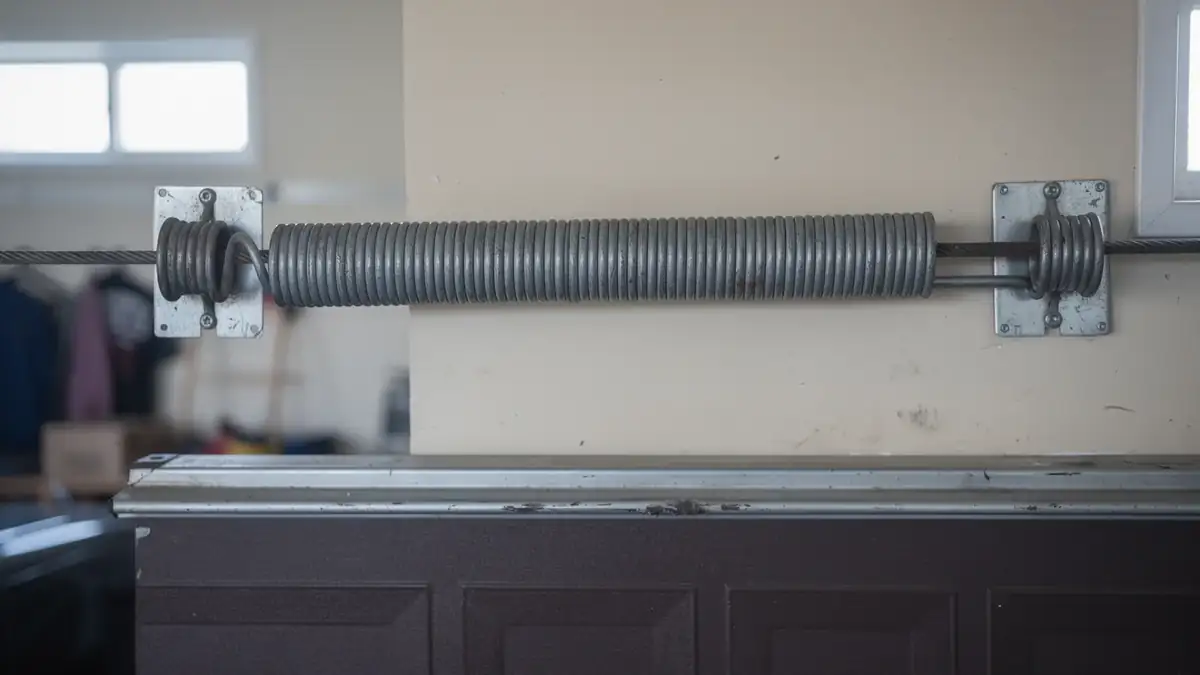
Most of the garage doors we look at in Wylie went up somewhere between 1971 and 2015, with the median closer to 2005. That matters here because a torsion spring has a working life measured in open-close cycles, not years, and a door installed during the 2000s building boom that put up most of this town's subdivisions is now old enough that its spring has likely seen most of what it's rated for. A lot of owners let a stiff or noisy door go because the door still opens. The spring doesn't fail gradually in most cases - it holds right up until it doesn't, and the morning it goes is rarely a surprise to anyone who'd been hearing it groan for months. Waiting costs you nothing until the day it costs you a door that won't open, a car stuck inside, or a cable that comes off track when the spring lets go unevenly. If your door was put in anywhere near when the house was built, you're not looking at a hypothetical - you're looking at a spring doing its last few hundred cycles.
The Problem
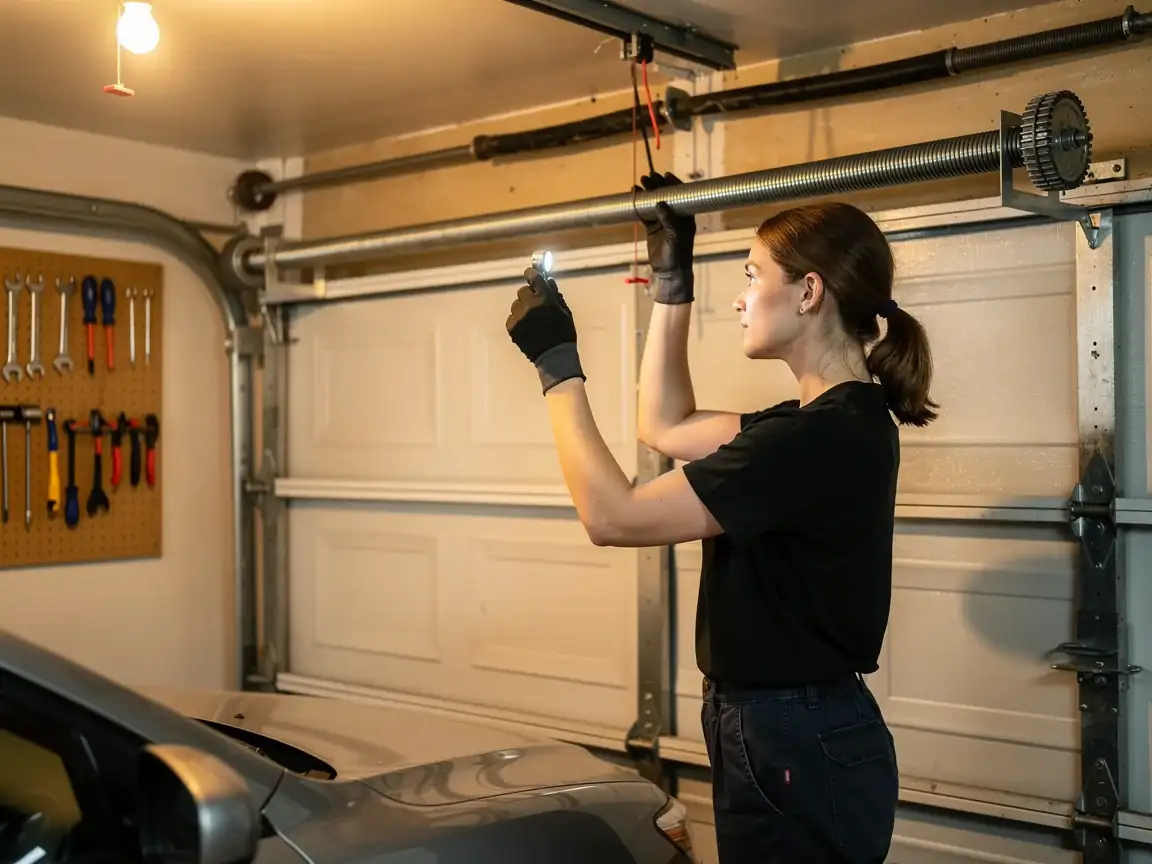
A torsion spring stores tension by twisting tight steel coil, and steel gets less forgiving as it gets cold. On a door that's already near the end of its rated cycle life - which describes a good share of the 2000s-era stock across this area - a cold morning is often the exact moment a spring with a hairline fatigue crack finally separates. It's not that cold weather damages a healthy spring outright. It's that cold steel is more brittle, and a spring that was already compromised from age and daily cycling doesn't have the give left to survive one more hard contraction. That's why we get more spring calls on the cold mornings than the mild ones, even though the spring's real problem started years before the weather had anything to do with it.
What You Pay
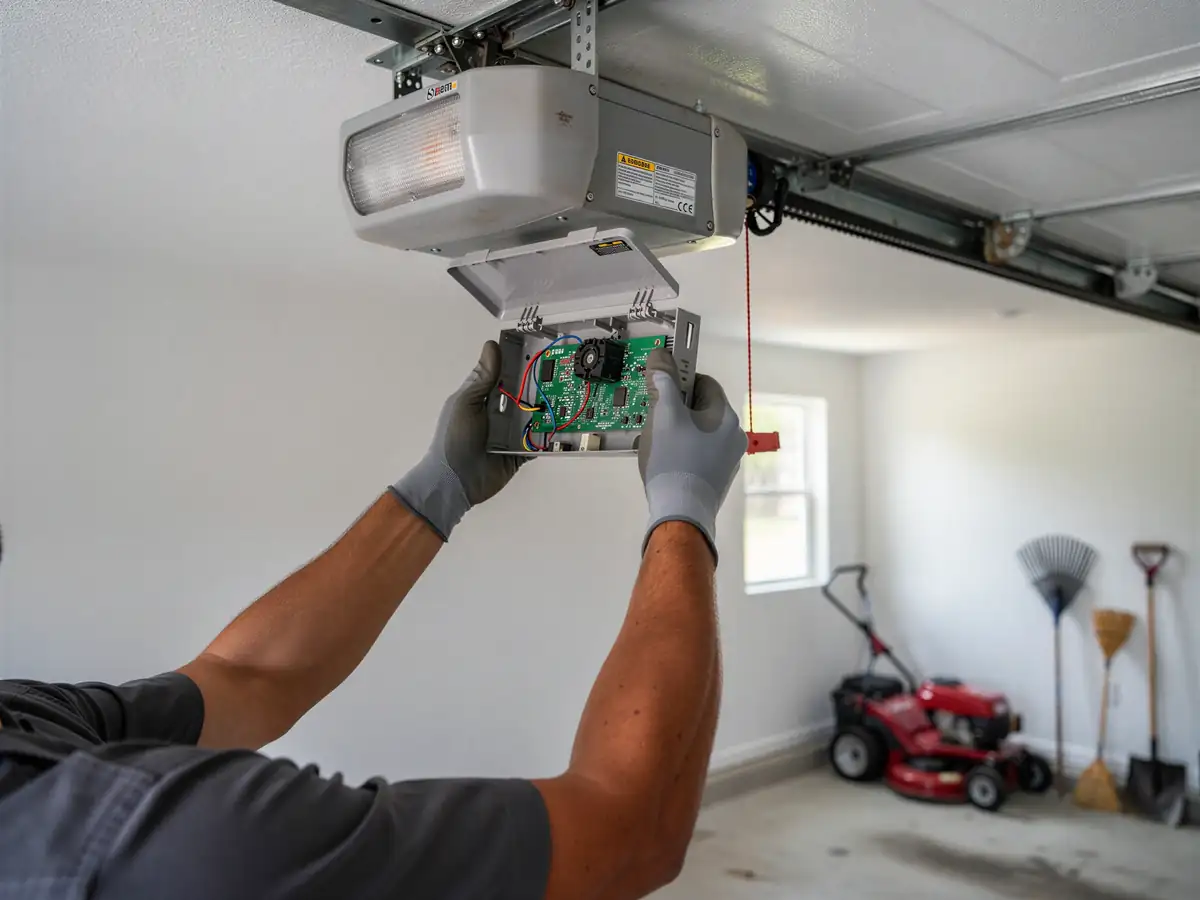
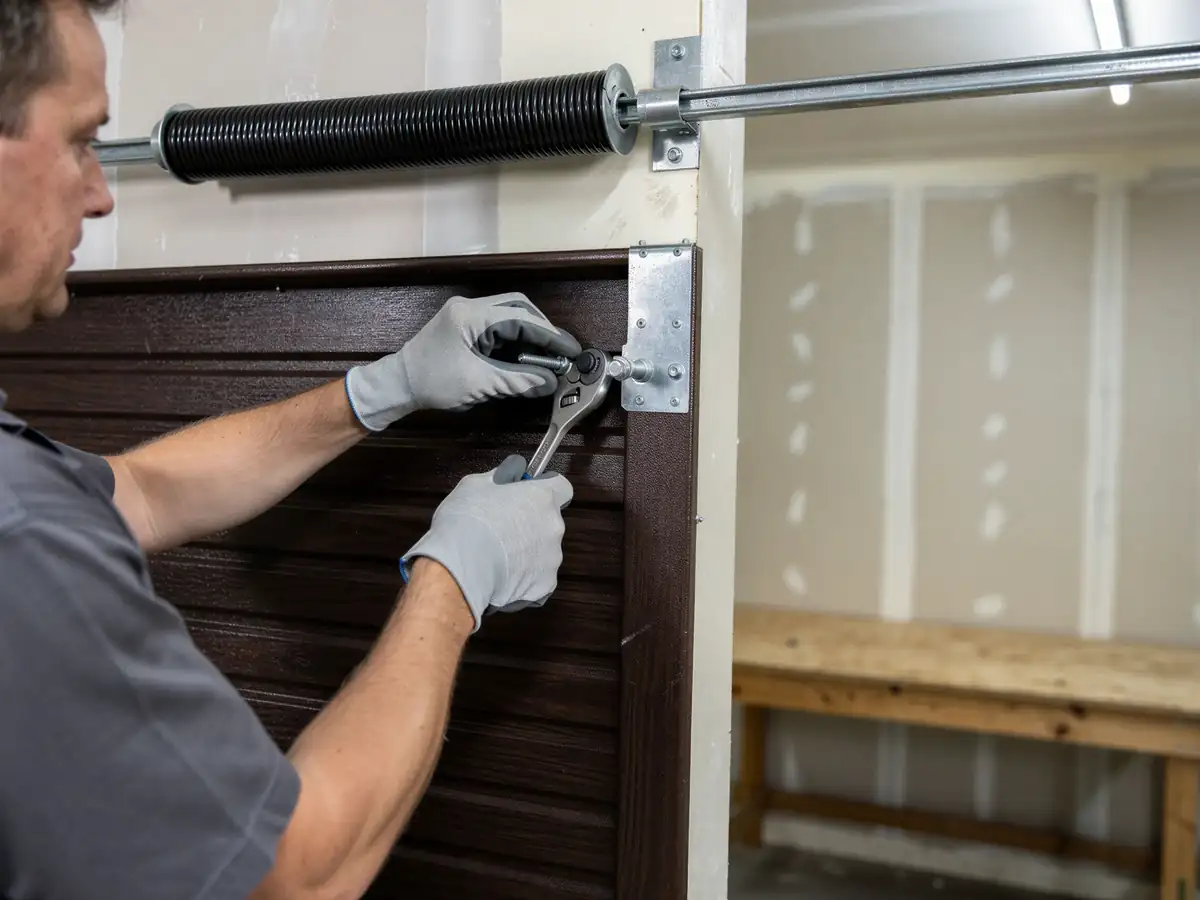
We won't put a number on a repair here, because spring replacement cost depends on whether it's one spring or a matched pair, the door's weight, and what's actually failed alongside it - a broken spring sometimes takes a cable or a bent track with it. What we can tell you is that this area has enough households with original 2000s-era hardware that spring jobs are common, not rare, and that replacing a spring before it breaks is almost always less work than replacing one that's gone and taken other parts with it. If a part needs to be special-ordered because of the door's age, that can add a day or two - we'll tell you up front if that's the case rather than guess at a timeline.