How That Shows Up in the Door
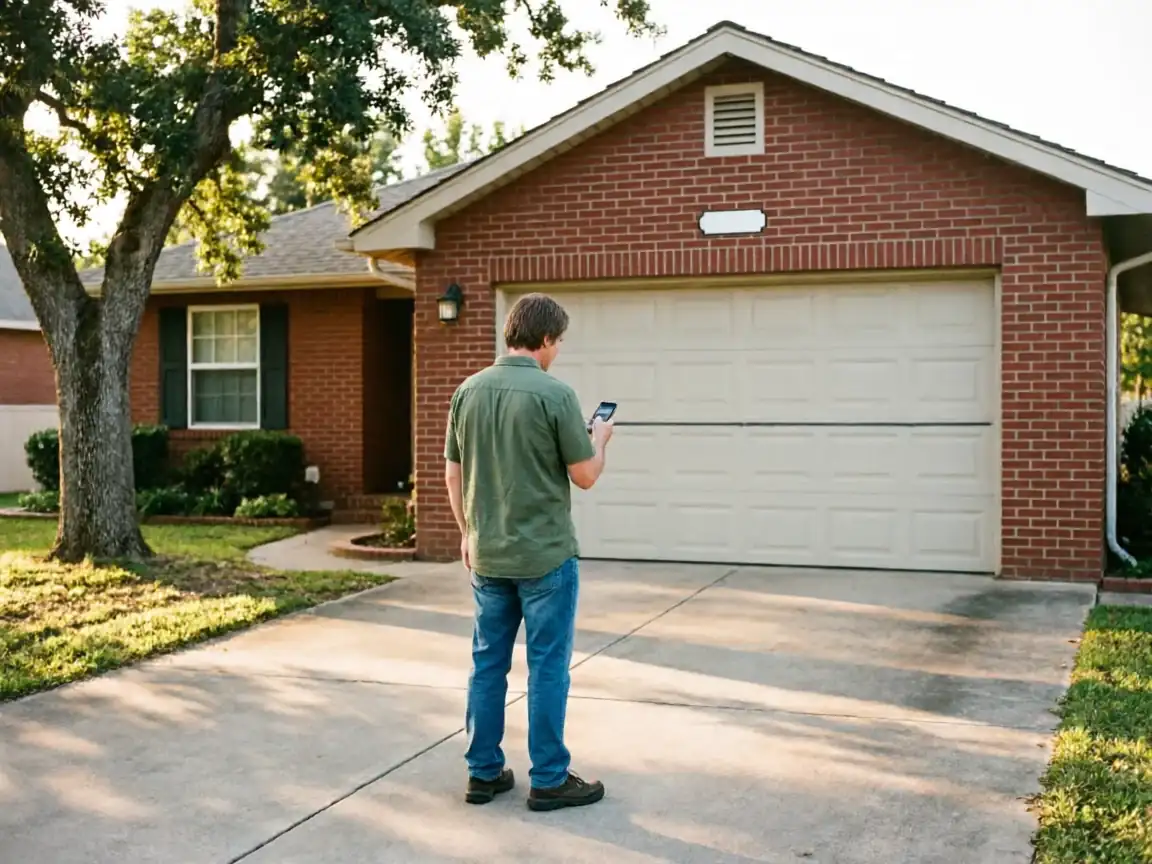
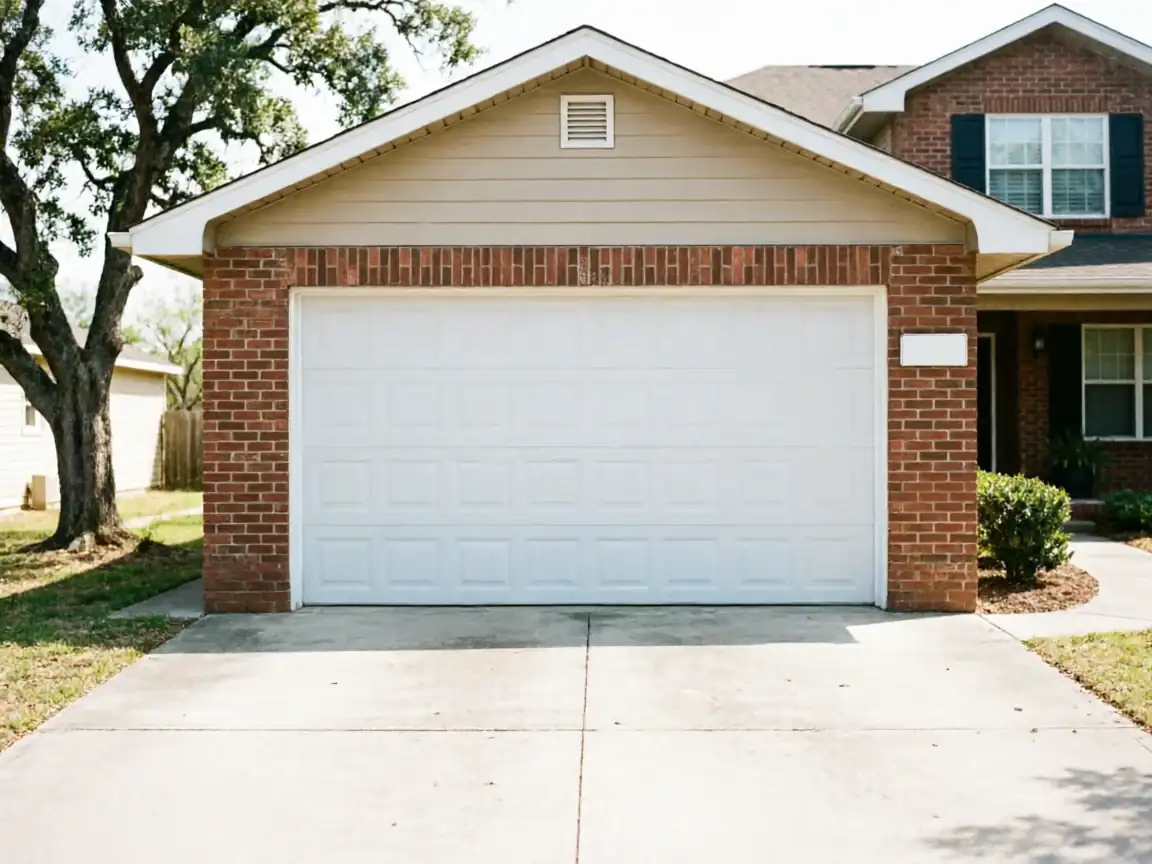
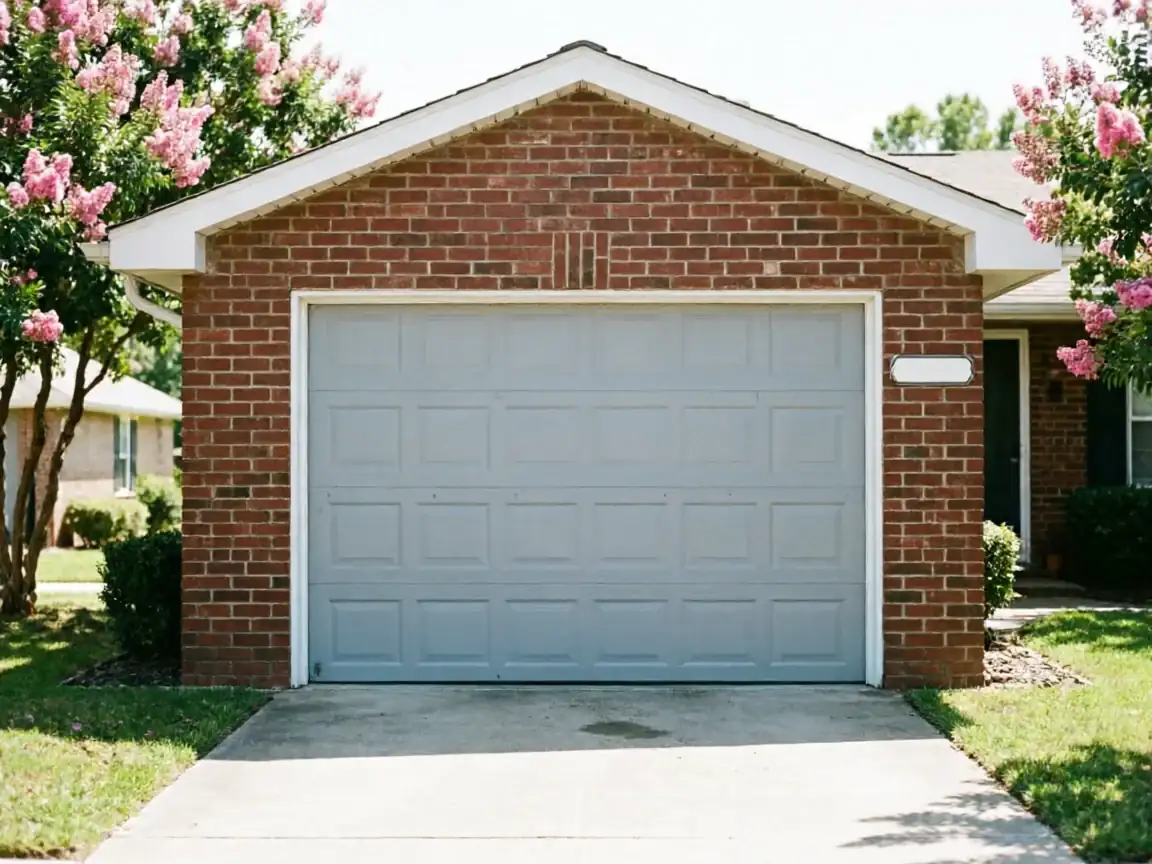
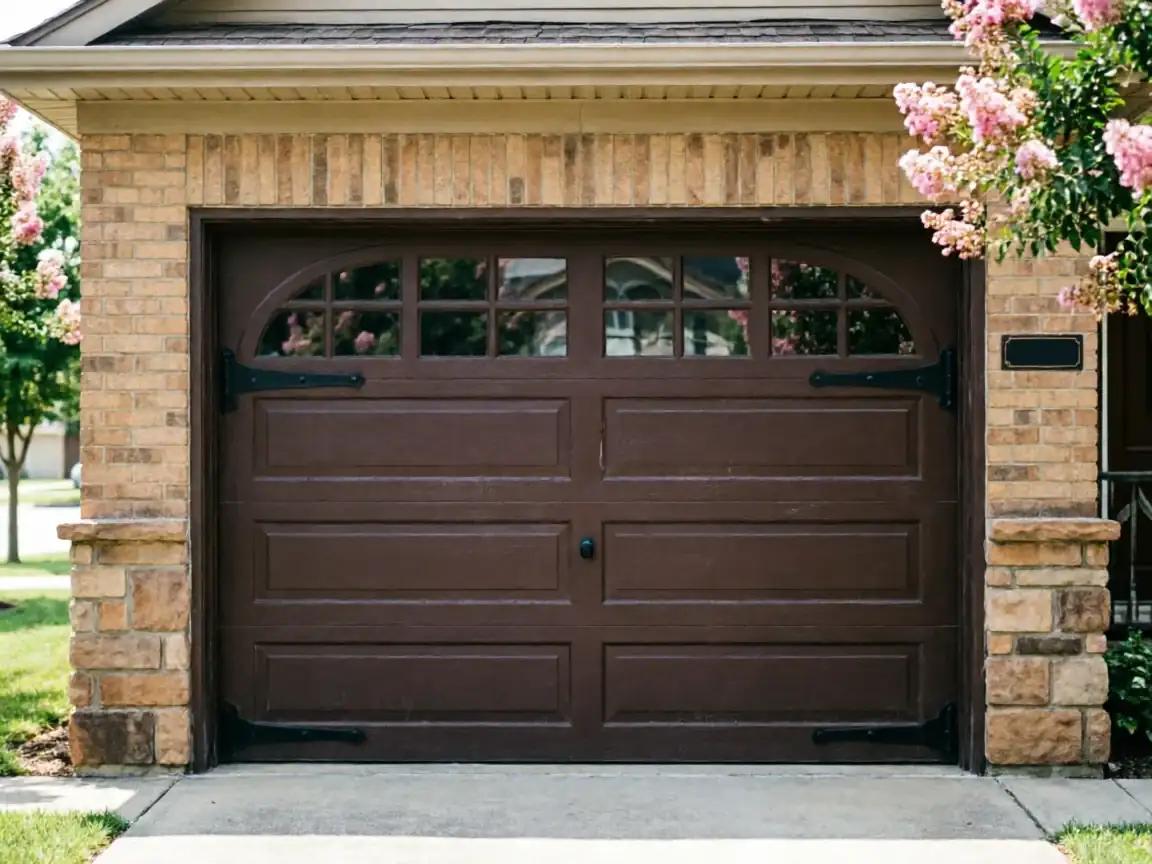
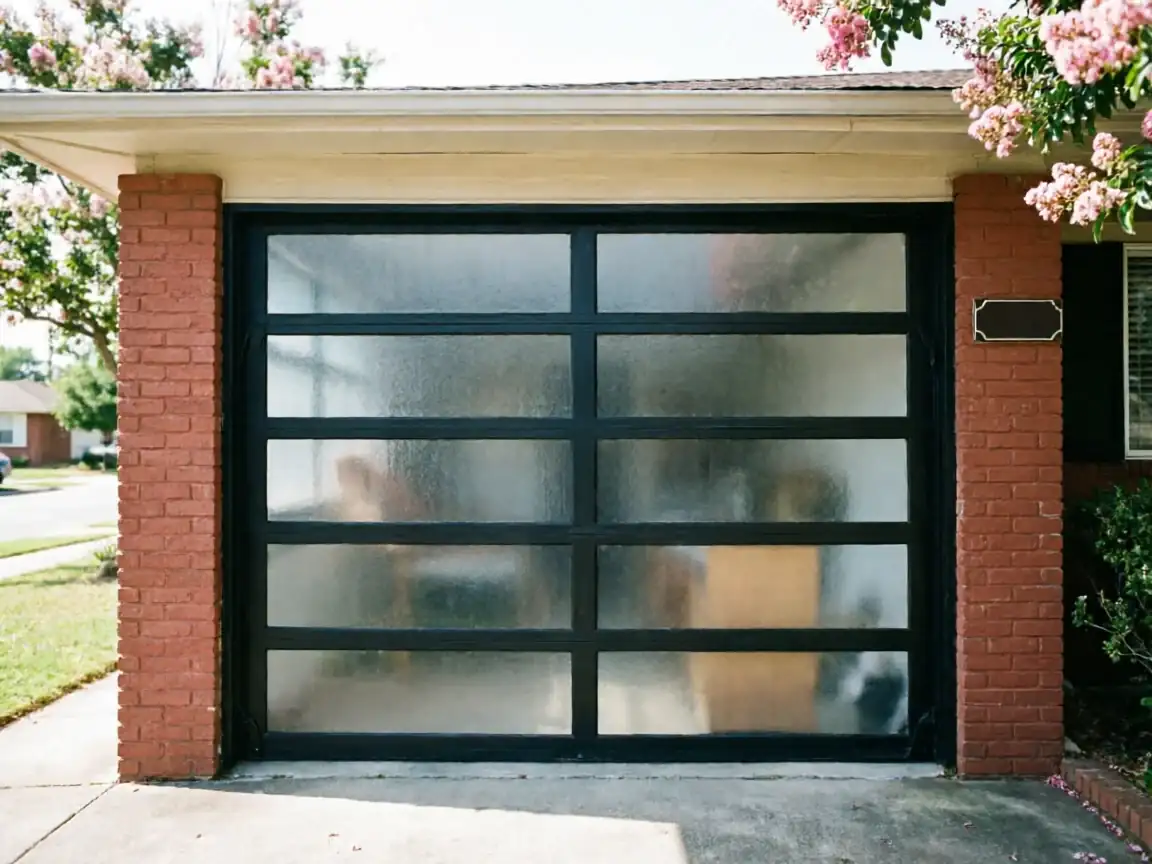
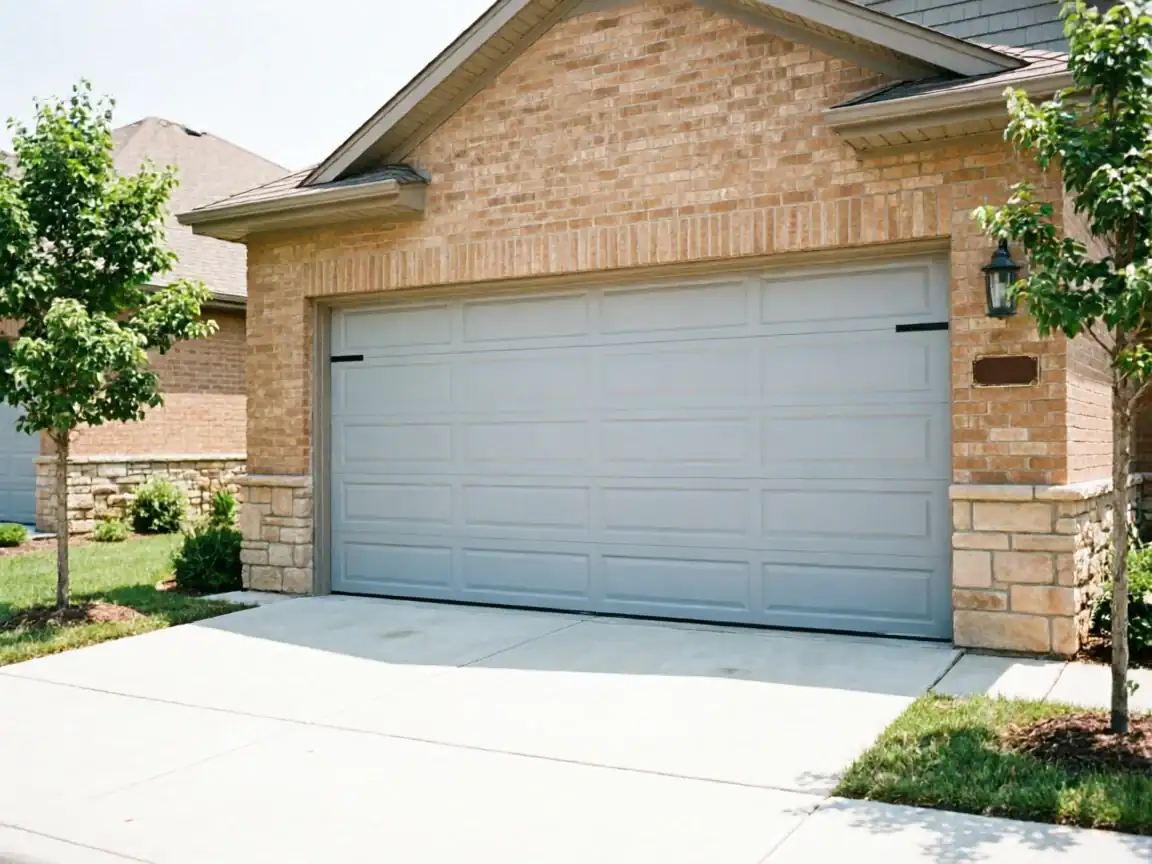
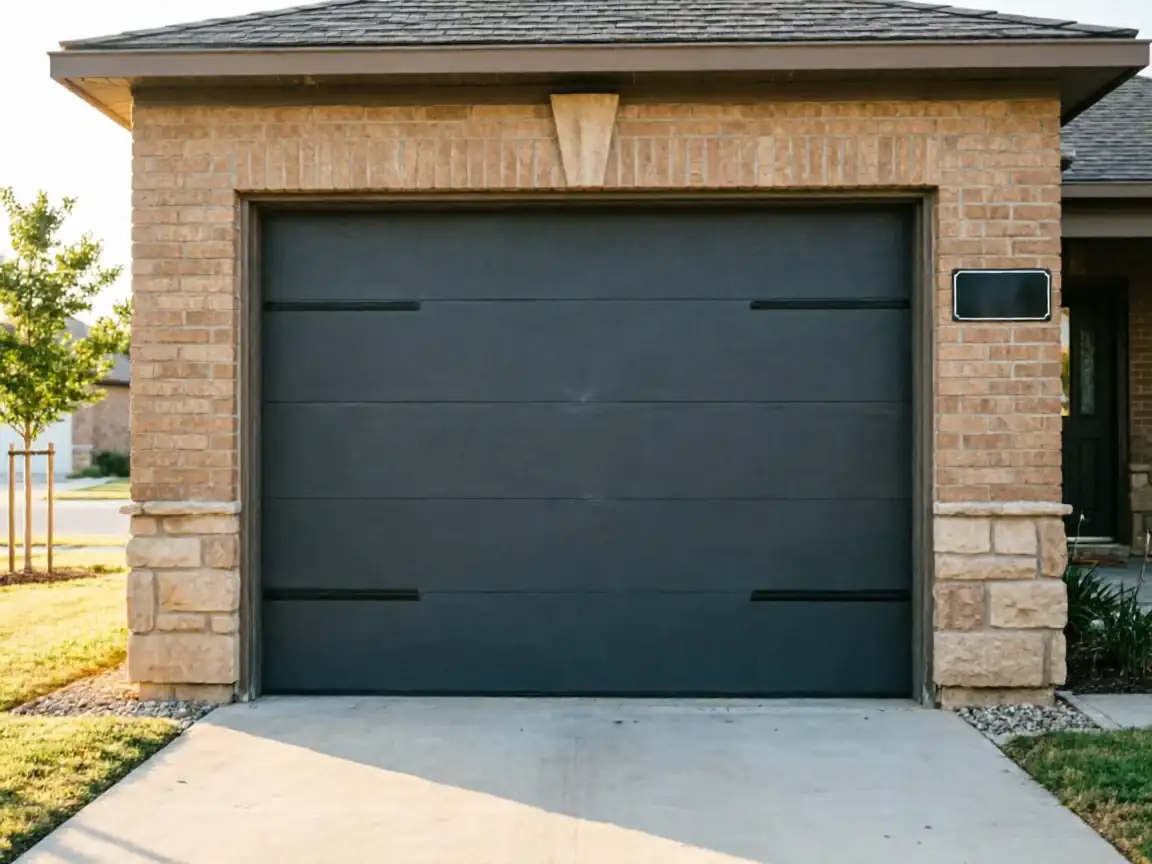
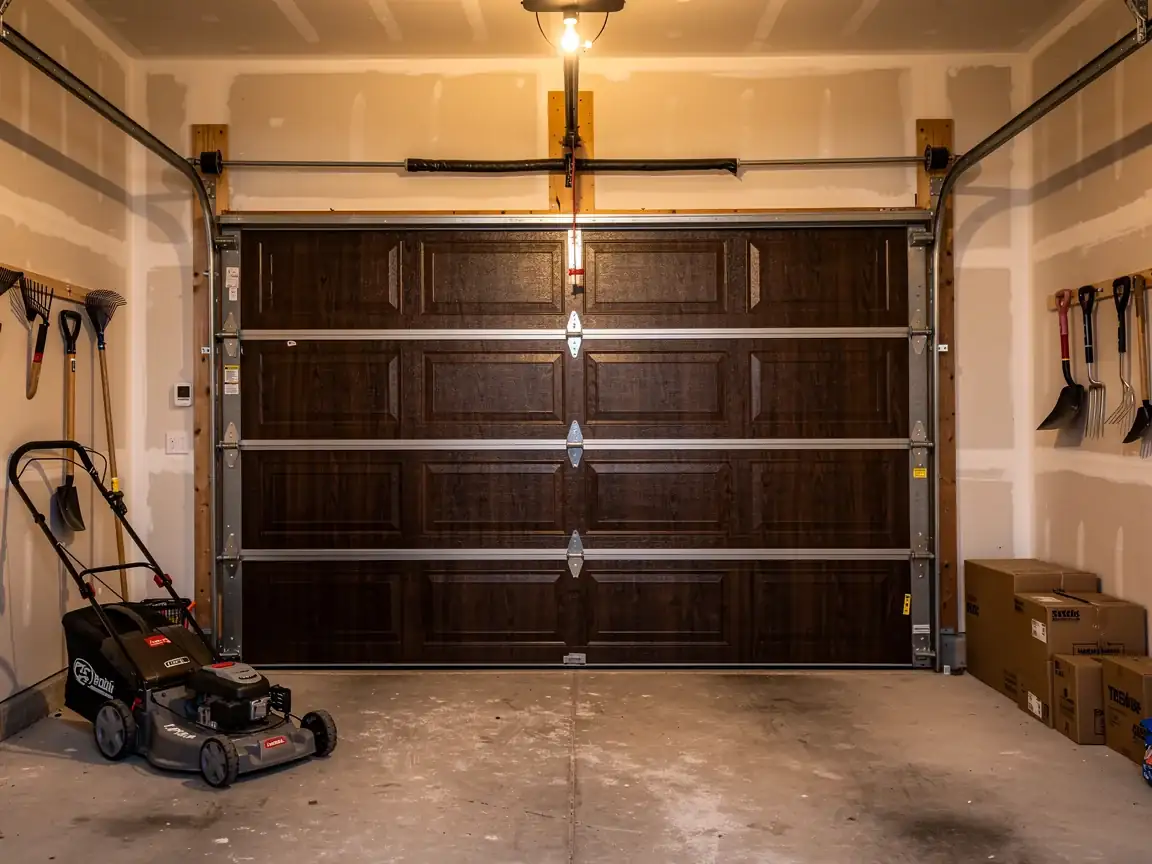
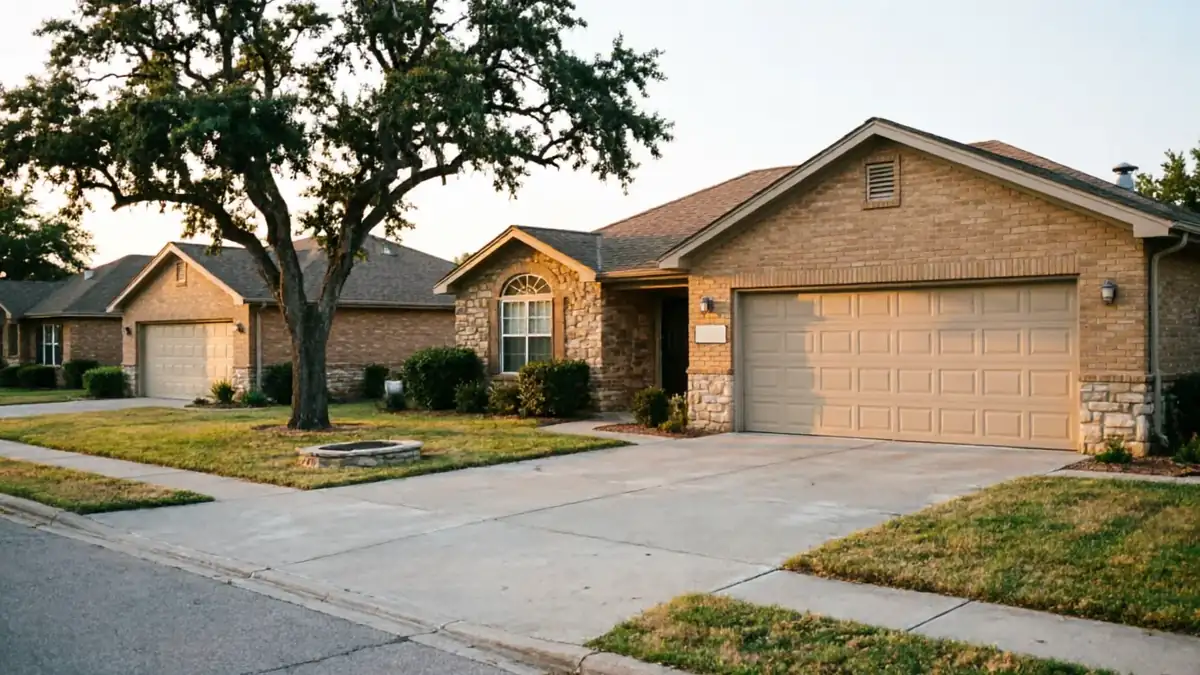
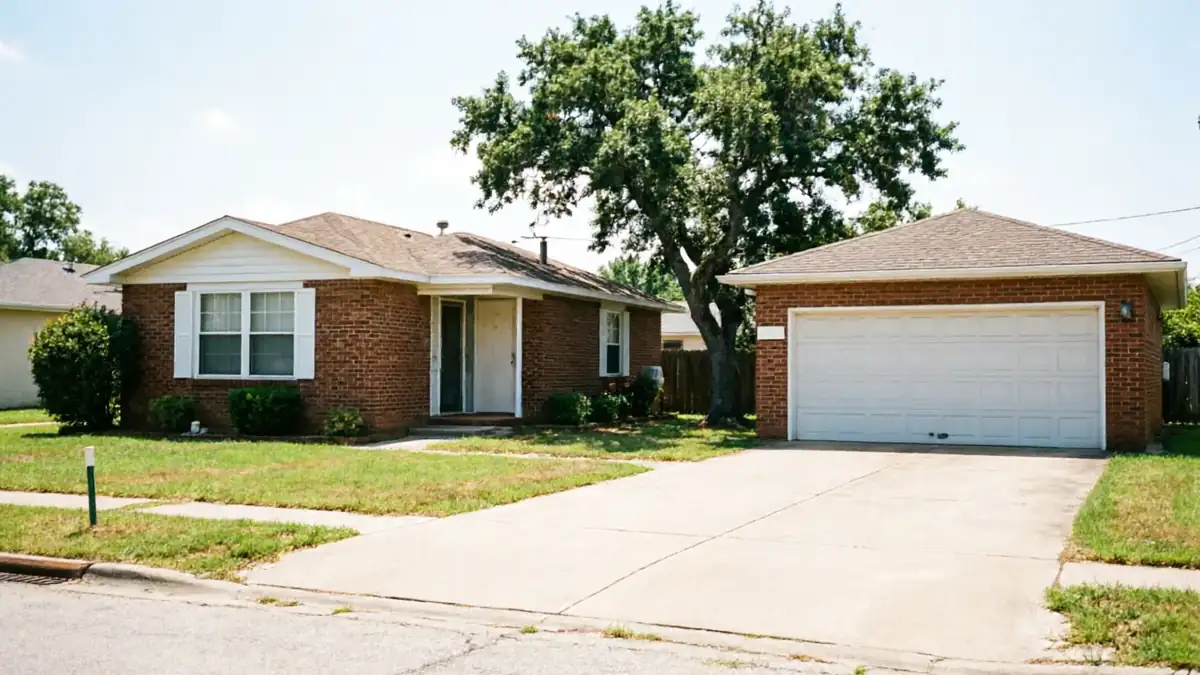
Murphy sits about 5 miles from our Wylie shop, and the houses here mostly went up around 2005, give or take a few years either side. That matters more than it sounds like it should. A door built in 2005 is not the same animal as one built in 1985. You're dealing with steel sectional doors on extension or torsion systems that were factory-matched to openers from the same era, with circuit boards and safety sensors that were already standard equipment, not retrofits.
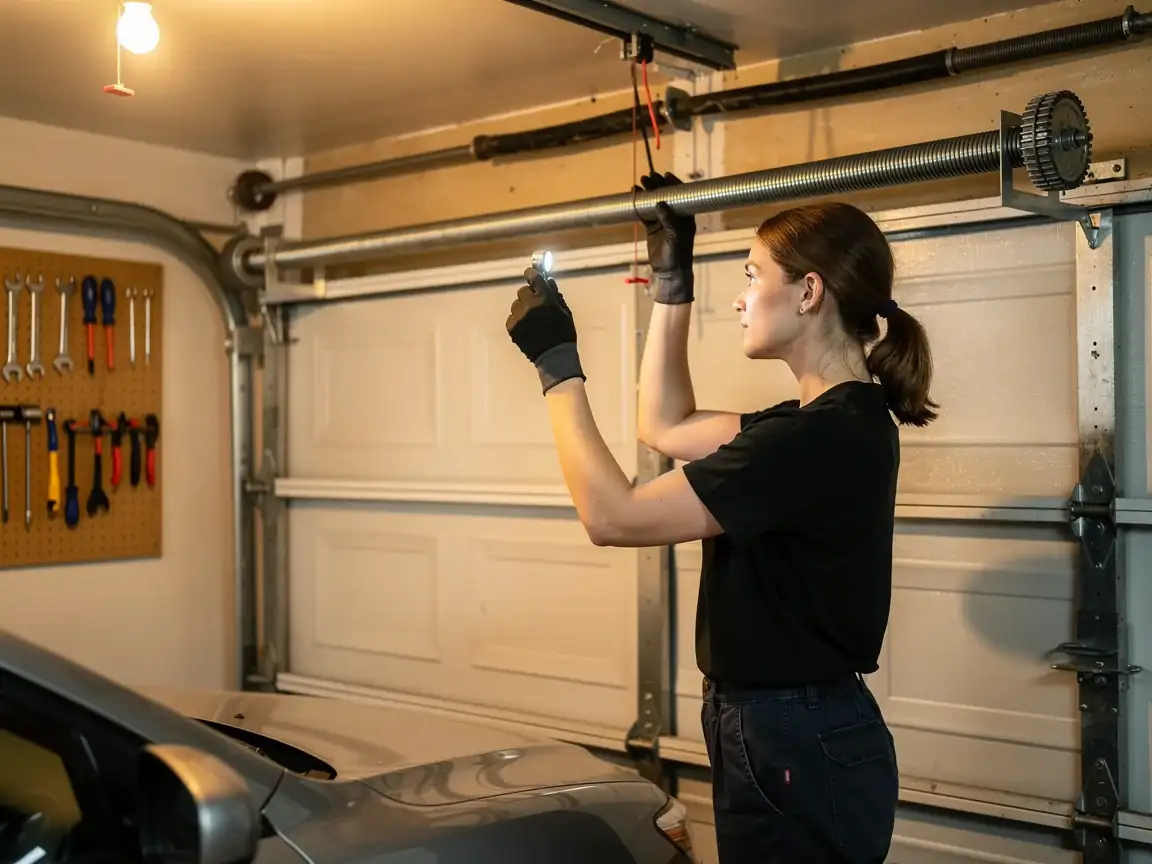
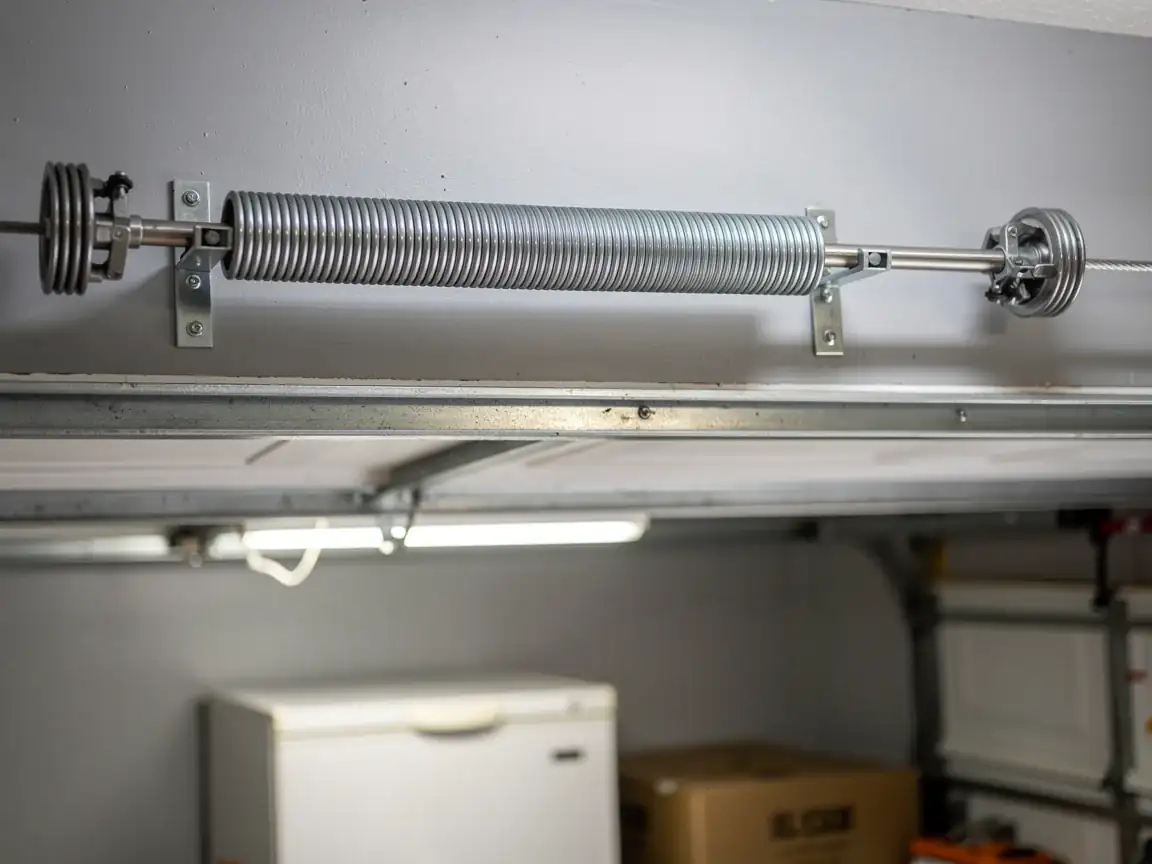
What we actually find on these calls: worn nylon rollers that have finally given out after two decades of daily cycles, torsion springs reaching the end of their rated cycle count right on schedule, and openers with logic boards that are starting to glitch intermittently before they fail outright. The garage doors aren't falling apart from age the way a 1960s door would - they're wearing out the parts that were always meant to wear, at the point in their life when that's supposed to happen. That's a different repair conversation than the one we'd have on an older street, and it usually means the fix is a part swap, not a full teardown.
Winters here stay mild with occasional freeze nights, so we're not chasing the kind of cold-snap steel contraction and lubricant stiffening that shows up in harder climates - but a freeze overnight can still tighten up an already-tired spring enough to be the final straw.
What We Will Not Take On
We don't keep a crew or a stocked truck sitting in Murphy. We run out of Wylie, about 5 miles up the road, so same-day work depends on what's already on the truck and where that truck is in its day - we won't promise a window we can't back up.
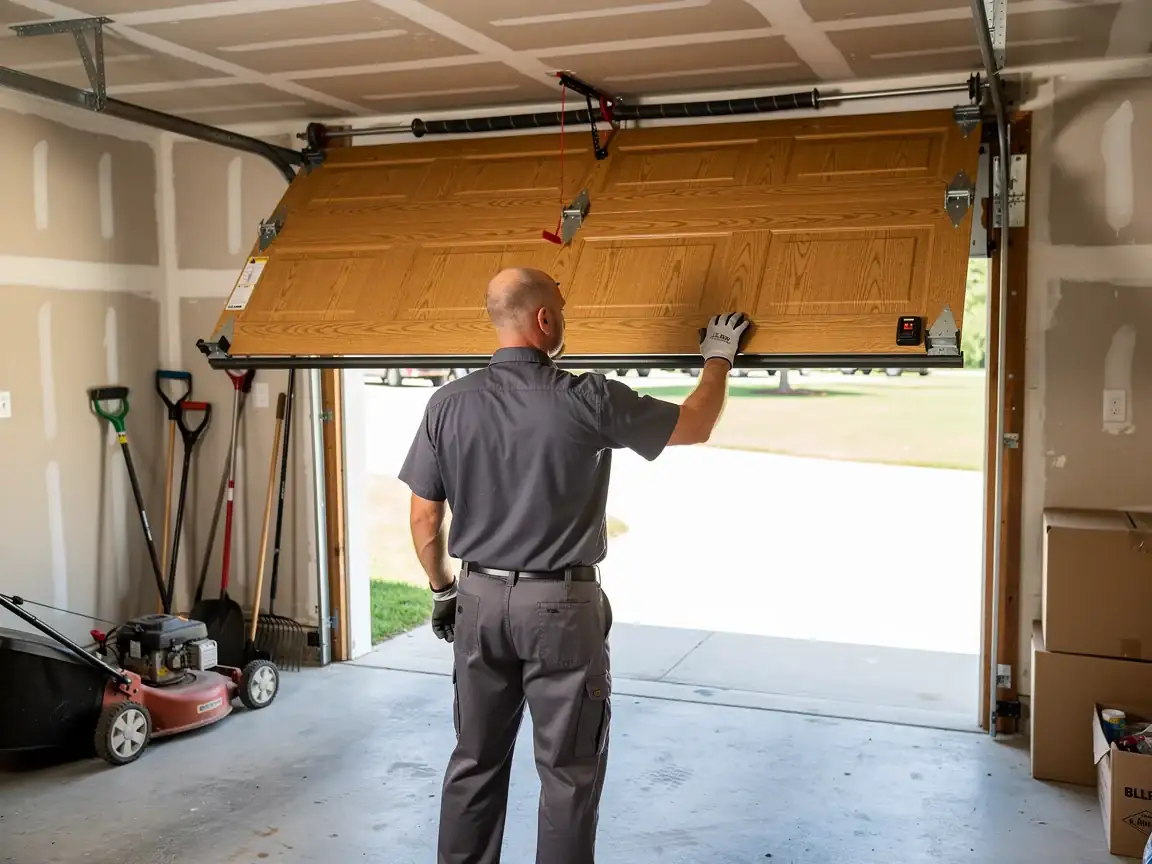
We also won't tell you to replace a door that just needs a spring and a roller set. With housing stock this age, most of what we see is a straightforward repair, not a replacement job. If a panel's dented but the track and opener are sound, we'll say so. The flip side is also true: if an opener board from this era has already failed once and gets patched instead of replaced, we'll tell you that patch is probably temporary, because boards from this generation don't usually get more reliable with another failure behind them.
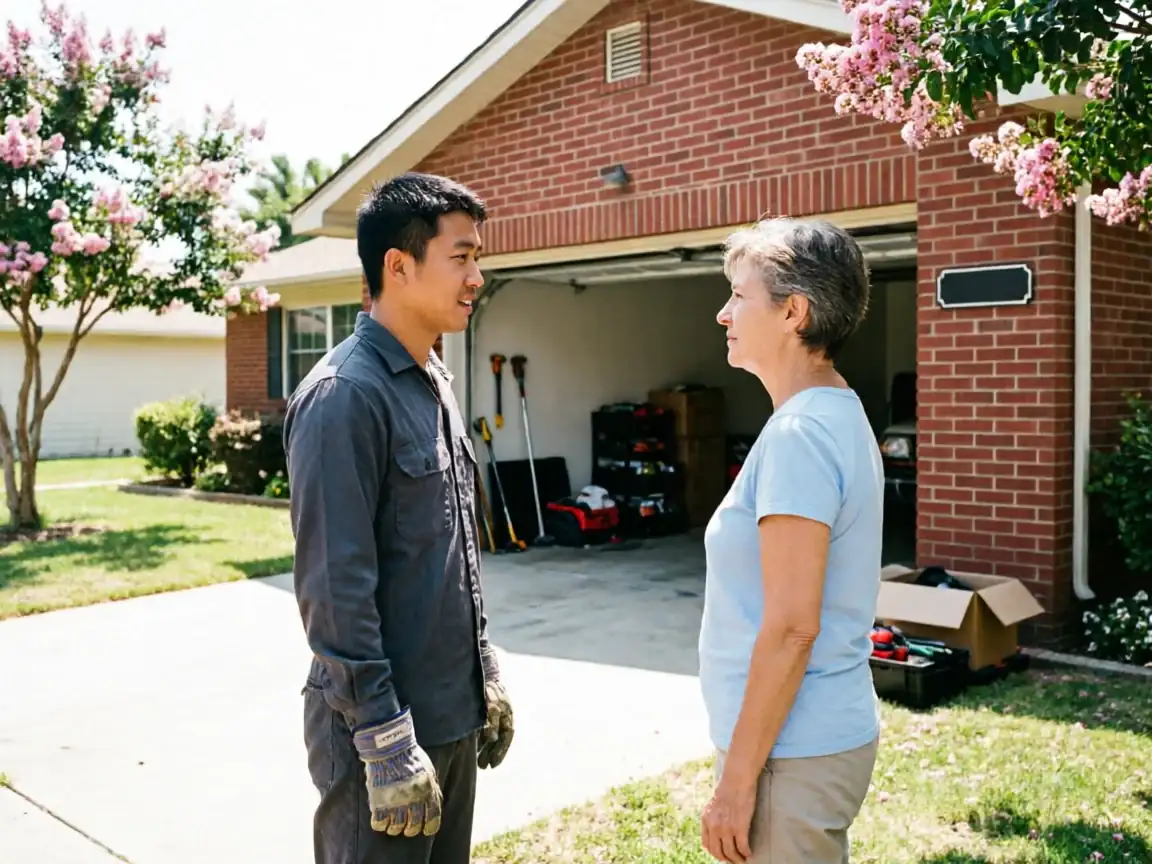
What we won't do is guess at parts we haven't seen. Openers and drive systems changed enough within the 2000s that a quick phone description isn't enough to quote a repair - we need eyes on the unit.
The Houses Here
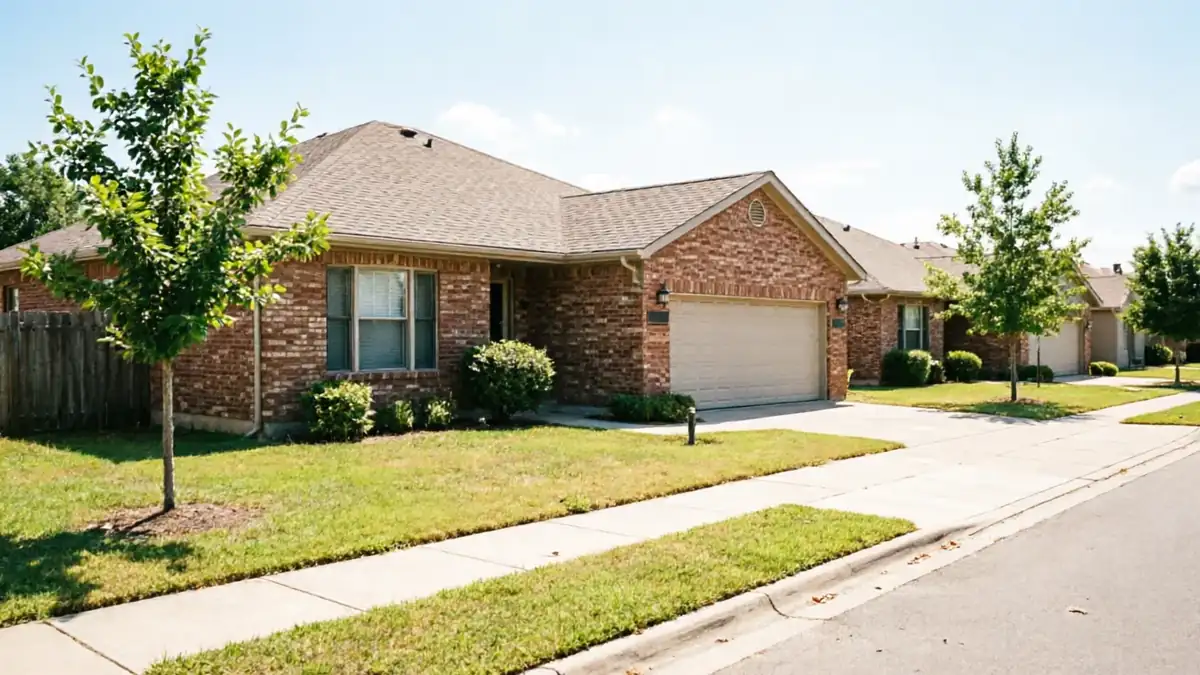
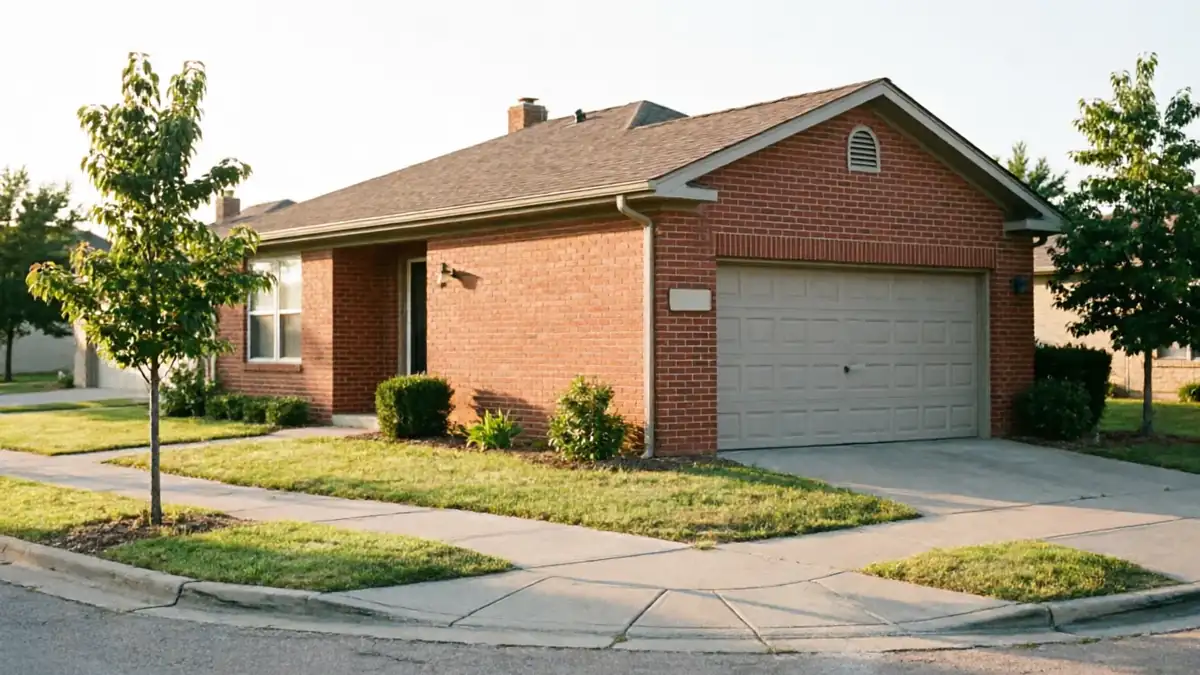
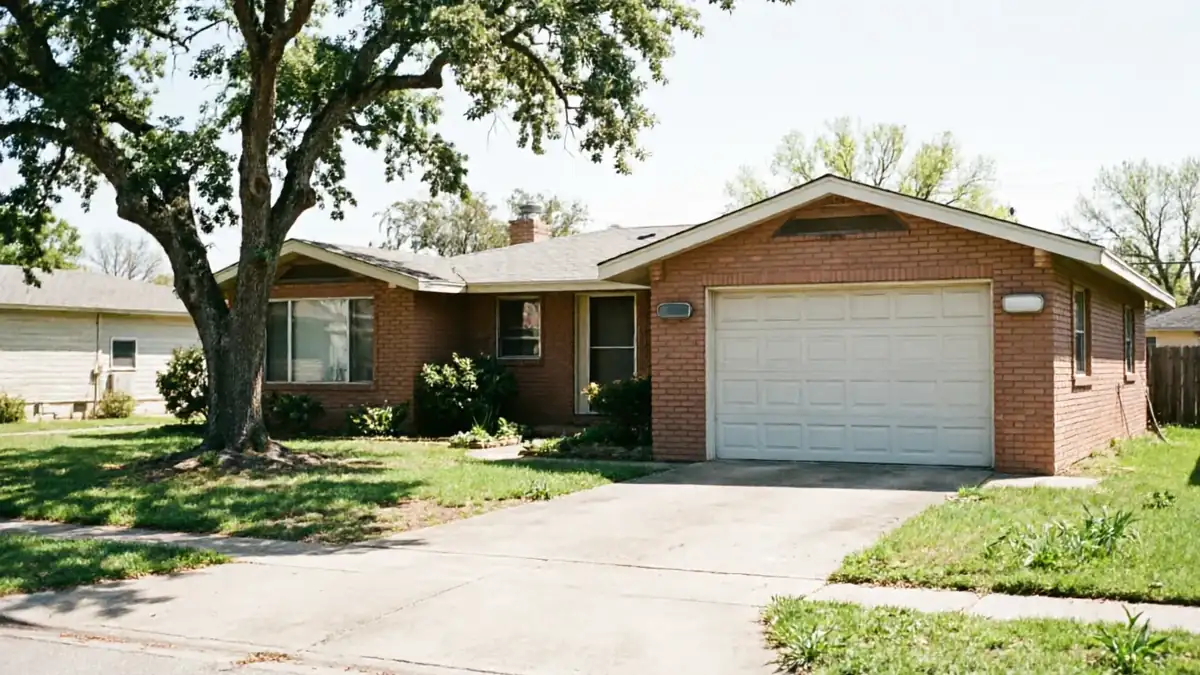
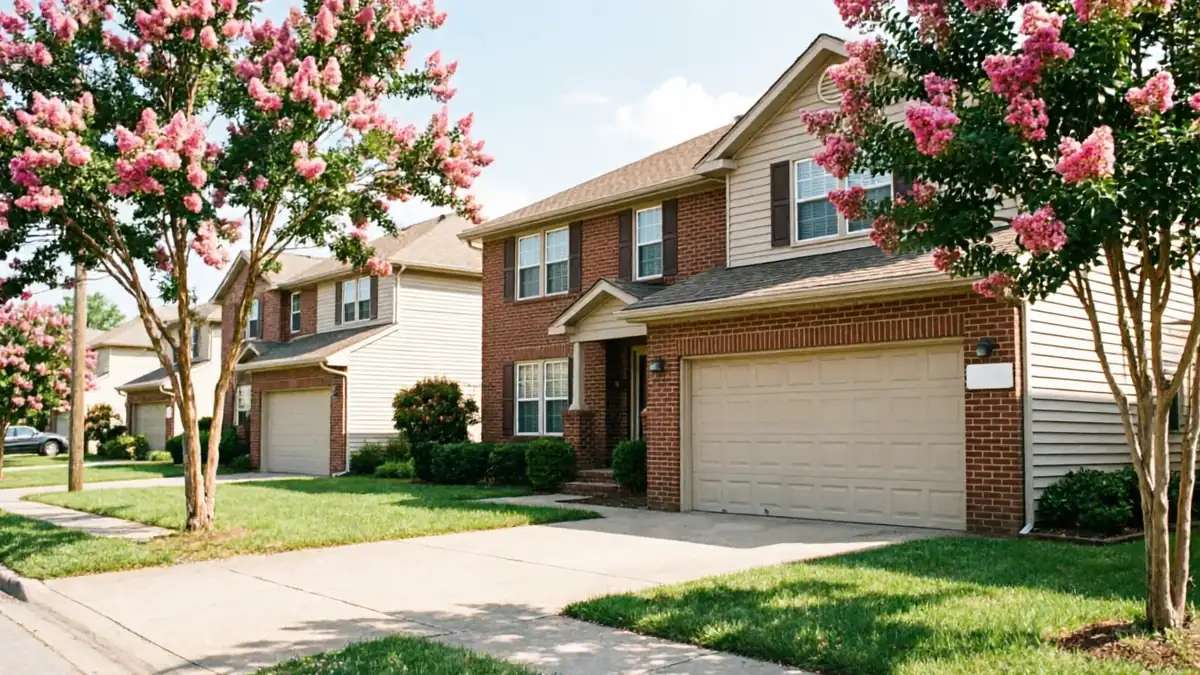
Murphy's housing stock runs mostly 2000s construction
Consistent with the broader build pattern across this part of the service area where homes went up between 1971 and 2015 with a median around 2005. With roughly 5,907 households in town and a median household income near $165,109, a lot of these garages are doing double duty - storage, a second workspace, sometimes a home gym - which means the door and opener see more daily cycles than the original builder probably planned for.
- 5,907 households
- $165,109 median household income
That heavier use is the real driver behind a lot of our calls here
More than the age of the house itself. A spring rated for a standard cycle count wears out faster when the door's going up and down five or six times a day instead of two. We see that pattern across the area's mostly-2000s housing, but it's sharper in towns like Murphy where garages get used for more than just parking.
The Calls We Get From Here
The most common call from Murphy is a torsion spring that's finally snapped after years of normal use - the door won't lift, or it lifts crooked and stops. Close behind that: openers from the 2000s build era that run but won't respond consistently to the remote or wall button, usually a sign the logic board or the sensor wiring is on its way out rather than fully dead.
We also get roller replacement calls on doors that are otherwise in good shape - the track's fine, the panels are fine, but twenty years of steel rollers running in a steel track has finally worn them down to where the door's noisy and rough. And we get the occasional call about a door that was working fine until an overnight freeze tightened everything up and exposed a spring that was already close to its limit.
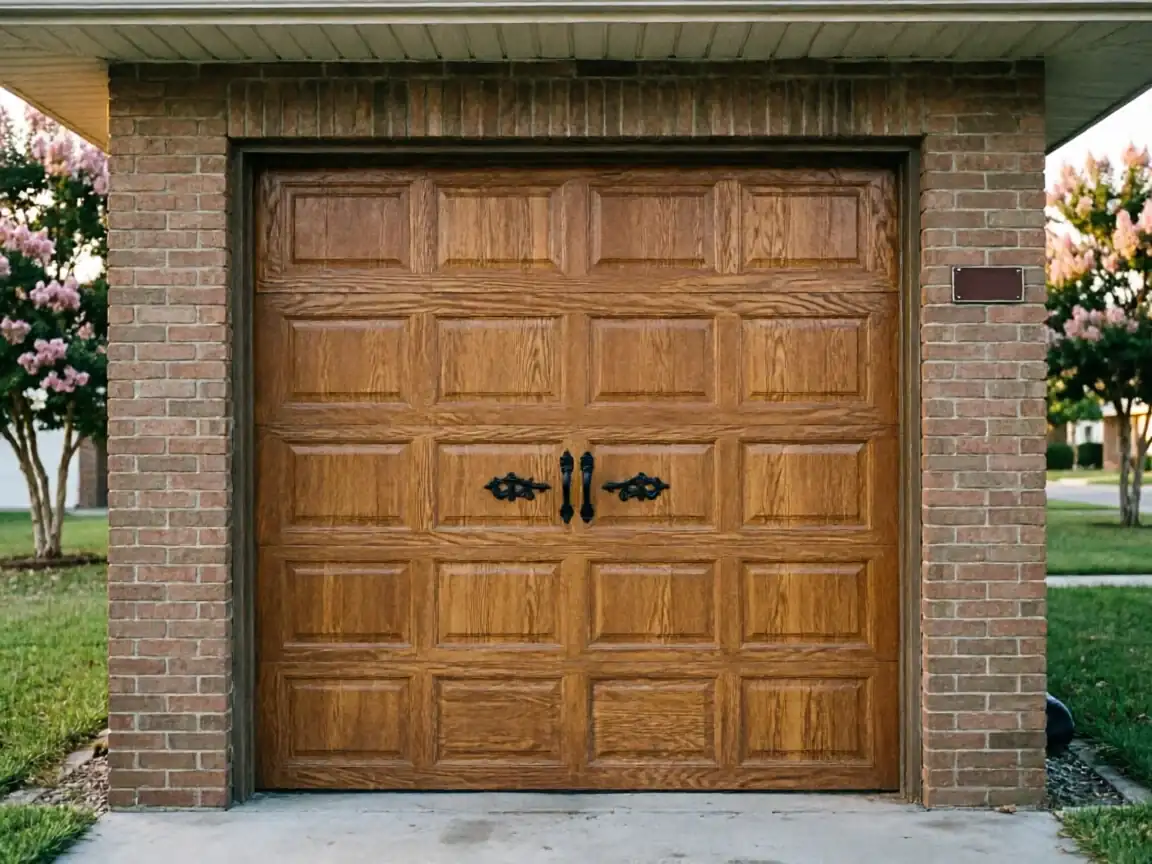
What we don't get many of: complaints about rot or warped wood panels, because the stock here just isn't old enough for that to be the common failure mode yet.