Why This Fails Locally
Most houses around Wylie went up between 1971 and 2015, with the median build year landing around 2005. That means a huge share of doors in this area are original equipment on torsion springs and nylon rollers that are now 15 to 20 years into a part rated for about 10,000 cycles. Nobody replaced anything because nothing has broken yet - it's just worn down slowly.
The climate here doesn't help. Wylie sits in a mild band with occasional freeze days, which means the hardware isn't dealing with brutal winters, but it is cycling through humidity swings and the odd hard freeze that stiffens grease and shrinks seals overnight. A spring that's been fine for a decade can snap on the one morning it's 28 degrees because the lubricant thickened and the coil had to work harder than it was built for.
Across the wider service area, roughly 39,500 of the 48,000-plus households are owner-occupied houses, not apartments, so most of these doors see daily use by someone who actually owns the problem when it shows up. With a median household income near $127,000 in this area, most owners can afford to fix things right instead of patching - but only if they catch the wear before a cable snaps or an opener gear strips.
The Symptom
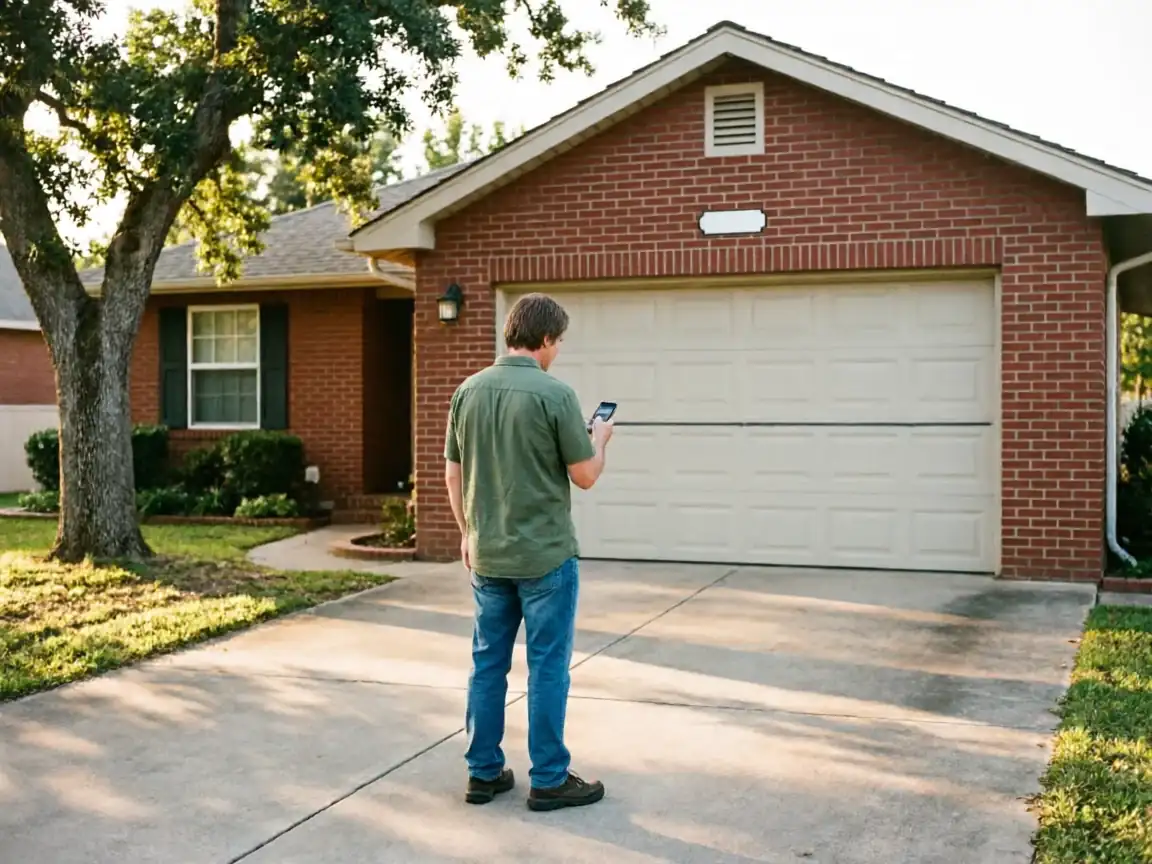
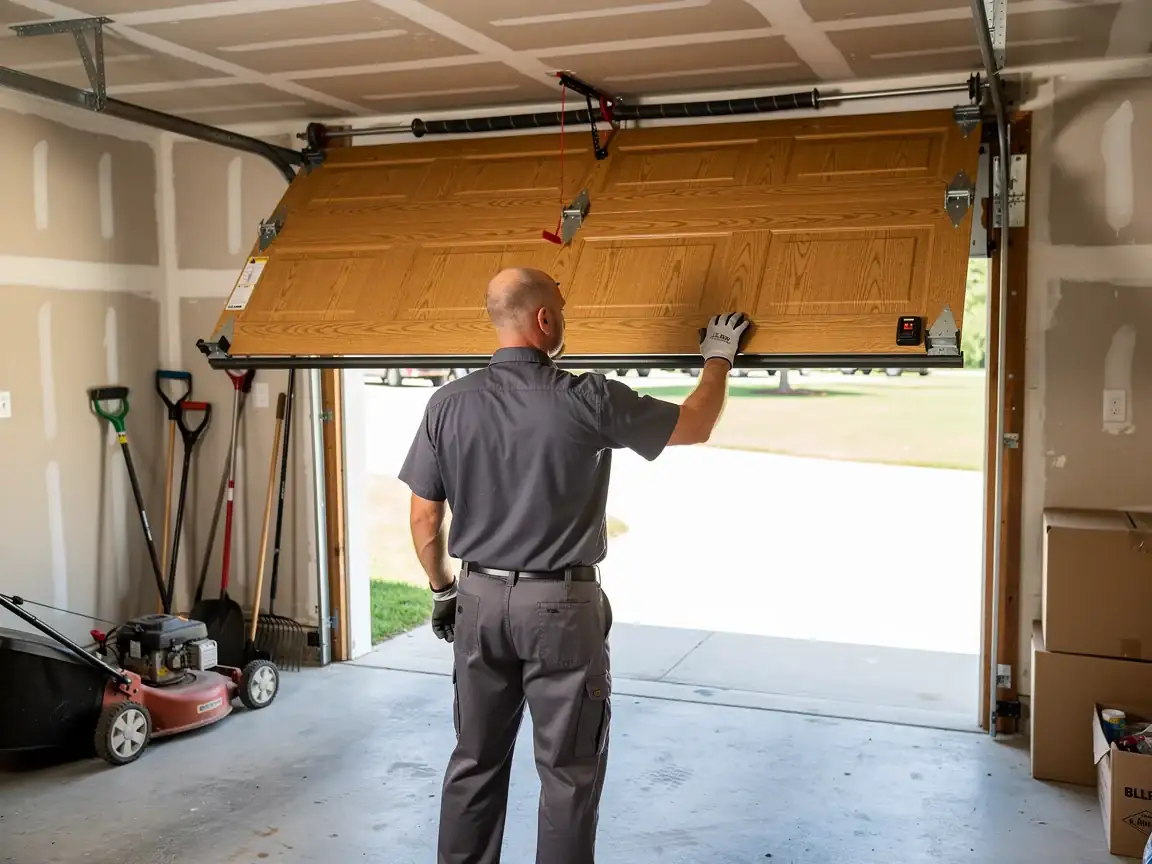
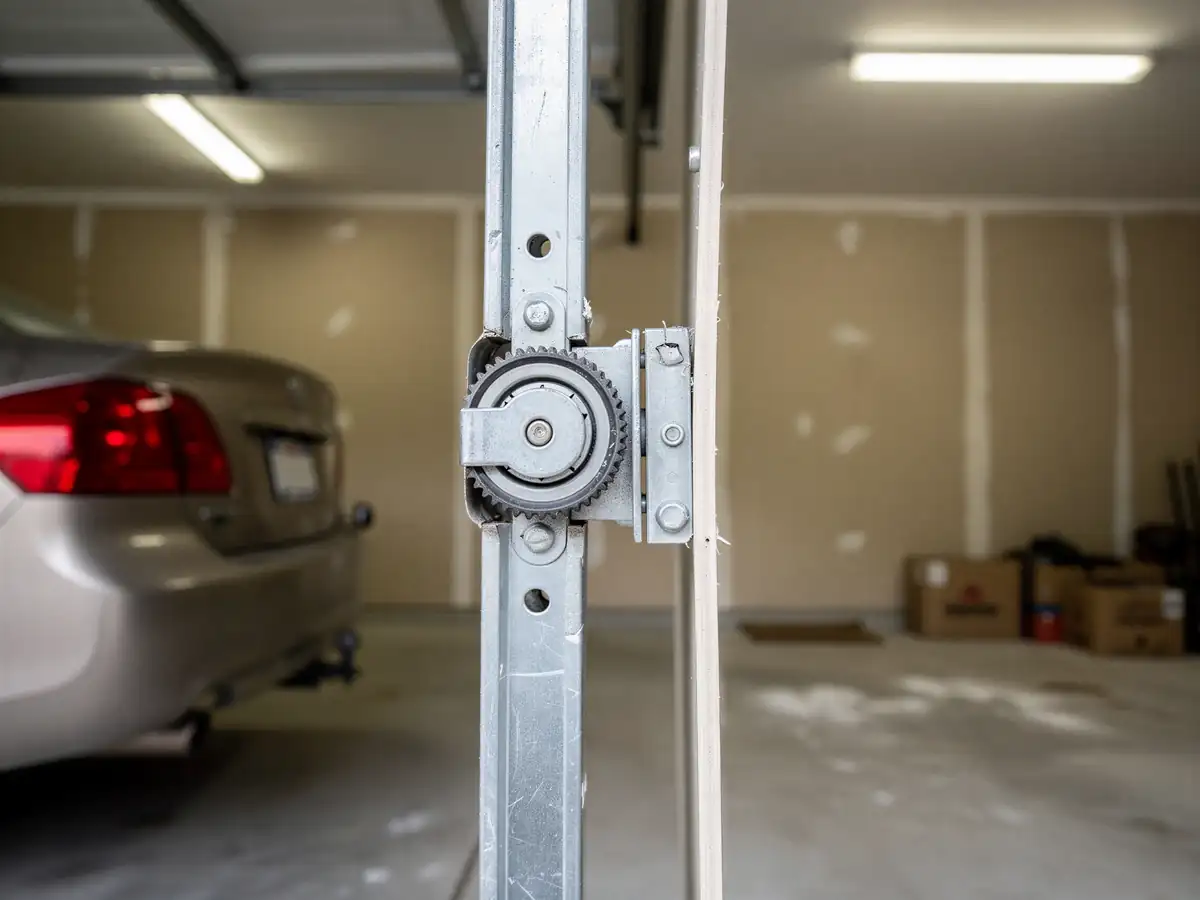
The warning signs are usually small before they're expensive. A door that used to glide now hesitates a few inches off the floor - that's a spring losing tension, not a motor problem, even though it feels like the opener is struggling. Rollers that used to be silent start grinding or clicking on the way up, especially in homes built in the 2000s where the original steel rollers were never upgraded to nylon.
You'll also hear it in the track: a door that used to run straight starts walking sideways slightly, catching on one side. That's a sign the track brackets have loosened from thousands of cycles, common in houses now 15 to 20 years old where nobody has re-tightened the hardware since the builder installed it.
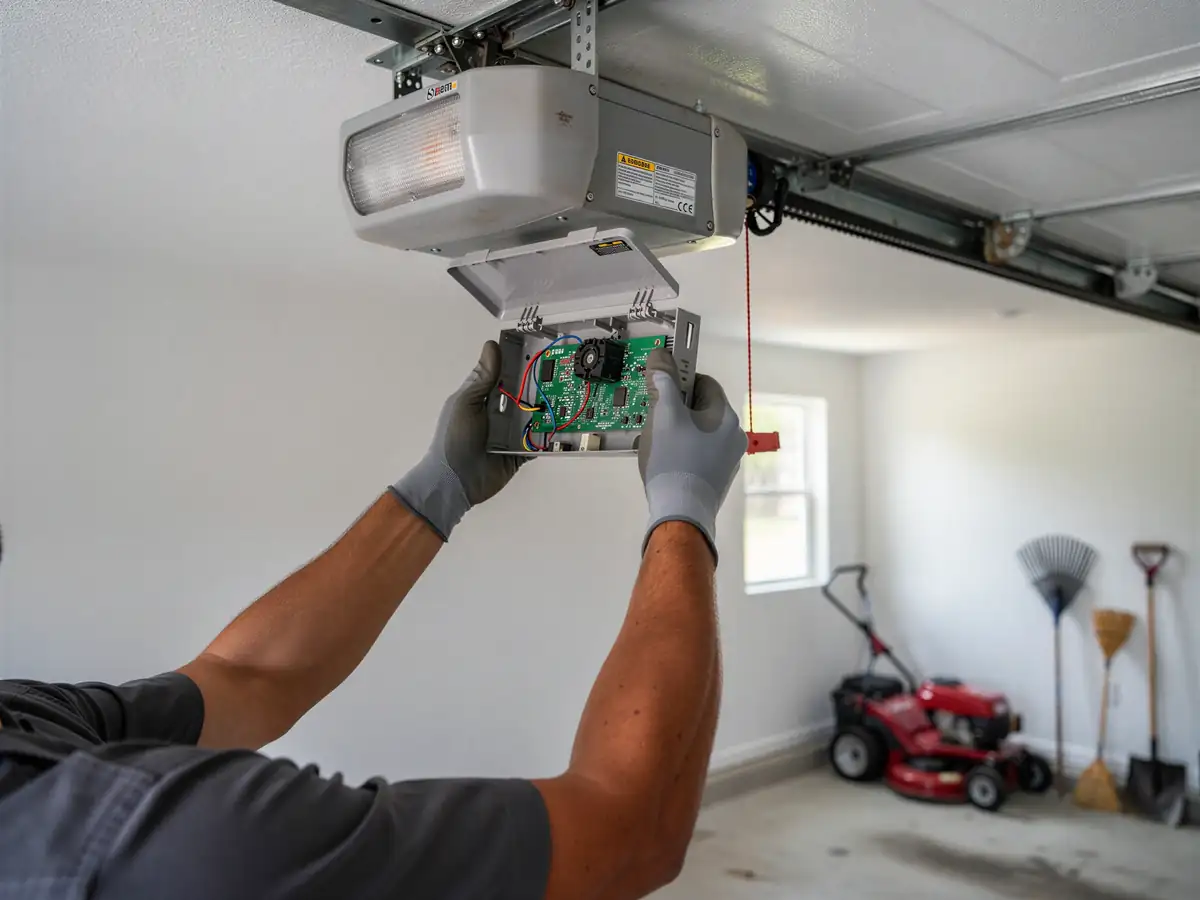
If the door reverses right before it closes, or closes then pops back open an inch, that's usually the safety sensors drifting out of alignment, not a wiring fault. None of these are emergencies yet. All of them get expensive fast if ignored, because a worn roller eventually jumps the track, and a spring under uneven tension eventually fails under full load instead of partial.
Can You Do This Yourself
Some of this is fine to do on your own
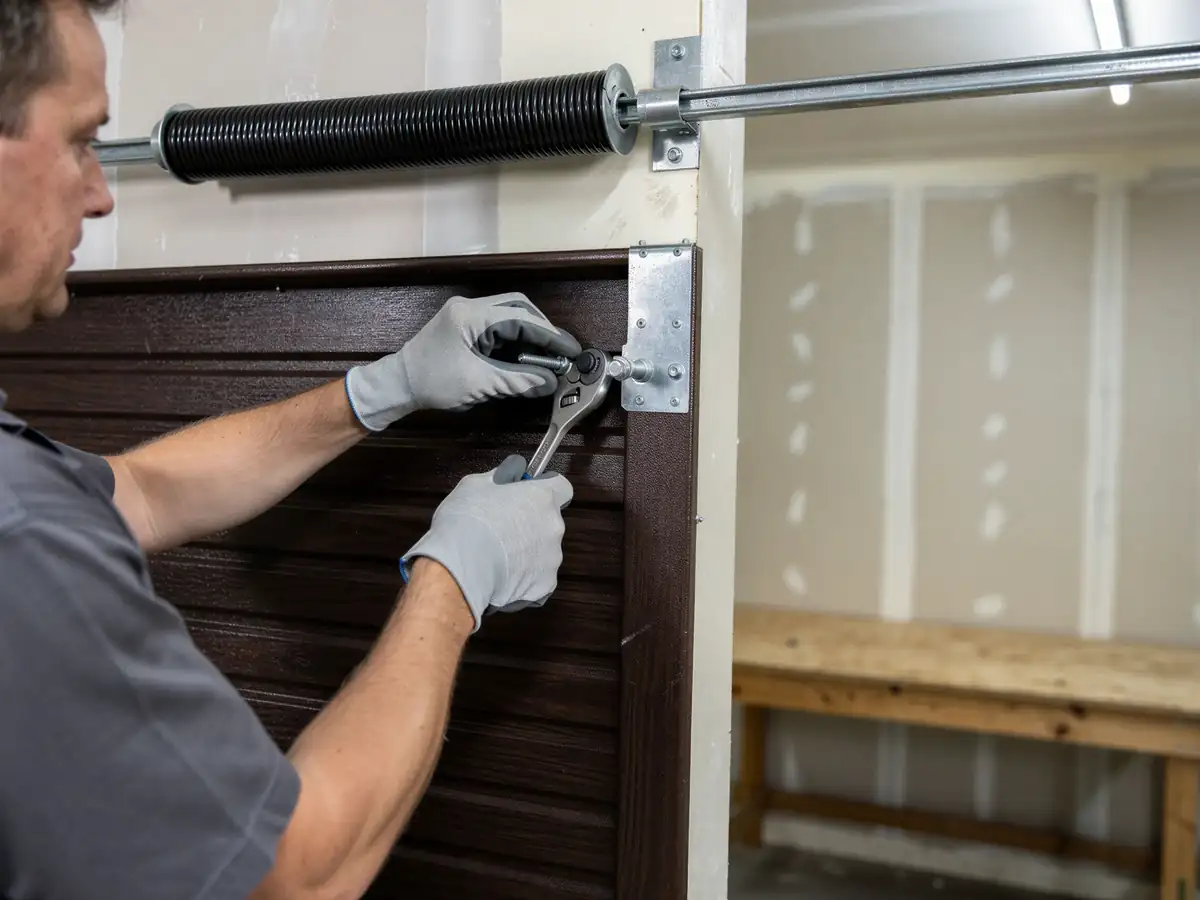
You can wipe down and lightly lubricate the tracks and hinges with a garage-door-specific lubricant every few months, and you can visually check that the cables aren't frayed and the bottom brackets aren't rusted. Tightening visible bolts on the track brackets is reasonable too, as long as the door is down and the opener is unplugged.
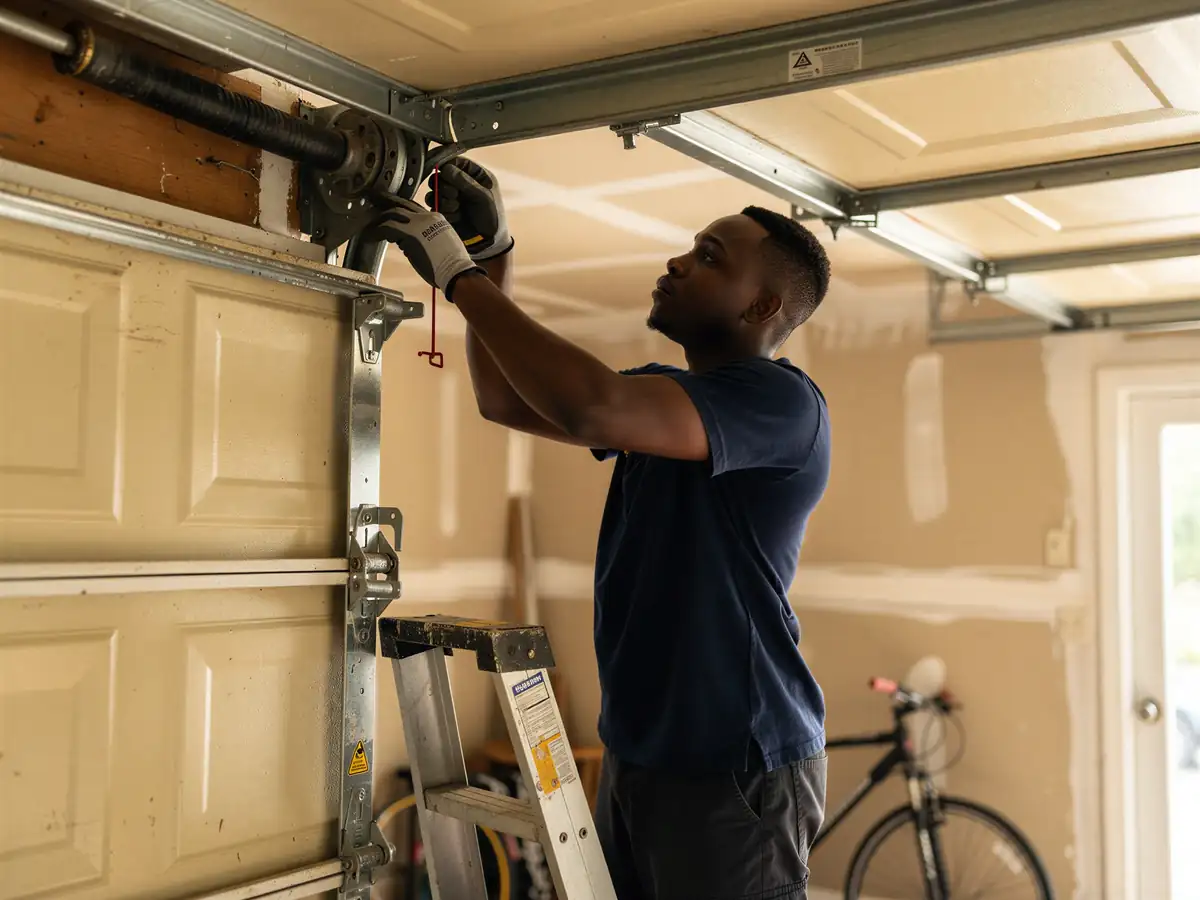
What you shouldn't touch is the torsion spring itself
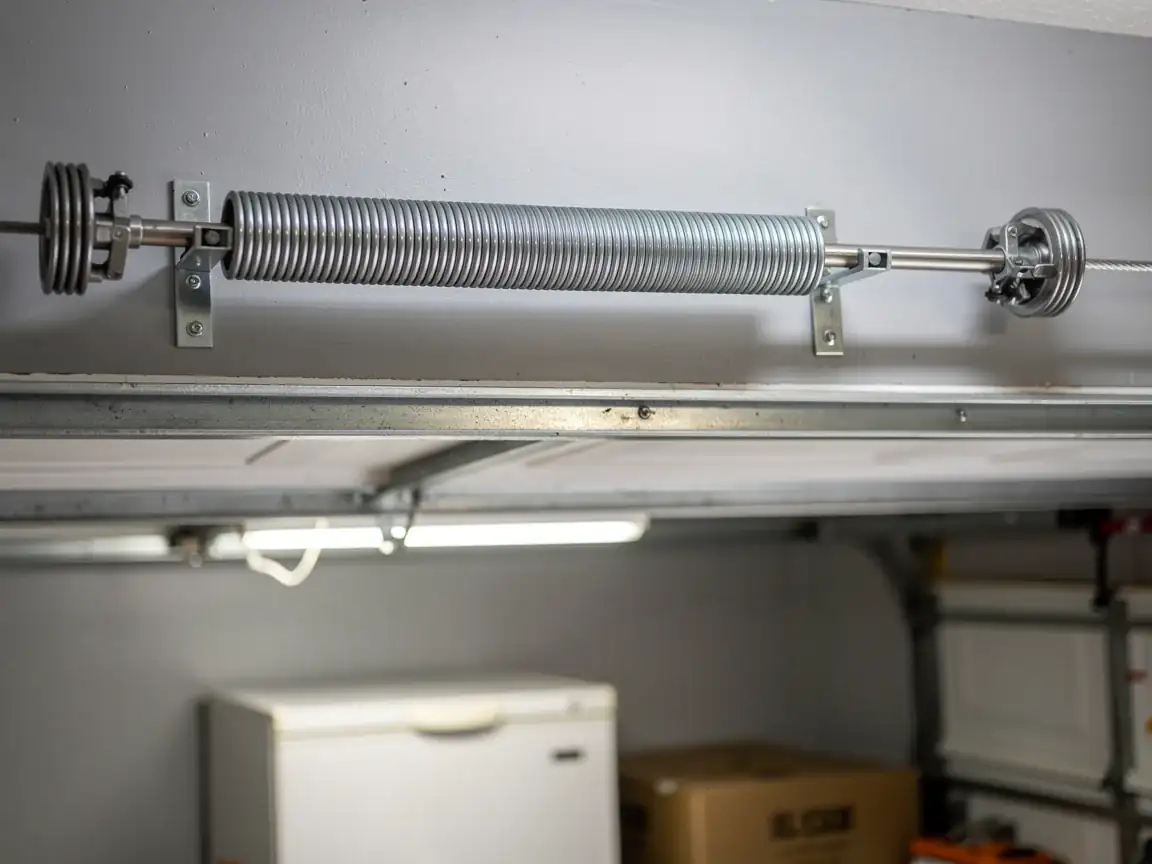
It's wound under enough tension to cause serious injury if it lets go while you're adjusting it, and there's no way to tell from the outside how much tension is left in an older one. Same goes for the cables under the spring system - if one looks frayed, that's a call, not a DIY afternoon.
Honest limitation: if your door is original to a house built in the early 2000s and has never had the springs or rollers replaced
A maintenance visit might turn into a parts conversation. We're not going to tell you everything's fine just to avoid that conversation, and we're not going to replace parts that still have life in them either.
How to Book
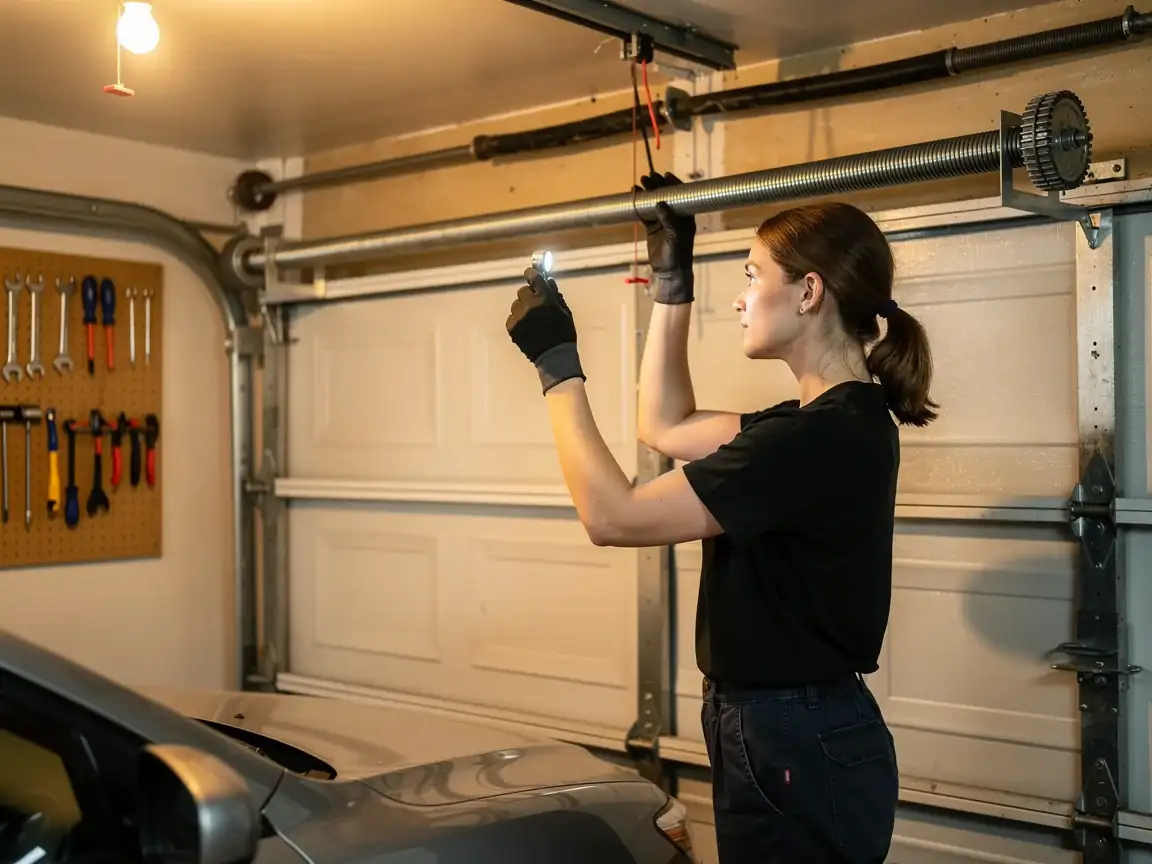
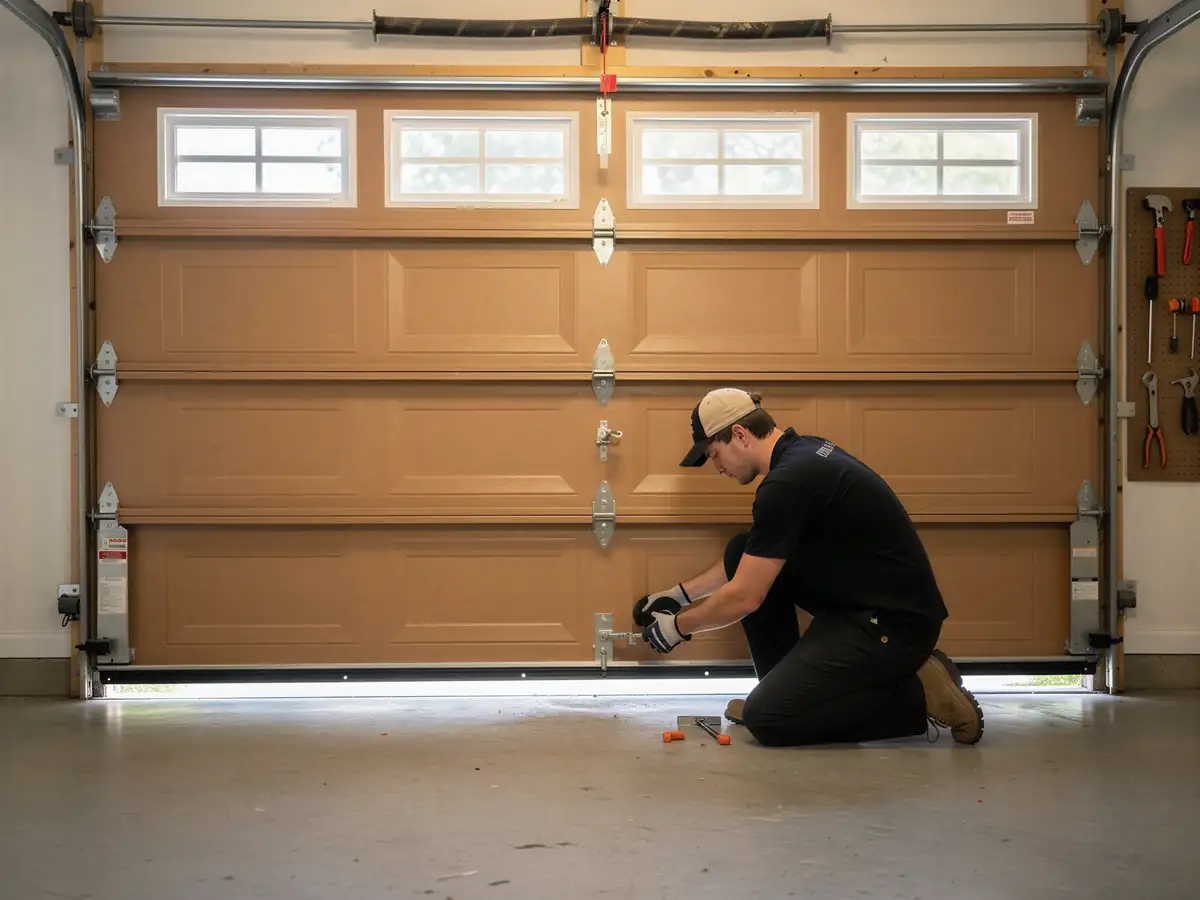
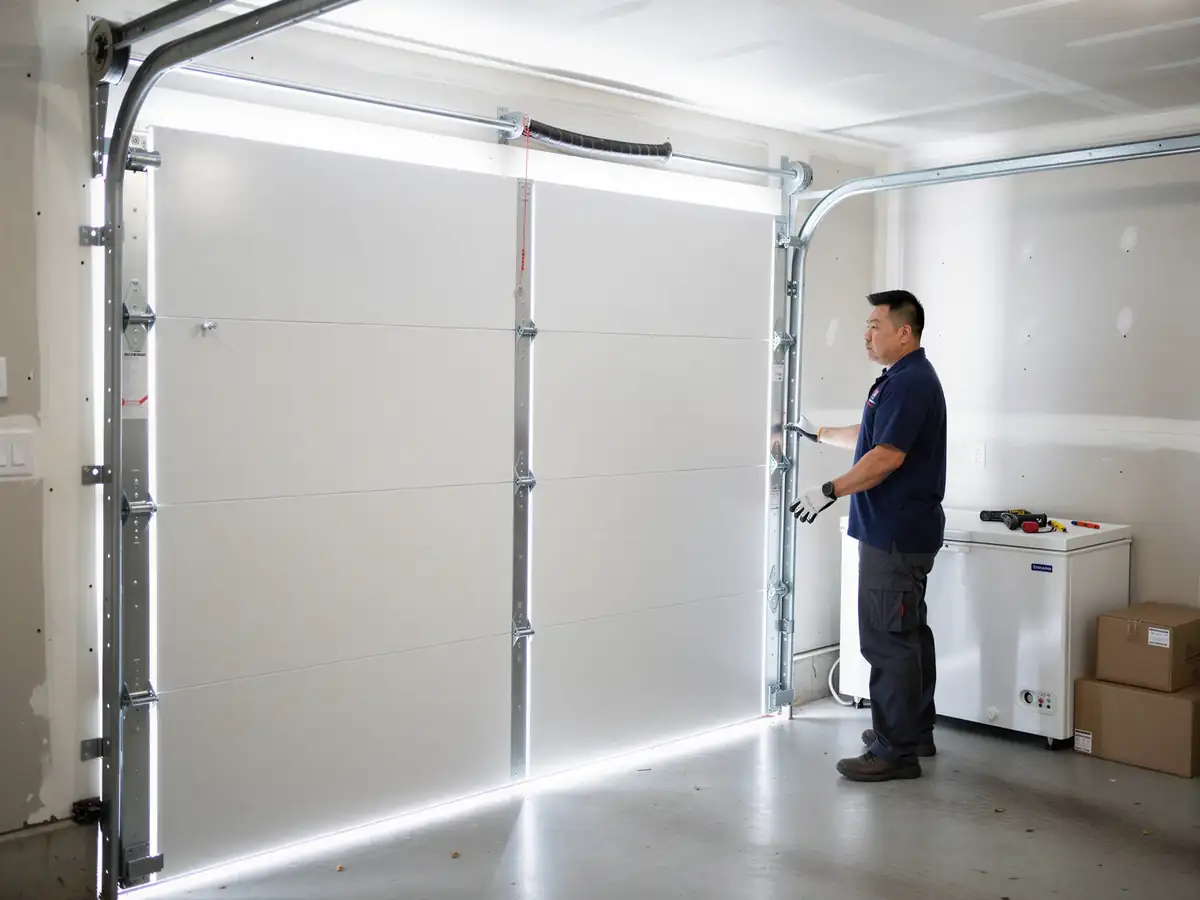
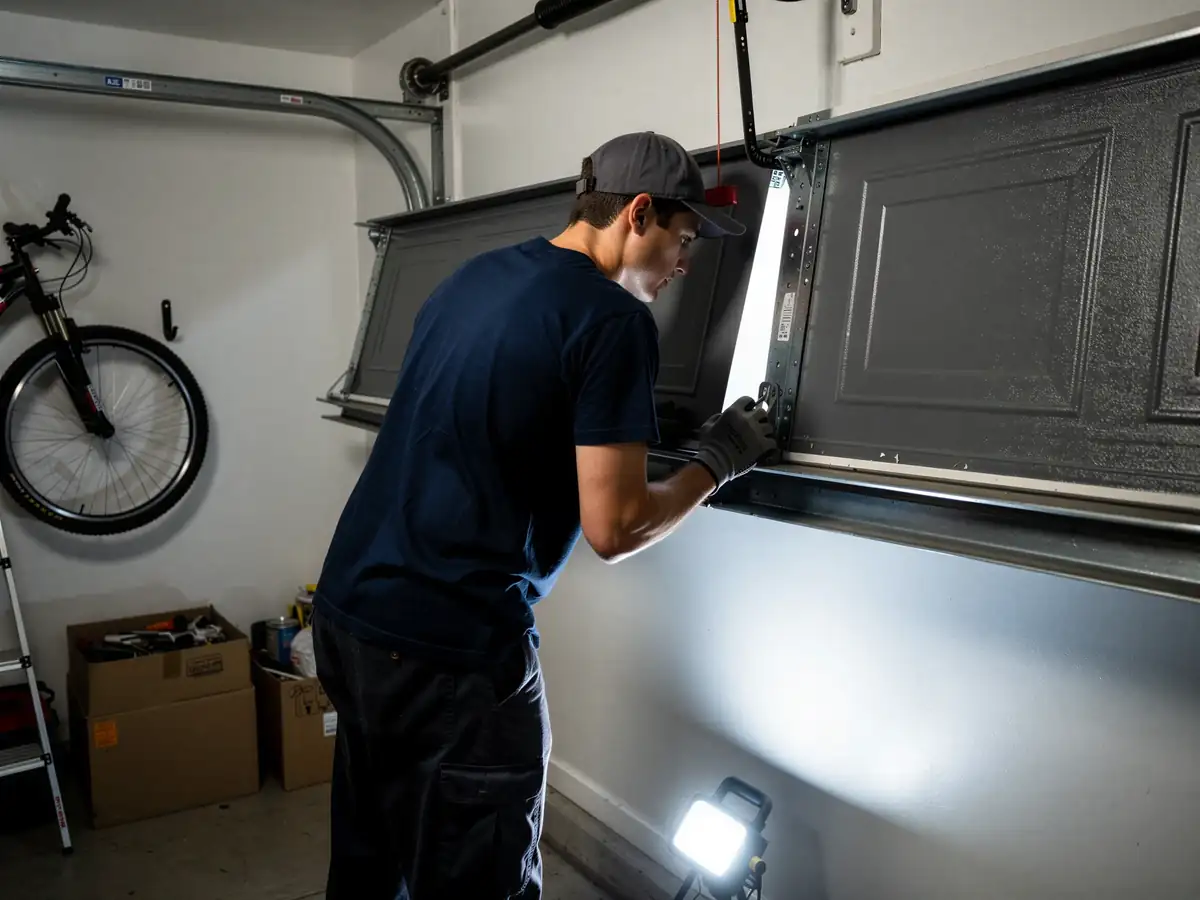
If your door is sticking, grinding, or closing unevenly, get a maintenance visit on the calendar before it turns into a weekend without a working garage door. We check spring tension, roller condition, track alignment, and opener sensor settings in one visit, and tell you straight if something's close to the end of its life.
Head to our home page to get in touch and schedule.