Doing Nothing For Now
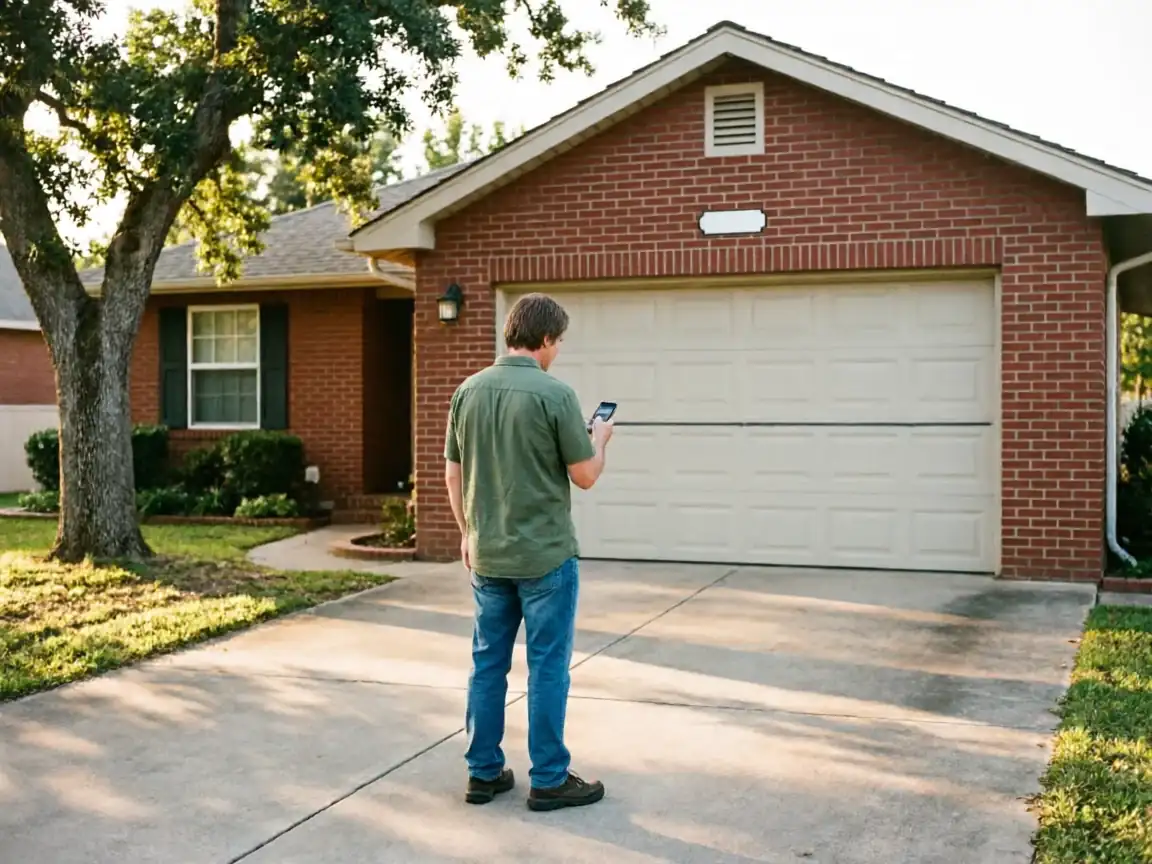
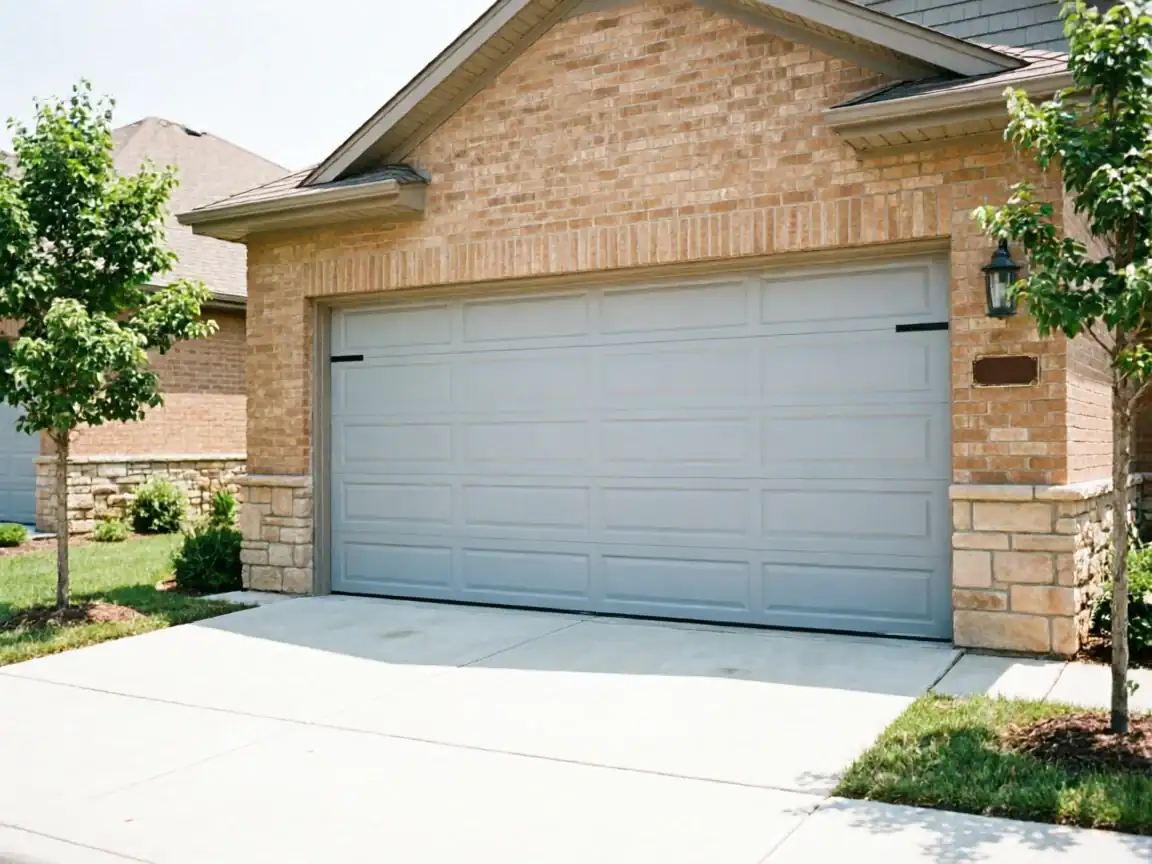
Most of the housing stock around Wylie went up between 1971 and 2015, with the median build year landing around 2005. That matters here more than people think. A door on a house built in the early 2000s is usually still running its original torsion spring and the original opener logic board, and neither one has hit the failure window yet. If your door opens smooth, closes square, and the cables aren't fraying, you don't need to call anyone.
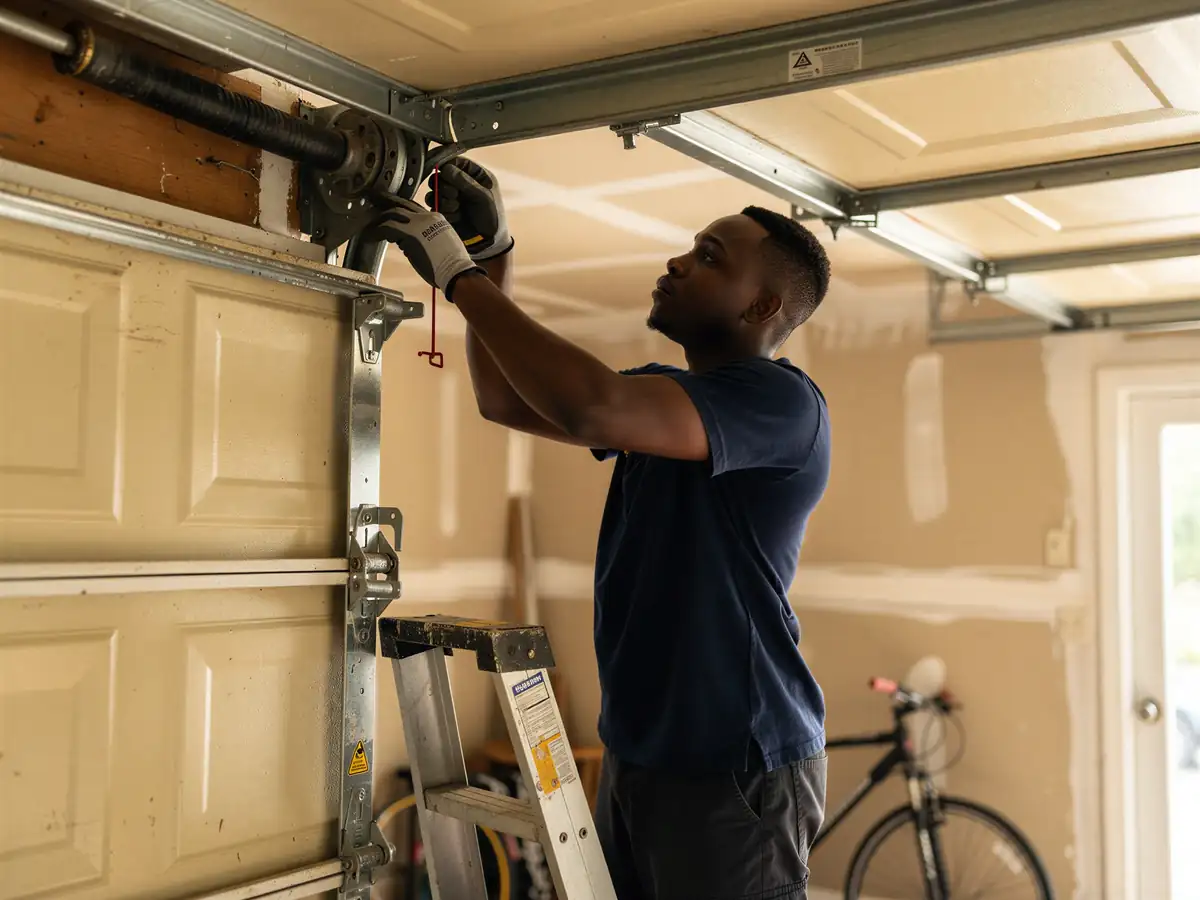
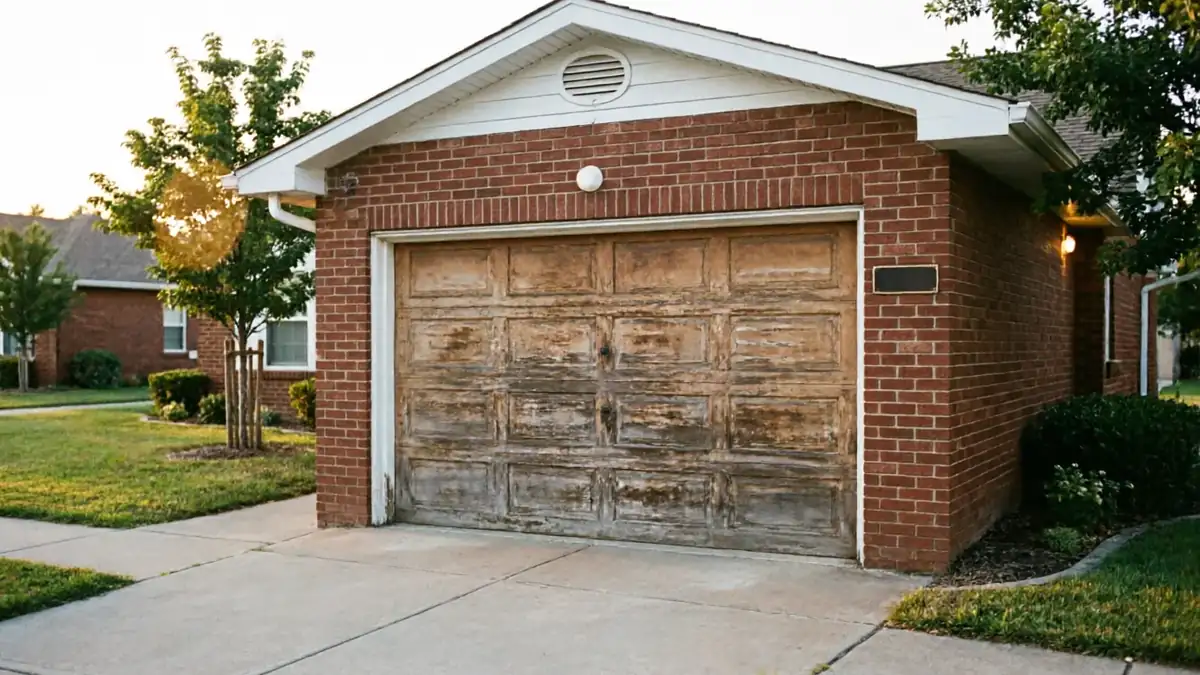
Where it gets different is the older end of that range - homes from the 1970s and 80s that haven't had the door touched since the house was built. A spring rated for roughly 10,000 cycles doesn't care how nice the rest of the house looks. If your door is in that older bracket and still working fine, that's not luck running out, that's just where it sits in its life. Waiting is the right call until something actually changes: a grinding noise, a door that drifts down on its own, a remote that only works some days. Don't fix what isn't broken just because the house next door replaced theirs.
The Problem
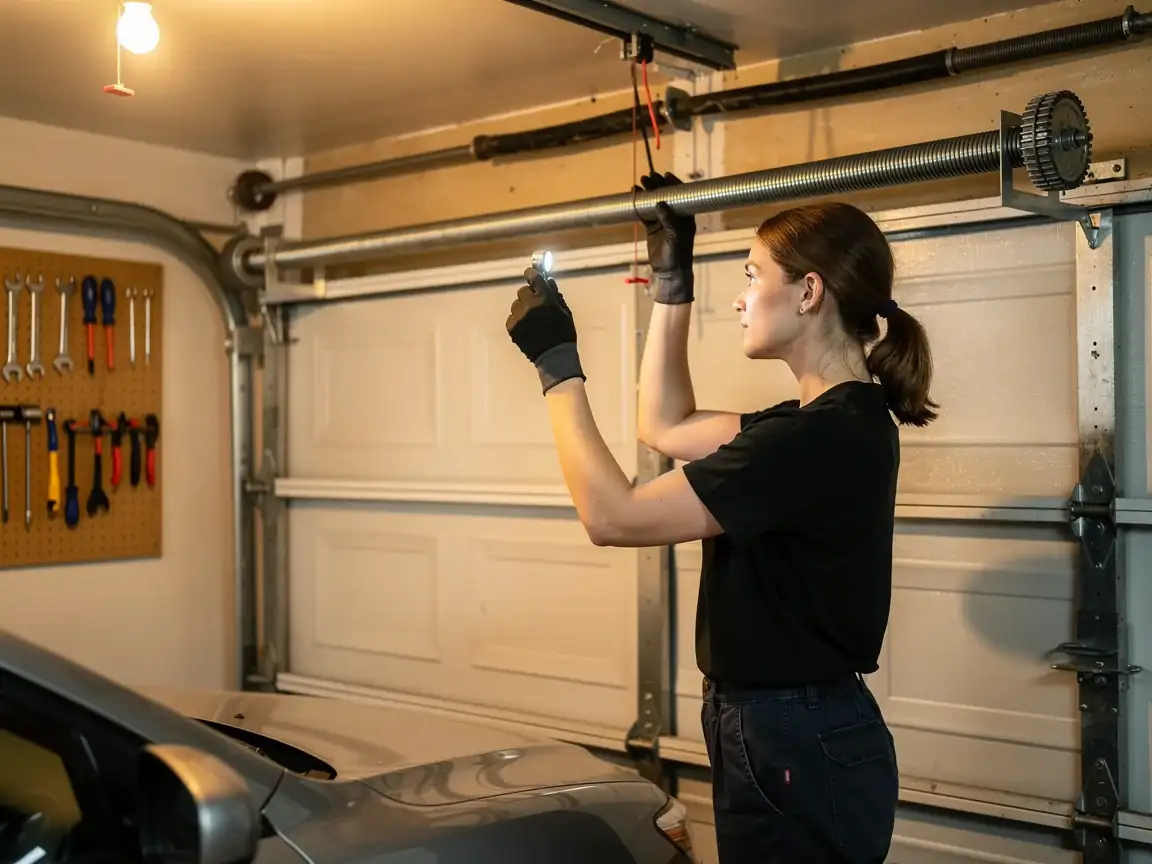
The spread of build years across Wylie - 1971 through 2015 - means a huge share of doors in this service area are somewhere between 10 and 50 years old right now. That's the window where torsion springs fatigue, galvanized cable starts to fray at the drum, and nylon rollers crack rather than just getting noisy. None of that shows up as a sudden failure. It shows up as the door getting a little heavier to lift by hand, a little louder on the way up, a little slower to respond to the opener.
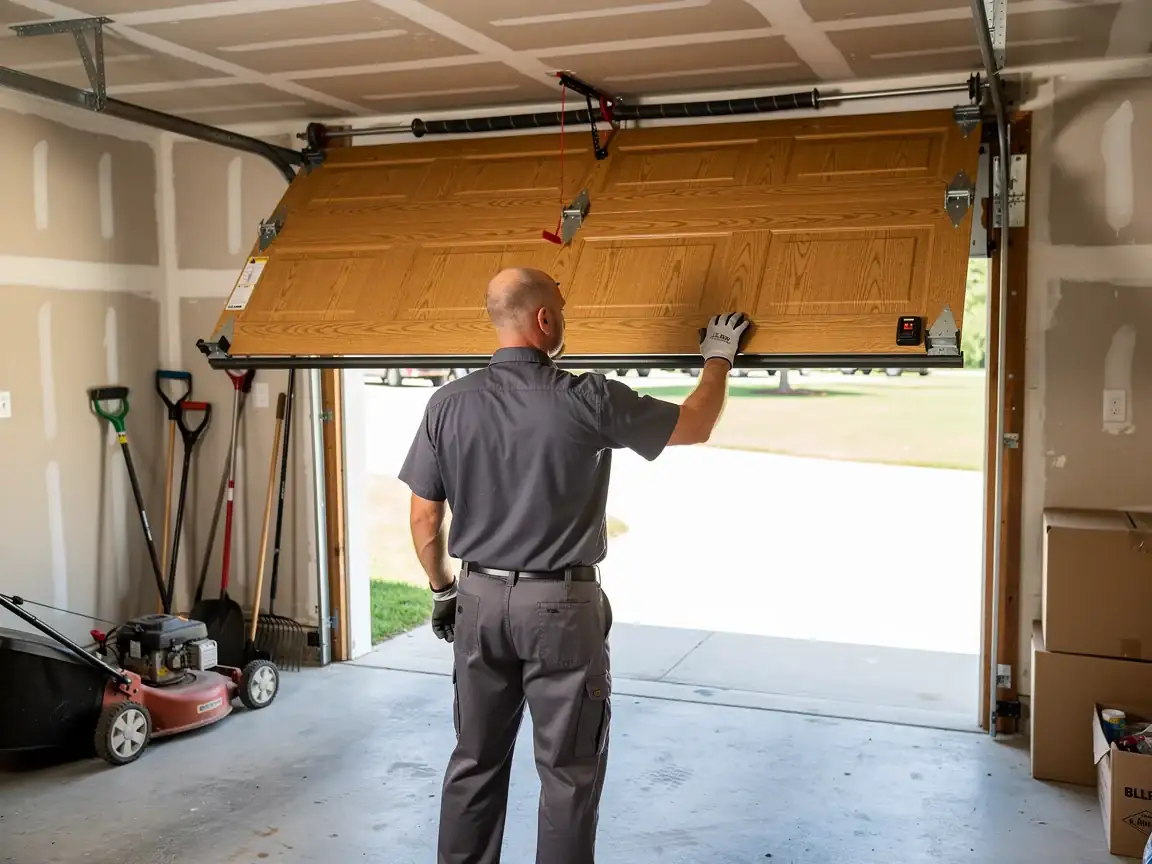
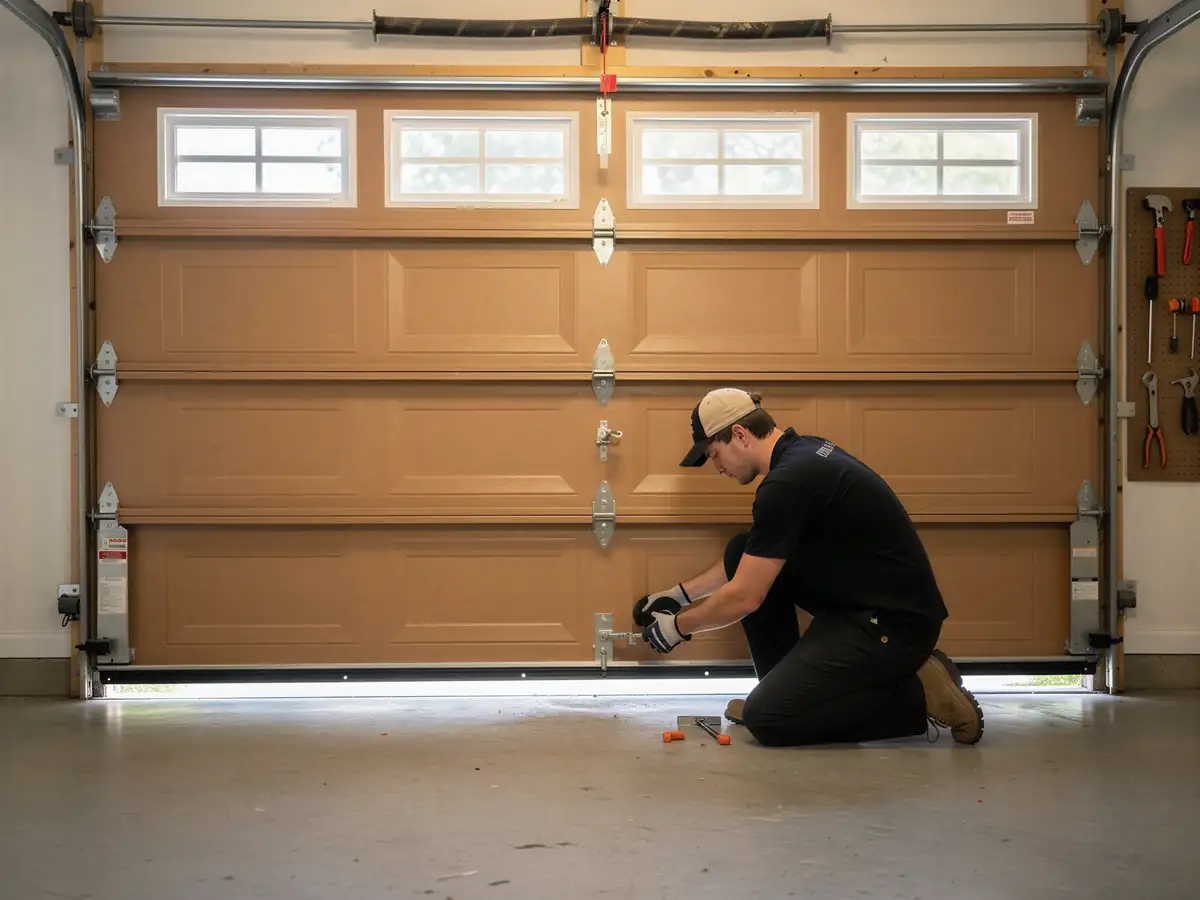
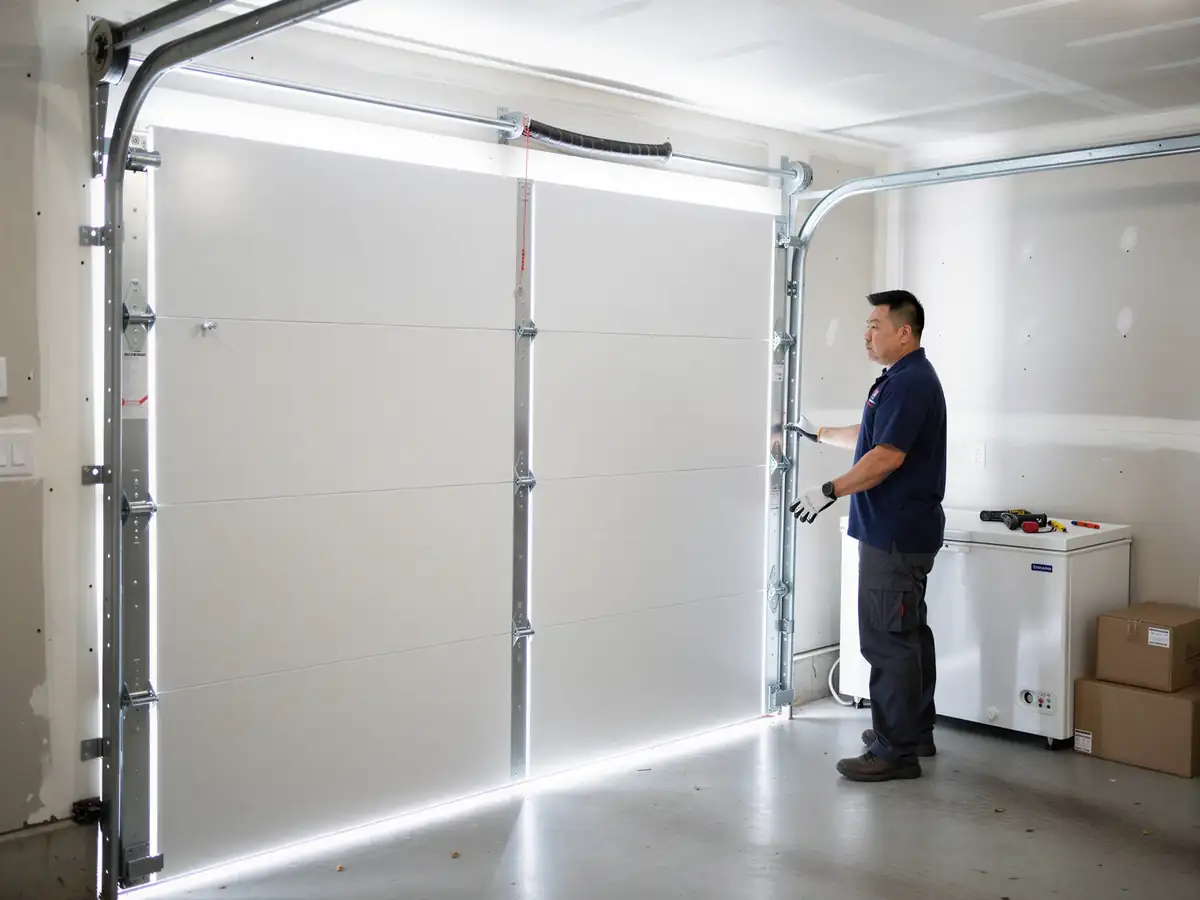
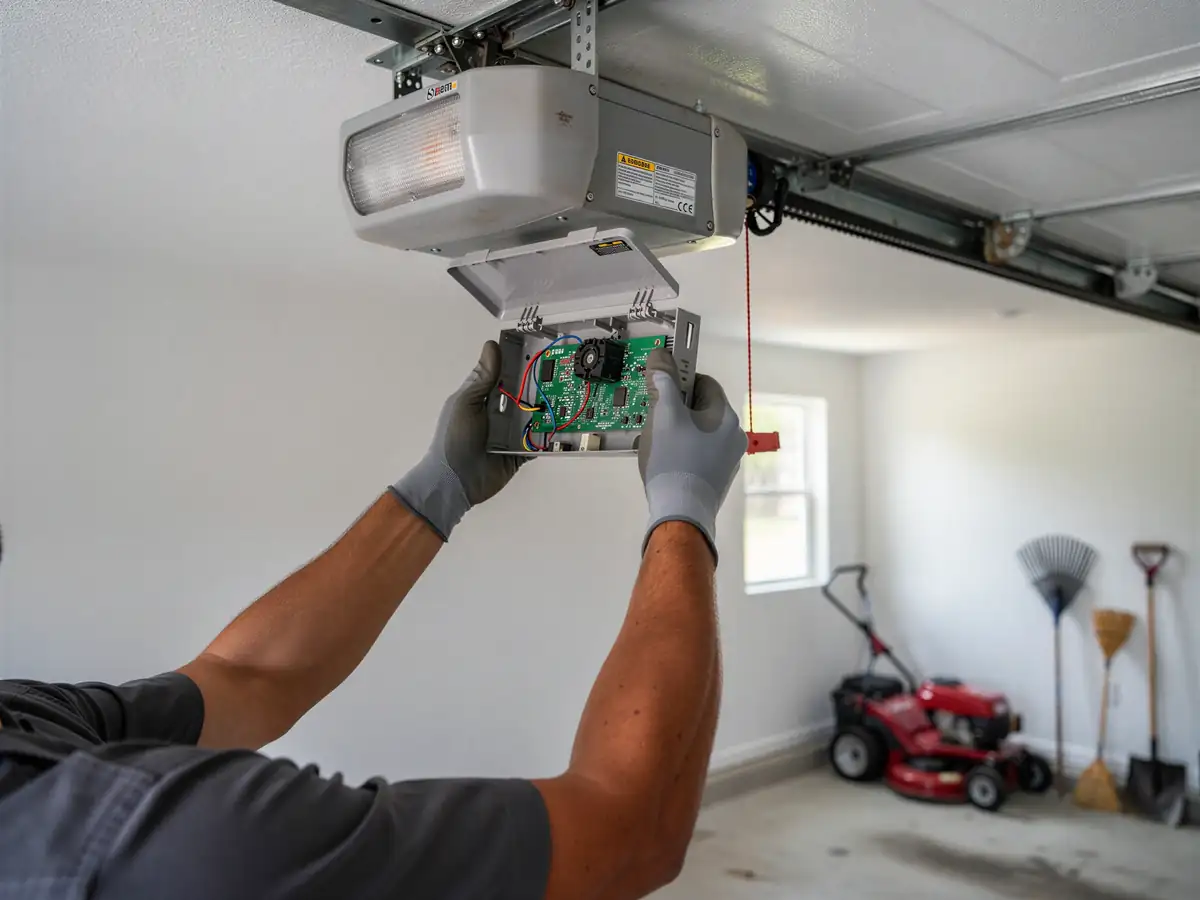
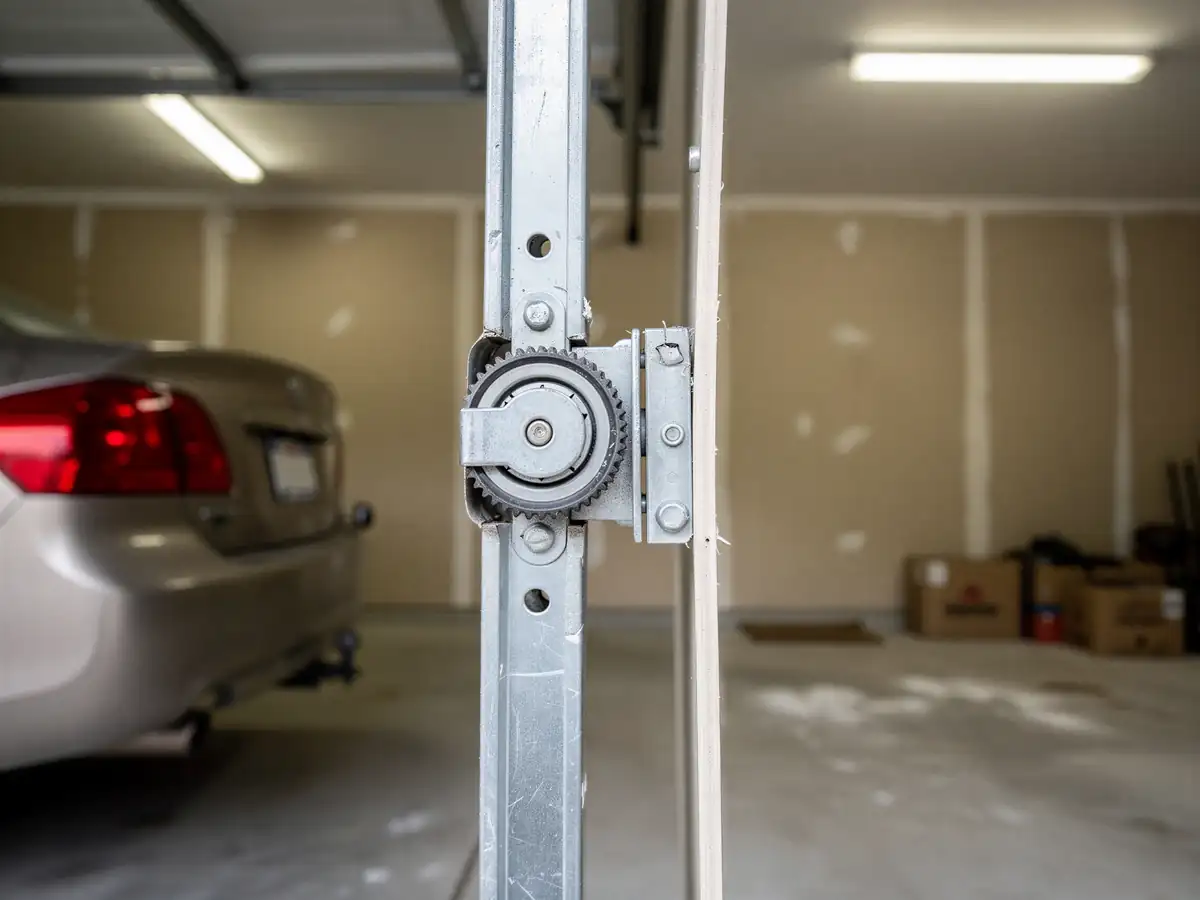
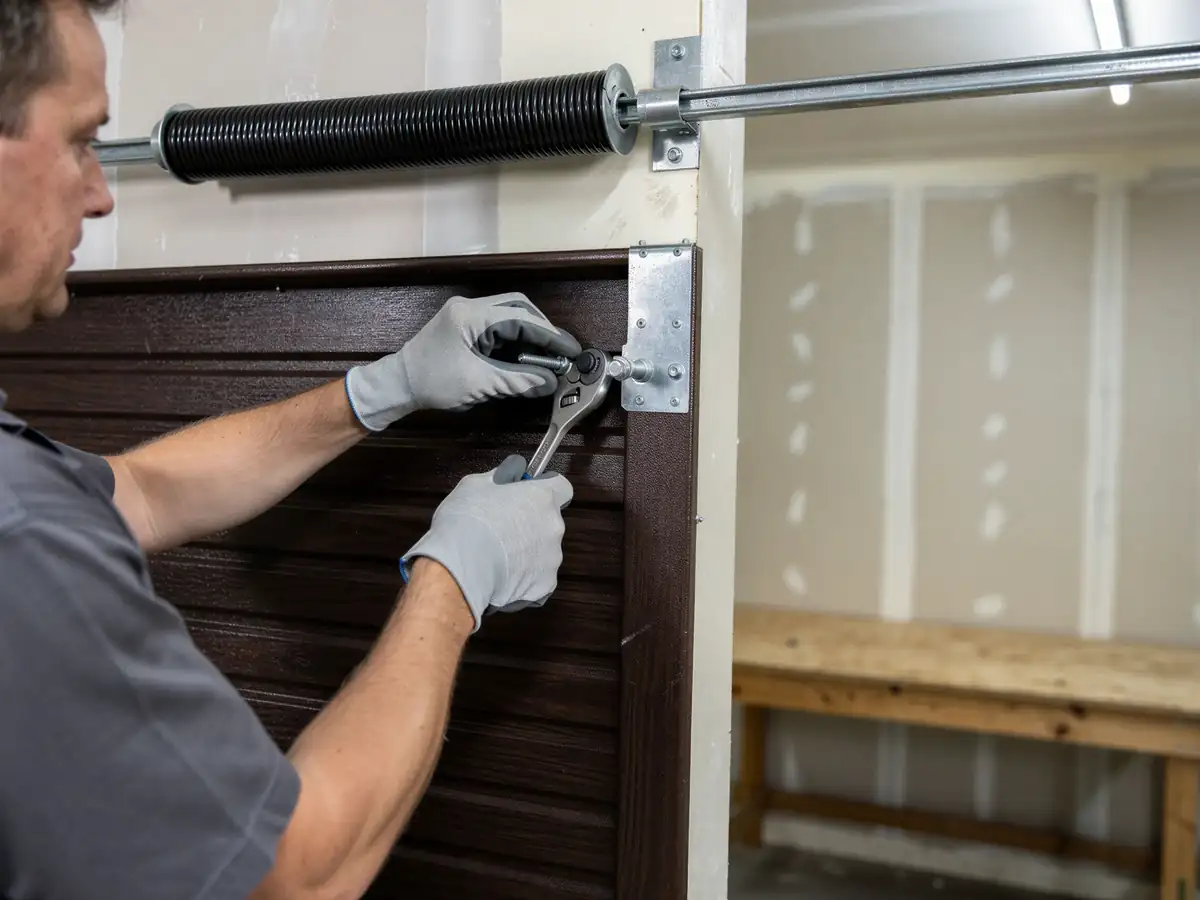
The honest problem with an older door isn't usually the door itself - it's the hardware riding underneath it. A steel panel from 2003 is often fine. The spring and the opener motor from 2003 are the parts actually wearing out. So "is this door worth fixing" is really two separate questions: is the panel straight and rust-free, and is the lift hardware original. Those two answers don't always match, which is why a repair quote on an older door sometimes costs more than a homeowner expects - you're not paying to patch a dent, you're paying to replace parts that have been working quietly for two decades.
What the Weather Here Does to It
Wylie sits in a mild climate band with occasional freeze days
Not the deep freeze-thaw cycling you'd get farther north and not the constant heat of the Gulf coast. That combination is actually easier on a garage door than either extreme - but "easier" doesn't mean "nothing happens."
The freeze days that do come through are enough to stiffen torsion springs and tighten the lift balance for a morning
Which is why a marginal spring often reveals itself first thing on a cold day rather than mid-afternoon. Steel tracks and hinges that have gone decades without lubrication pick up surface rust during the occasional wet, cooler stretch, and that rust is what turns a quiet roller into a grinding one. It's not catastrophic weather damage - nobody in Wylie is dealing with a door that failed because of a storm. It's slower: small temperature swings working on hardware that was never serviced, over the 10 to 50 years that's typical for the homes out here.
- 50 years
What You Pay
We don't publish a flat price list, and for an older door that's deliberate - the real cost depends on whether we're replacing a spring, a full hardware set, or a panel, and that's a different job every time. What we can tell you is what drives the number up or down.
If your house falls in that 1971-2005 build range and the door has never been serviced, the lift hardware is usually the bigger cost than anything cosmetic. A clean panel with a tired spring is a cheaper fix than it looks. A door with rust-pitted track and a motor that's started grinding is a bigger job, and sometimes that's the point where replacing beats repairing - we'll tell you straight if that's the case instead of running up a repair bill on hardware that's near the end anyway.
One honest limit: on some of the older builds in this area, matching an original panel color or exact roller spec can take longer than the repair itself, since that stock isn't something we keep on the truck. We'll flag that up front rather than let it surprise you at the job.