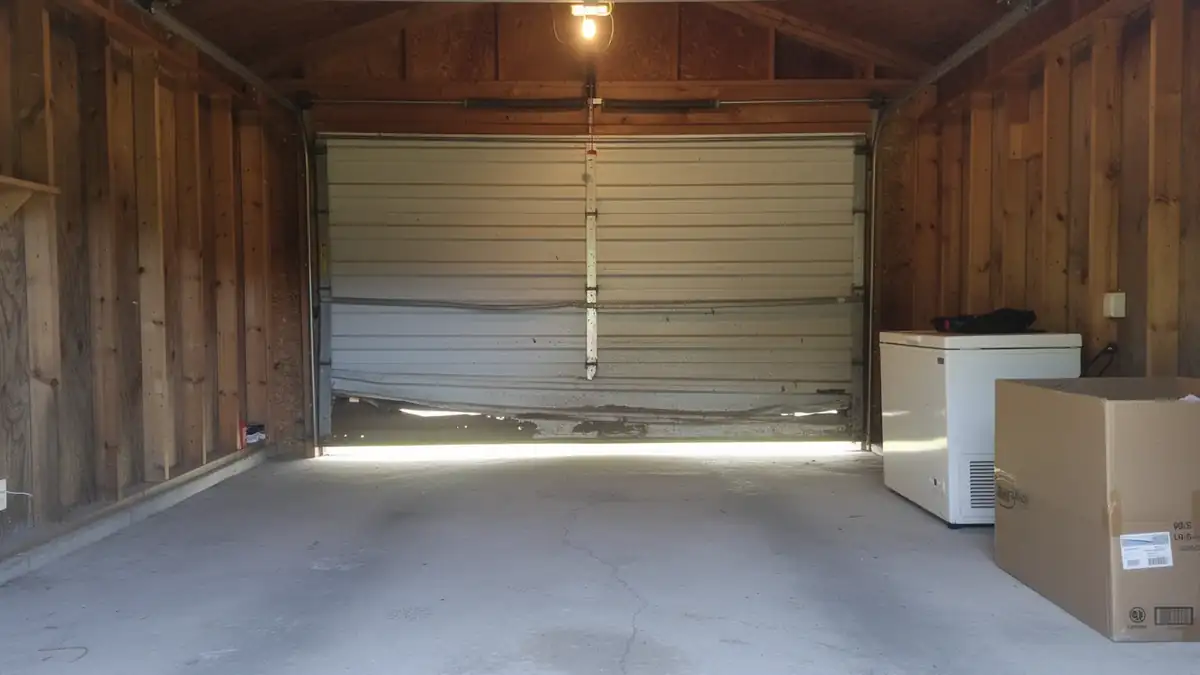
Doing Nothing For Now
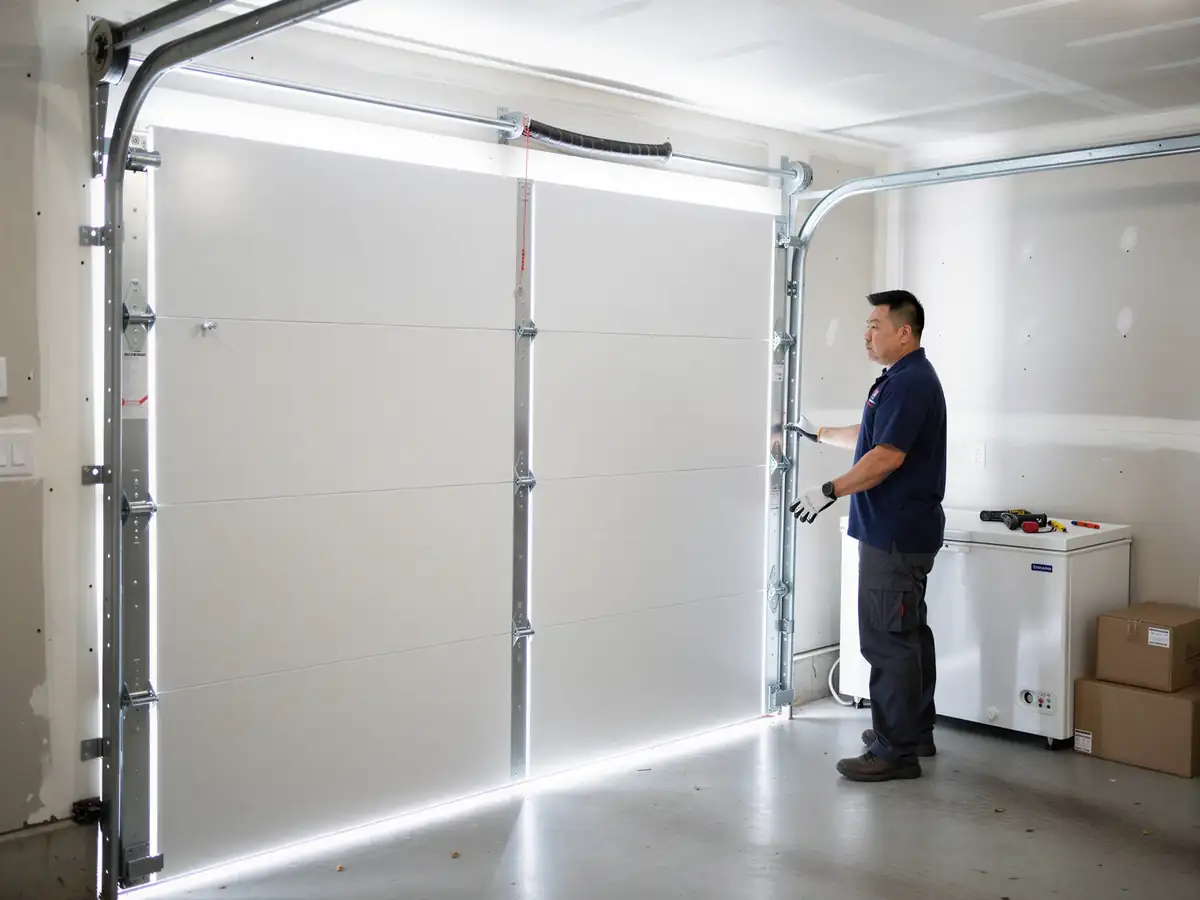
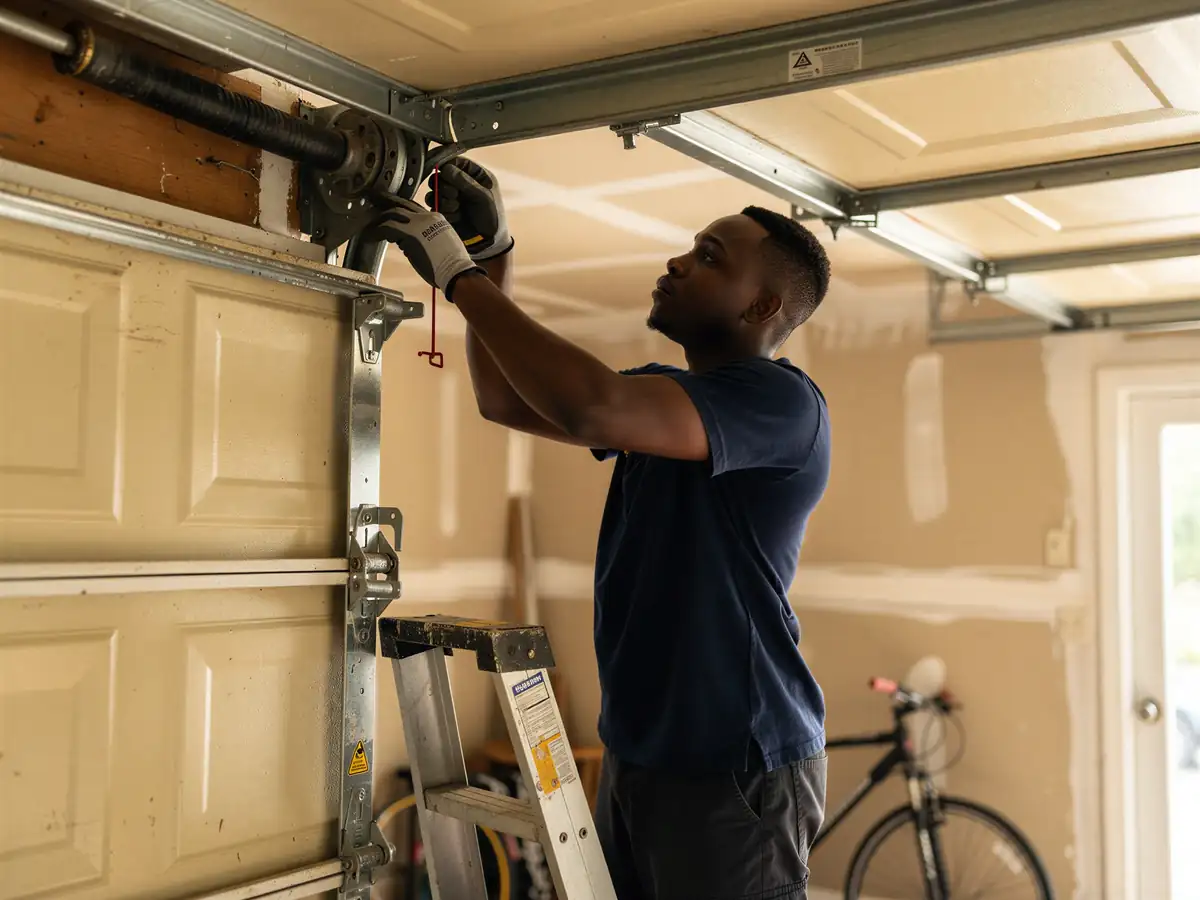
If your door is sticking, slow to close, or making a new noise, you can usually wait a week or two before it strands you. That's not true forever. Across Wylie's service area, most houses went up between 1971 and 2015, with the median landing around 2005 - meaning the bulk of the roughly 39,491 owner-occupied houses here are running factory-original torsion springs and openers that are now 15 to 20 years old. Springs don't fail gradually; they fail on a cycle count, and a door that's merely loud today can snap a cable next month.
The honest trade-off: waiting costs you nothing if the symptom is cosmetic, like a scuffed weatherstrip or a squeaky roller. It costs you a trapped car and a same-day call if the symptom is a spring losing tension or a cable starting to fray. We can usually tell the difference over the phone if you describe what you're hearing and when it happens - morning cold start versus every single cycle.
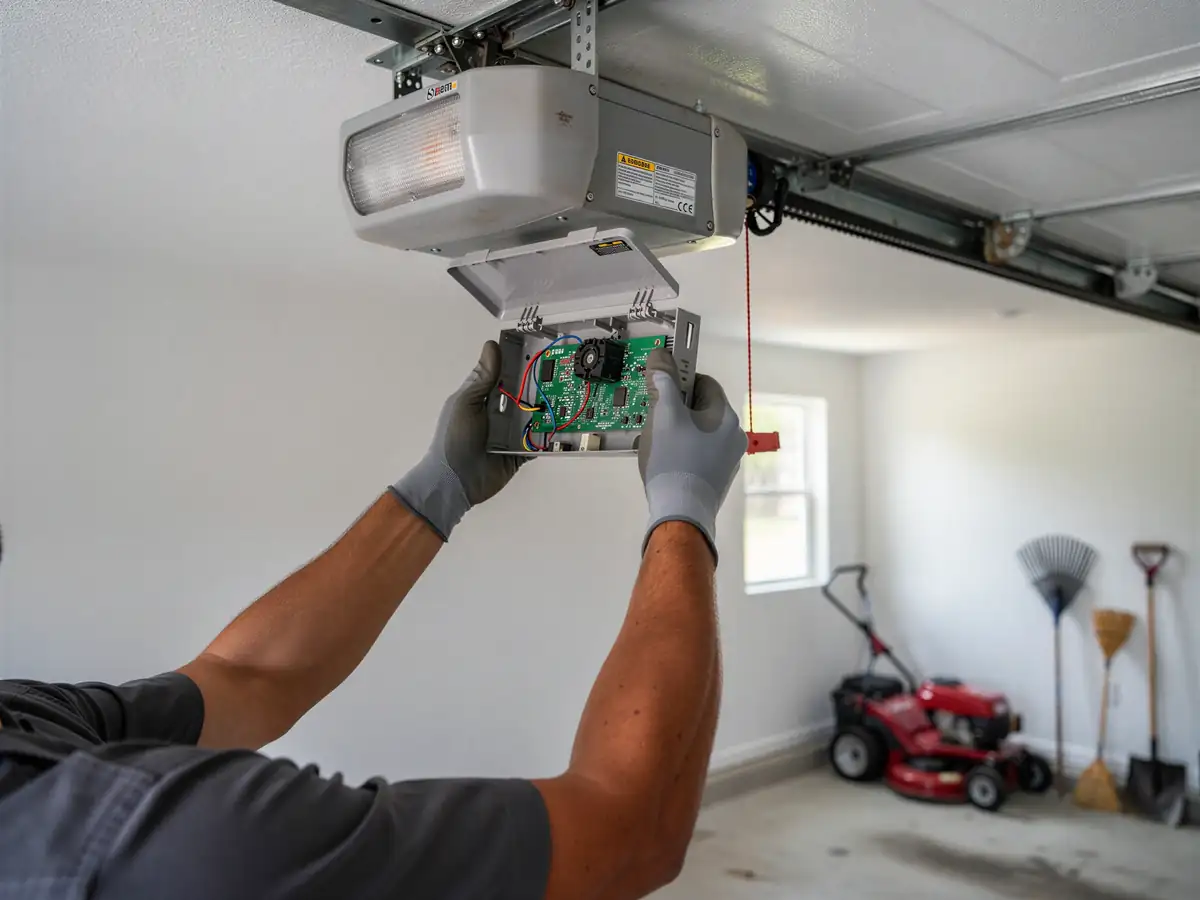
One limitation worth saying plainly: we don't recommend replacing an opener just because it's old if the drive and gears are still sound. A lot of 2000s-era openers in this area still have useful life left, and swapping one out early is money better spent on the spring or track that's actually worn.
The Problem
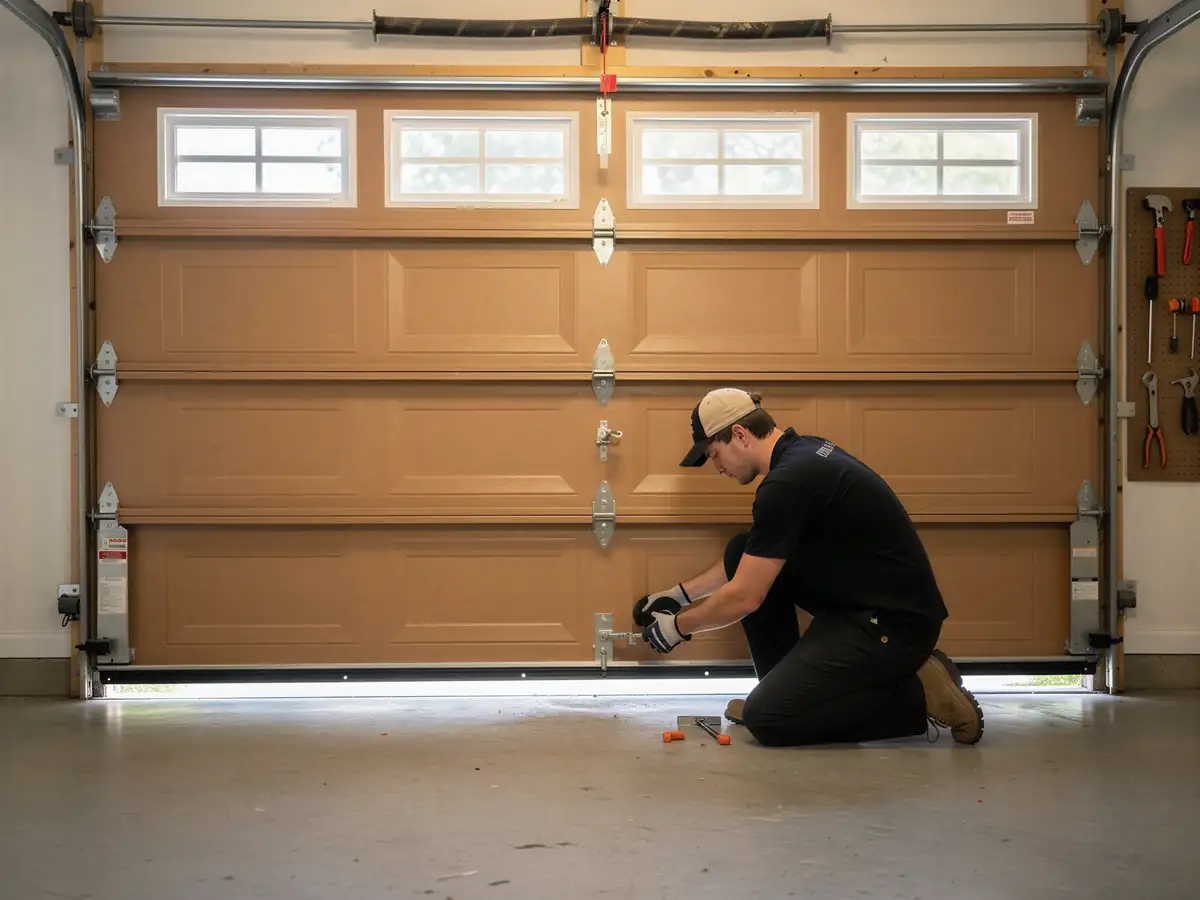
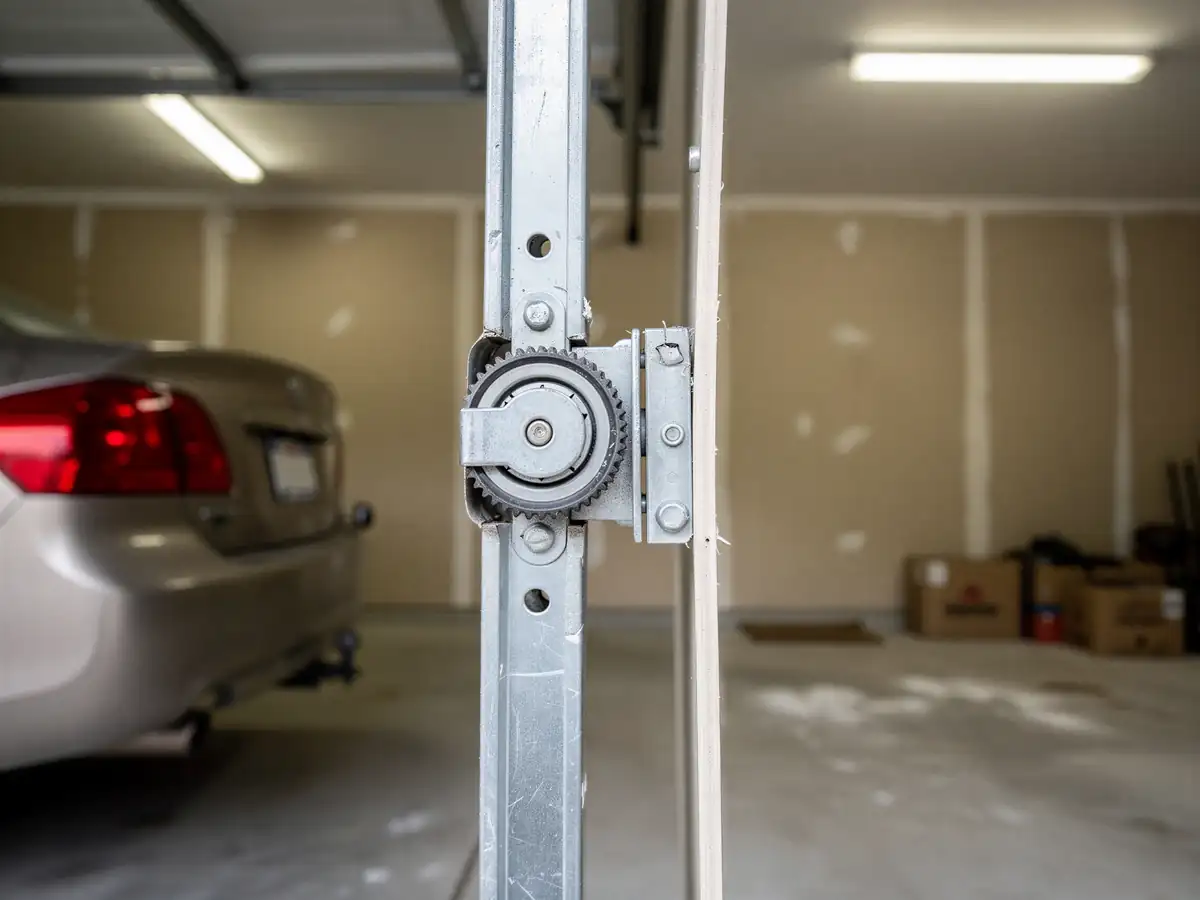
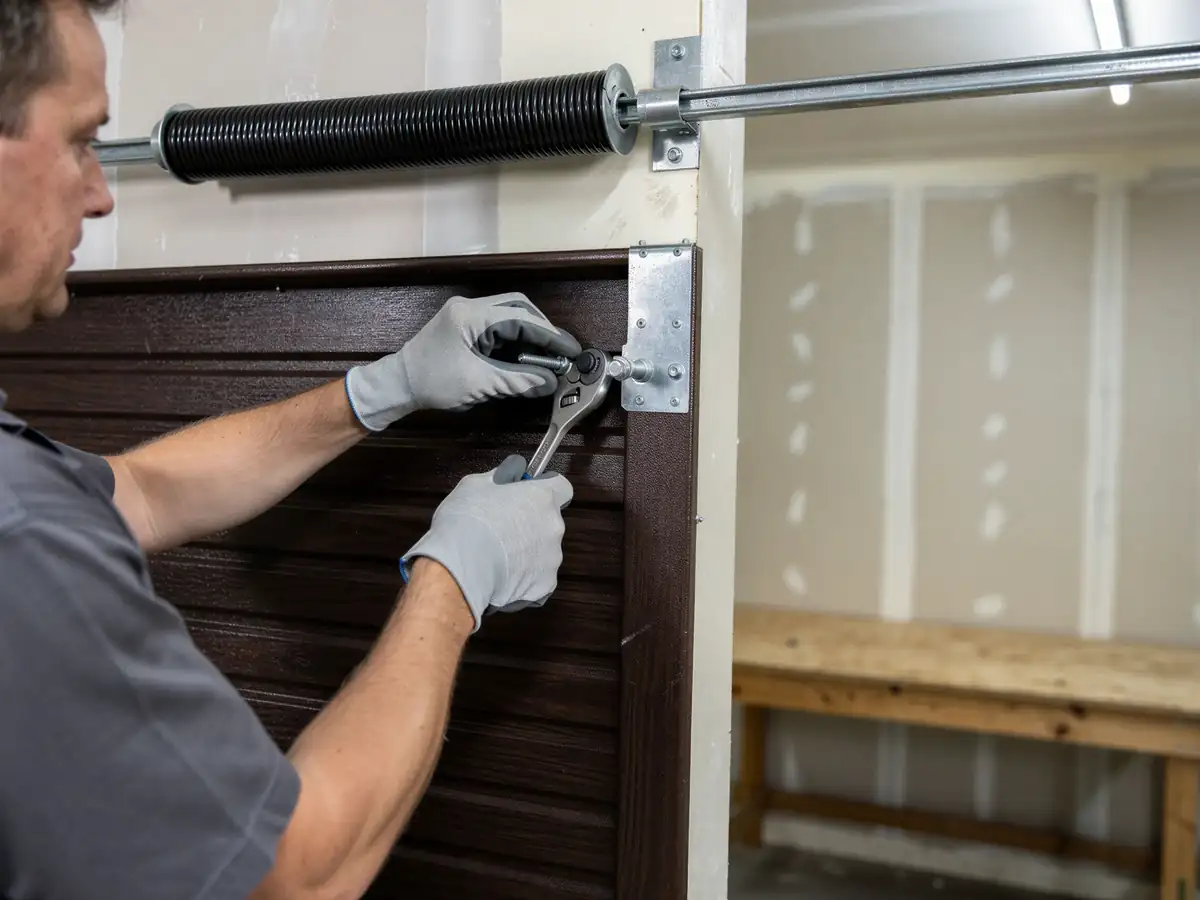
Because most of Wylie's housing stock is relatively young - 1971 to 2015, clustered around 2005 - the doors themselves aren't failing from age the way they would in a town full of 1960s construction. What fails instead is hardware: torsion springs rated for a certain cycle count, nylon rollers that were builder-grade rather than commercial, and openers with circuit boards that weren't built to last 25 years in the first place.
The twenty named areas that make up this service territory share that same construction window, so the failure pattern repeats house to house: a spring that's carried the same door for close to two decades, a bottom bracket that's never been torqued since installation, a sensor pair that's drifted out of alignment after years of lawn mower bumps.
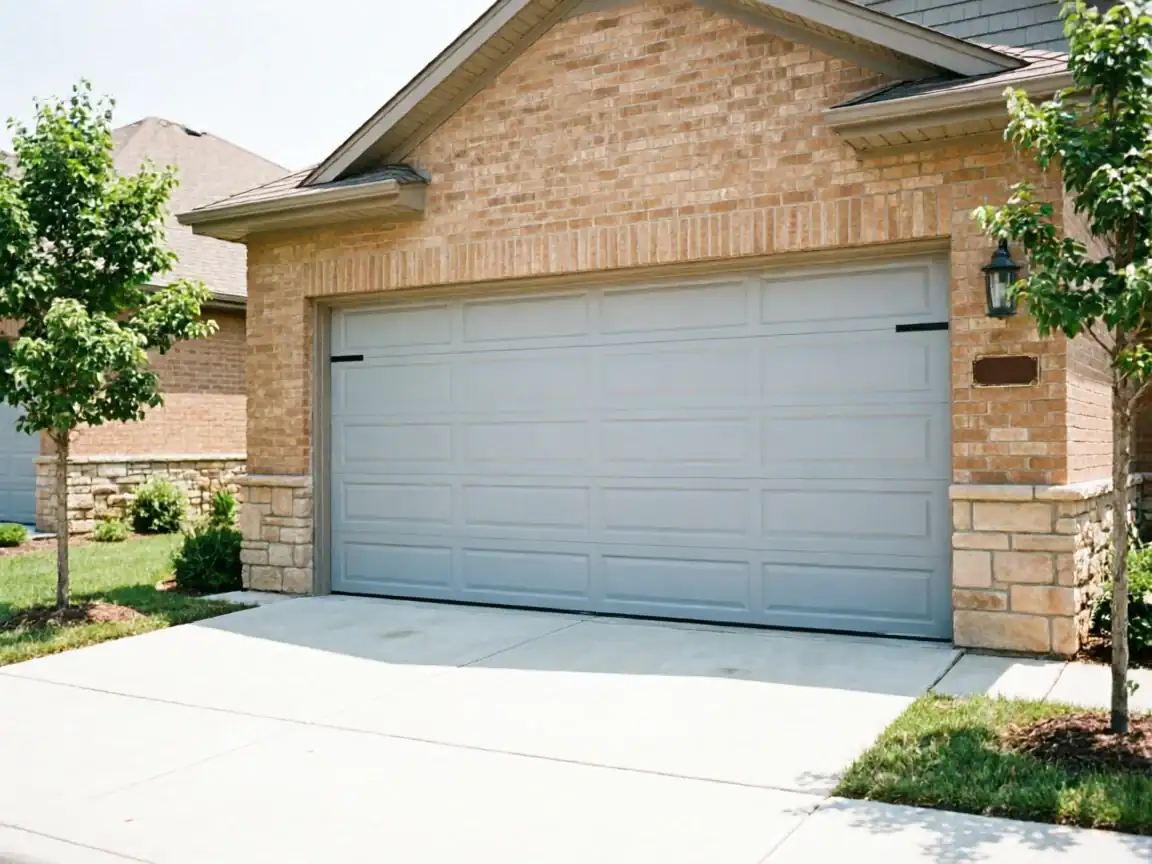
We don't see much structural rot or warped wood panel doors here, because the housing just isn't old enough for that to be the dominant issue the way it is in older towns. What we do see is wear on parts that were adequate when the house was built but are now at or past their rated life.
What the Weather Here Does to It
This area sits in a mild climate band with occasional freeze mornings rather than sustained hard winters
That matters for a garage door in a specific way: steel contracts a little on those cold mornings, which tightens torsion spring tension just enough to make a marginal spring finally let go, and it's usually first thing in the morning when you're trying to leave for work.
It also means you're not dealing with the extreme swings that crack panels or warp tracks the way harsh winter towns do
Lubricant that's gone gummy from heat is more often the culprit here than metal fatigue from deep freeze. A door that drags or groans through most of the year and then locks up tight on the handful of genuinely cold mornings is a classic sign of old grease combined with a spring that's lost a bit of tension.
The practical upshot
You don't need to winterize a Wylie garage door the way you would somewhere with real winters, but a once-a-year lube and tension check before the first cold snap catches most of what would otherwise turn into an emergency call.
What You Pay
Median household income across this service area runs around $127,000, which is part of why a lot of the roughly 48,073 households here choose to replace a tired opener or spring assembly rather than nurse an old one along for another year. We don't have a published price list to quote you here, and any number we gave without seeing the door would be a guess dressed up as a fact - the right move is a look at the actual spring size, track condition, and opener model before we say what a job costs.
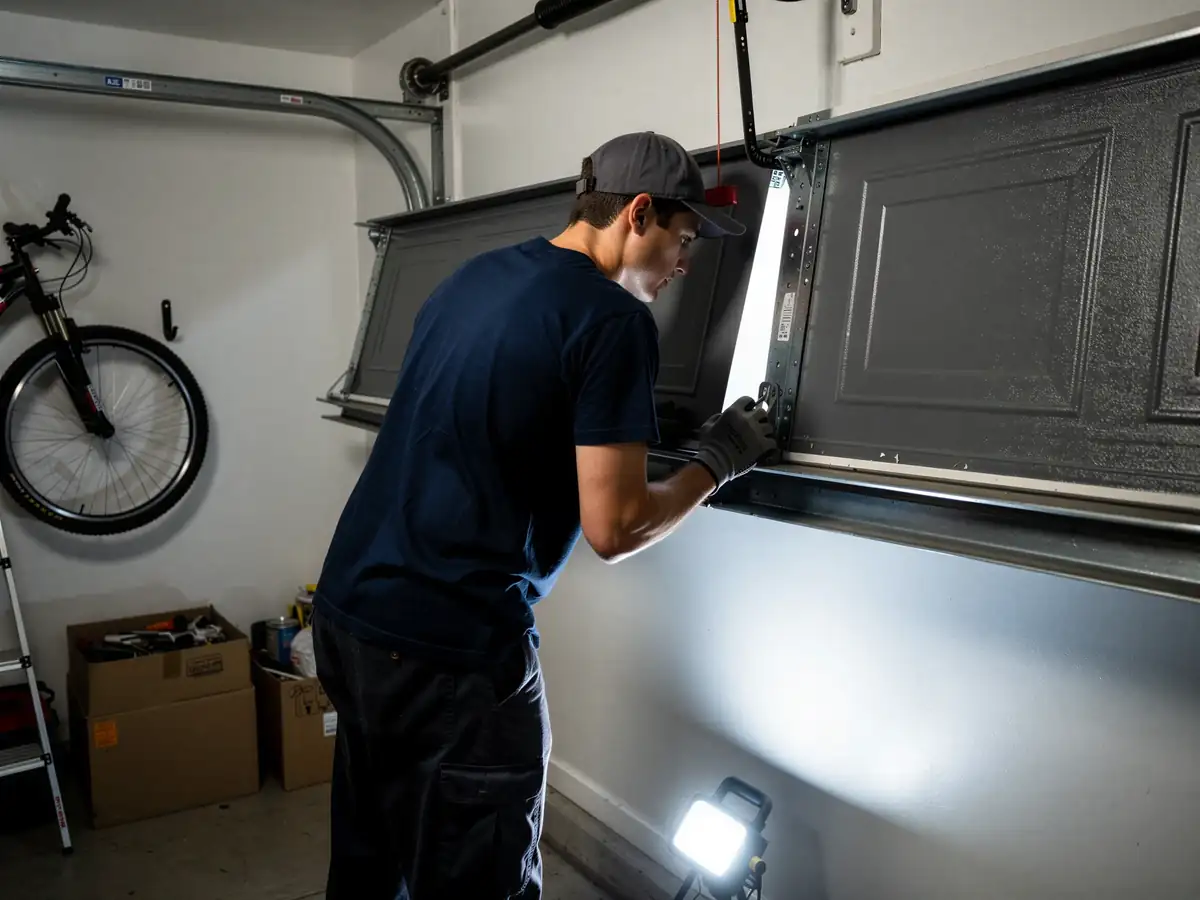
What we can tell you is what drives the bill: spring size and whether it's one door or two, whether the opener needs replacing alongside the spring, and whether the track is still square or has been knocked out of alignment. On houses built in this area's typical 2000s window, parts are usually standard sizes we carry on the truck, which keeps the job from turning into a special-order wait.