How That Shows Up in the Door
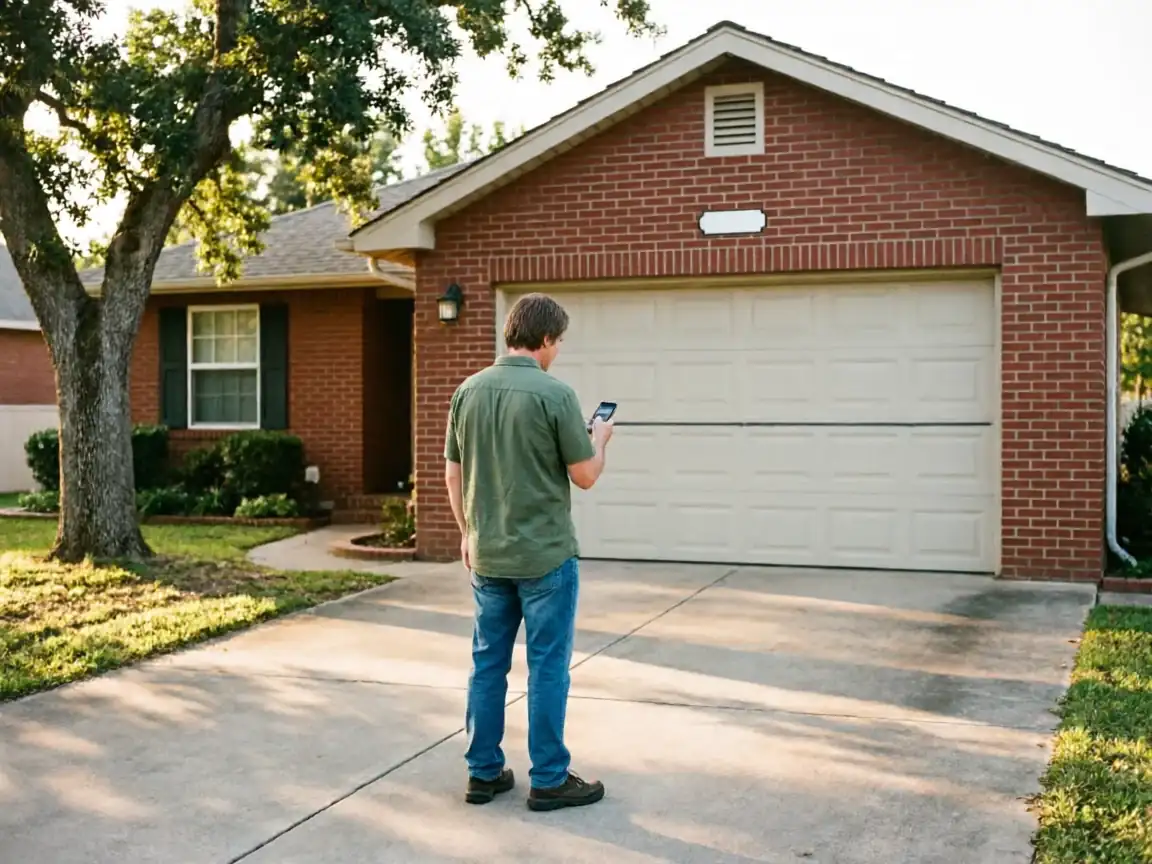
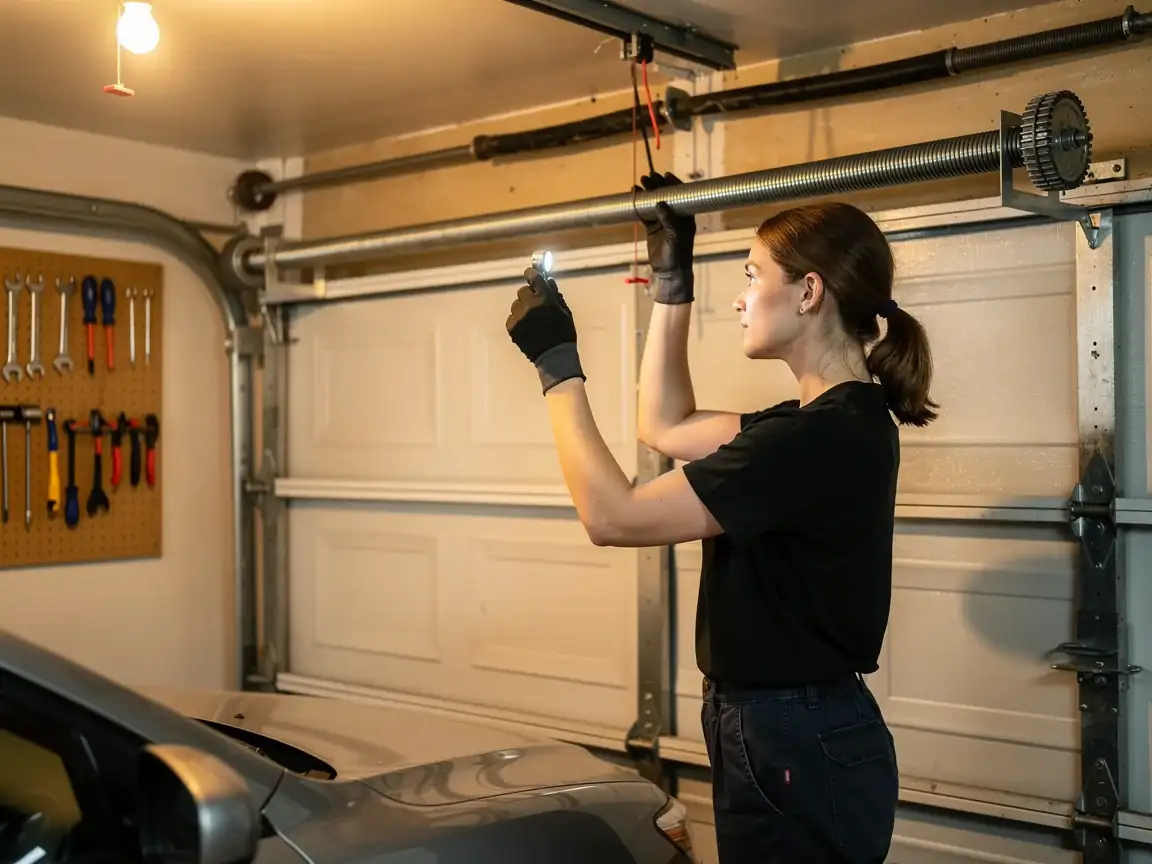
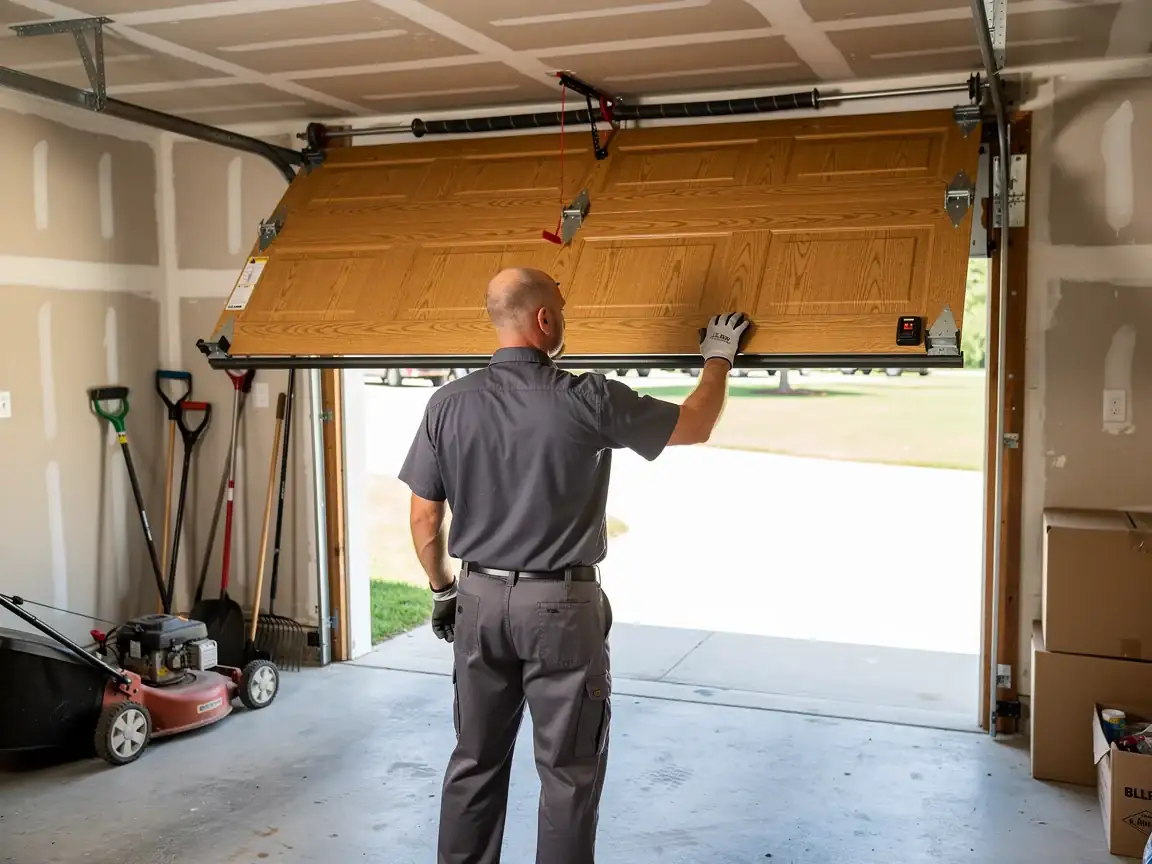
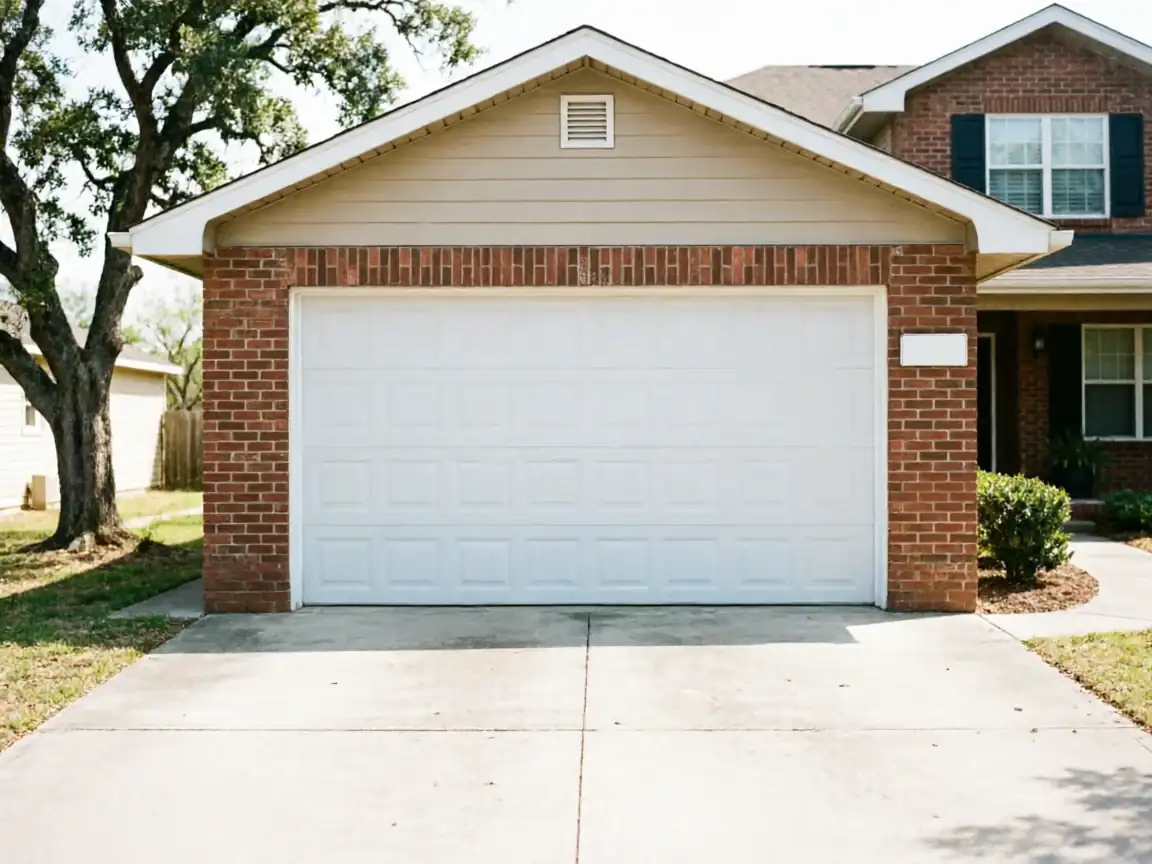
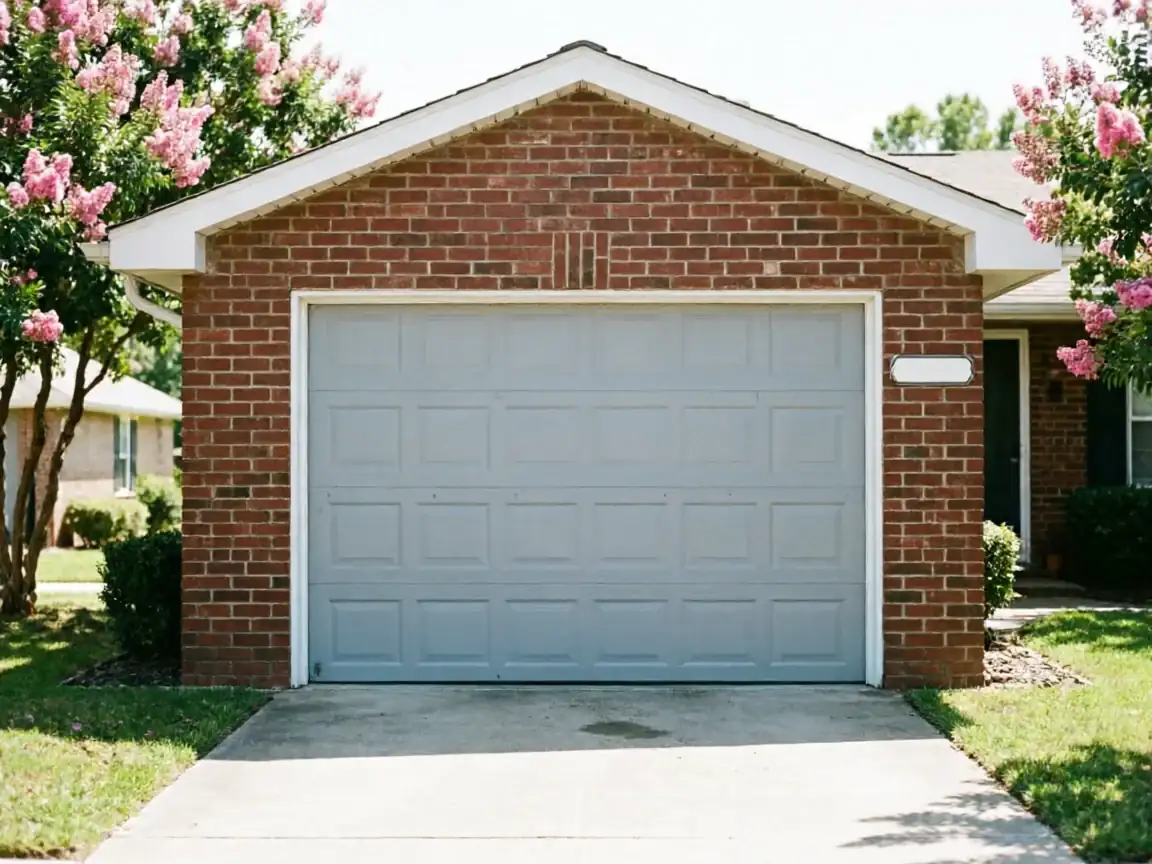
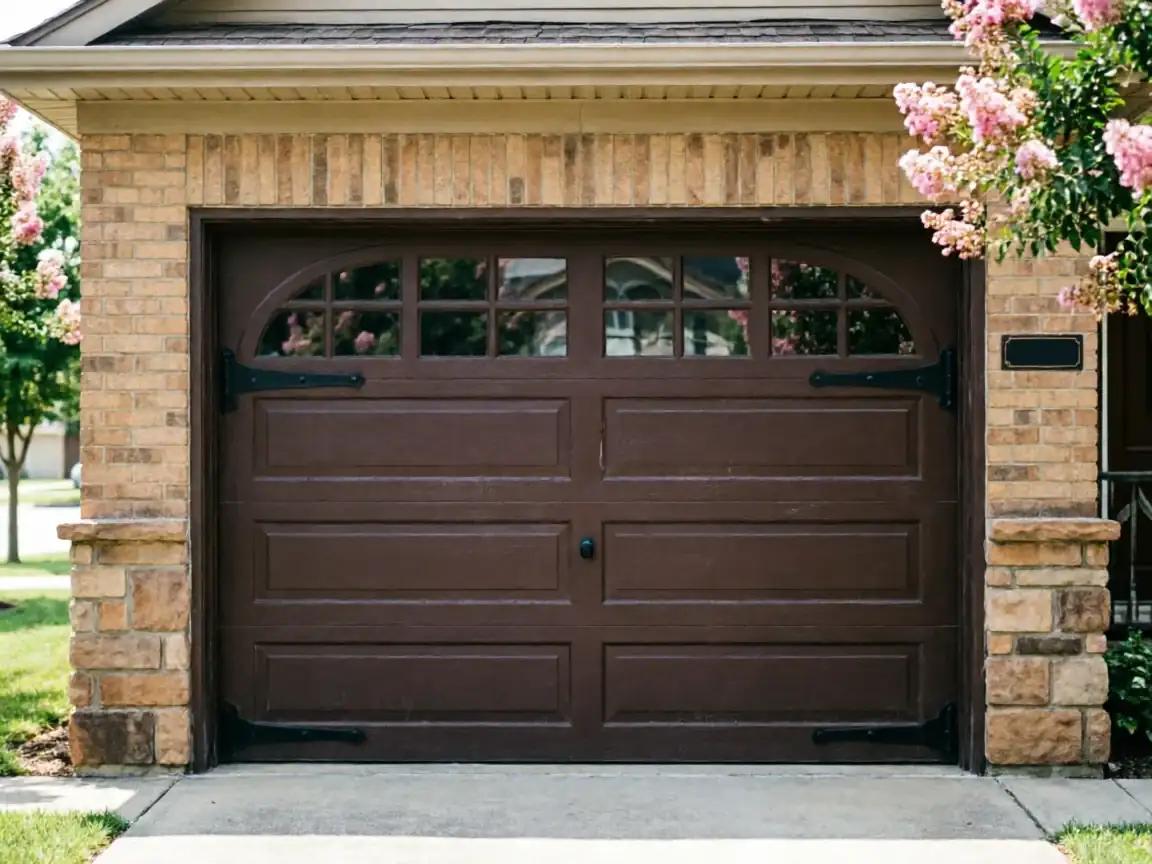
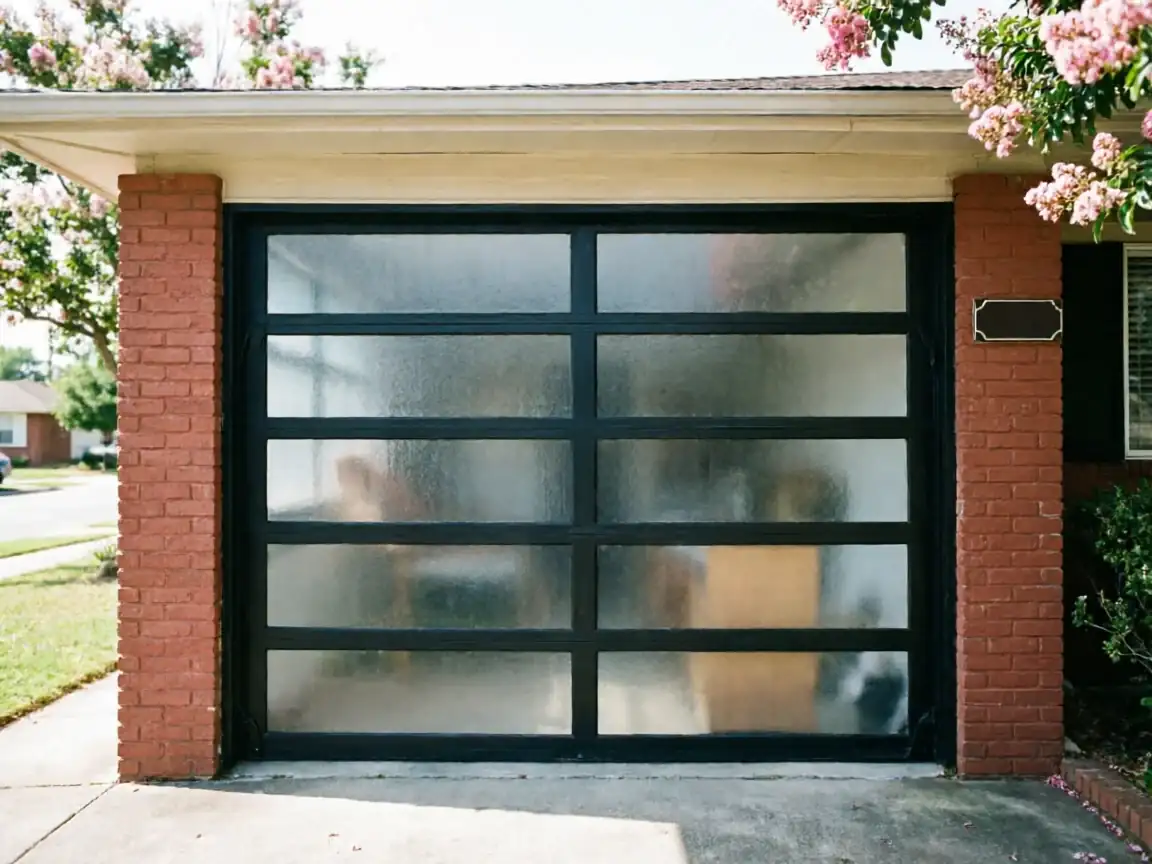
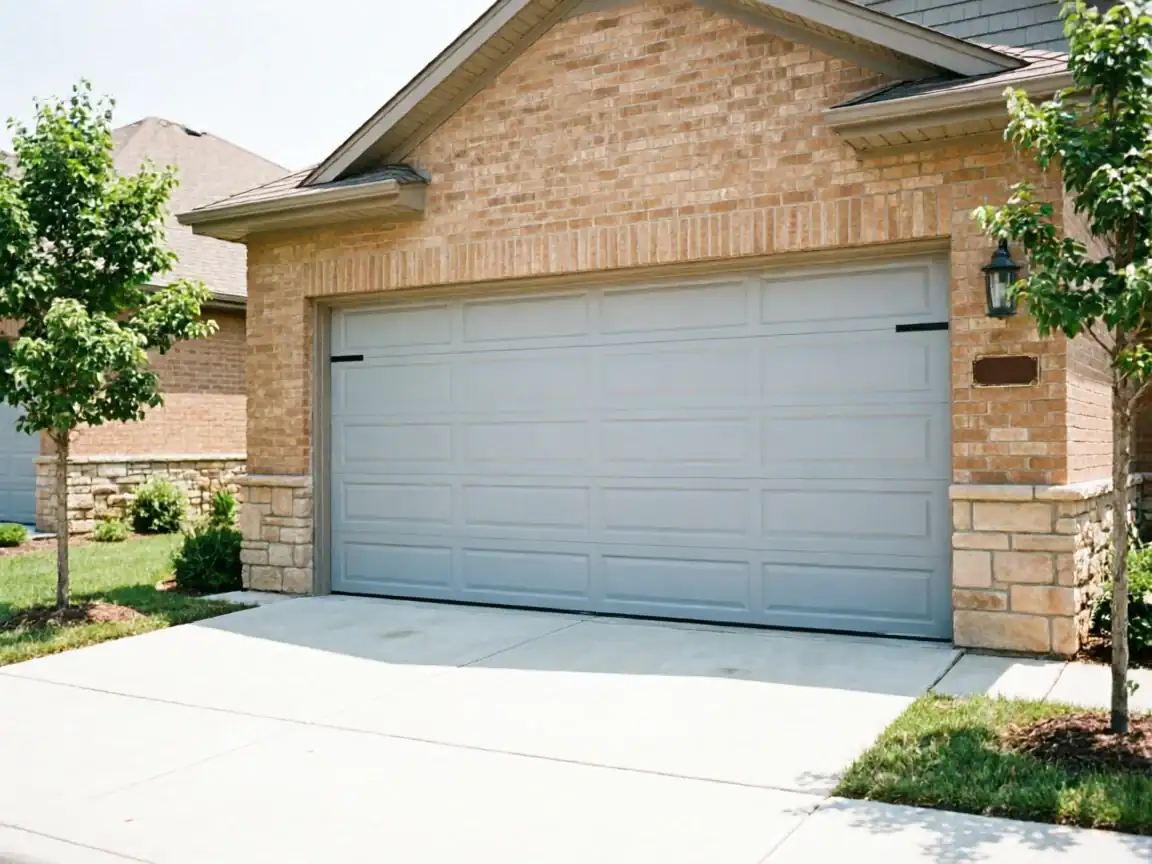
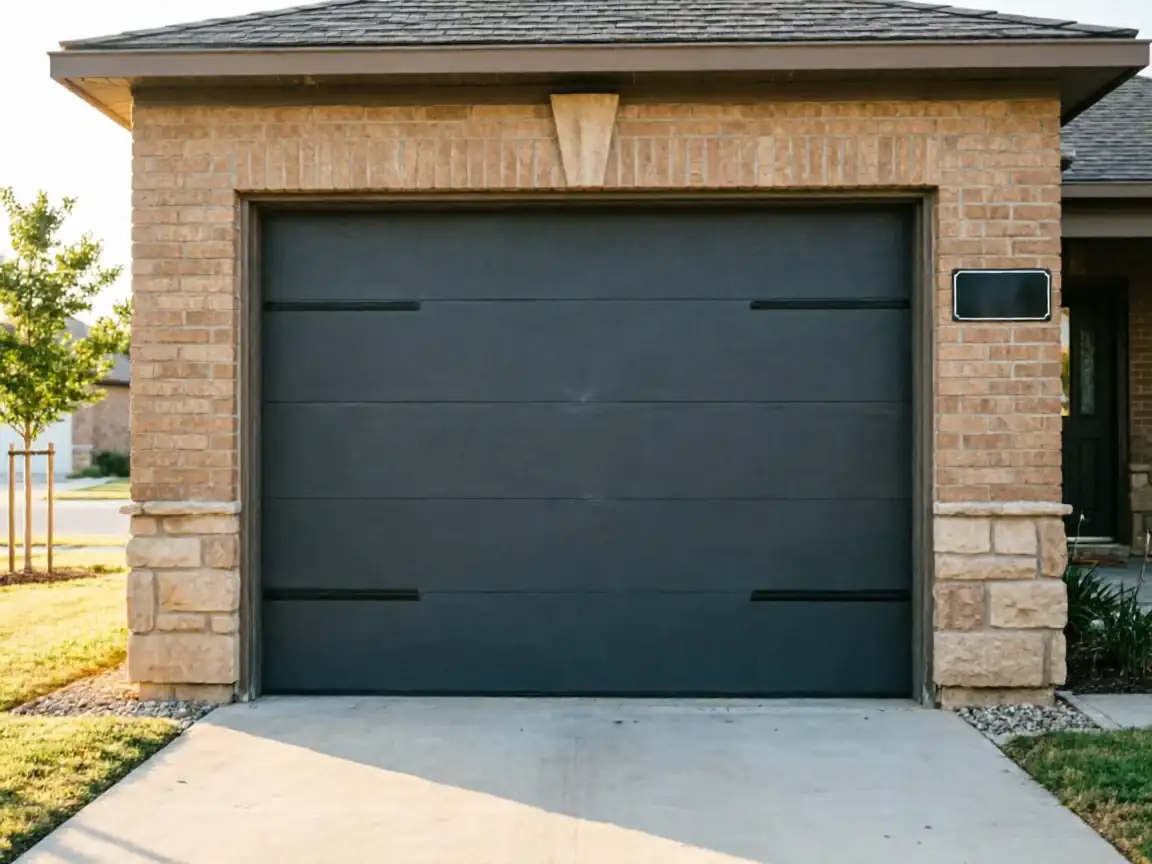
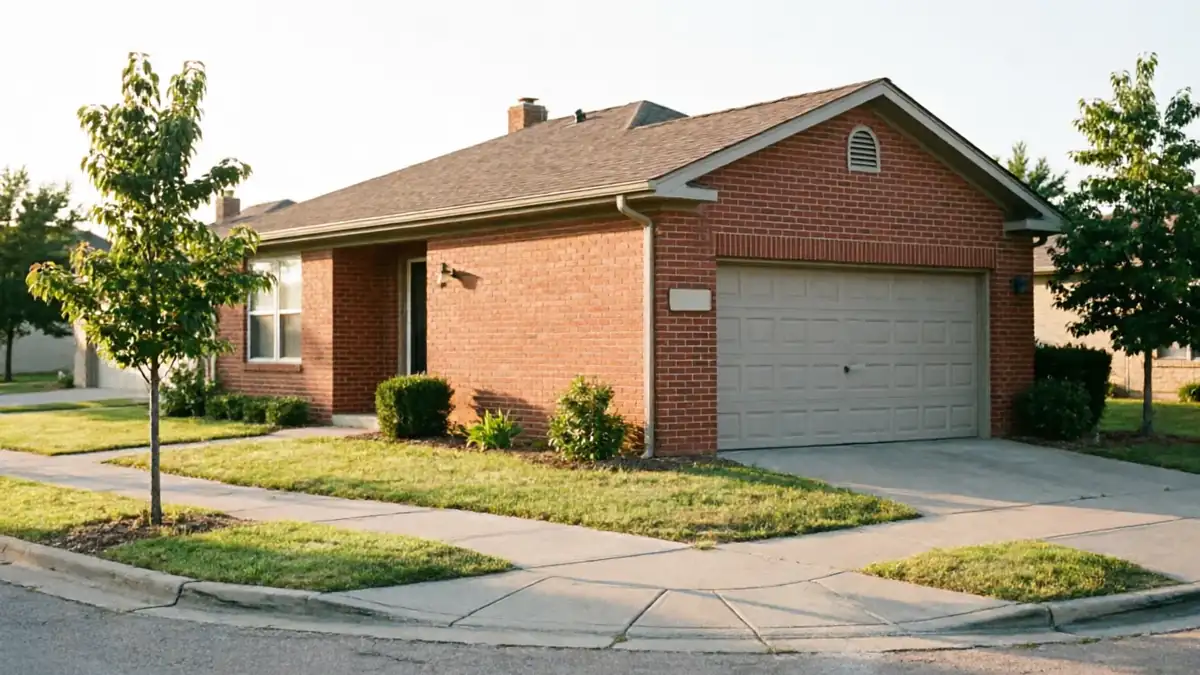
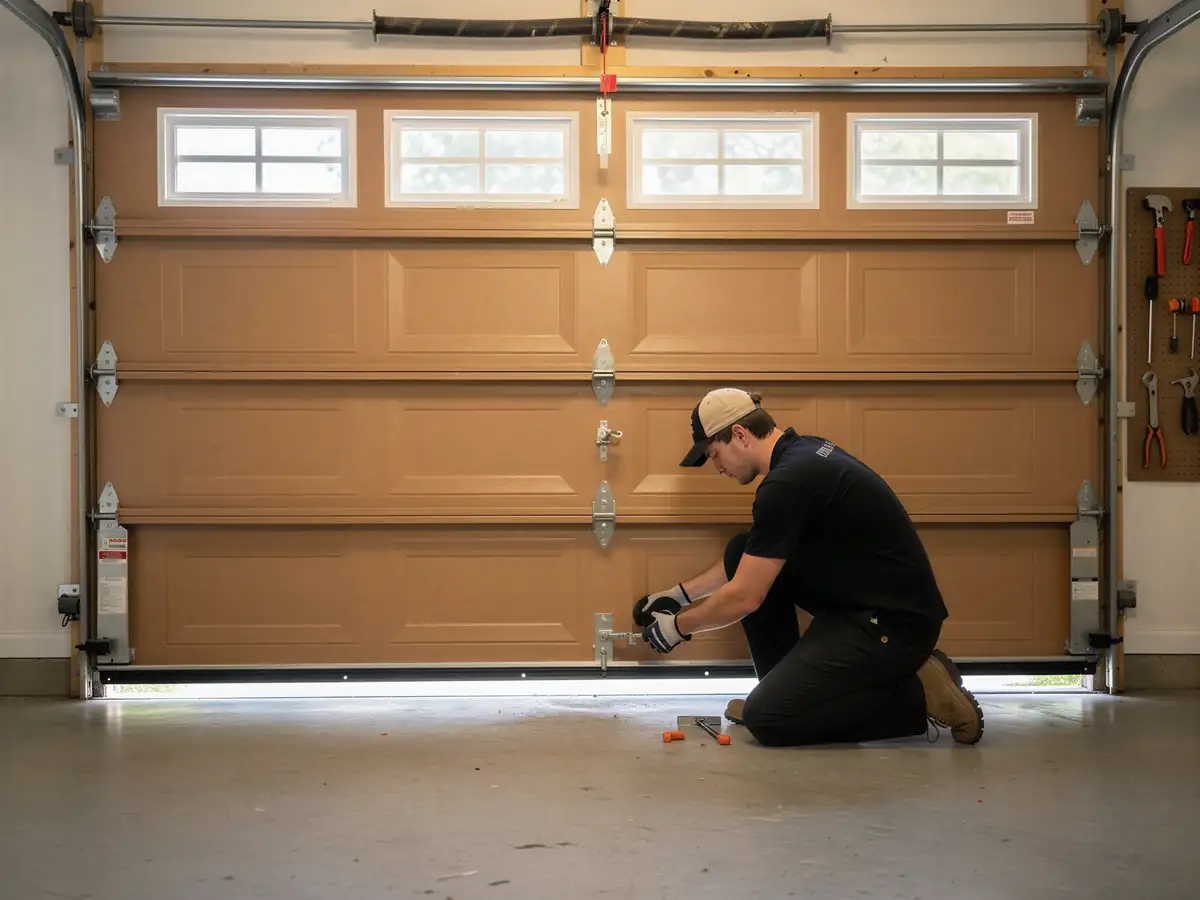
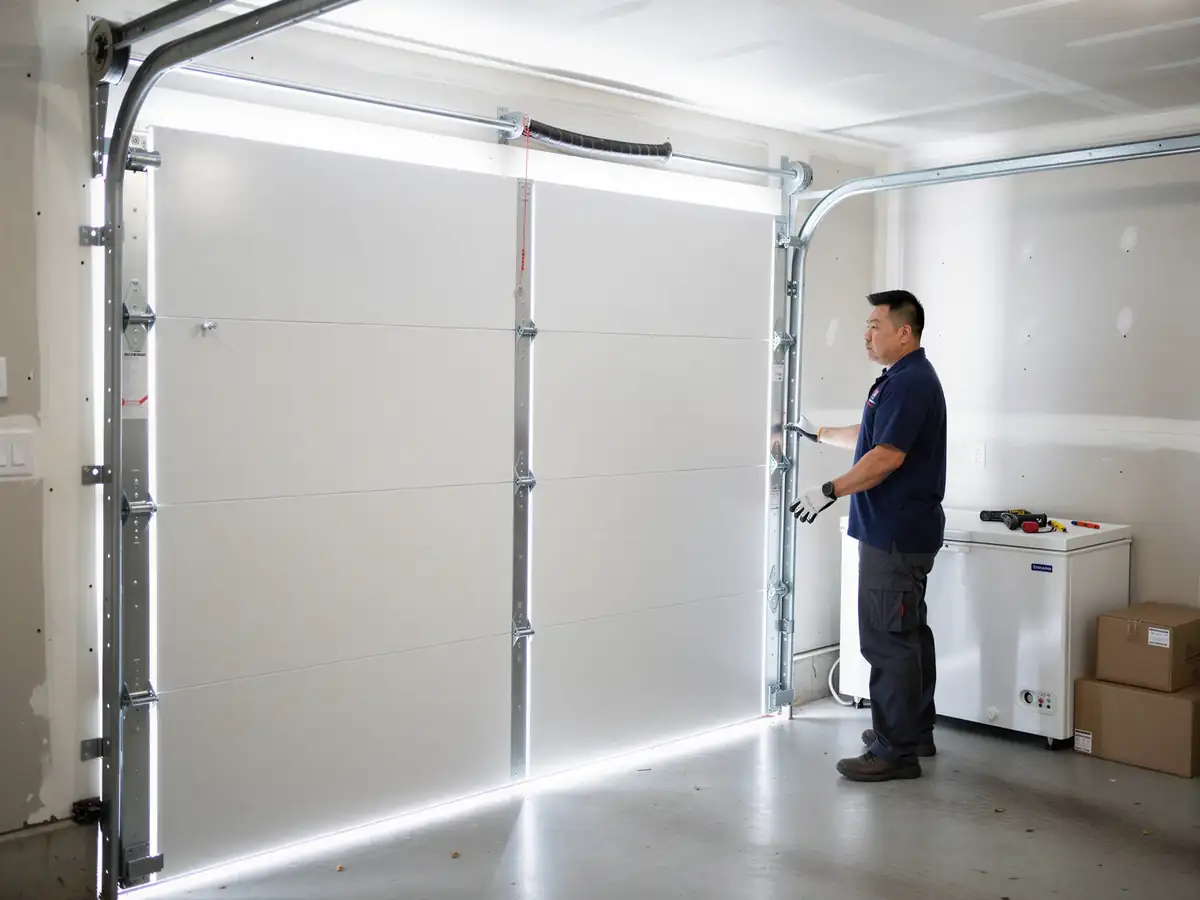
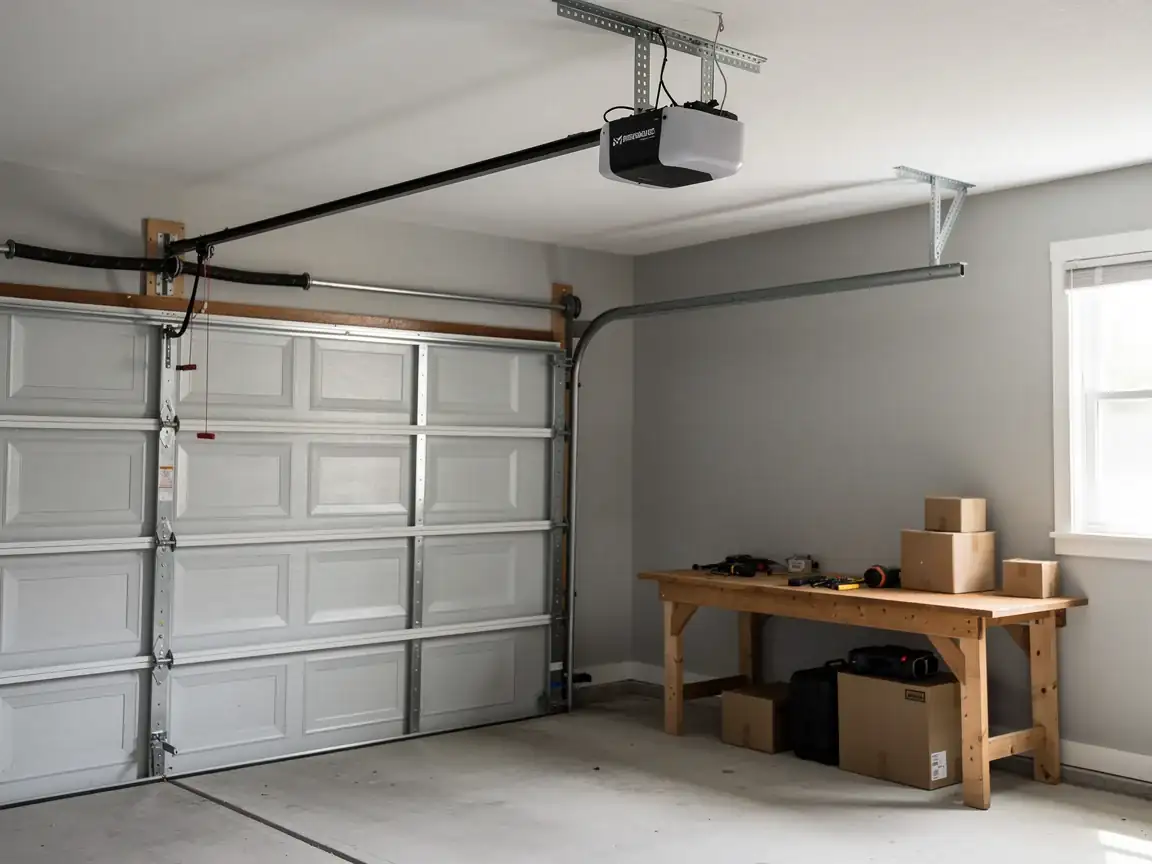
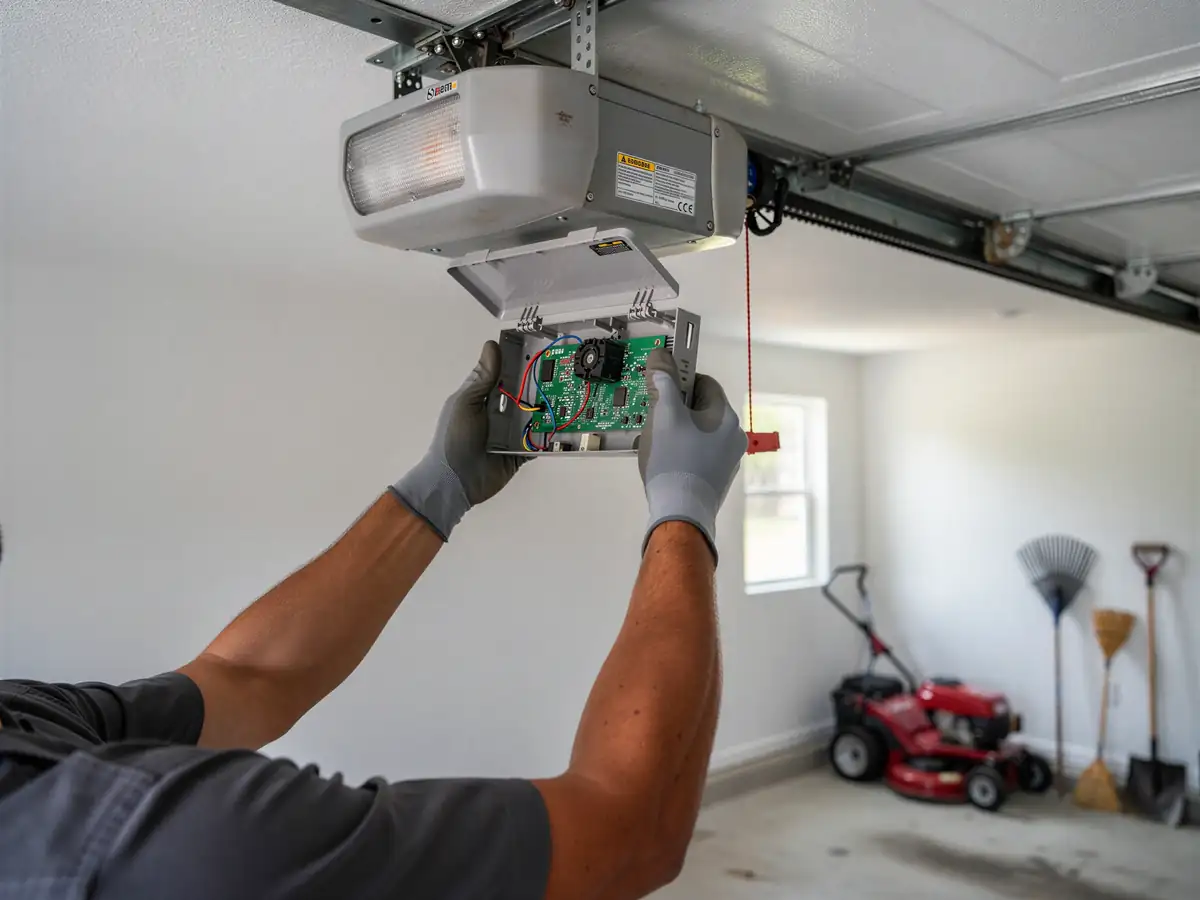
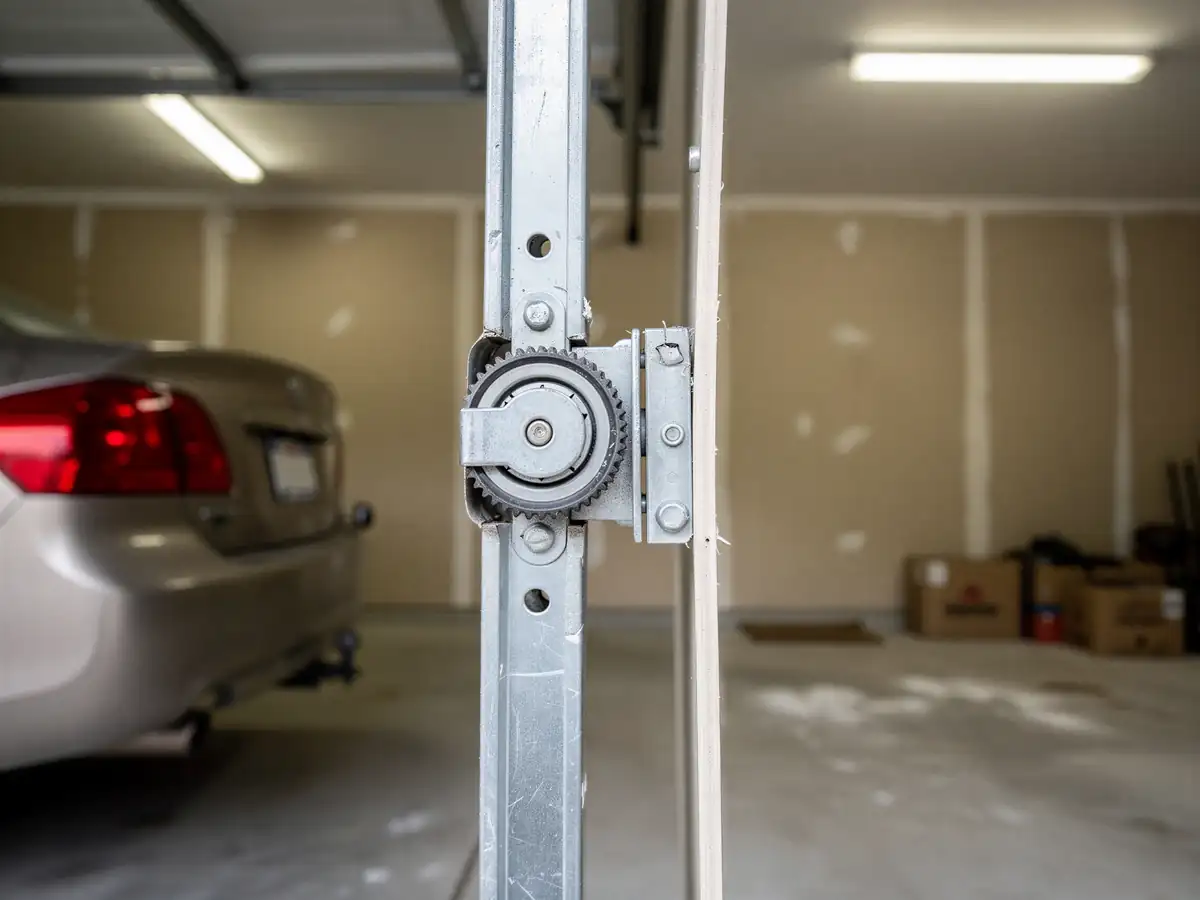
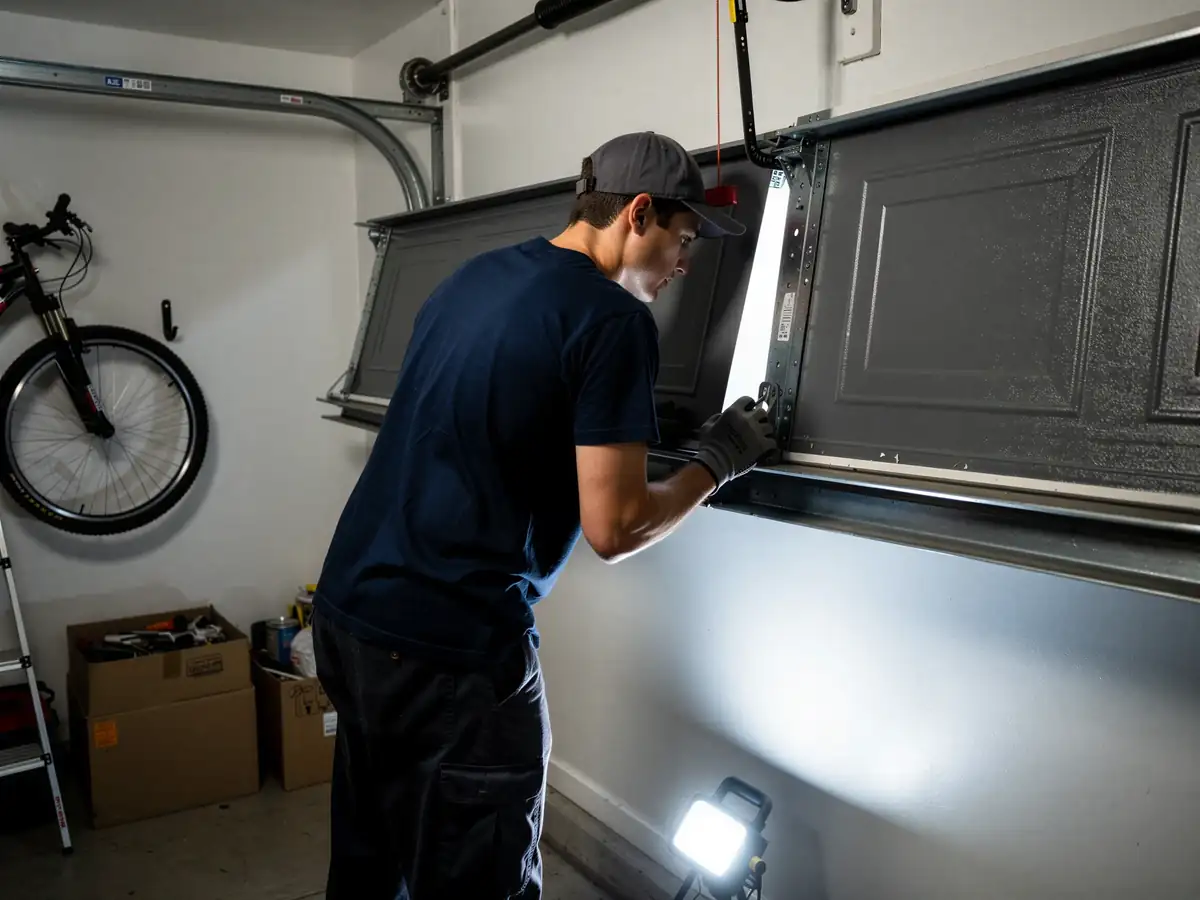
Fate is one of the newer pockets we cover. The median home here was built around 2013, a good decade or more after the broader service area's median of 2005, and that gap matters more than it sounds like it should. Most of the area we work across - 48,073 households, with doors going back to the early 1970s in places - has a mix of hand-wound torsion springs, steel panel doors from three or four different manufacturing eras, and openers that have been swapped out once or twice already. Fate skips most of that. The doors here are still largely original to the house: factory-installed steel sectional doors, torsion springs sized by a builder spec sheet, PVC or nylon rollers, and openers with circuit boards and photo-eye safety sensors rather than the older mechanical limit switches. What fails first in a 2013-era door isn't a worn-out spring from decades of cycling - it's the opener logic board, a sensor knocked out of alignment, or a keypad that's stopped talking to the receiver. We get fewer "the whole door sags" calls out of Fate and more "it won't close, the light just blinks" calls.
What We Will Not Take On
We don't carry a depot in Fate - we run out of Wylie, about 10 miles away, and that means we're not the people to call if you need someone standing in your driveway in twenty minutes. If that's what you need, we're not a fit, and we'd rather say so than promise something we can't back up. We also won't quote a repair on a board-level opener failure without seeing it; circuit board issues can look identical to a bad sensor wire from across the garage, and guessing wrong wastes your money. And if a torsion spring on a newer door has failed early, under ten years in, we'll tell you plainly if it looks like an installation or sizing issue rather than normal wear - that's a different conversation than a repair quote.
The Calls We Get From Here
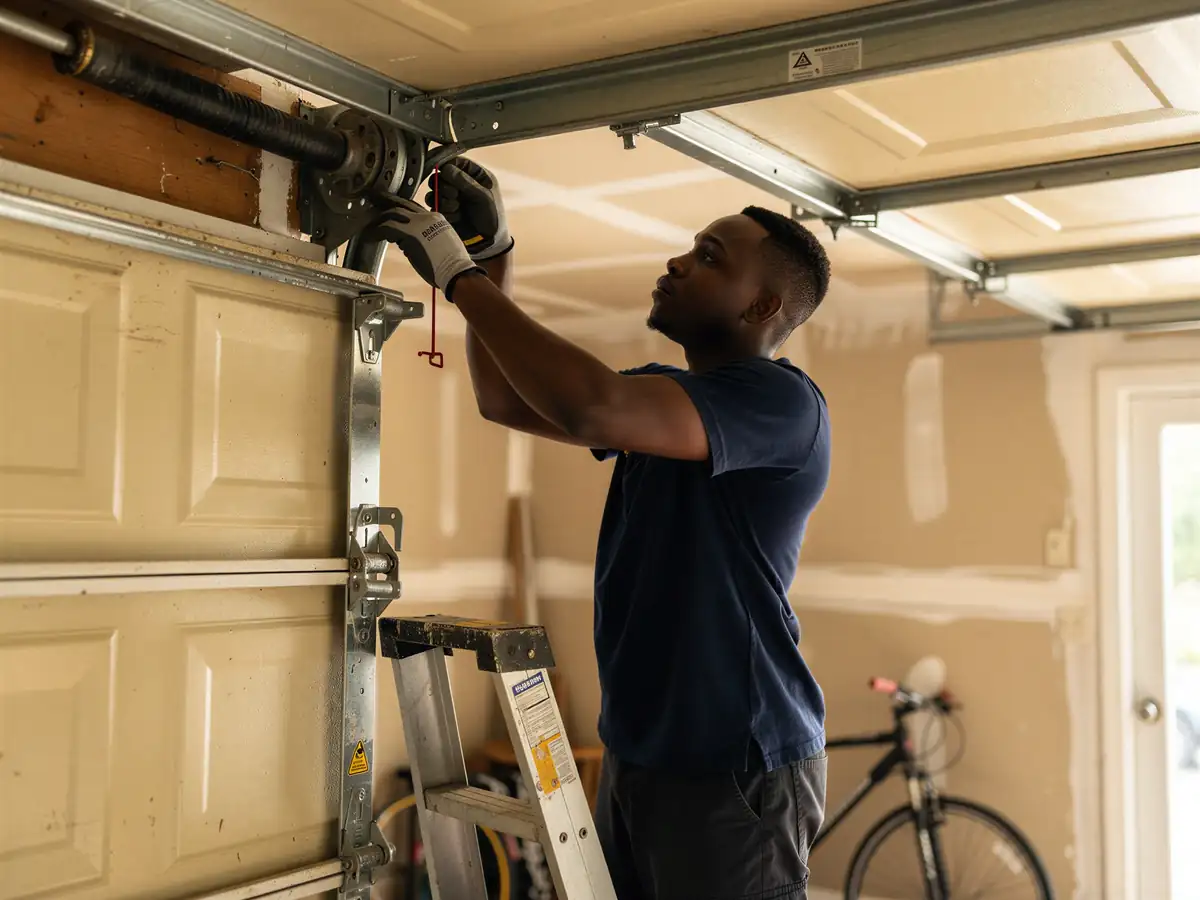
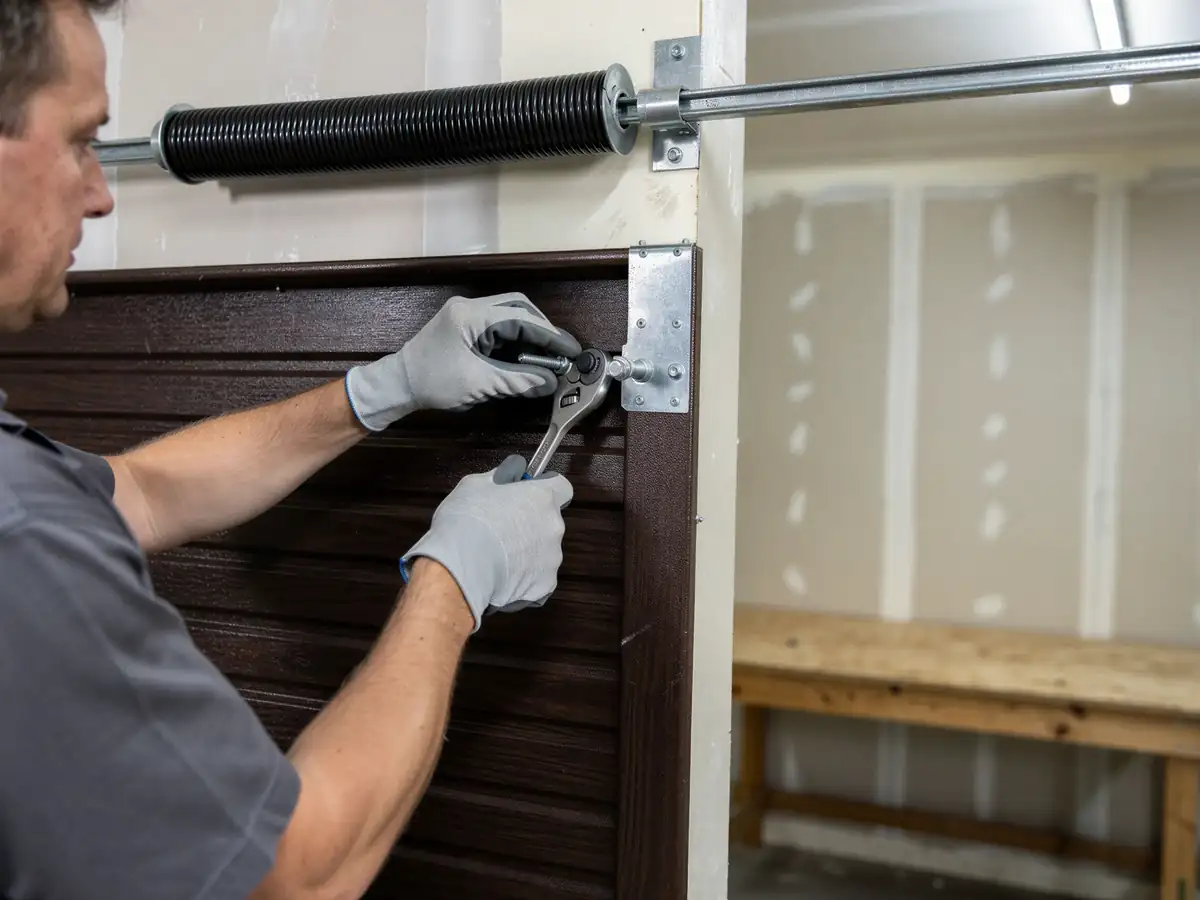
The calls out of Fate skew toward openers: a Wi-Fi-connected opener that's lost its pairing, a safety sensor pair that's drifted out of alignment after someone backed into the bracket, a remote or keypad that stopped working after a power blip. We also see early spring failures start to show up now, since a lot of Fate's housing stock is crossing the ten-to-twelve-year mark where a factory-installed torsion spring reaches the low end of its cycle life. That's different from the area's older neighborhoods, where we're usually replacing a spring that's well past any reasonable lifespan. In Fate it's more often the first spring the house has ever needed, which means the conversation is about matching the original spec, not guessing at decades-old hardware. We travel out from Wylie for these calls; we don't stage anything closer, so plan on a trip across town rather than a quick drop-by.