Why This Fails Locally
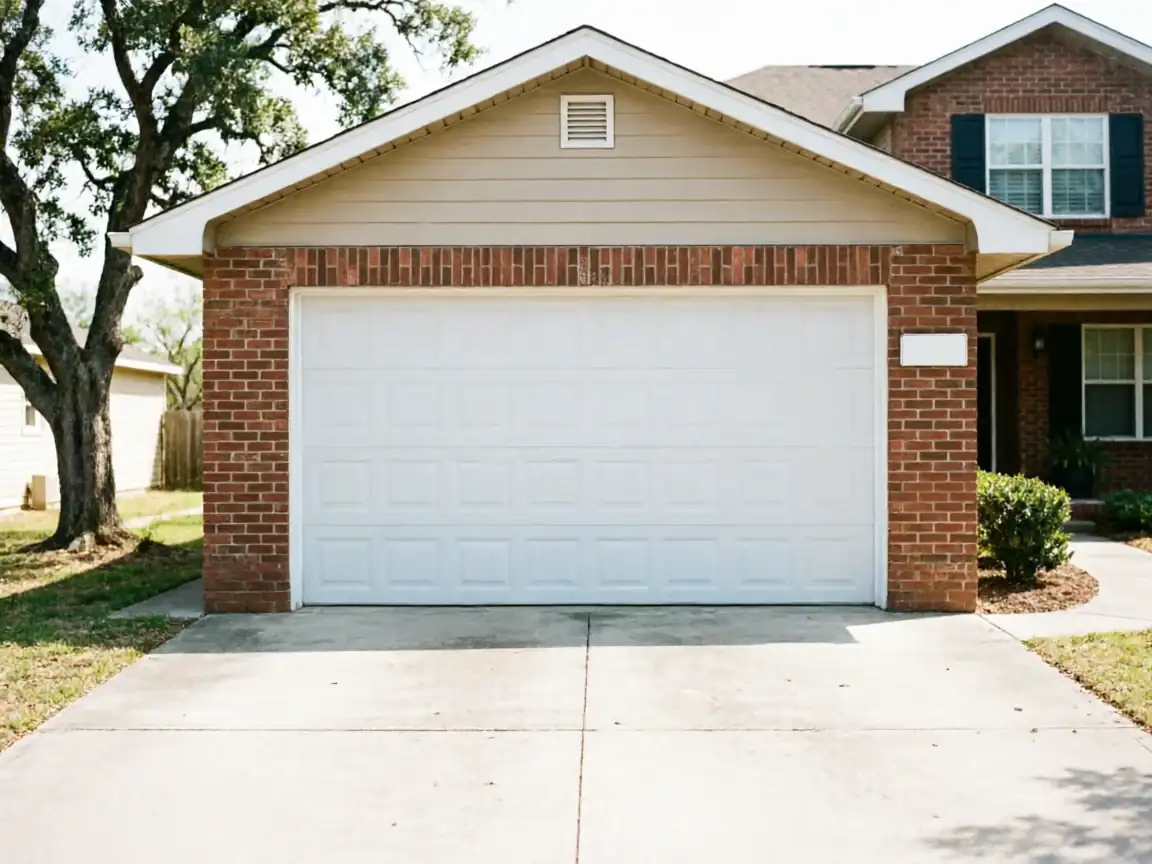
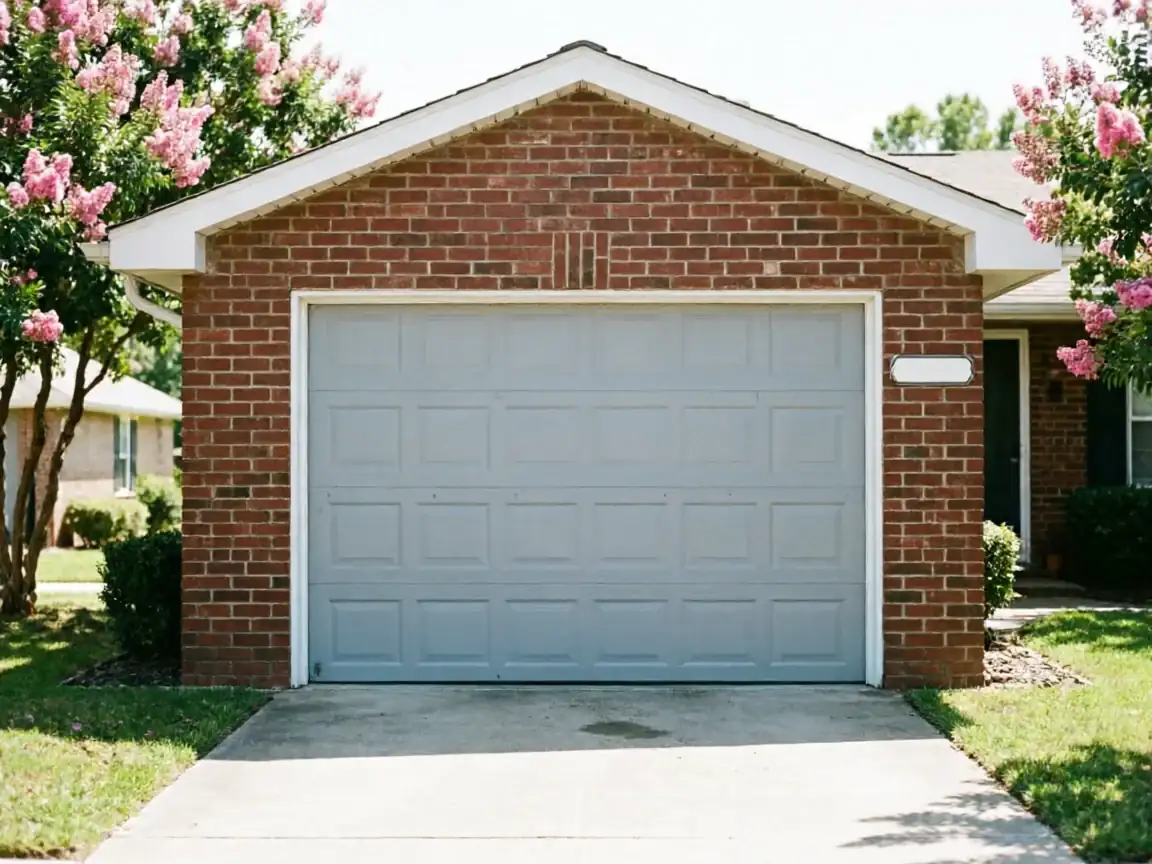
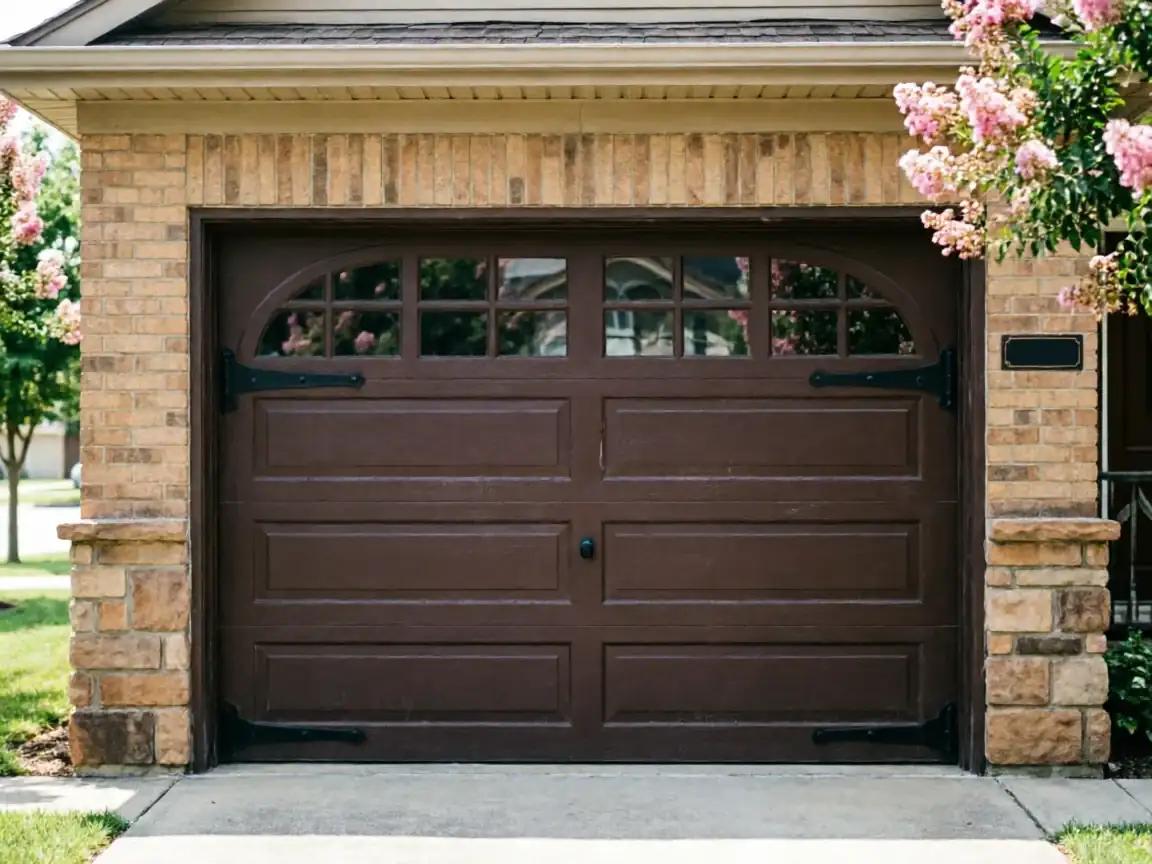
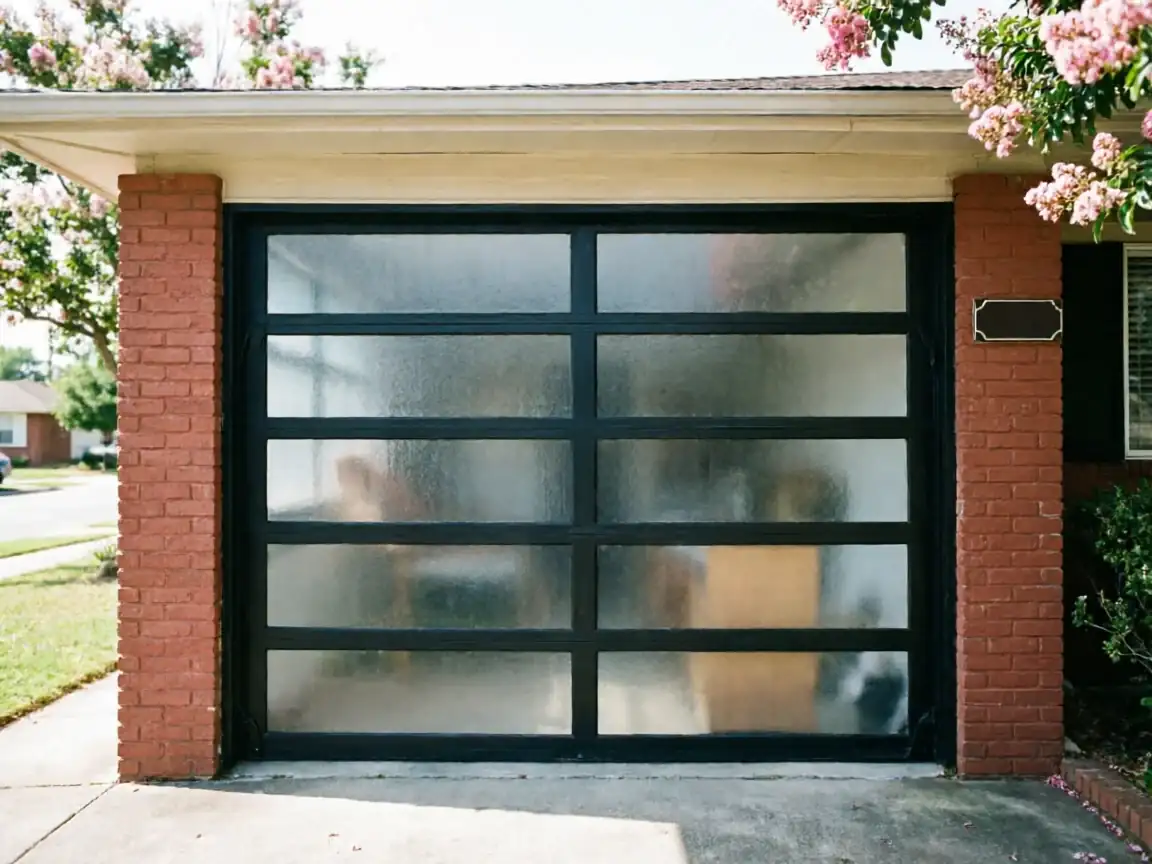
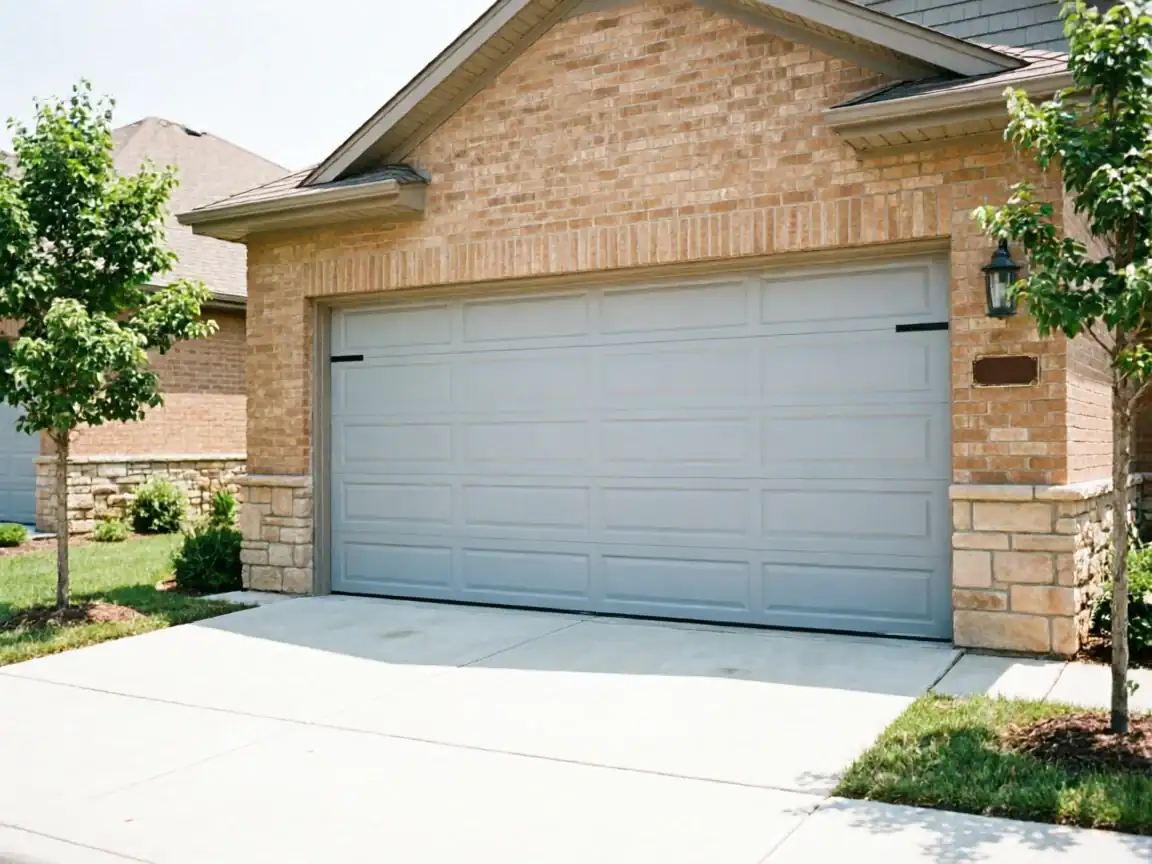
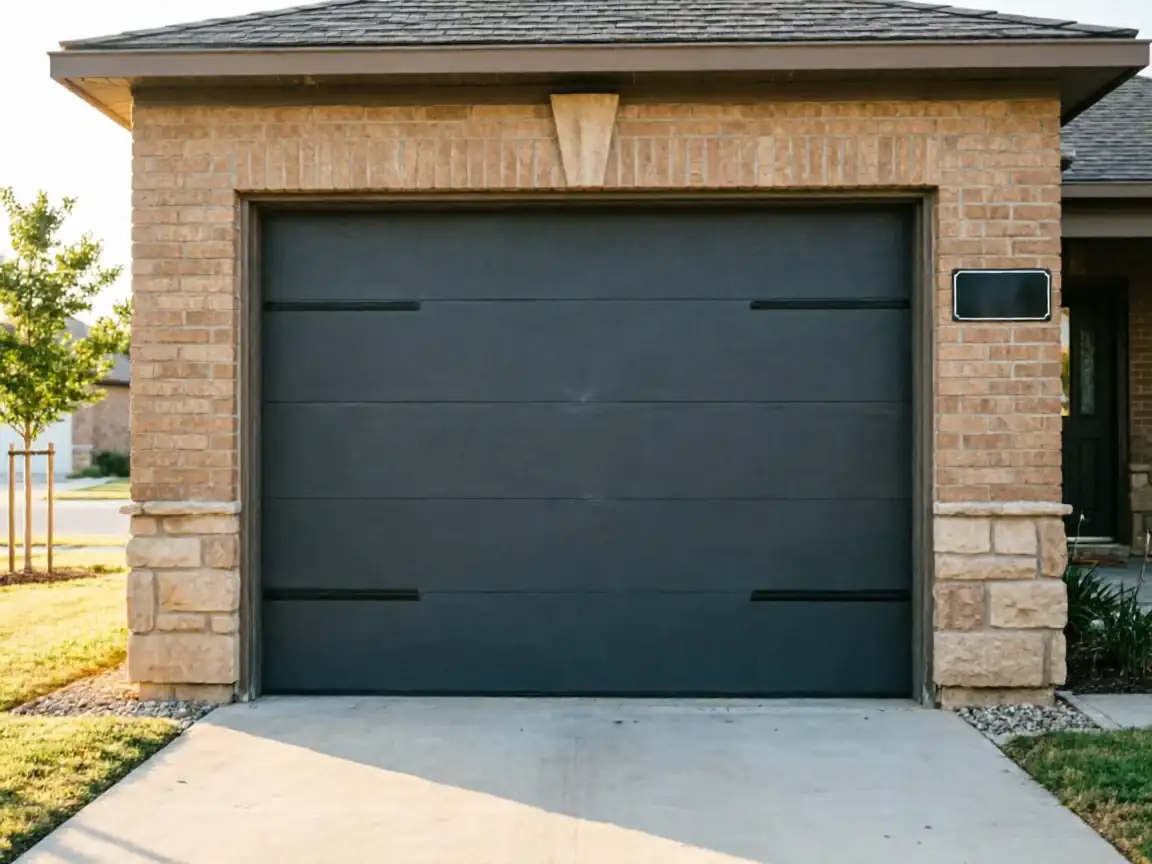
Most of the housing stock around Wylie went up between 1971 and 2015, with the median build year landing around 2005 and most of the subdivisions here carrying 2000s-era construction. That matters for garage doors because builders during that boom spec'd the same mid-grade torsion systems across whole streets at once - fine hardware, but not built to run twenty years without service. By now those original springs are past their rated cycle count in a lot of these houses, all roughly on the same clock since they went in around the same year.
The climate here sits in a mild band with occasional freeze, which isn't the brutal swings you get further north, but it's enough. A door that's been fine for fifteen years of warm Texas afternoons can bind up the first hard cold snap of the season, when steel contracts, lubricant thickens, and a spring that was already fatigued finally lets go. It's not a weather disaster - it's a slow wear pattern that a cold morning just happens to finish off.
The Symptom
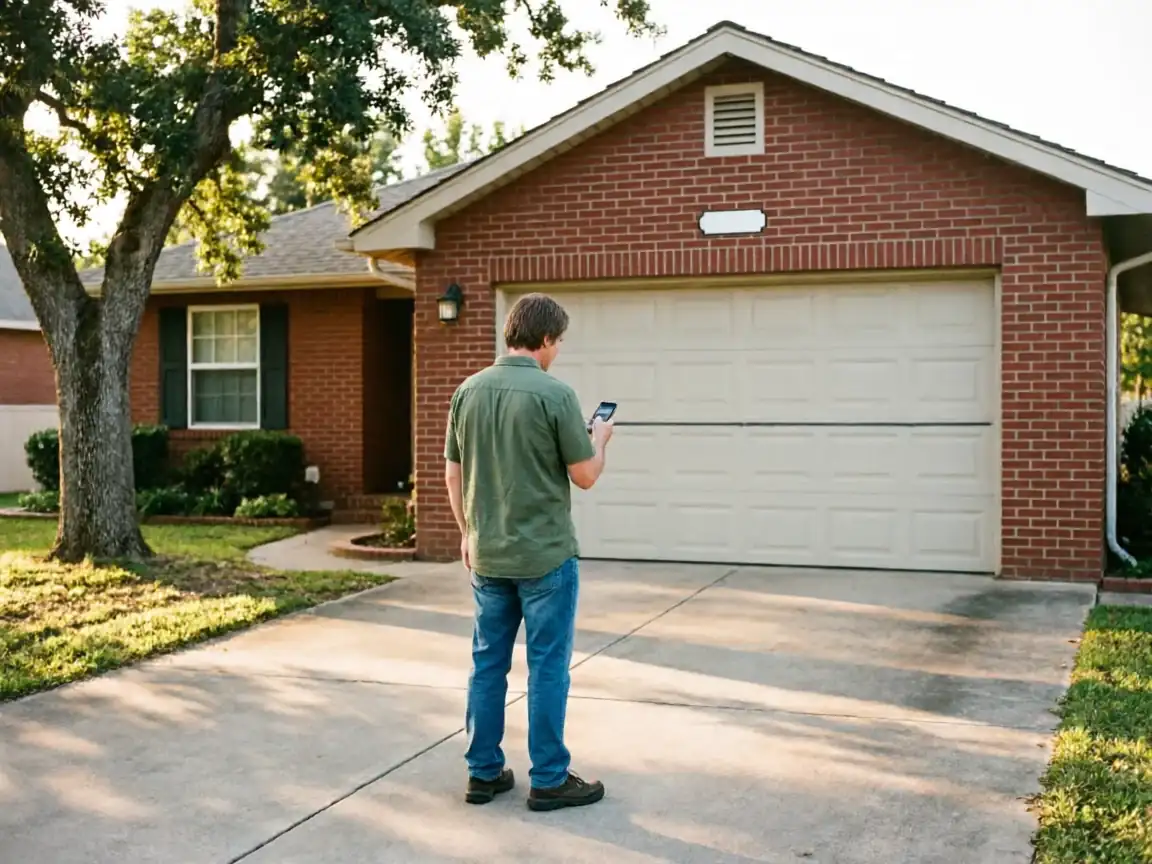
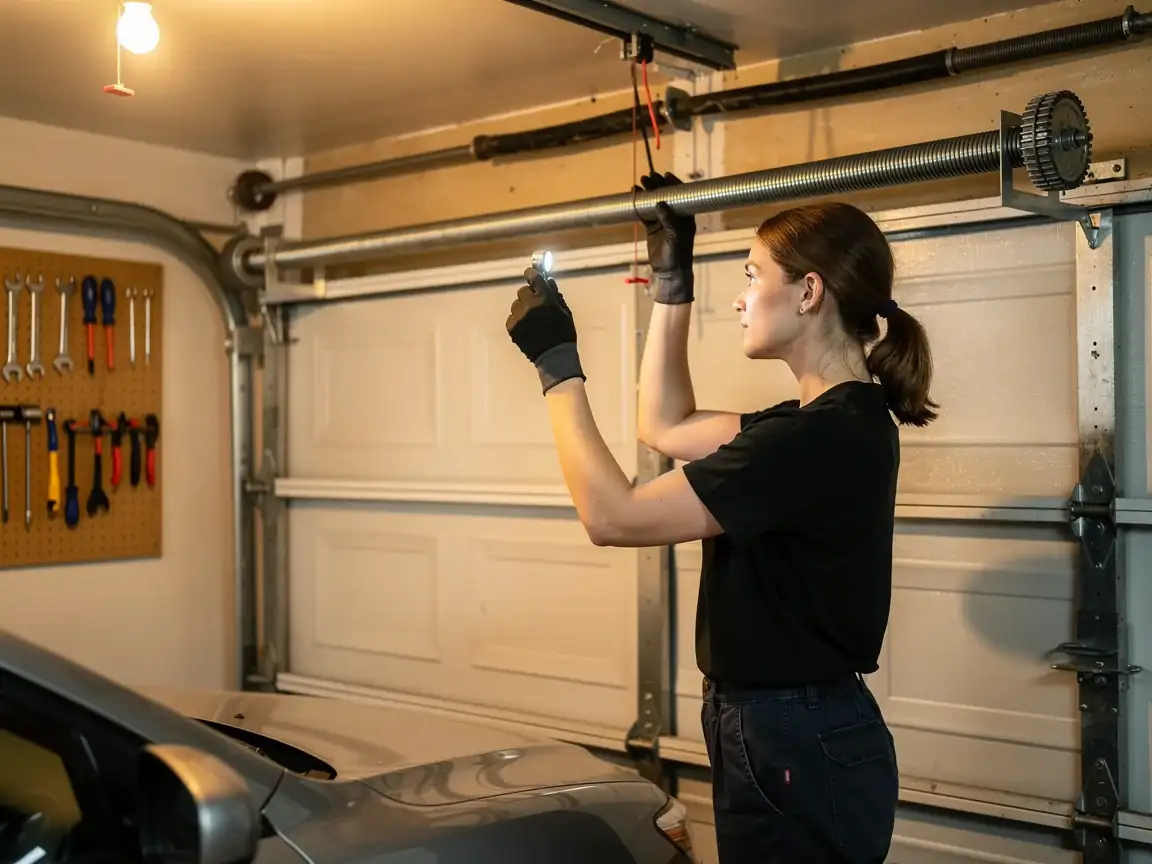
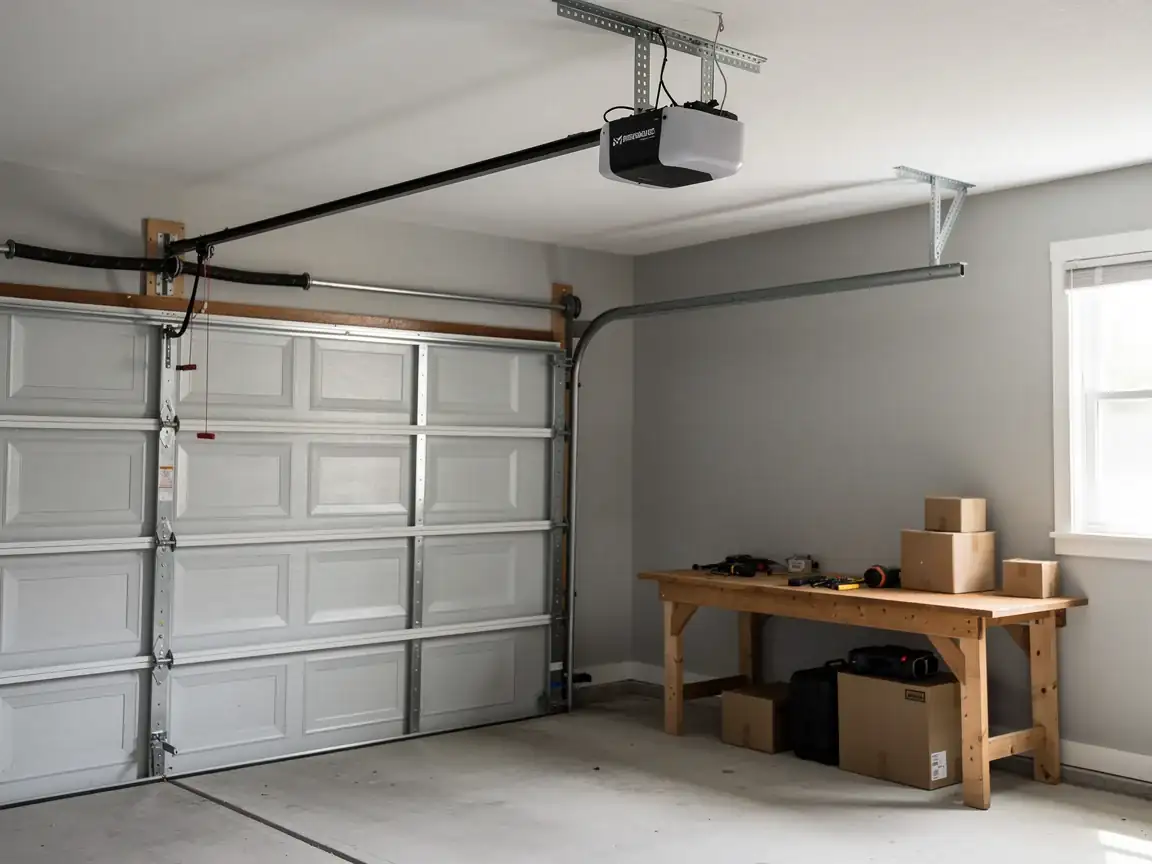
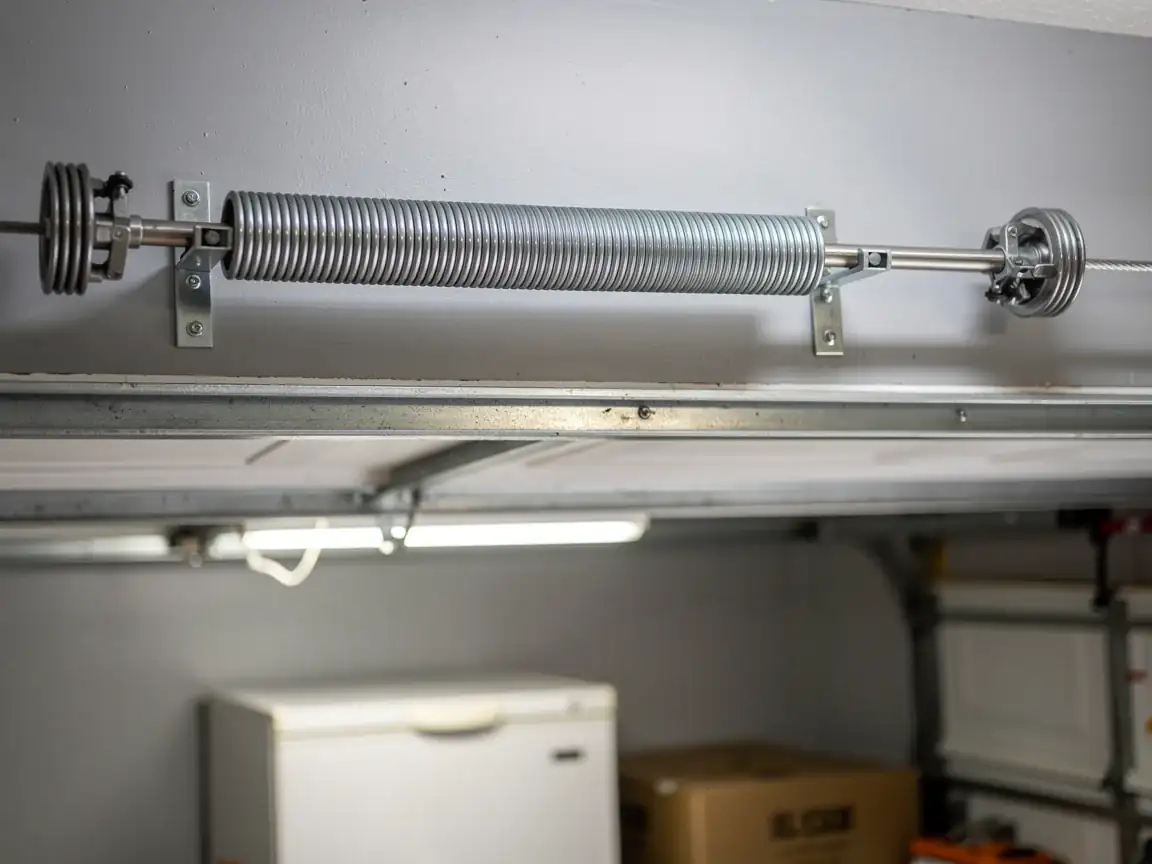
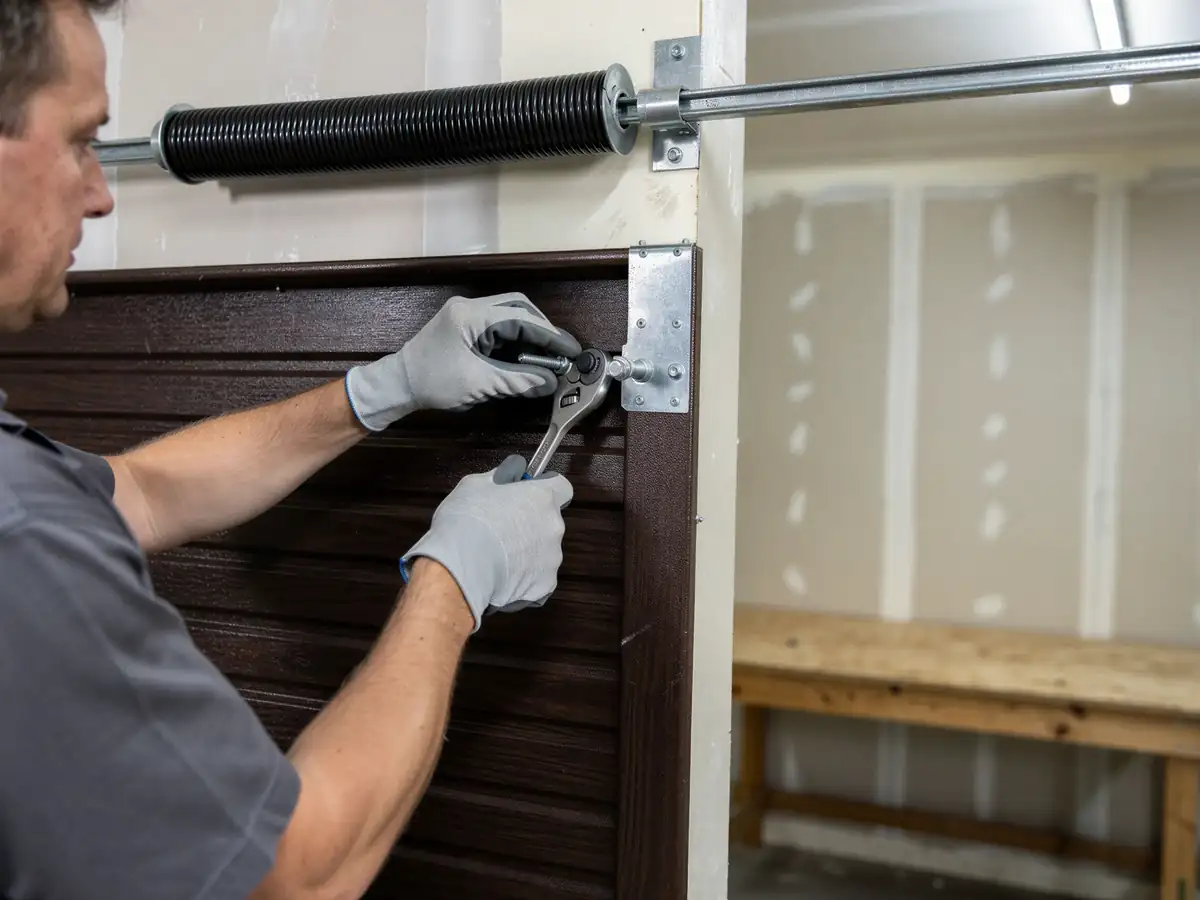
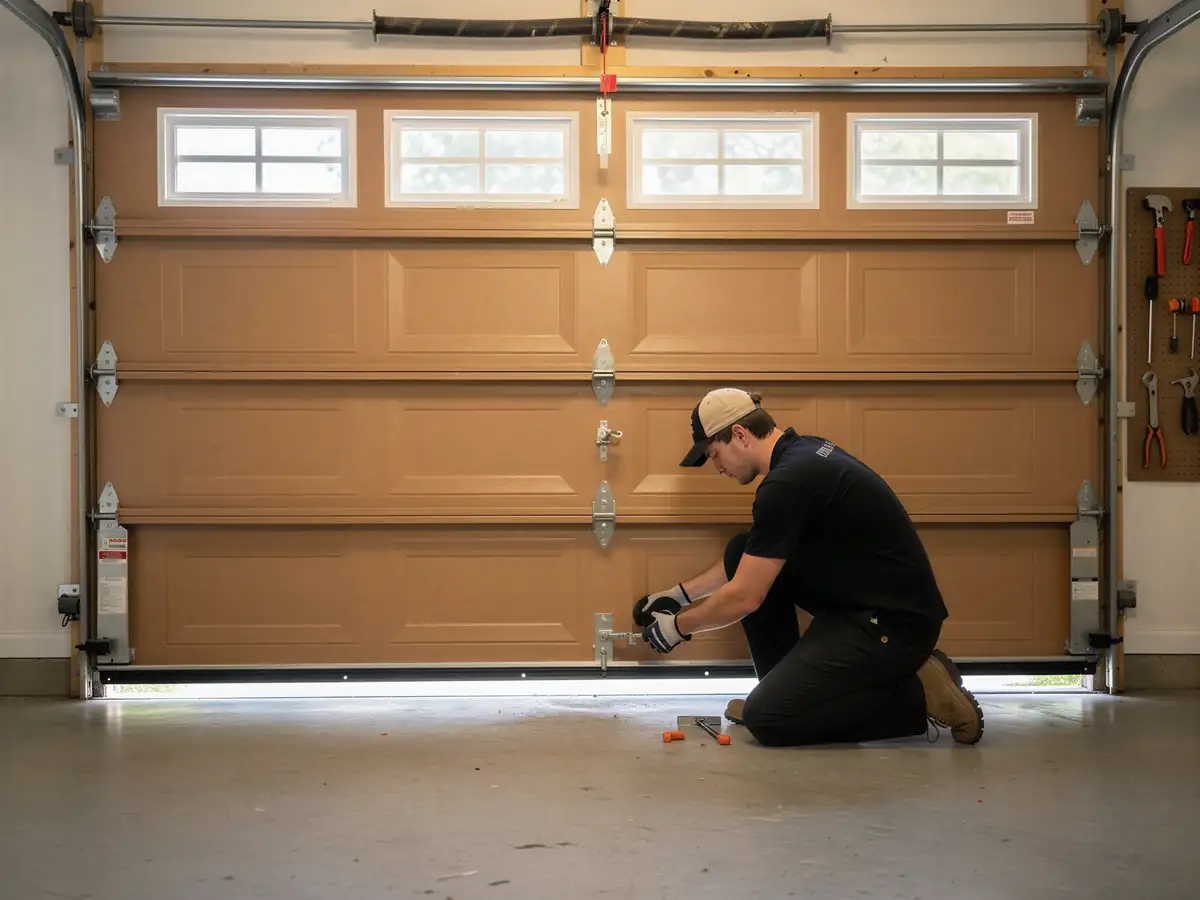
The call we get most from this stretch of Wylie starts the same way: the door won't open, or it opens a few inches and stops, or it slams down faster than it used to. Nine times out of ten on a 2000s-built house, that's a broken torsion spring - the coil above the door that does the actual lifting while the opener just triggers it. You'll sometimes hear it before you see it: a bang from the garage, usually first thing in the morning when the metal is coldest and tightest.
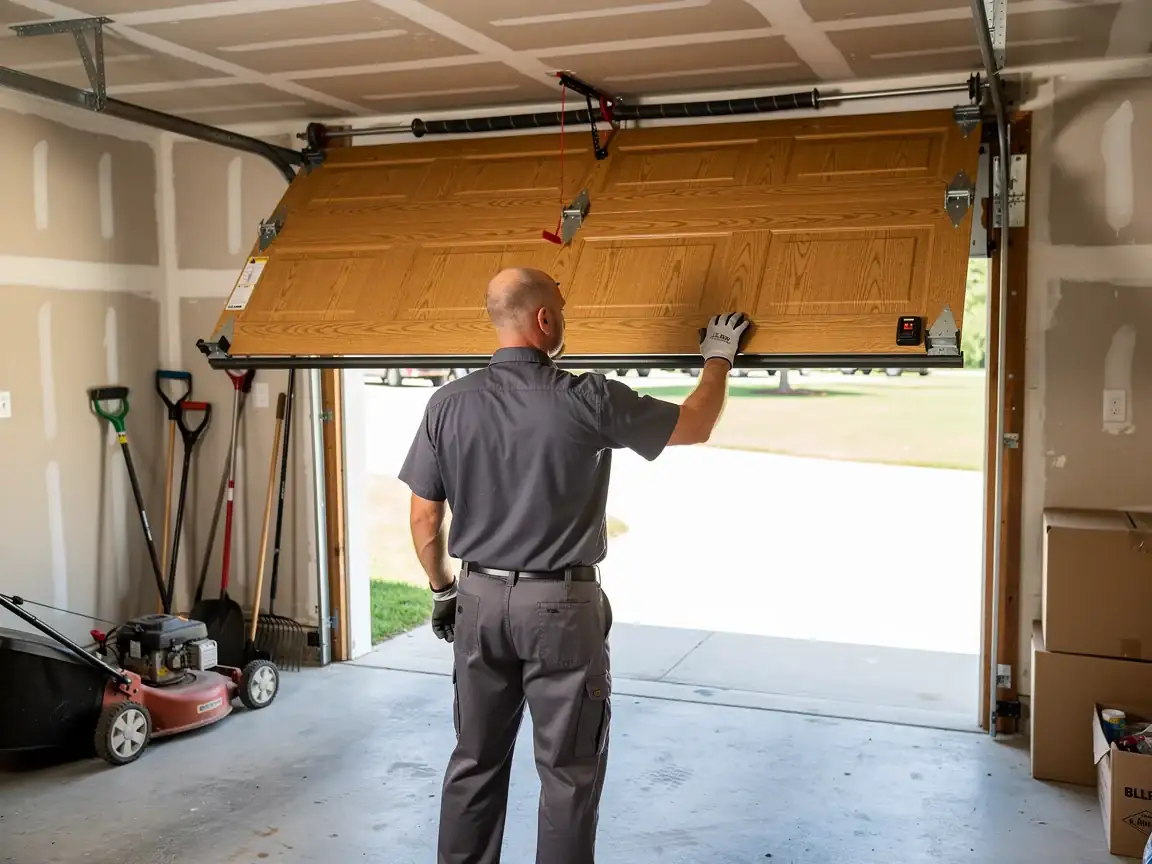
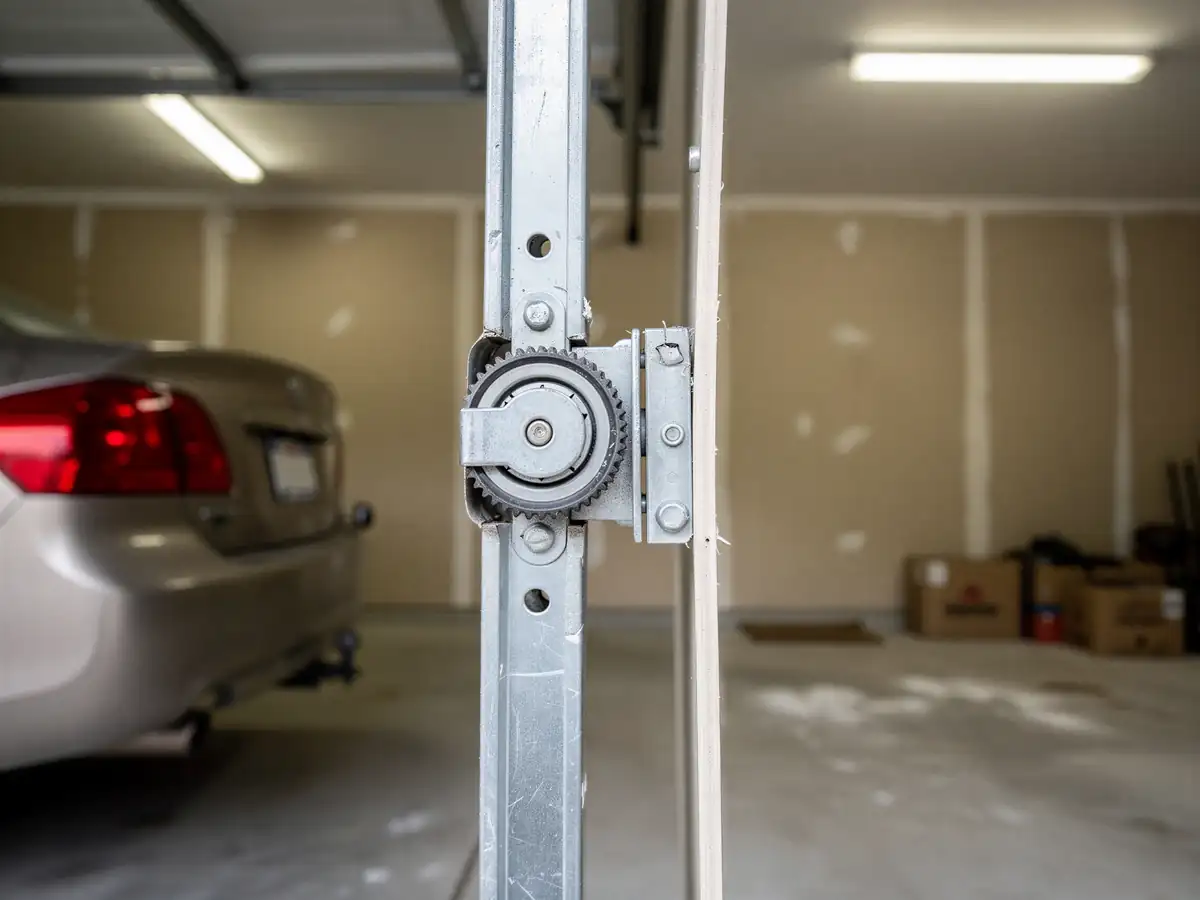
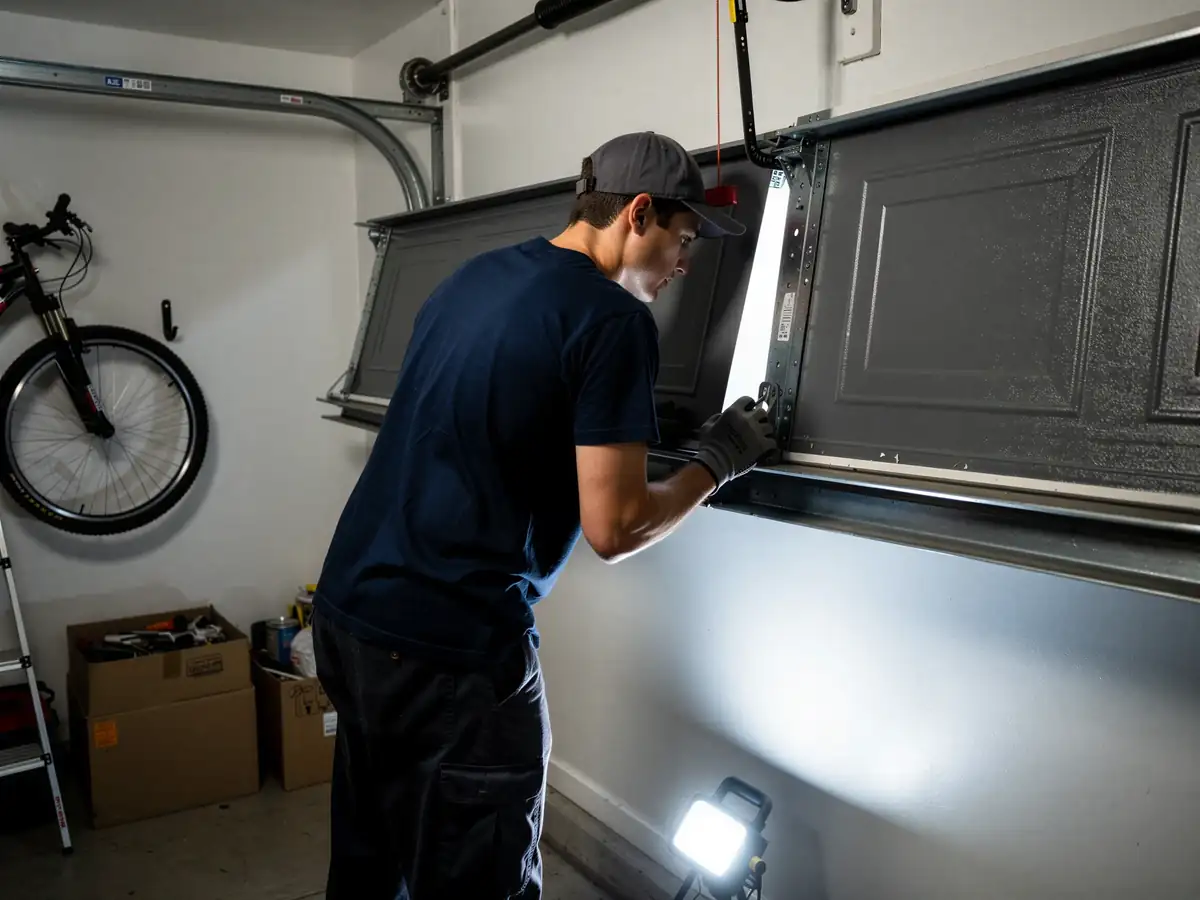
The other common pattern is a door that runs rough on the track, especially on homes where the original rollers were never swapped. Builder-grade rollers in this price range were nylon or plain steel, not sealed bearing units, and after fifteen-plus years of Texas heat and the occasional freeze cycle, they groove unevenly and start binding in the track instead of rolling through it. Both symptoms point back to the same root cause: original hardware from the same construction wave finally hitting the end of its life at the same time across the neighborhood.
Can You Do This Yourself
A loose hinge, a dirty track, or a sensor that needs realigning
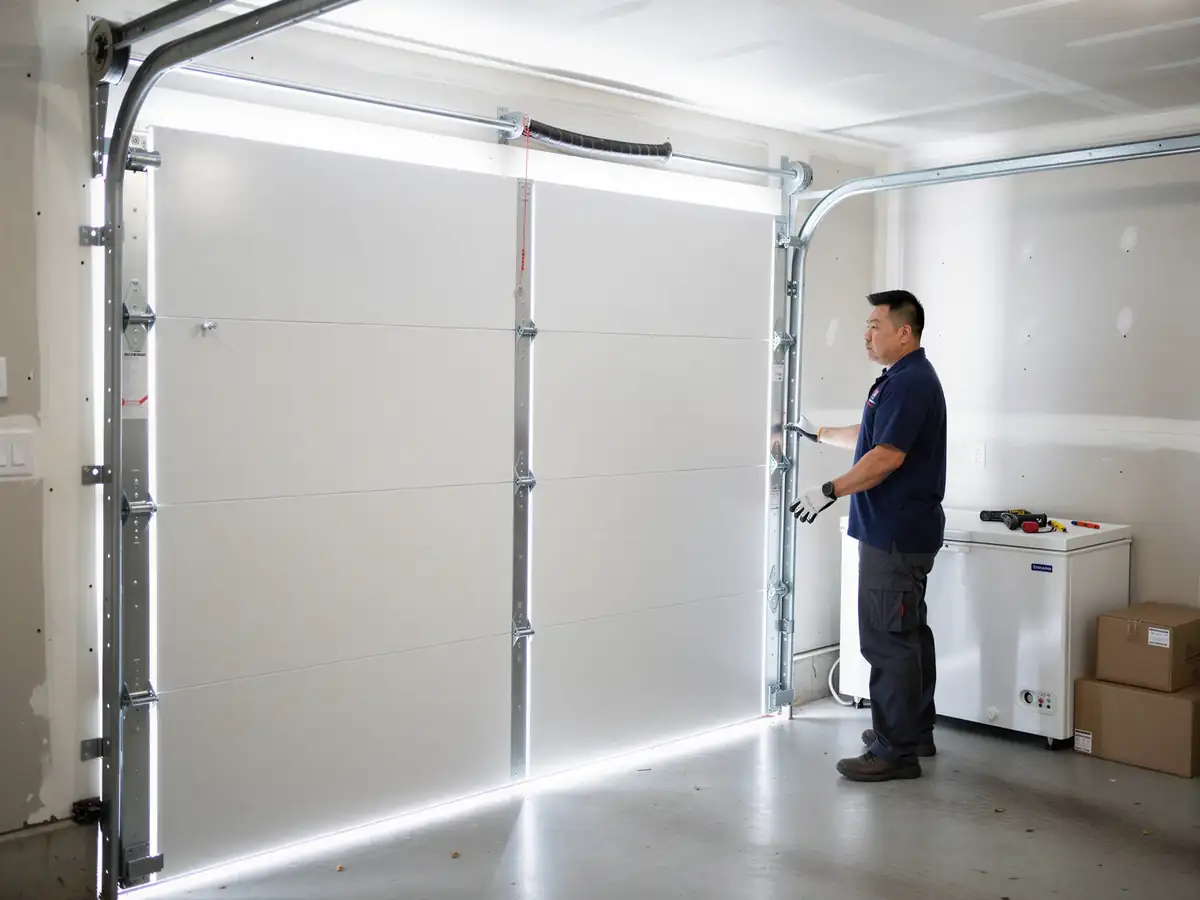
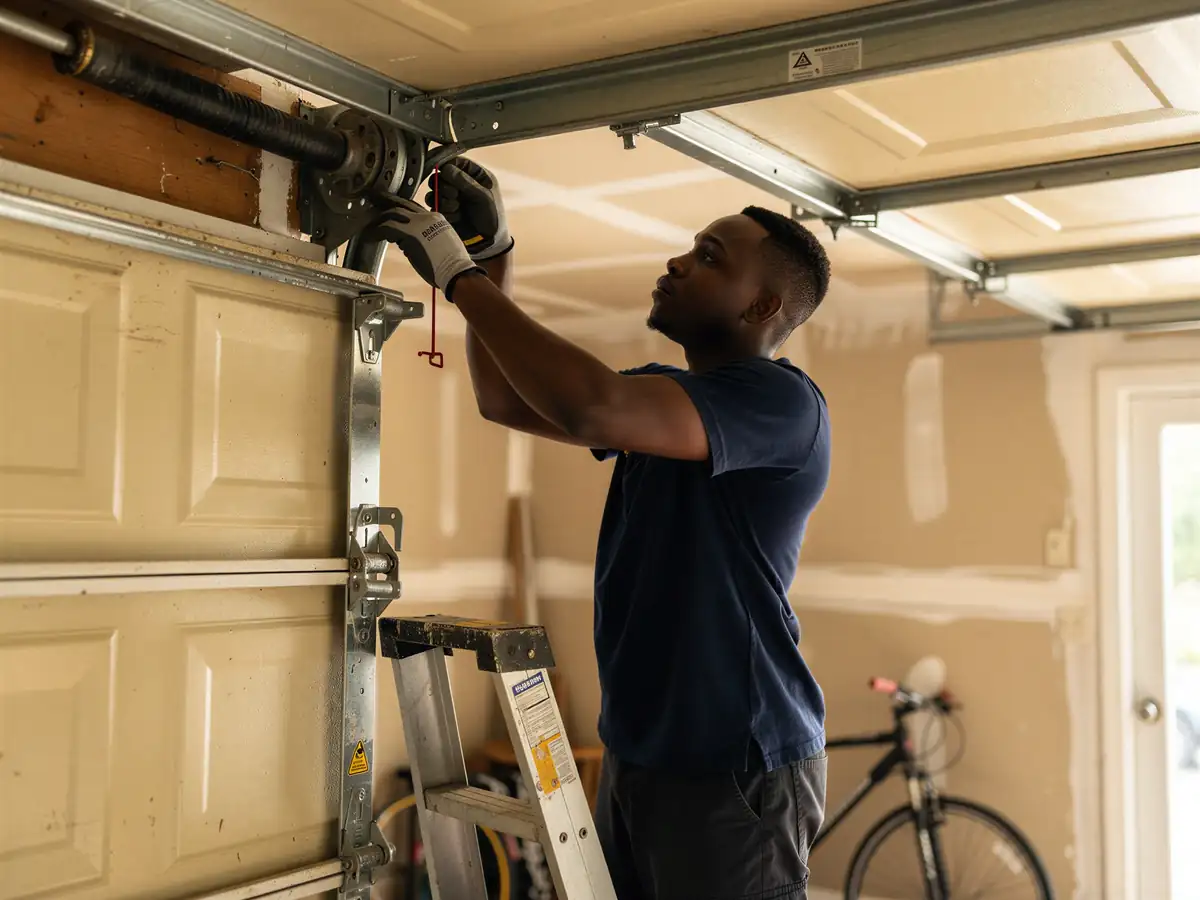
Those are reasonable DIY jobs if you're comfortable on a ladder. A broken torsion spring is not. That spring is holding the full weight of the door under tension, and releasing it wrong can break a hand or worse. We won't talk anyone through doing that one solo, and any honest company should tell you the same.
We'll also say plainly
If your door is original to a house built in the earlier part of that 1971-2015 range, a spring repair might just buy you a year before the next part goes. At some point replacing the whole system costs less than three separate repair calls. We'll tell you straight which situation you're in rather than stringing out small fixes.
How to Book
If your door is stuck, slamming, or making a noise it didn't used to make, get in touch and describe what you're hearing and what you've tried. We work across Wylie and the area, which stretches out to places like St. Paul, Lavon, Murphy, Lucas, Parker, Nevada, Fairview, Lowry Crossing, Fate, Princeton, Josephine, New Hope, Farmersville, Heath, McLendon-Chisholm, Sunnyvale, Caddo Mills, Union Valley, and Melissa.
Start from the home page and we'll get the details on your door and the make of your current system before anyone heads out, so the truck that shows up has the right spring size and roller type for a house of your build era rather than guessing on site.