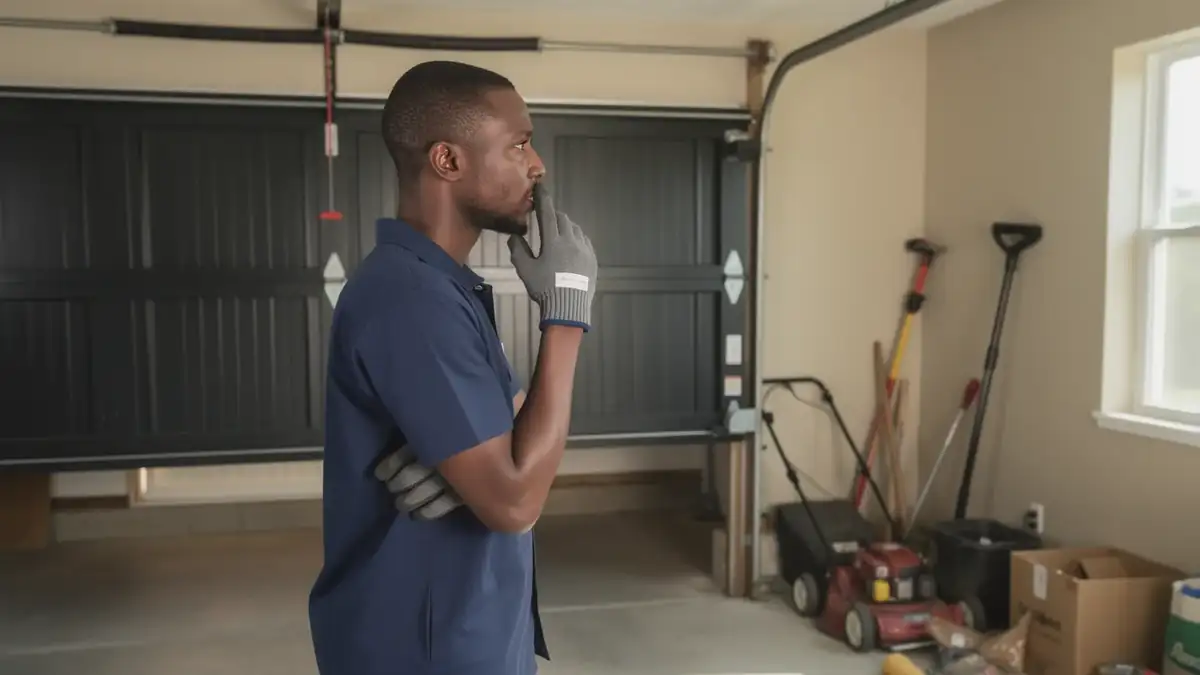
Doing Nothing For Now
A door that grinds, pops, or thuds on the way up usually keeps working for a while, which is exactly why most people put off calling anyone. In Wylie's service area, most houses went up between 1971 and 2015, with the bulk of that building clustering around 2005. That matters here more than it sounds like it should: a door installed when a house was built in the early-to-mid 2000s is now pushing fifteen to twenty years old, and that's about where torsion springs, nylon rollers, and the first generation of chain-drive openers start to show their age. The noise is the hardware telling you it's near the end of its rated life, not the beginning of a new problem.
Across the roughly 48,000 households in this area, close to 40,000 are owner-occupied houses, most with a garage door that's never had anything done to it beyond the occasional remote battery swap. Letting a noisy door run another winter isn't reckless, but it isn't free either. A spring that's audibly straining now is a spring that's closer to snapping, and a snapped spring under tension can bend a track or crack a panel on its way down. Nothing you have to do today. Something you shouldn't forget about for another two years.
The Problem
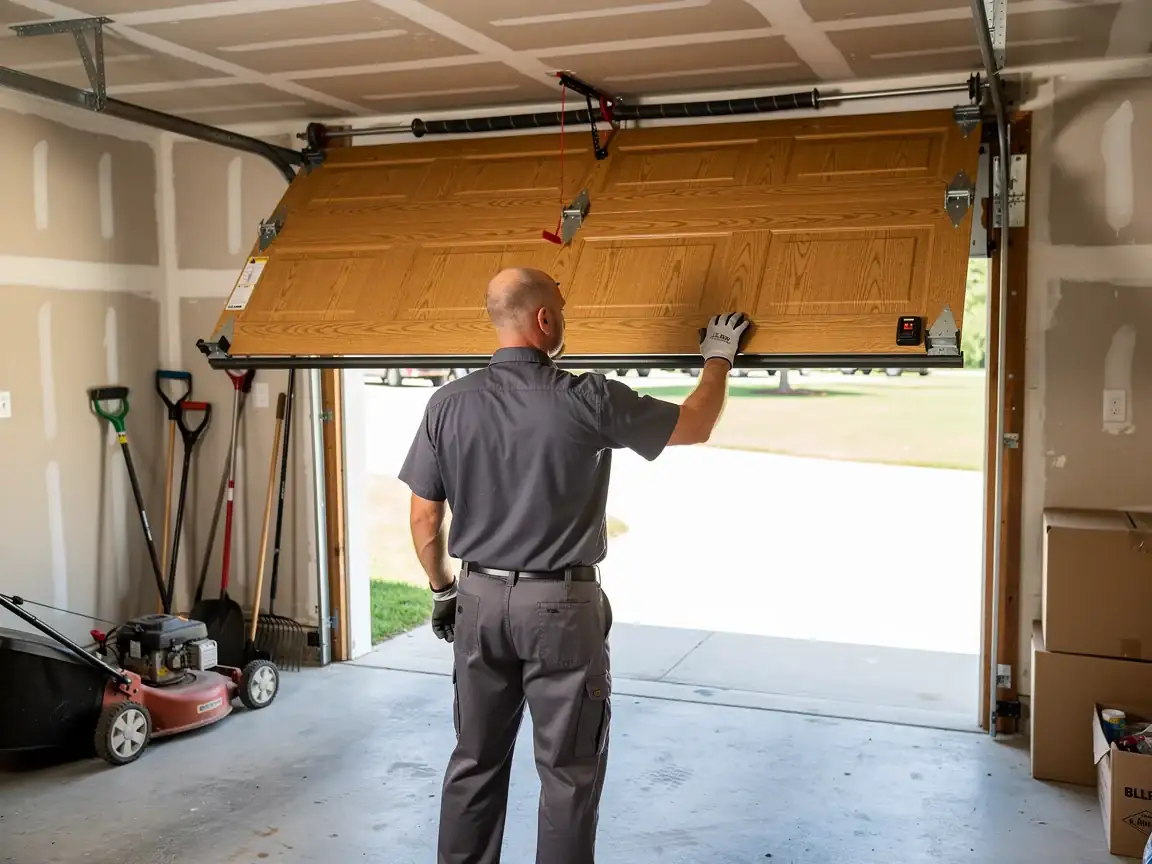
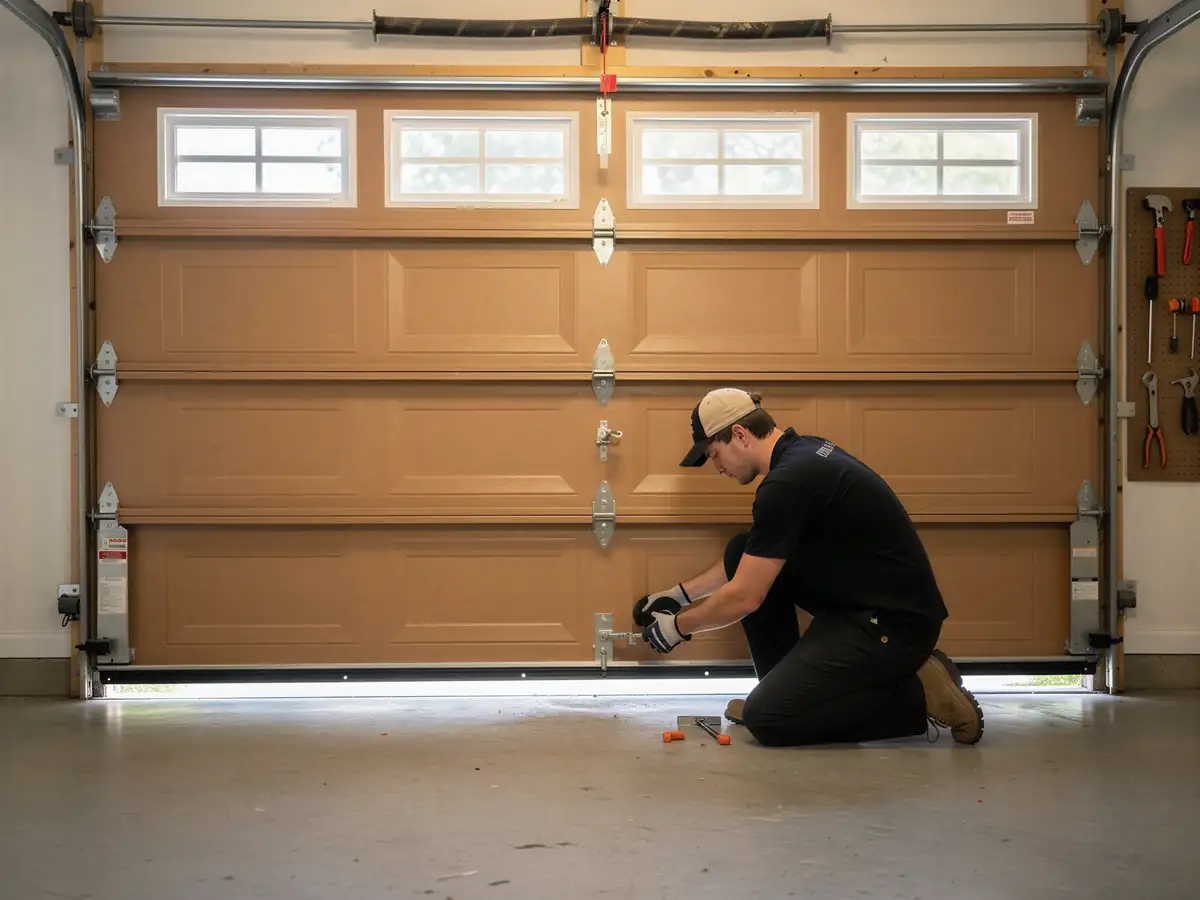
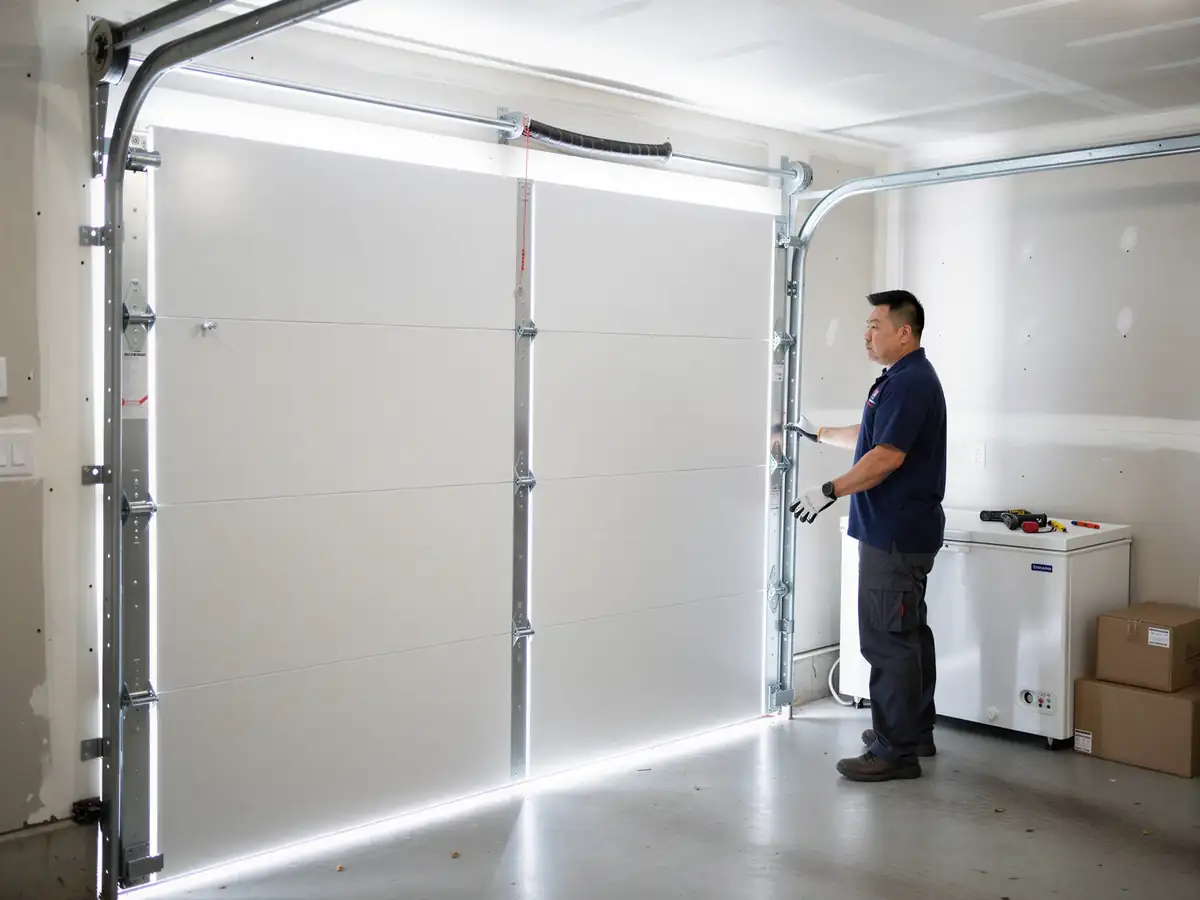
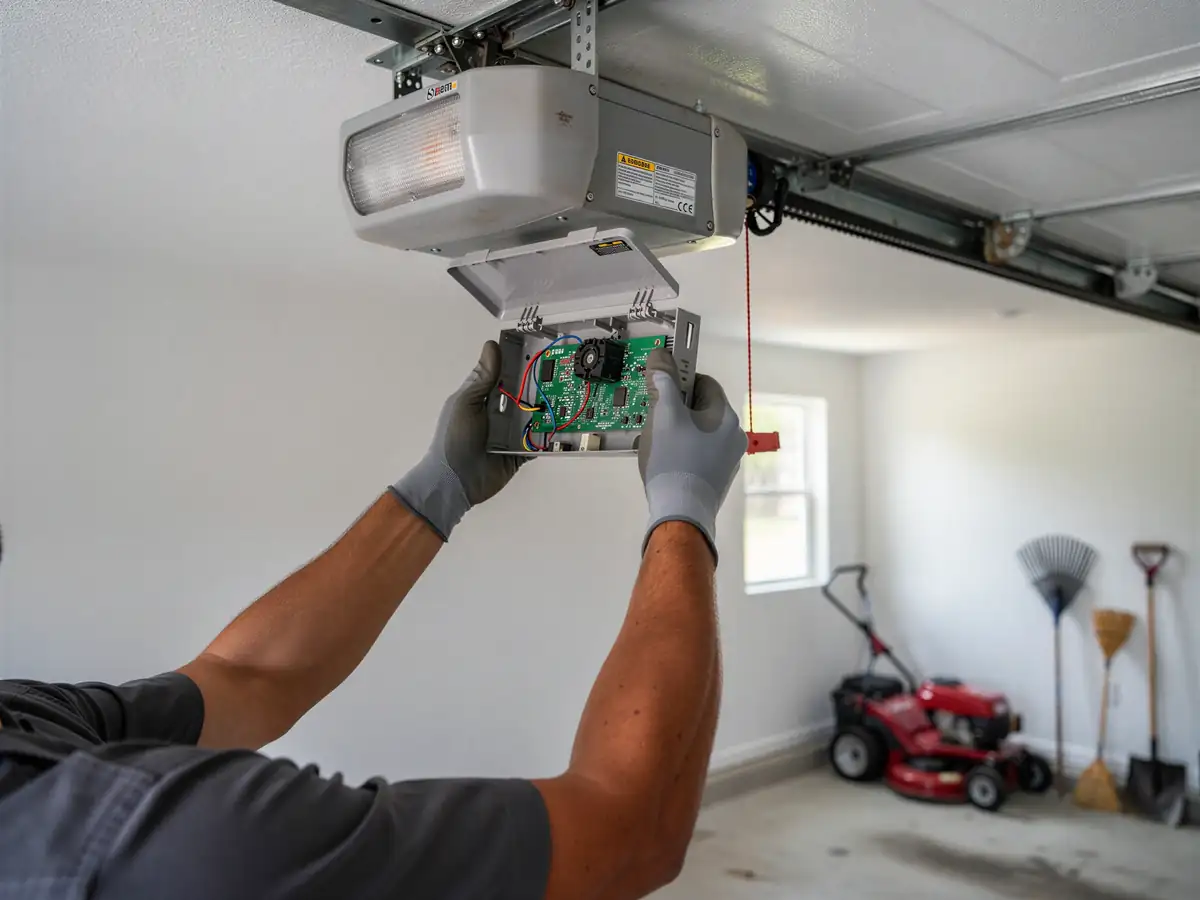
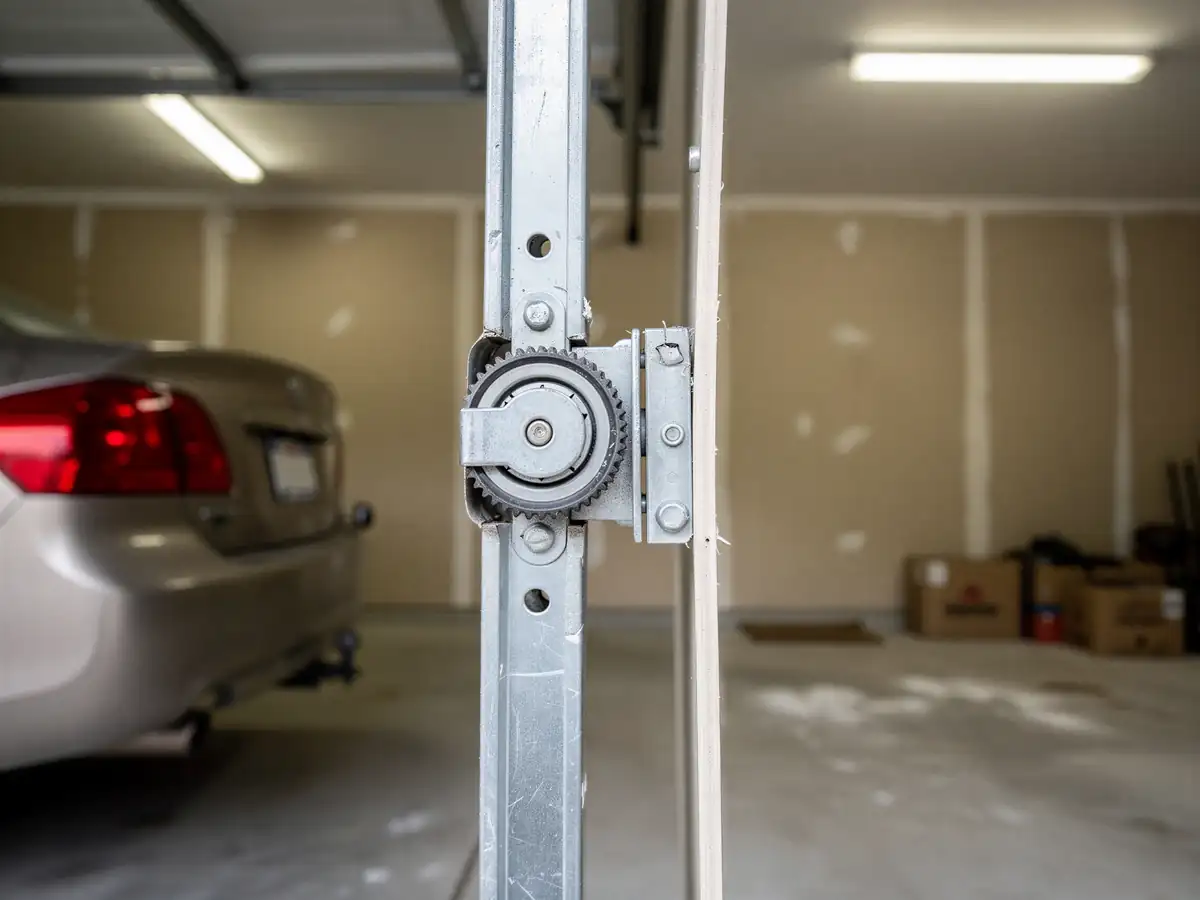
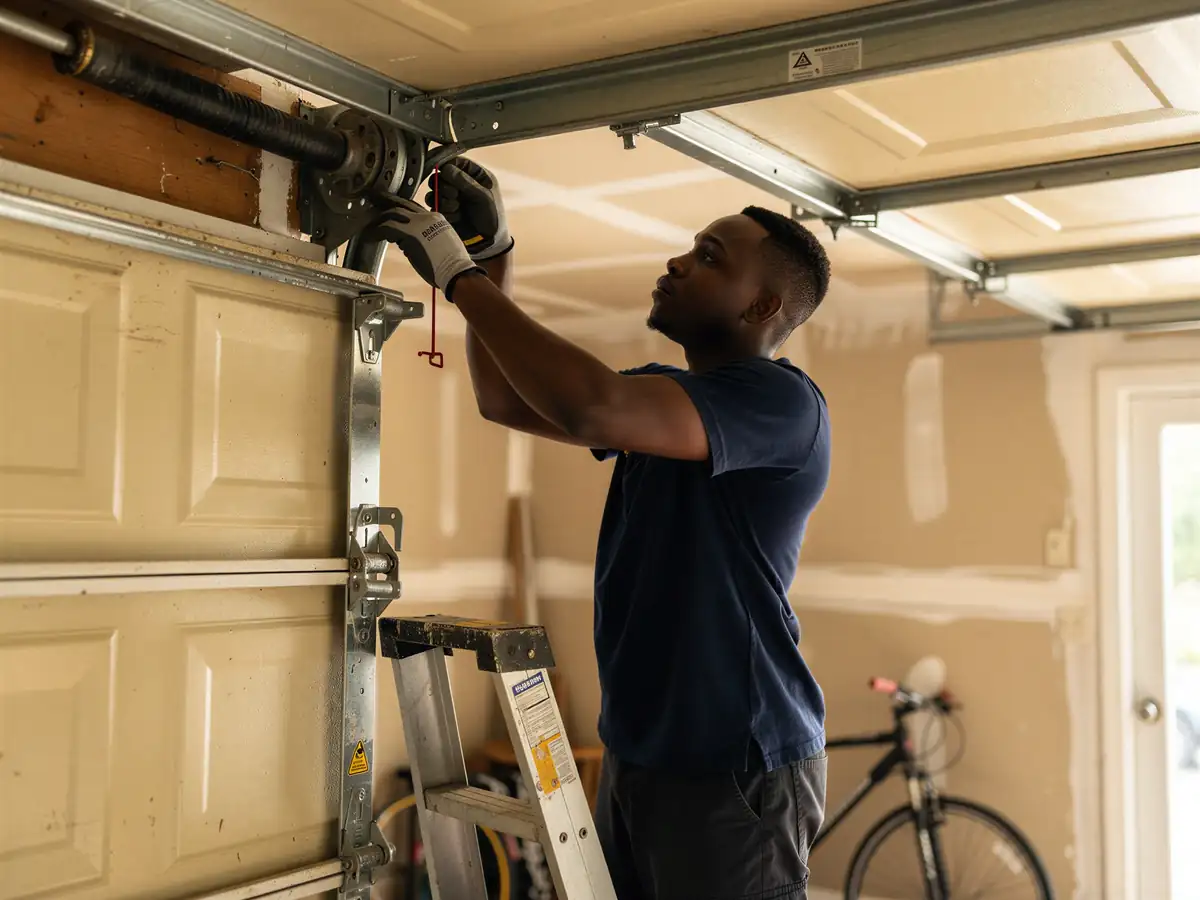
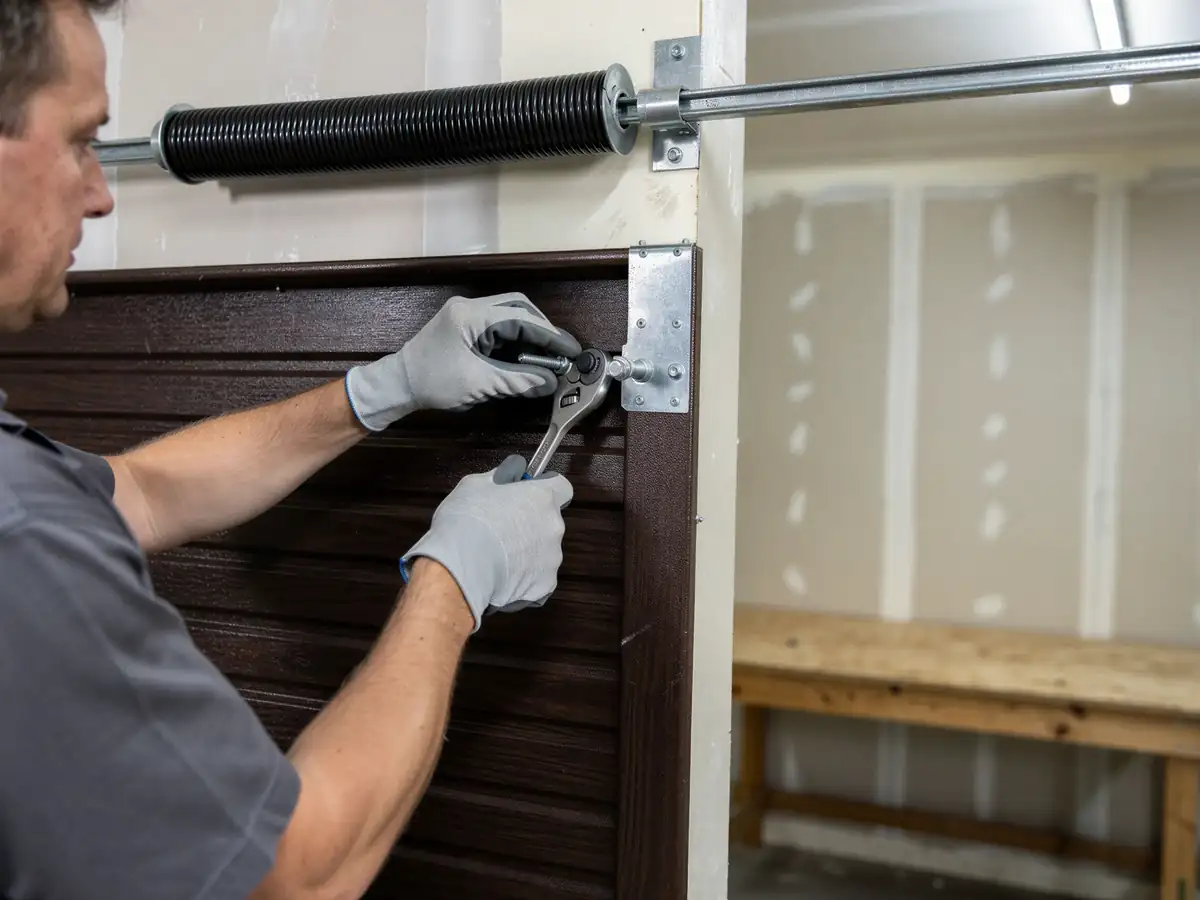
Most of the noise complaints we hear fall into a short list, and the age of the housing stock here points straight at the usual suspects. A rhythmic thump as the door travels is almost always a flat spot on a roller, worn out after two decades of lifting the same panel twice a day. A sharp metallic bang, once, right before the door won't open, is a torsion spring letting go - common on doors original to a 2000s build that have never been serviced. A grinding whine from the motor housing is often the opener's gears wearing down, not the door itself; you can tell because the door moves slower than it used to even when it does move.
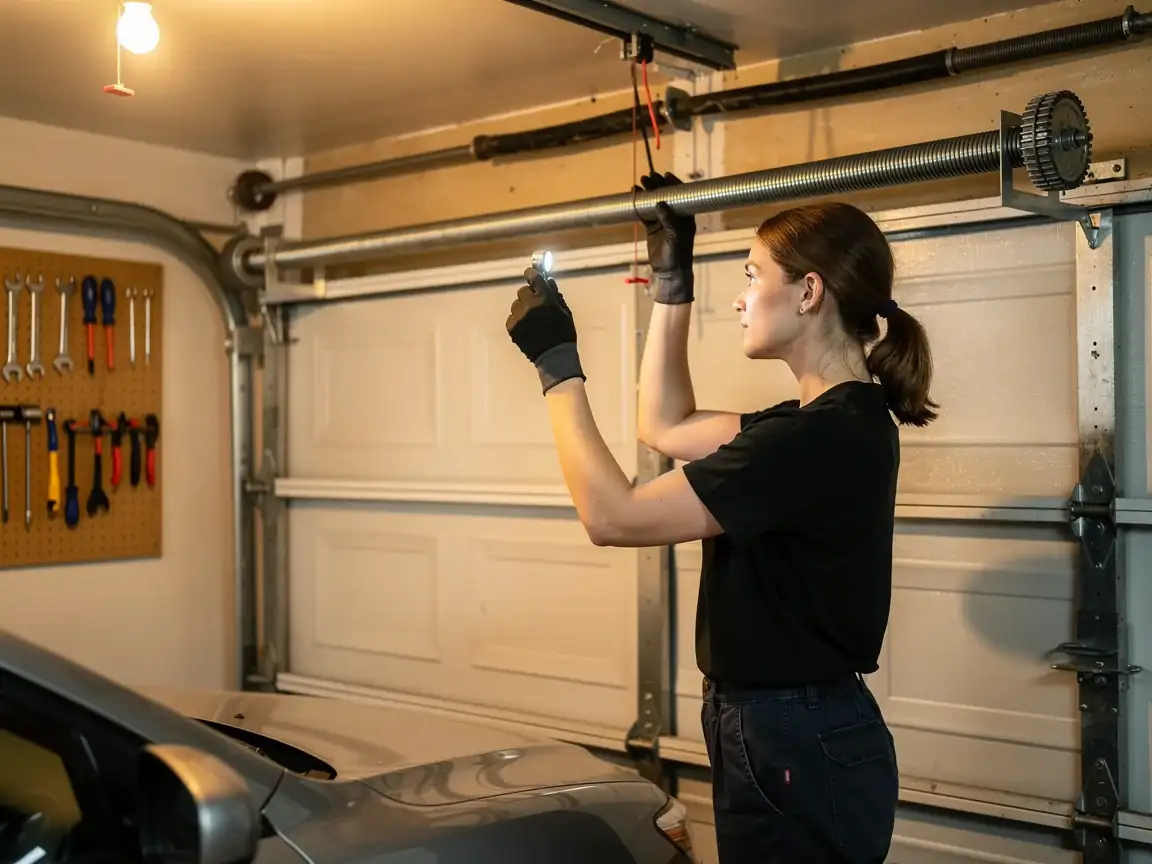
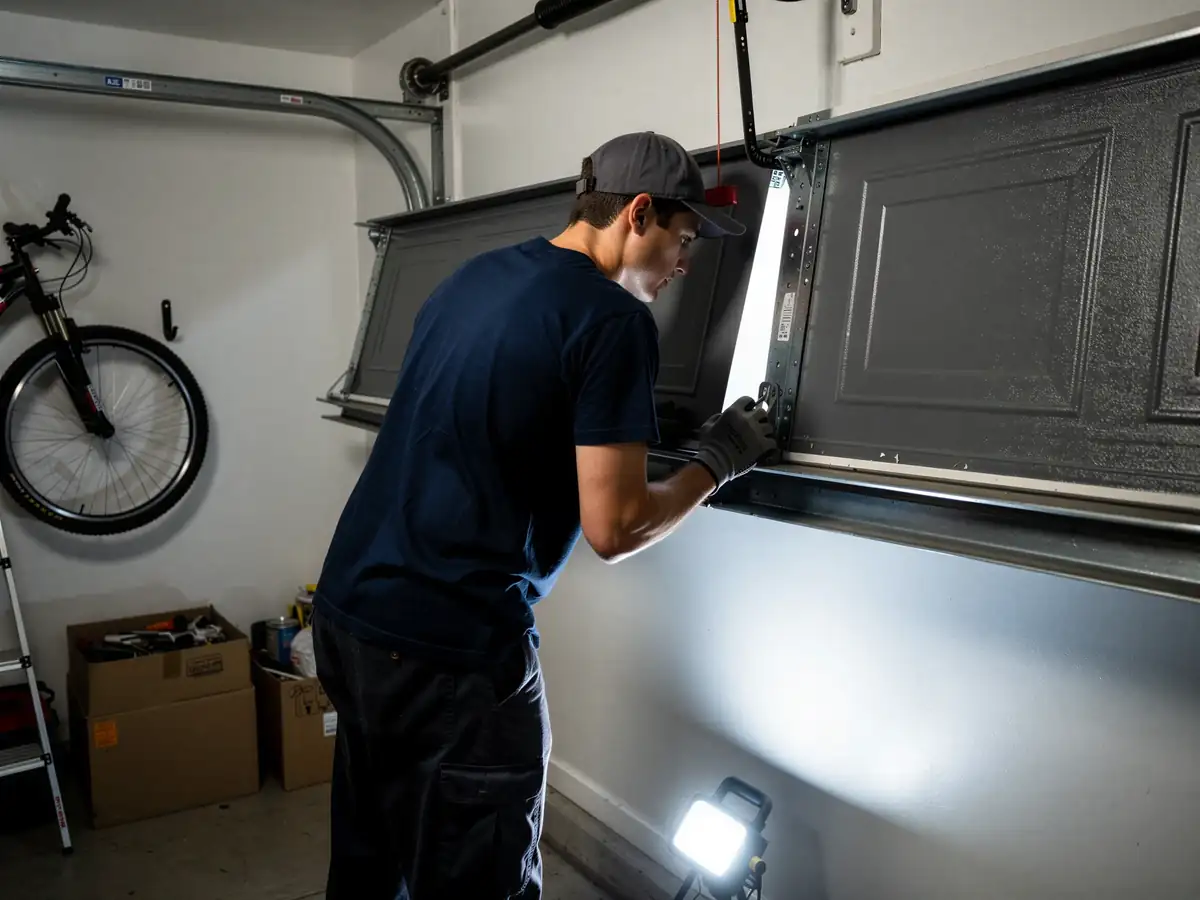
Squeaking that comes and goes with the weather is lubrication drying out, and on original hardware from this era, the factory grease has usually been gone for years. None of these are mysteries, and none of them require guessing. A tech who puts a hand on the track and listens to one open-close cycle can usually tell you which part is talking. What we can't do from a phone call is tell you the fix without seeing the spring size, the opener model, and how the rollers are wearing - too much of that depends on exactly what's installed, and no two installs from the 2000s building boom here used identical parts.
What the Weather Here Does to It
Wylie sits in a mild climate band with occasional freezes
Not the hard freeze-thaw cycling you'd get further north. That's good news for concrete slabs and bad news for lubrication - mild, humid swings dry out grease on a different schedule than cold does, and a lot of owners don't realize their door needs re-lubricating more often here, not less, because it never gets cold enough to remind them. The squeak that shows up on a damp morning and quiets down by afternoon is usually moisture working into a dry roller bearing, not a sign of damage.
When a freeze does come through, even a short one, metal track and hardware contract just enough to tighten tolerances that were already loose from wear
That's when a door that's been quietly grinding for months suddenly binds or jumps the track on a cold morning. It's not the cold causing the problem - it's the cold exposing a problem that was already there. If your door's been noisy through the warm months, don't wait for the first cold front to find out how bad it's gotten.
What You Pay
We don't have a price list to hand you here, because what a noise actually costs to fix depends entirely on which part is making it - a roller swap and a spring replacement are not the same job, and neither is a dollar amount we'd want to guess at over the internet. What we can tell you is how to think about it. With median household income in this area around $127,000, most owners we talk to would rather pay for a spring now than let a motor burn itself out straining against a door that isn't balanced anymore - that's a cheaper fix than it sounds like, and a far cheaper one than replacing a stripped opener.
The honest limitation: if your door is original to a house built in the early 2000s and several things are going at once - springs, rollers, and a tired opener - sometimes replacement pencils out better than a pile of individual repairs. We'll tell you straight if that's where you are instead of running up a repair bill on a door that's on its way out anyway.