How That Shows Up in the Door
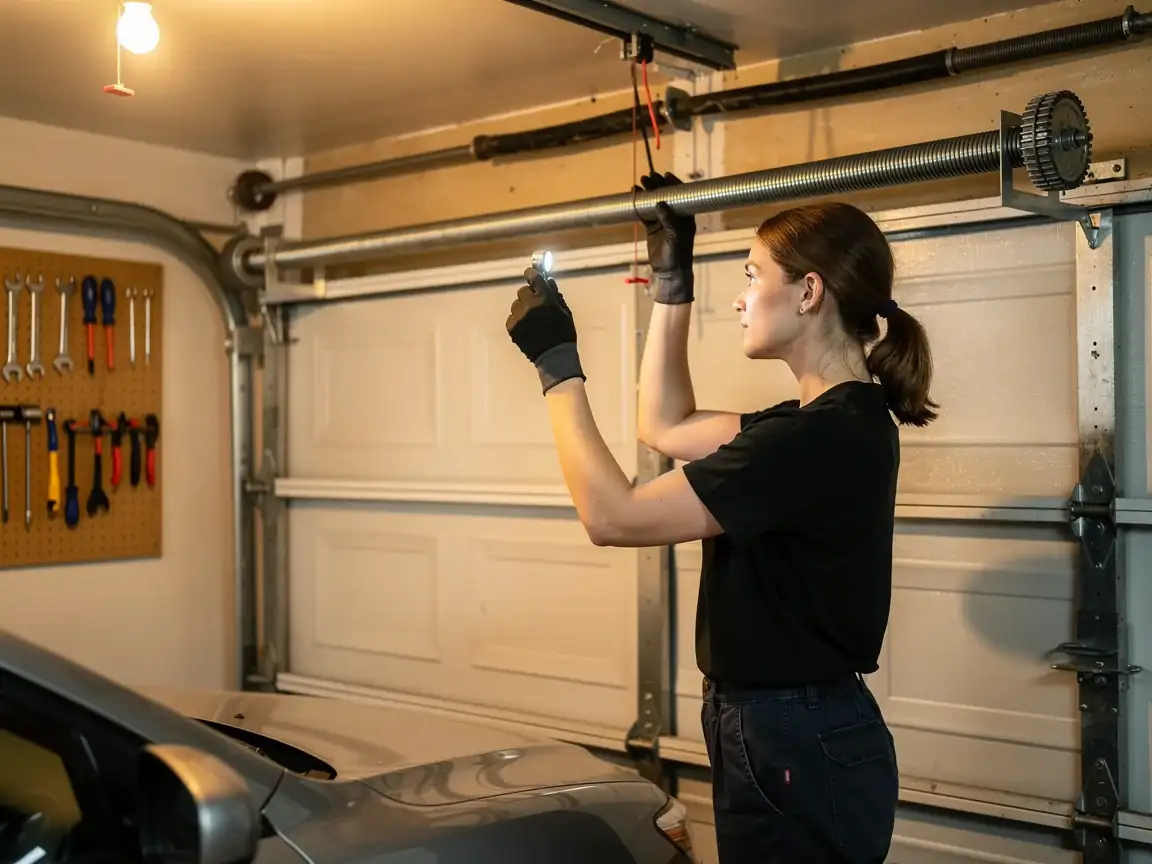
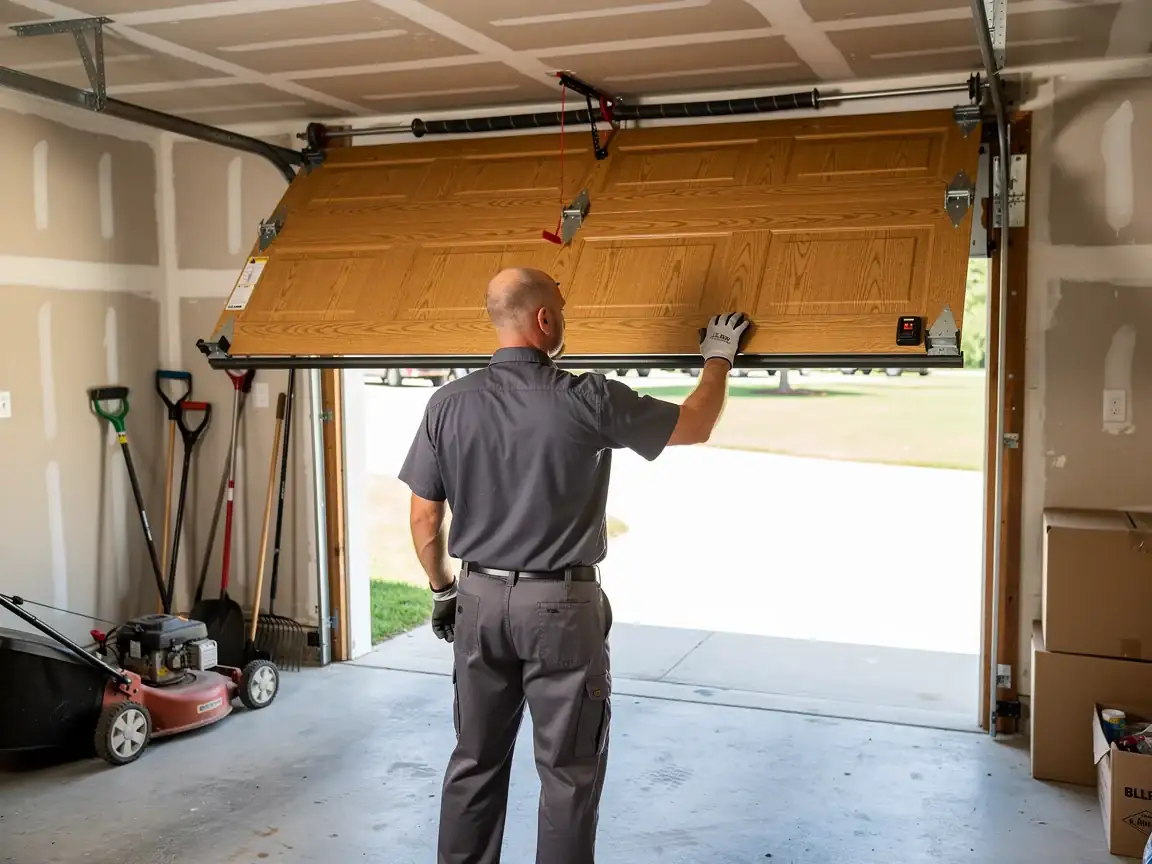
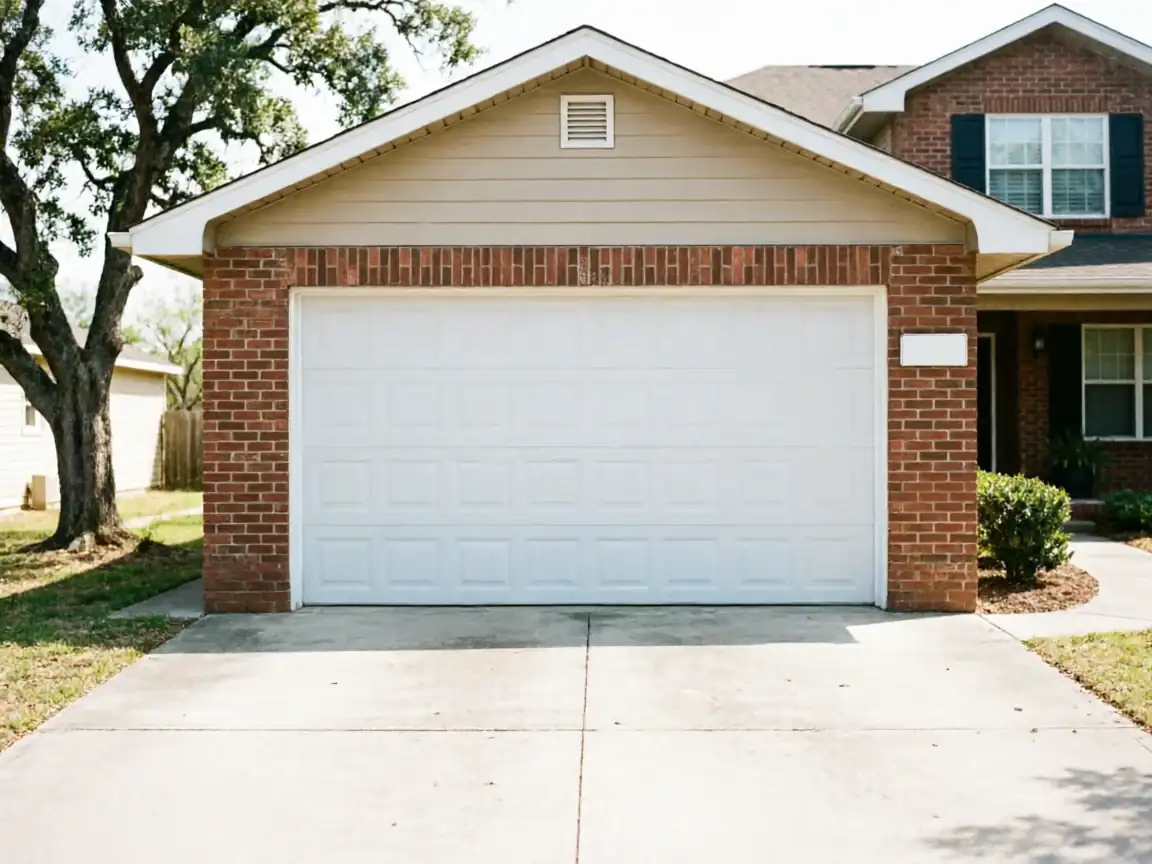
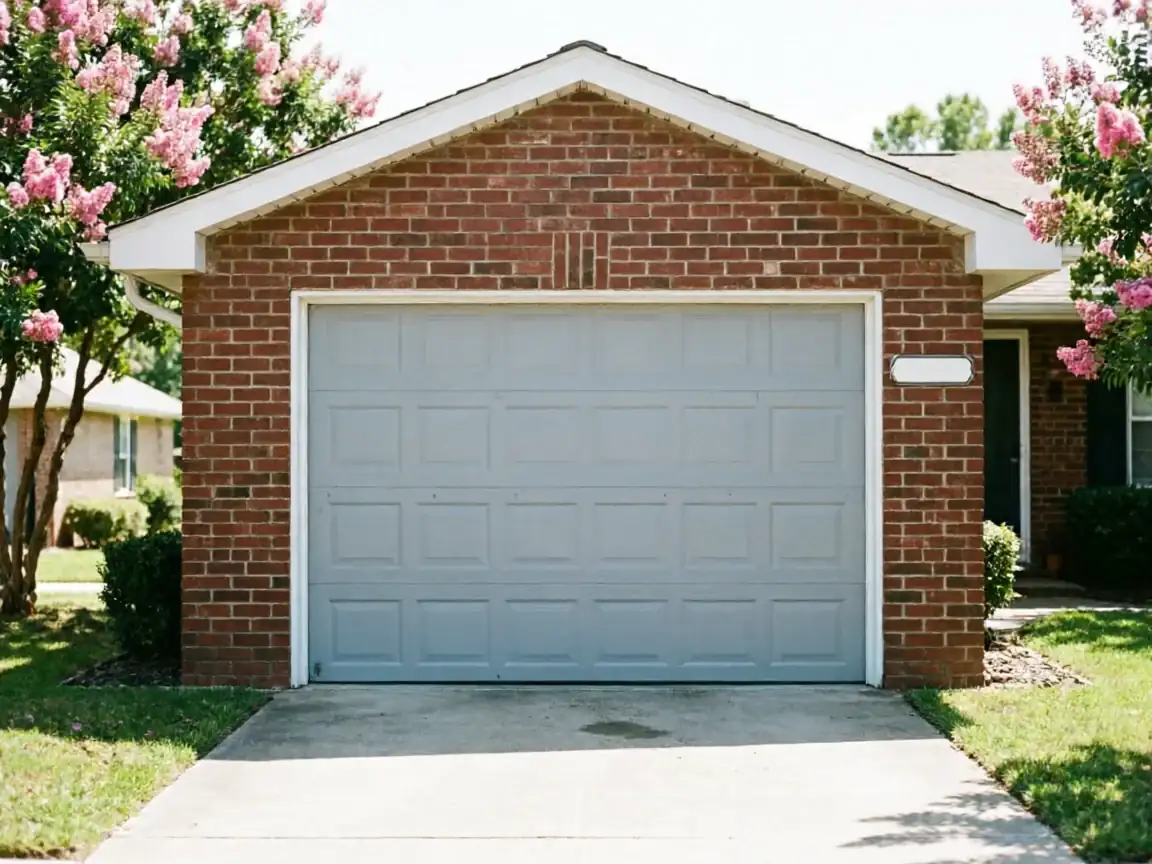
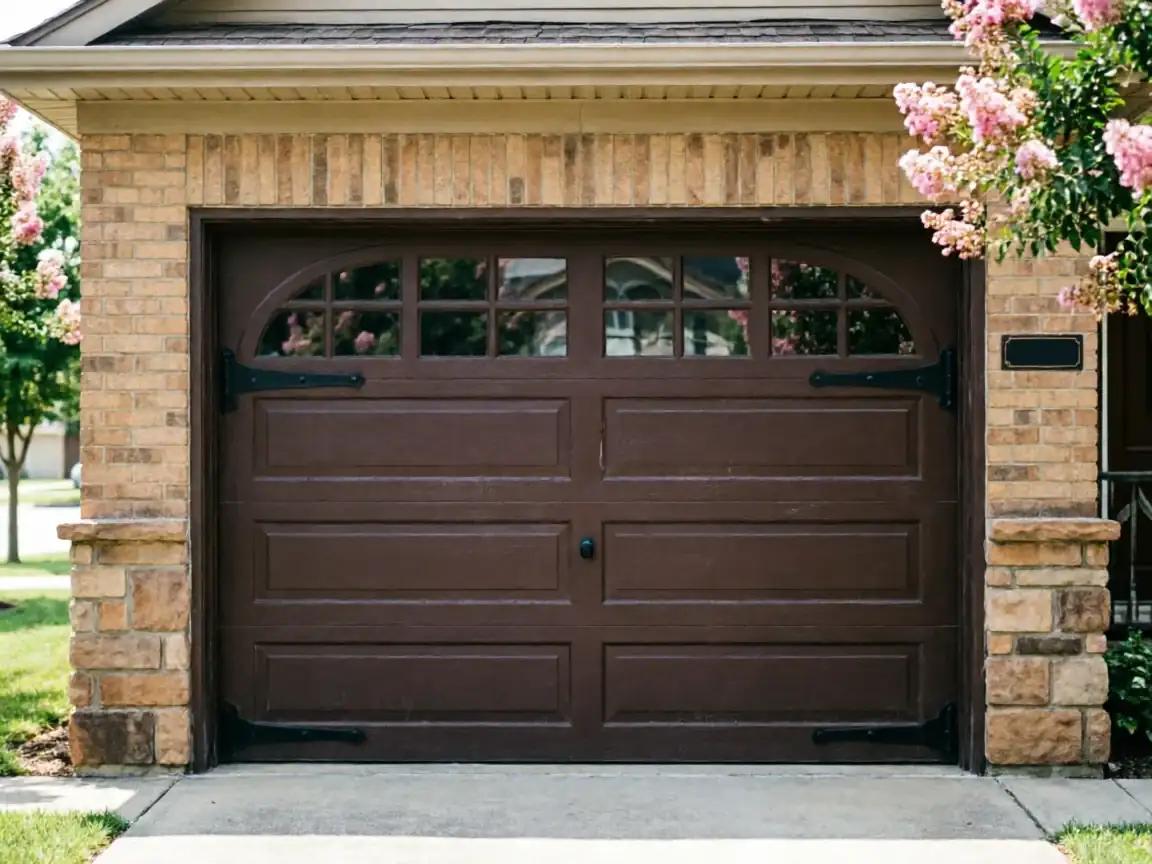
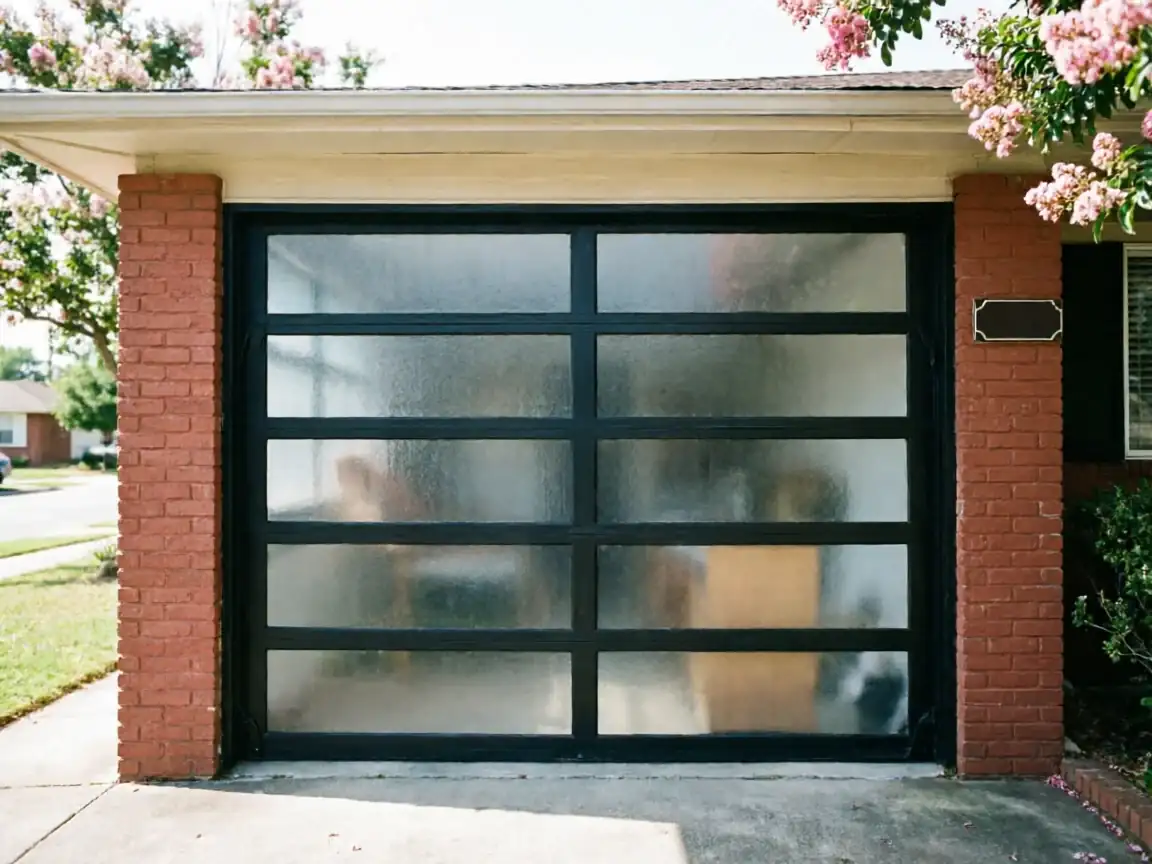
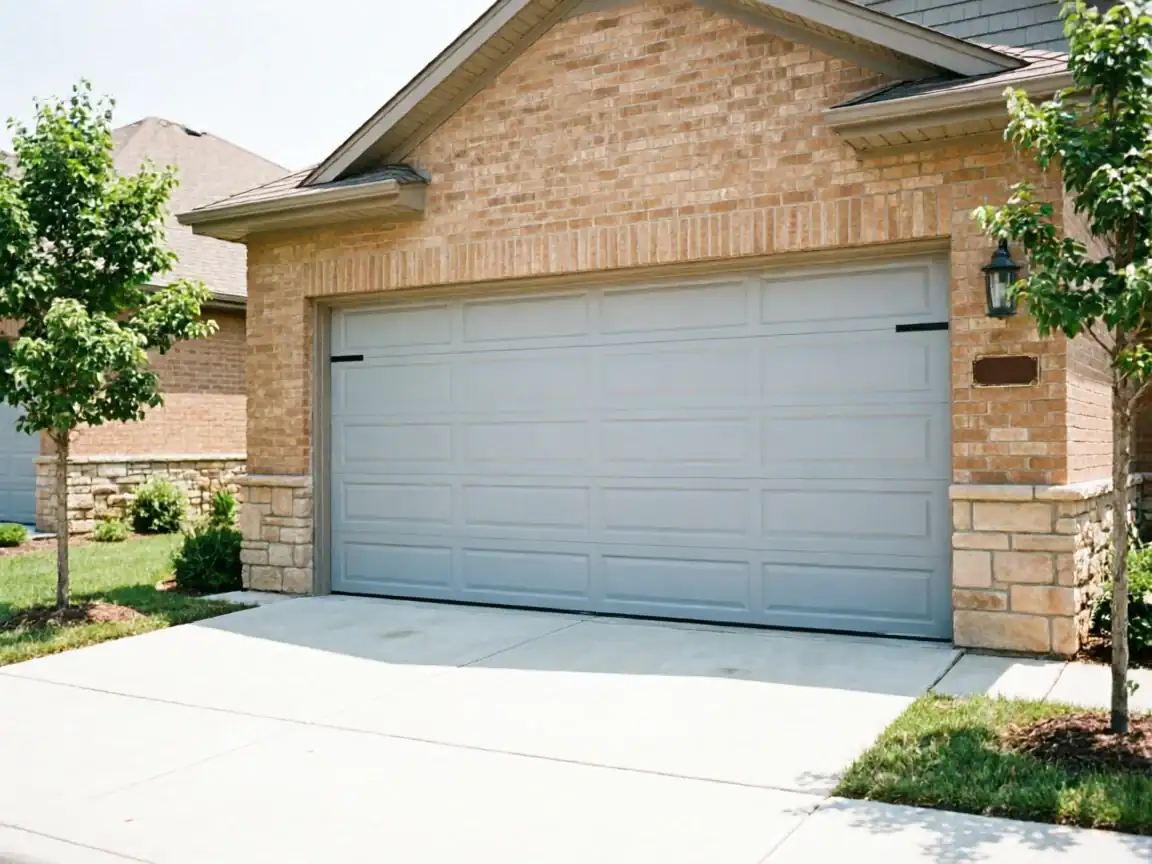
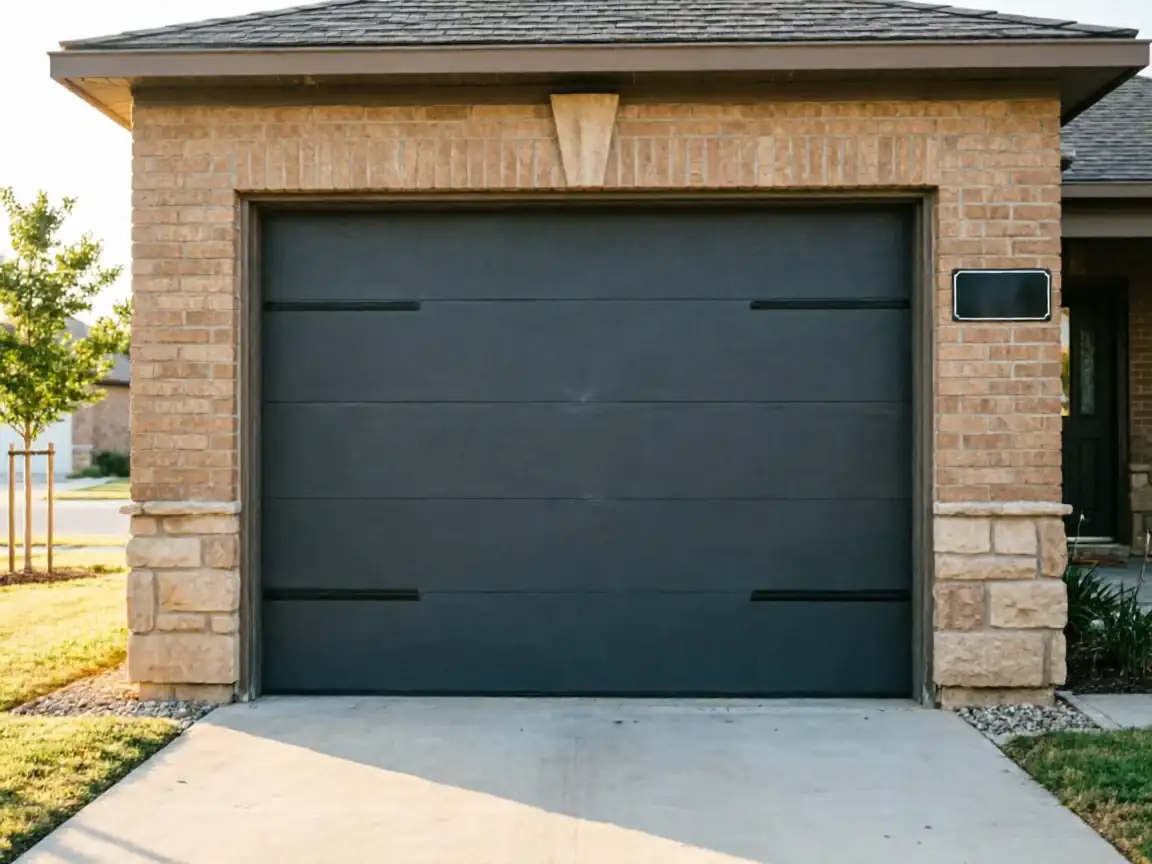
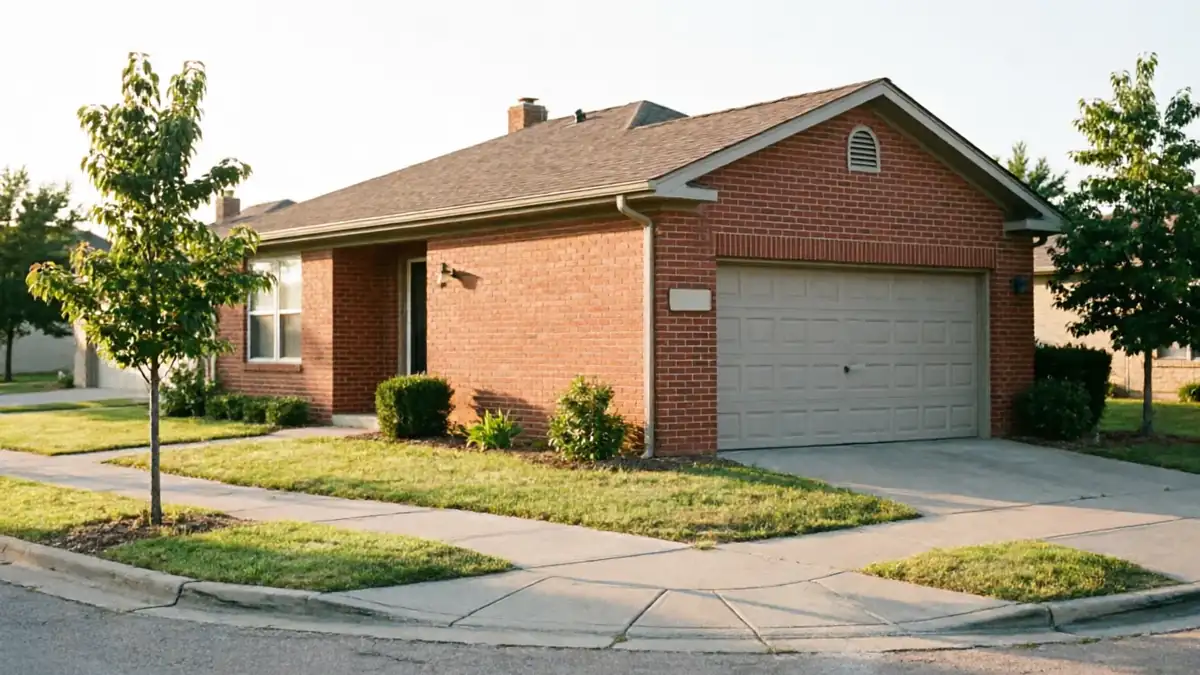
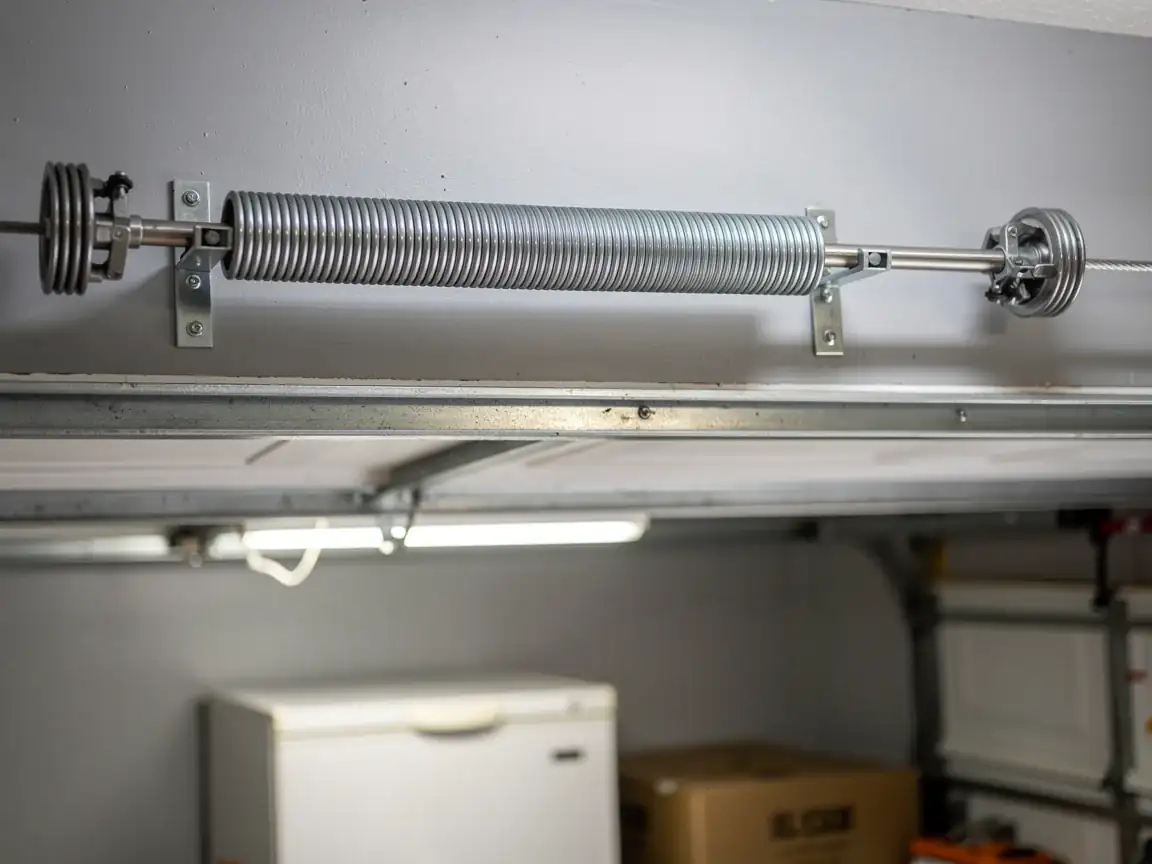
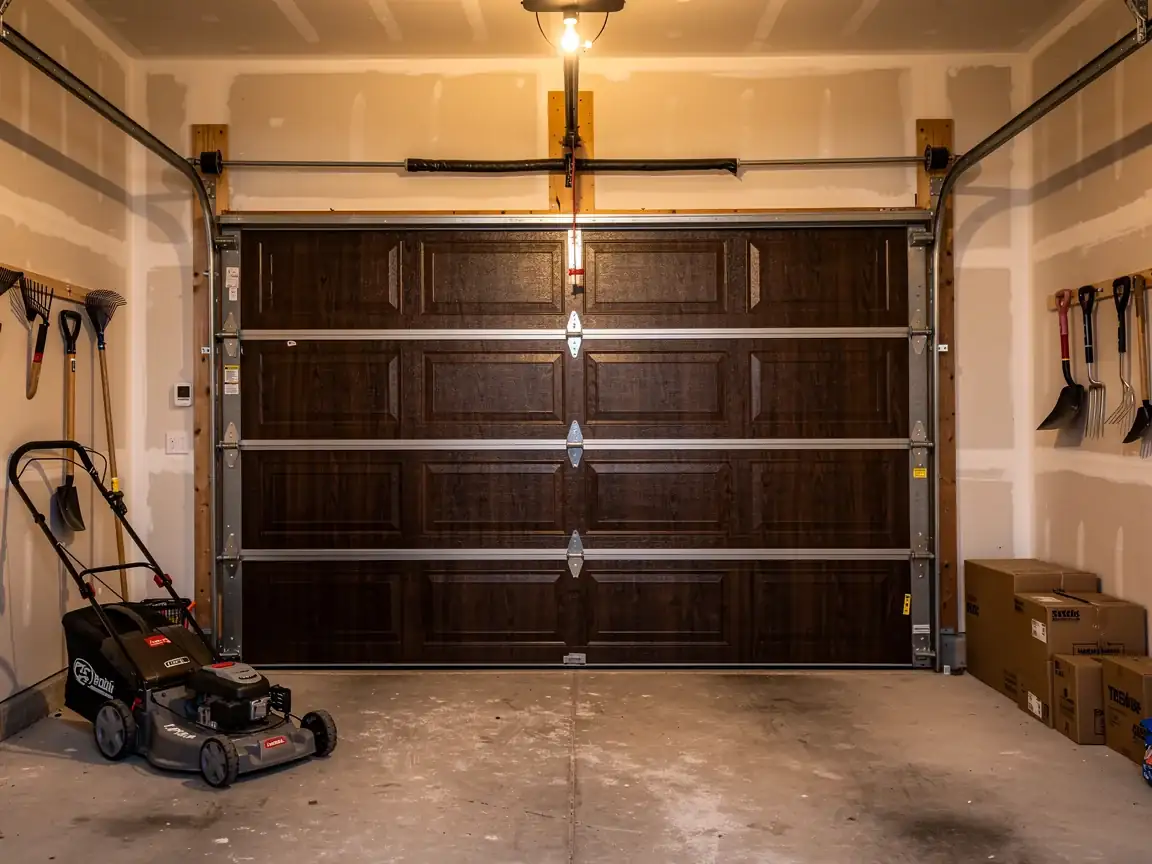
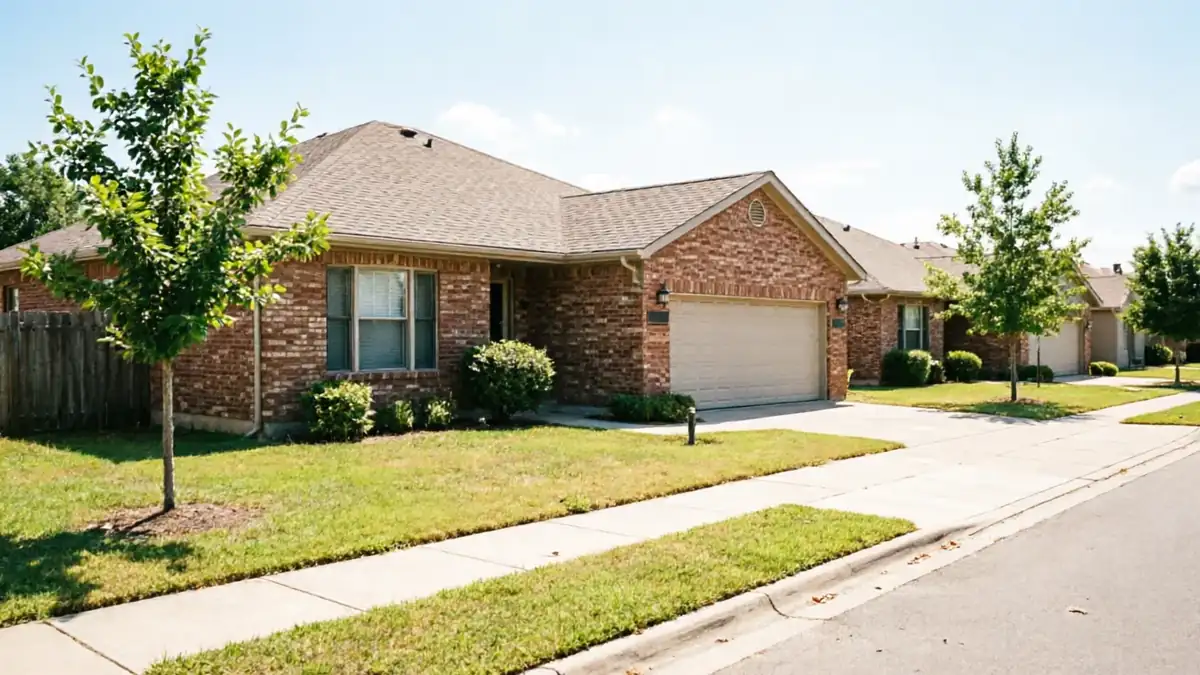
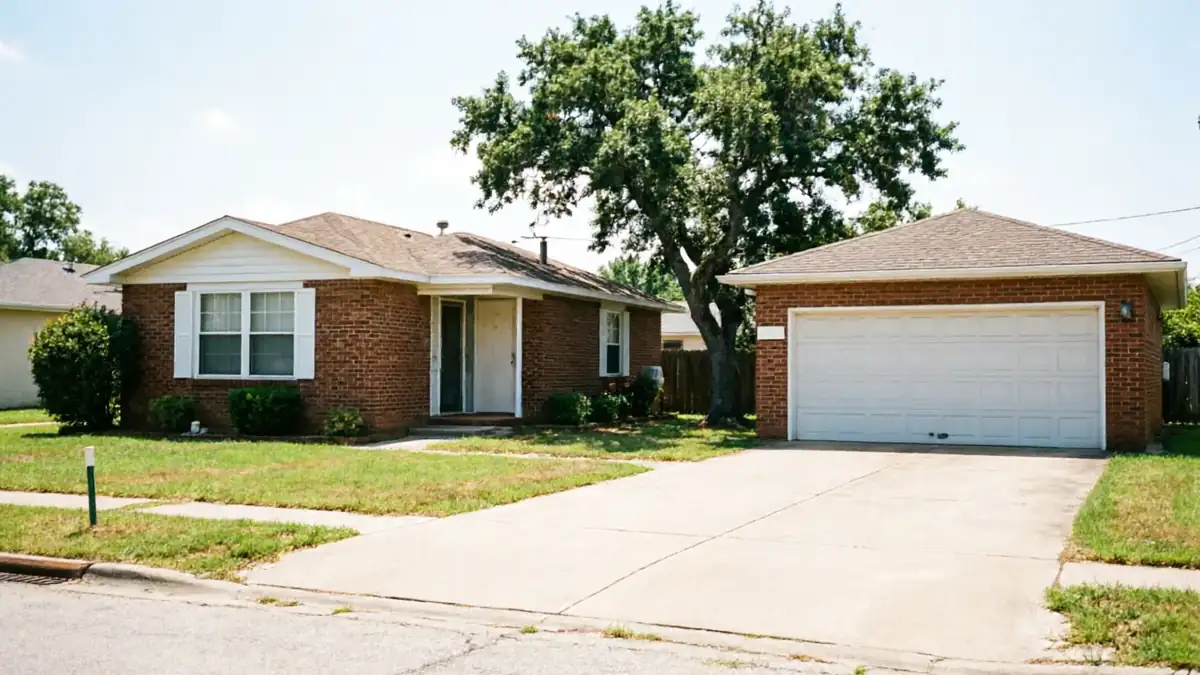
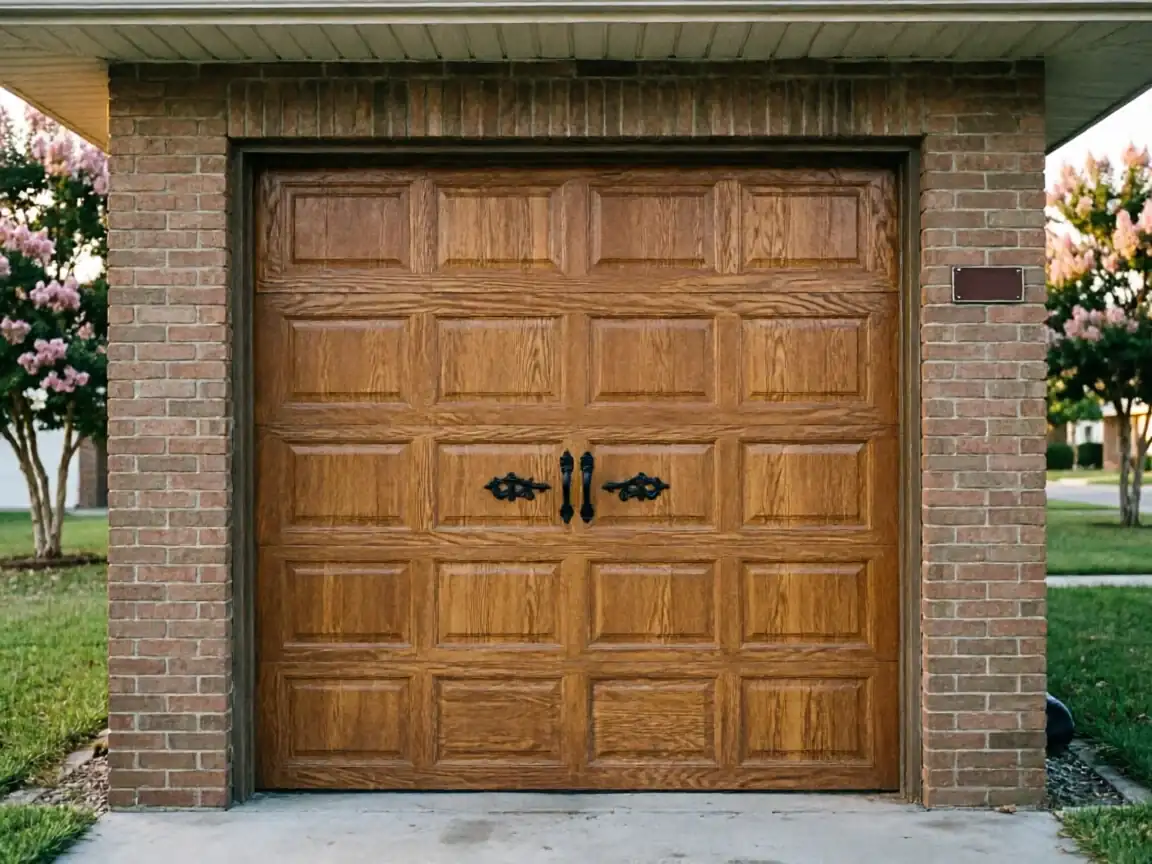
Princeton's housing stock centers on a 2012 median build year, a decade newer than the 2005 median across the rest of the service area we cover from Wylie. That gap matters more than it sounds. Houses built in and after 2012 mostly came with factory-installed steel sectional doors, galvanized torsion springs sized to a known weight, and openers with rolling-code receivers and photo-eye sensors already wired in from day one. You don't see the oddball two-piece doors or the side-mounted extension spring setups that show up in older pockets of the service area. What you do see instead: builder-grade hardware that was fine when the house went up but is now hitting the age where torsion springs, nylon rollers, and plastic drive gears wear out together, because they all went in at the same time. When a call comes from Princeton, we're usually looking at a 10-to-13-year-old system failing on schedule, not a patchwork of repairs stacked on top of each other over decades. That's a simpler diagnosis, but it also means when one part goes, two or three more are often close behind.
What We Will Not Take On
We travel from Wylie to reach Princeton, about 11 miles out, so we don't promise a same-day emergency window the way a shop with a depot in town might. If your spring breaks at 6 a.m. and you need someone in twenty minutes, we're not that. We also won't chase parts for doors that predate the builder-grade stock common here; if a home has an older imported door with a part number nobody stocks, we'll tell you that up front rather than string out a repair that should be a replacement. And we don't pretend every noisy opener needs a new motor. Half the service calls we'd rather talk someone out of than bill for are a dry chain, a loose bracket, or sensors knocked out of alignment by a stray basketball. If it's a ten-minute fix, we'll say so before we quote a job.
The Calls We Get From Here
The calls from Princeton cluster around a few things tied directly to that 2012 median build year. Torsion springs rated for a standard cycle count start failing in the 10-to-13-year range, and a lot of these doors are right in that window now. We also get openers losing sync with remotes after a power blip, which is common on the rolling-code systems that came standard with newer construction, plus photo-eye sensors that have drifted out of alignment from years of minor bumps during lawn work or moving bikes. Less common but real: nylon rollers that have gone brittle from a decade of temperature swings and start binding in the track. We don't get many calls about ancient wood doors or obsolete extension-spring systems out here, because the housing stock just doesn't include much of that. It's a narrower set of problems, which usually means a faster, more confident diagnosis once we're looking at the door.