What Can Go Wrong
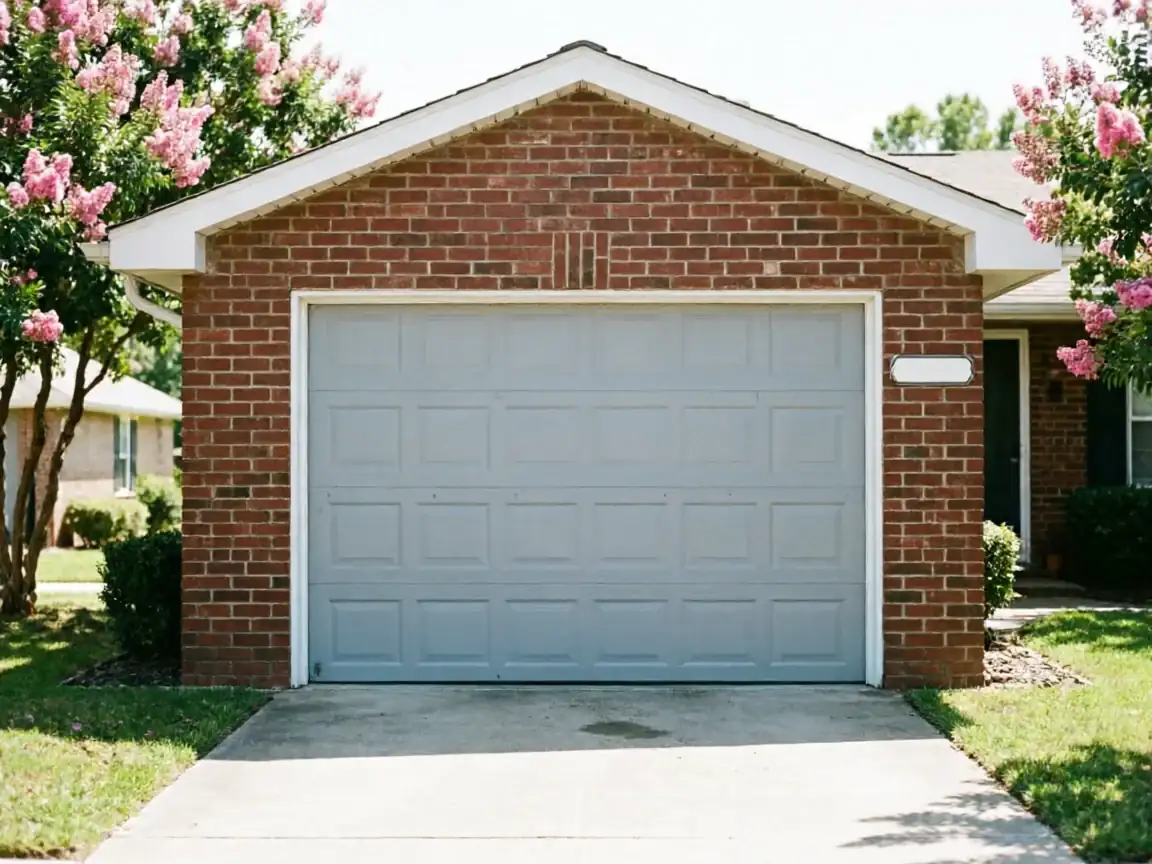
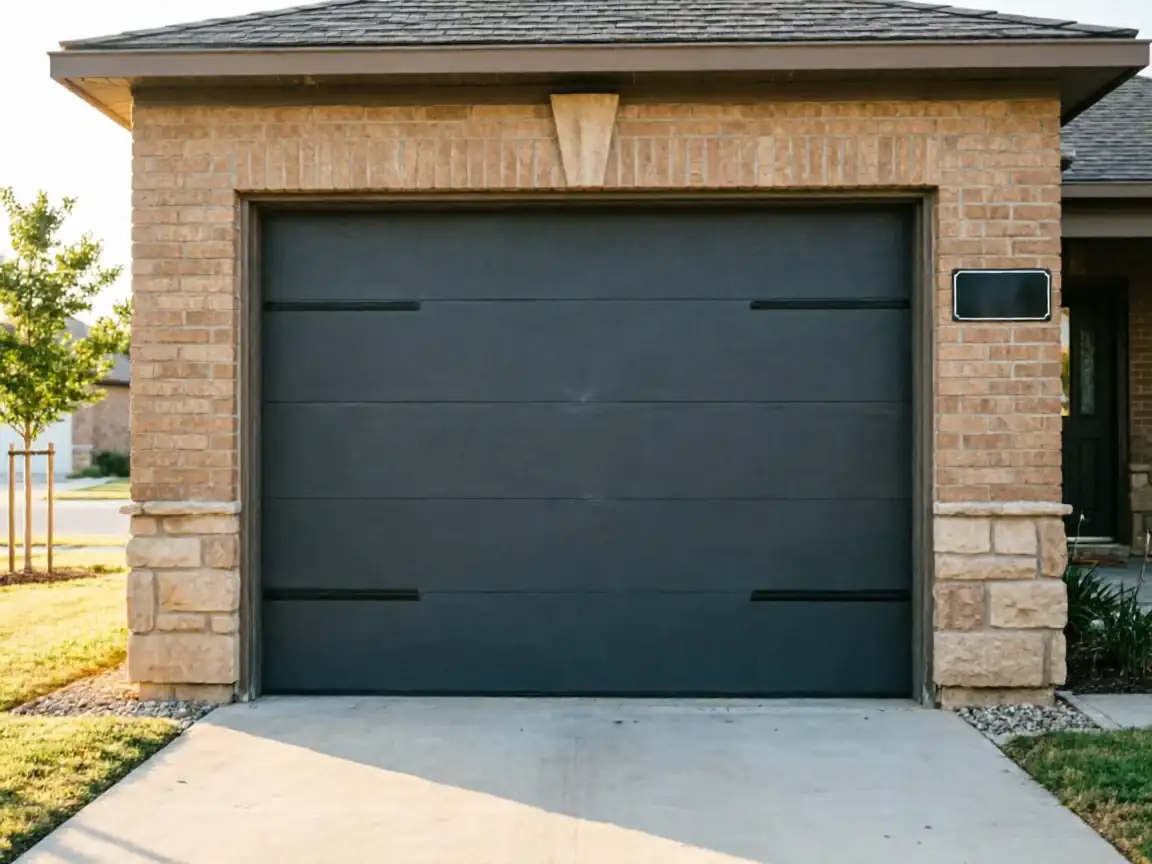
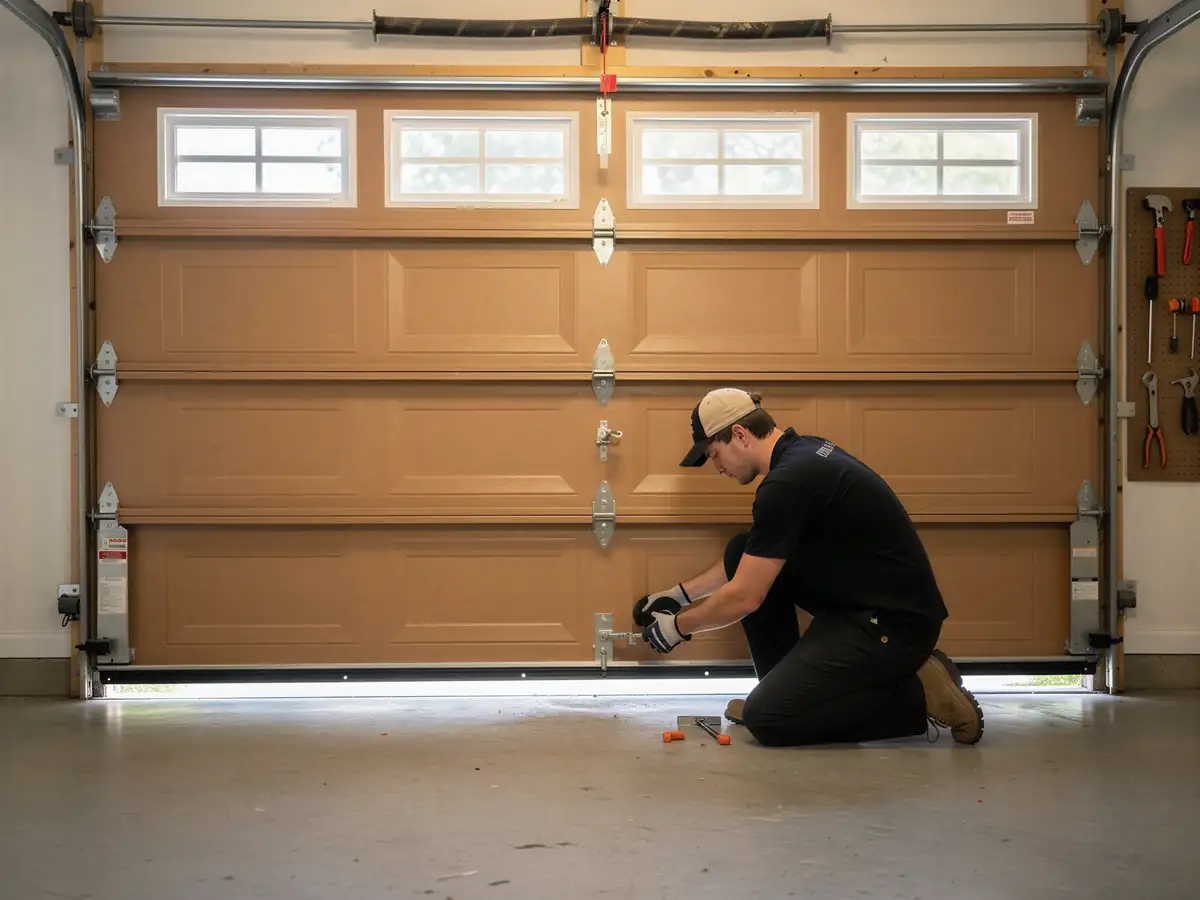
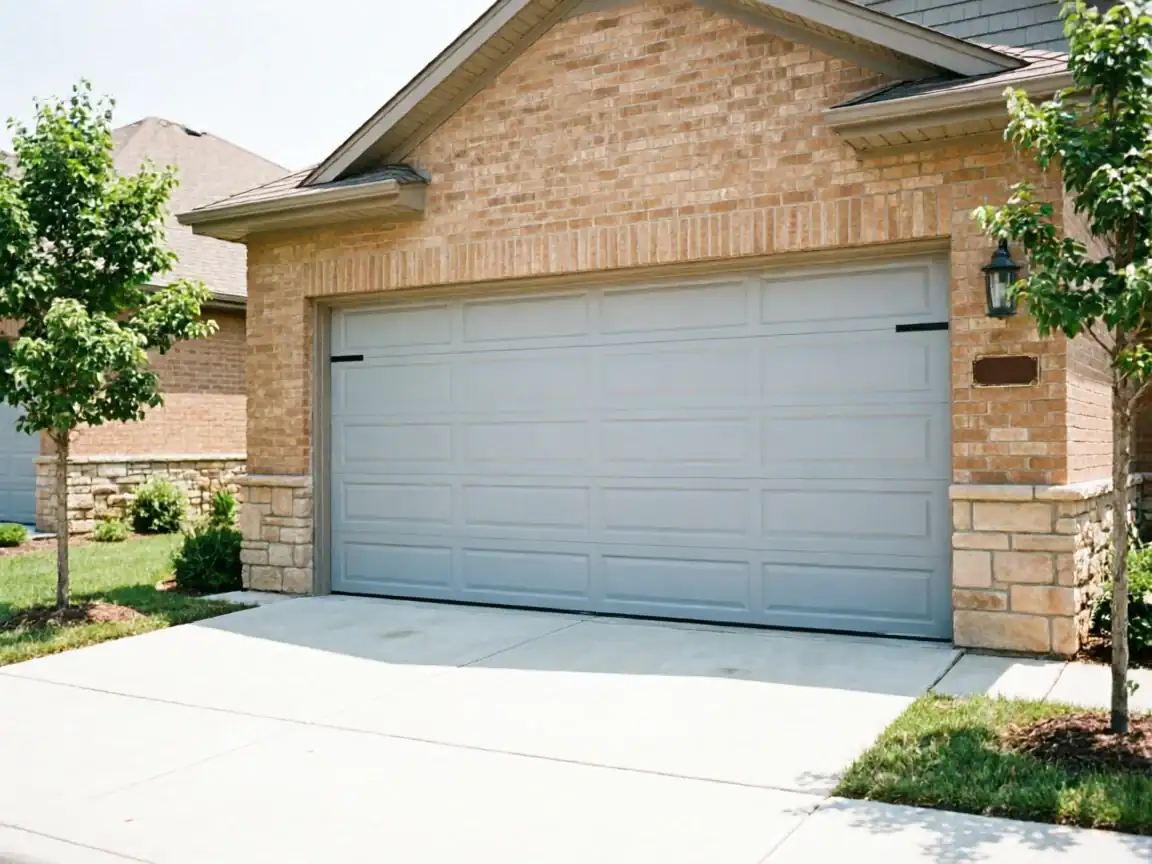
Princeton's median home was built in 2012, seven years newer than the 2005 median across the rest of the Wylie Garage Door Pros service area. That matters because it's a different generation of door. Instead of the aging one-piece doors and worn torsion hardware we see on 1990s-and-older stock elsewhere, Princeton houses mostly came with builder-grade sectional steel doors and standard-lift openers installed to the code of their build date. The failures look different too: builder-grade springs sized to the bare minimum for the door weight, hinges that start sagging once the original factory lubricant dries out, and photo-eye sensors knocked out of alignment by a bumped car rather than decades of settling. Because the region sits in a mild climate band with only occasional freeze risk, we're not chasing the freeze-thaw cracking that shows up farther north - the wear here is mechanical, from daily cycles on hardware that wasn't built to last the life of the house. A new install on one of these newer builds is usually a swap, not a rescue job.
What You Pay
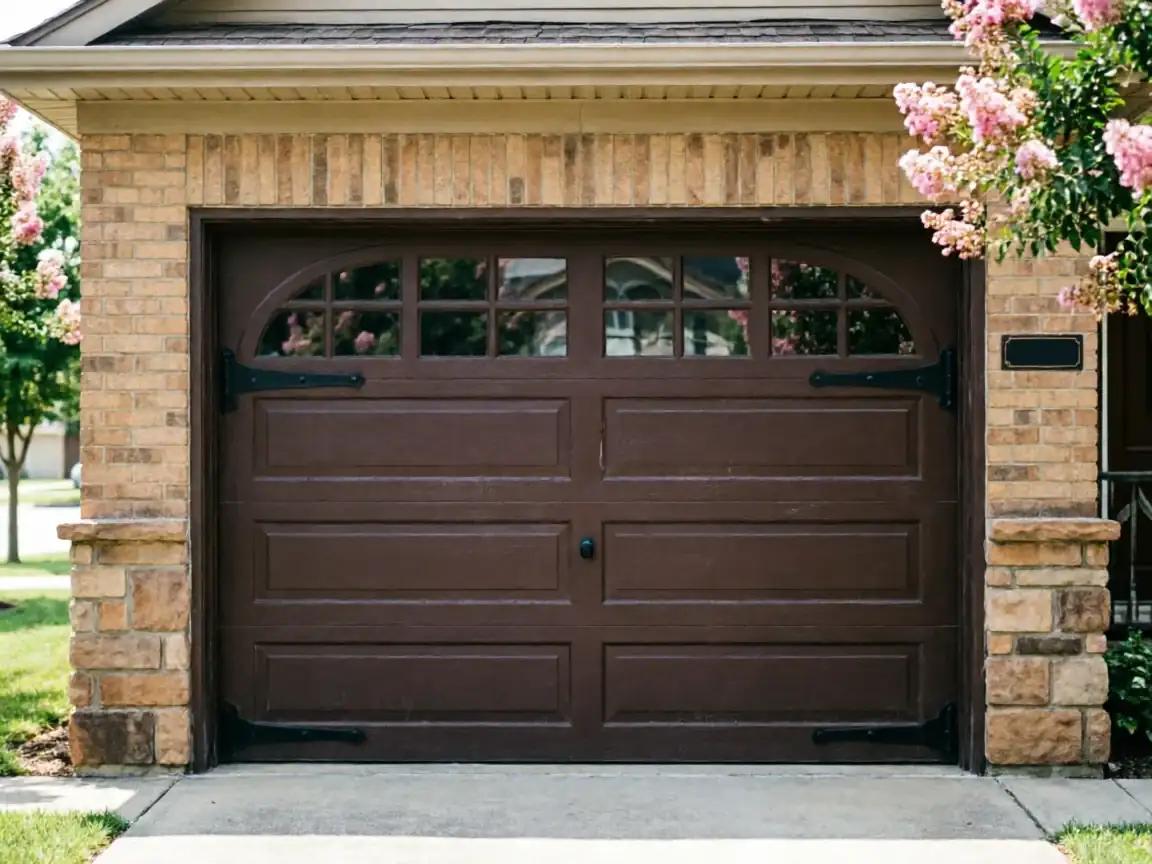
We don't have a posted price list for Princeton specifically, and we won't make one up here - every new install gets priced against the door size, the opener you want, and whether we're replacing existing track and hardware or starting from a bare opening. What we can tell you is that household income in this part of the service area runs $96,766, noticeably under the $127,000 median across the wider area we cover from Wylie. We mention it because it shapes the kind of door most Princeton homeowners actually ask for: a solid, well-insulated steel door with a standard-lift opener, not a premium wood-look or a smart opener loaded with features. If you want an exact number, the honest answer is we have to look at your opening and your door choice first - a flat number without that is a guess, and we don't quote guesses.
Why This Fails Locally
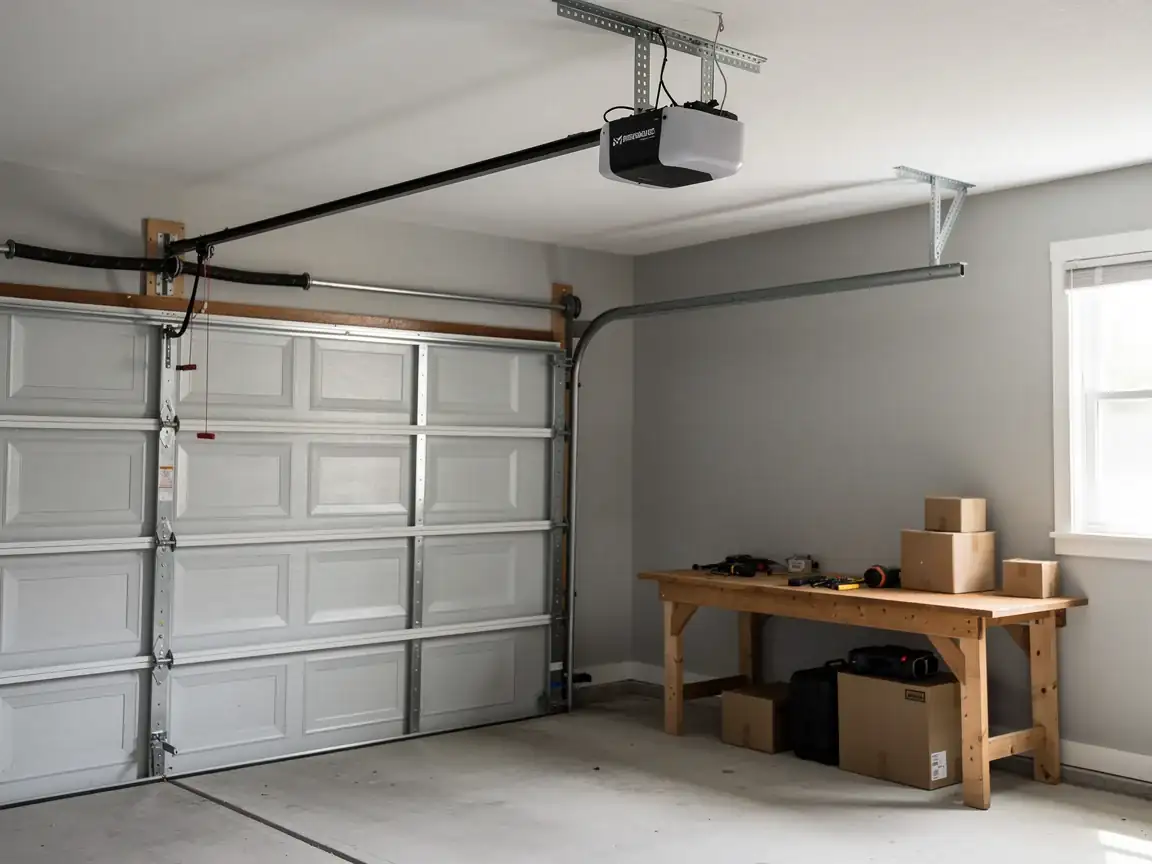
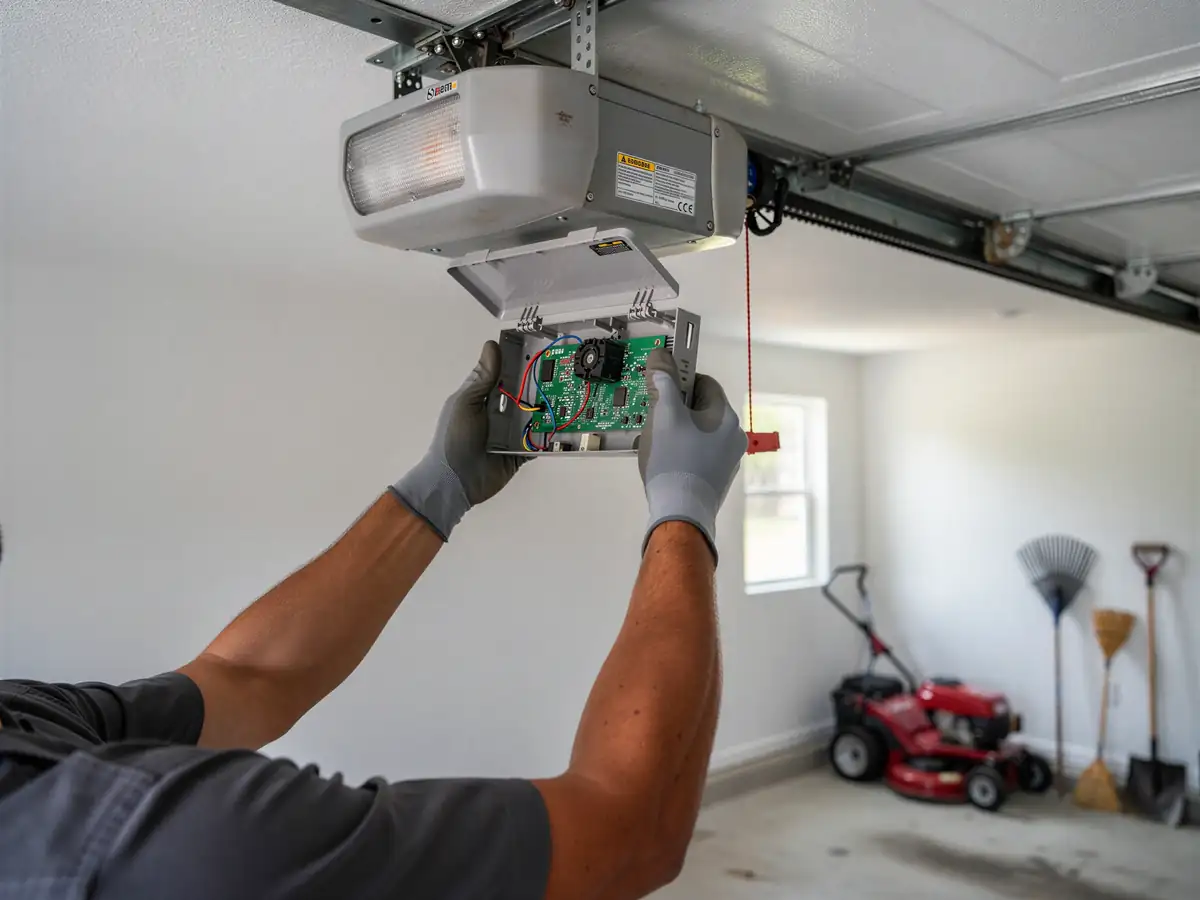
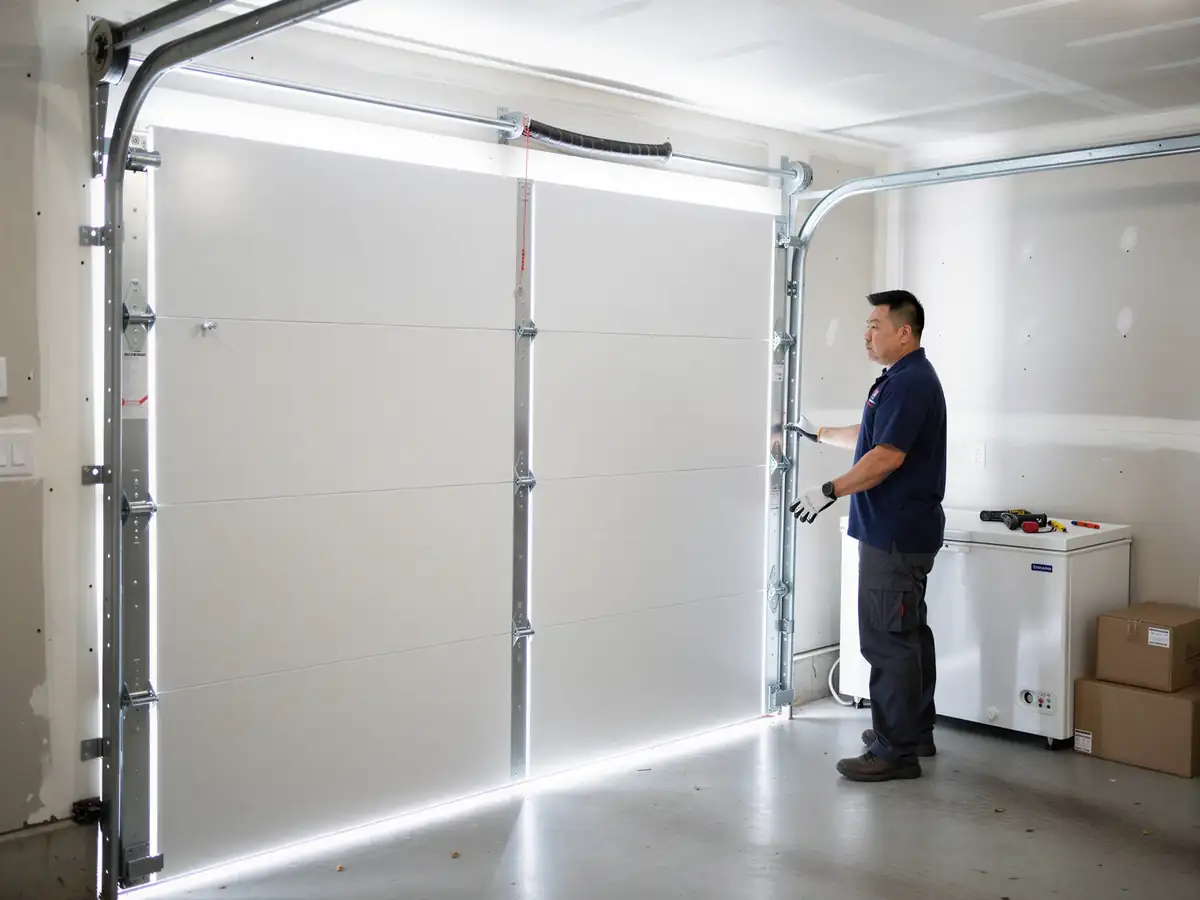
A generic install plan written for older housing stock doesn't fit here. The rest of the Wylie service area has a 2005 median build year, and plenty of that stock is older still - original torsion springs, side-mount hardware, panels sized to builder specs that stopped being common decades ago. Princeton, at a 2012 median, is a different animal. The doors are newer, but newer doesn't mean problem-free: it means builder-grade springs rated to the minimum, cheaper roller bearings, and openers that were the cheapest unit on the builder's approved list rather than one picked for the door's actual weight. Swap in a heavier insulated door on that original hardware and the opener strains, the spring wears early, and you get a door that feels wrong within a few years of a house that's barely over a decade old. Installing right here means matching new hardware to the door you're putting in, not assuming the original builder-grade spring will carry it.
Stocked Parts
Because Princeton's housing stock lines up with the 2000s-and-newer builds that make up most of the wider service area, the common panel widths, standard torsion spring sizes, and typical track lengths we stock fit what's actually on these houses. That's the upside of a newer area - we're not hunting down an odd discontinued size from a 1970s build. We carry the openers and spring weights that match standard-lift residential doors in this size range as a matter of routine stock, not special order. The one limitation worth saying plainly: if you want a non-standard opening size or a custom width outside the usual residential range, that's not something we keep on the truck, and it adds lead time while we order it in. For the typical Princeton door, that's not the case - we show up with what the job needs.