What Can Go Wrong
Princeton is a smaller piece of our service area - about 6,809 households, well under the 48,073 spread across the full territory we cover out of Wylie. That matters because a town this size doesn't generate the volume of calls that older, bigger neighborhoods do, so when something breaks here, it tends to be a specific kind of break tied to when the house went up.
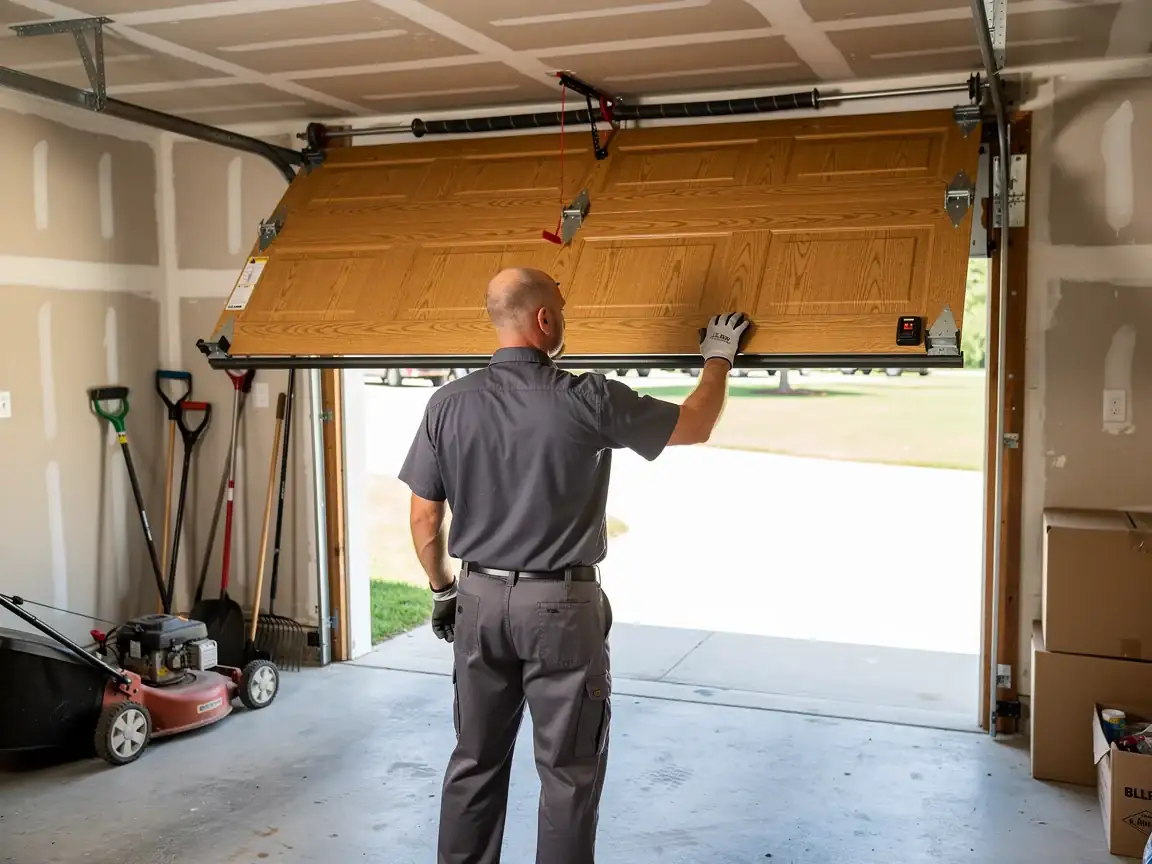
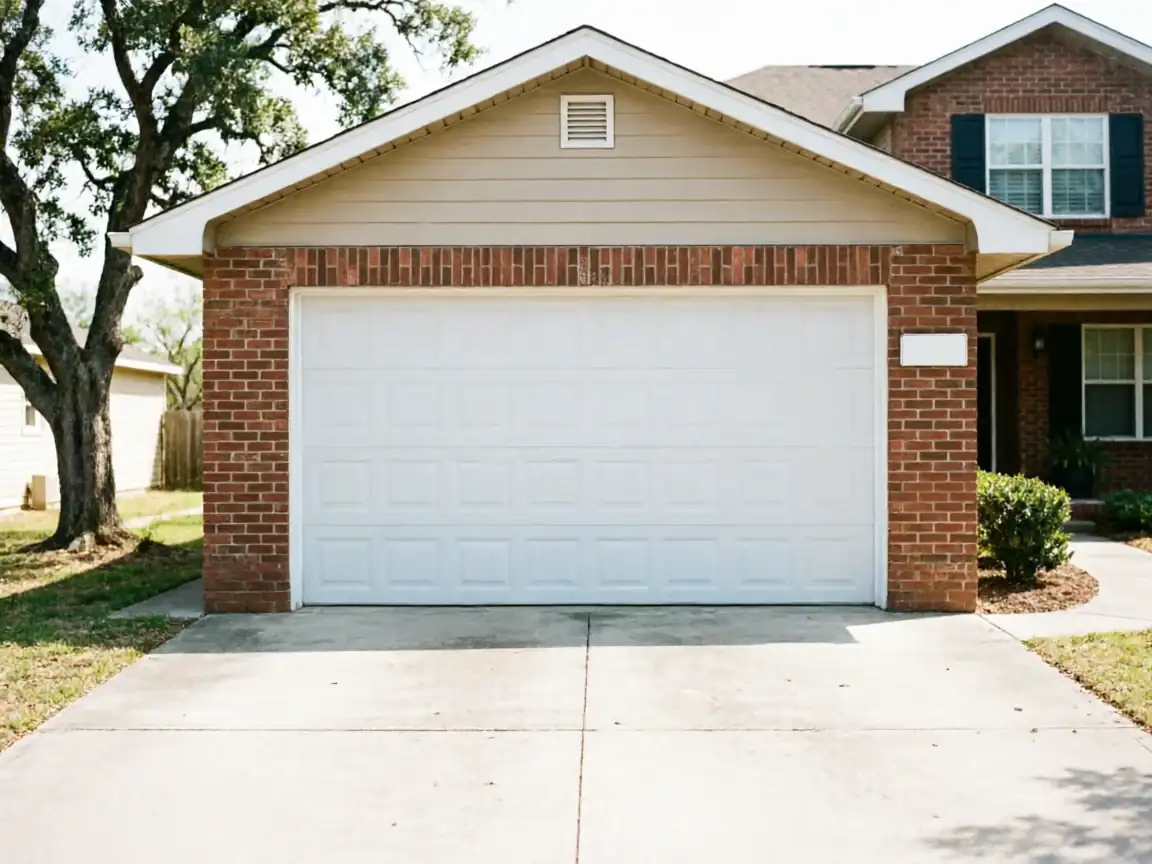
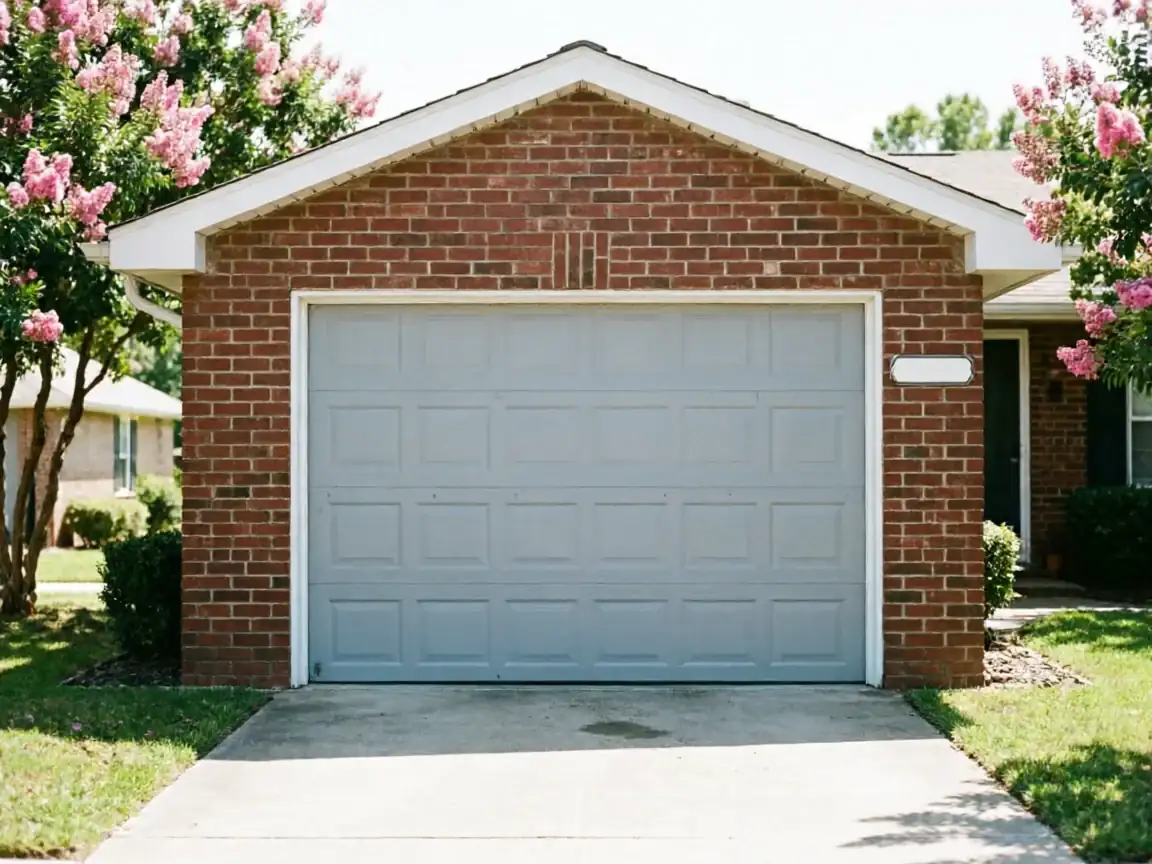
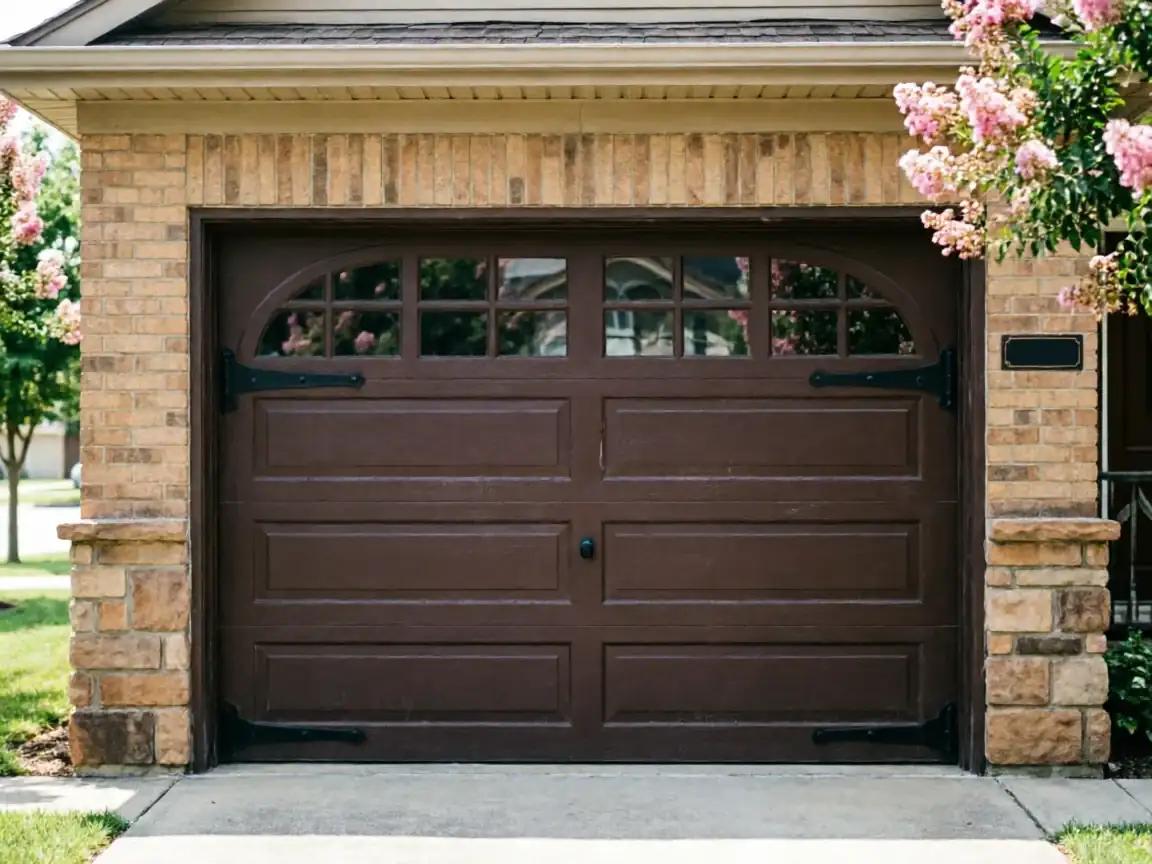
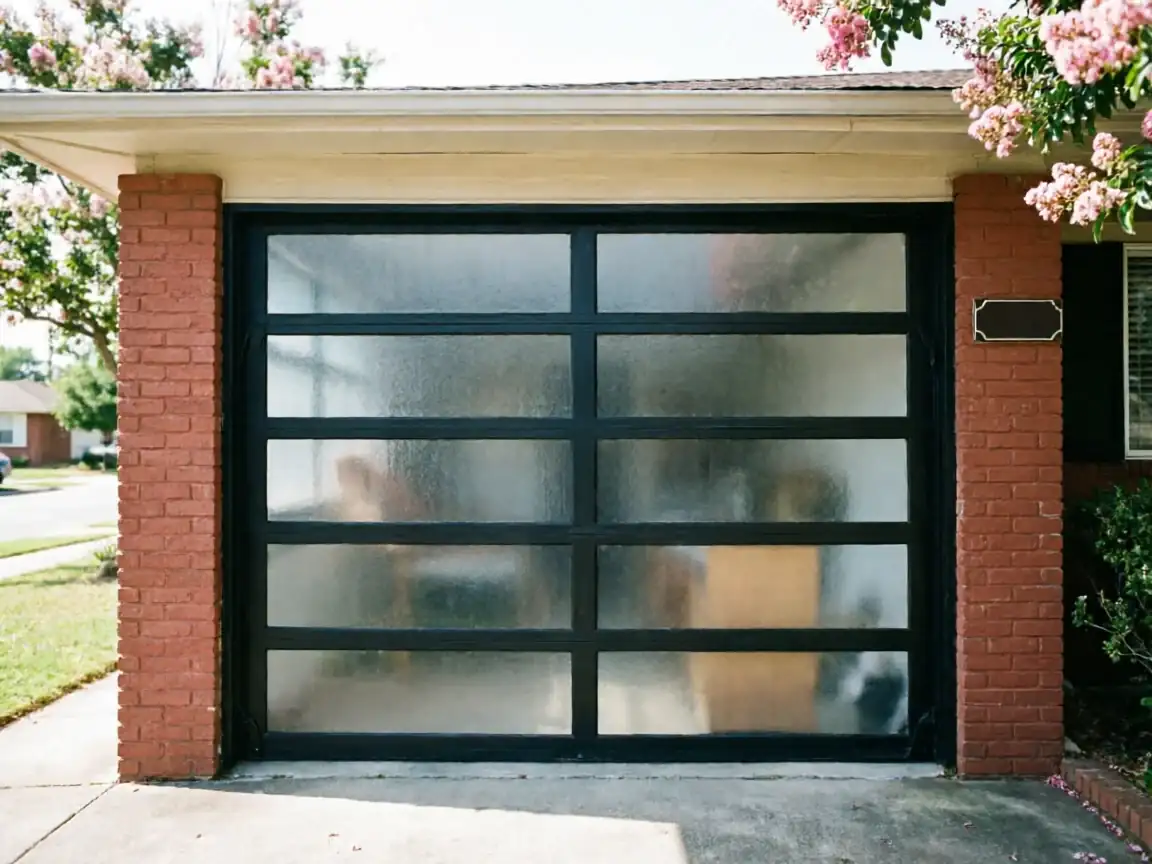
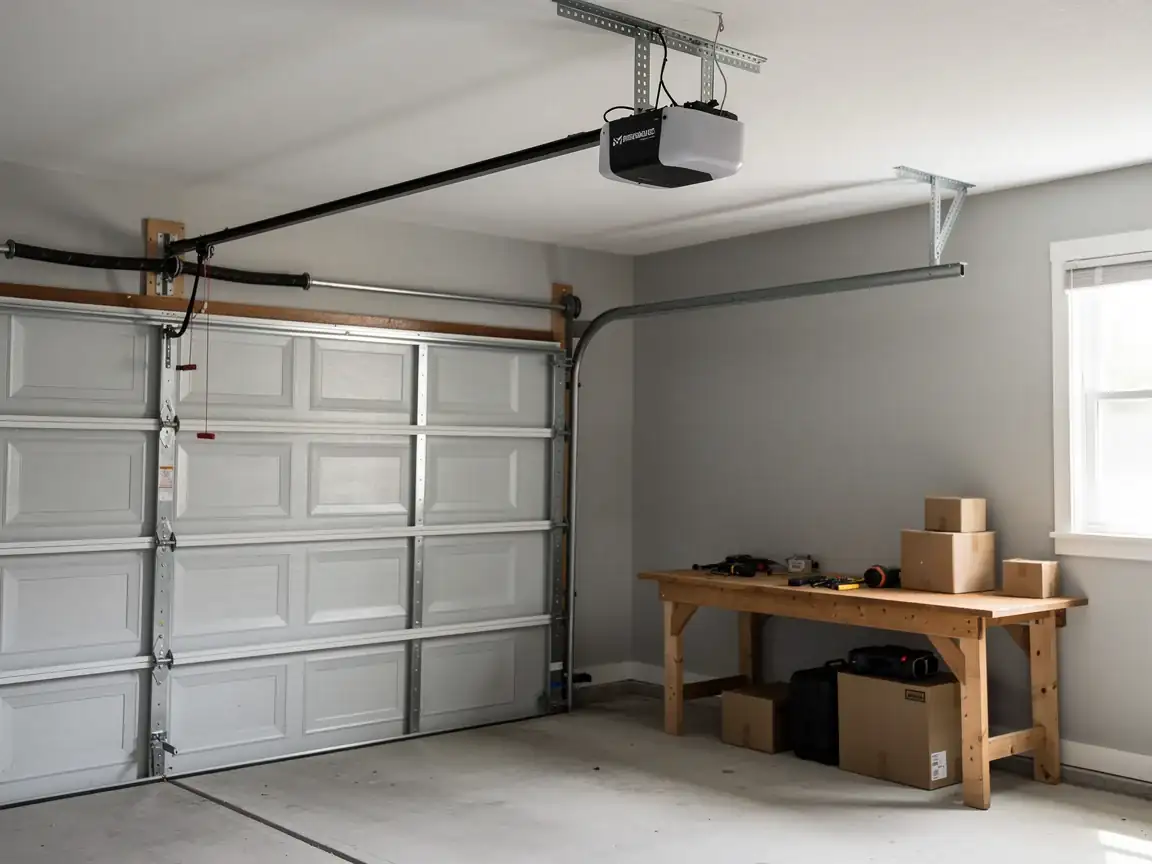
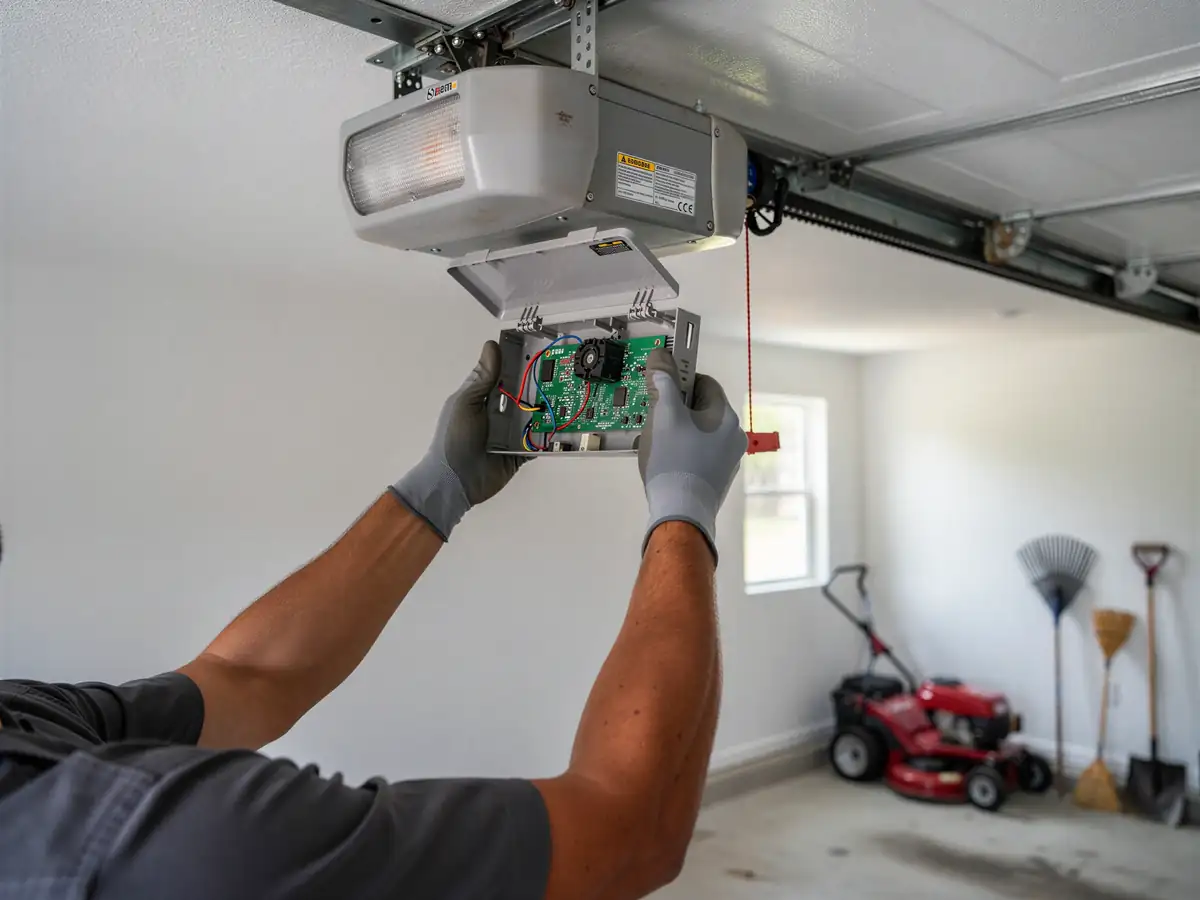
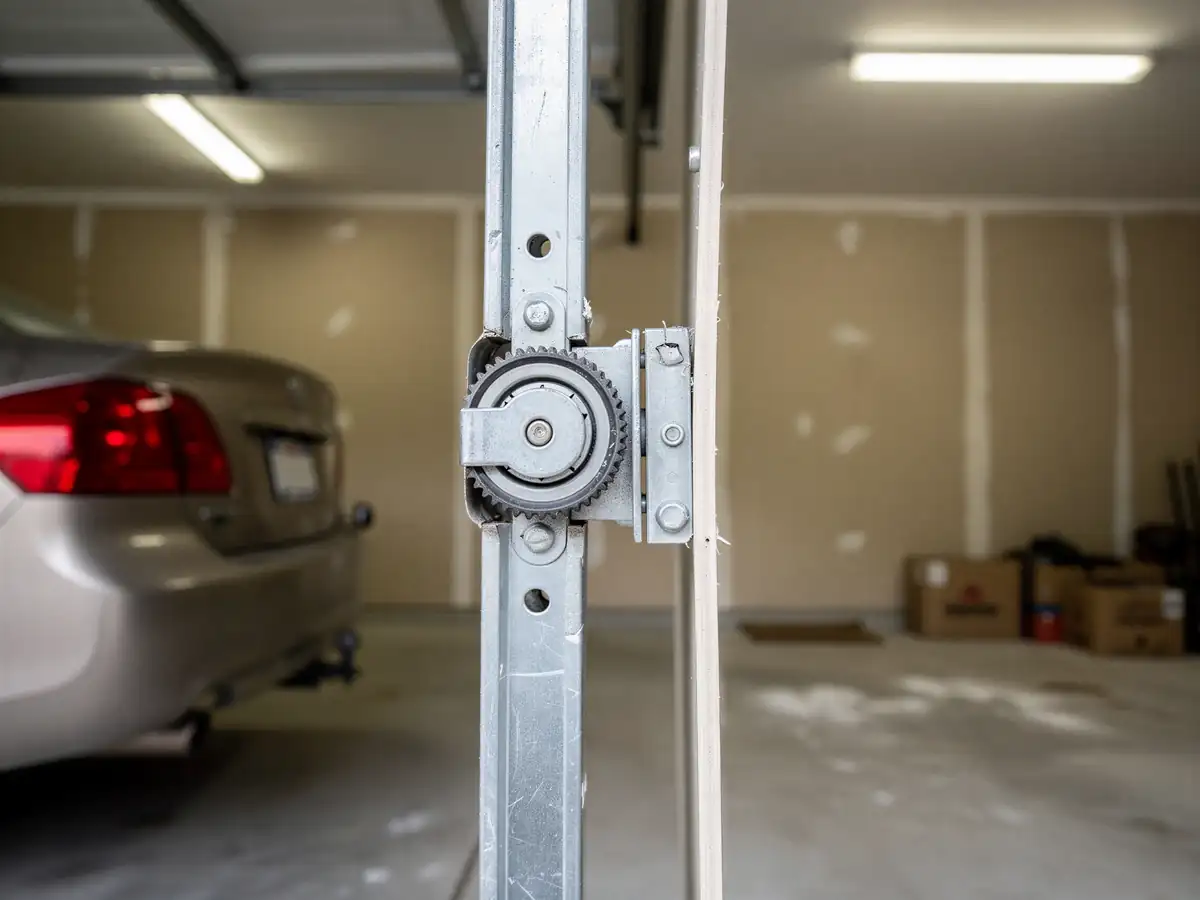
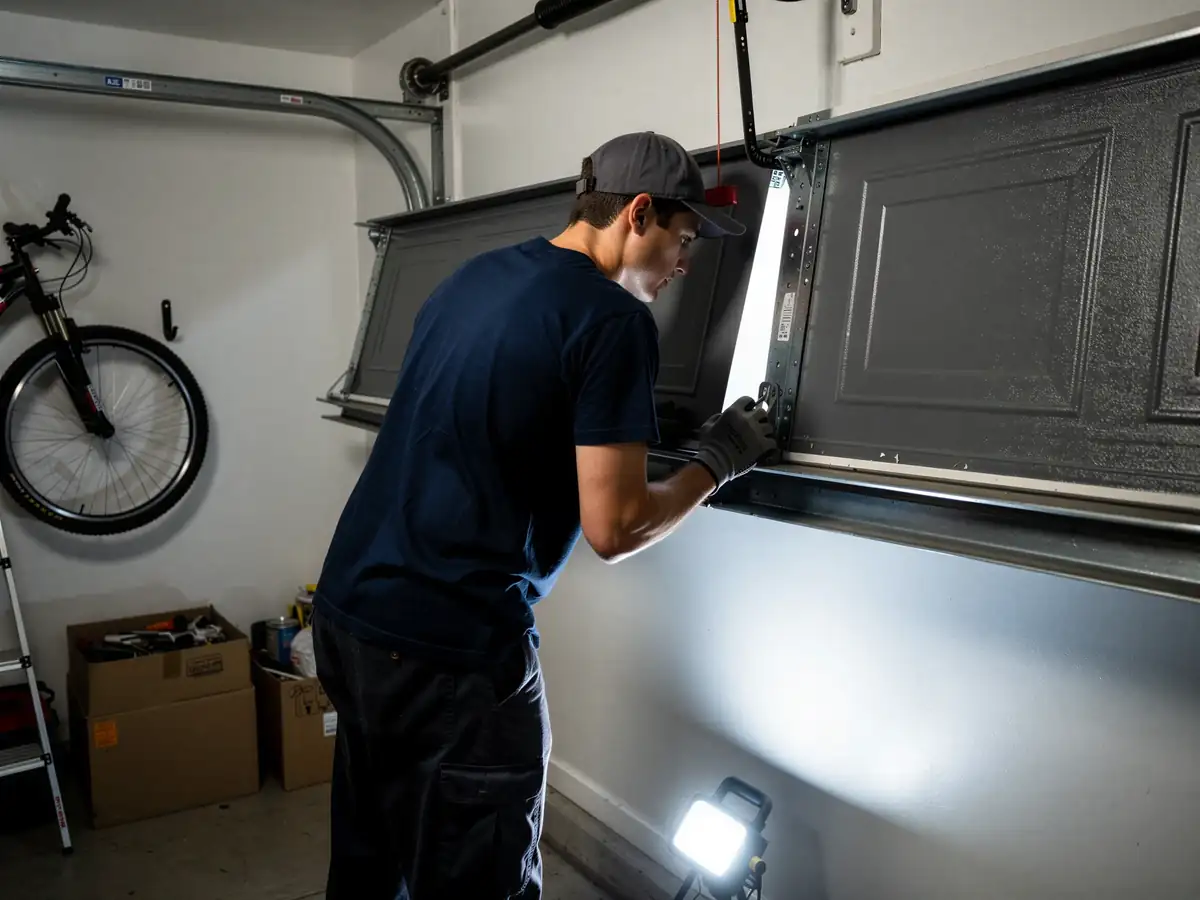
Most of Princeton's housing dates to around 2012, newer than the broader service area's median build year of 2005. That means lighter-gauge steel doors, factory nylon rollers, and belt-drive or screw-drive openers rather than the older chain-drive units you'd find in 1990s construction. The failures we see here skew toward worn opener drive components, logic board faults on openers that are now a decade-plus old, and torsion springs reaching the end of their rated cycle count - not the warped wood panels or rusted hinge plates that show up in older housing stock elsewhere.
The mild climate with occasional freeze here doesn't stress steel doors the way harsher climates do, but a cold snap can still stiffen grease in an aging opener gear or tighten a spring that was already close to failing.
What You Pay
We don't quote a flat price here because the job decides it - a broken spring, a bad opener board, and a bent track all cost different amounts in parts and labor. What we can tell you is how we think about it: Princeton's median household income sits at $96,766, below the $127,000 median across the rest of the service area we work. We don't use that number to charge more or less - we use it to default toward the repair that fixes the actual problem instead of pushing a full door or opener swap when a part will do the job.
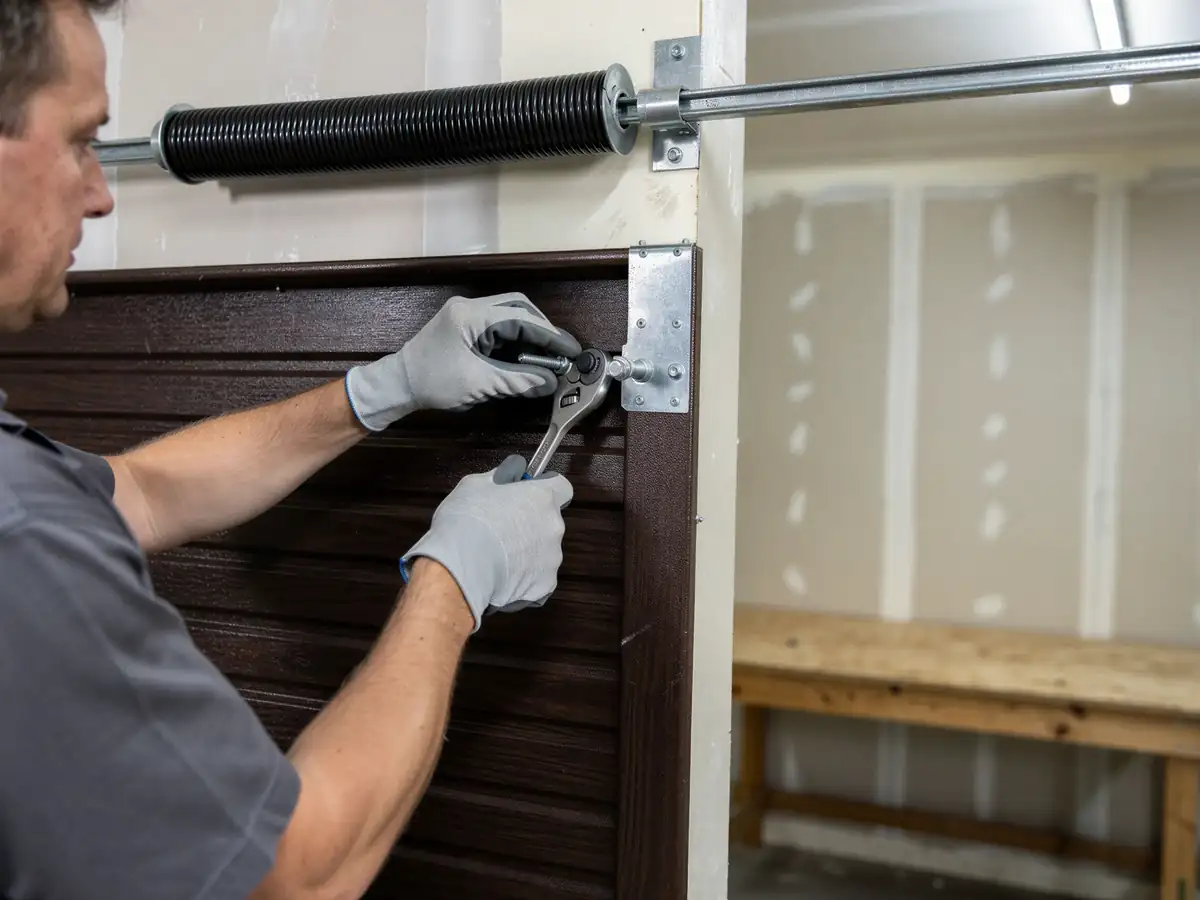
If your opener is from that 2012-era build wave and the board's gone bad, replacing the board is usually cheaper than replacing the whole unit, and we'll say so. If the spring's the only thing wrong, we replace the spring, not the door. The honest limit here: if the door itself is from that same era and the track is bent or the panels are dented beyond a cosmetic fix, repair stops making sense and we'll tell you that too instead of billing for a patch job.
How to Book
We run this job out of Wylie, about 11 miles from Princeton
There's no local branch here - the truck comes from Wylie, so we build the drive into how we schedule the day rather than promising a response window we can't back up from that distance.
- 11 miles
The fastest way to get on the schedule is through the Princeton service page
Where you can tell us what the door or opener is doing - won't open, won't close, makes a bang, runs but the door doesn't move - and we'll call back to confirm a time. If you're not sure what's wrong, that's fine; describe what you're seeing and hearing and we'll narrow it down before the truck rolls.
See garage door service in Princeton for the full booking path
Or check garage door repair in Wylie, TX if you're outside Princeton and want the home-base page for the wider service area.
Why This Fails Locally
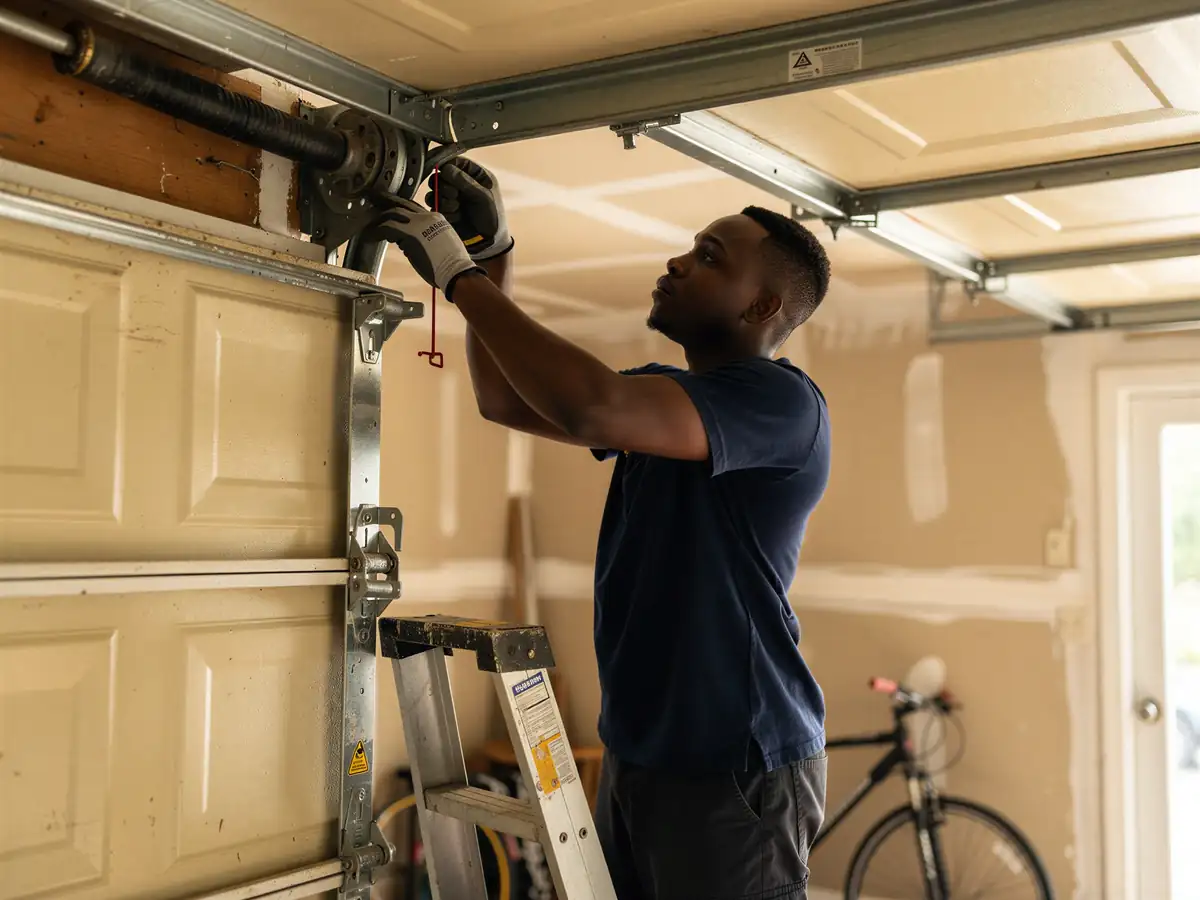
Here's the part that's easy to miss if you're comparing Princeton to an older town nearby: a 2012 median build year means the garage door hardware across most of this town is hitting roughly the same age at roughly the same time. Torsion springs are typically rated for somewhere around 10,000 open-close cycles, which works out to about a decade of normal household use. That means a lot of Princeton's original springs are reaching the end of their rated life right now, not ten or twenty years from now like they would in a town built in the 1970s or 80s.
The same logic applies to openers. A board or motor installed in 2012 is now old enough that the capacitors and relay switches inside start failing, and manufacturers don't always keep parts in stock for a model that old. That's a different failure pattern than you'd see in a much older house with a door and opener that have already been replaced once, and it's different again from brand-new construction where nothing's worn yet. Princeton sits squarely in the window where original equipment starts needing attention, all at roughly the same time across the town.
Stocked Parts
Because so much of Princeton's housing landed in that 2012-era wave, the parts we carry for calls out here lean toward what that generation of doors and openers actually uses: belt-drive and chain-drive openers with rolling-code logic boards, torsion springs sized for the lighter steel sectional doors common to that build period, and standard nylon rollers rather than the steel rollers you'd find in much older construction.
We don't stock every opener board on the market - some models, especially less common ones, need to be special-ordered, and that can add a day or two to a job. If your opener is an older brand or a less common model, we'll tell you upfront whether we've got the part on the truck or need to order it, rather than letting you find out when we show up.
Can You Do This Yourself
Some of this is reasonable to check yourself before calling anyone
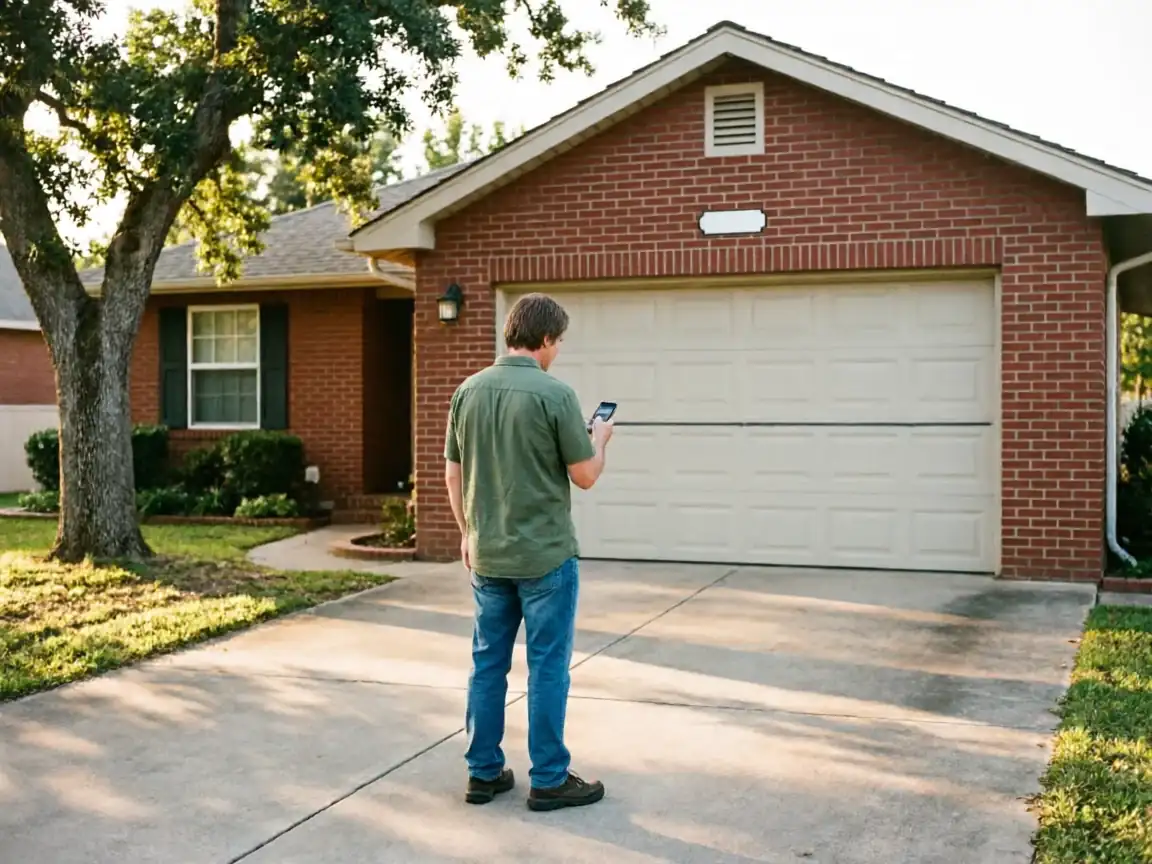
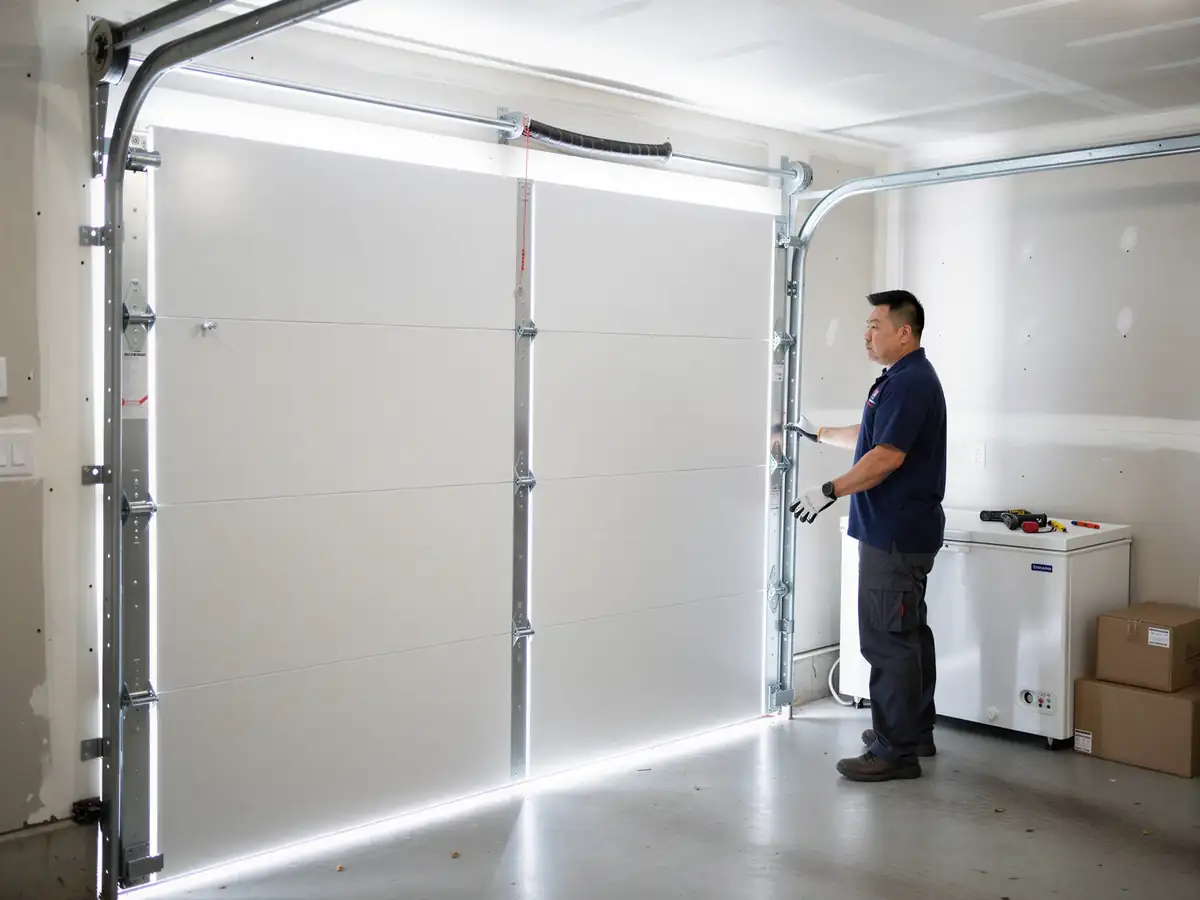
If the opener runs but the door doesn't move, check the photo-eye sensors near the bottom of the tracks for dirt or misalignment - that's a common, free fix. If the door won't respond at all, check that the opener's plugged in and the breaker hasn't tripped.
What you shouldn't touch: the torsion spring
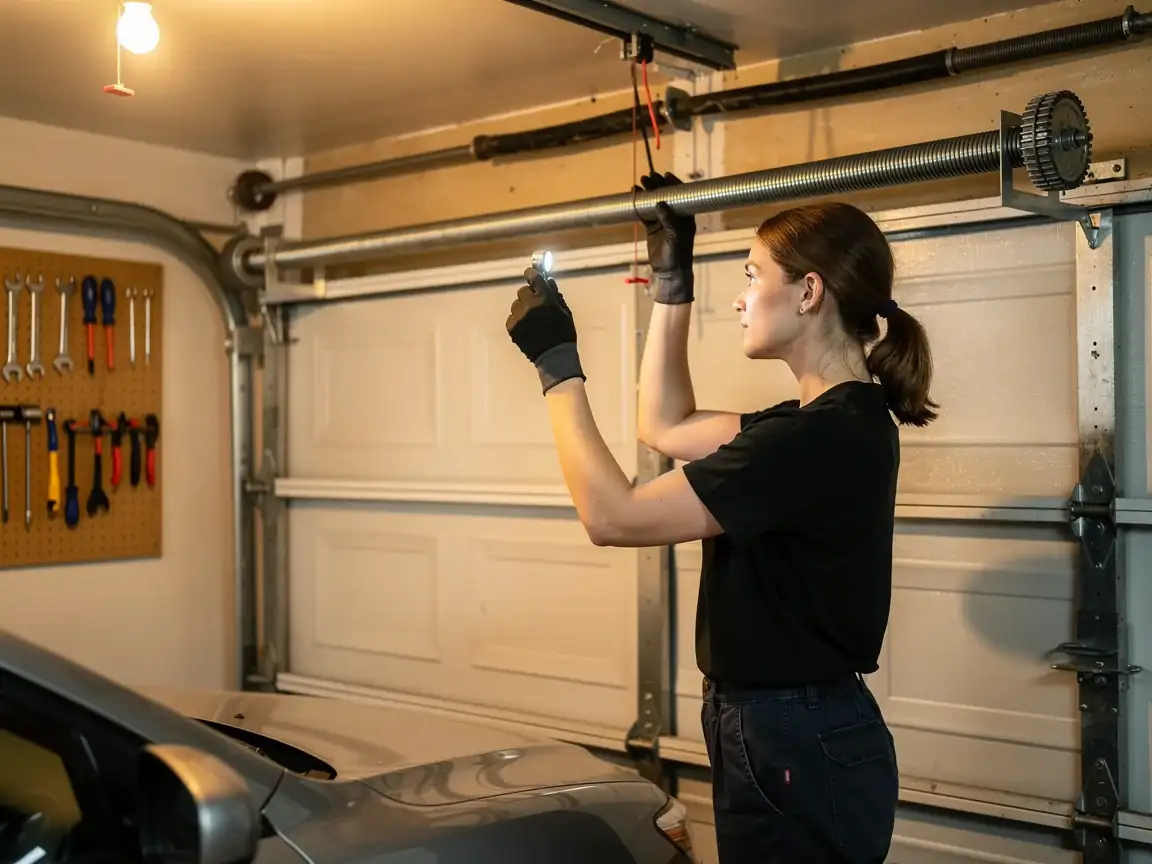
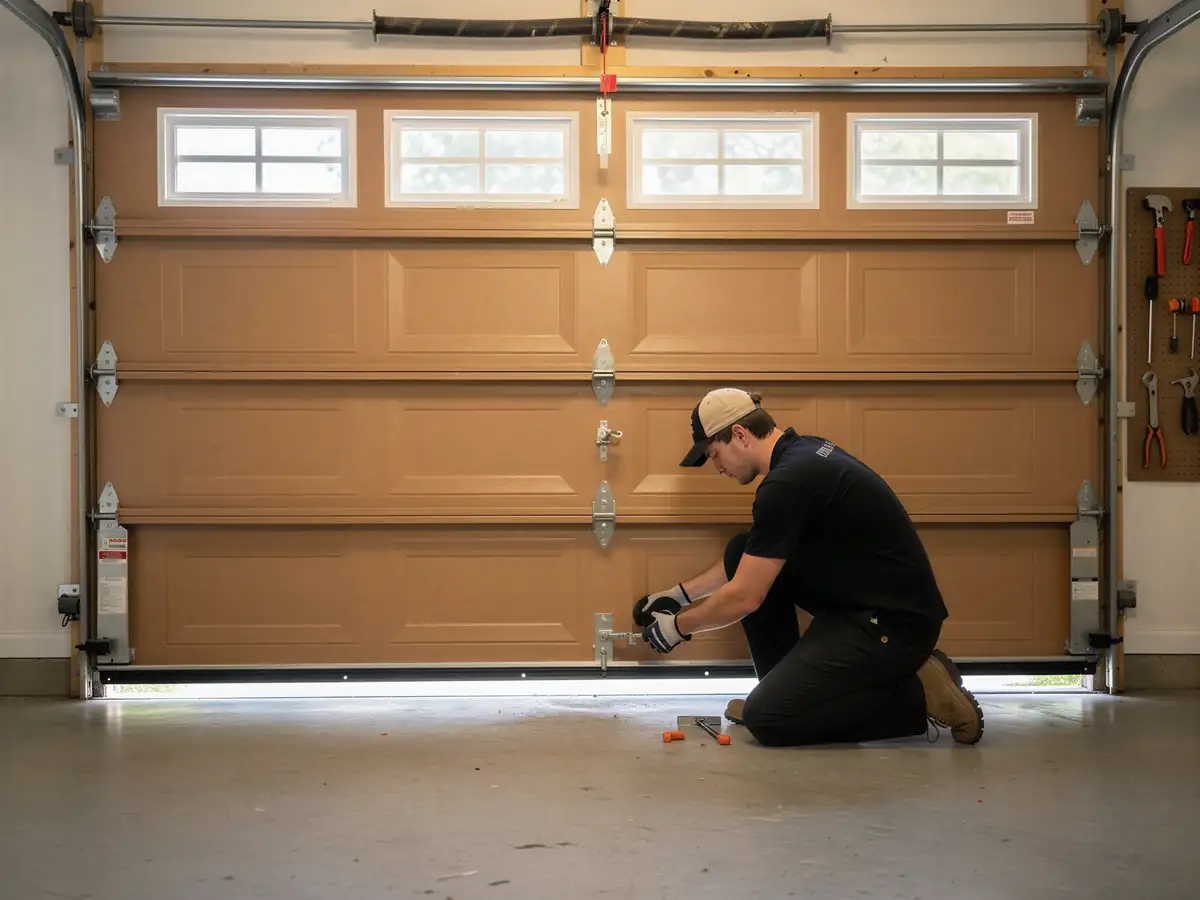
It's wound under enough tension to cause a serious injury if it releases wrong, and there's no safe way to judge how much life is left in one by looking at it. Same goes for the cables running alongside the tracks - if one's frayed, that's a call, not a project. If your door is part of that original 2012-era wave and the spring's never been replaced, assume it's close to the end of its cycle life rather than waiting for it to fail with the car underneath it.