What Can Go Wrong
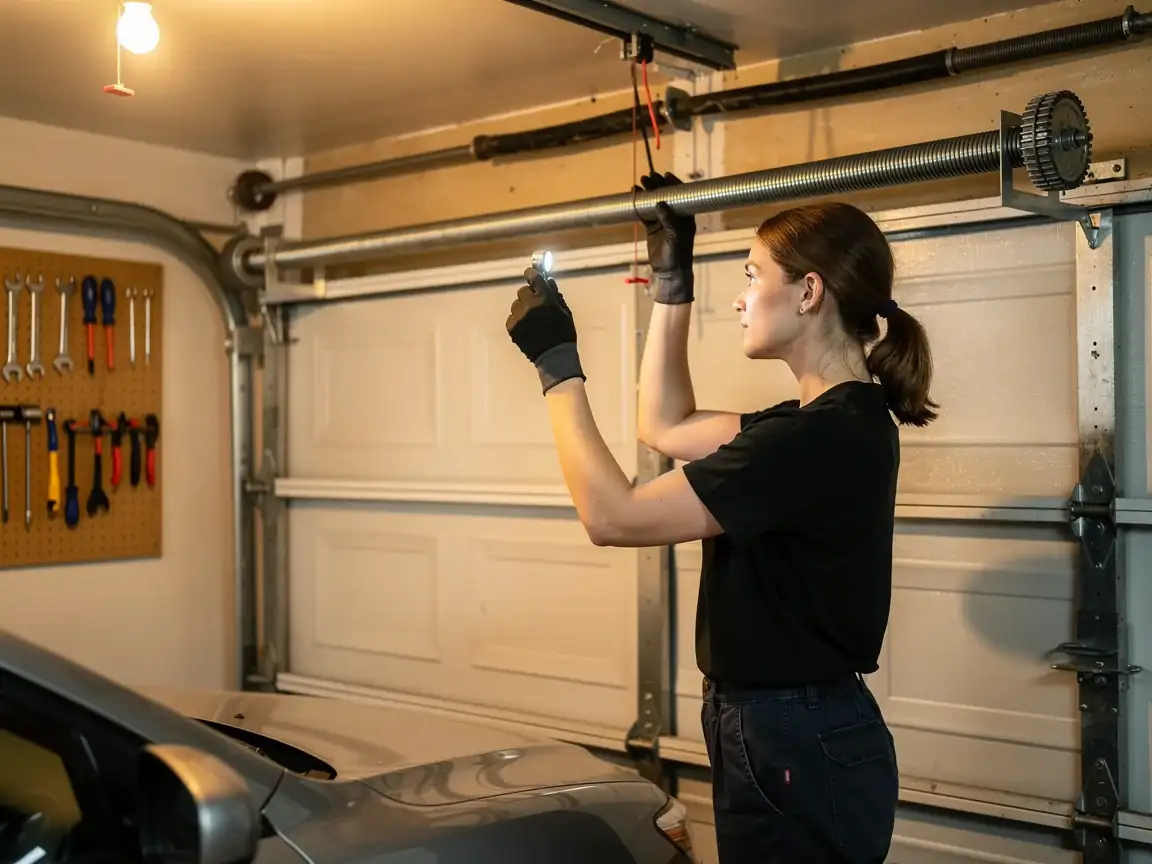
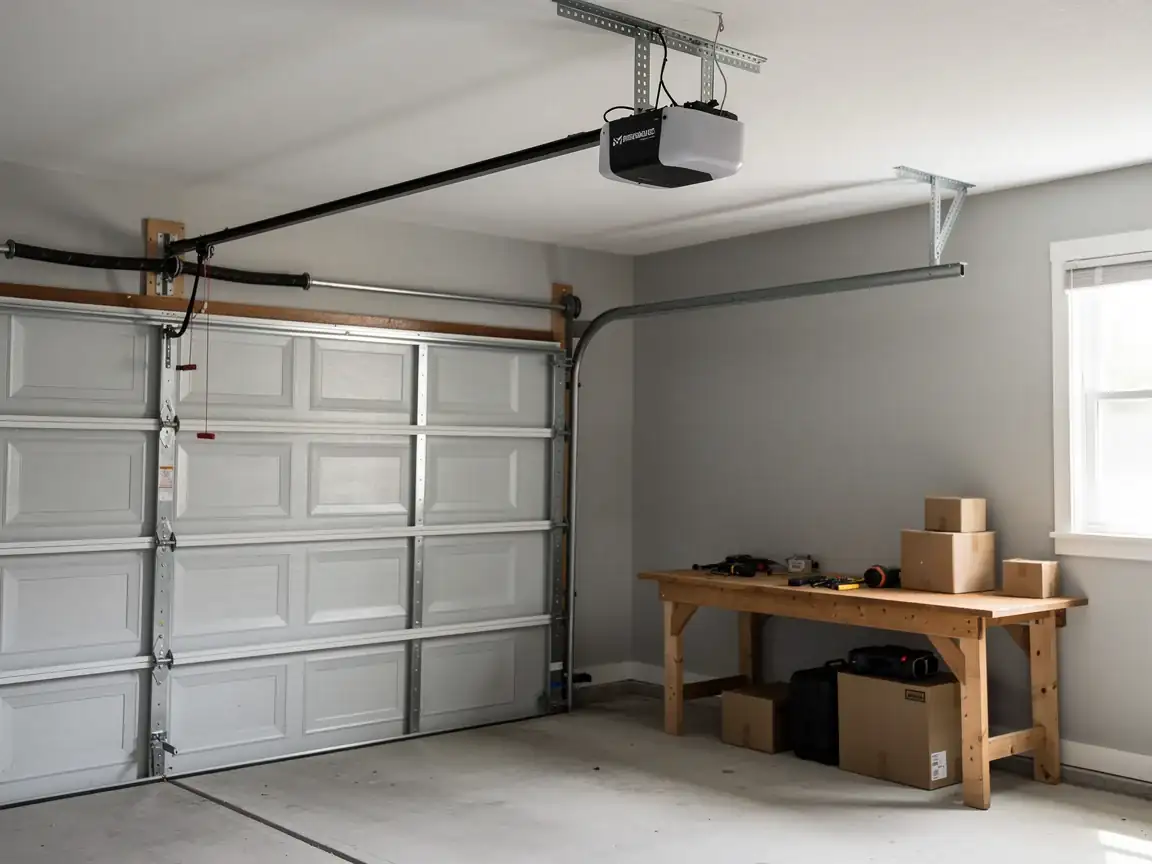
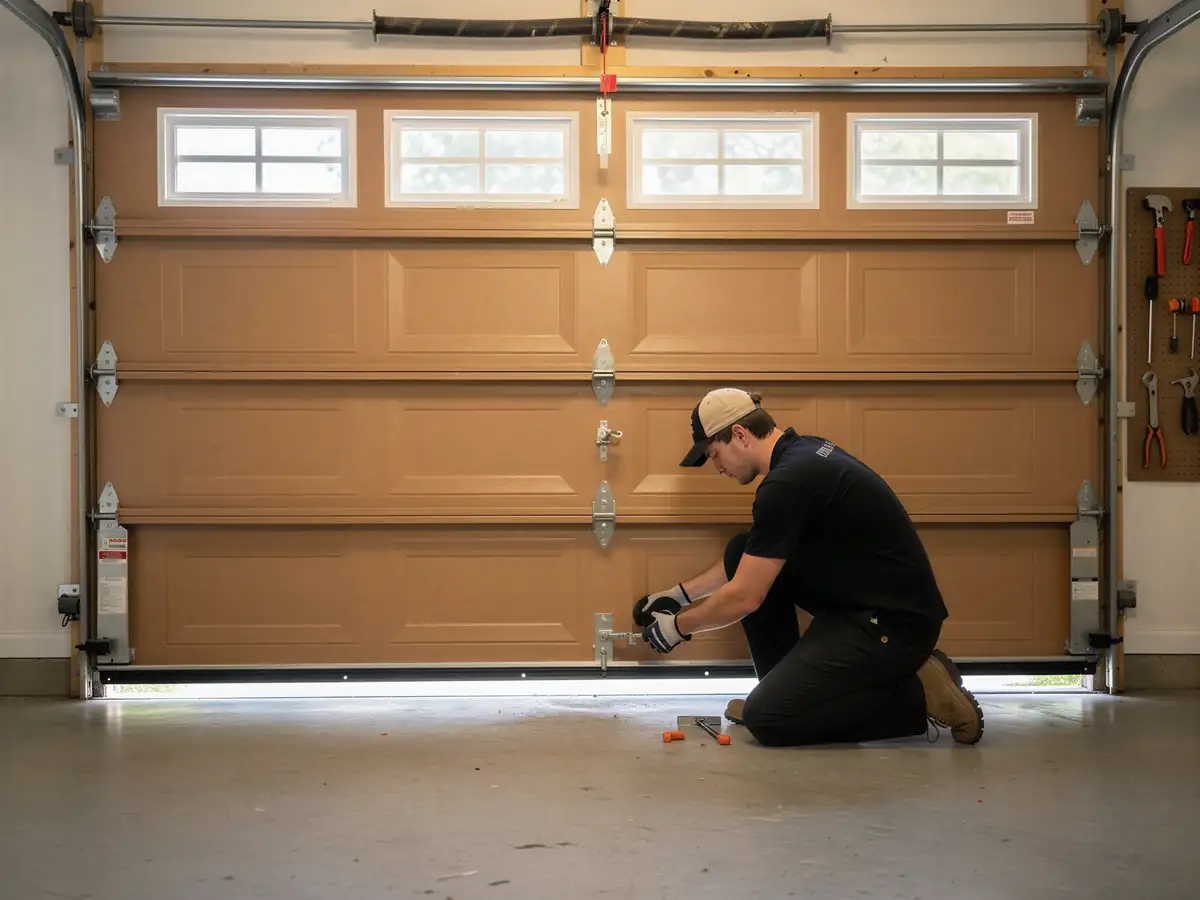
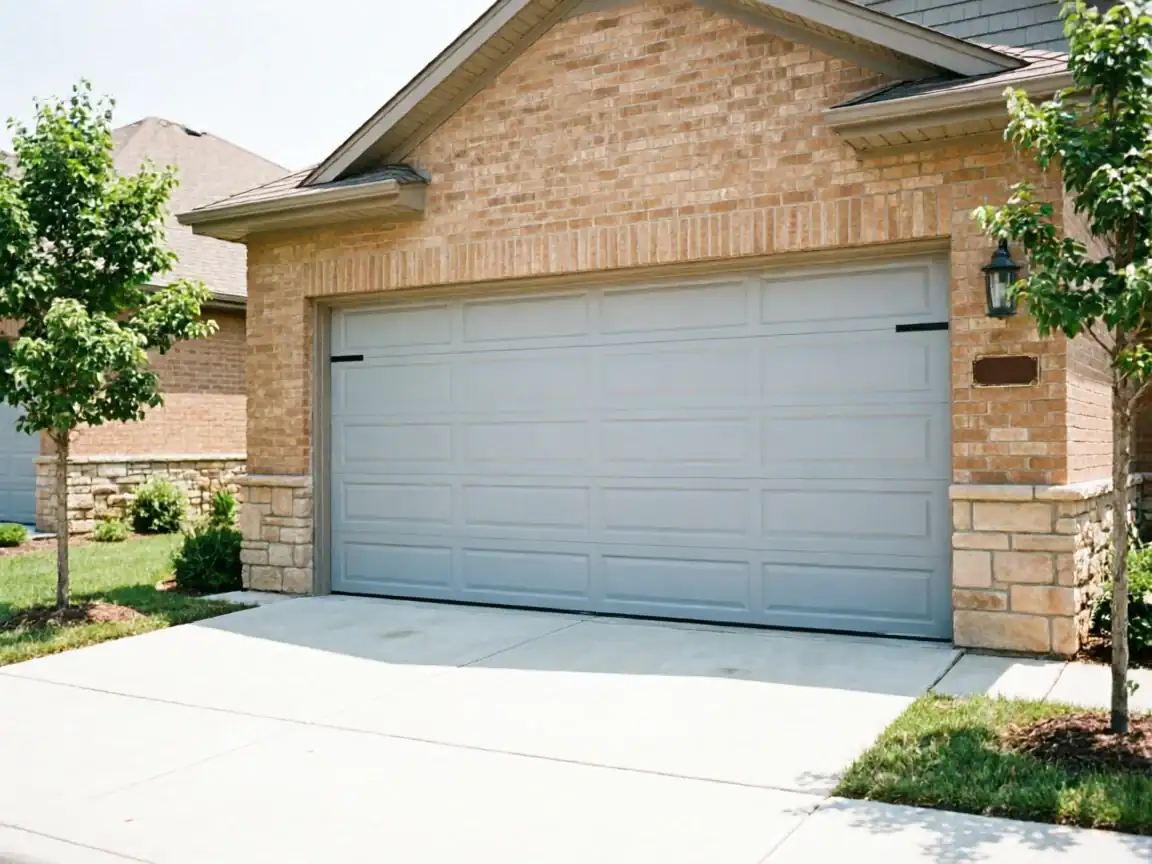
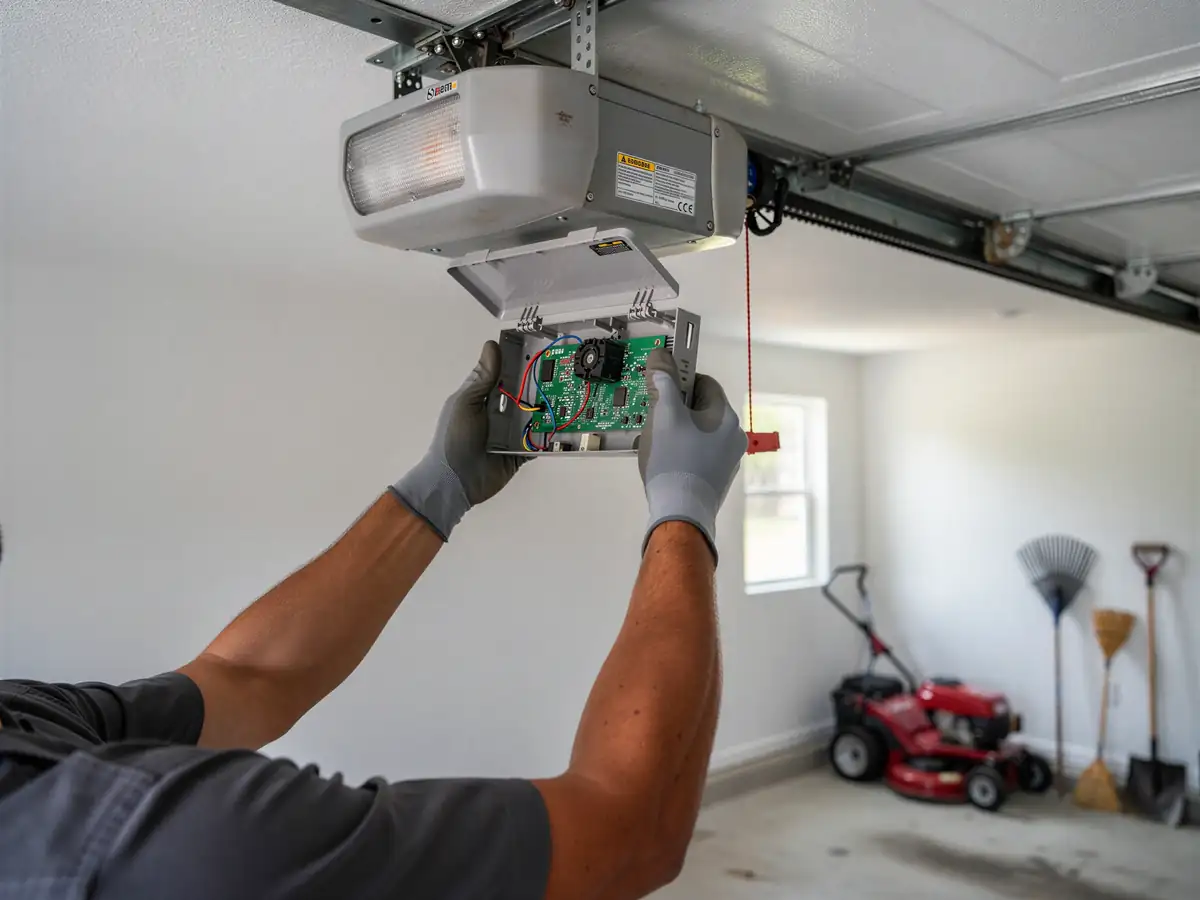
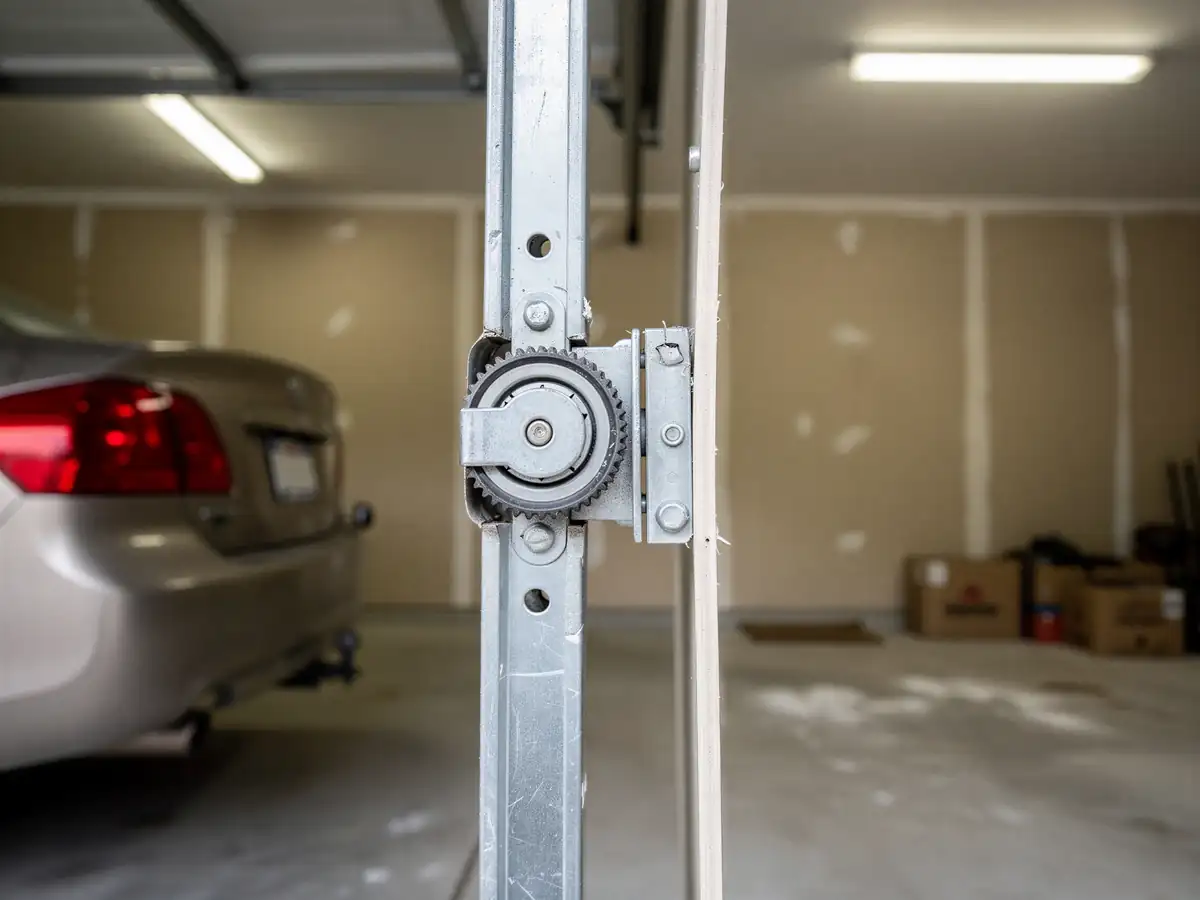
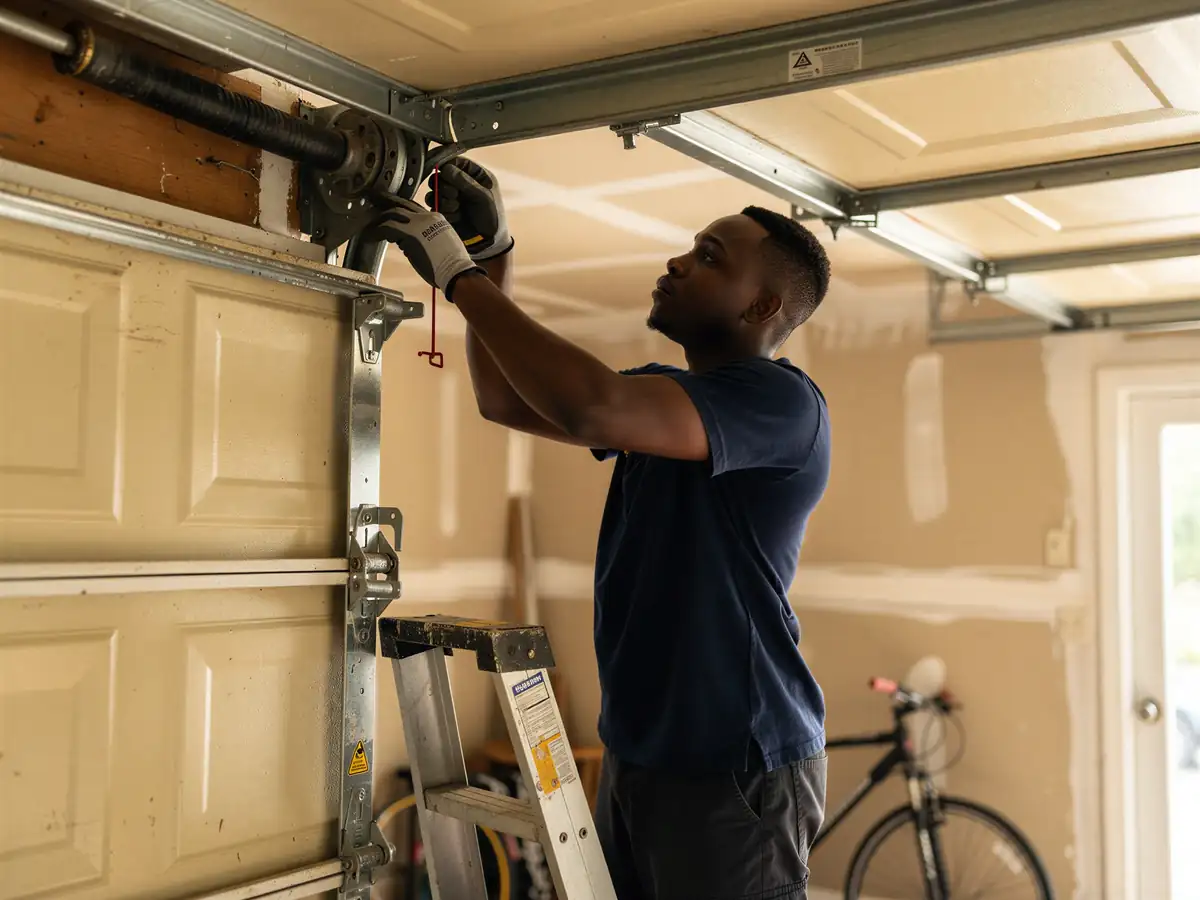
The median home in Princeton went up around 2012, which puts most doors in this town into their second decade of use. That matters more than people think. A door doesn't usually fail all at once - it wears in order. Nylon rollers crack and start grinding in the track first. Lift cables fray at the drum end from a decade of cycles. Opener logic boards that were mid-range when installed start skipping signals or losing the remote pairing. None of that is an emergency yet. It's the stage right before one. If you bought the house new or close to it, the hardware under the springs and behind the opener cover is very likely still the factory-original set, and factory-original at twelve-plus years is exactly the age where a tune-up catches a problem before it becomes a Saturday morning spring snap.
What You Pay
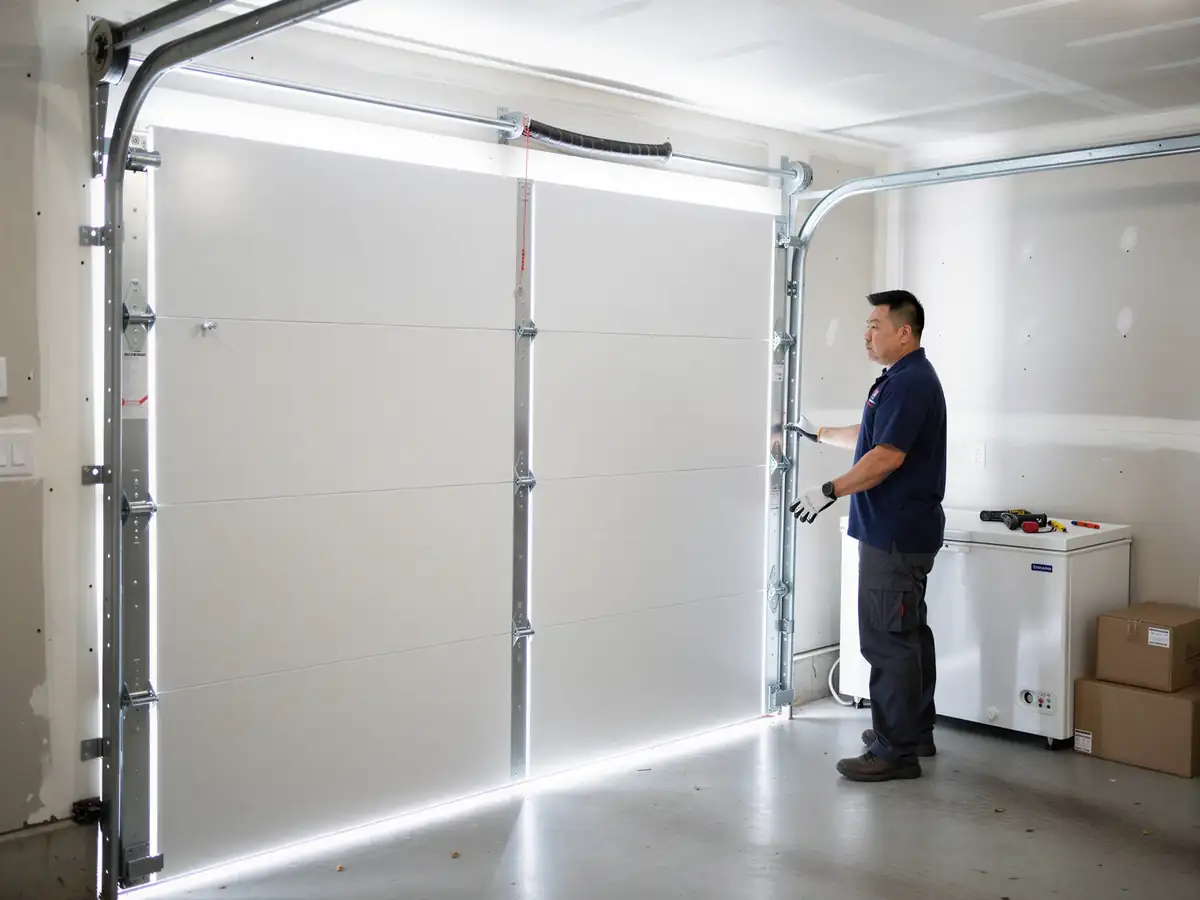
We don't have a fixed maintenance price to quote you here, and we're not going to make one up. What a visit runs depends on the door size, whether it's a single or double, and what the opener needs beyond inspection - a lubrication and adjustment pass is a different job than swapping worn rollers or resetting opener travel limits. Ask for the number when you book and we'll give it to you straight, tied to what's actually in front of us that day.
Why This Fails Locally
The region sits in a mild climate with occasional freezes, not the hard winters that crack concrete or snap springs from cold shock. But mild with some freeze still means grease hardens and loosens across the year, hinges pick up moisture in humid stretches, and door panels expand and contract enough over a dozen years to throw alignment off a few degrees. On a 2012-era door, that's a decade-plus of those small cycles stacking up. It's not dramatic. It's just enough drift in the track and enough stiffness in the spring coil that the door starts working harder than the opener was ever sized for, and the opener is usually what fails first because of it.
Stocked Parts
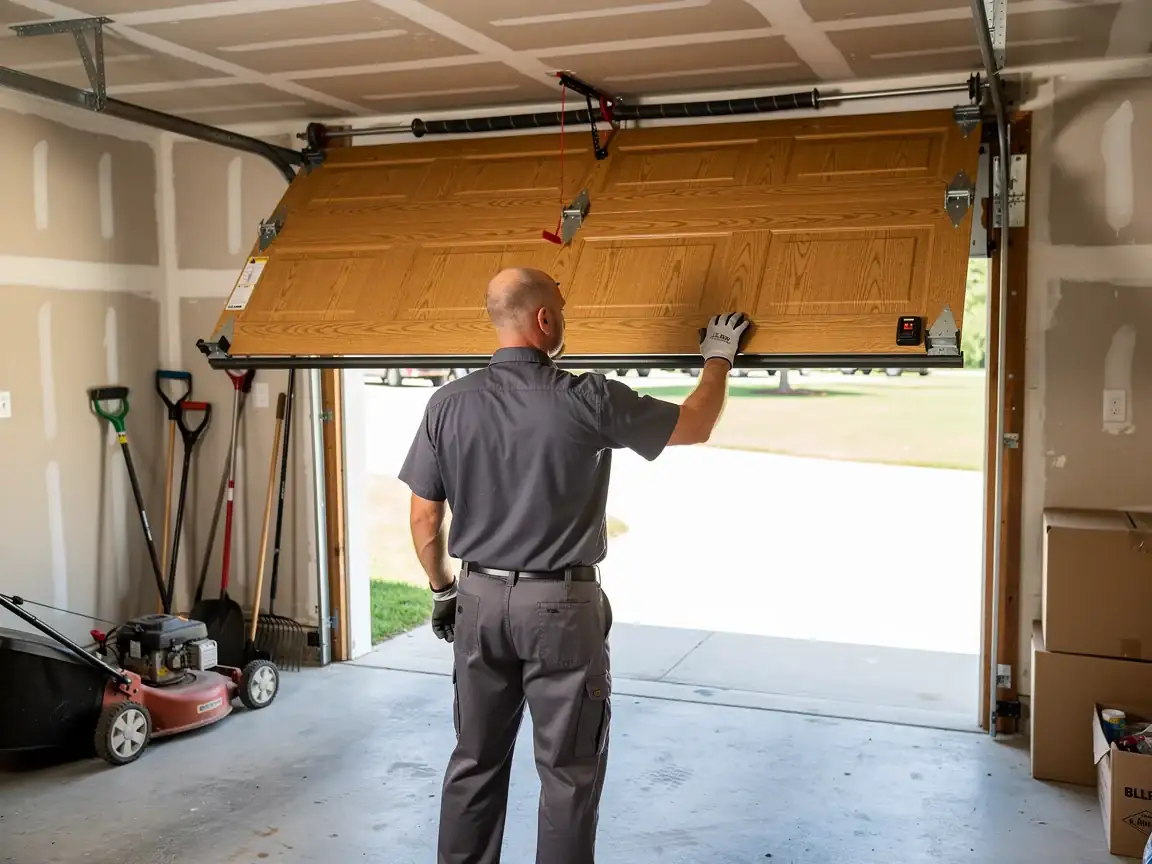
Across this service area, the housing stock runs mostly 2000s construction, and Princeton's own median build year of 2012 sits right in that window. That's convenient for us - it means the rollers, cables, torsion springs, and belt or chain-drive openers we carry on the truck match what's actually installed in most of these doors. We're not stocking parts for high-end custom units or for anything much older than the 2000s, because that's not what's mostly out here. If your door is an outlier - much older, or a specialty size - tell us before the visit so we bring the right part instead of guessing on-site.