Why This Fails Locally
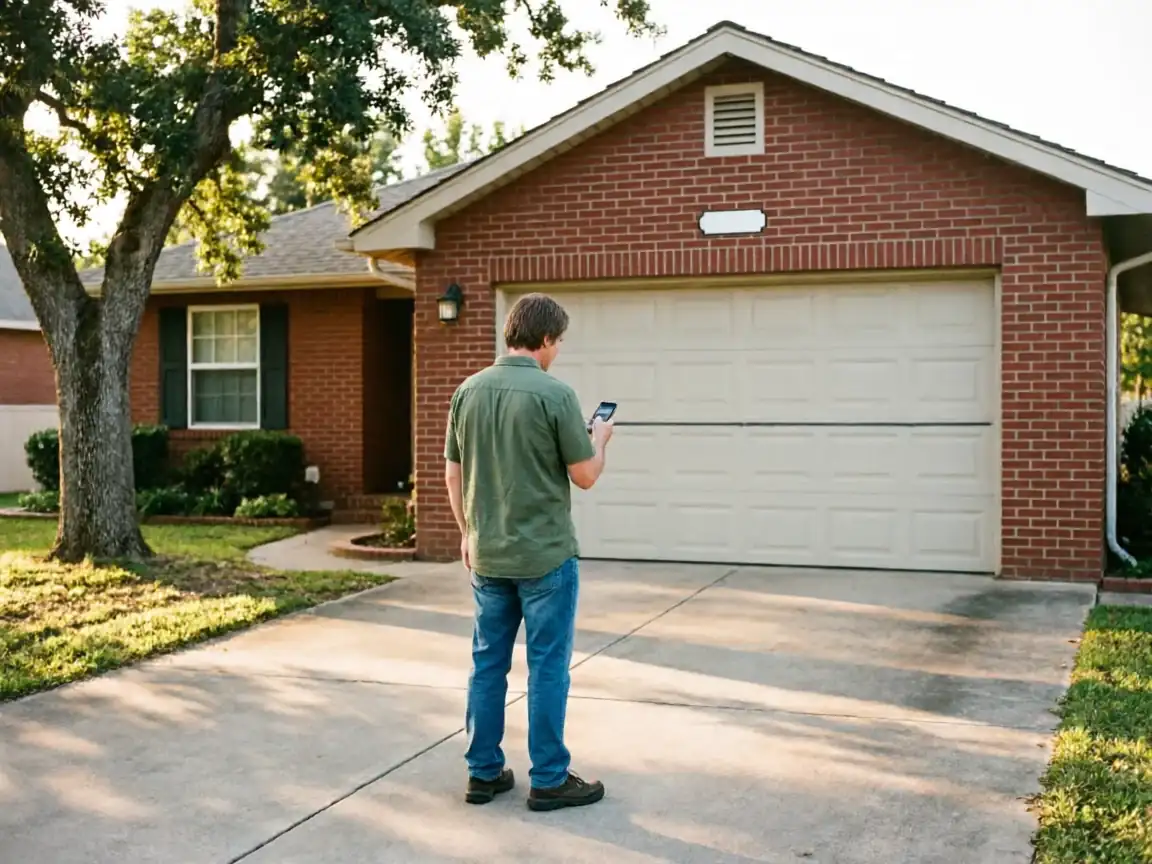
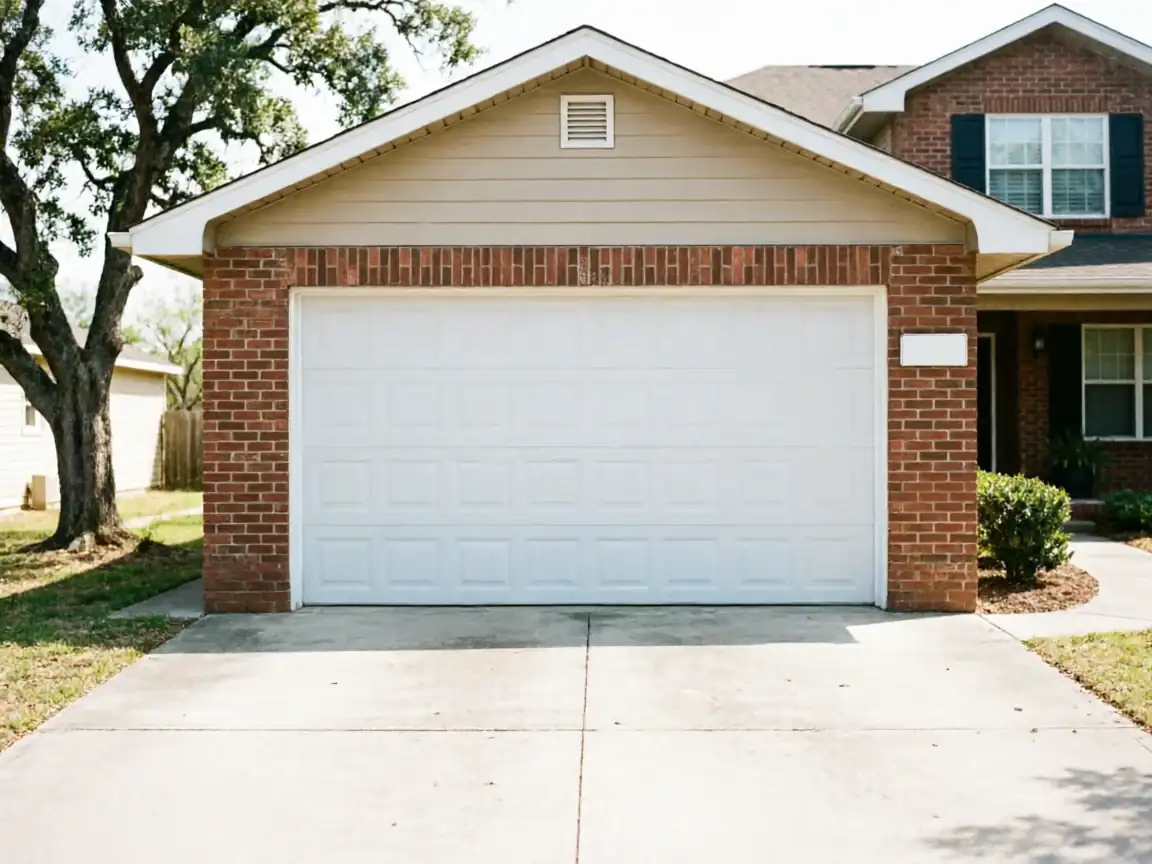
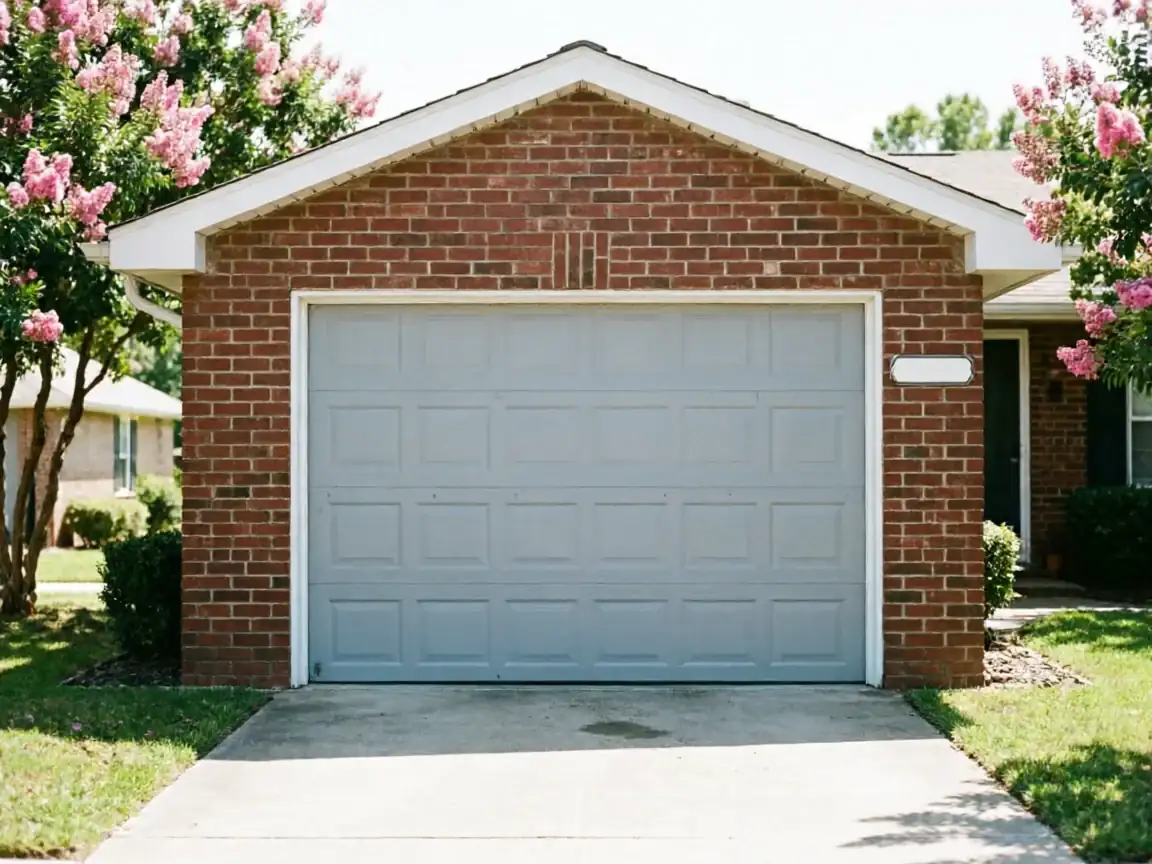
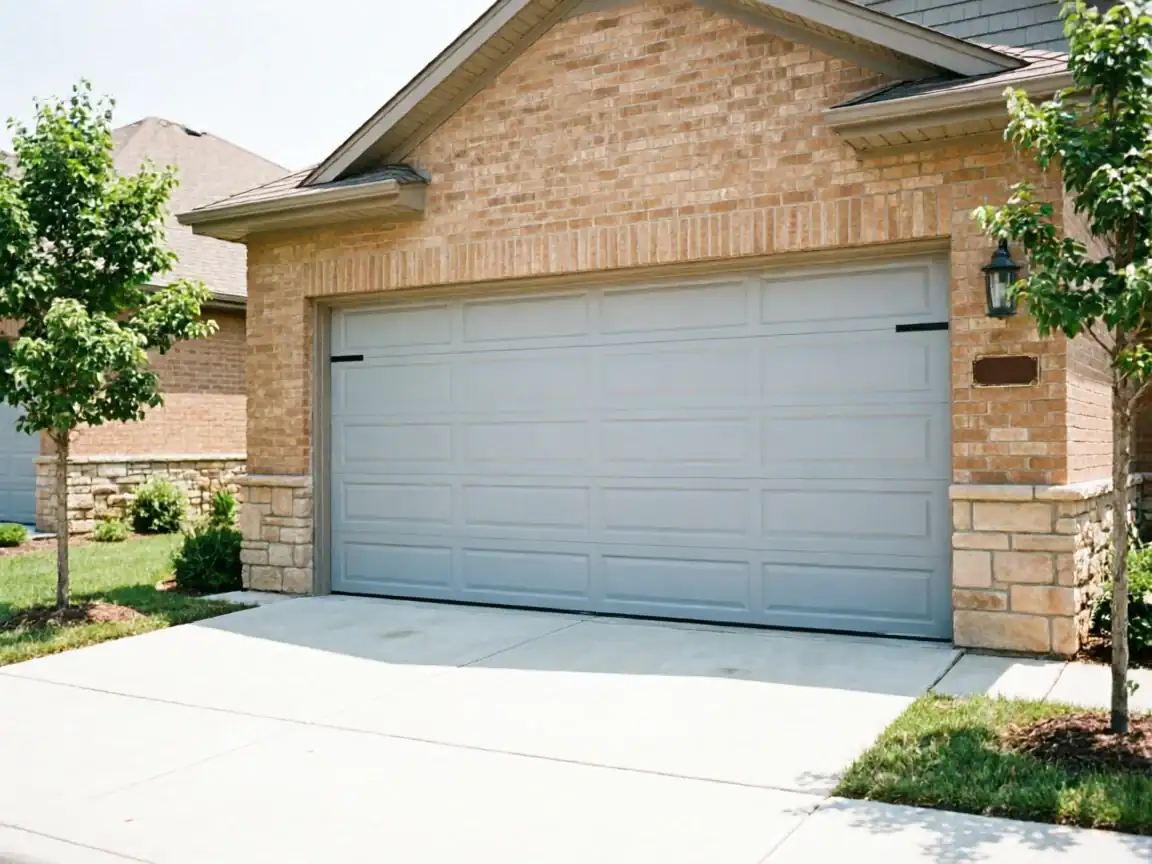
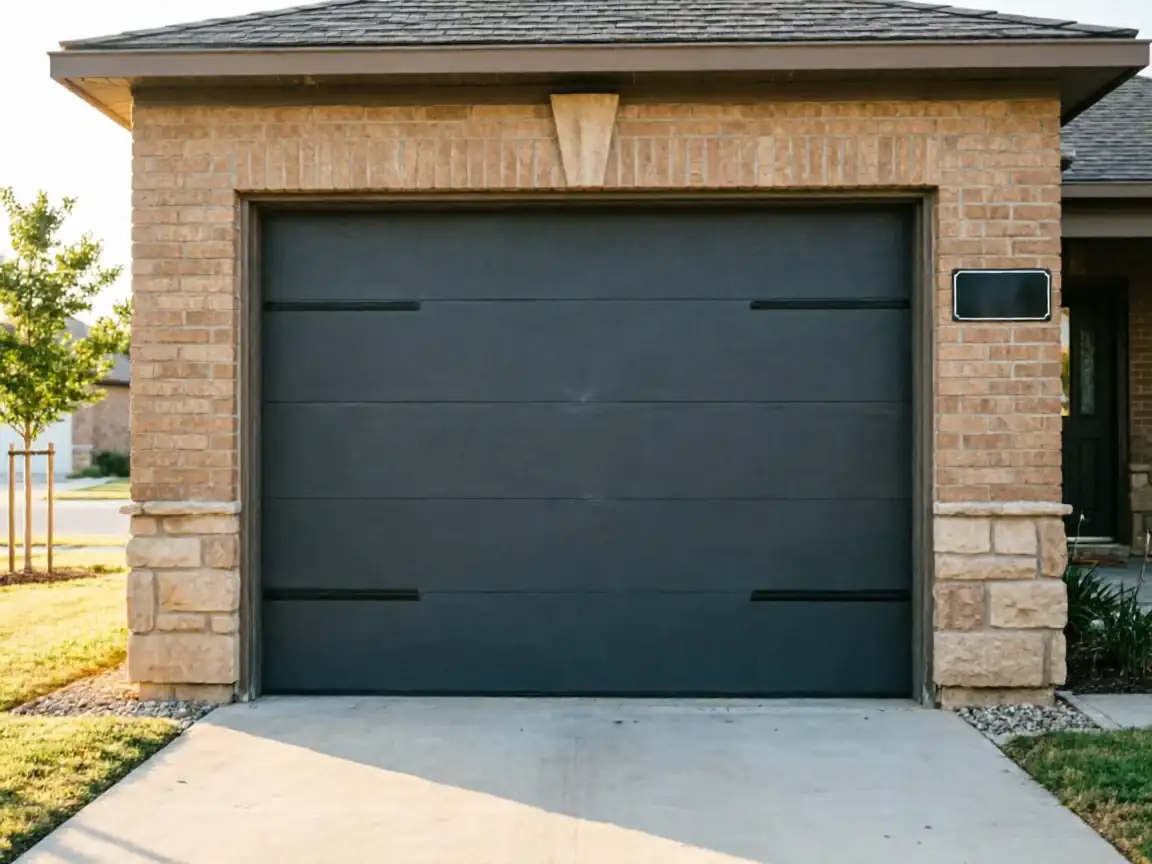
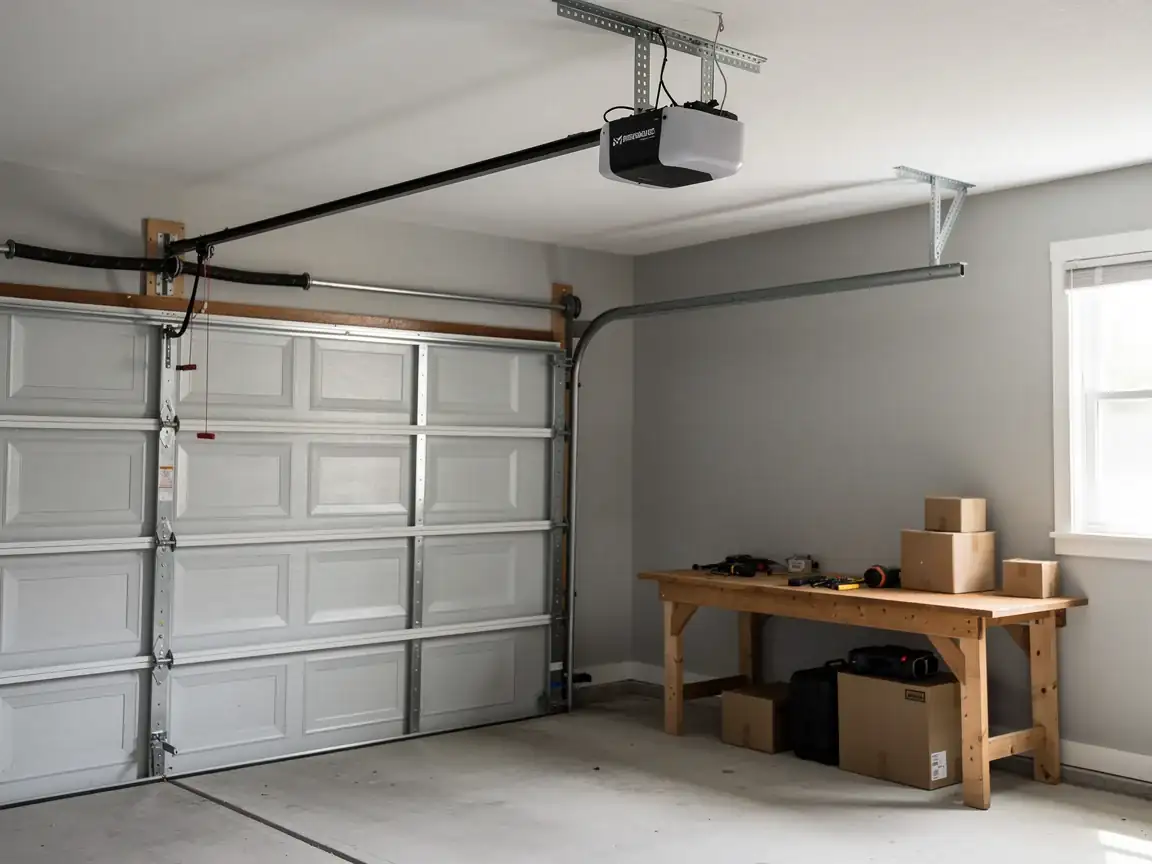
Wylie grew fast between 1971 and 2015, and the median house in this service area was built around 2005. That matters for garage doors because builder-grade torsion springs are rated for a number of open-close cycles, not a number of years, and a house that's now pushing fifteen to twenty years old has usually burned through its original spring's rated life whether anyone noticed or not. When a whole subdivision goes up in the same two or three years, the doors in it tend to fail in the same window too - we see runs of service calls from the same streets for that reason.
The climate here doesn't help in the way people expect. This area sits in a mild band with occasional freezes, not the deep winters that would make a homeowner think about cold-weather maintenance. Builders in the 2000s boom used standard hardware for a mild market, so most doors have no special cold-rated lubricant or sealing. A handful of freeze mornings a year is enough to stiffen factory grease on rollers and hinges that haven't been serviced since installation, which shows up as a door that's suddenly loud or slow on the one or two cold mornings a year you'd notice it.
Put those two things together - aging 2000s-stock hardware and a climate that only stresses it occasionally - and you get doors that work fine for years and then fail in clusters, usually right after the first real cold snap.
The Symptom
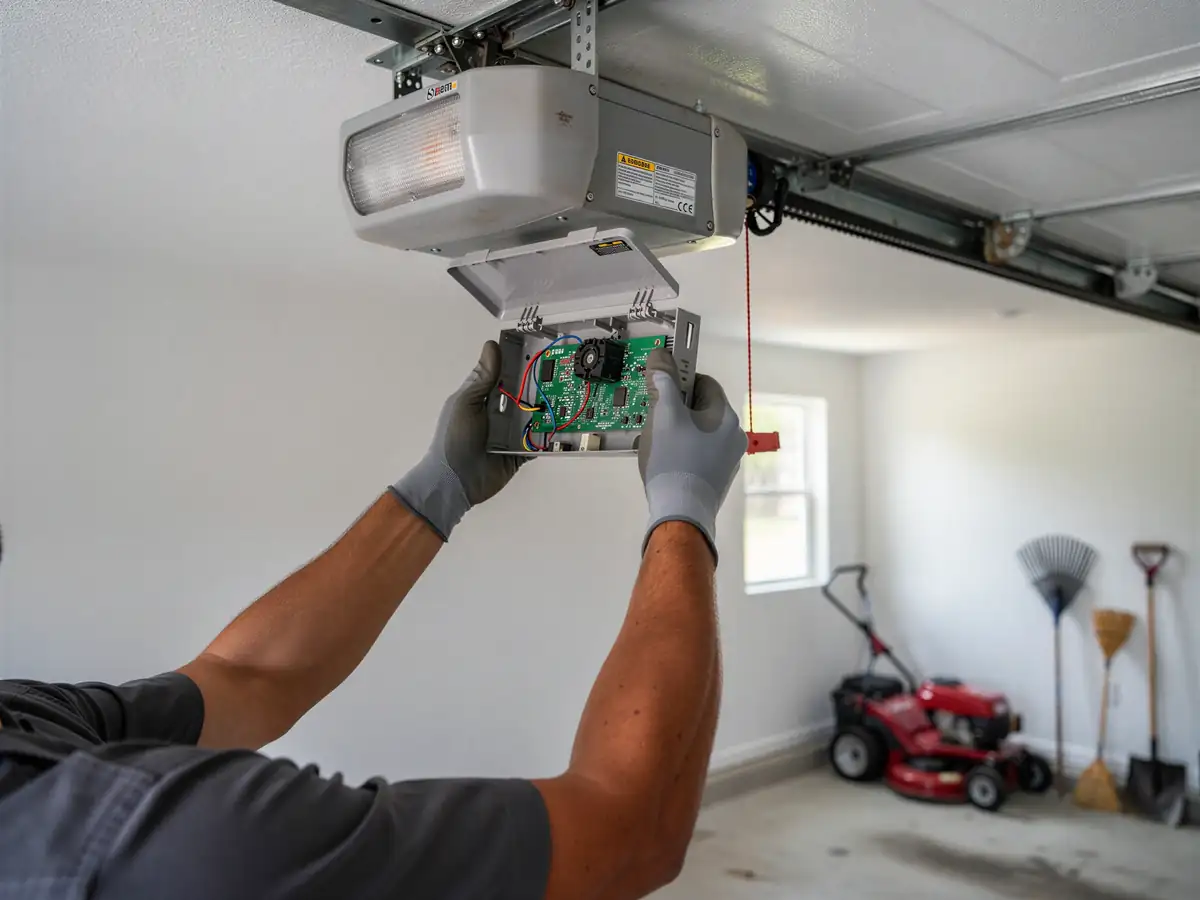
The most common call we get from this kind of house is a door that's noticeably louder than it used to be, or one that hesitates and jerks partway up instead of moving smoothly. Sometimes it's an opener that strains and clicks before the door moves, which usually means the spring isn't doing its share of the lifting anymore and the motor is taking the load it wasn't built to carry alone.
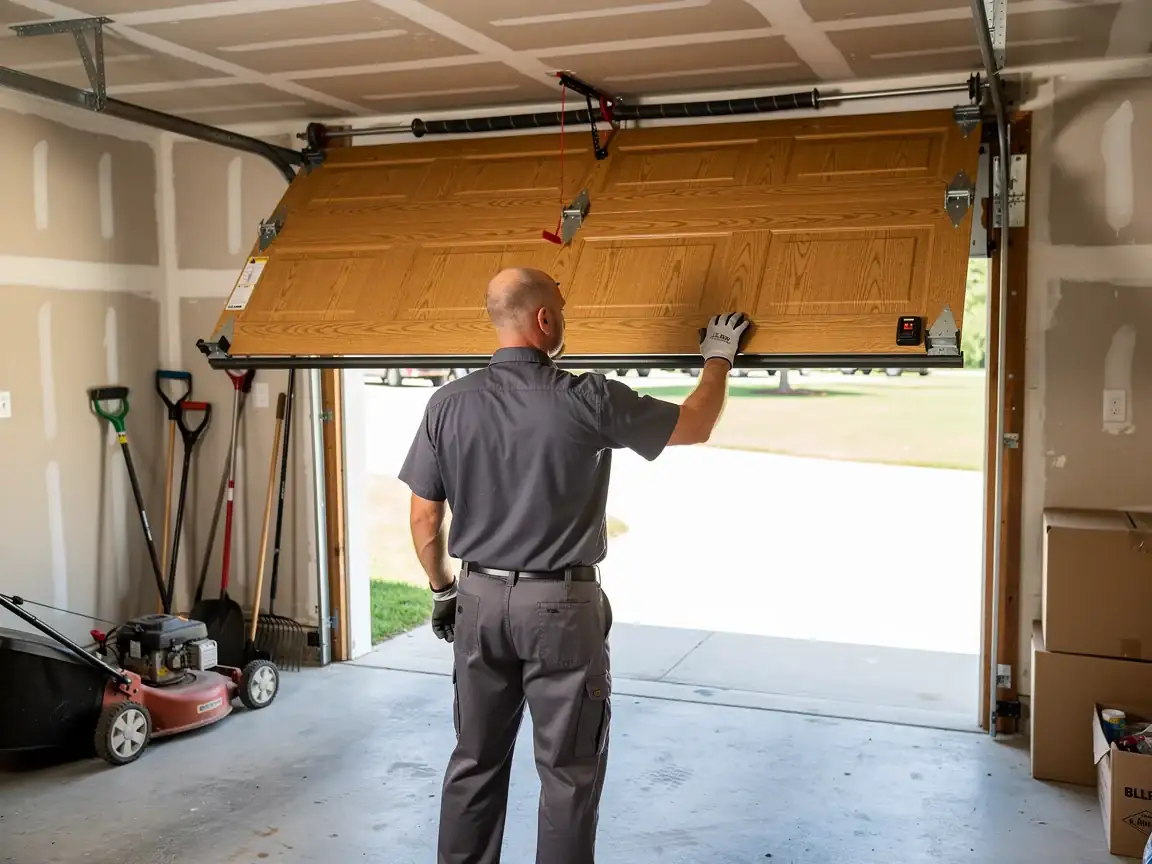
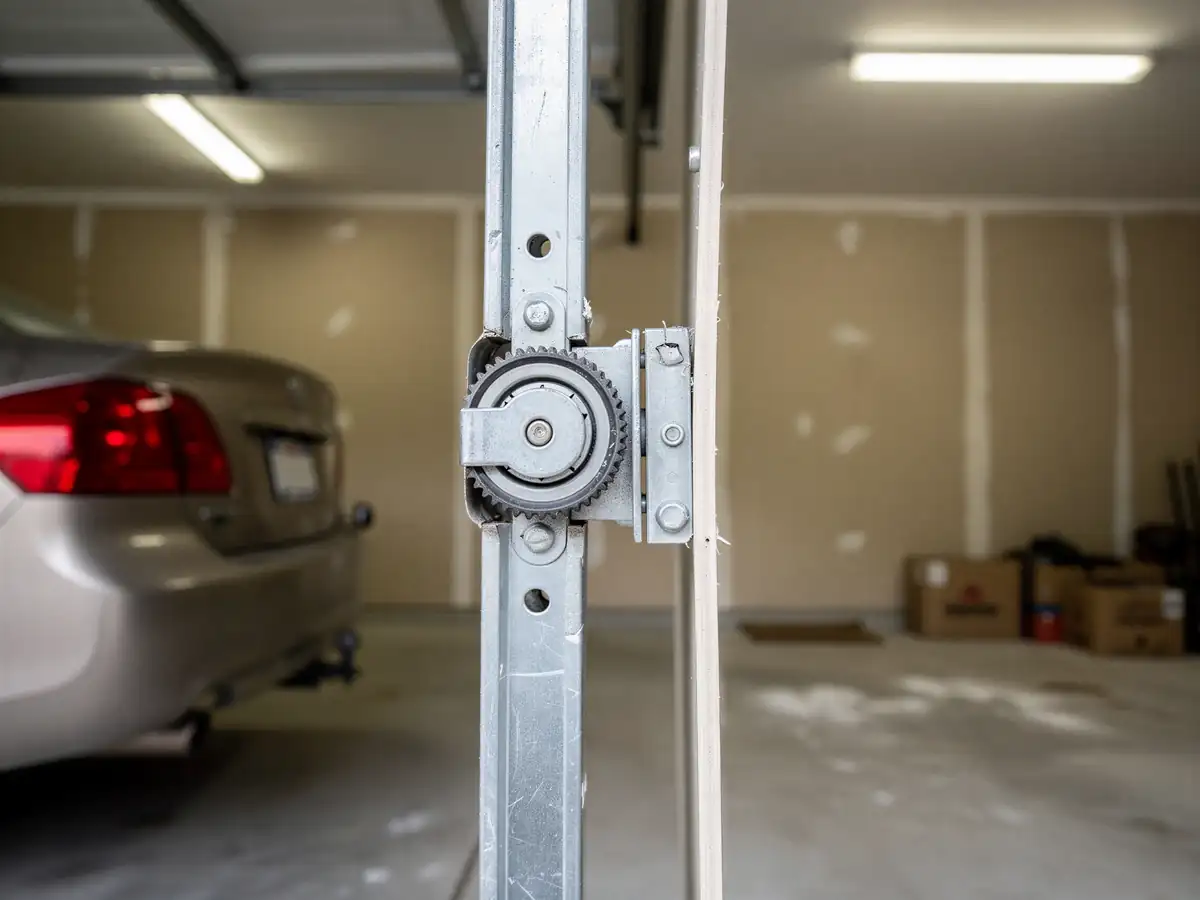
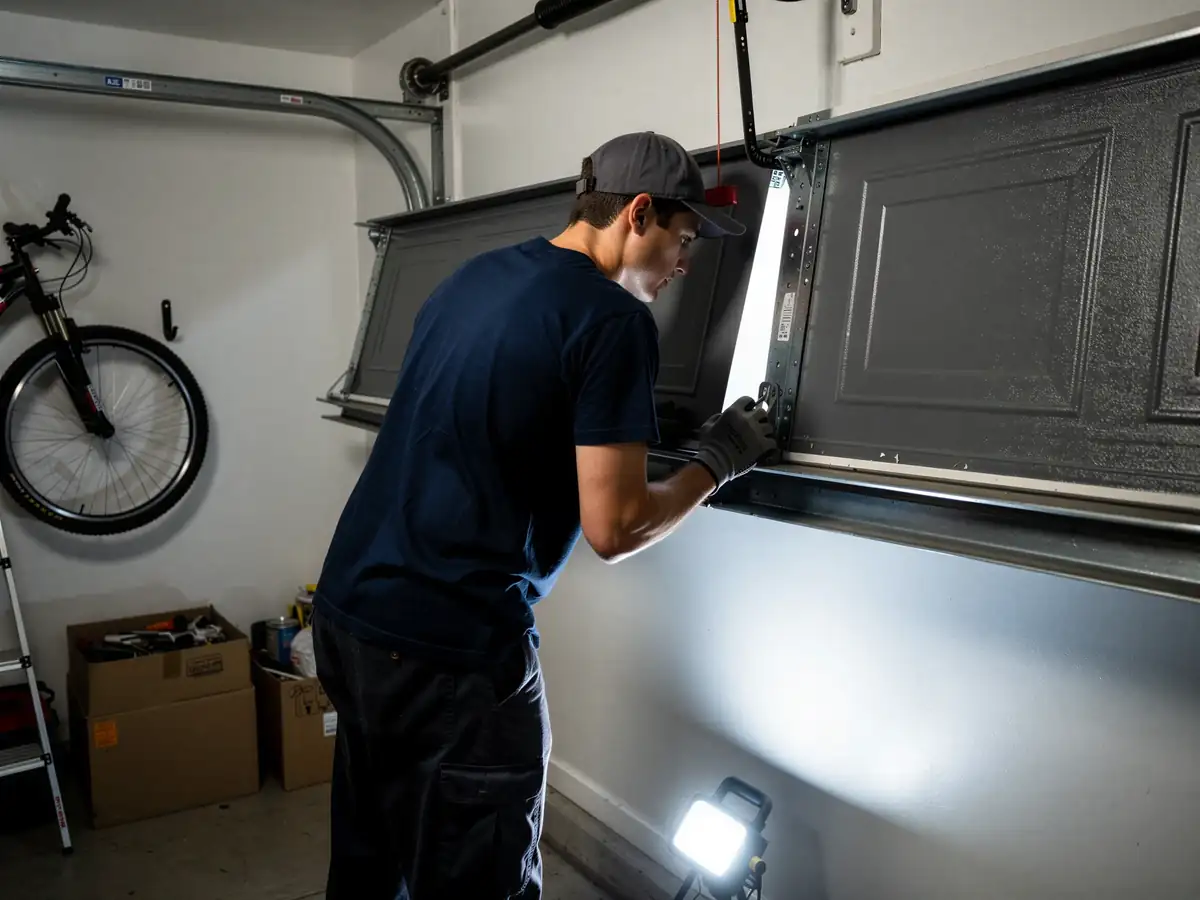
Another version: the door reverses on its own right after it starts closing, or won't close all the way. On a 2000s-era build this is often the safety sensors reacting to a door that's binding slightly in the track, not a sensor problem itself. Original track and roller setups in houses from this era weren't adjusted for two decades of use, and small amounts of drift in the track alignment show up first as this kind of reversal.
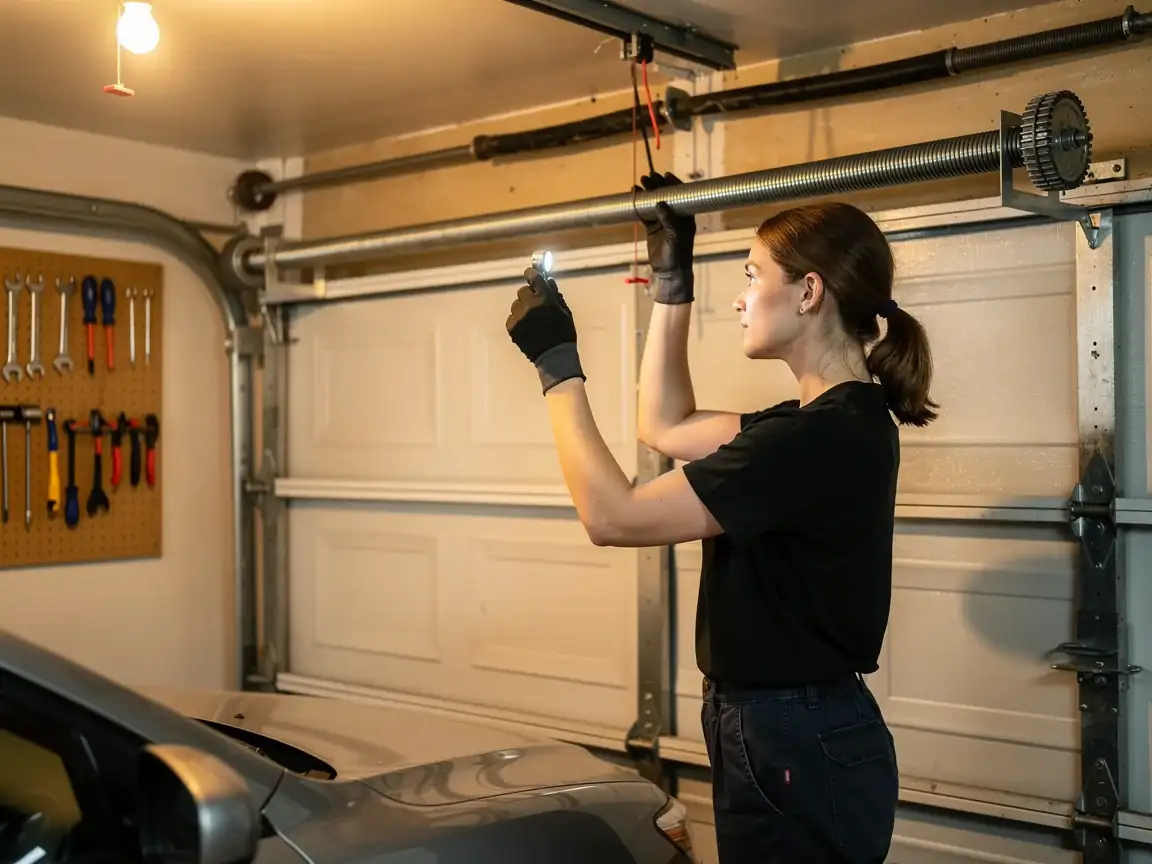
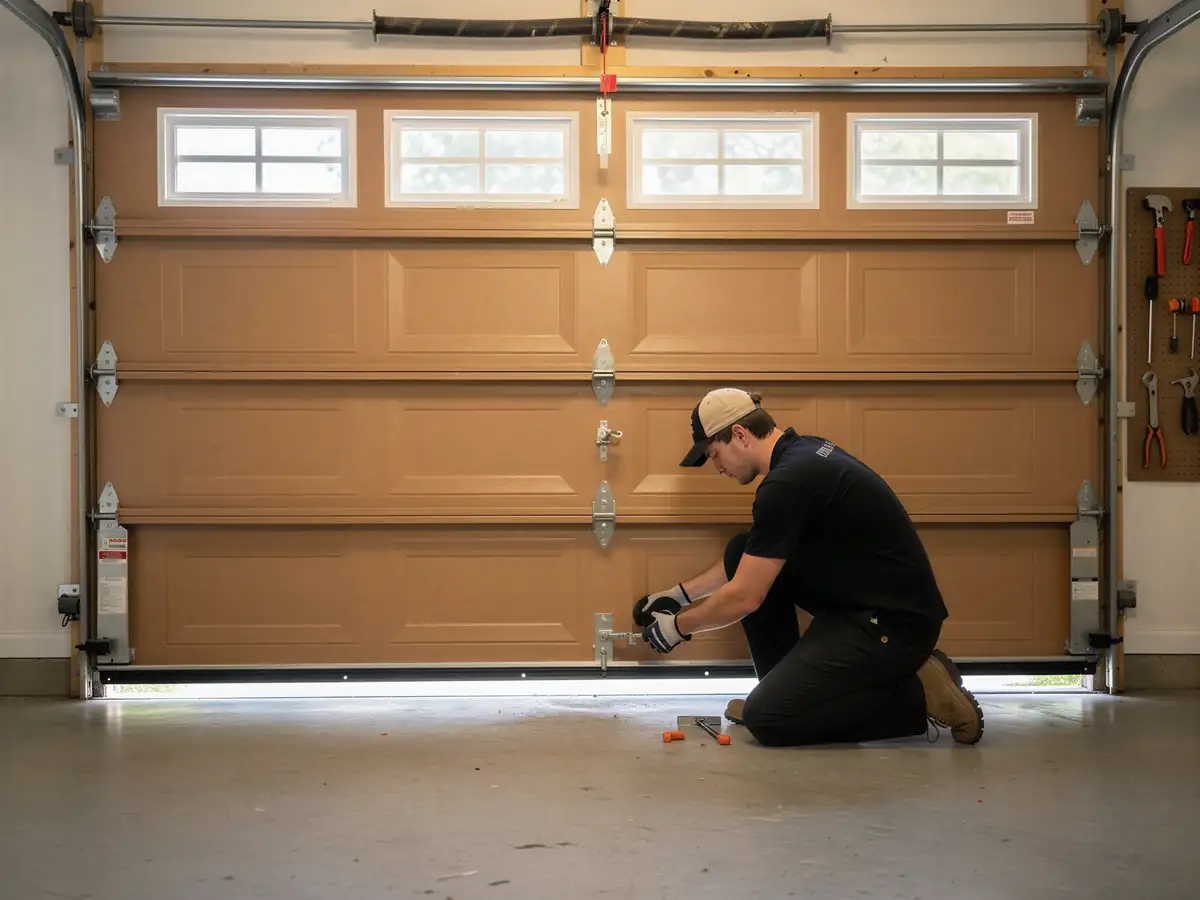
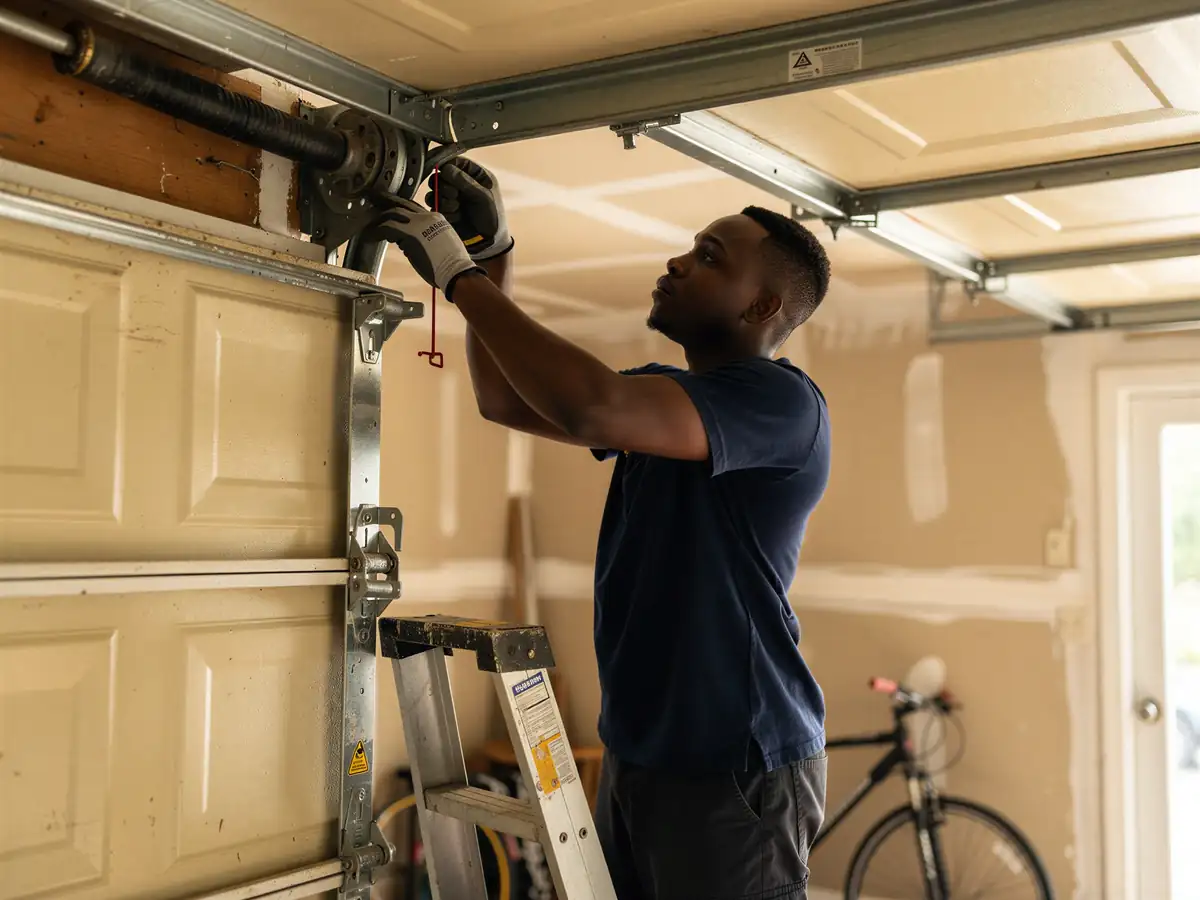
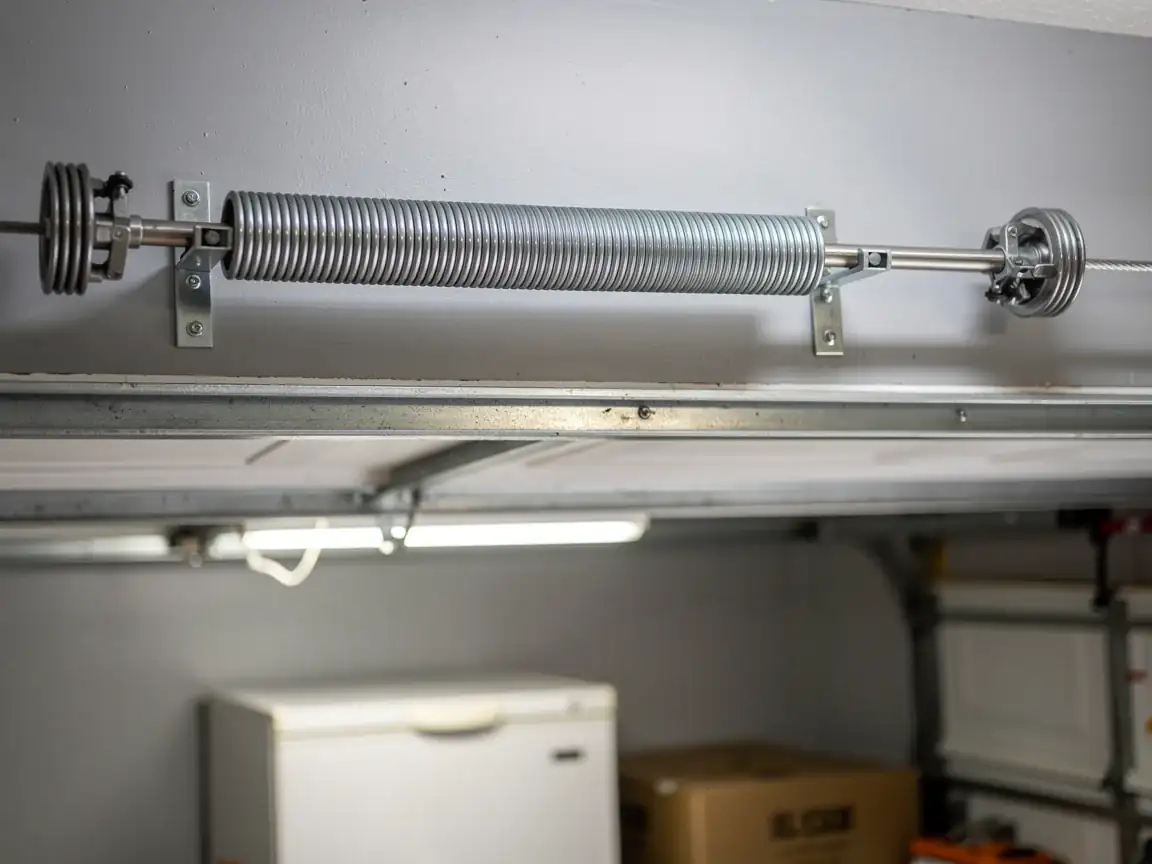
If you're hearing a grinding or popping sound at the top of the door's travel, that's frequently the spring itself, and it's worth getting looked at before it lets go completely - a spring that fails while the door is up can drop the door hard.
Can You Do This Yourself
Some of this is fine to handle on your own
Wiping down and lubricating rollers, hinges, and the track with a proper garage door lubricant a couple of times a year is simple, cheap, and genuinely helps with the freeze-related stiffening this area sees. Checking that the photo-eye sensors near the floor are clean and aimed at each other takes two minutes and fixes a surprising number of reversal complaints.
What you shouldn't do yourself is anything involving the torsion spring
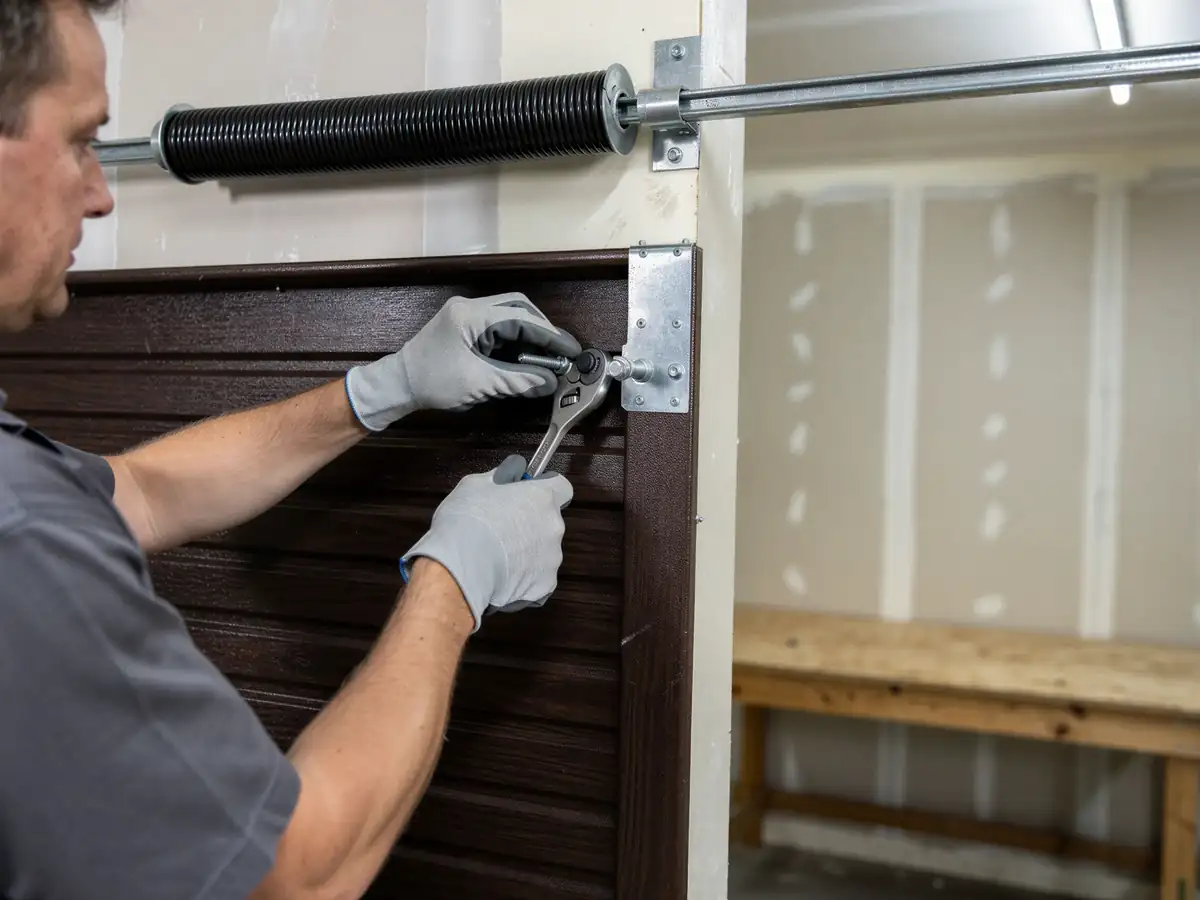
These springs are wound under heavy tension to lift a door that can weigh well over a hundred pounds, and adjusting or replacing one with the wrong tools is how people end up in the emergency room. If your door's noise or hesitation is coming from the spring side rather than the rollers or sensors, that's a call for someone with the right winding bars and clamps, not a weekend project.
We'll be straight with you here
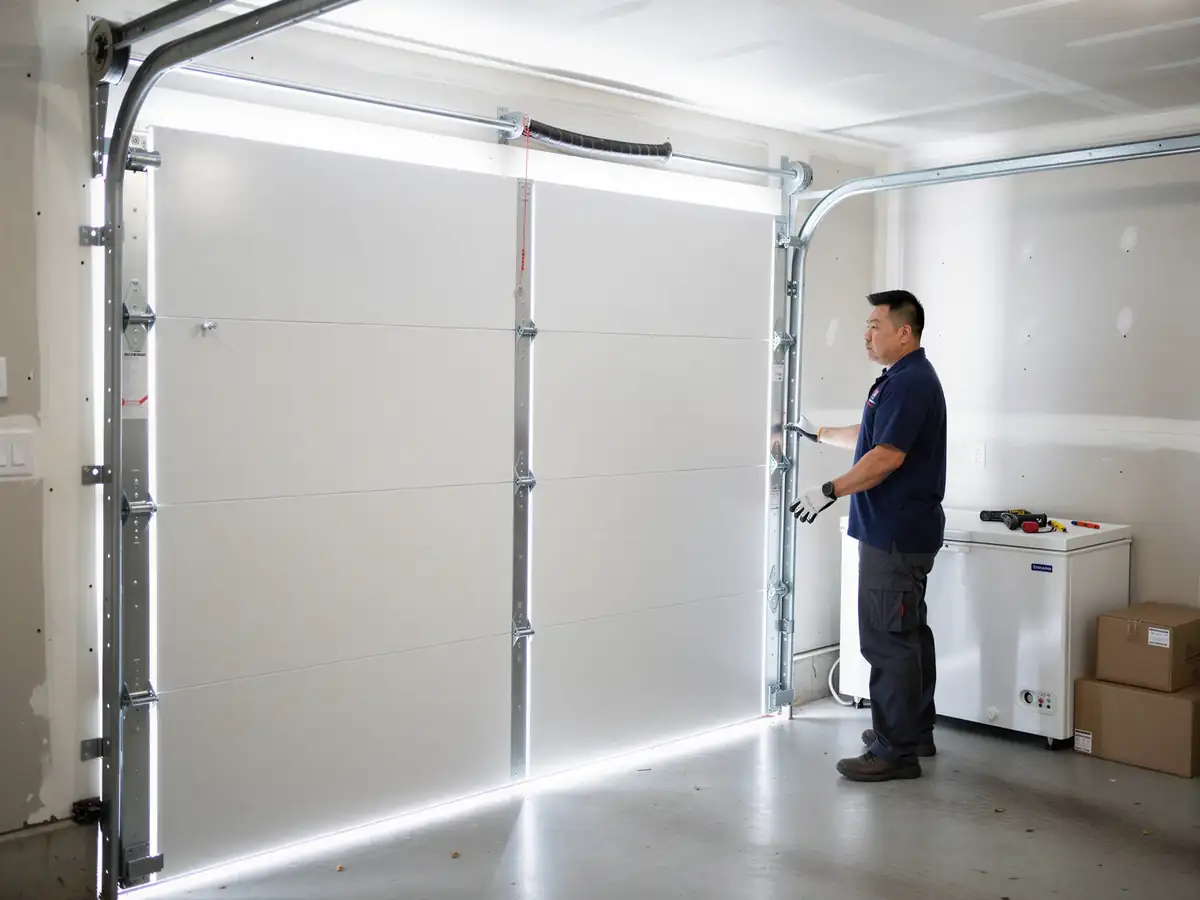
If your opener and springs are both original to a house built in the early 2000s, replacing both at once is often more sensible than patching one and waiting on the other to fail next. We can tell you which situation you're in before any work starts.
How to Book
If your door is making new noise, hesitating, or reversing when it shouldn't, get it looked at before it becomes a dropped door or a dead opener on a morning you need to leave for work. We cover Wylie and the surrounding area out to places like St. Paul, Murphy, Lucas, and Parker, so if you're near any of those and dealing with the same aging 2000s-stock hardware, the same diagnosis applies.
Start from our home page to see current scheduling. Tell us what the door is doing - loud, slow, reversing, or just plain stuck - and we'll bring the right parts out based on that instead of guessing on-site.