How That Shows Up in the Door
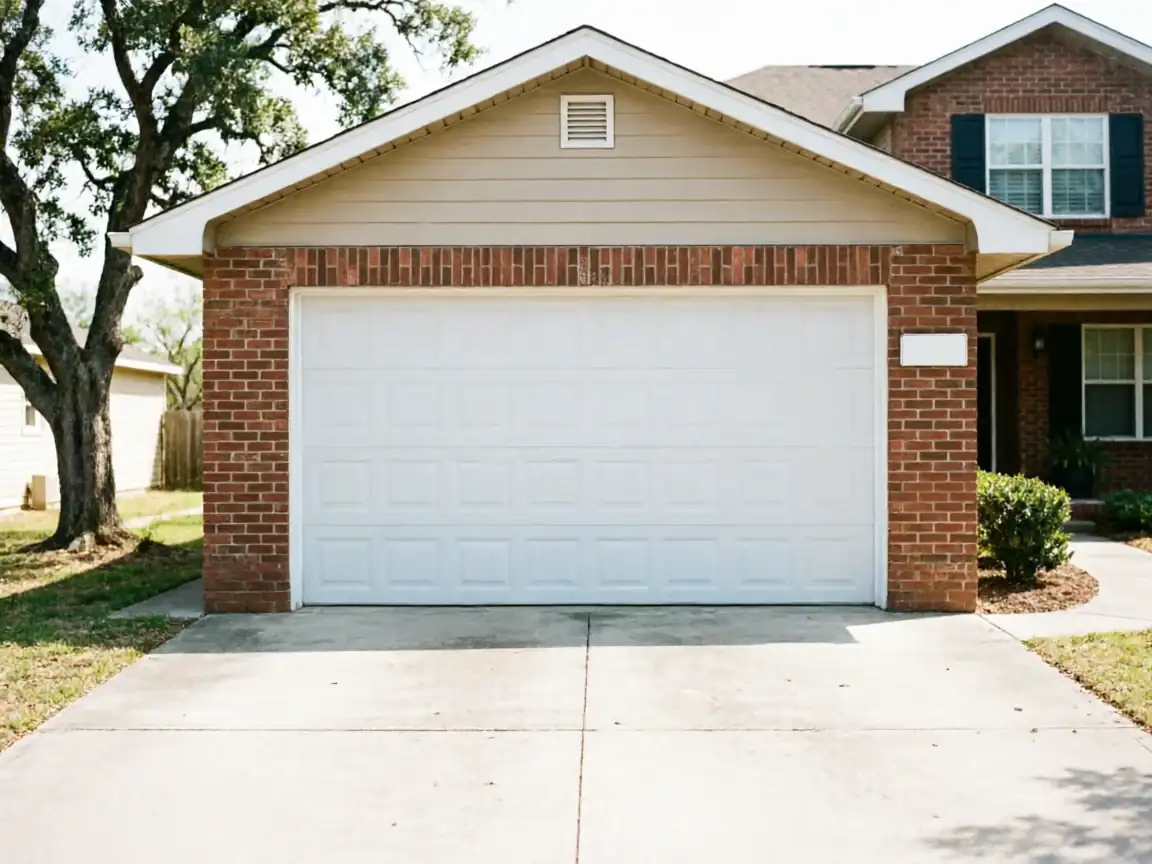
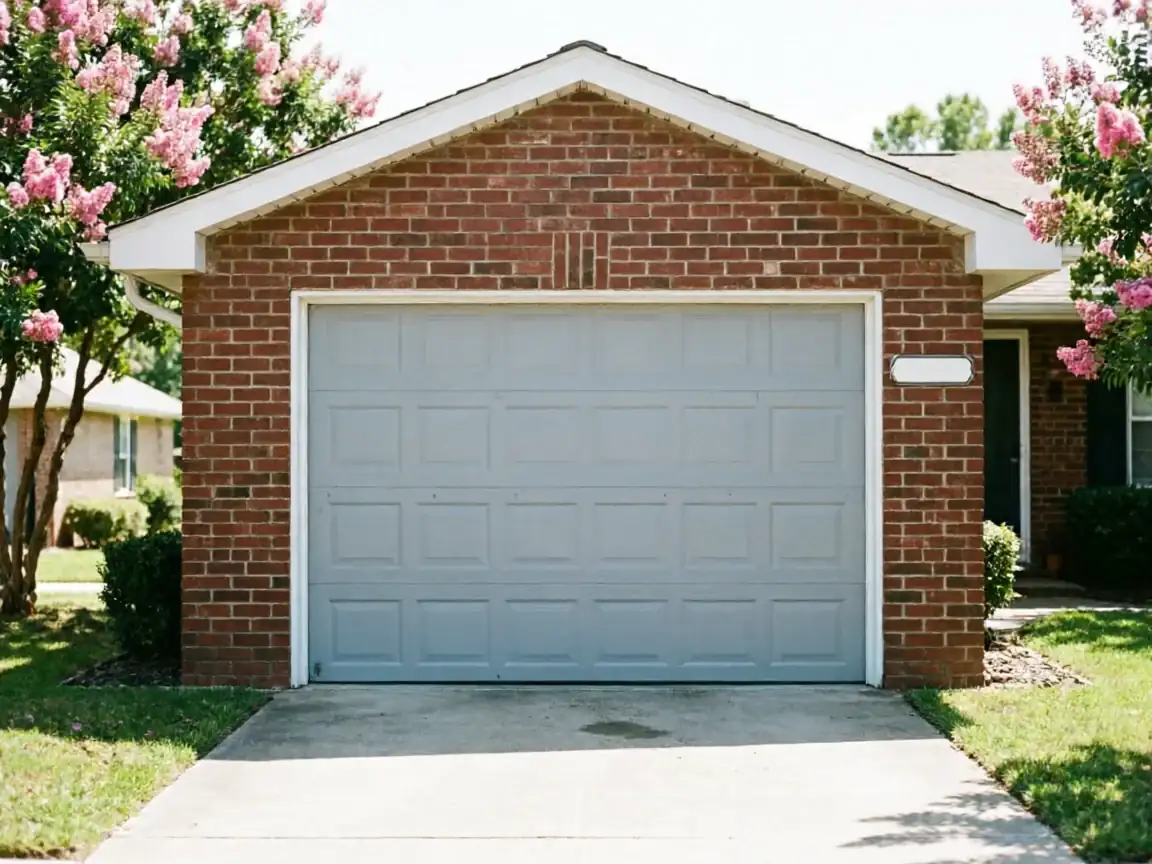
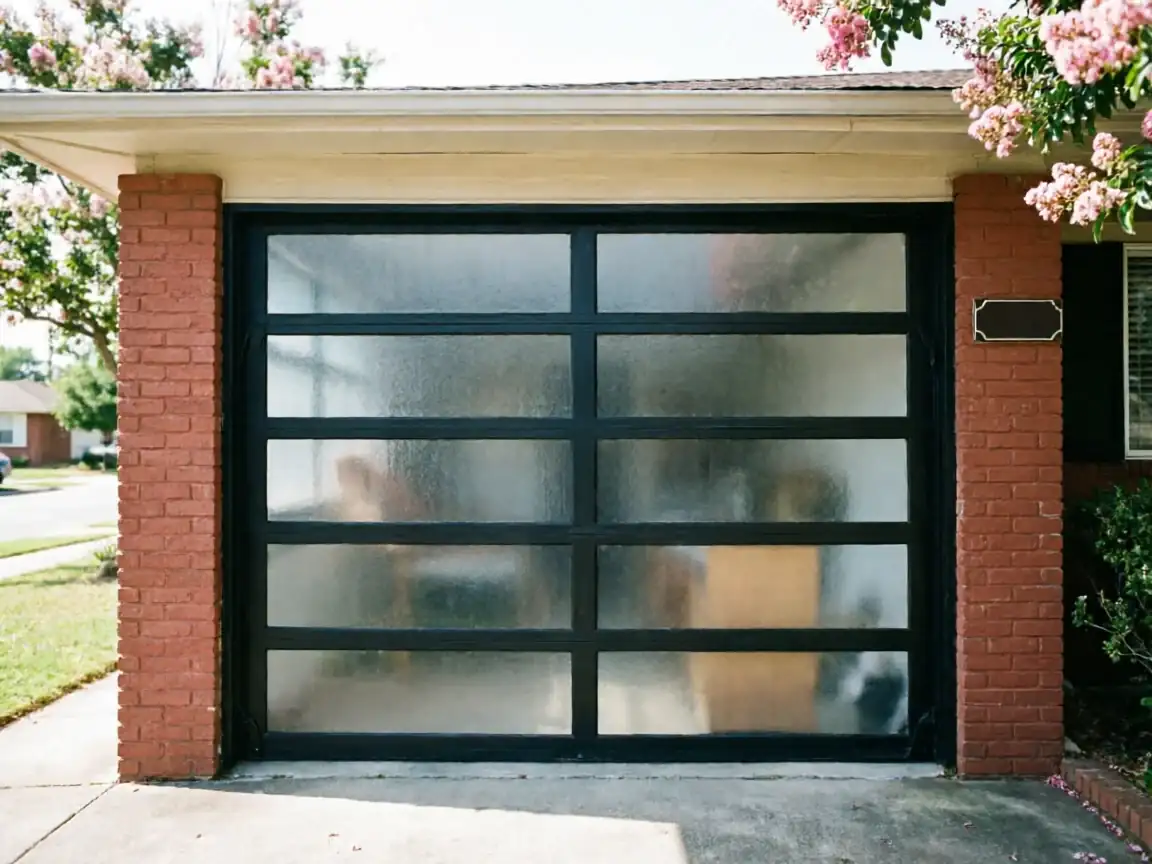
Parker sits about 6 miles from our shop in Wylie, and the houses out here were mostly built new rather than inherited from an older subdivision. That matters more than it sounds like it should. A door installed in 2003 or 2008 isn't fighting rot or a warped jamb the way an older place might - it's fighting factory-grade torsion springs and builder-tier openers that were specced to a budget, not to last forty years.
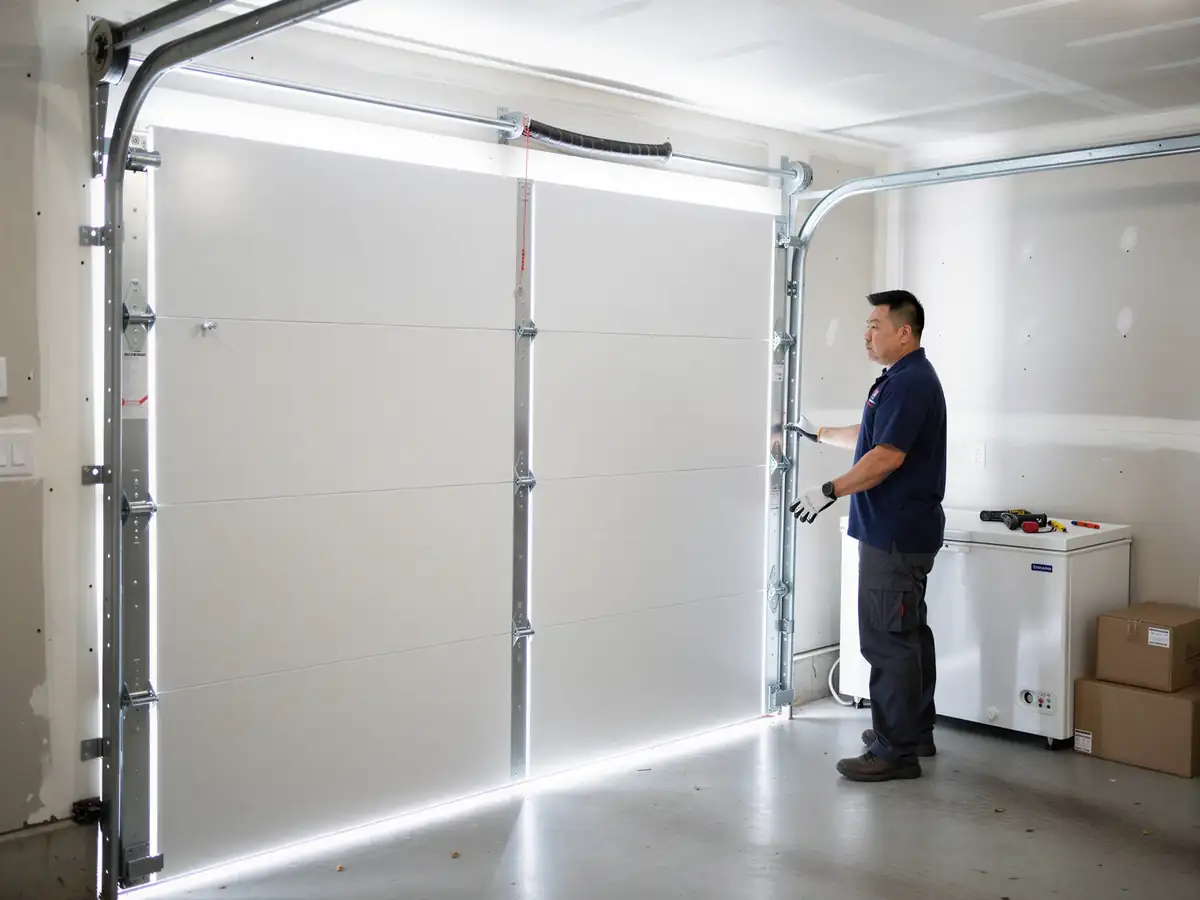
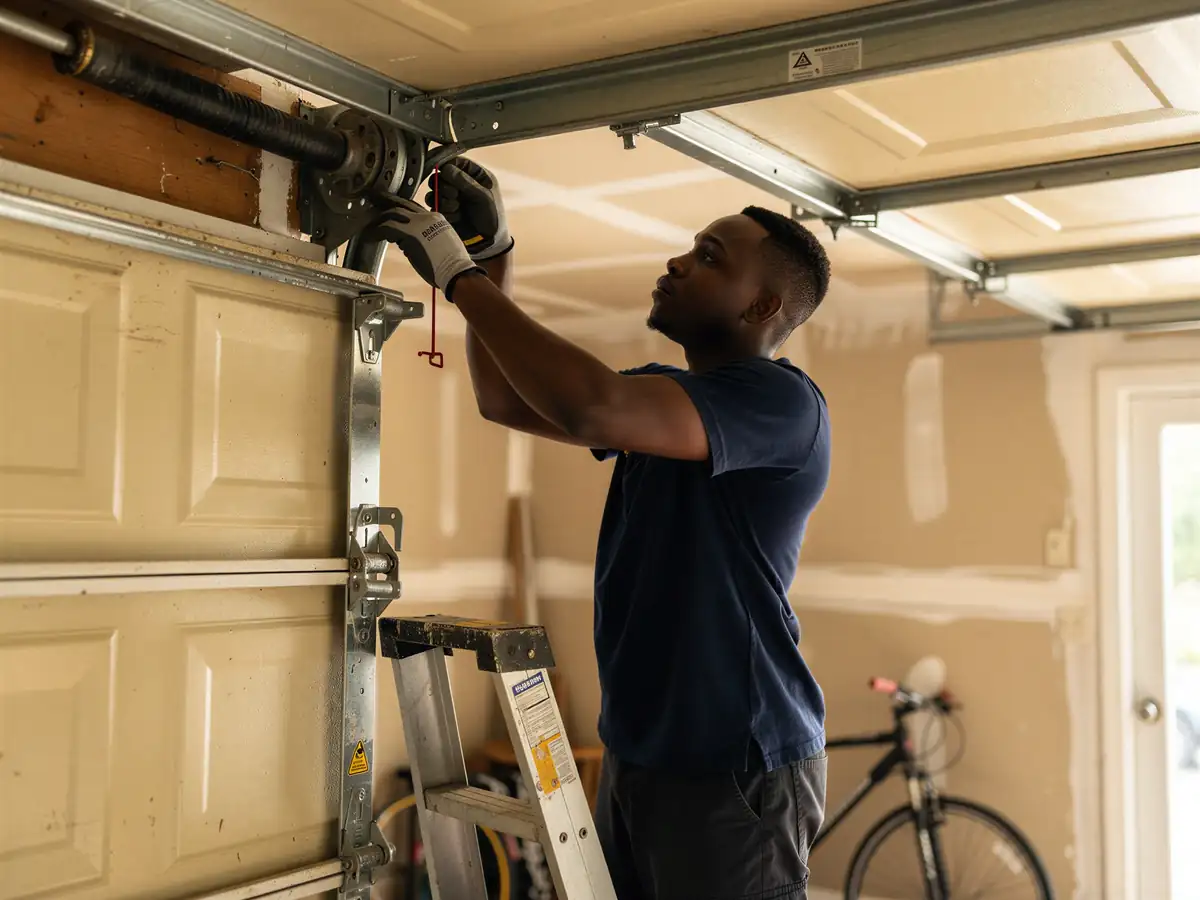
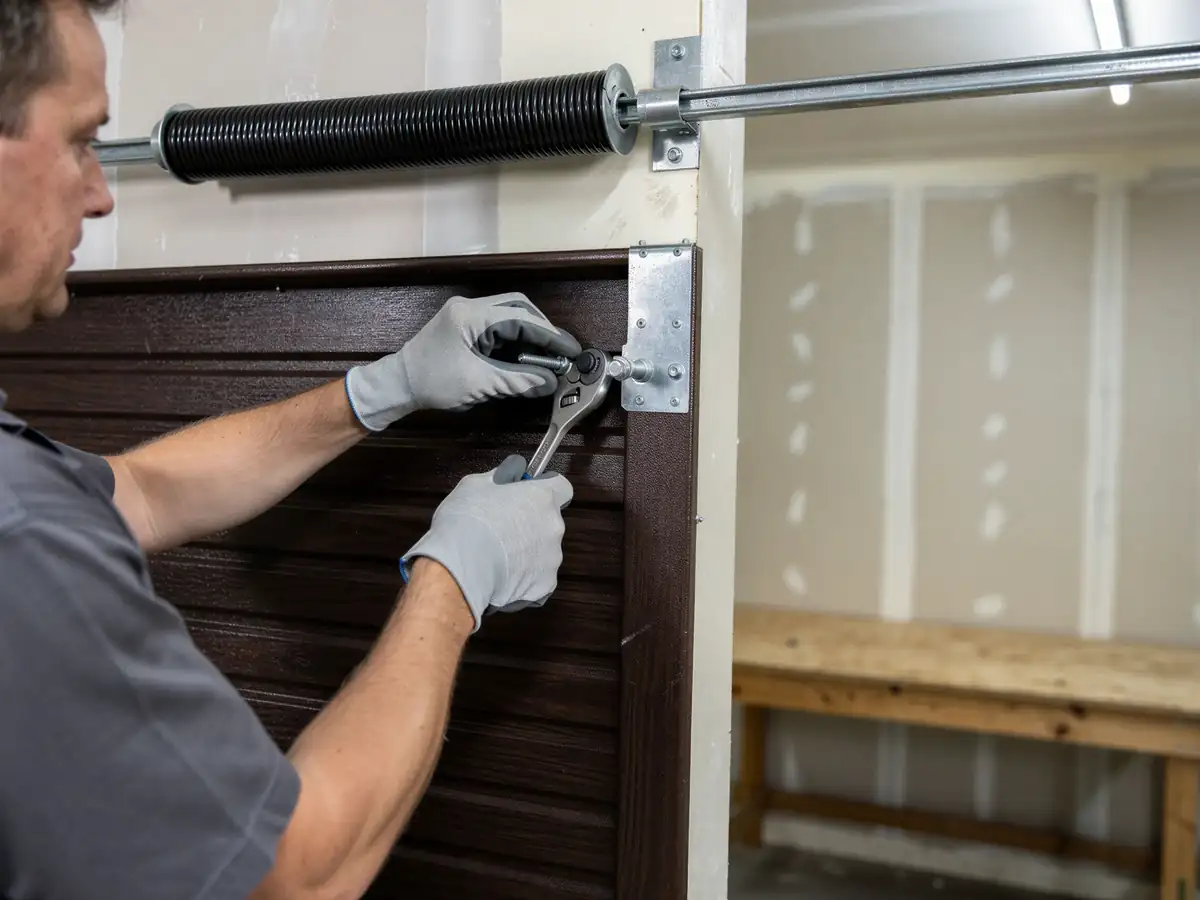
With roughly 1,553 households in Parker, and a build era centered on 2005, the common failure we see isn't structural, it's wear-out on parts that were fine for the first decade and are now past their rated cycle count. Springs sized for a lighter door that got swapped once for a heavier insulated panel. Openers with circuit boards that don't like the humidity swings even in a mild climate. None of this needs a redesign - it needs the right-gauge spring and a motor that matches the door's actual weight, not the one that came with the house.
We don't treat a 2005-built door like a 1985 one, and we don't treat it like brand new either. It's its own category, and most of our Parker calls land squarely in it.
What We Will Not Take On
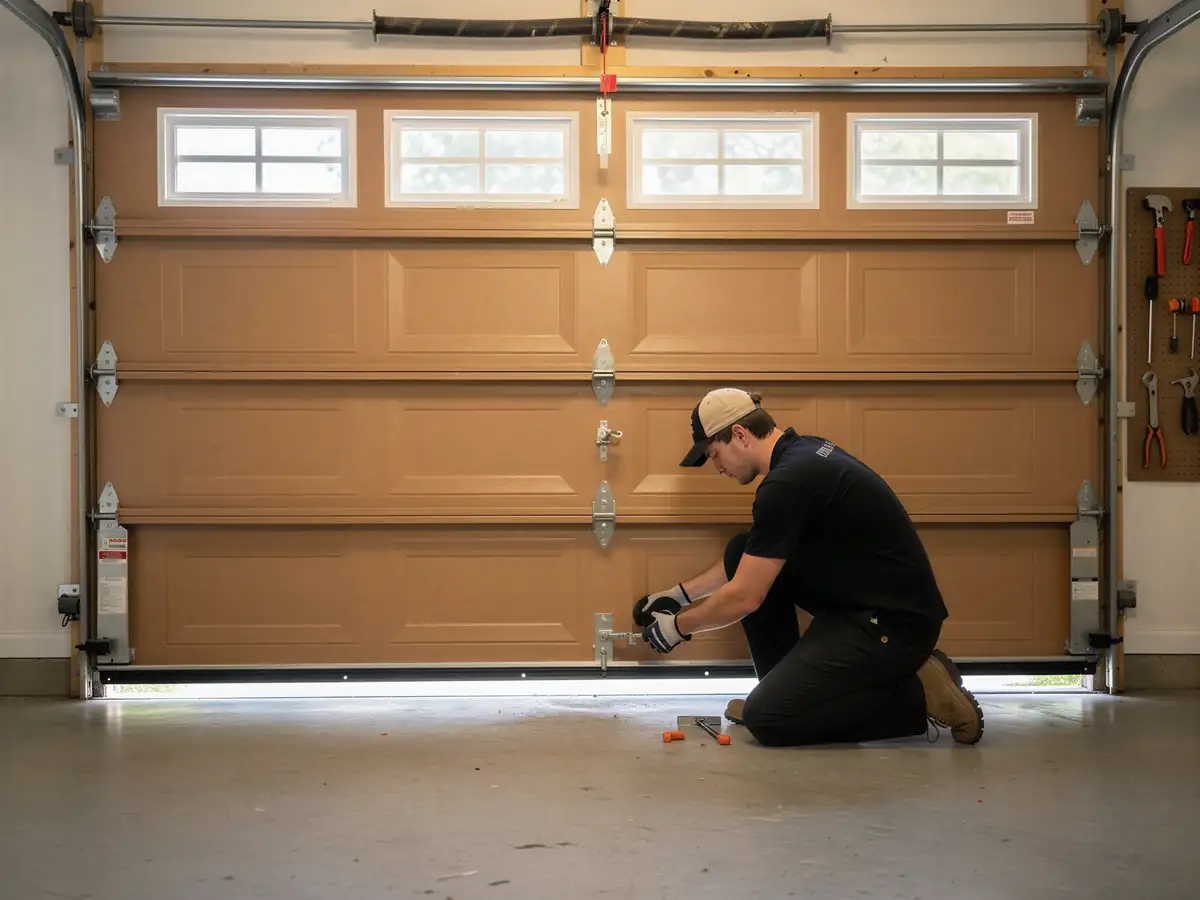
We won't drive out to replace a single roller or tighten a hinge - that's a five-minute DIY job and charging a trip fee for it from Wylie doesn't make sense for either of us. We also won't quote a repair over the phone sight-unseen on anything involving a bent track or a door that's come off one side of its hinges; those need eyes on the actual damage before we say what it costs.
If a panel is cracked beyond a cosmetic dent and the door is more than fifteen years old, we'll tell you straight that patching it is throwing money at a door that's going to need full replacement in a year or two anyway. We'd rather say that up front than sell a repair we don't believe in.
And we don't stock every obscure opener logic board. Builder-grade openers from the mid-2000s sometimes used boards that aren't made anymore, and if yours has failed in a way that needs that exact part, we'll tell you the honest lead time or recommend a straight opener swap instead of waiting weeks.
The Houses Here
Parker's median household income runs around $216,179
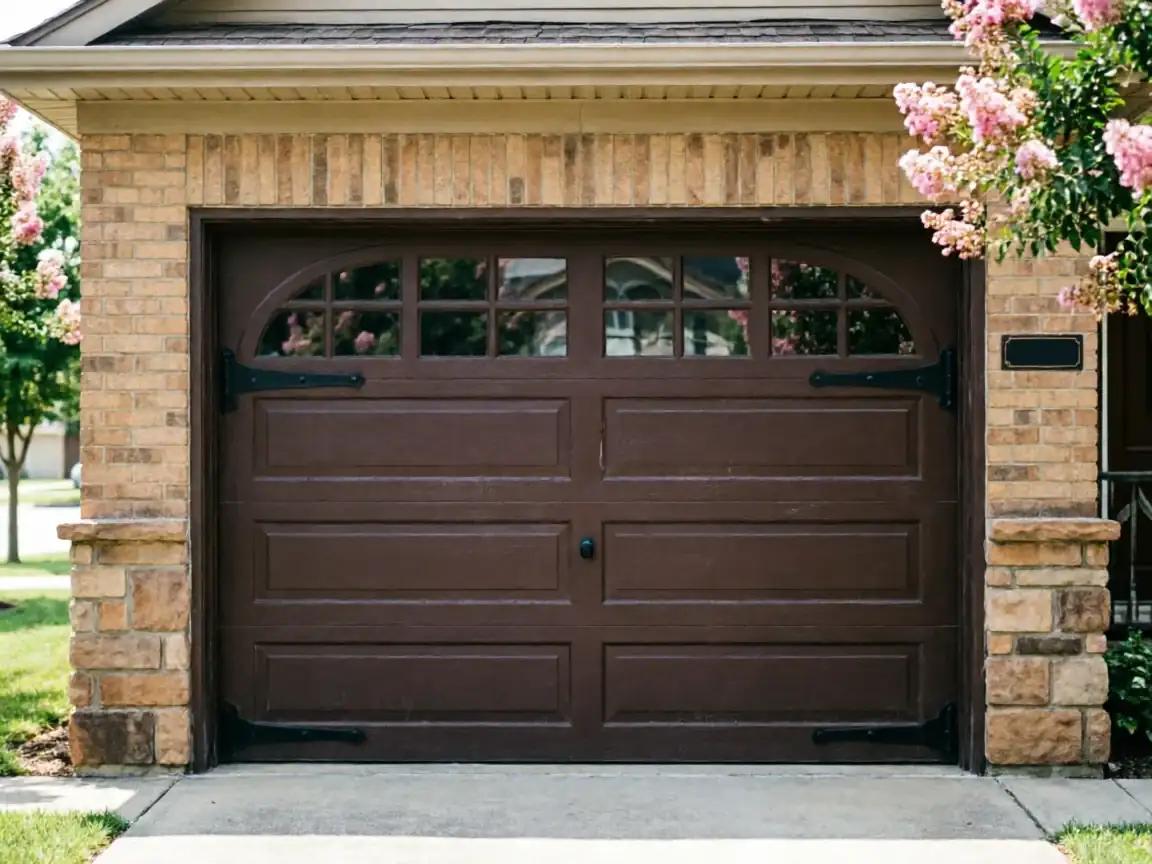
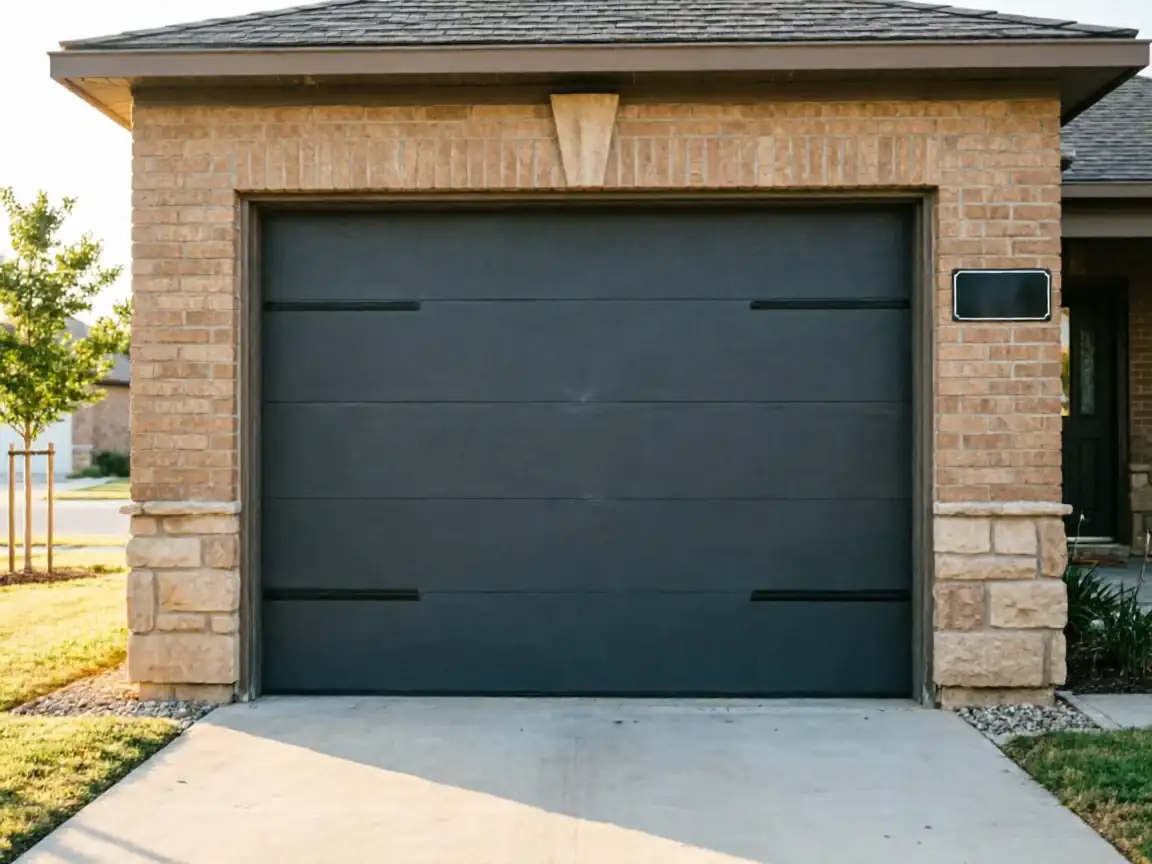
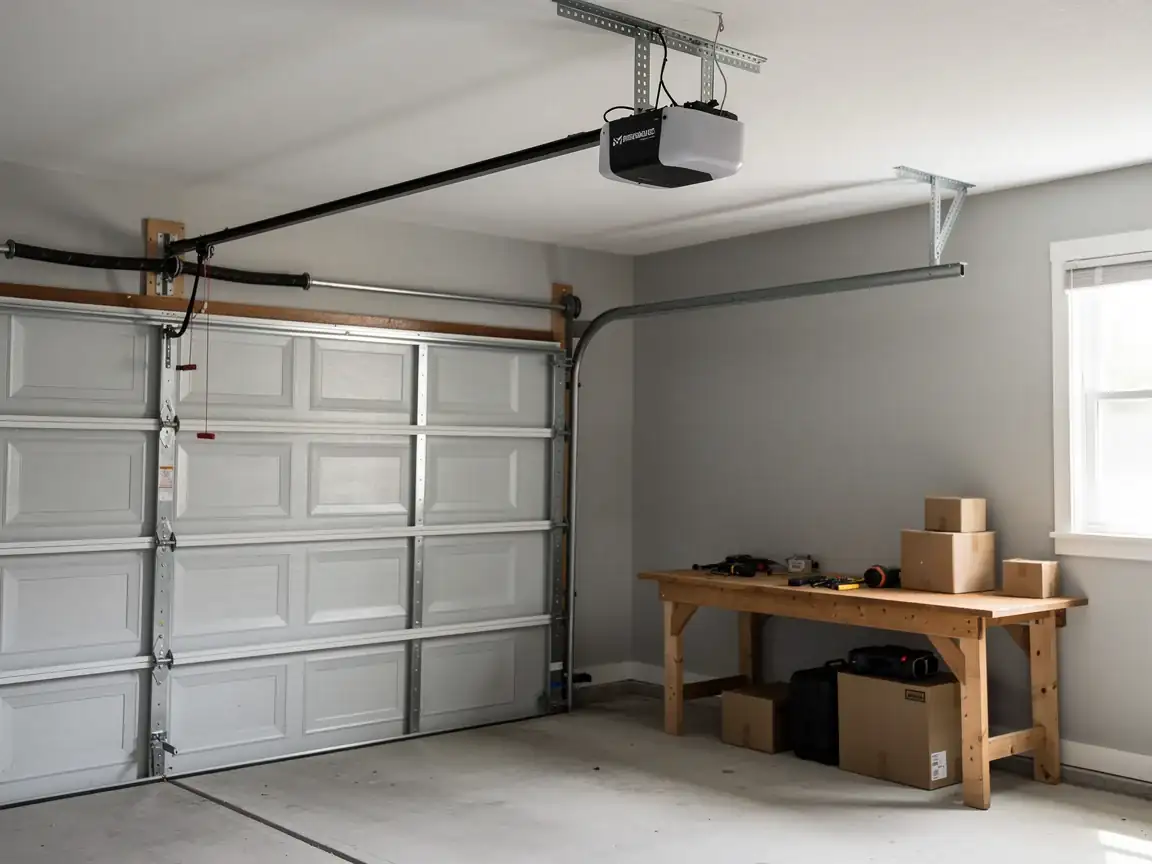
Well above the broader service-area median of $127,000 we see across the other communities we cover from Wylie. That income level tends to track with homes that got upgraded insulated steel doors and better openers when they were built, rather than the base builder package - but it also means more two-car and three-car garages with heavier doors, which puts more load on the torsion spring system than a single-door home ever will.
Across the wider area we work, there are 39,491 owner-occupied houses out of 48,073 households
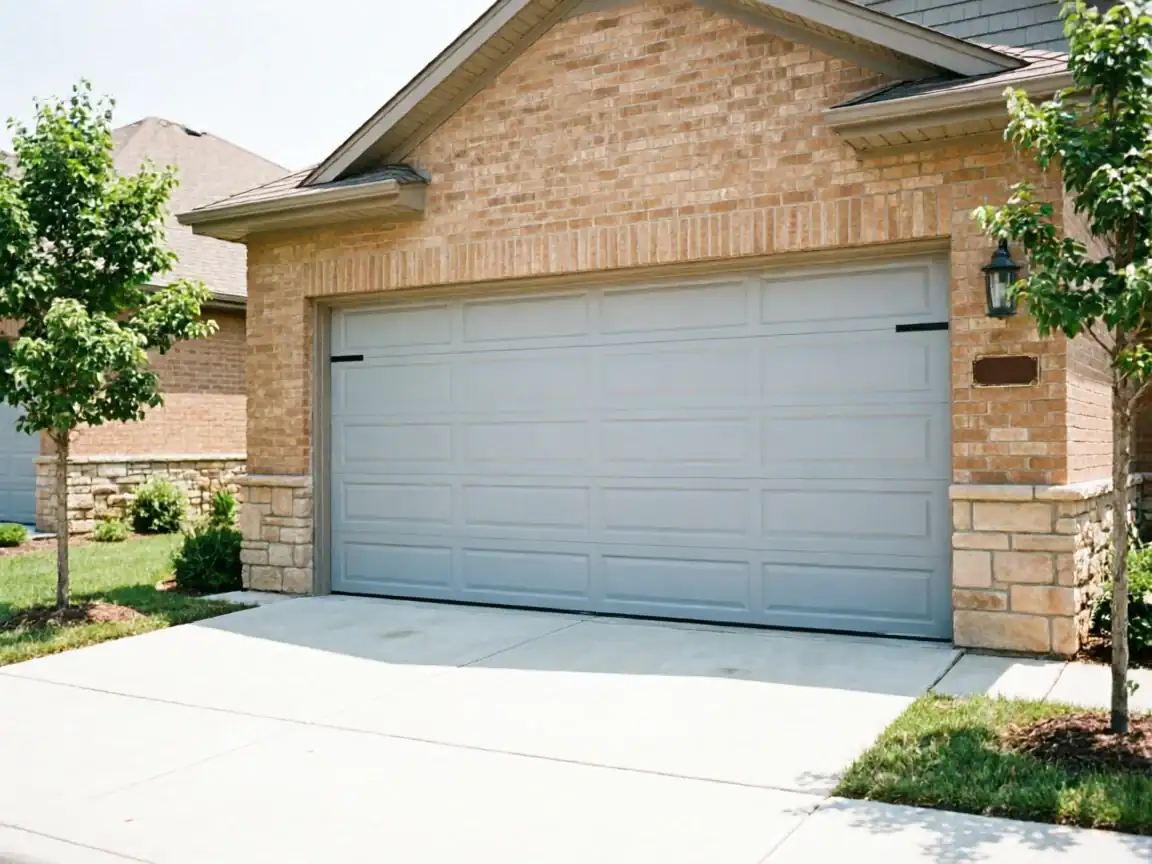
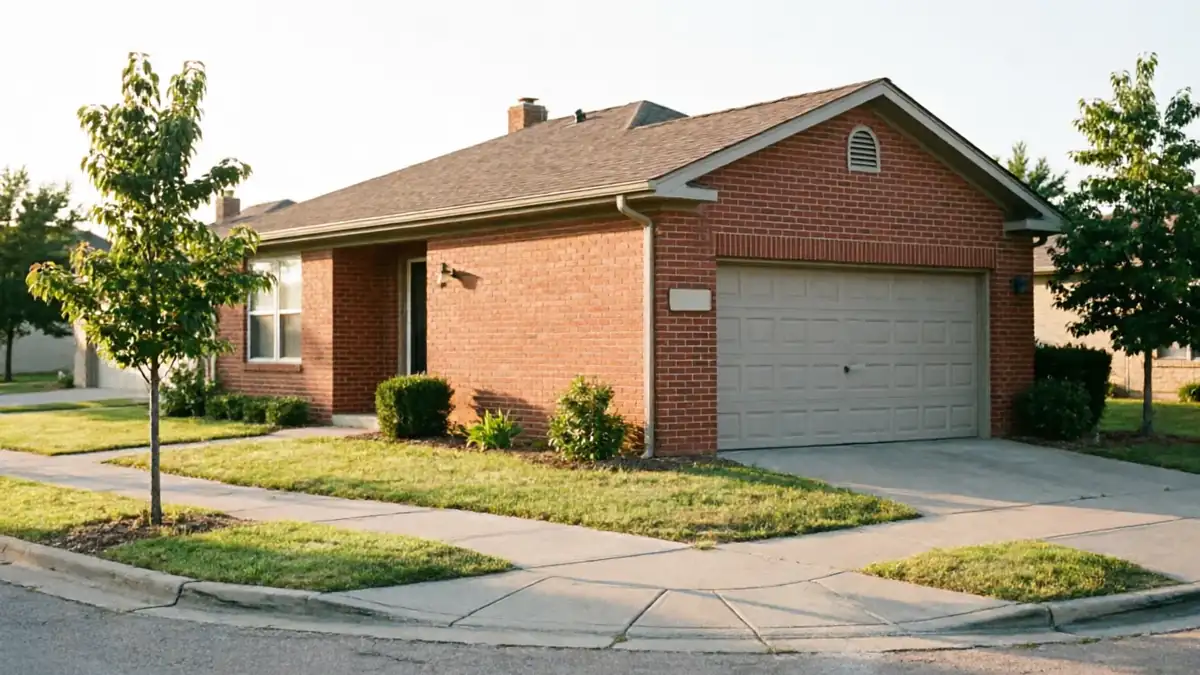
And Parker's housing fits that same 2000s-era mold described in that broader stock - built mostly in the 2000s, not retrofitted from an older stock. That consistency is actually useful: parts availability and hardware sizing stay predictable from one Parker street to the next instead of being a guessing game.
- 39,491 owner-occupied
- 48,073 households
Our climate band here is mild with occasional freeze
Which doesn't stress doors the way real freeze-thaw cycles do further north, but it still means steel contracts enough on the coldest nights to bind an opener's force settings if they haven't been adjusted since install.
The Calls We Get From Here
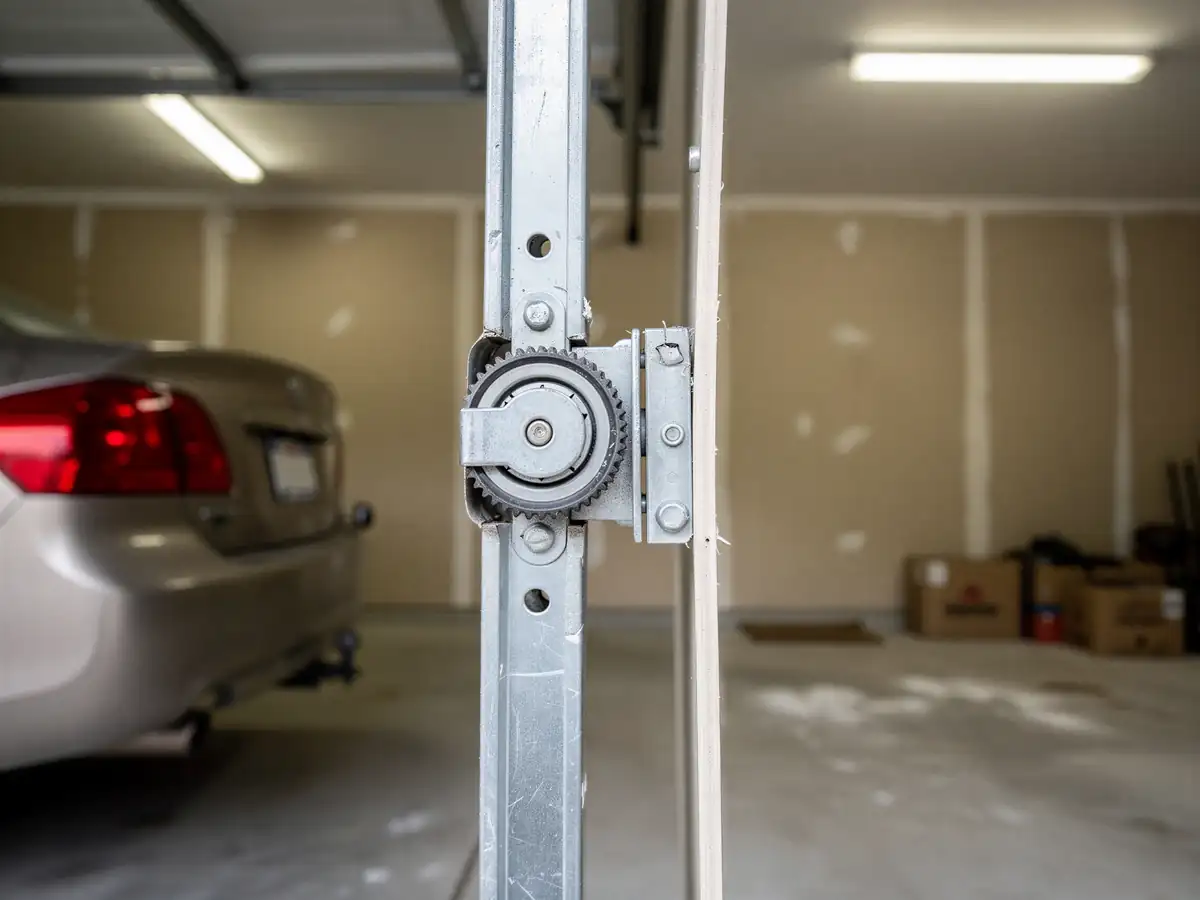
The most common call from Parker is a torsion spring that's gone on a two-car door - usually a house built in the early-to-mid 2000s where the original spring is simply at the end of its cycle life. Second most common is an opener that's started grinding or stalling partway up, which on a 2000s build is often the main gear inside the motor housing wearing out rather than anything electrical.
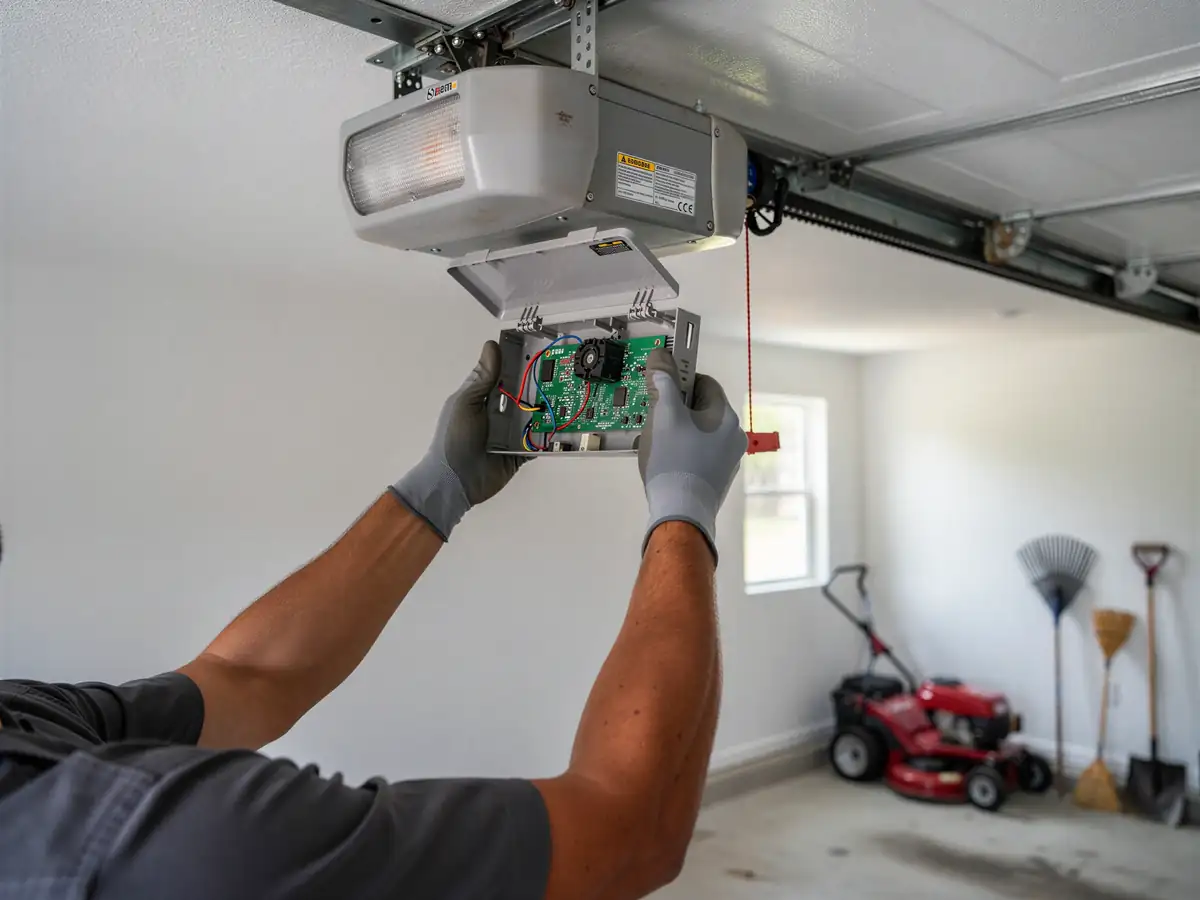
We also get calls about openers that won't respond to the remote at all, which on this era of house is sometimes a dying circuit board rather than a dead battery - worth checking before assuming the worst. Less often, we see a cable that's frayed on a heavier insulated door, which shows up more in Parker than in older, lighter-door neighborhoods simply because the doors here tend to be heavier from the start.
We travel out from Wylie for all of these. We don't keep a depot in Parker, so same-day isn't something we promise sight-unseen, but we'll give you a straight estimate of timing when you call.