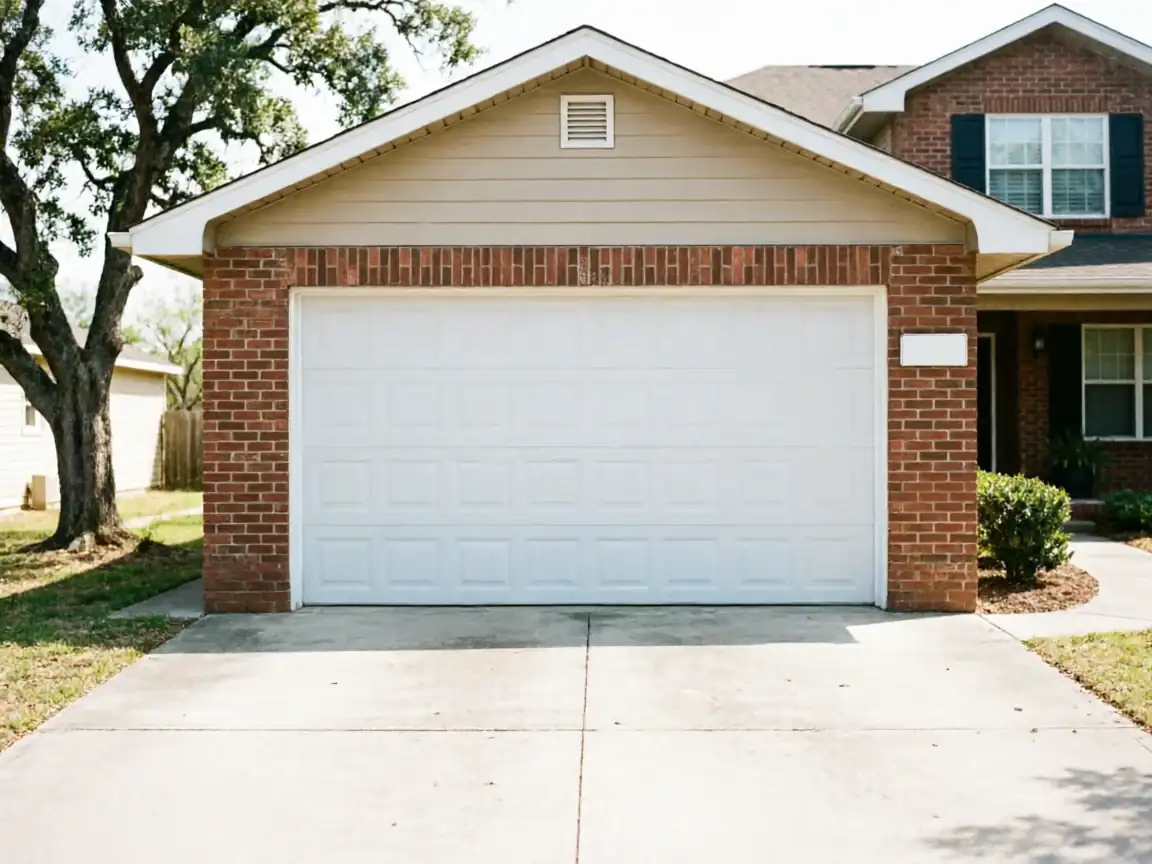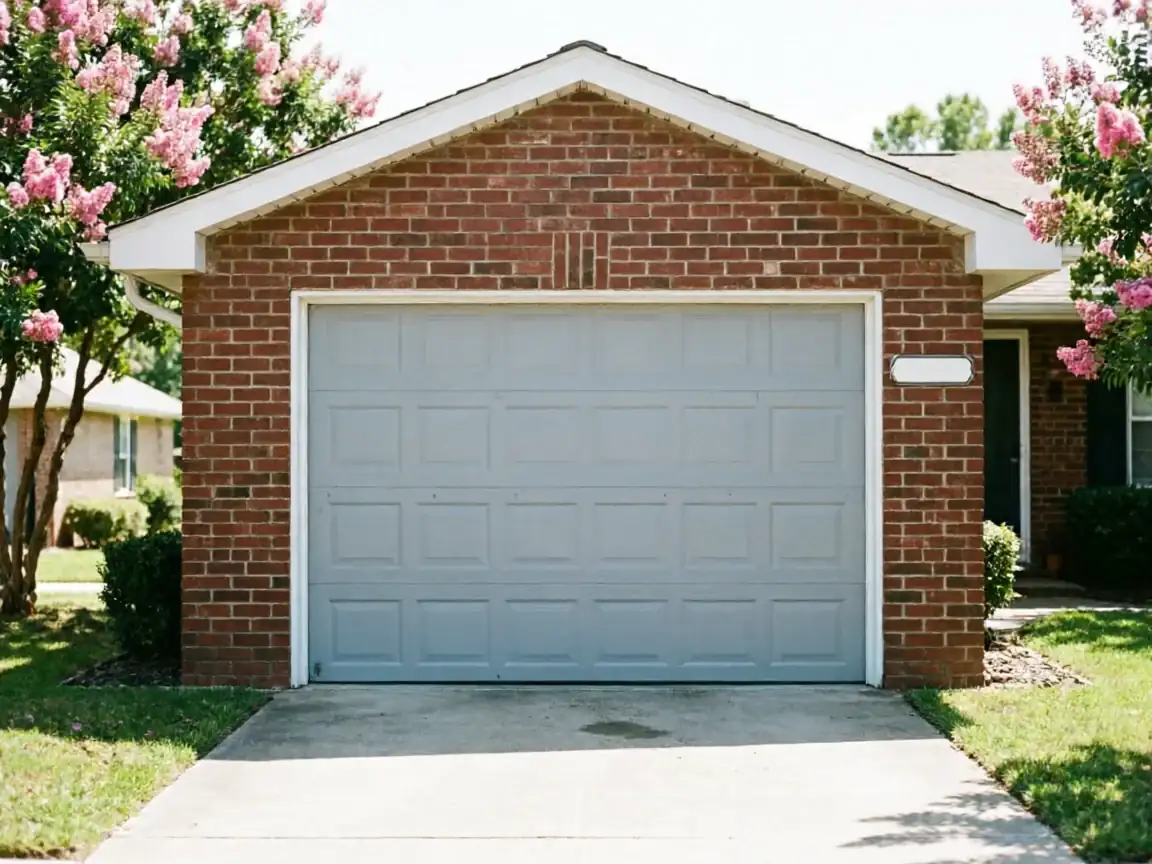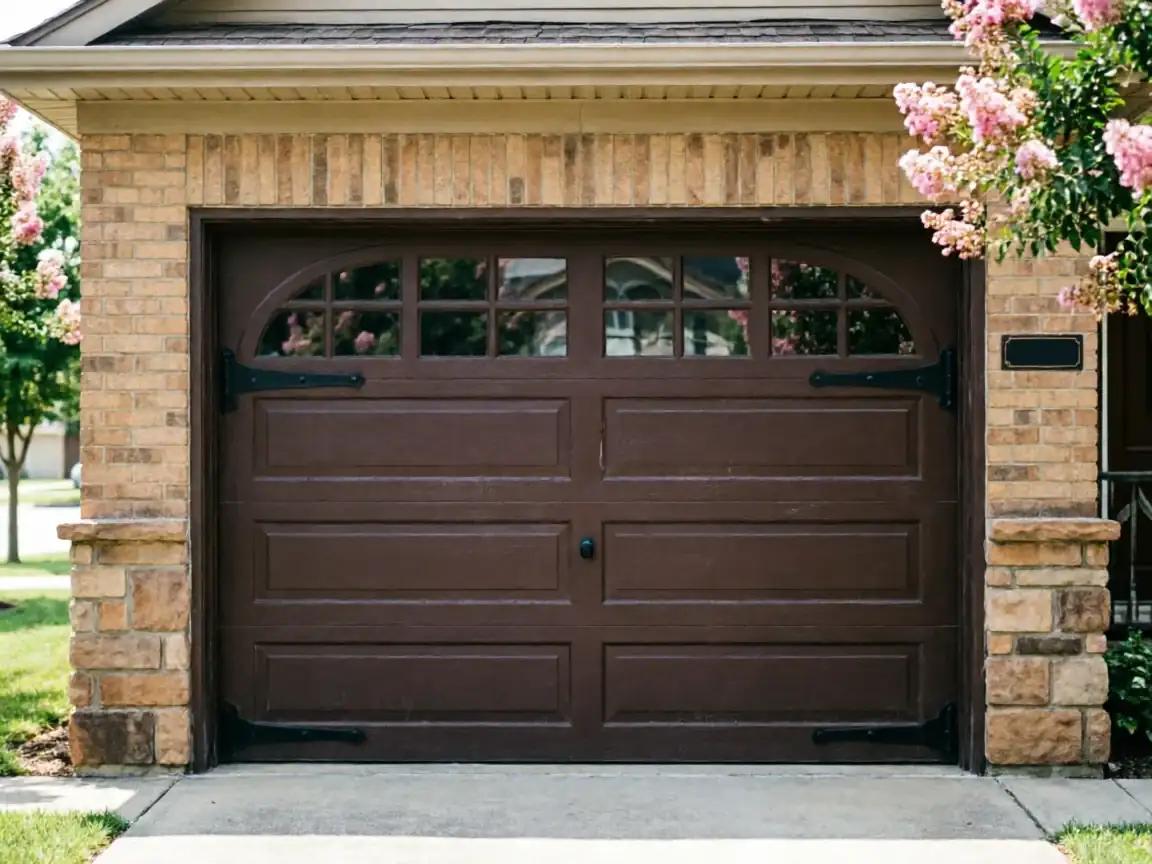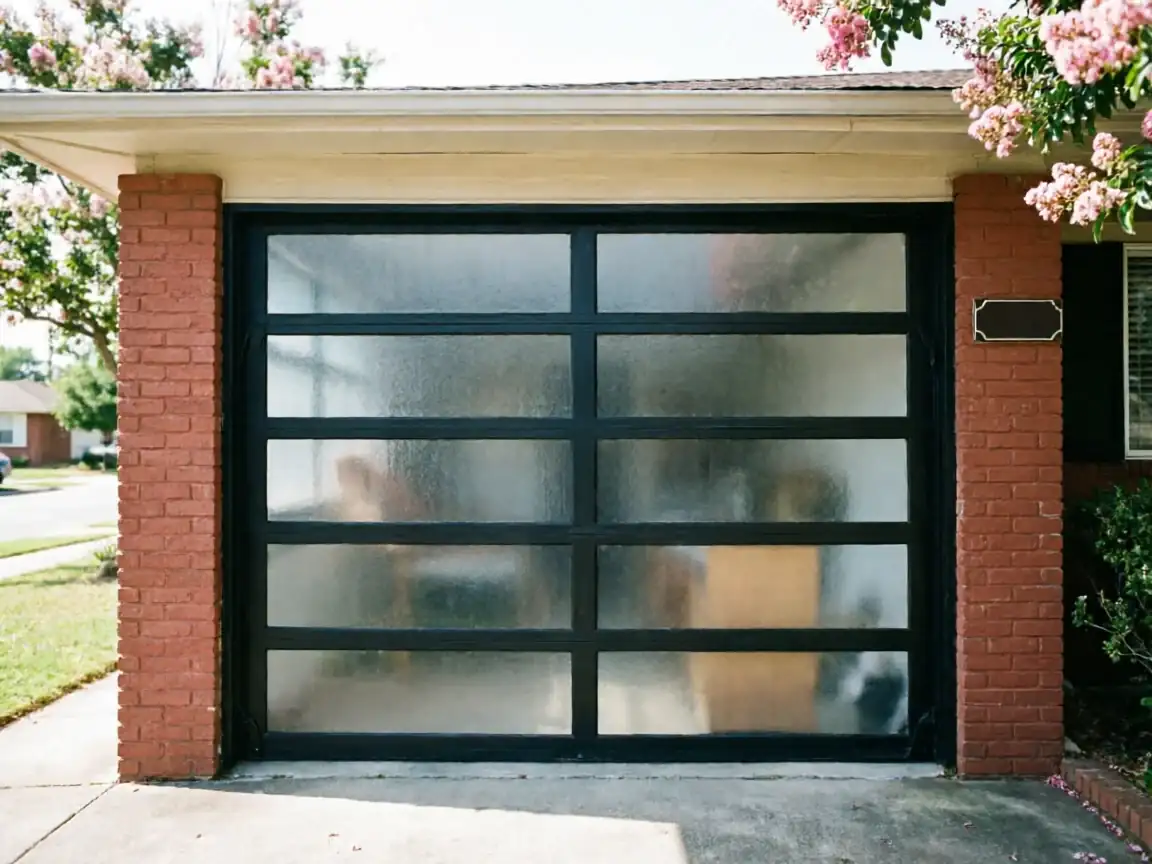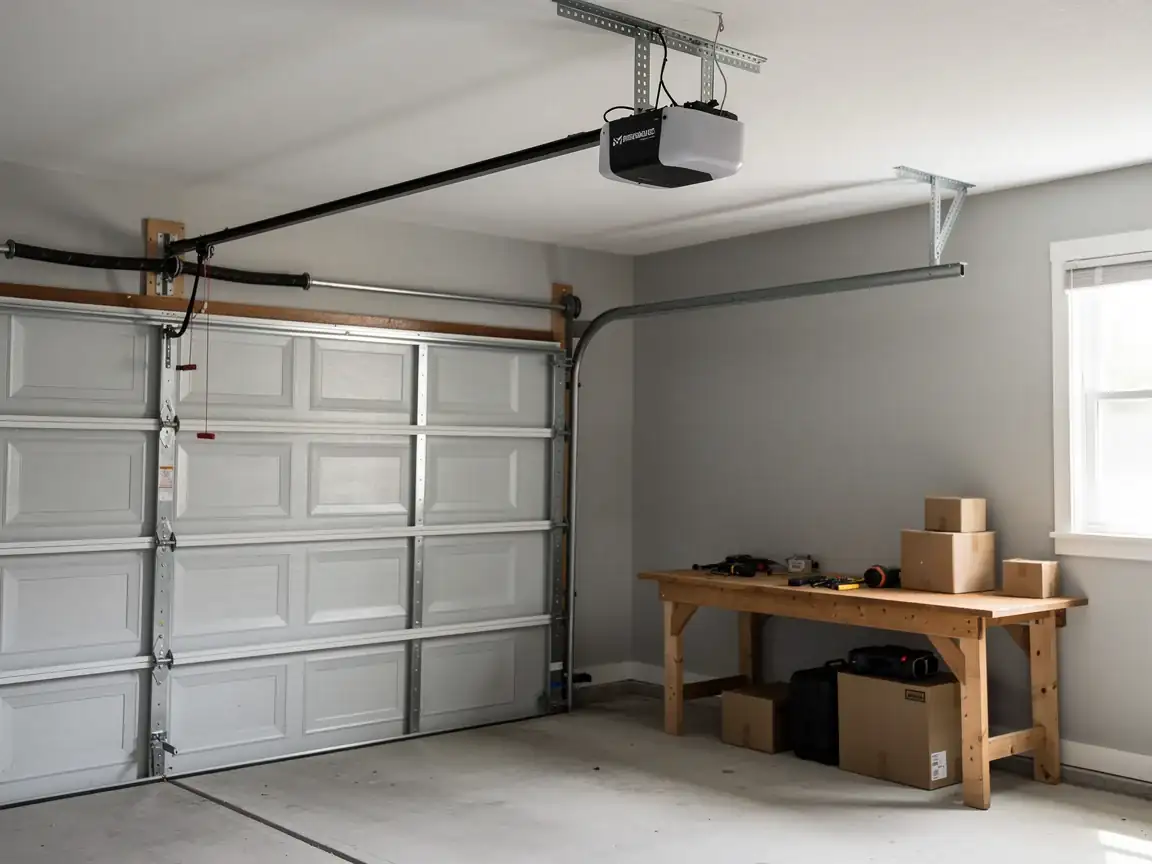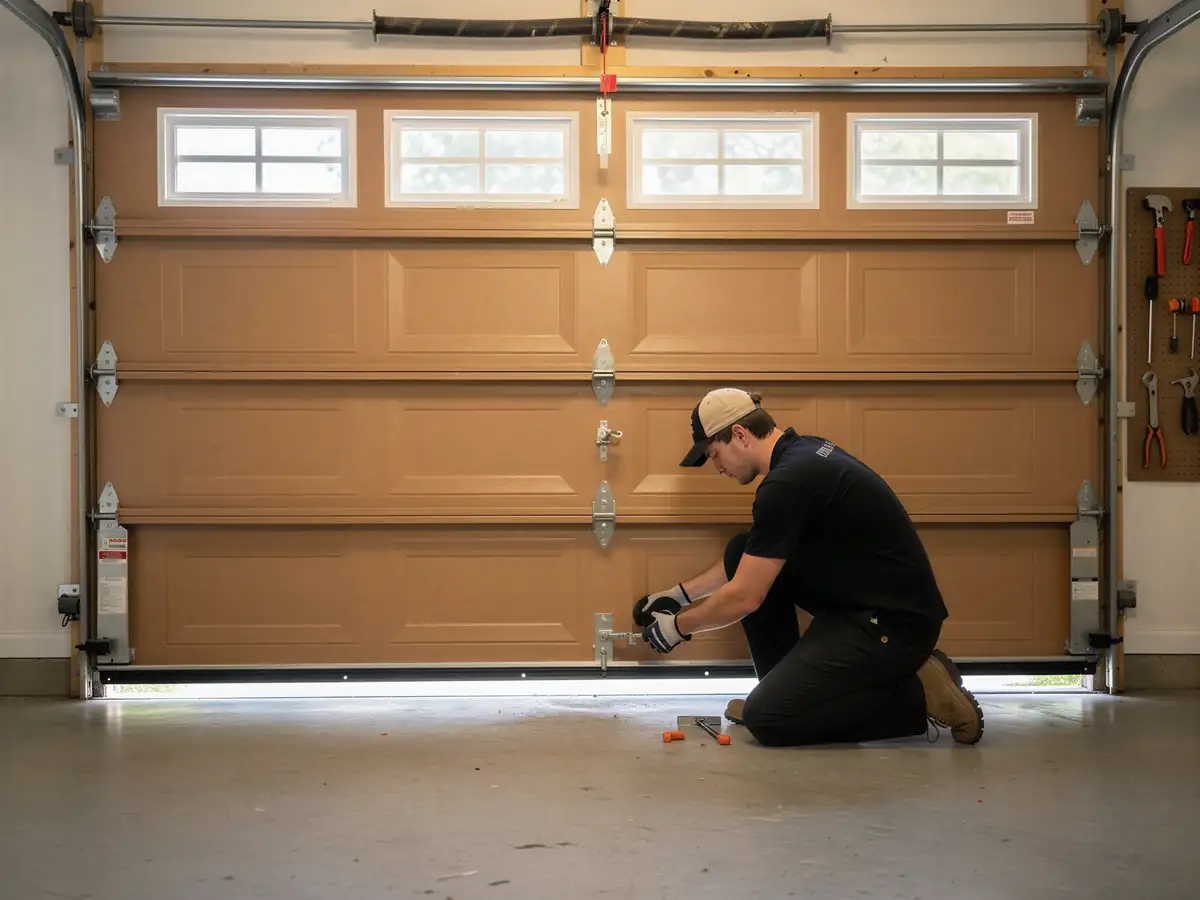
Why This Fails Locally
Parker is small - about 1,553 households, which means the garage door problems here cluster instead of spreading out. Most of the housing went up in the same stretch as the wider area's building boom, 1971 to 2015, with Parker's own median landing around 2005. That matters more than it sounds. A door and opener installed in 2005 is now pushing two decades of cycles, and torsion springs rated for roughly 10,000 open-and-close cycles start failing in that window no matter how well the rest of the house has held up.
Because the town is this compact, you don't get the wide mix of eras you'd see in an older, bigger suburb - a handful of panel widths and opener models account for most of the driveways here. That's useful for us when we're planning a new install: we know going in what track configuration and header clearance we're likely dealing with. It also means that when one door on a street fails, the one three doors down from the same building run usually isn't far behind.
What You Pay
We don't publish a flat number for new installation because the door, the opener, and the insulation package all move the total, and we're not going to guess at a figure that isn't accurate for your house. What we can tell you is that Parker's median household income, at $216,179, runs well above the typical range for the area, and it shows in what homeowners here actually choose - more requests for insulated steel, wood-composite, or higher-end hardware packages, fewer bare single-layer steel doors than you'd see in older, lower-cost housing stock nearby.
If you want an exact number, that comes from a look at your actual opening, your current track and header situation, and which door line you're after - not from a generic rate card. We'll give you that number before any work starts, not after.
What Can Go Wrong
With most Parker garage doors and openers dating to roughly the 2000s building run
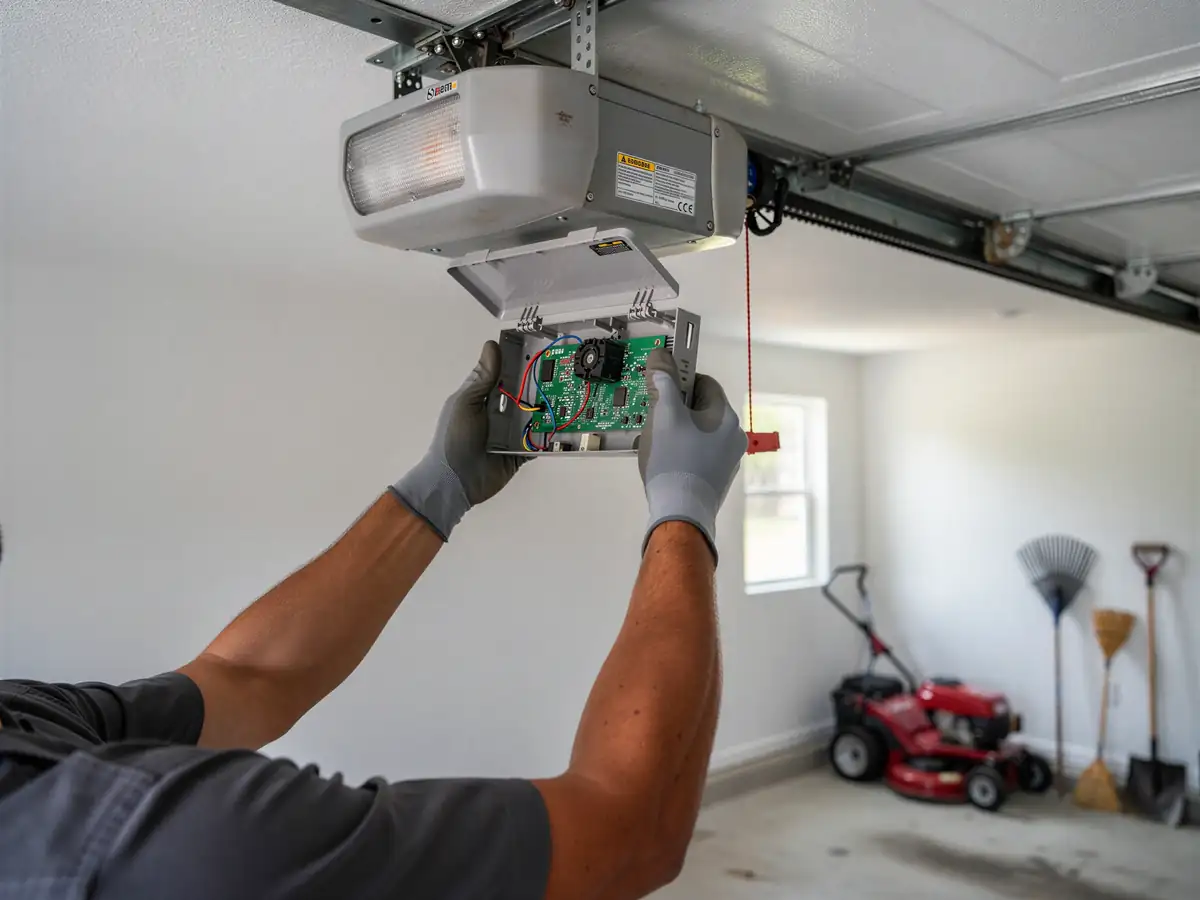
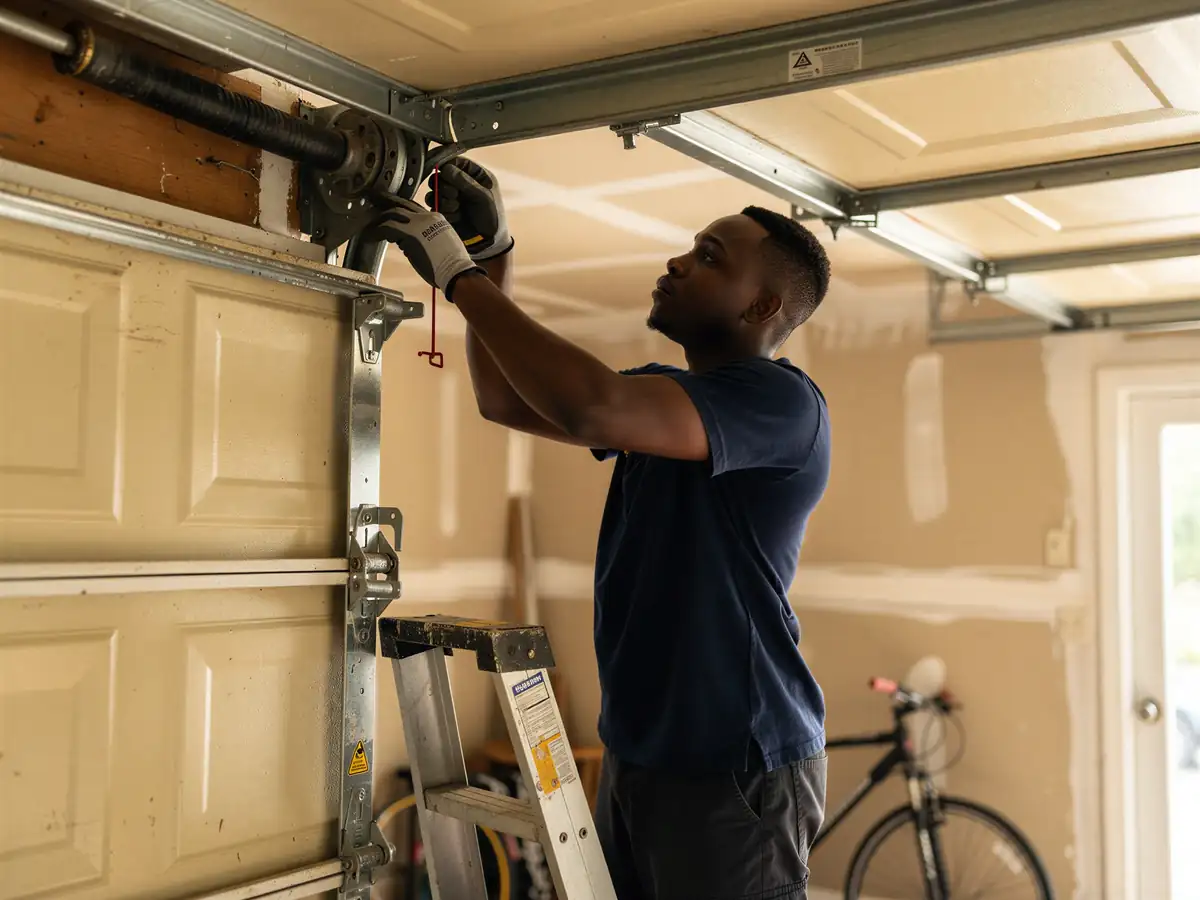
The failures we see tend to repeat: torsion springs reaching the end of their rated cycle count, nylon rollers worn enough to bind in the track, and openers from that era losing the ability to pair with newer safety sensors or smart-home add-ons homeowners want now.
The area sits in a mild climate with occasional freeze risk
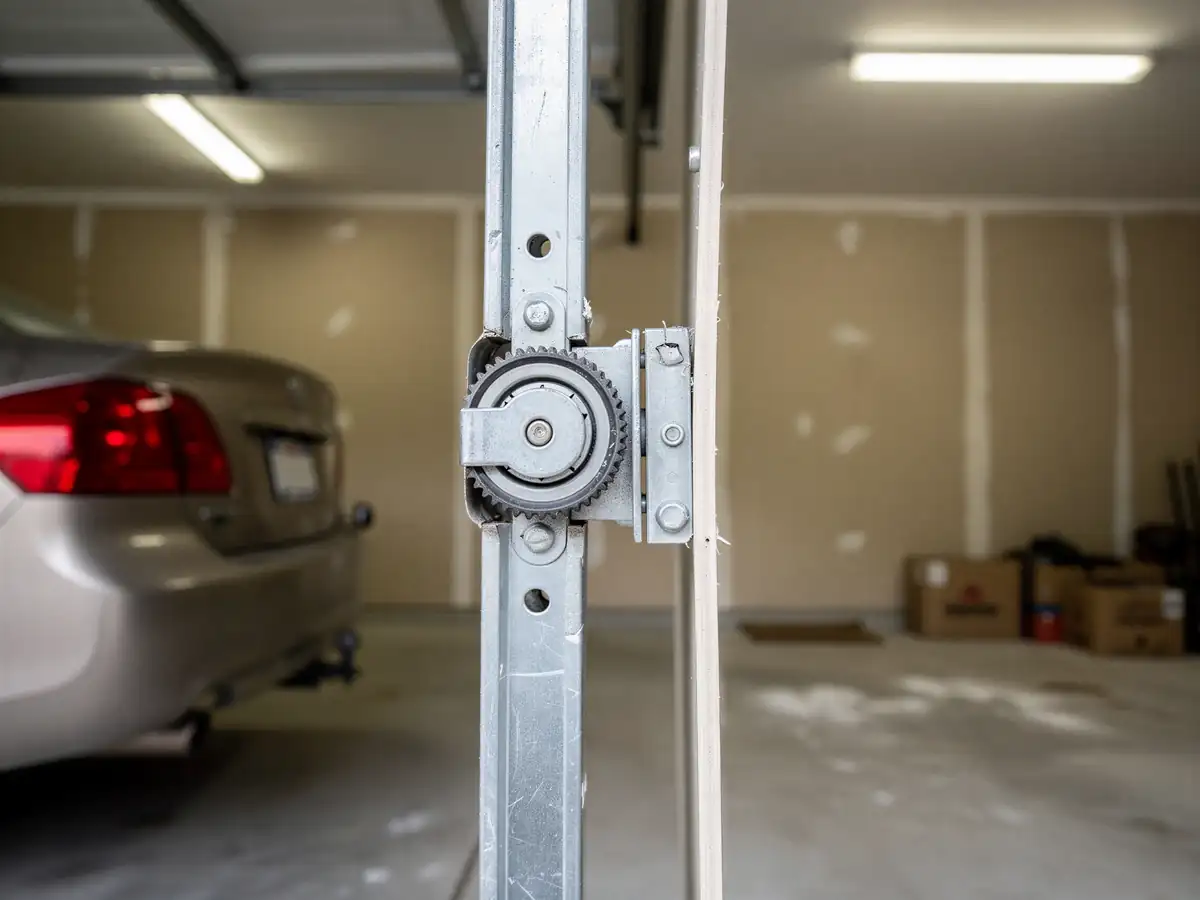
Which is kinder to garage door hardware than a harsher swing climate, but it doesn't stop a 15-to-20-year-old spring from fatiguing or a weatherstrip from cracking after enough seasons of UV and temperature swing. On a new install, the part that gets skipped most often is track alignment to the actual header height of the opening - not the door itself. A door hung slightly off-level on an old track will look fine for months and then start binding.
Stocked Parts
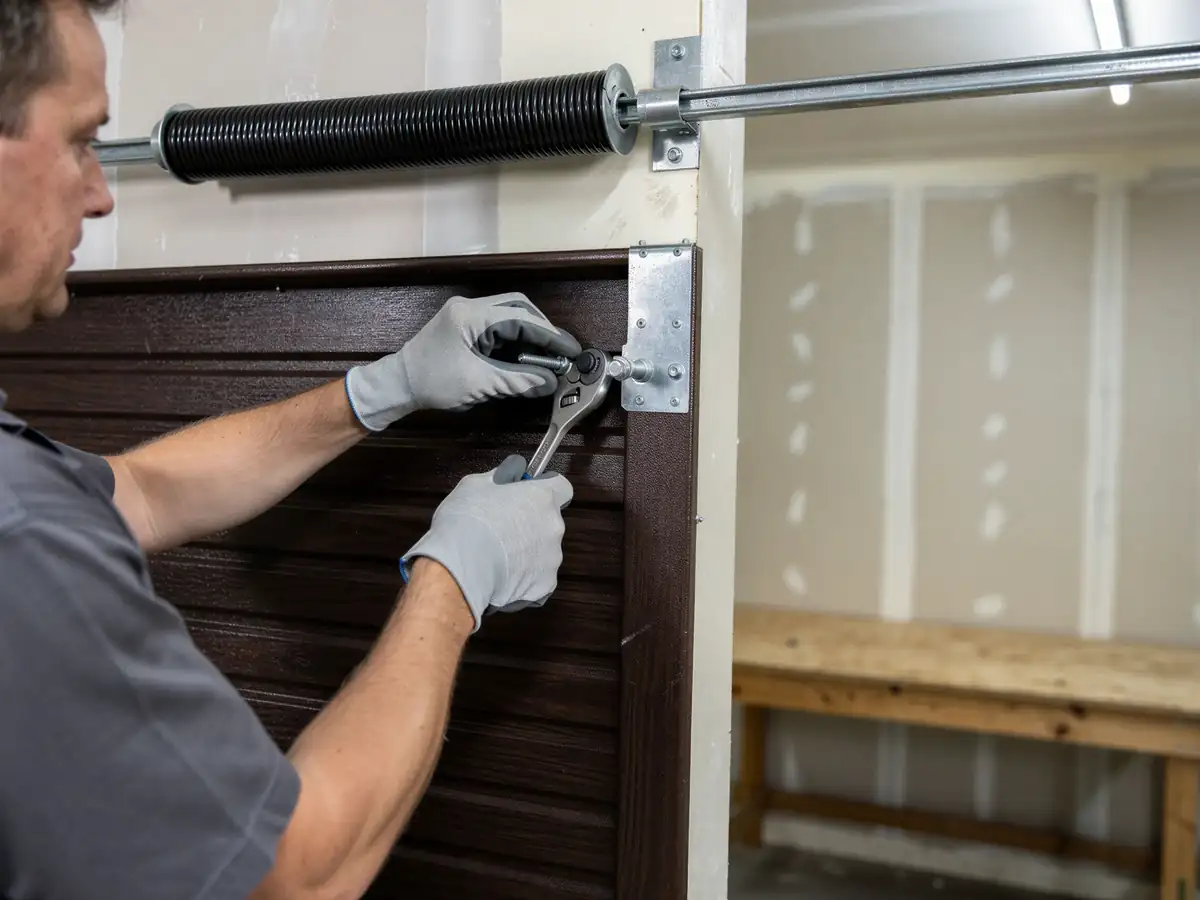
Because Parker's housing stock concentrates around a single building era, we stock torsion springs, extension spring kits, and track hardware sized for the panel heights and opener mounts common to doors installed from the early 1970s through the mid-2010s, with extra depth around the mid-2000s sizing that shows up most here. That's what lets us roll a truck from Wylie, six miles up the road, without a special order for the parts that come up most.
What we don't carry on the truck is every specialty panel finish or a custom-width door built outside standard sizing - those get ordered in, and the honest answer is that can add lead time measured in days, not hours. If you're after a standard steel or insulated door in a common width, we can usually move fast. If you want a nonstandard size or an unusual finish, plan for the order time up front so it doesn't surprise you.
What the Repair Takes
A straight new-door installation on a standard opening - same size, same mount points, no header or framing changes - is a job we can plan and execute in a single visit once the door's on the truck. Where it runs longer is when the existing track or header doesn't match current standard sizing, which does happen on homes from the earlier end of the 1971-2015 range, or when an opener needs to be replaced alongside the door because the old unit can't be adapted to new safety sensors.
We come from Wylie, six miles away, so there's no local branch or drop-off point in Parker itself - the truck is stocked before it leaves, which is why knowing the door size and opener situation ahead of time matters. If the existing opening is out of square or the header's been shimmed more than once over the years, that gets flagged and priced before installation starts, not discovered partway through.