Why This Fails Locally
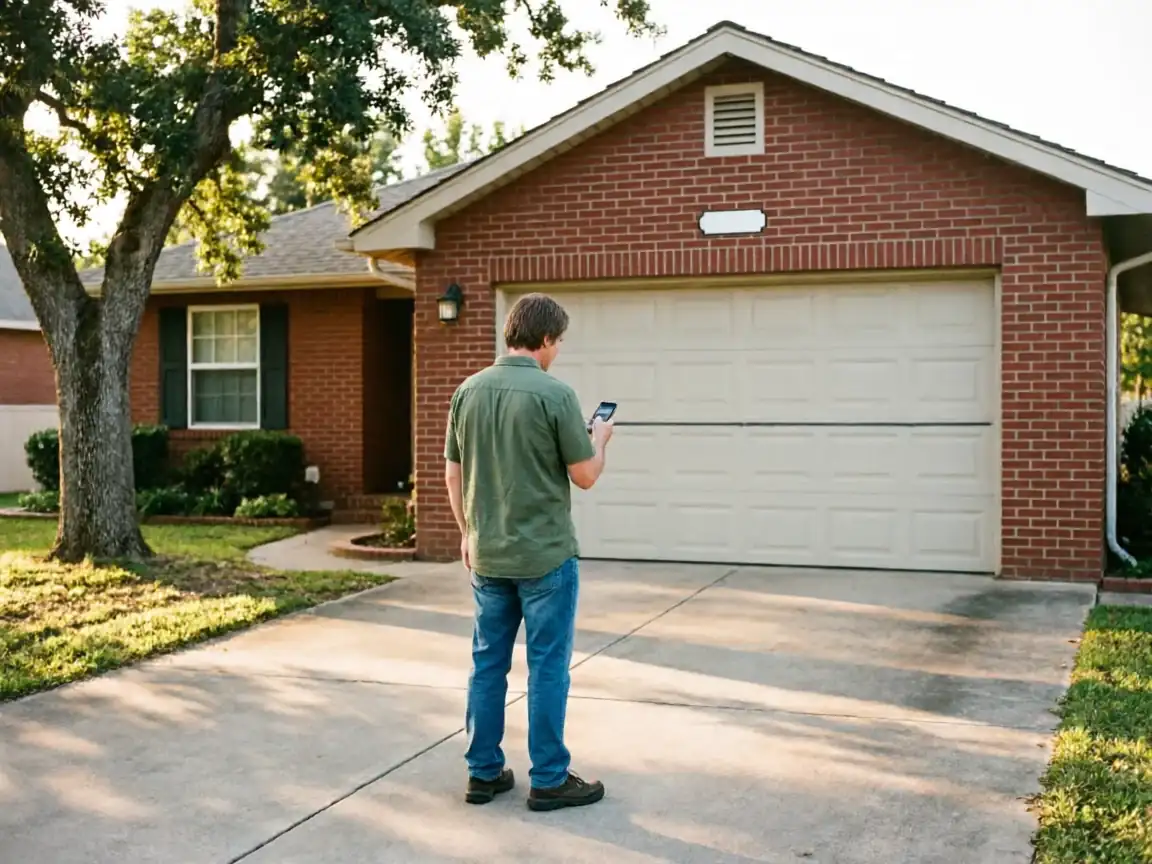
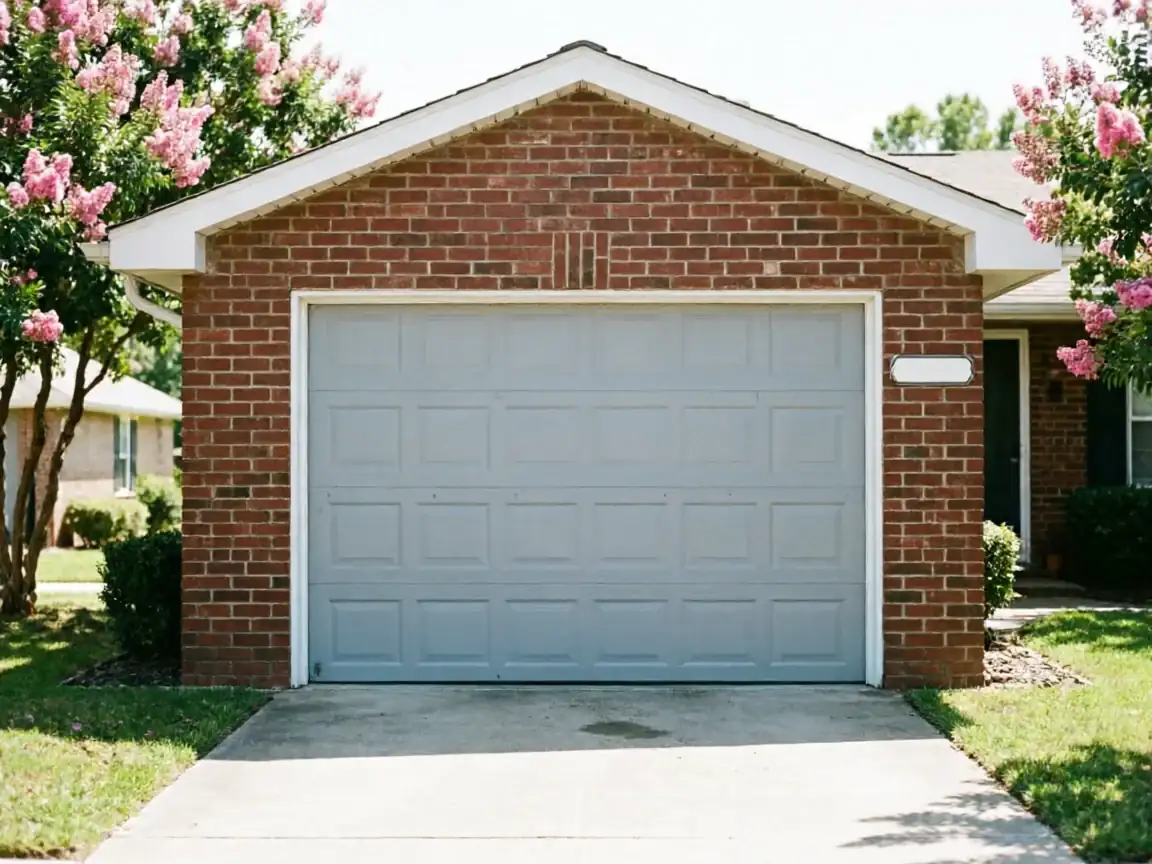
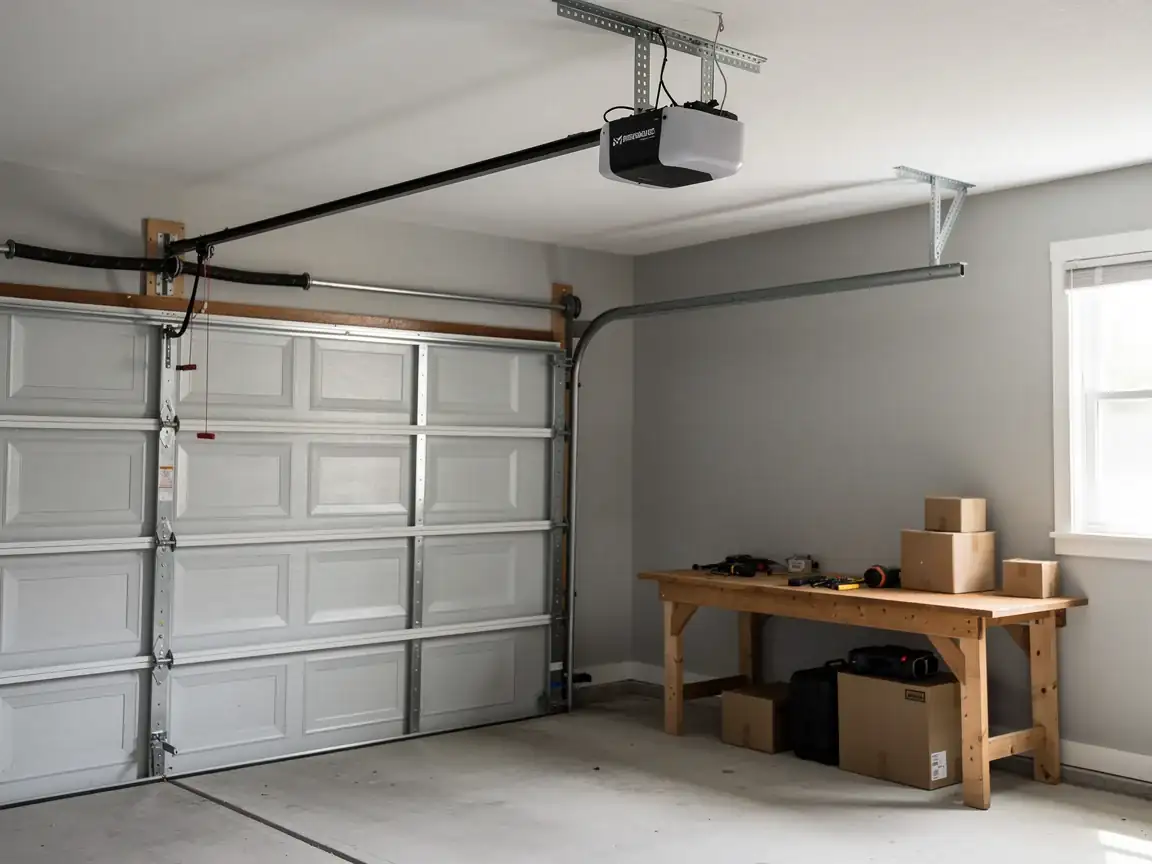
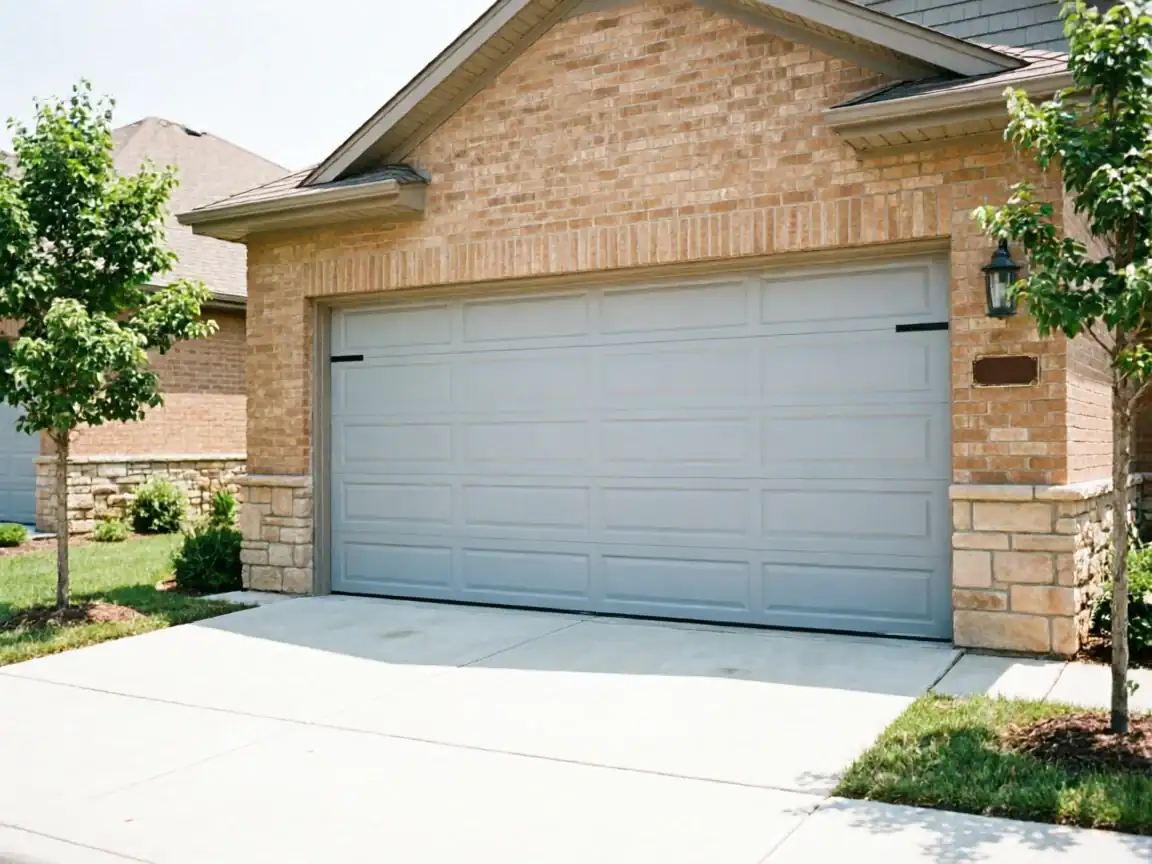
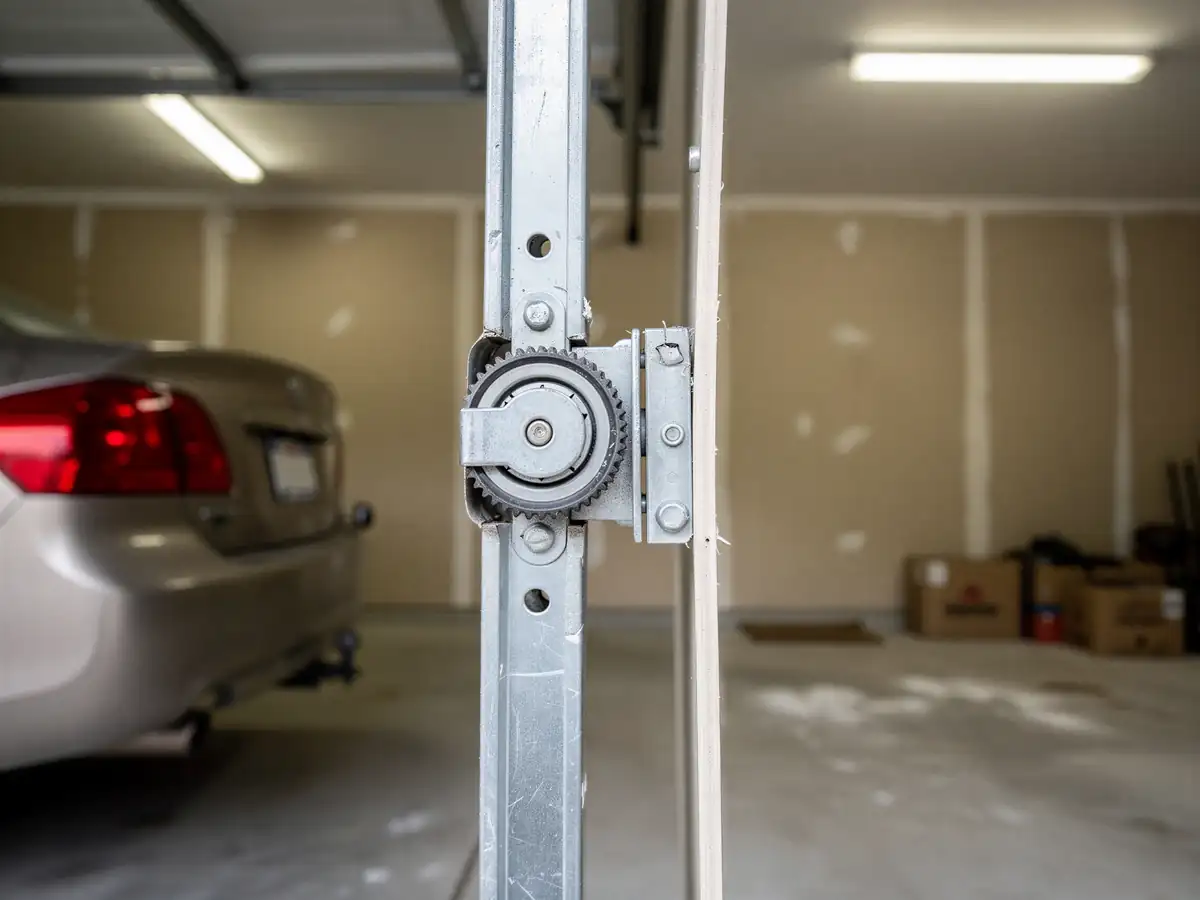
Parker sits about six miles from Wylie, and the houses here mostly went up after 2000 - in line with the newer end of the housing stock across the wider service area, where the median build year lands around 2005. That matters more than it sounds like it should. A door and opener installed new in 2004 or 2008 is now old enough that the original rollers have worn flat, the factory lubricant has dried out, and the opener's drive gear - a plastic part by design - is due to strip. Nobody notices until the door starts grinding on the way down or the opener runs for three extra seconds before it catches.
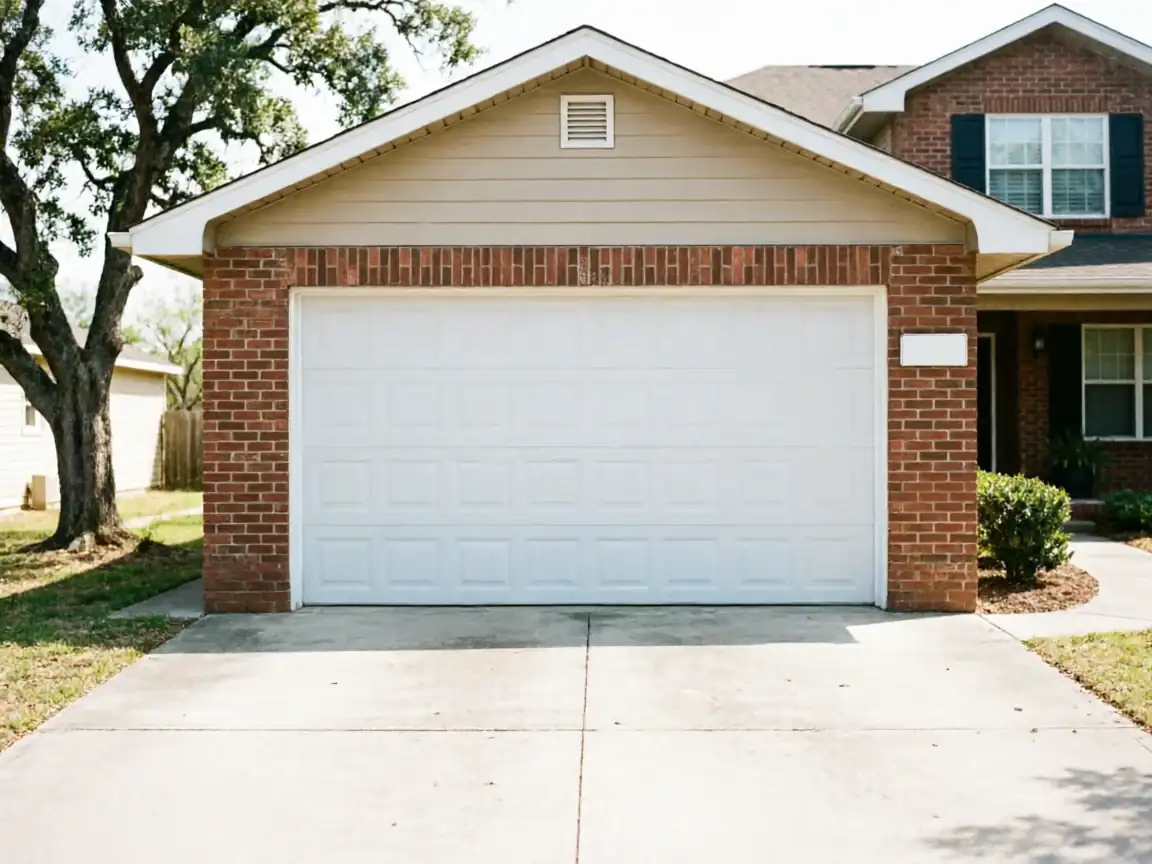
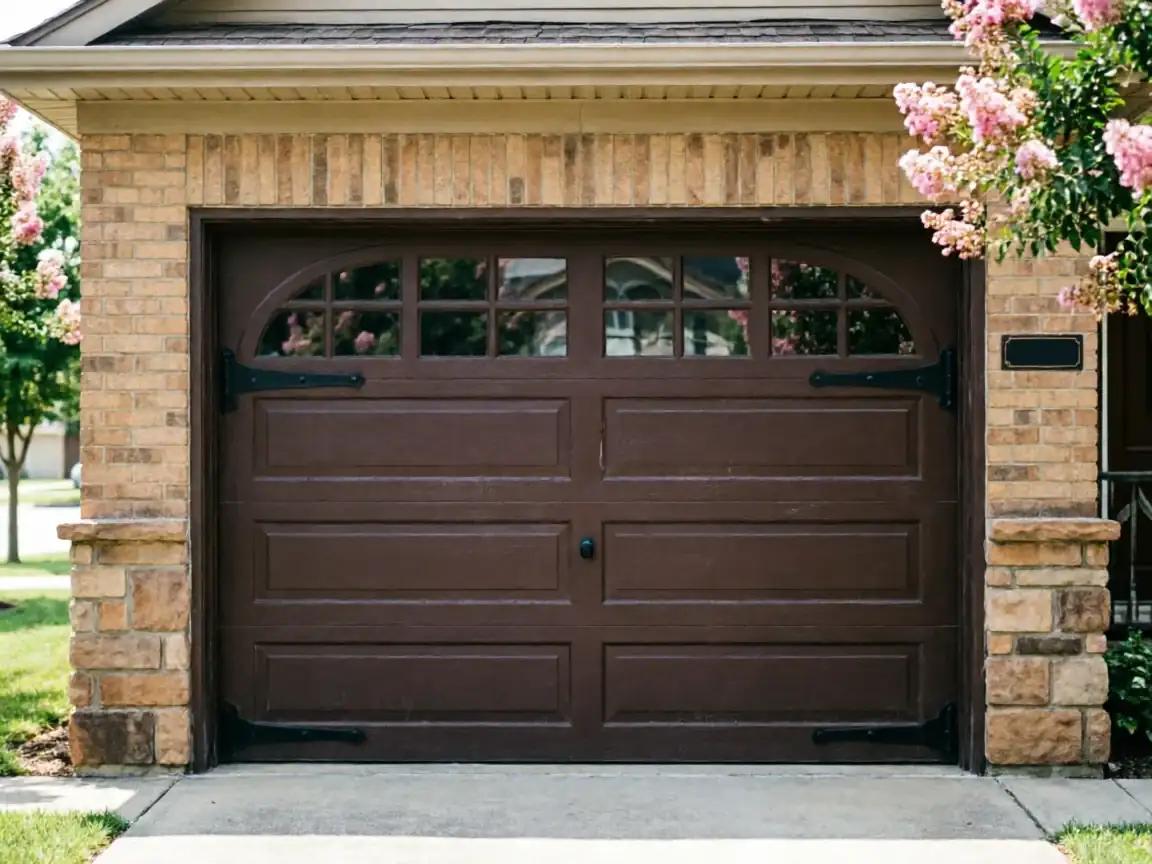
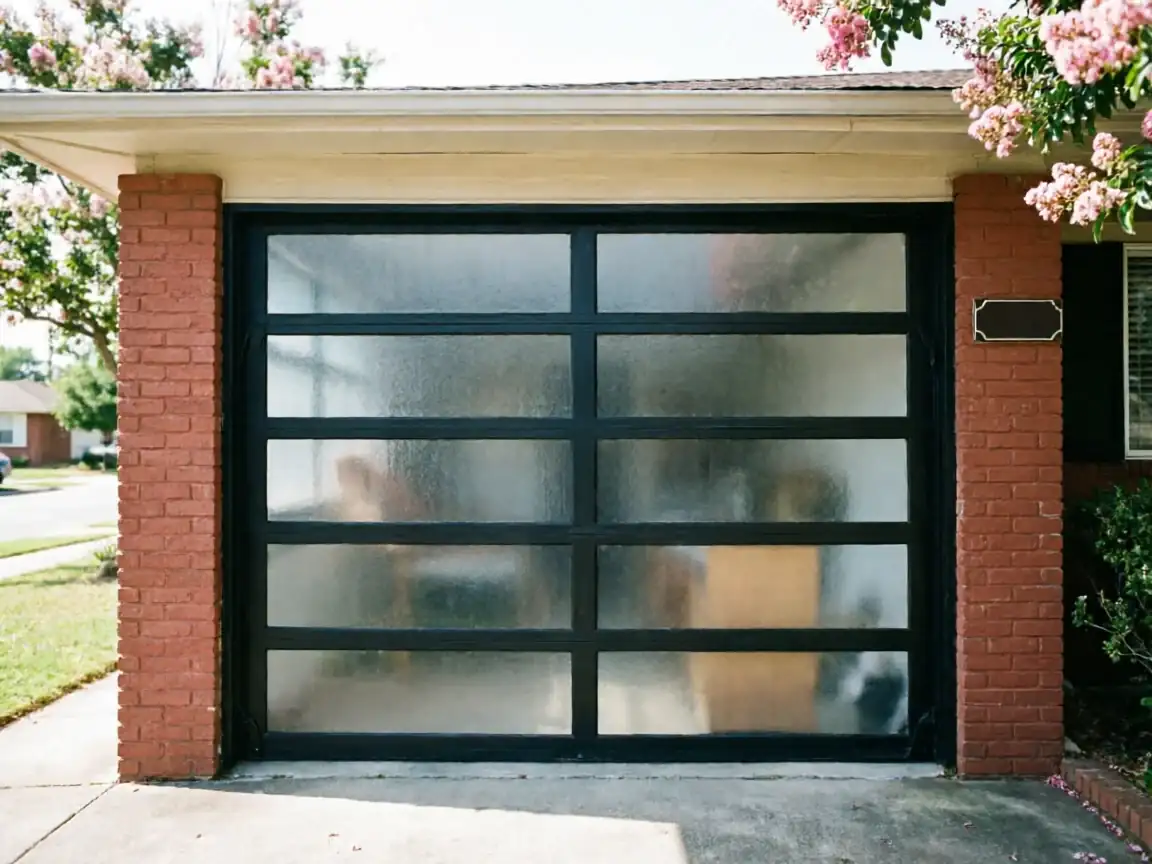
Parker's median household income runs well above the service area's overall figure, and homes at this income level tend to have higher-end door packages: insulated steel, heavier panels, sometimes windowed sections. Heavier doors put more load on springs and cables than a standard uninsulated door does, so the wear pattern on a Parker door isn't identical to an older, lighter door elsewhere in the area. Maintenance here is less about rust and rot and more about catching fatigue in parts that have been quietly working harder than they were sized for.
What You Pay
We don't have a fixed maintenance price to quote here, and padding this section with a number we can't back up would be worse than leaving it out. What we can tell you is what drives the cost: whether the opener needs gear or belt work, whether springs need adjustment versus replacement, and how many service points a double-wide door has versus a single. A straightforward tune-up on a single door costs less than a job that includes spring balancing on a heavier insulated double door, which is common in this area given the income profile and the door packages that tend to come with it.
We travel to Parker from Wylie, about six miles out, so there's no local depot markup - just the standard trip. Ask for a number before the truck rolls; we'd rather tell you a range on the phone than surprise you on the invoice.
What Can Go Wrong
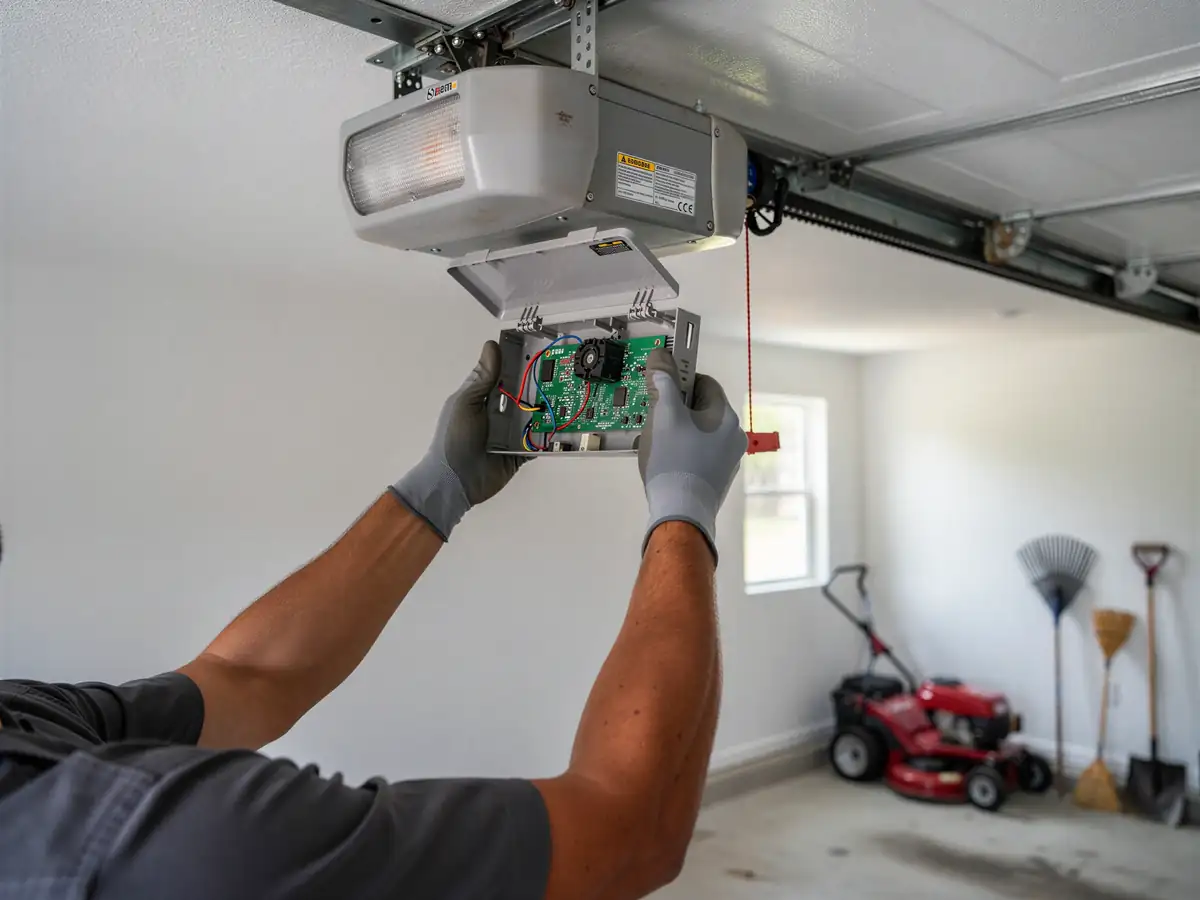
On a door installed in the 2000s, the most common failure we see is the opener's drive mechanism wearing out before the door hardware does
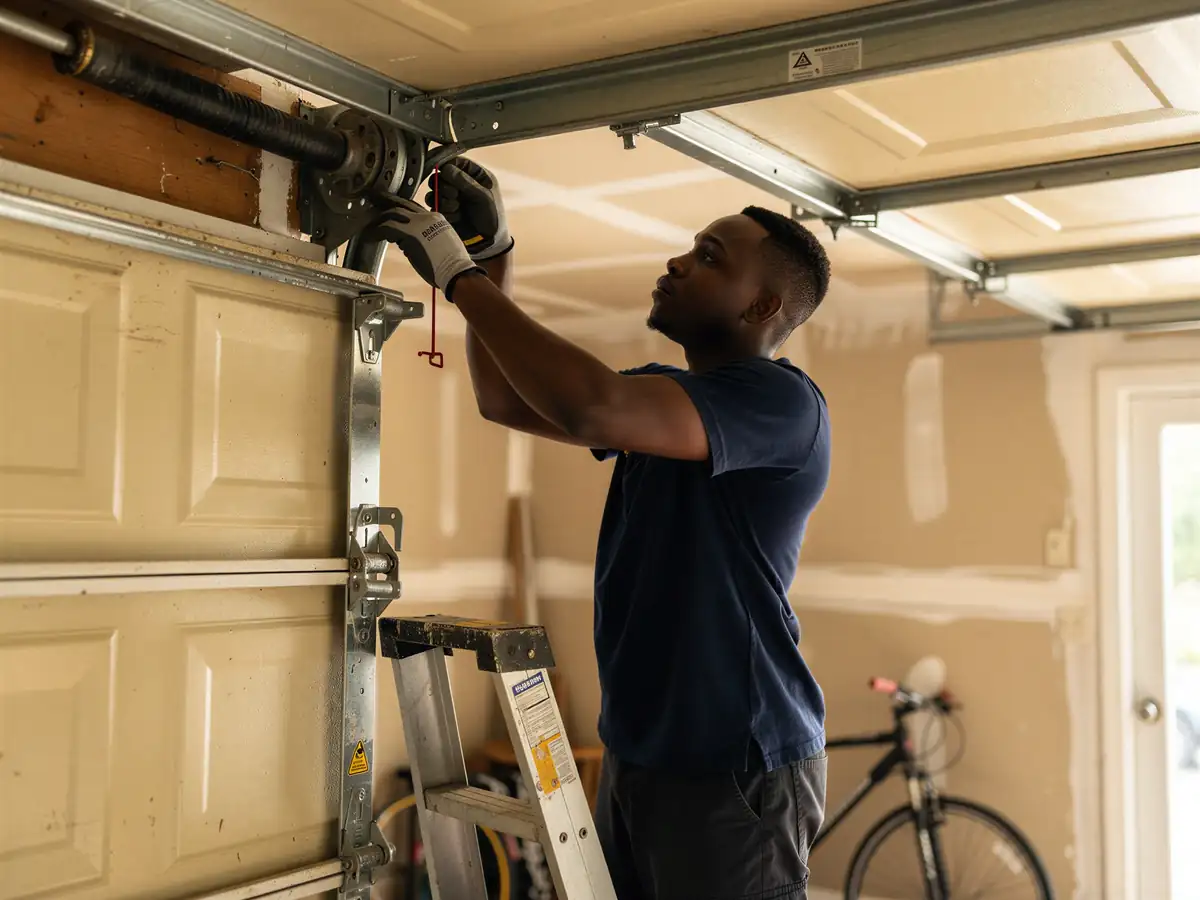
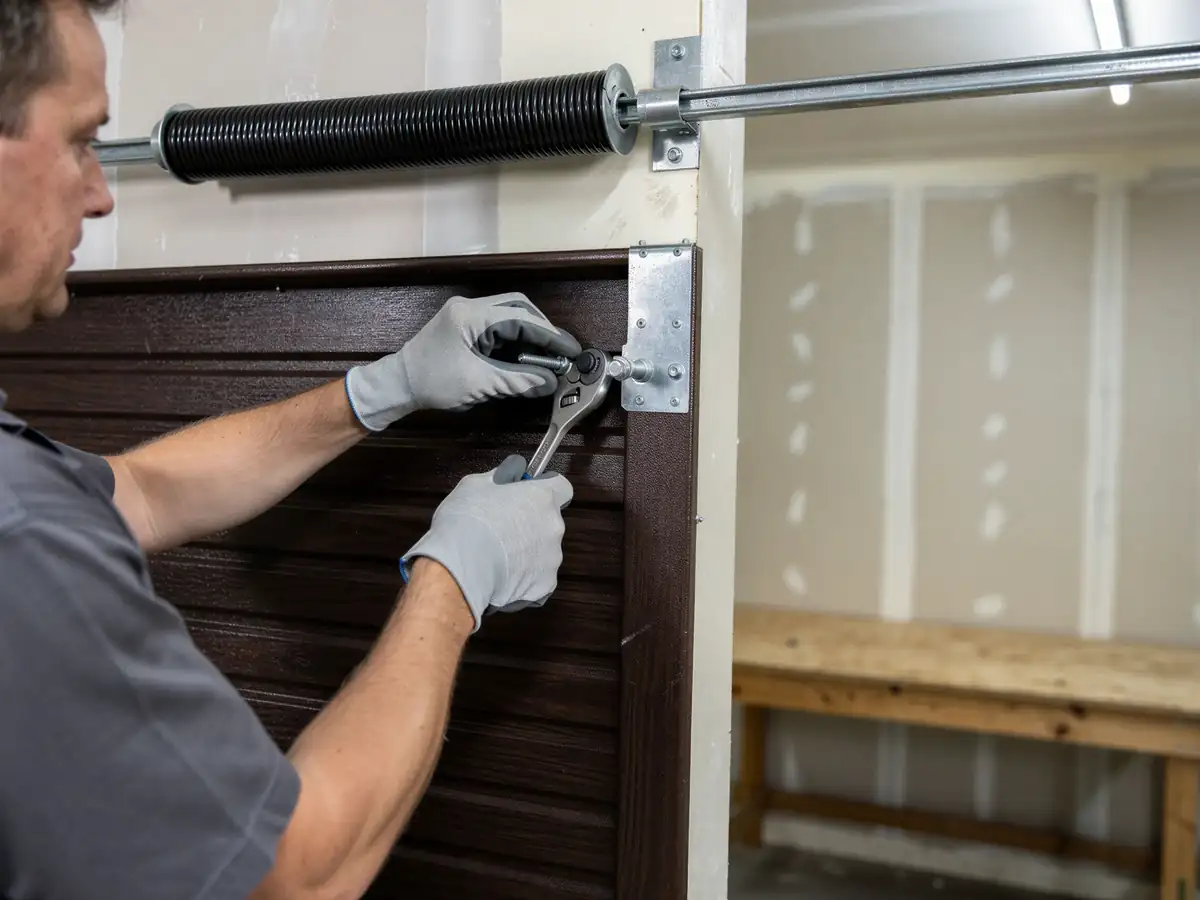
Plastic gears in chain-drive units, worn belts in belt-drive units. Springs on these doors are usually still the original torsion springs, and torsion springs are rated by cycle count, not by calendar year, so a door that's been opened and closed several times a day for close to two decades is closer to the end of its spring life than its age alone suggests.
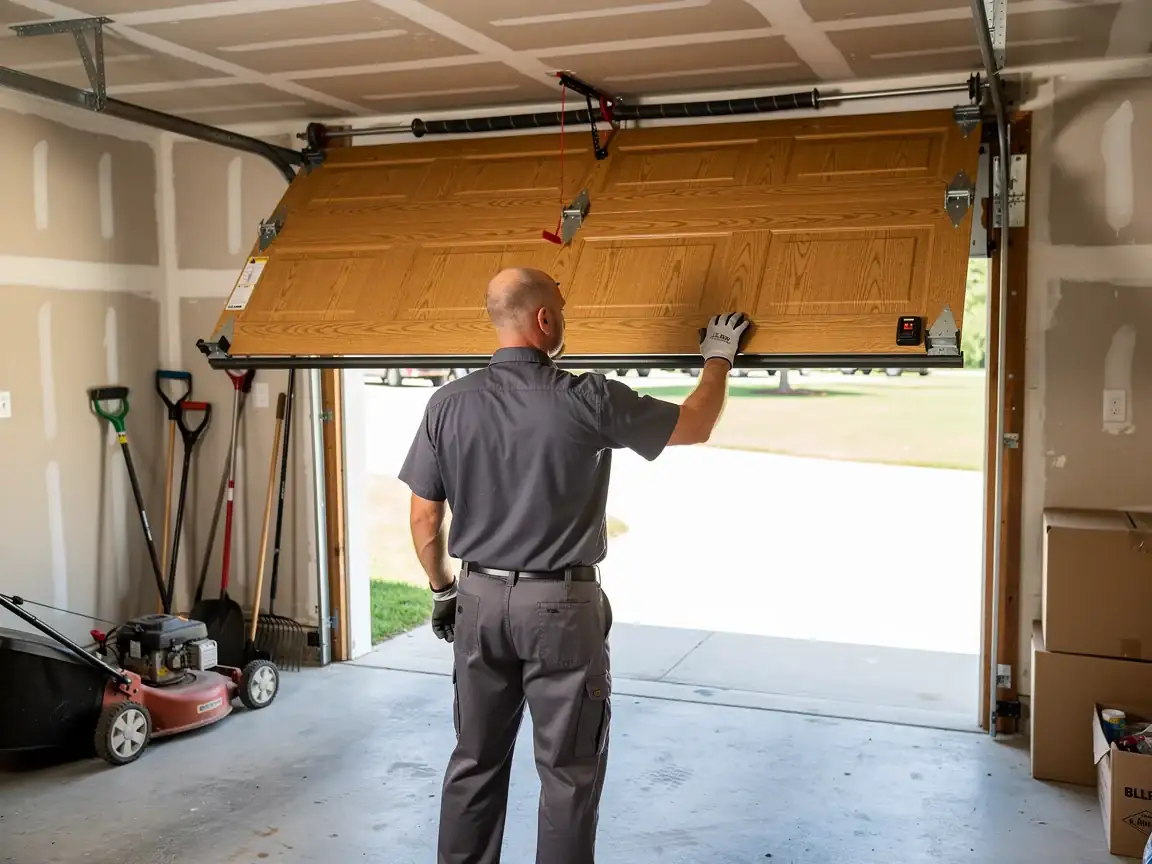
Insulated steel doors, common on higher-end builds like many in Parker, also show a specific issue
The foam-and-steel sandwich construction means a bent panel doesn't flex back the way a hollow door does, and a bowed track from an off-center hit throws the whole door out of alignment fast. Weather here falls in a mild band with occasional freeze, so you're not fighting the kind of extreme heat or cold cycling that breaks down seals elsewhere, but freeze mornings still stiffen grease and can make an already-tired spring feel noticeably worse for the first open of the day.
Stocked Parts
We stock rollers, standard torsion springs, cables, and the belt and chain-drive opener parts that fit the 1990s-through-2010s door and opener combinations most common across the service area's housing stock. For doors matching Parker's typical build era, that covers the bulk of maintenance and tune-up calls without a special order.
What we don't carry on the truck: parts for discontinued opener models or specialty insulated panel sections from manufacturers that have since changed their panel dimensions. If your door uses one of those, we'll tell you upfront that it needs an order, and give you a realistic sense of lead time rather than guessing.
What the Repair Takes
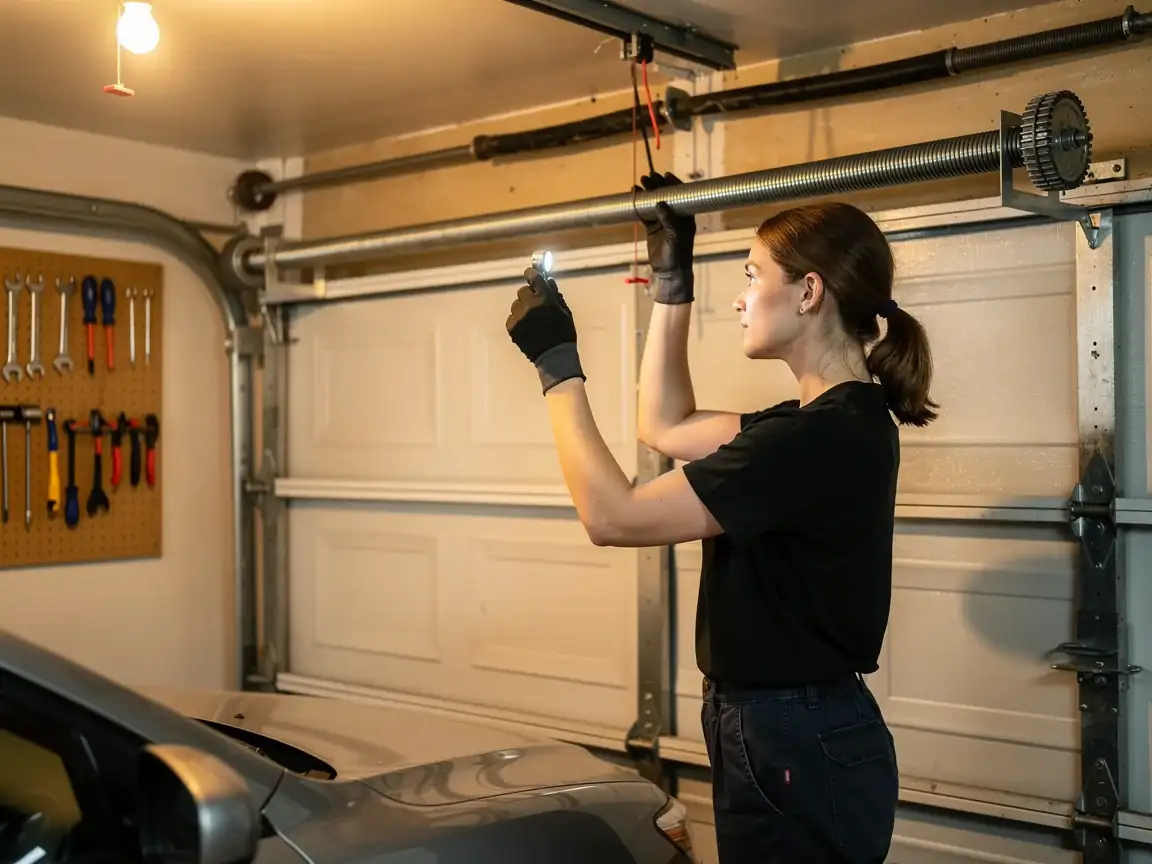
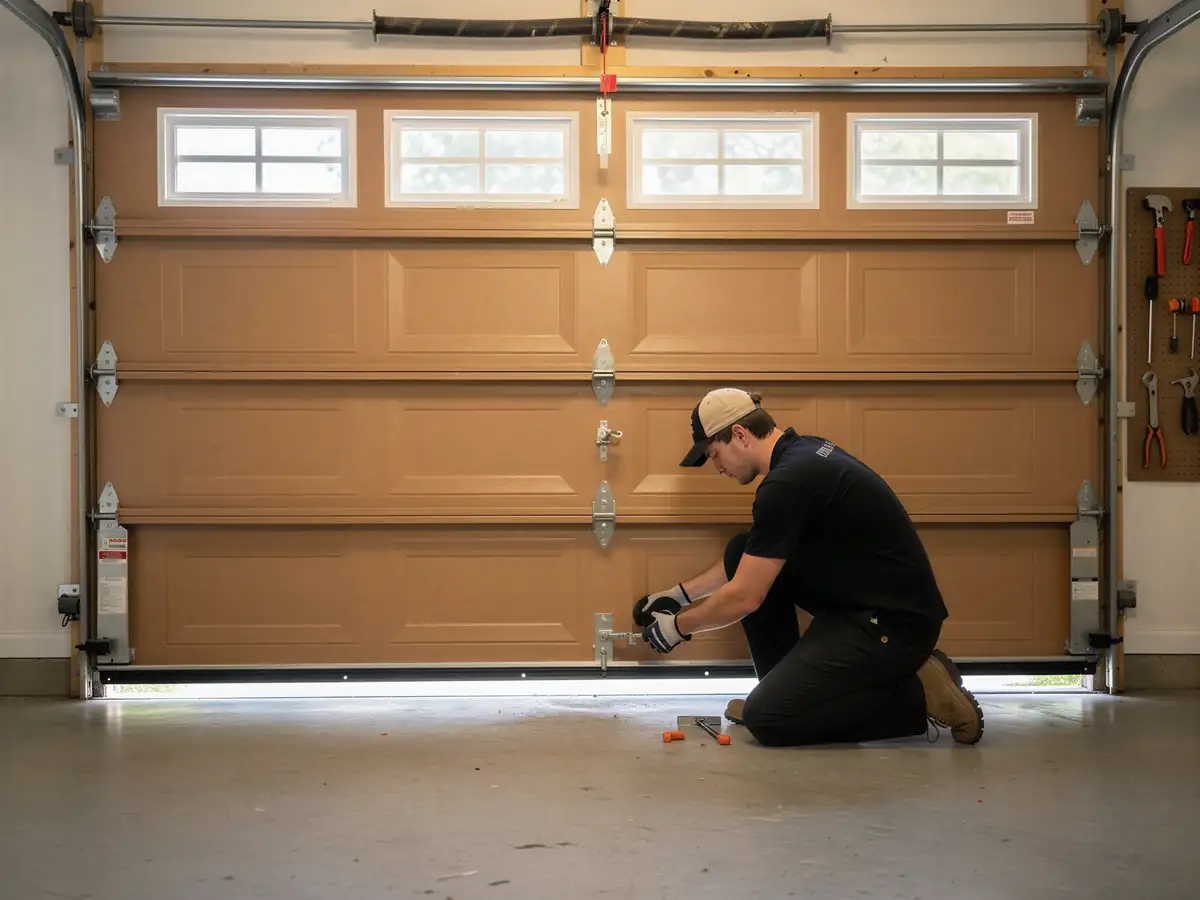
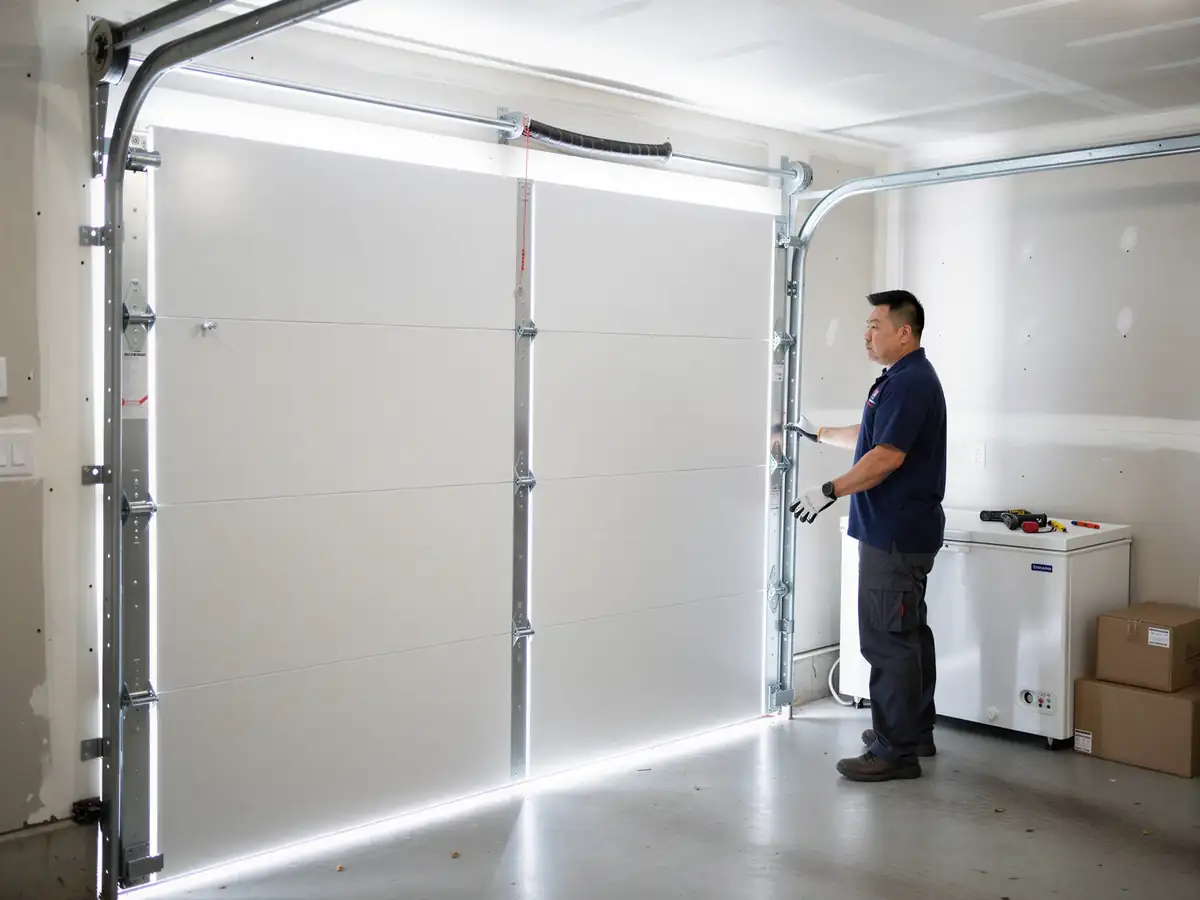
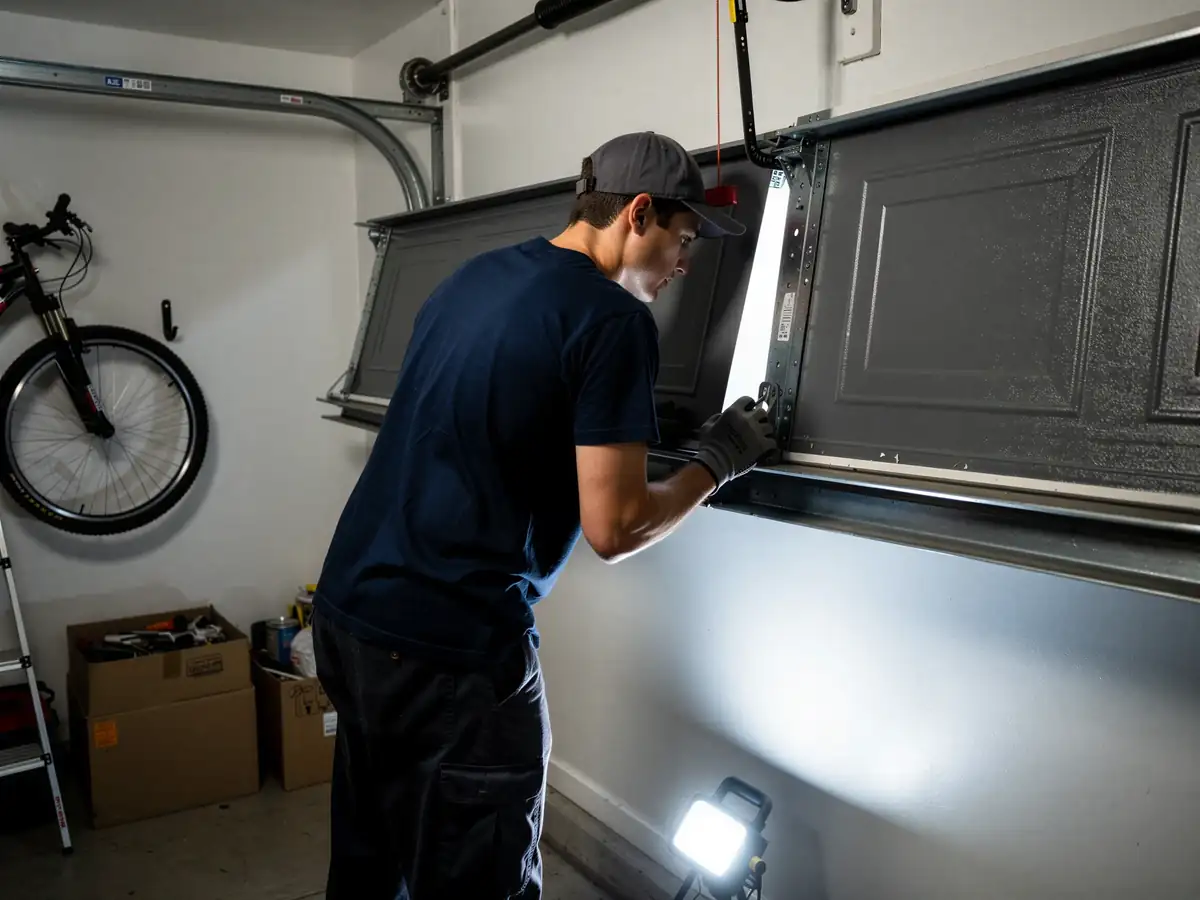
A standard maintenance visit - lubrication, hardware inspection, spring balance check, opener force and travel adjustment - runs about the same regardless of which part of the service area we're in, since the work itself doesn't change with the address. What does change is what we find. On a Parker-era door, we're usually checking opener gear wear and spring cycle count more closely than we would on an older door, where the bigger risk is rot or rust on wood-trim sections.
If we find a spring close to the end of its rated cycle life, replacing both springs on the shaft at the same time is the right call even if only one has failed - mismatched spring age on a torsion bar is a false economy that usually means a second service call within a year. That's not an upsell; it's the same advice we'd give on our own garage door.