Why This Fails Locally
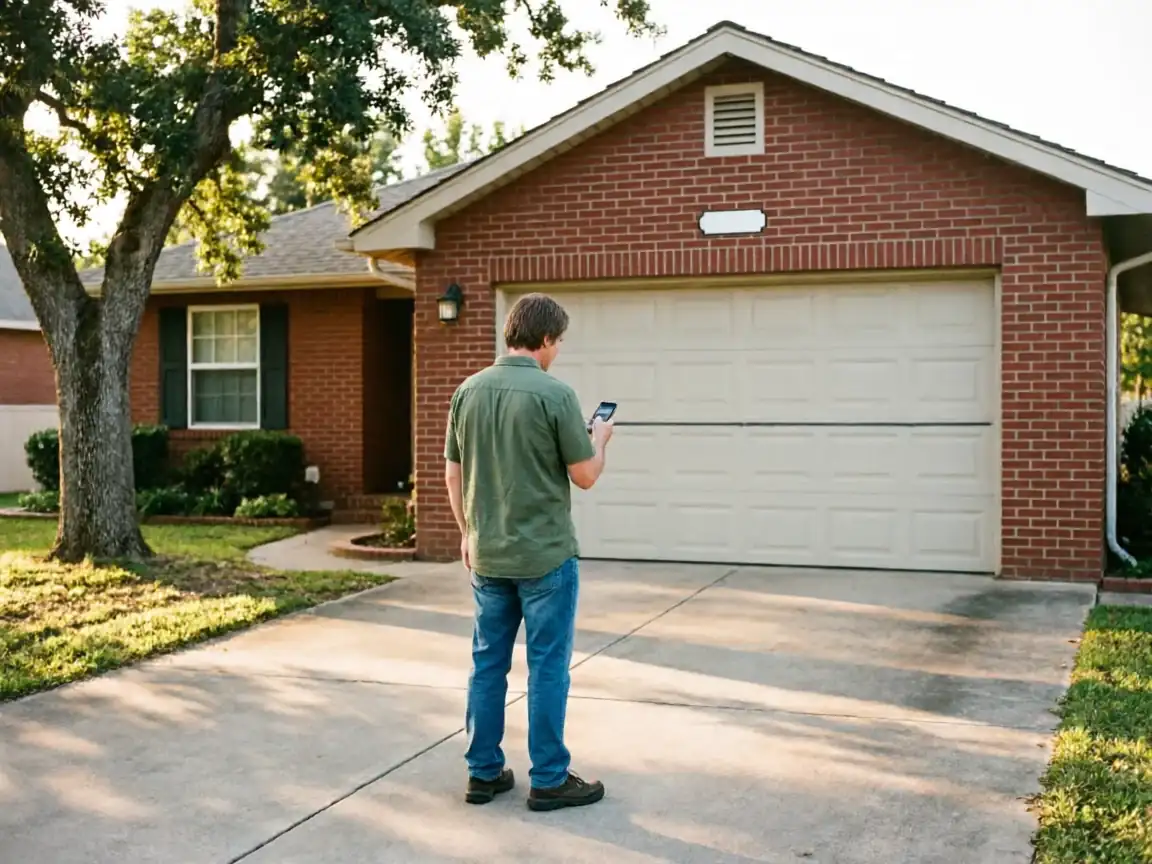
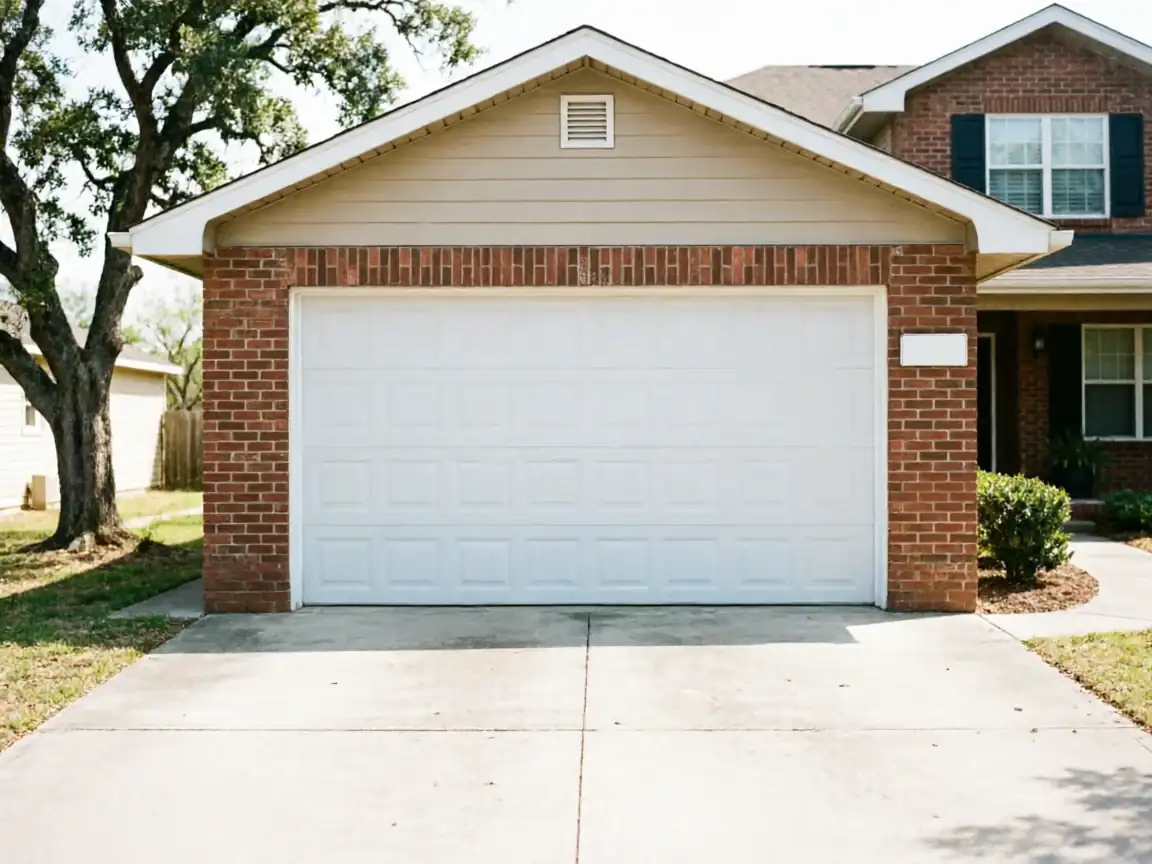
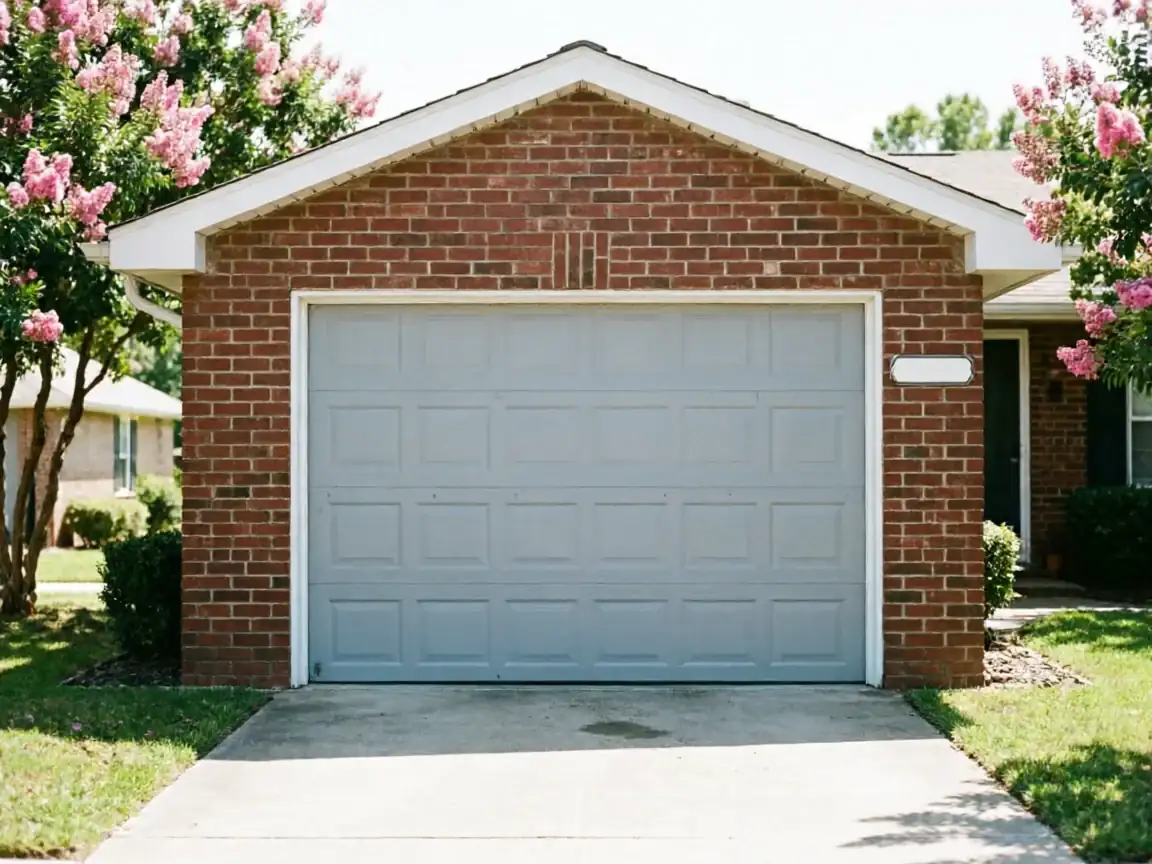
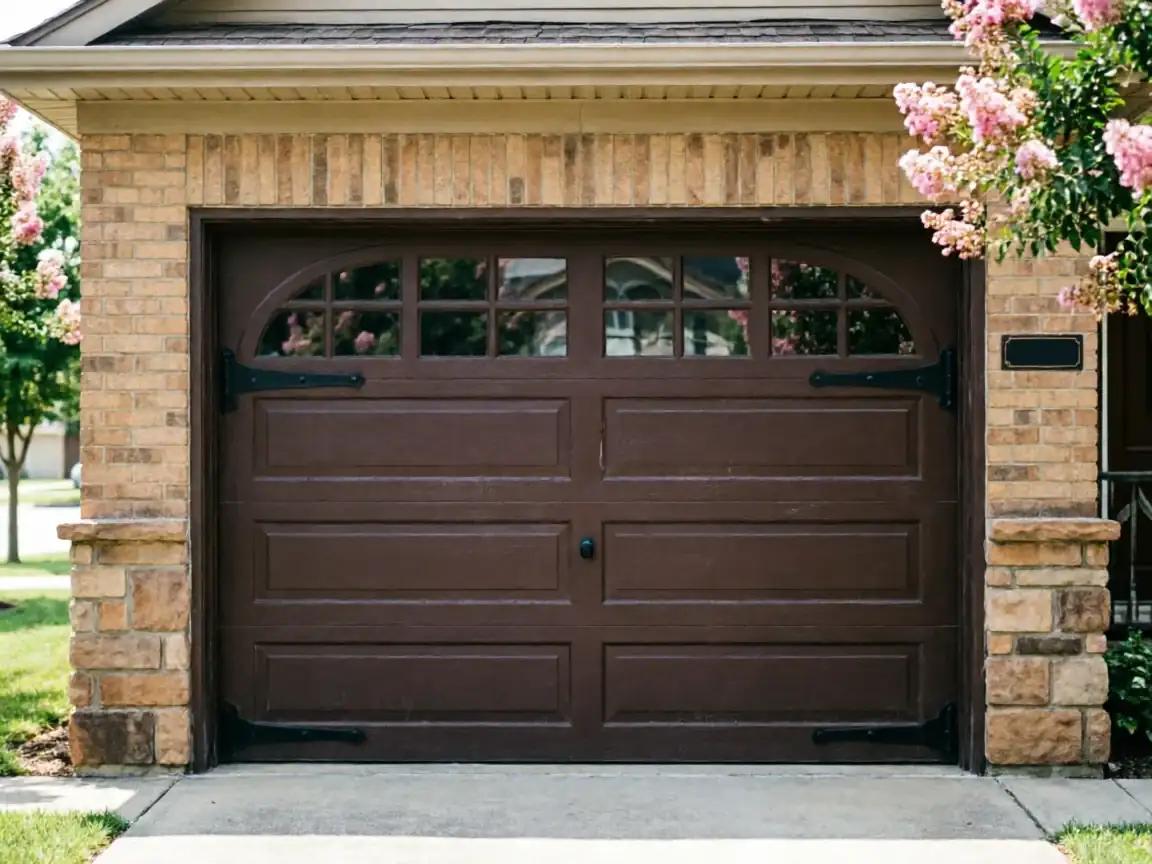
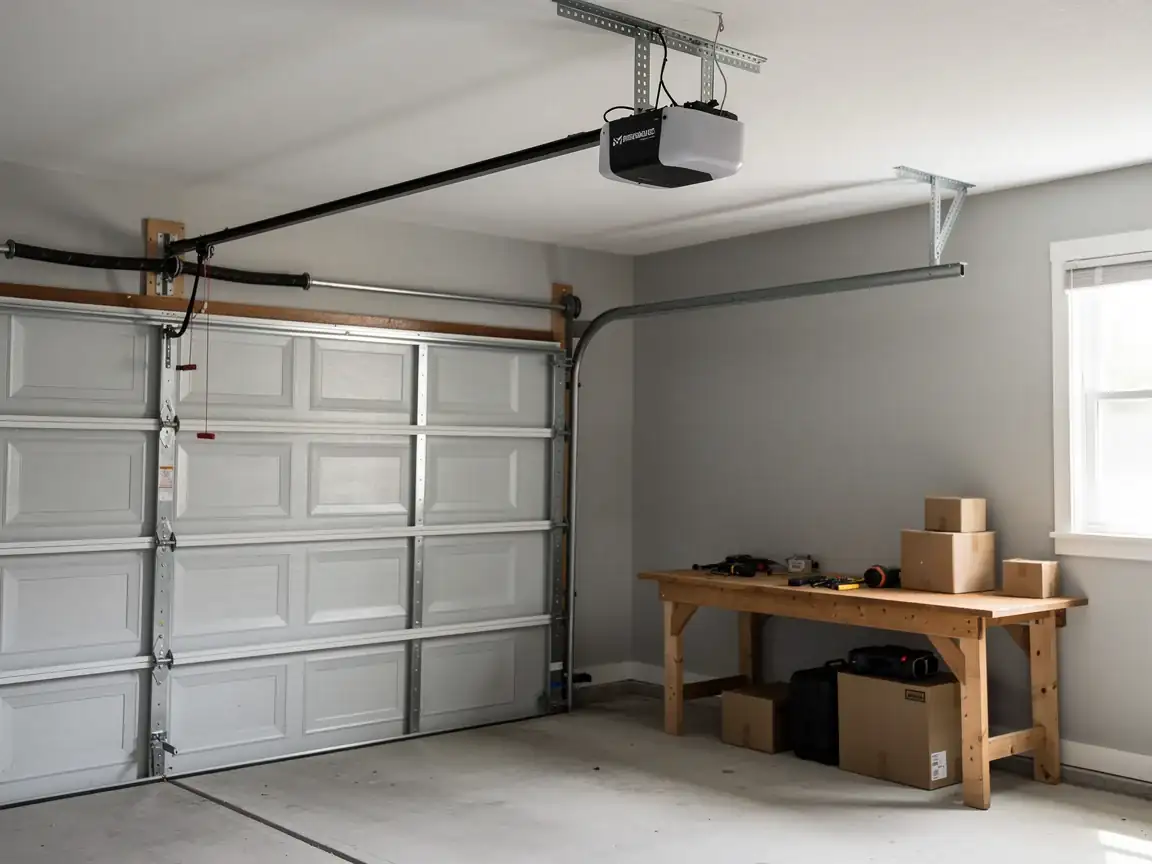
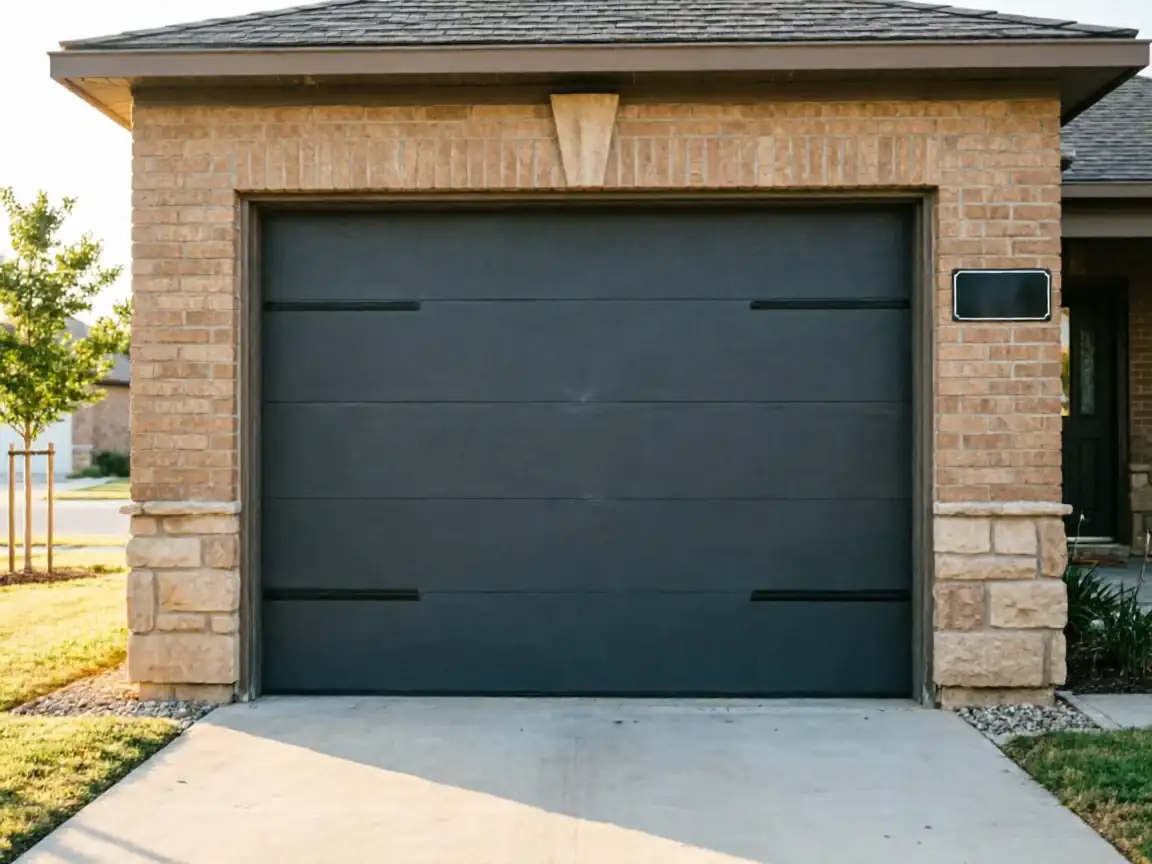
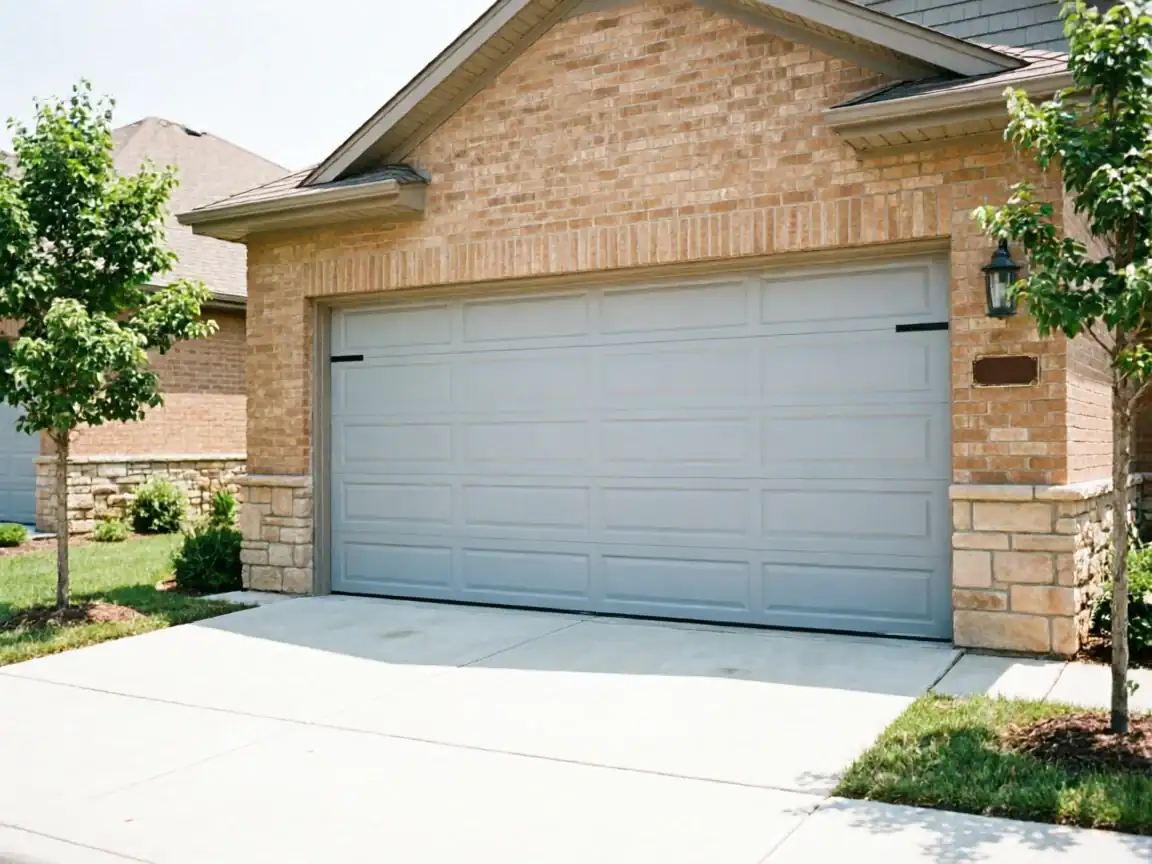
The drive from our shop in Wylie out to Parker is about six miles, which is close enough that a tech can get there without the job eating the rest of the day's schedule, but it's still a drive - we don't have a branch sitting in Parker, so every call here starts with a truck leaving Wylie. That matters less for the job itself than you'd think, because what's actually failing on Parker garage doors has nothing to do with distance and everything to do with when the houses went up. Parker's housing stock centers on 2005, putting most of the doors in town squarely in the builder-grade steel sectional era - doors that came standard with torsion springs rated for a set number of open-close cycles, nylon rollers, and openers with early circuit-board logic. None of that is exotic. It's the same hardware going into its second decade of daily use at the same time across a lot of houses, which is why certain failures cluster in certain years. A door that was fine for twelve years doesn't fail because of bad luck - it fails because the spring hit its cycle count. Knowing the build era tells us what's likely wrong before the truck even gets there.
What You Pay
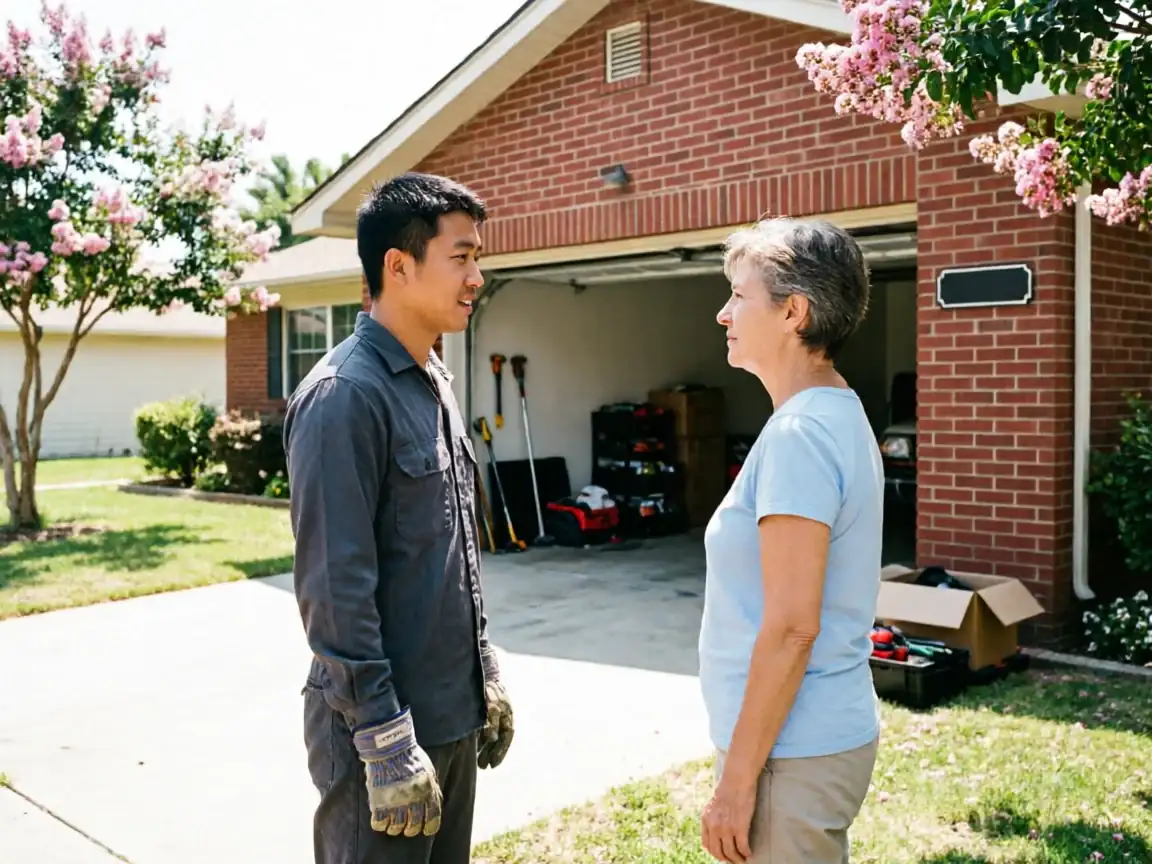
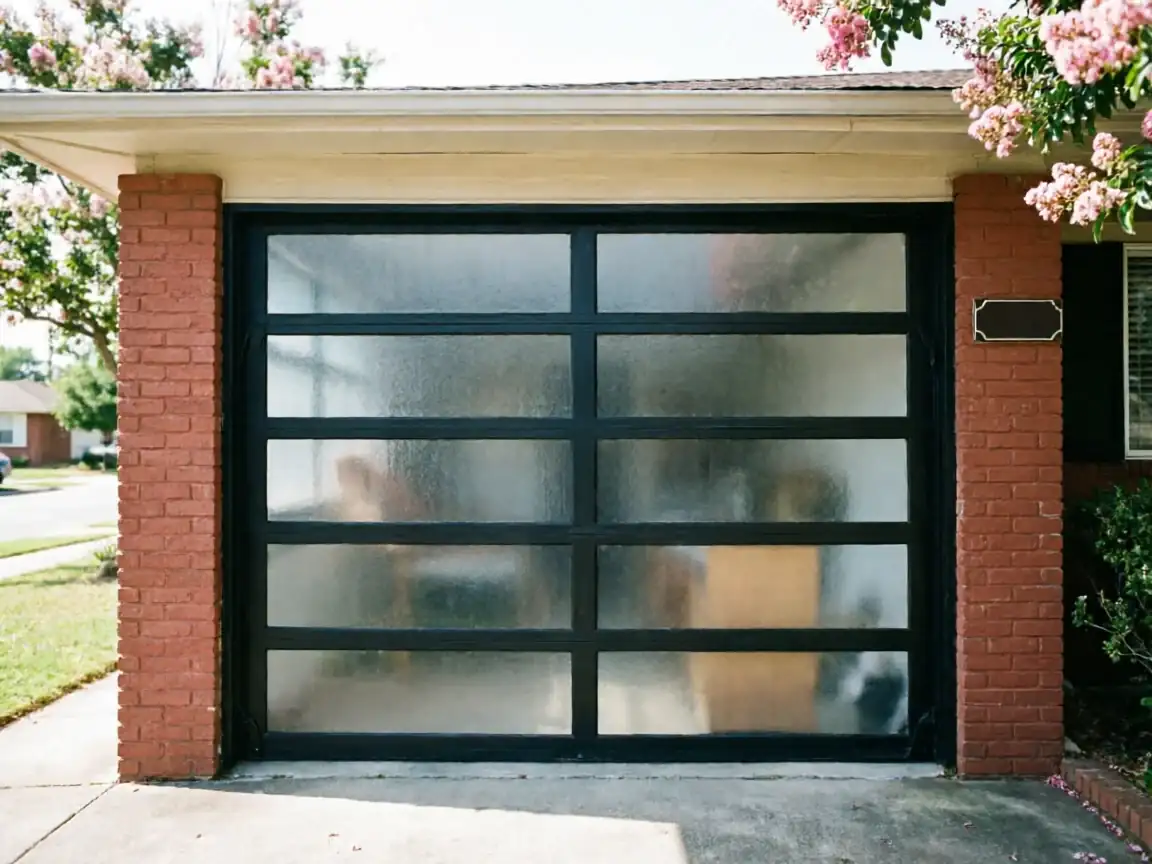
We don't post a flat price list for Parker because the two most common calls - a broken torsion spring and an opener that's stopped responding - land in different cost brackets depending on door size, spring count, and whether the opener itself needs replacing or just a sensor or board repair. What we can say is that Parker's median household income, at $216,179, is well above the $127,000 median across the wider service area, and in practice that shows up as homeowners here choosing full replacement over a second or third patch repair more often than in some other towns we cover. That's not us pushing a bigger job - it's what the calls tend to look like. If your door is a 2005-era steel sectional with the original torsion spring and it's already been repaired once, replacing the spring set as a pair (not just the broken one) is usually the move, since the second spring is close behind on cycle count. We'll give you both options and the honest cost difference before any work starts, not after.
Stocked Parts
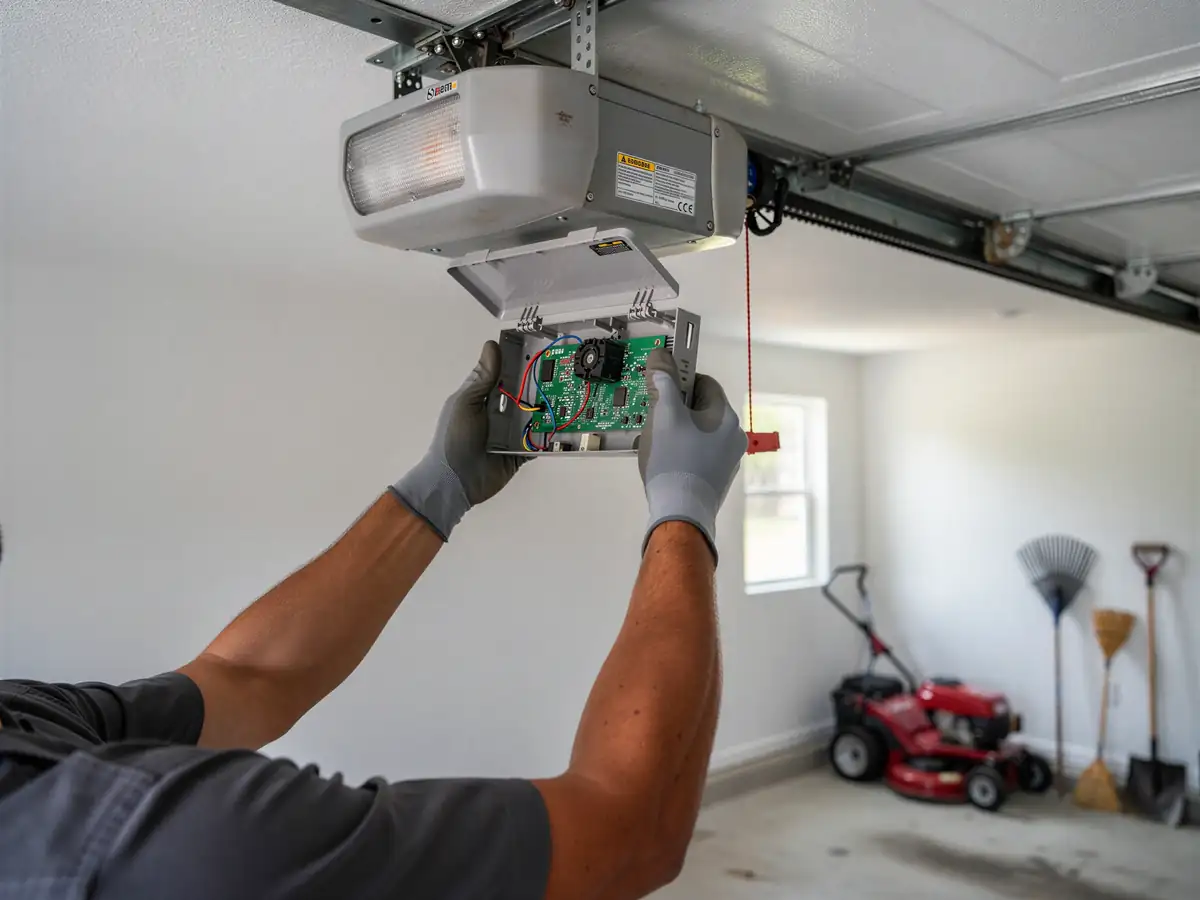
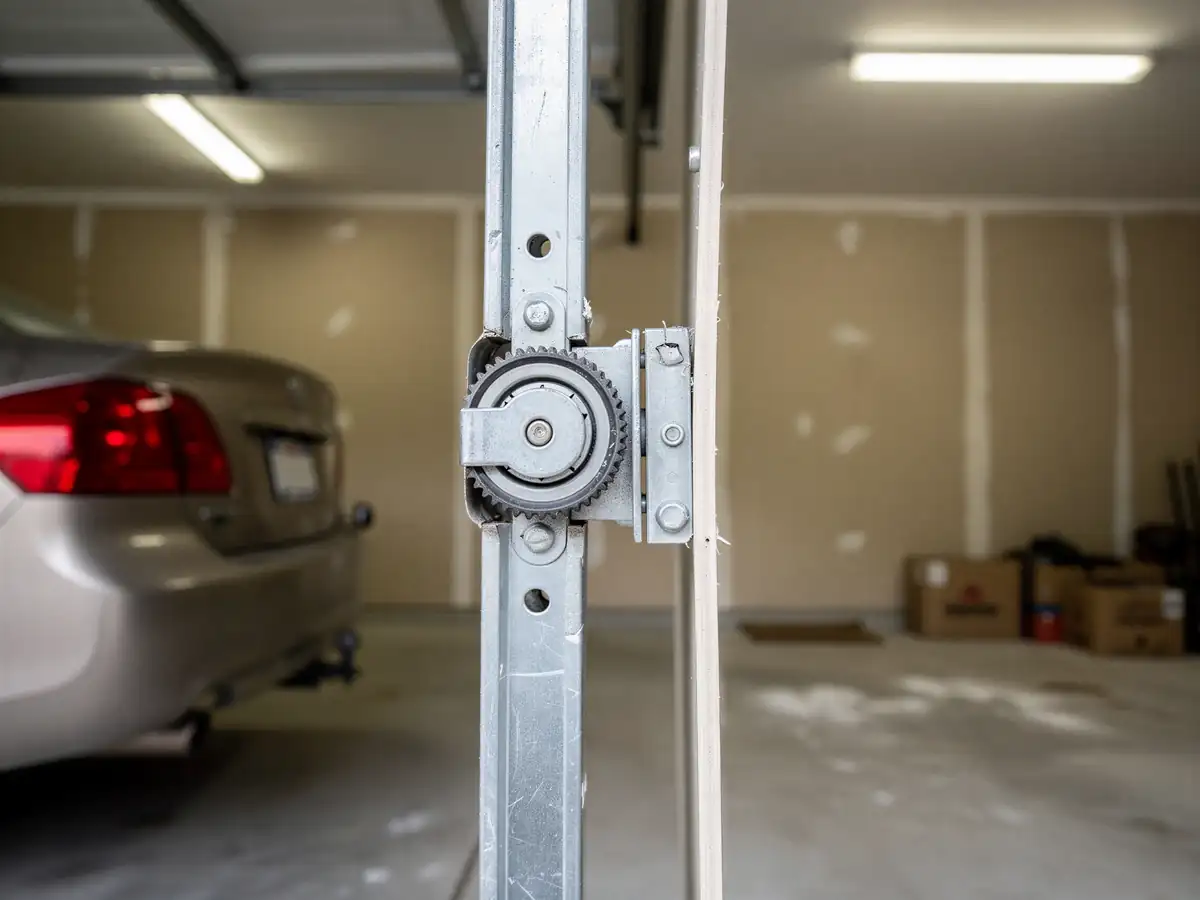
Because Parker's doors cluster around the same 2005-era build, the truck carries what that era actually needs: standard torsion springs sized for typical steel sectional doors, matched roller sets, lift cables, and the sensor and remote hardware that fits openers from that generation. That covers the large majority of calls without a special order. Where we do run into a wait is on proprietary opener logic boards from a few manufacturers that stopped making exact replacements for older models - in those cases we're ordering the part in, and we'll tell you that up front rather than stringing you along with a vague timeline. For a town like Parker, with roughly 1,553 households sharing a narrow band of builder-grade door and opener combinations from the same construction wave, the parts on the truck line up with the parts actually failing on the ground, which is most of what keeps a repair call to one visit instead of two.
What the Repair Takes
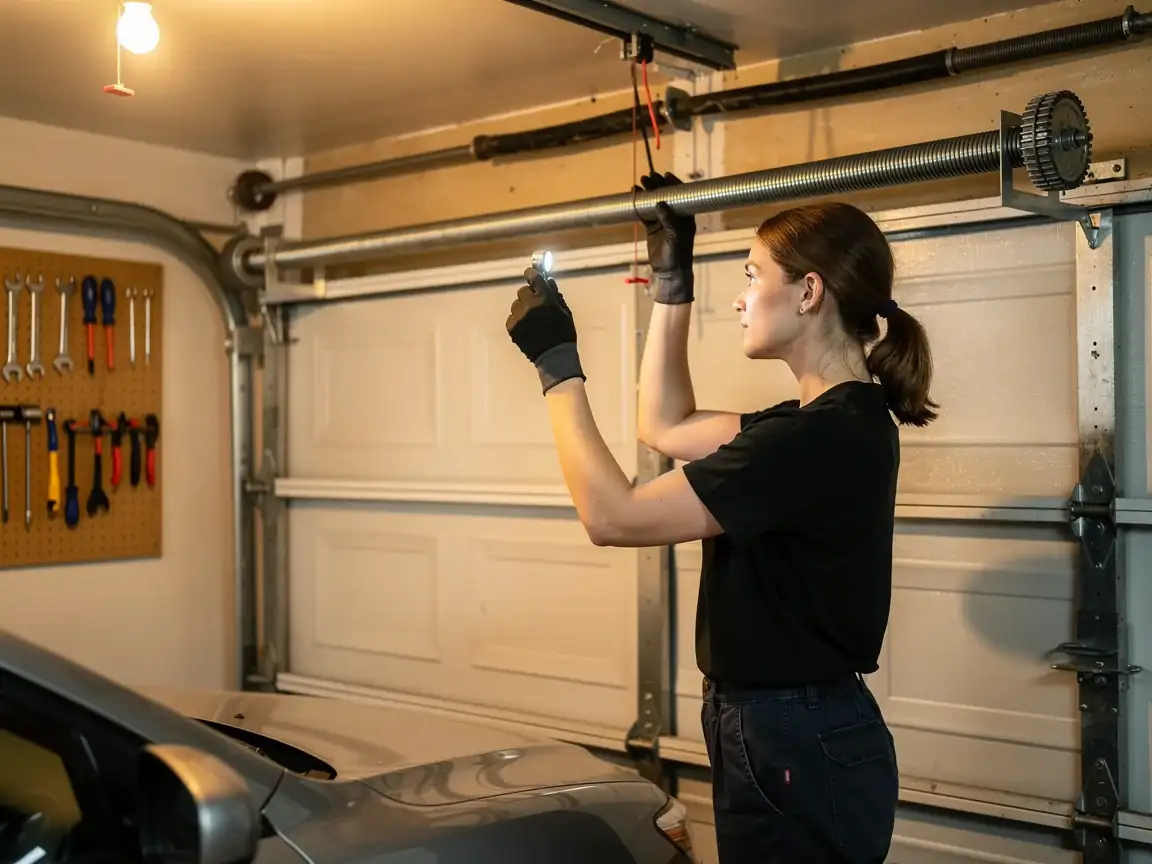
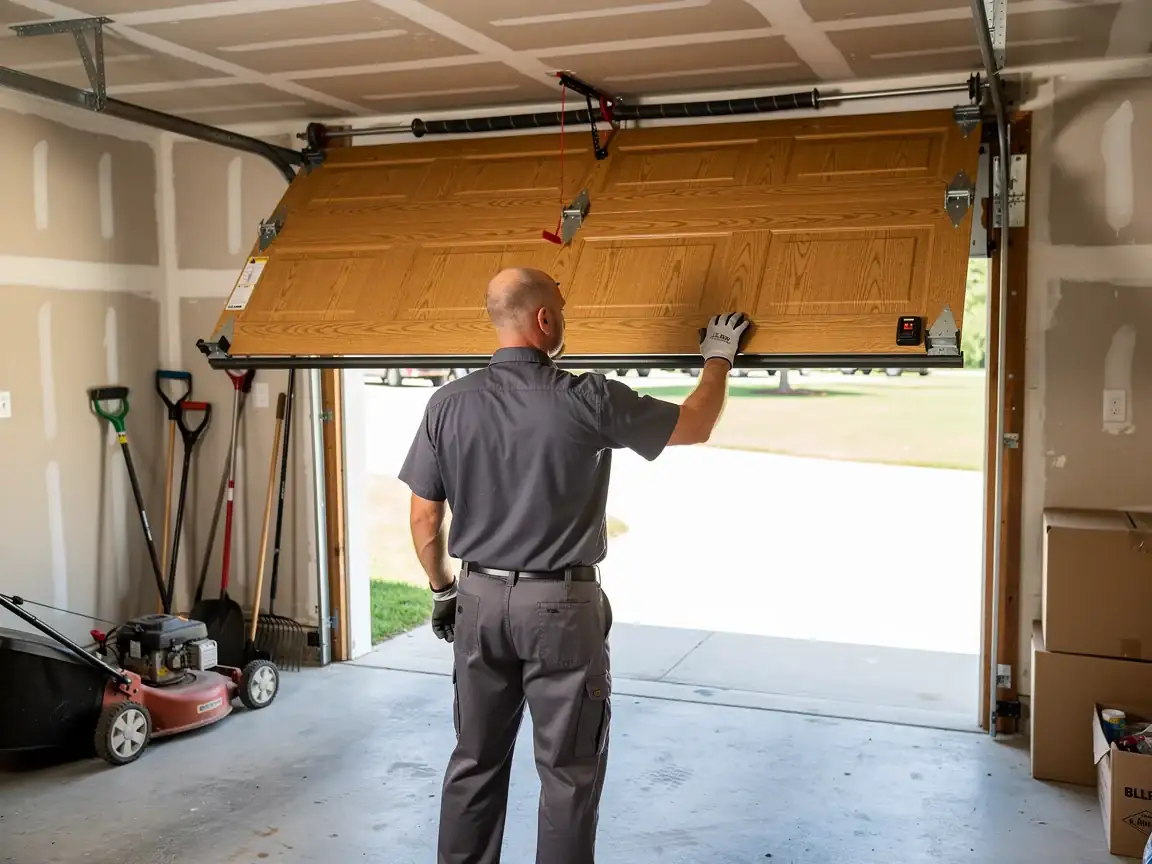
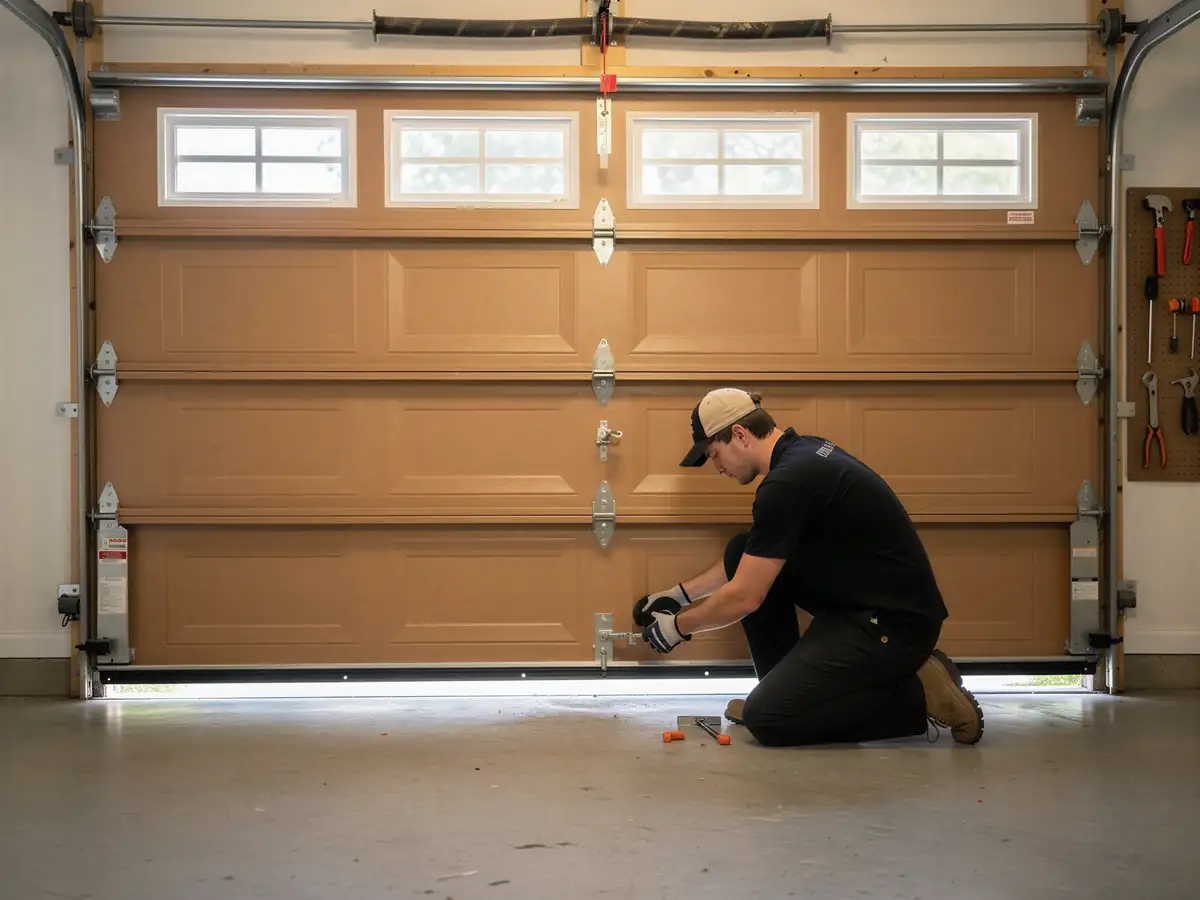
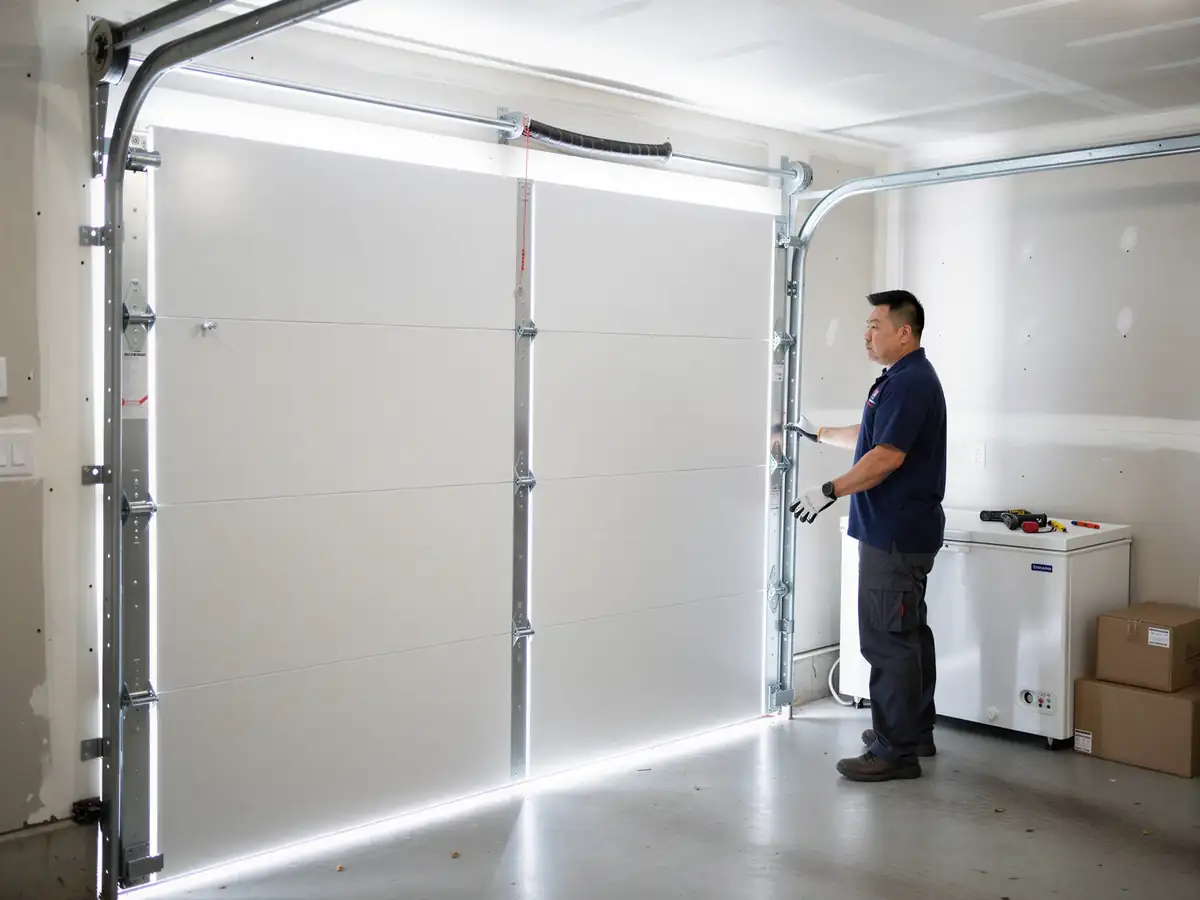
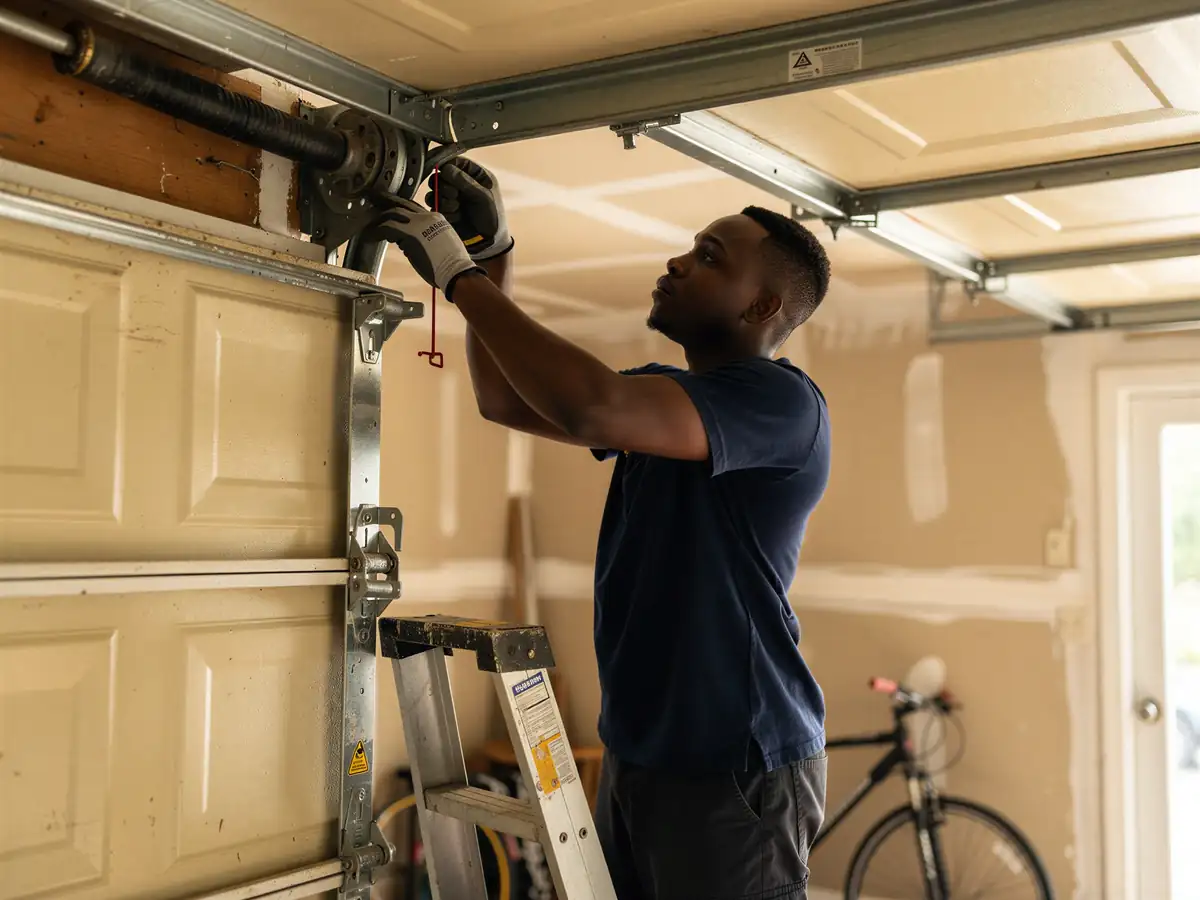
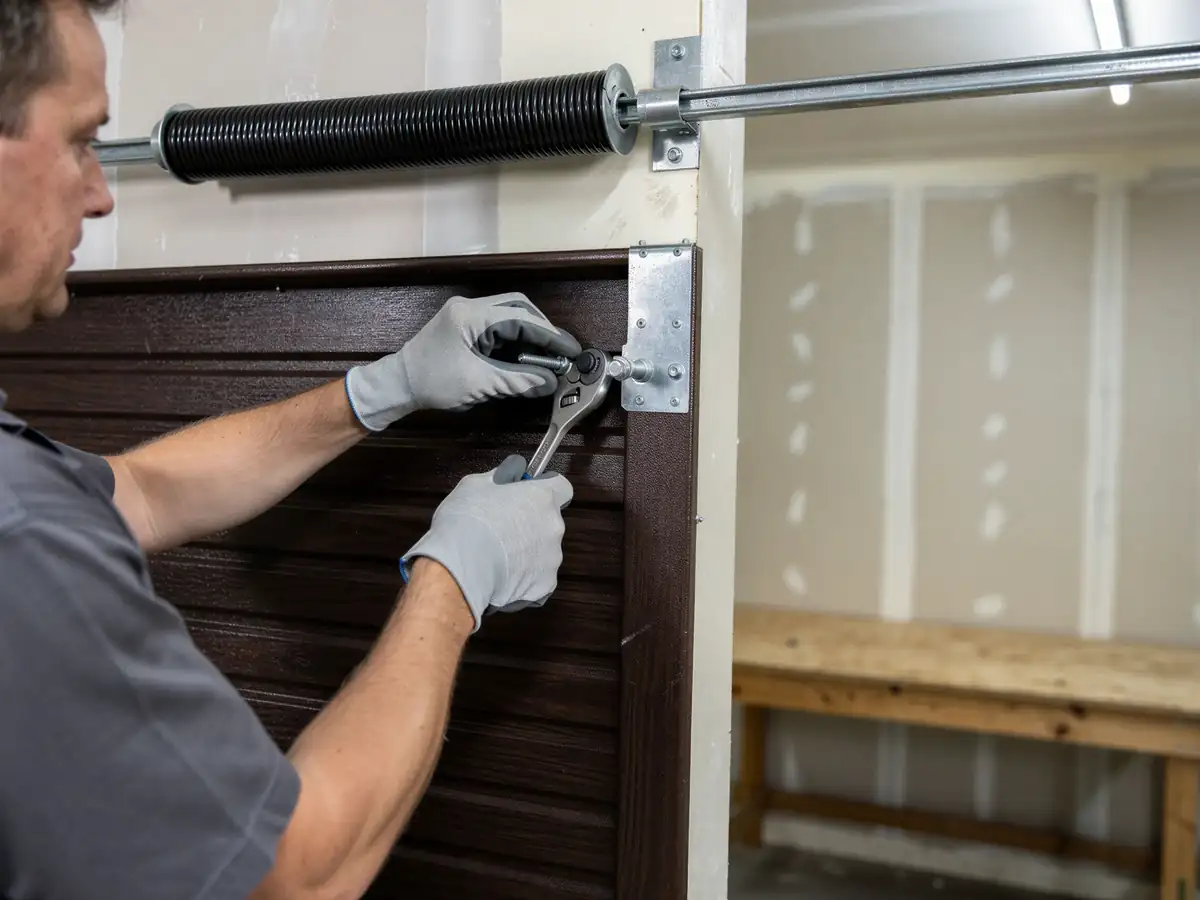
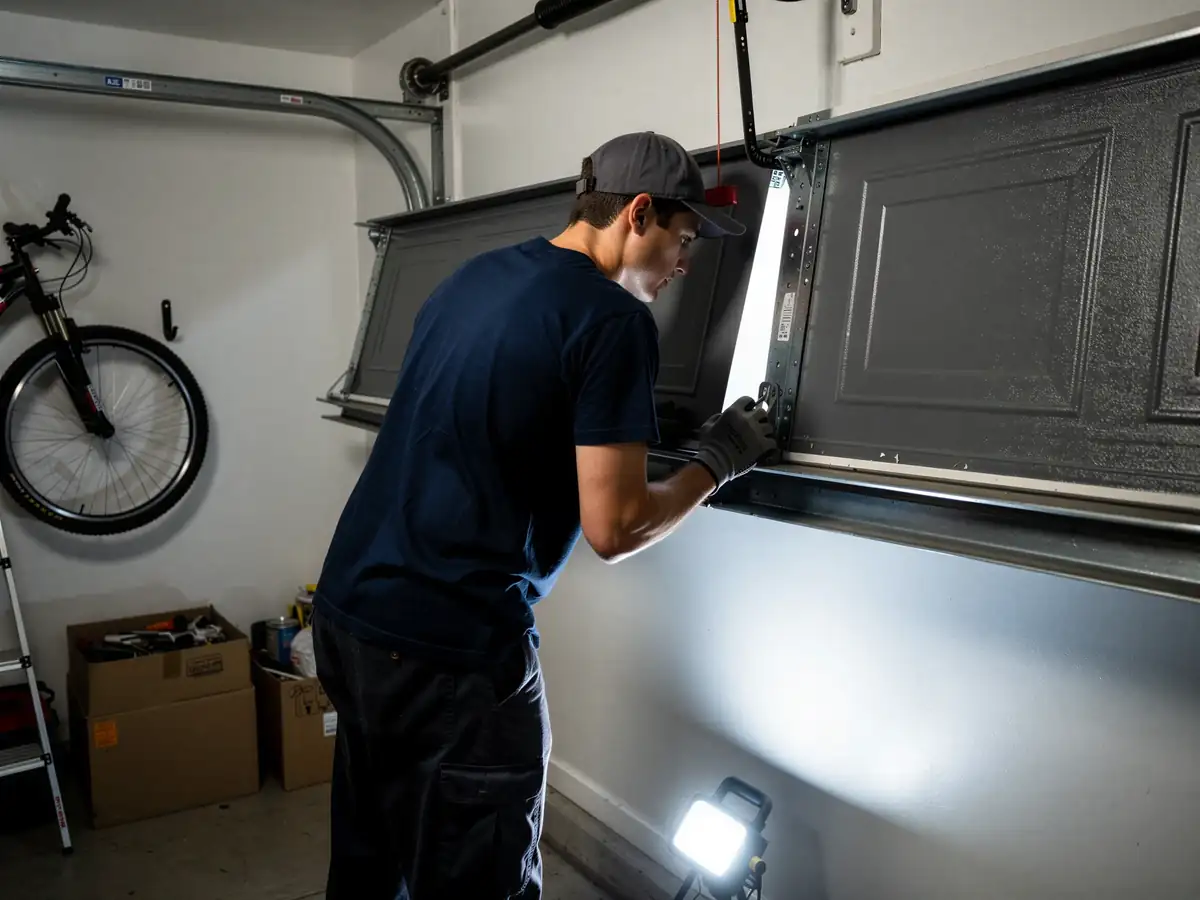
A straightforward torsion spring replacement on a 2005-era sectional door is a contained job - the tech isolates the door, releases tension safely, swaps the spring set, and tests the balance before leaving. Roller replacement and sensor realignment are quicker still. Where it runs longer is when an opener's logic board is the actual problem rather than the sensors, since diagnosing that correctly takes more time than guessing, and if a part has to be ordered the job splits into two visits rather than one. We're honest about that upfront rather than padding a quote to look fast. Because the trip out from Wylie is short, the drive itself isn't the variable - what decides how long a Parker call takes is almost always the age and condition of the hardware already on the door, not anything about the town itself.