Why This Fails Locally
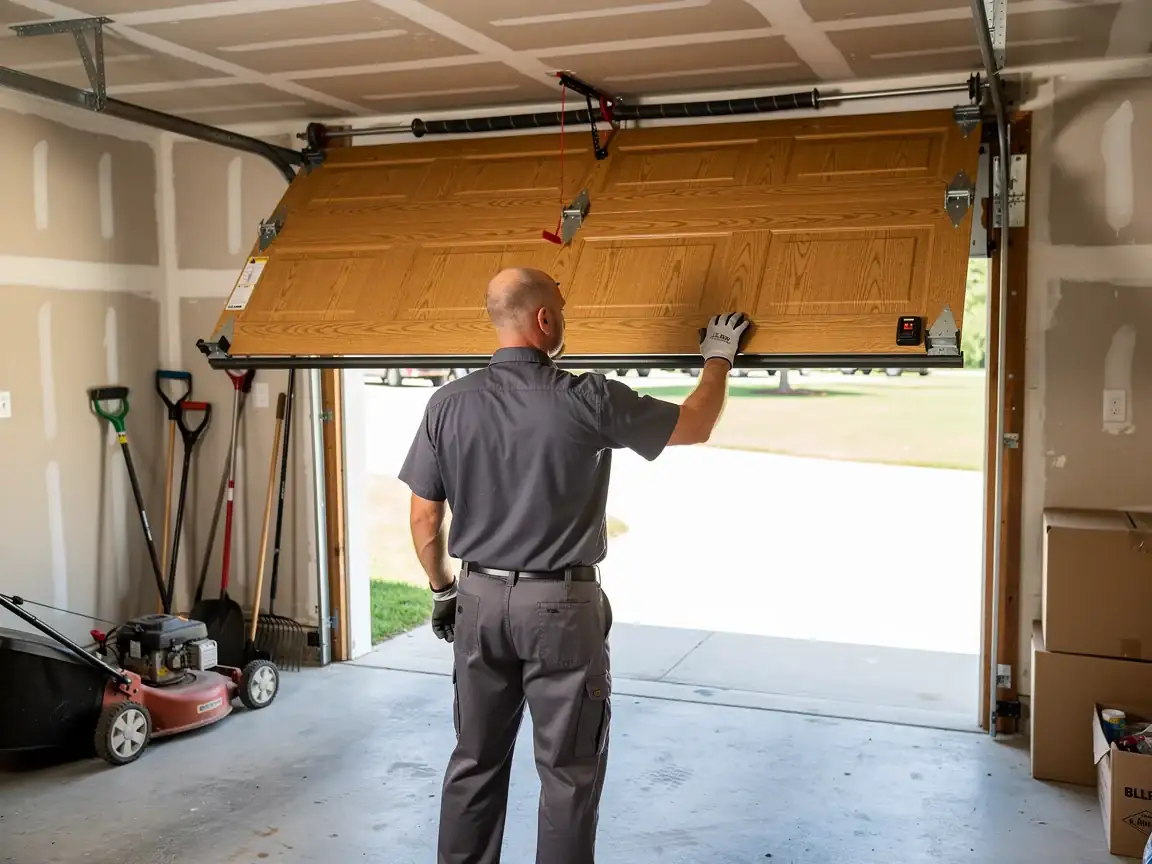
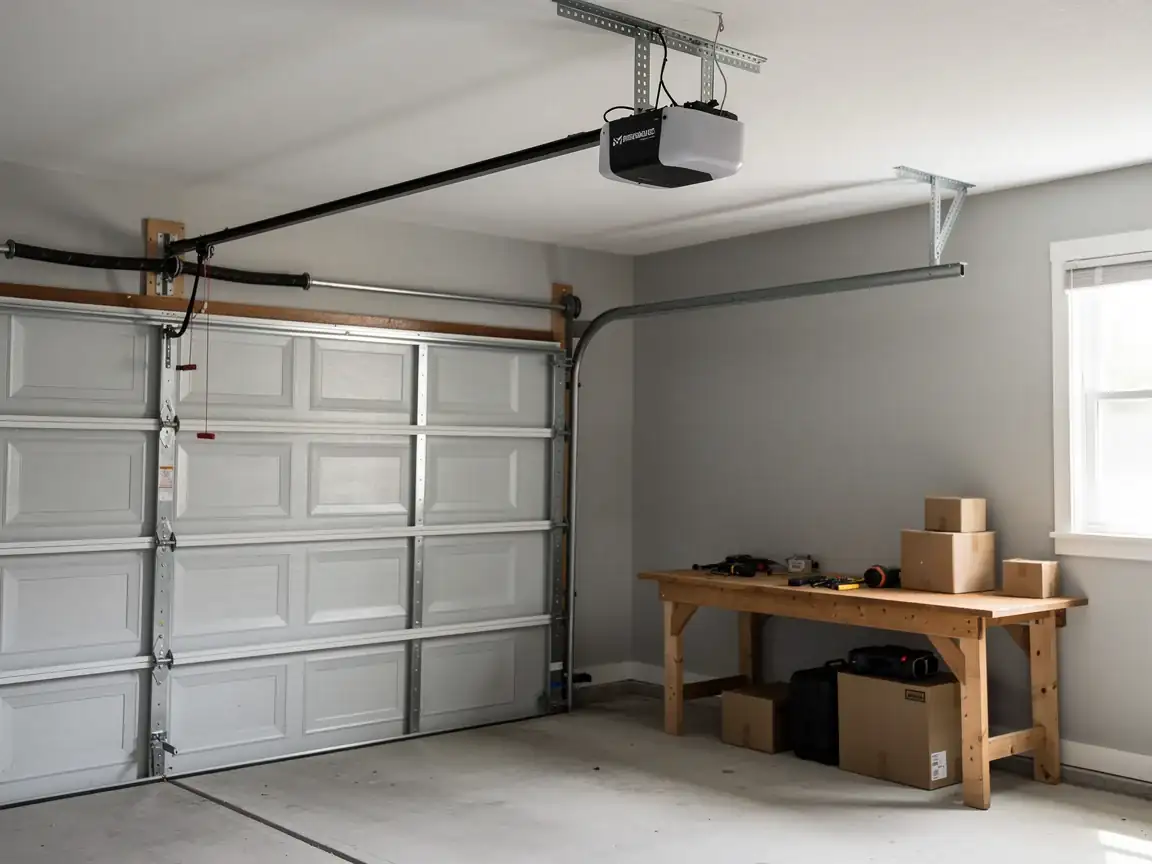
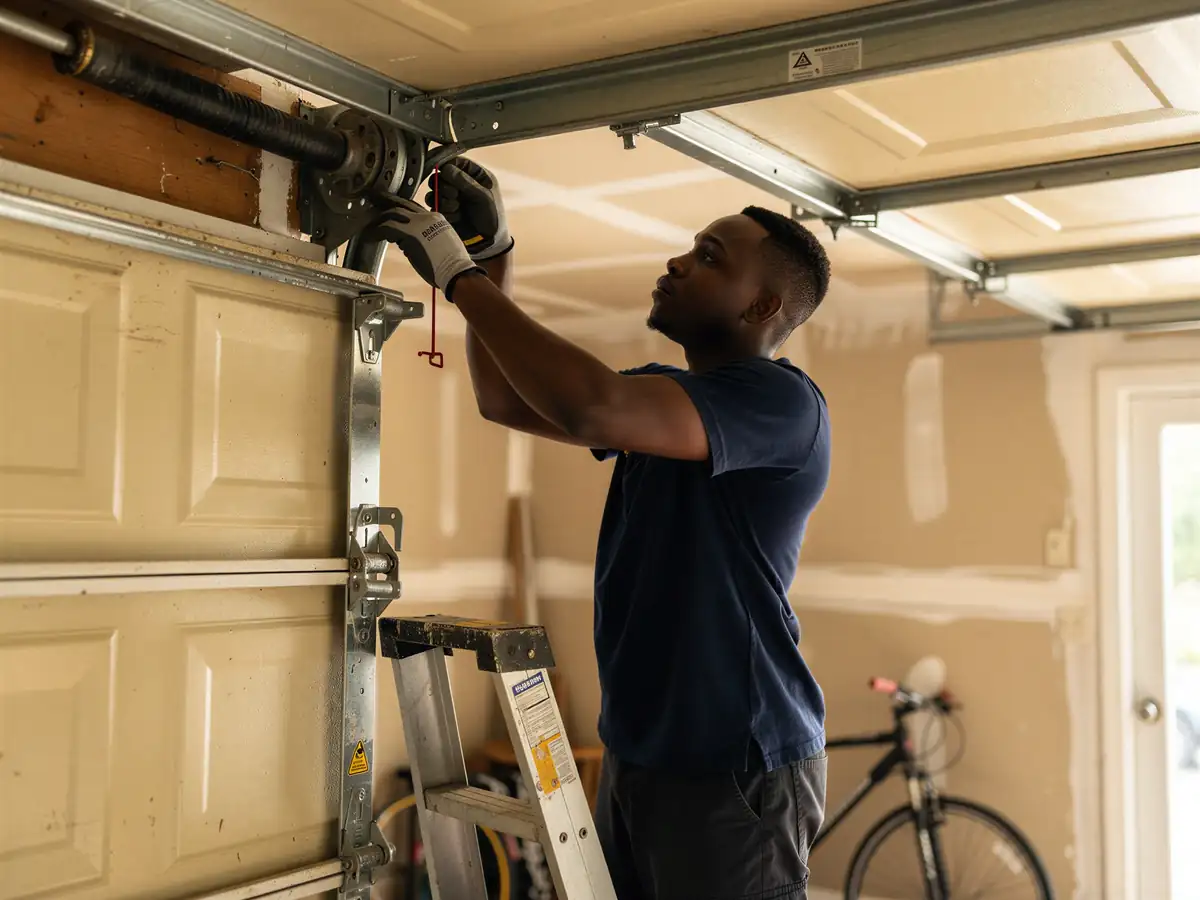
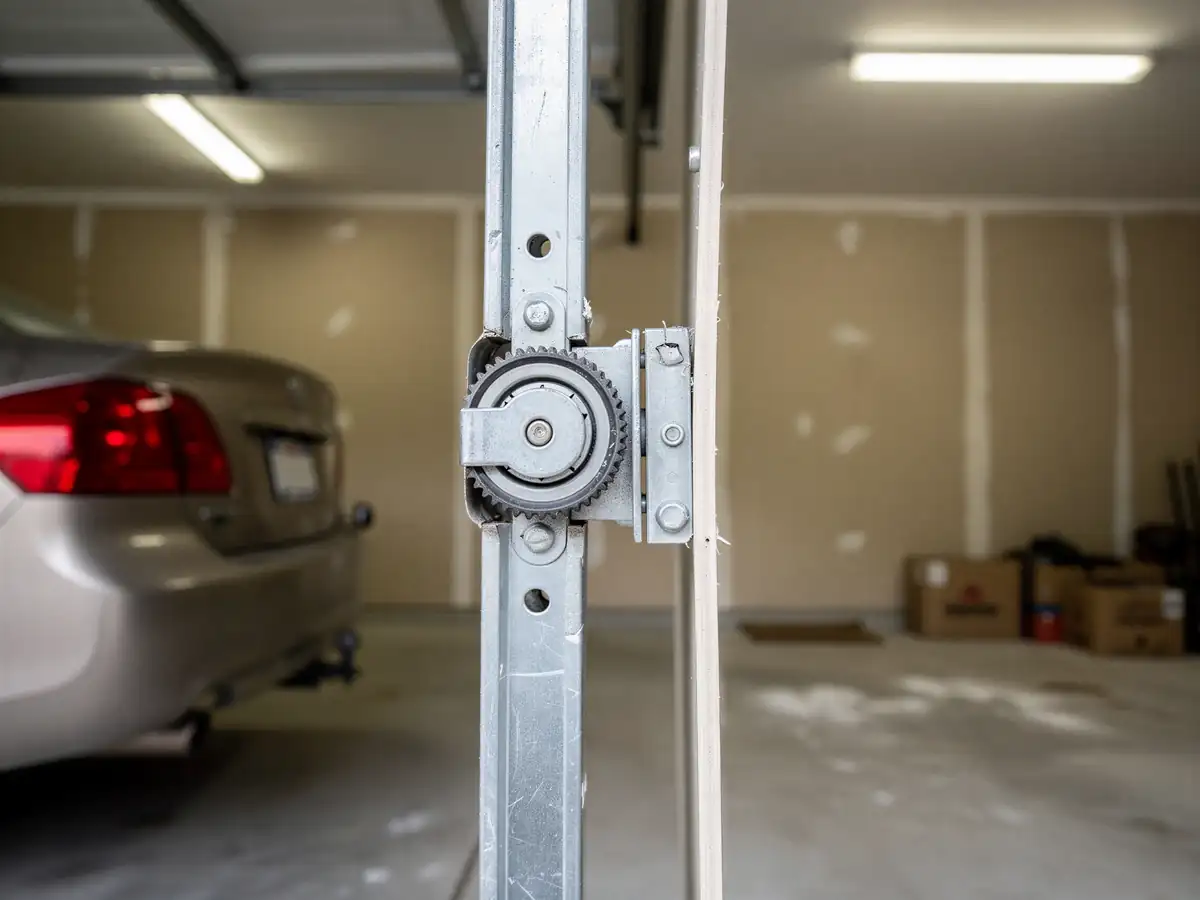
In Parker, the door usually comes off track because a roller has worn out of its track channel or a cable has slipped off its drum, not because the track itself has rusted through. That distinction matters because of what's actually out there. Housing in this service area was mostly built between 1971 and 2015, with the median landing around 2005, which puts a lot of Parker garages in that same window. Doors from that era came with lighter-gauge steel track and nylon rollers rather than the heavier galvanized track and steel rollers you'd find on an older build. Nylon rollers are quieter, but they wear at the stem over time, and once a roller gets sloppy in its bracket, the door only needs one hard stop or one slightly uneven pull to walk the roller clear of the track. On a two-car door, that usually shows up as one side dropping while the other stays put. The climate here is mild with occasional freeze, so rust isn't the main driver of these failures the way it would be further north. Worn rollers and loose track brackets are.
What You Pay
We don't have a published flat rate for this call, and we're not going to make one up. What drives the cost is what we find once we're on site: whether it's a simple re-seat of the rollers back into a track that's still straight, or a bent section of track that needs to come off and be replaced, or a cable that's frayed and needs swapping along with the reset. A door that's been run on a bad roller for months sometimes bends the track trying to force itself through, which turns a 20-minute fix into a parts job. We'll tell you which one you've got before we start work, not after.
Stocked Parts
Because most of what we see in homes built in this window runs nylon rollers on standard-width steel track with torsion or extension springs, we carry the common roller sizes, replacement track sections, and standard lift cables on the truck for the 6-mile run from Wylie. What we can't promise is a same-day fix on anything outside that standard spec, like a custom-width door or a track profile that isn't common to this era of construction. If it's an oddball setup, we'll need to order the part, and we'll tell you that up front instead of guessing.
What the Repair Takes
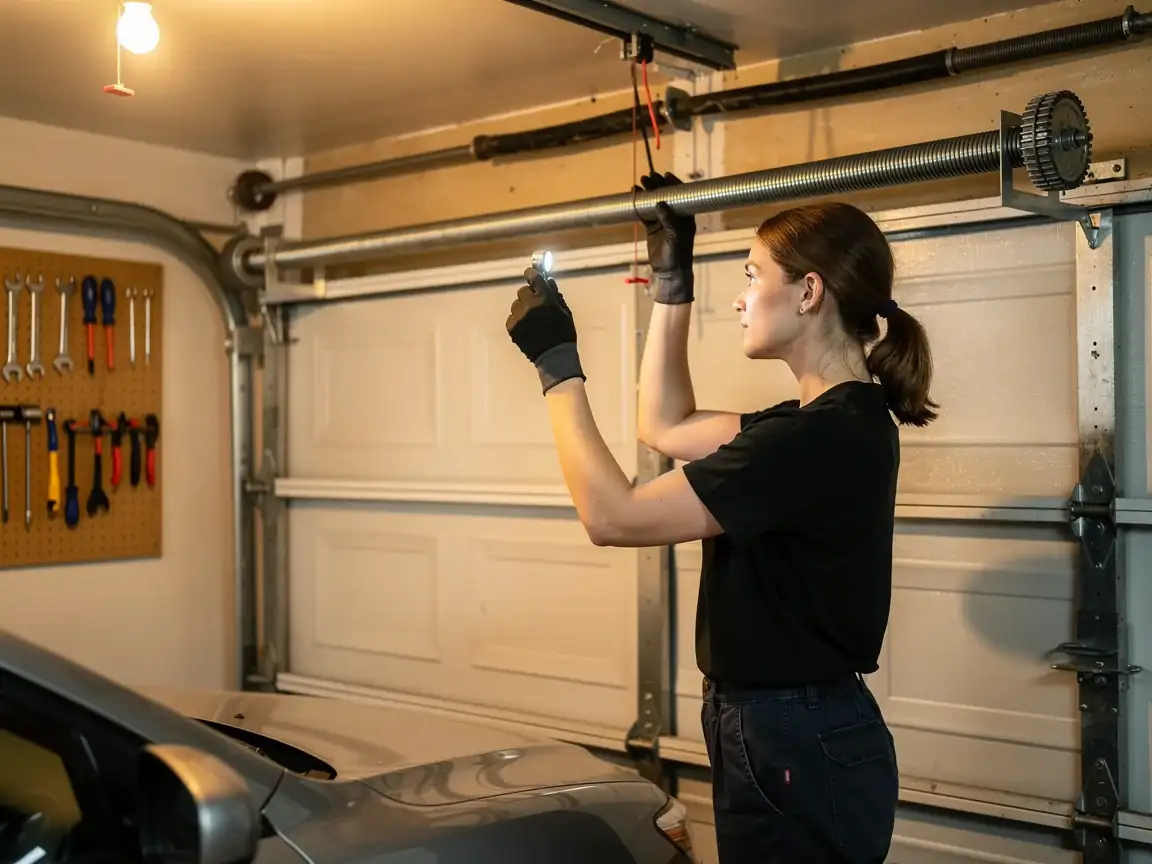
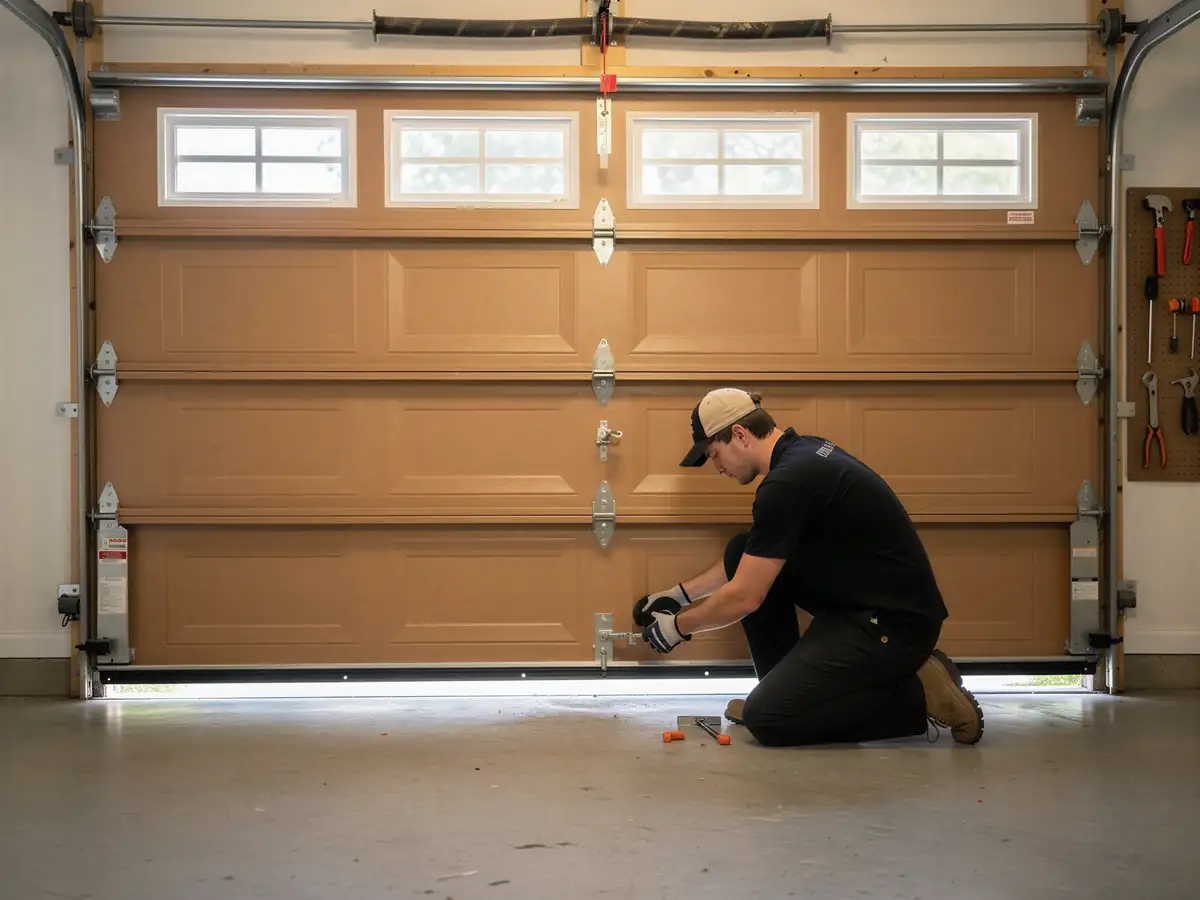
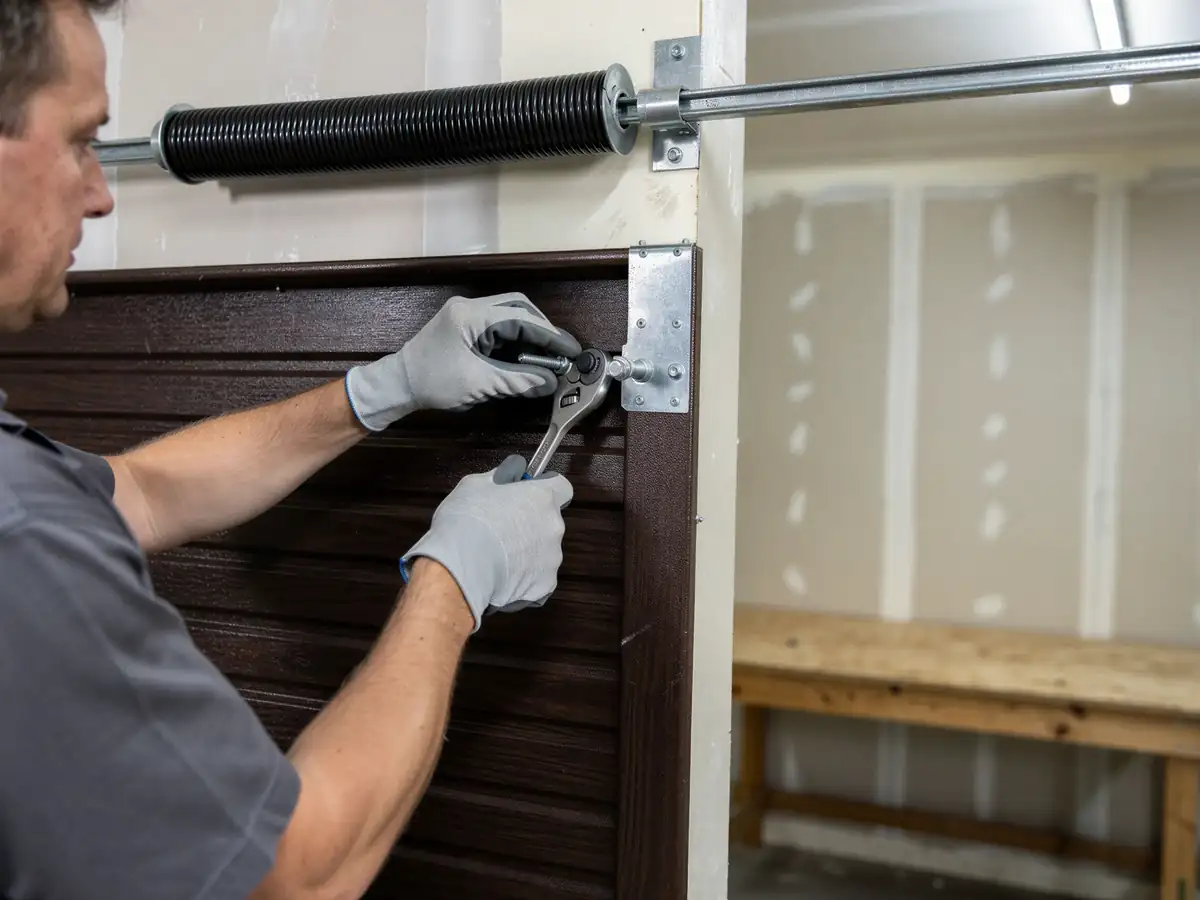
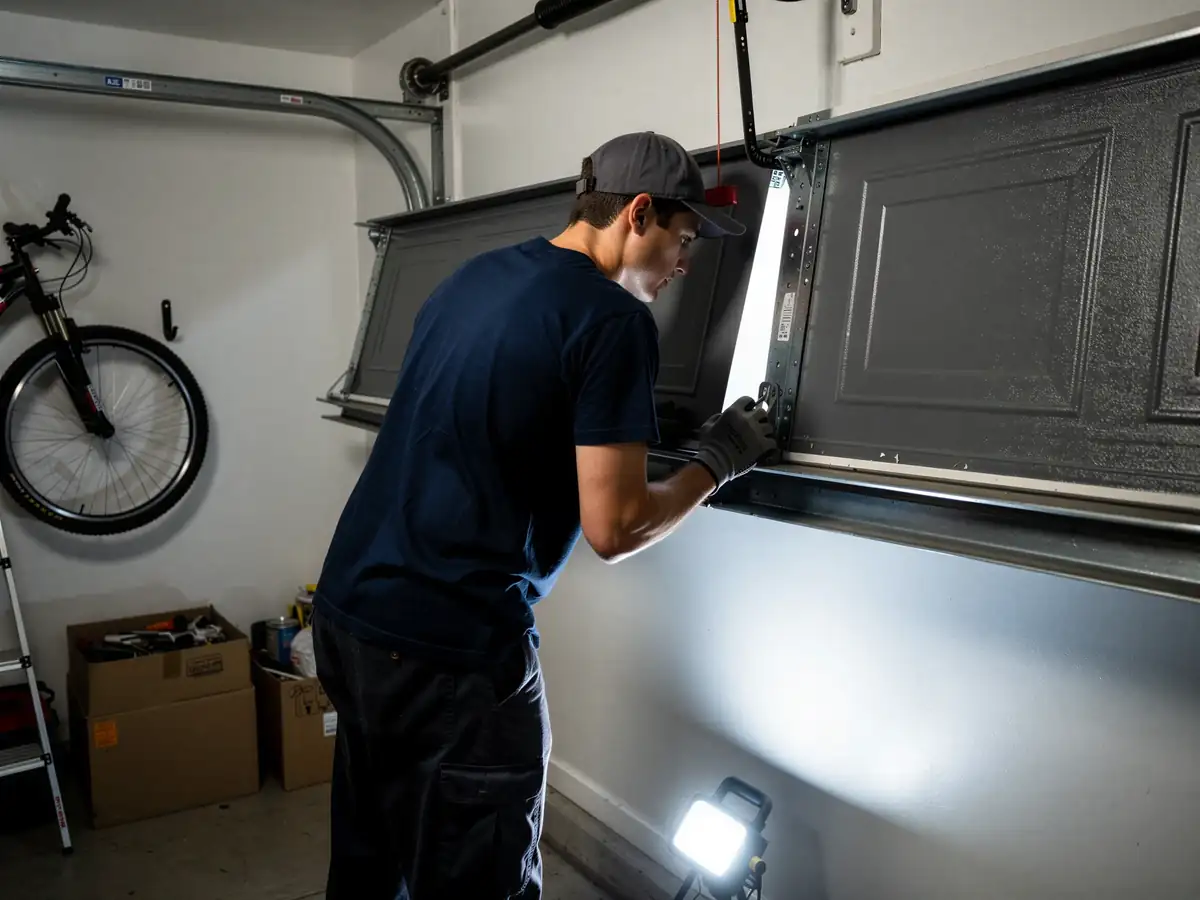
A straightforward re-seat, where the track is still true and it's just a roller that popped loose, takes less time than a job where the track has to come off the wall and get replaced or straightened. We check the full run of track on both sides, the condition of every roller, and the cables and drums before we call it done, because a door that's off track once has usually got something that caused it, and resetting the rollers without finding that cause just means another call later. If the panel itself took damage when the door jumped, we'll walk you through whether it's worth patching that panel or replacing the door section, instead of pushing one option by default.