Doing Nothing For Now
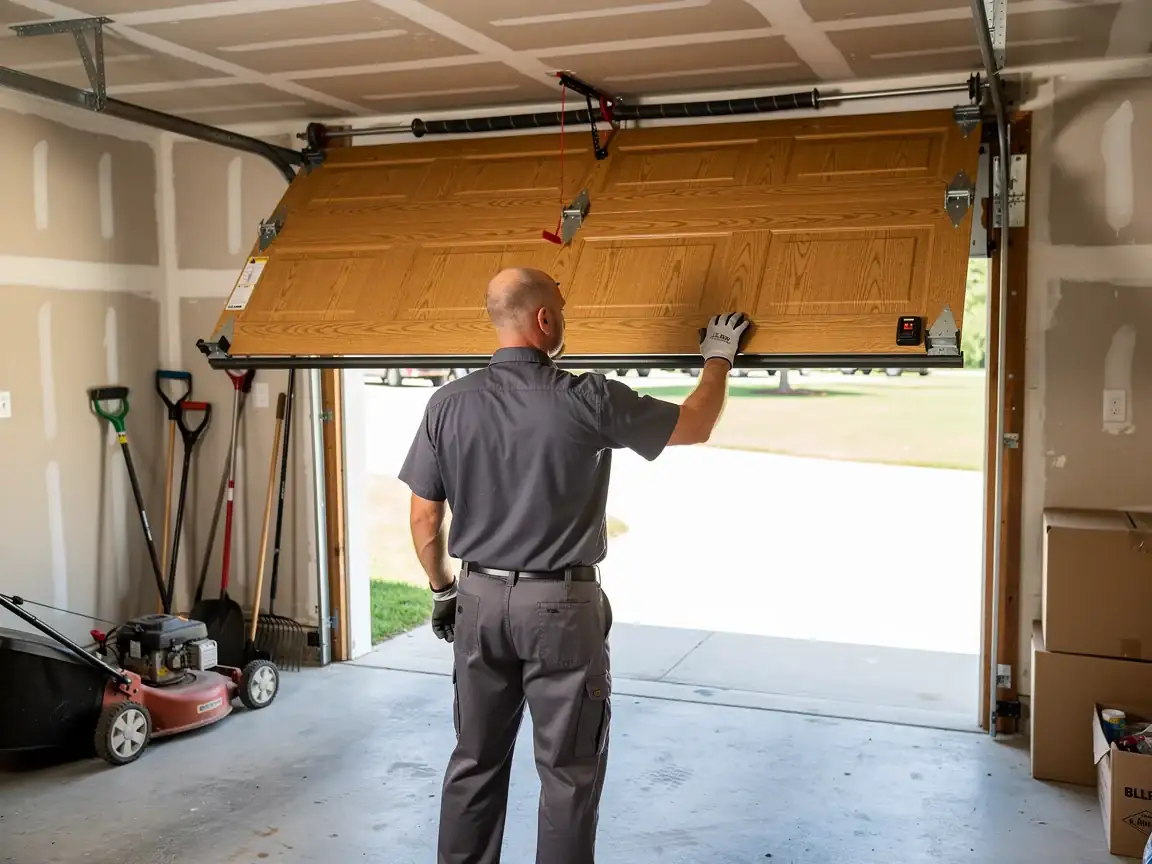
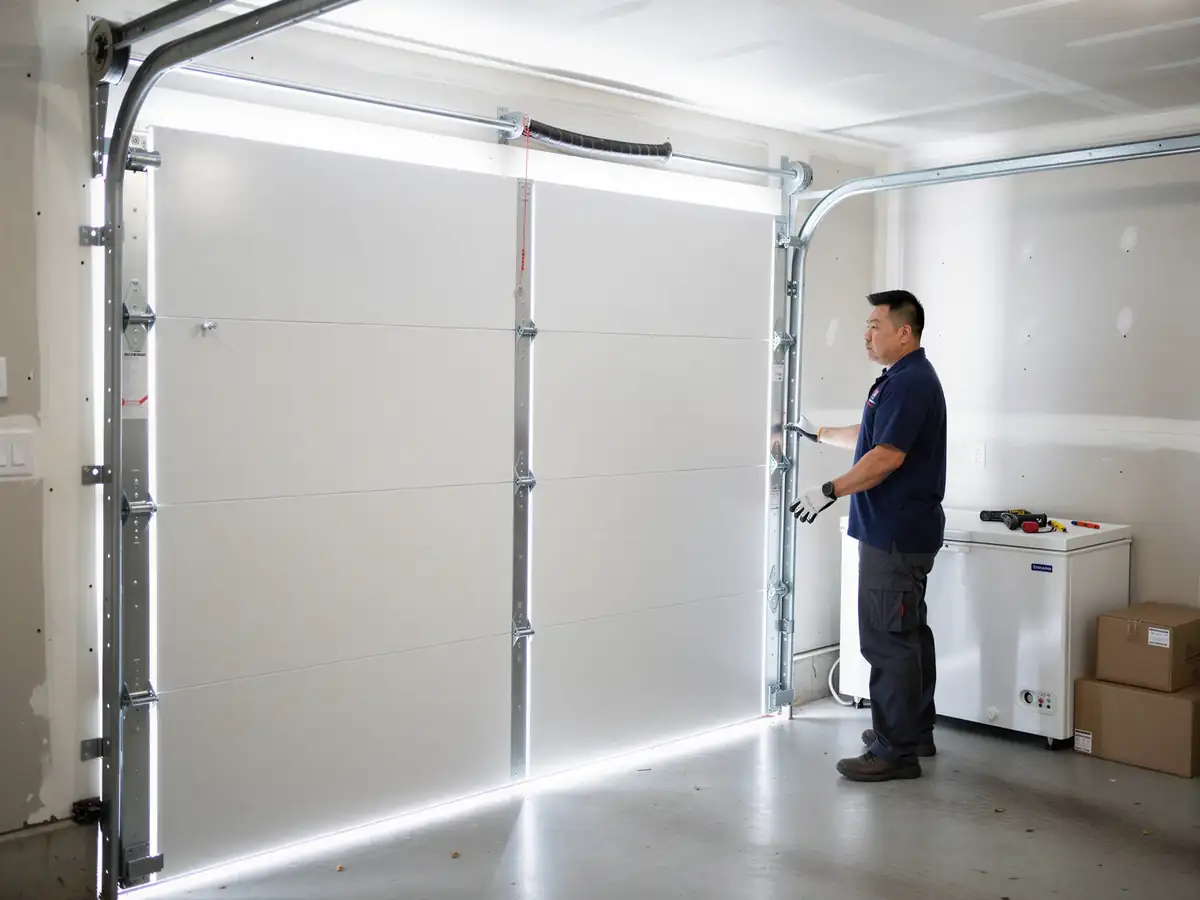
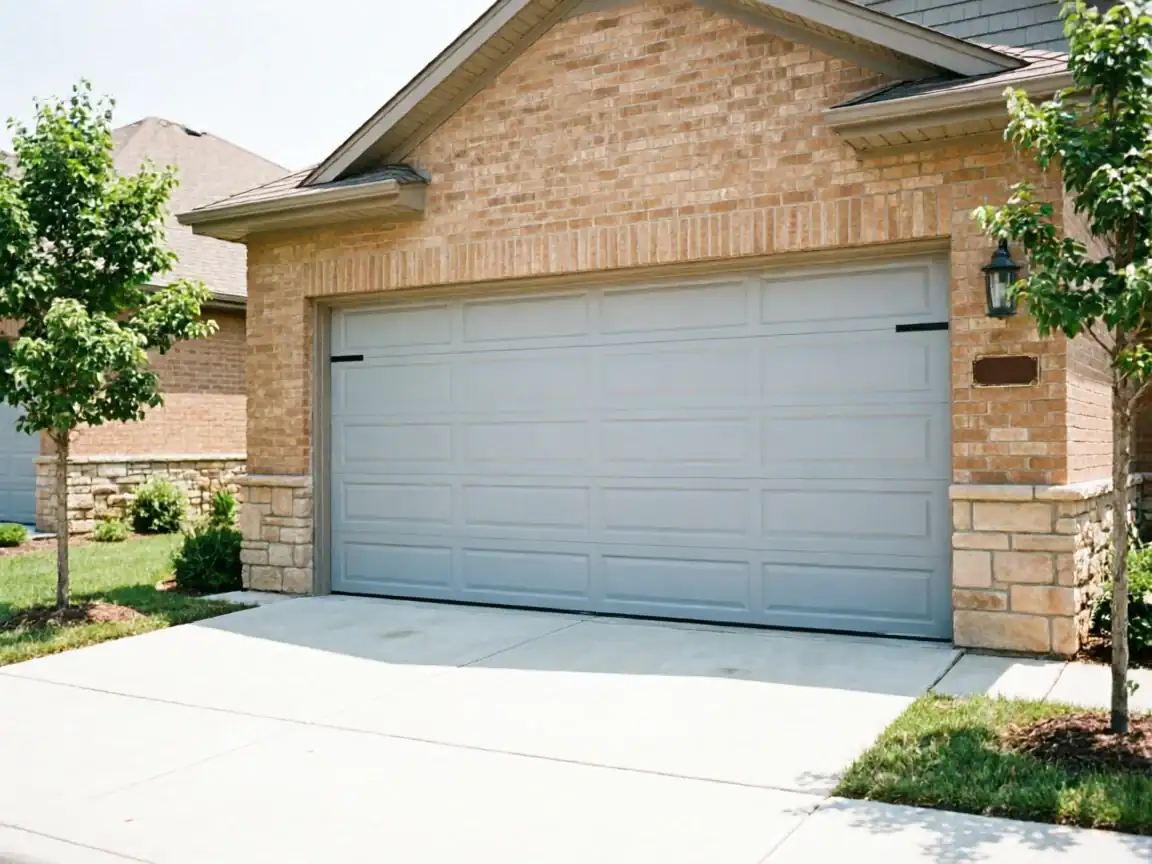
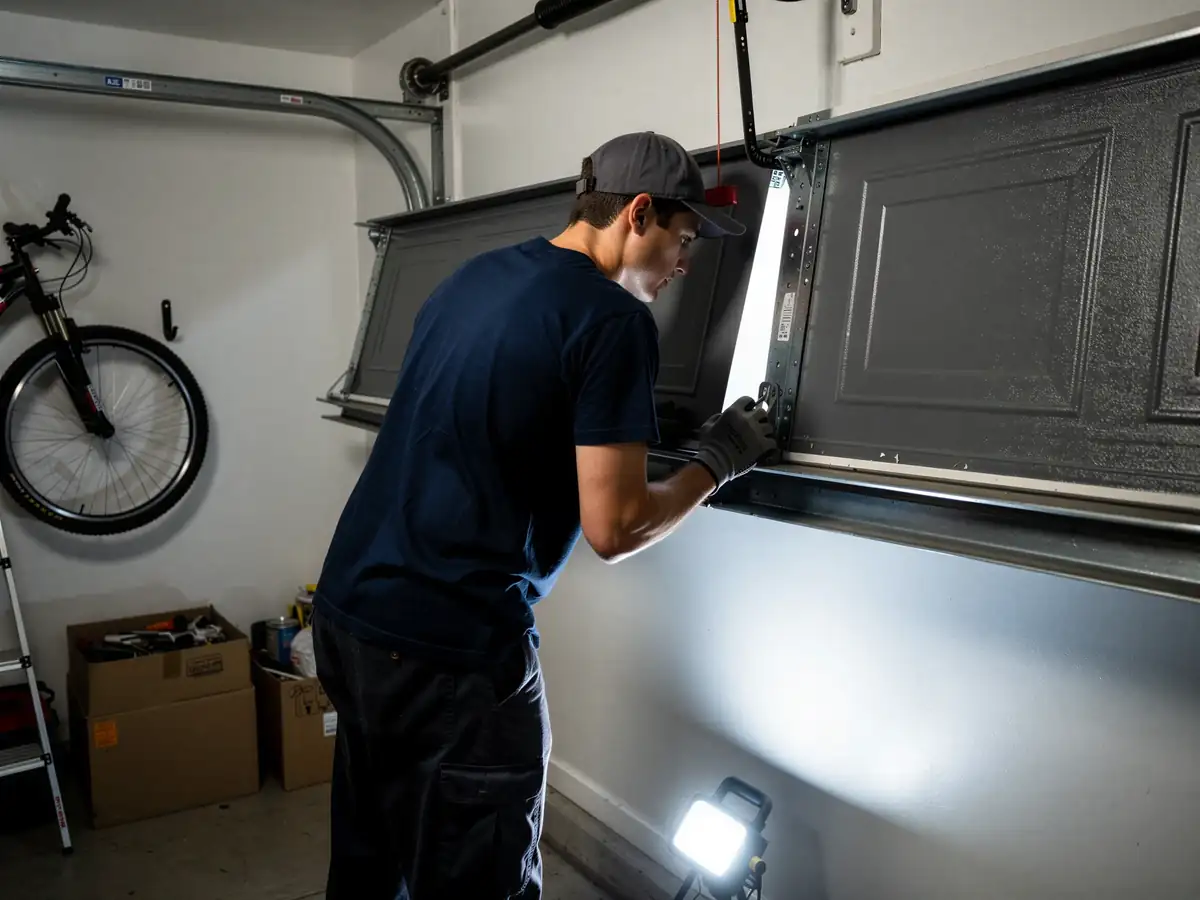
If your door is off track but the panel isn't bent and the opener isn't straining against it, you can usually wait a day or two before calling anyone. Don't run the opener though - forcing a door that's off its track with the motor will bend the track further or snap a roller stub, turning a bracket adjustment into a full track replacement. Most of the houses in this part of the county went up between 1971 and 2015, with the bulk from the 2000s building boom, so the vast majority of doors on St. Paul, Murphy, Lucas, and Parker streets are running on the same builder-grade galvanized track and stamped steel rollers that shipped standard in that era. That track holds its shape fine under normal use. It's thin-gauge enough that one solid knock - a car mirror, a bike, a kid's basketball - tweaks the rail just enough for the roller to climb out at the bend. If that's what happened, the door is safe to leave shut and unused until someone looks at it.
The Problem
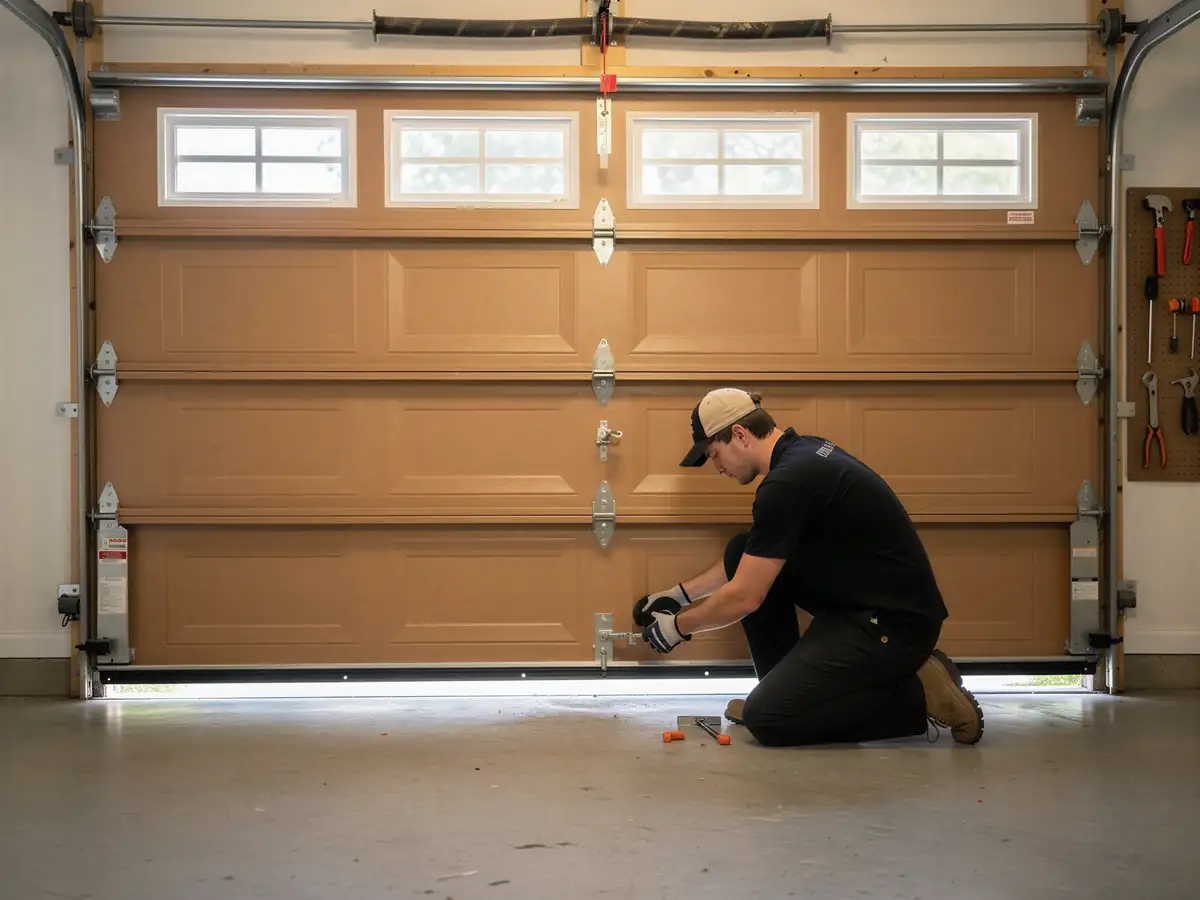
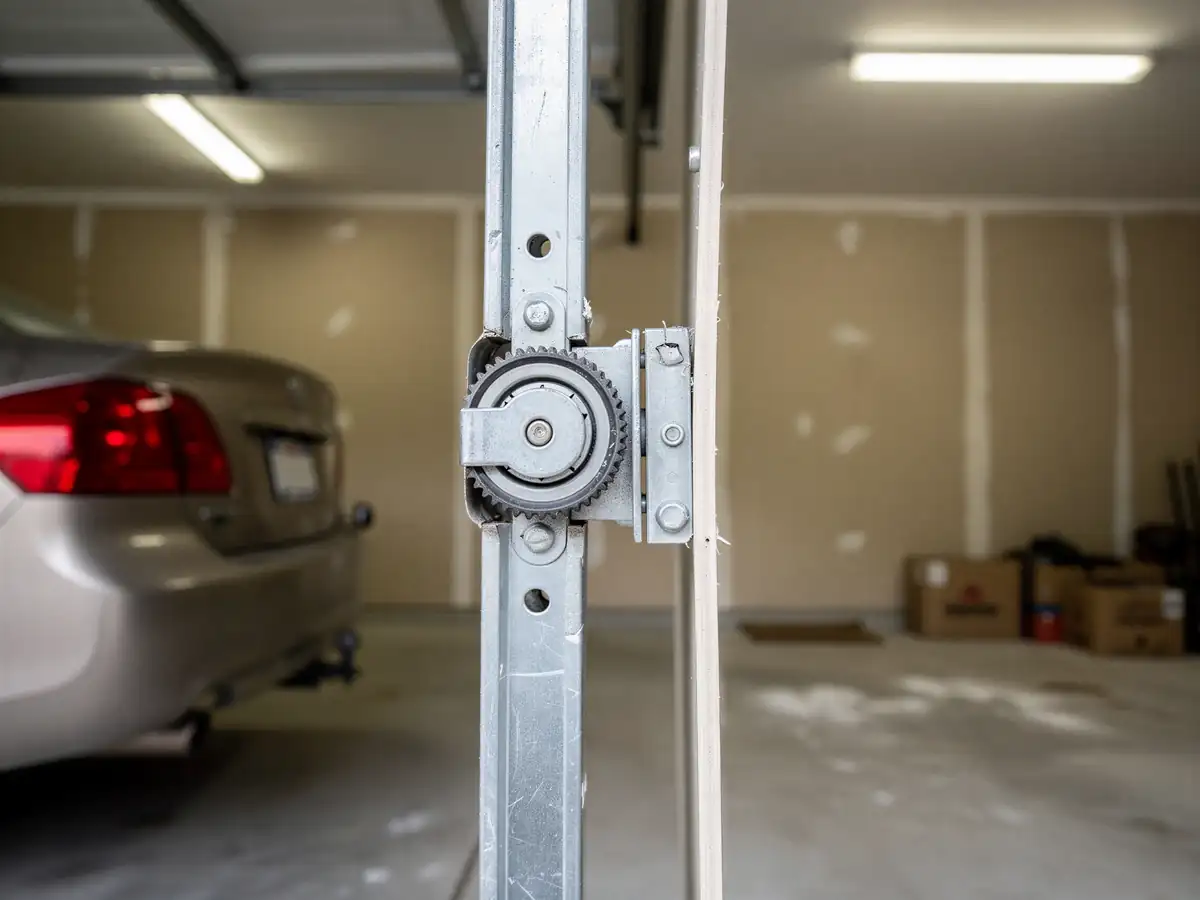
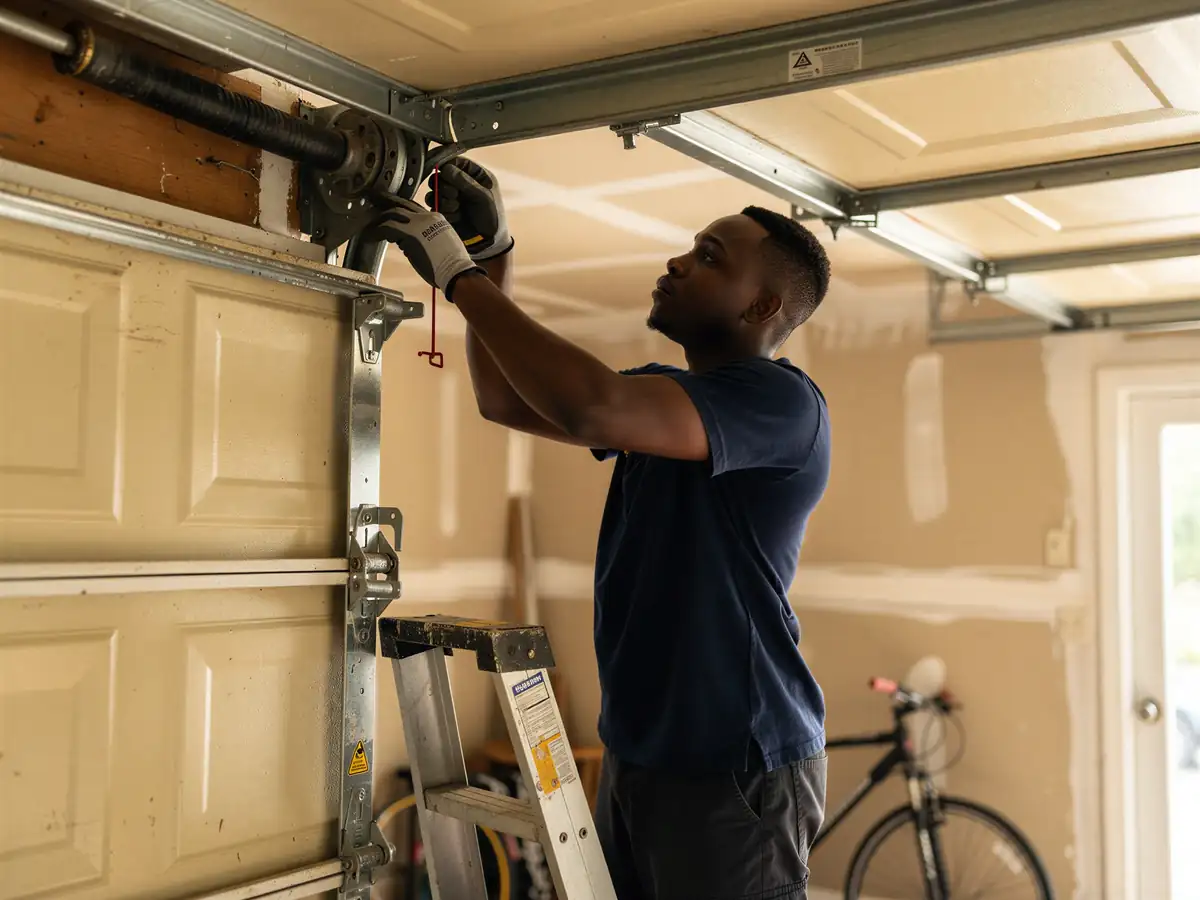
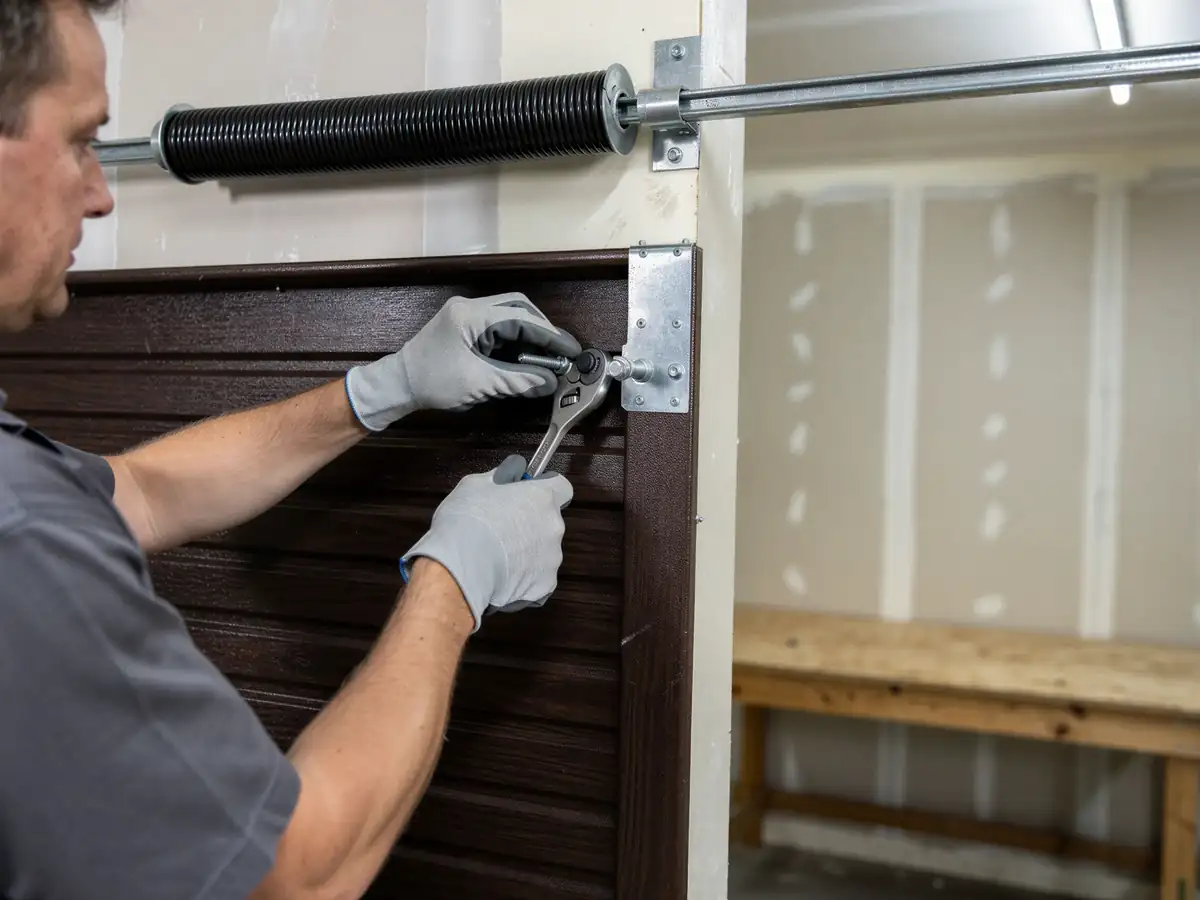
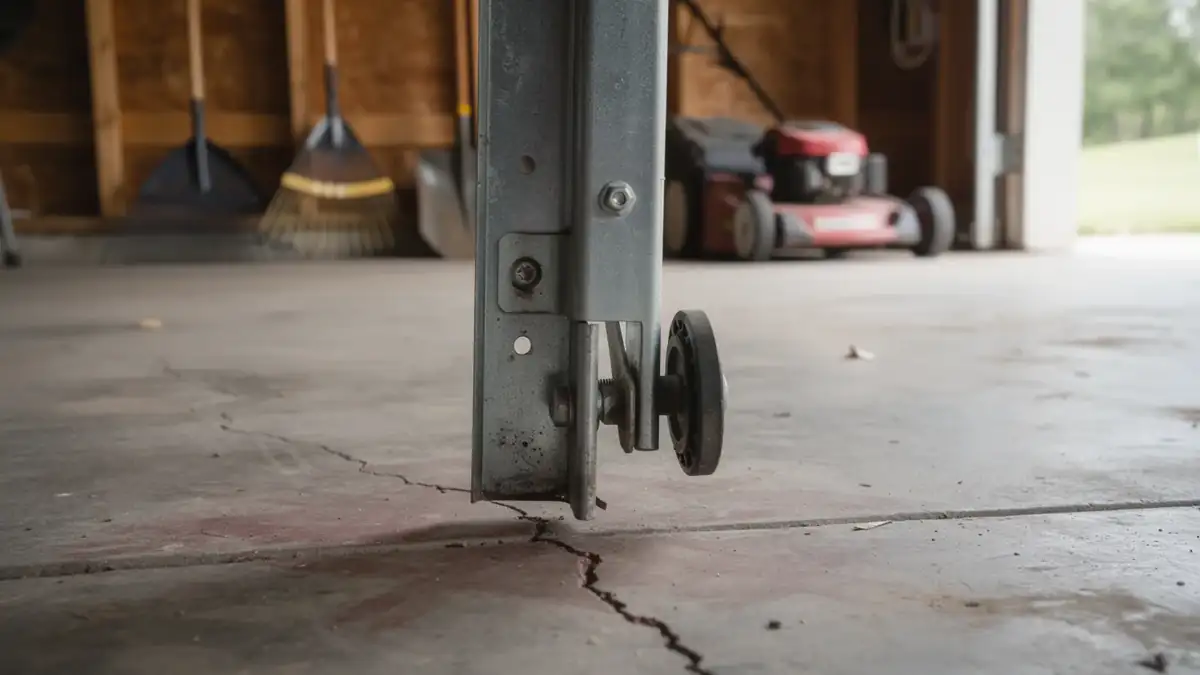
Nine times out of ten on a 2000s-stock door, it's one of three things: a bent section of track from an impact, a roller that's worn down and started binding sideways instead of rolling, or a bracket that's worked loose from the jamb over years of vibration. Because so much of the area's housing stock was built in the same ten-to-fifteen-year window, we see the same failure pattern repeat house after house - the factory rollers on these builder-installed doors were never top-grade, and by year twelve to fifteen they're flat-spotted or cracked at the stem. A flat-spotted roller still turns, but it turns unevenly, and that wobble walks the door sideways in the track a little more each cycle until one day it skips the rail entirely. Loose top brackets are the other common cause - the lag screws back out of the framing over time, especially on doors that get opened and closed several times a day, and a bracket hanging even an eighth of an inch low is enough to throw the whole path out of alignment.
What You Pay
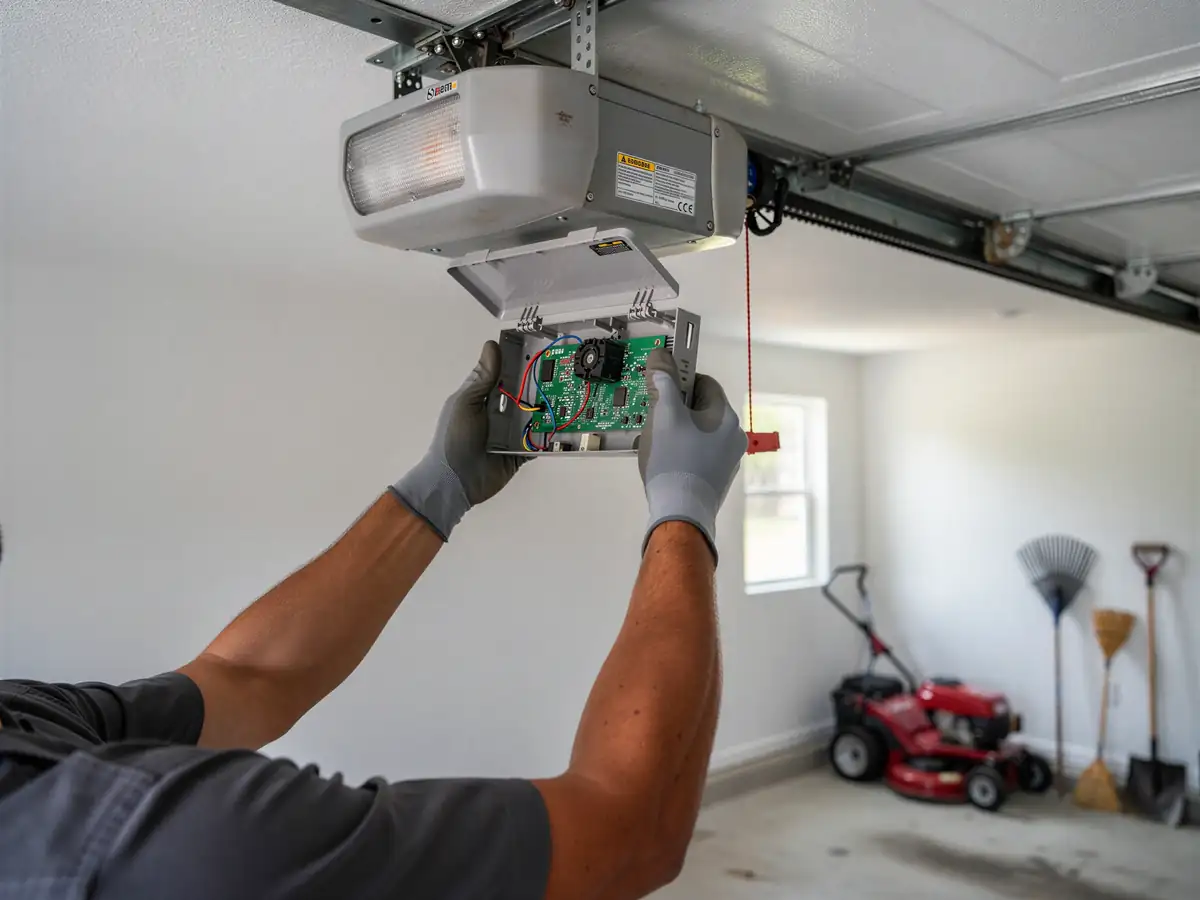
A roller swap or bracket tightening on a door that's still square and undamaged is a small job - we're in and out, usually without touching the opener at all. Cost climbs once the track itself is bent, because a bent track almost always means replacing that whole rail rather than trying to hammer it straight, and if the door came off track hard enough to bend the track, it's worth having the panel checked too. We don't quote a number without seeing the door - track length, roller count, and whether it's a single or double door all change the job. If you're already looking at a track replacement on a door that's near the builder-grade original from the 2000s boom, it's worth asking whether a full roller and track upgrade makes more sense than patching the original hardware again in a few years.