Why This Fails Locally
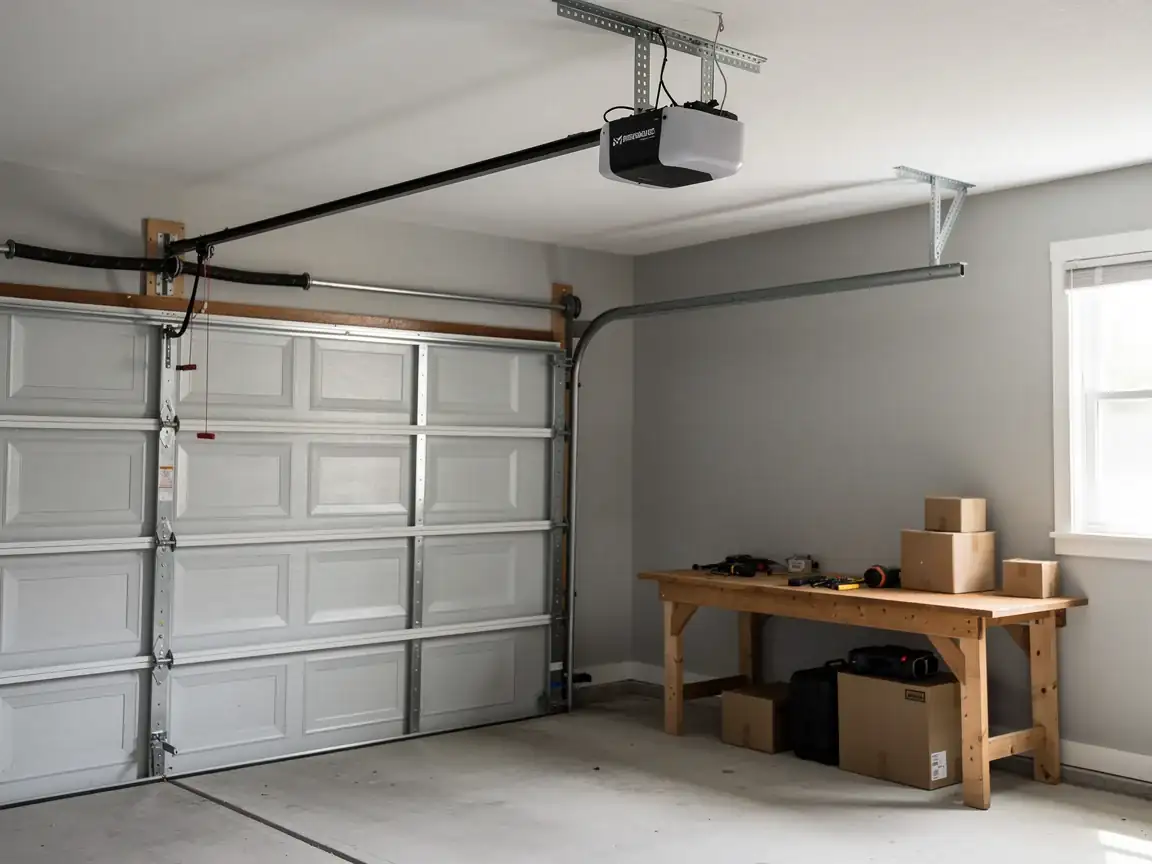
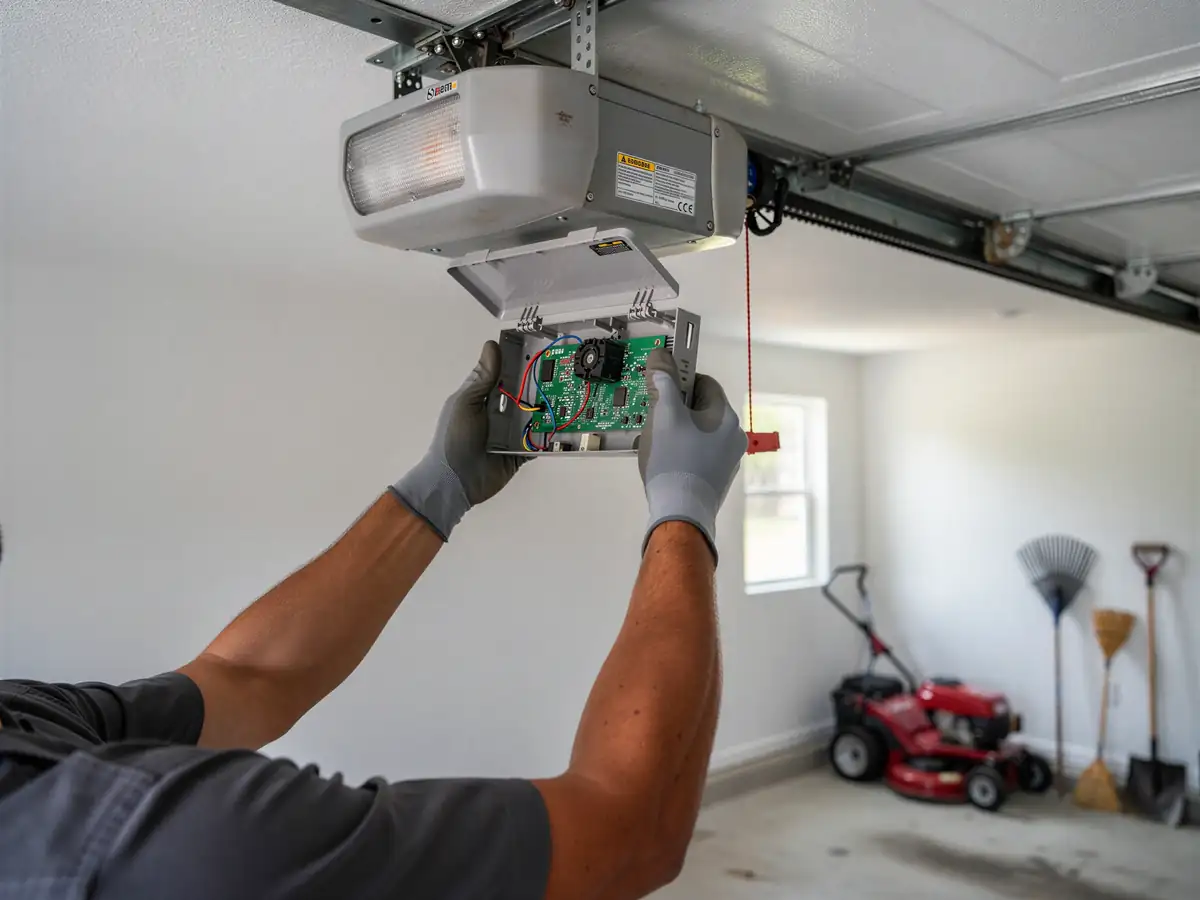
Most houses across this service area went up between 1971 and 2015, with the bulk of the stock dating to the 2000s. That matters for openers because it's a single generation of garage door hardware doing the heavy lifting right now. Builders in that boom put in belt and chain-drive openers with circuit boards rated for a mild climate - and the climate band here is mild with occasional freeze, not desert dry and not the deep-freeze Midwest. That combination is exactly what wears out an opener board early: enough heat most of the year to stress the capacitors, with just enough cold snaps each winter to make contacts and relays contract and expand. A board that would run another five years in a stable climate starts throwing errors here instead.
The logic boards from that 2000s building wave are also getting old enough that failure clusters show up at once - a run of calls for the same symptom in houses built the same year, because they all got the same opener model off the same builder spec sheet. If your opener is original to a house from that era, you're not dealing with a fluke. You're dealing with a part reaching the end of a predictable life, in a climate that shortens that life a little every summer and every hard freeze.
The Symptom
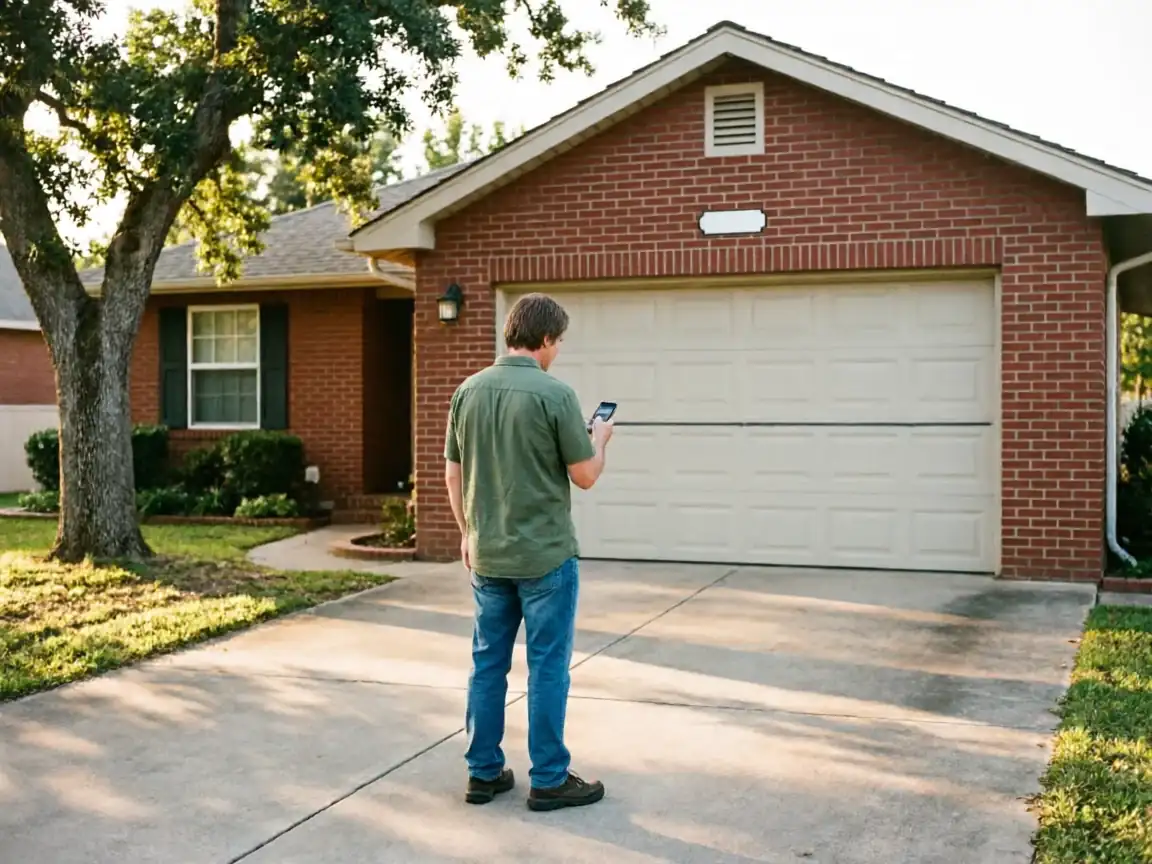
The opener hums but the door doesn't move, or it moves a few inches and reverses. Sometimes the light blinks a set number of times and nothing else happens - that's the board trying to tell you which safety circuit tripped. Other times the remote works from fifteen feet but not from the driveway, which usually means the antenna wire inside the unit has come loose or corroded at a solder joint, a slow failure that fits the pattern of a board aging through repeated mild-to-cold swings rather than one dramatic break.
A chain-drive opener that's lost tension sounds different from a belt-drive one losing its grip, and a wall button that's stopped responding points somewhere else entirely from a dead remote. We ask about all of this before we quote anything, because 'opener problem' covers half a dozen different parts and only one or two of them are usually the real fault.
Can You Do This Yourself
Checking the wall button wiring, swapping a remote battery
And clearing the photo-eye sensors of dust are all fair for a homeowner to try first - they take five minutes and cost nothing. Reprogramming a remote is in the owner's manual for a reason; you don't need a truck for that.
Where we'd stop you is the logic board itself
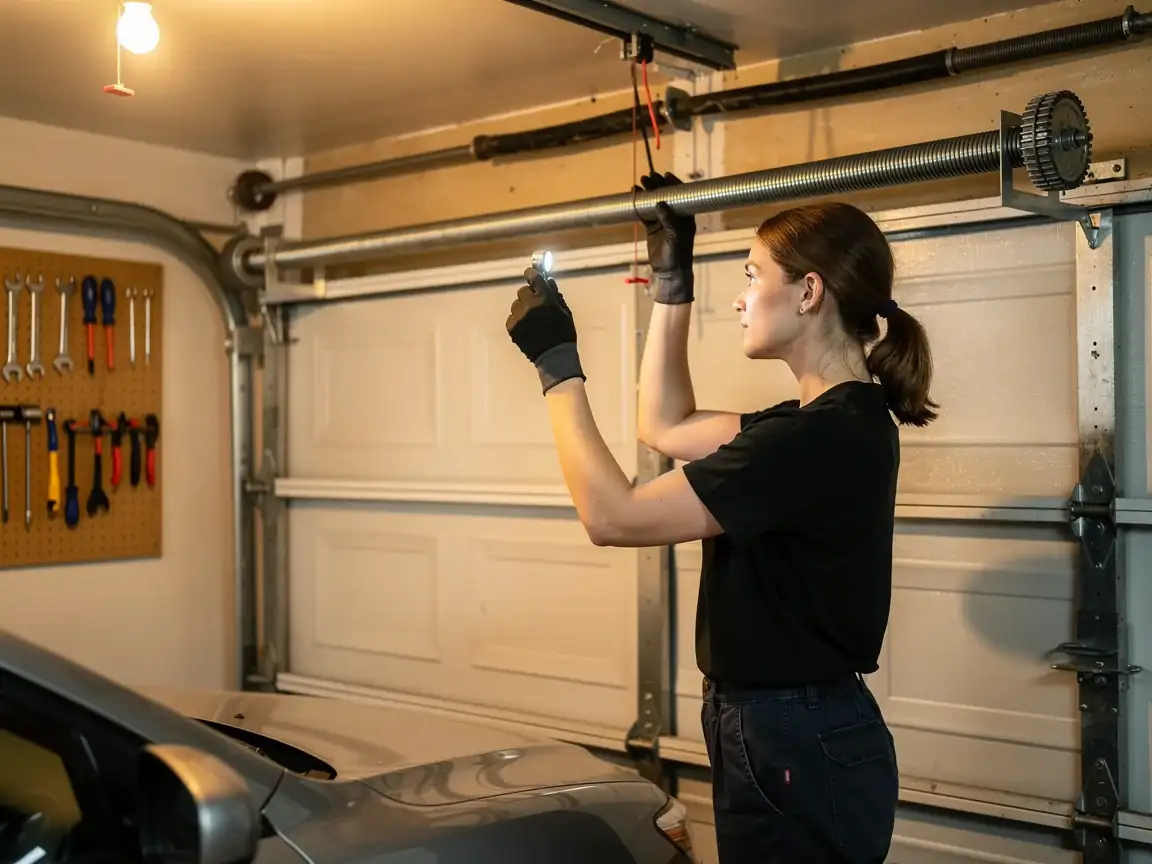
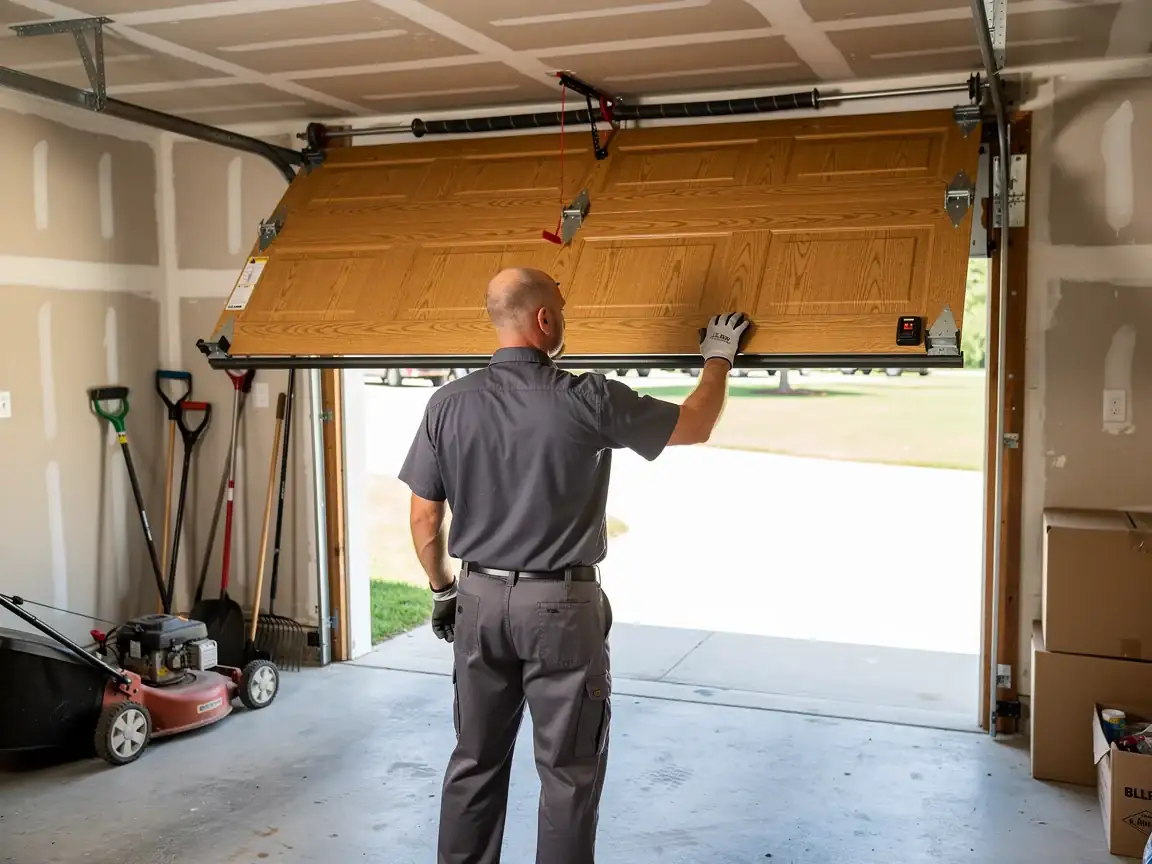
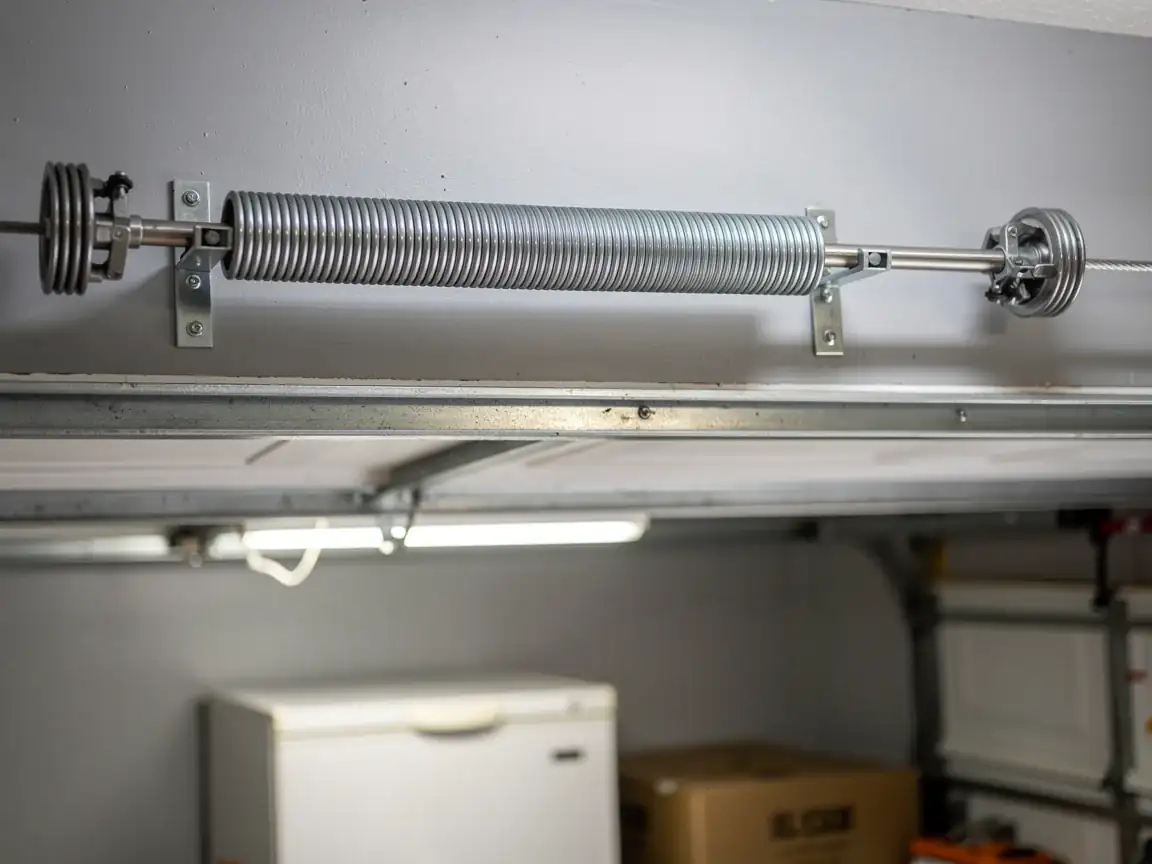
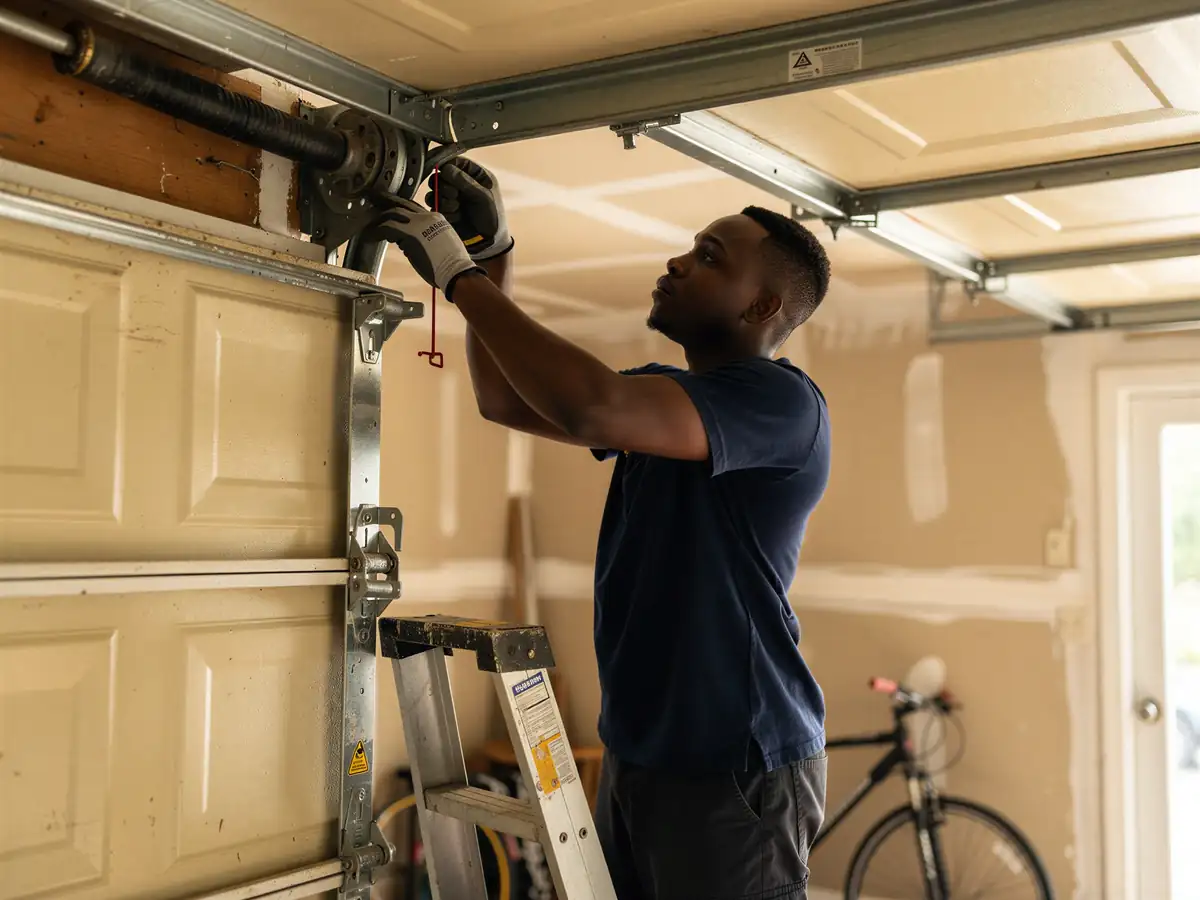
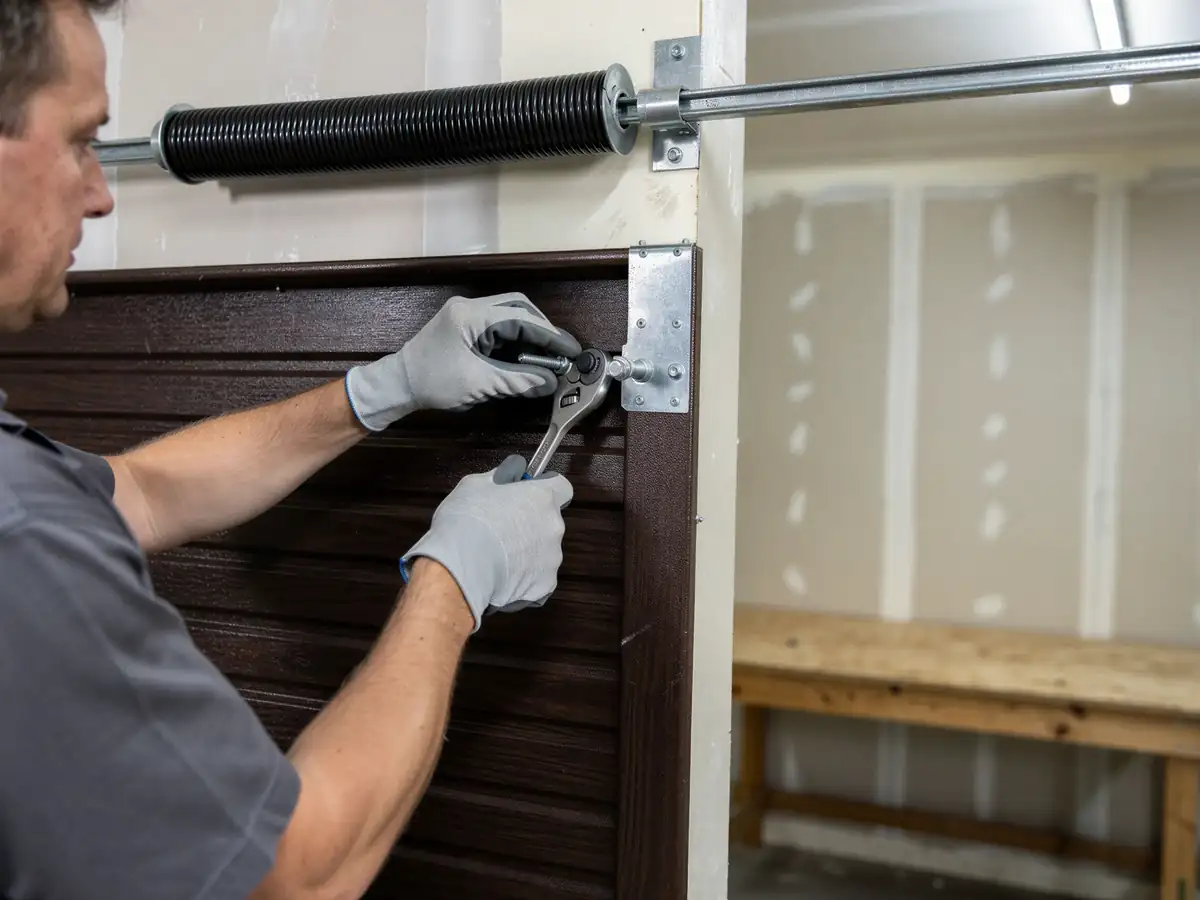
Opening the opener housing to test a capacitor or resolder a connection means working next to a wound torsion spring and a motor that can still engage while you're inside the case. We don't recommend it, and honestly, a misdiagnosed board swap costs more in a second visit than it saves. If the door reverses without touching anything, or the opener grinds and smells hot, that's a call, not a project.
How to Book
We cover the Wylie area along with St. Paul, Lavon, Murphy, Lucas, Parker, Nevada, Fairview, Lowry Crossing, Fate, Princeton, Josephine, New Hope, Farmersville, Heath, McLendon-Chisholm, Sunnyvale, Caddo Mills, Union Valley, Melissa, and Blue Ridge. Tell us the opener brand if you know it, roughly how old the house is, and what the door does when you hit the button - that's usually enough for us to bring the right board or sensor kit on the truck the first time instead of a second trip. Reach us through the site to get scheduled.