What Can Go Wrong
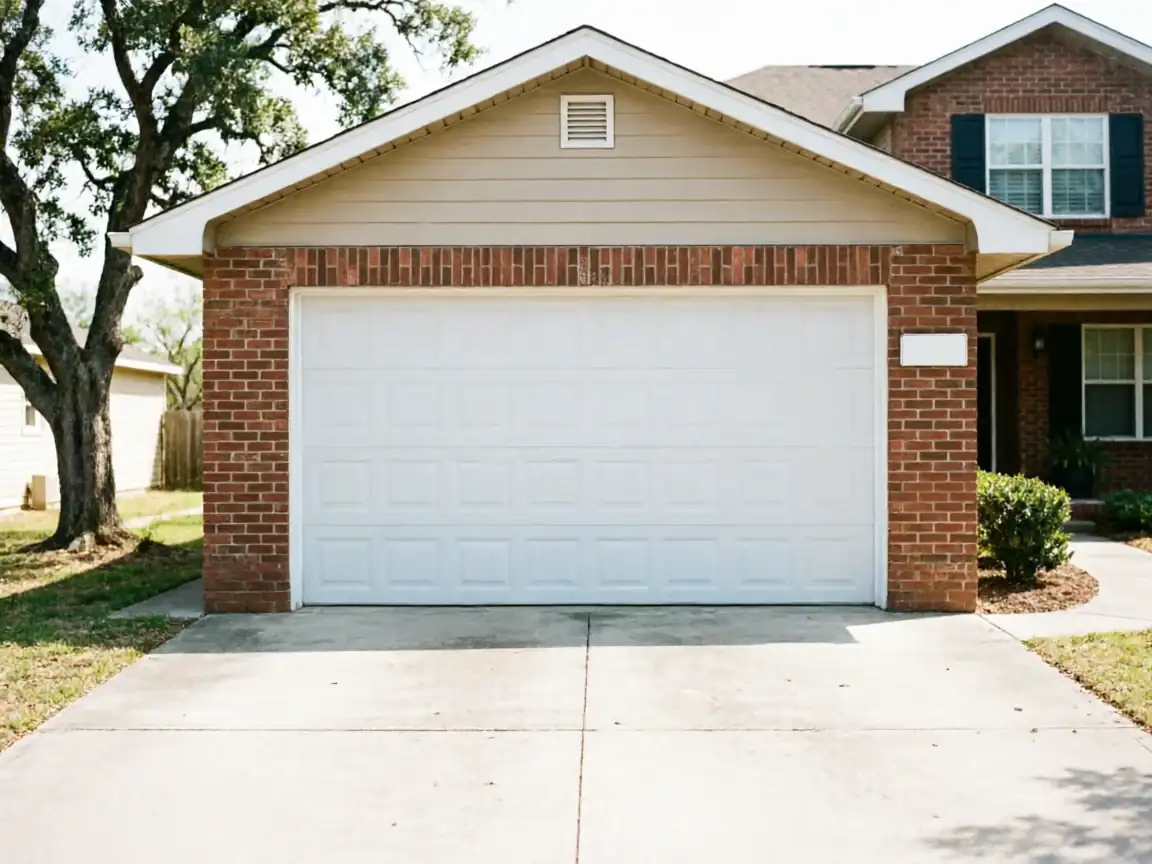
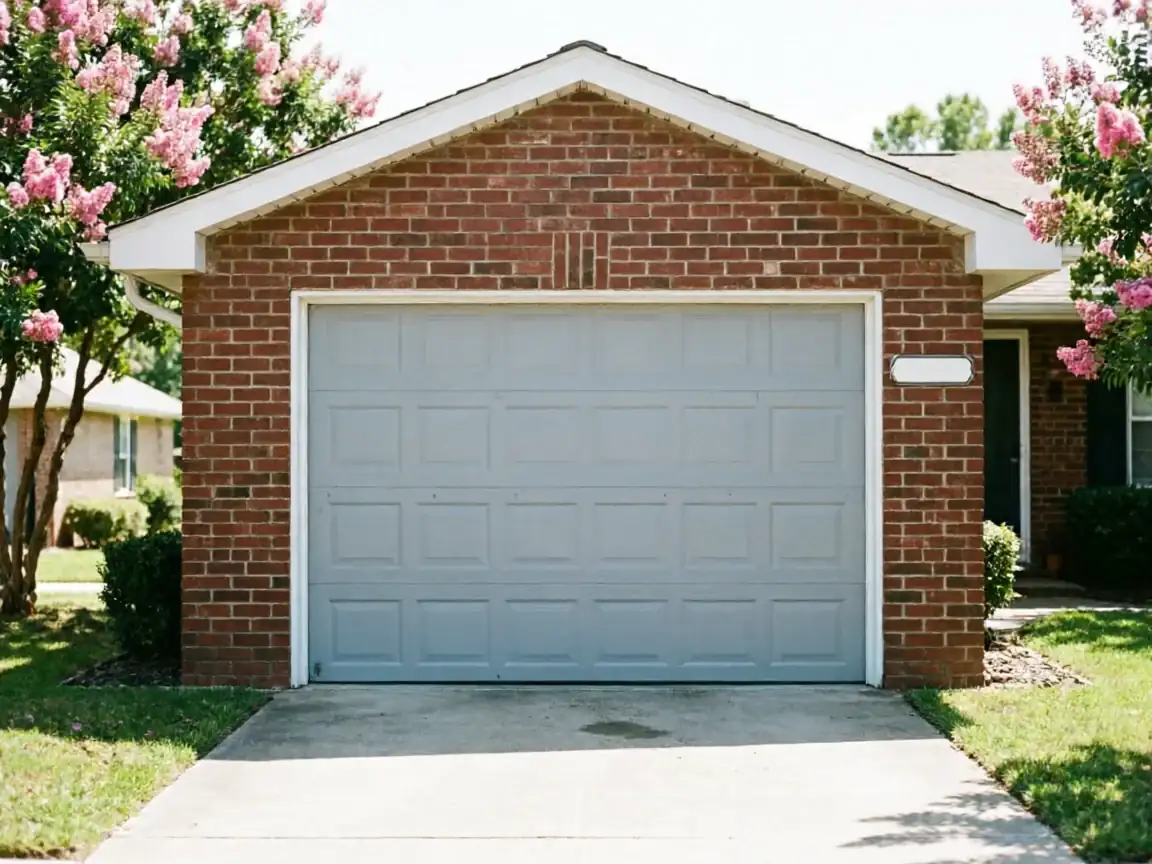
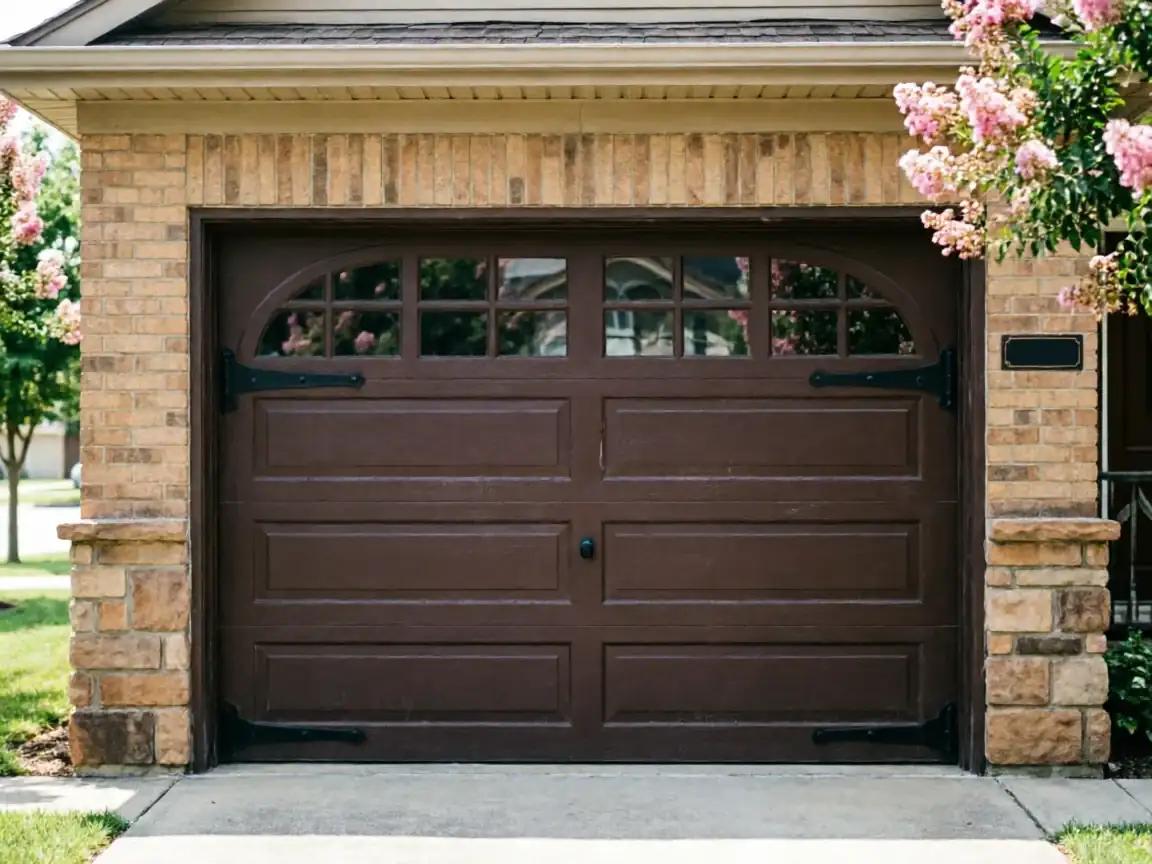
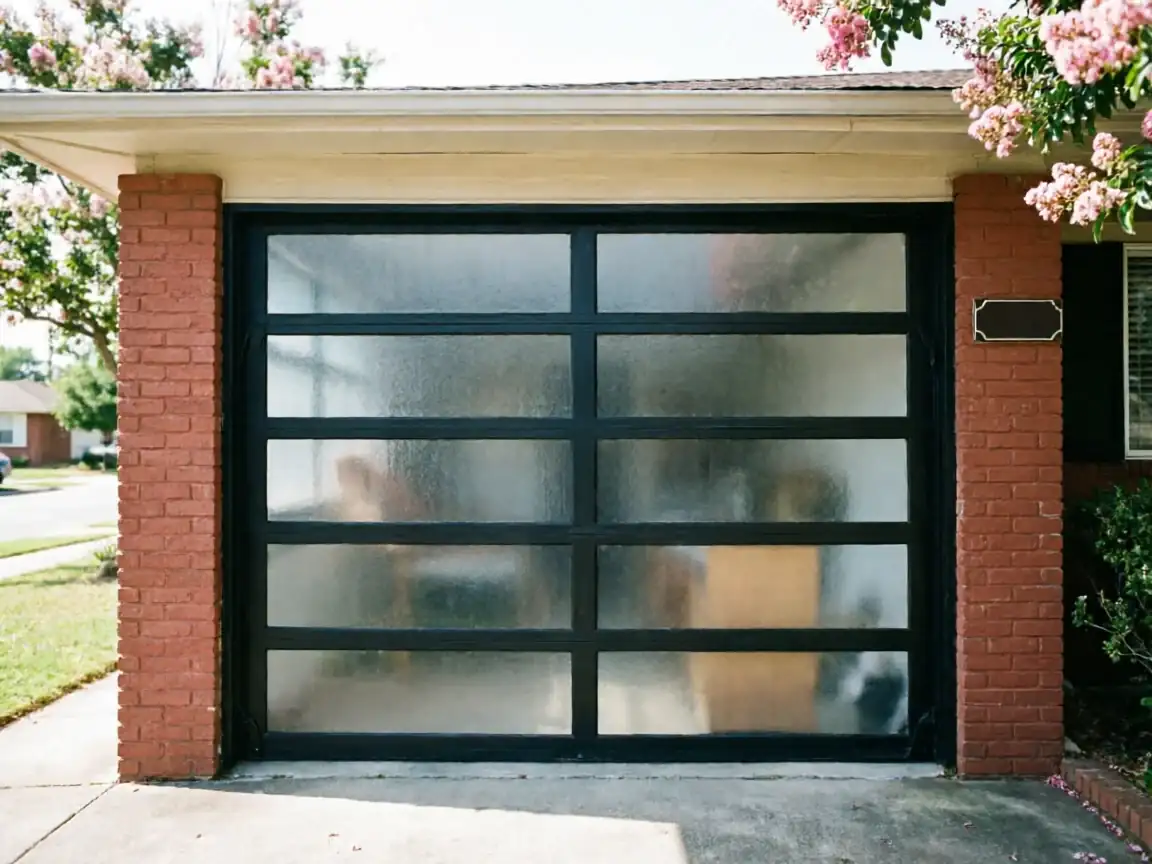
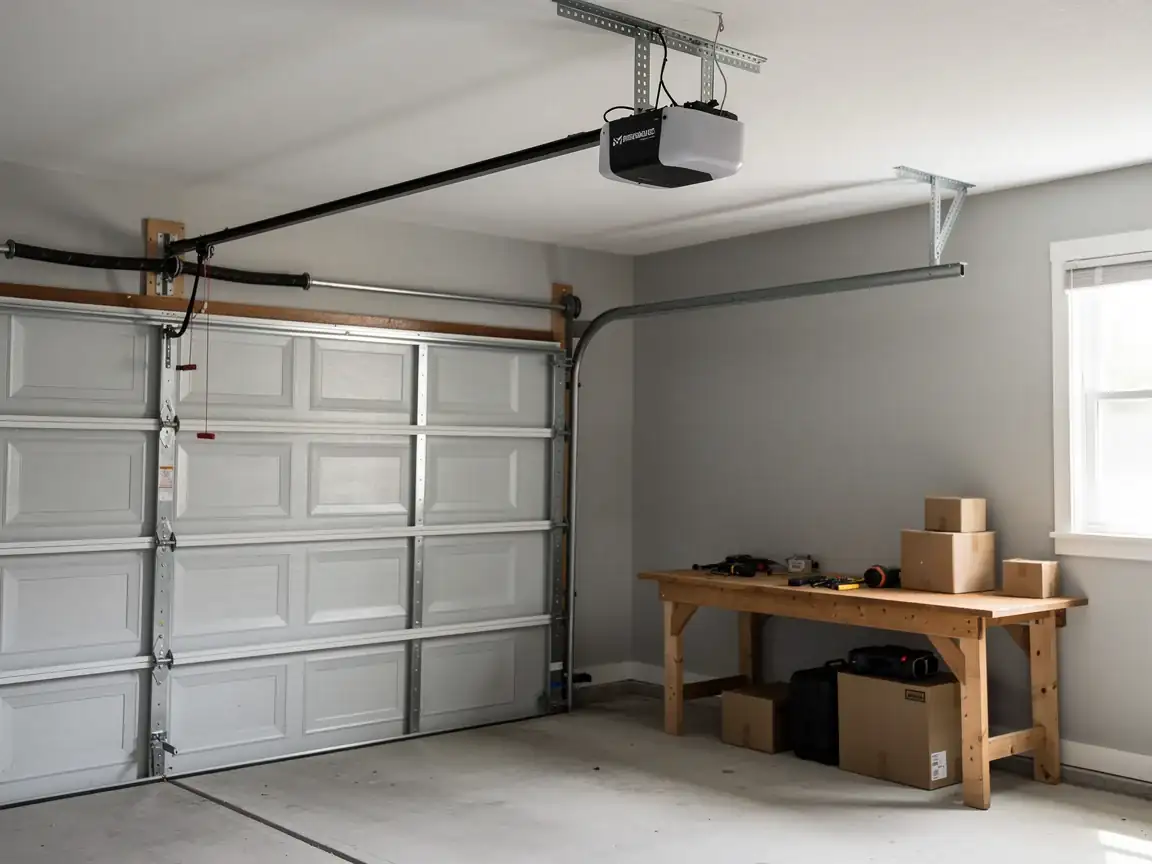
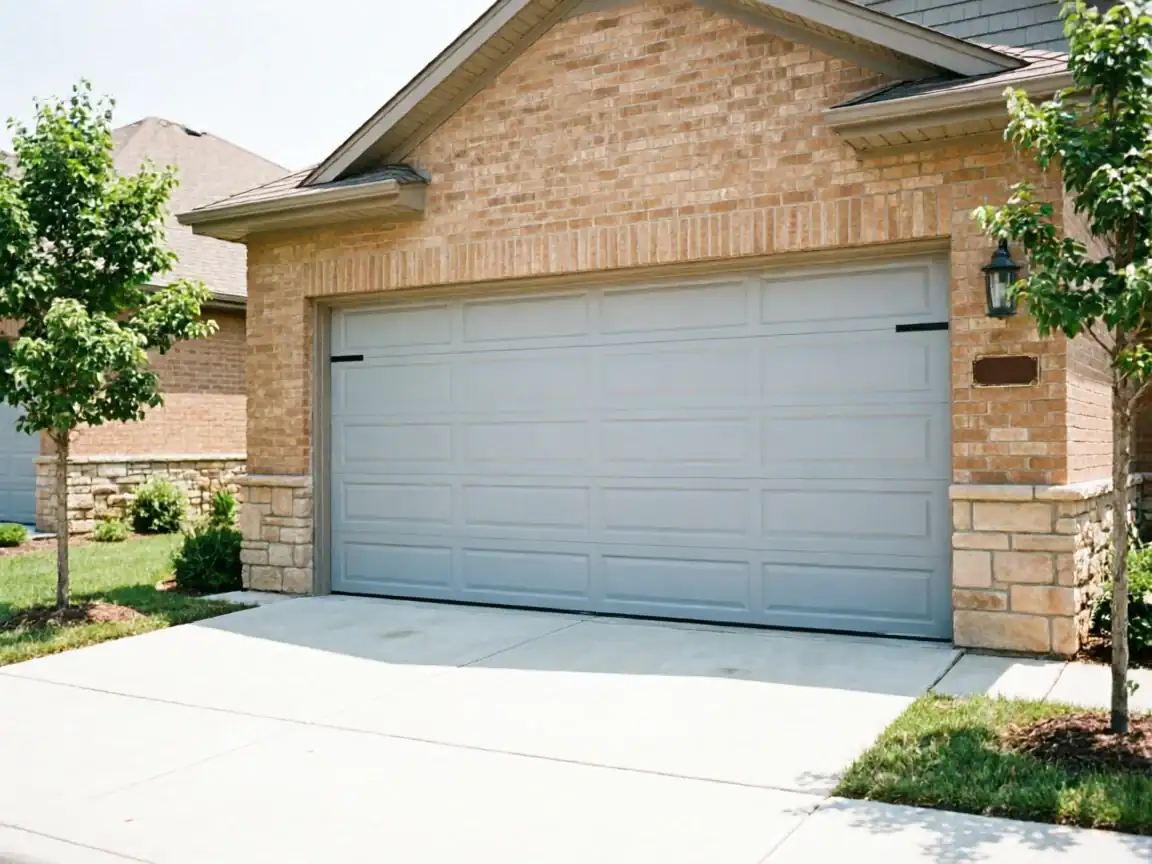
Princeton's housing stock is newer than most of the territory we cover - the median home here went up around 2012, a good seven years past the 2005 median that describes the wider service area. That matters for what breaks. These aren't the old extension-spring doors with exposed tracks you find on 1970s builds closer to St. Paul. Princeton garages mostly run steel sectional doors on factory torsion springs, paired with openers that carry the post-2005 safety sensors and auto-reverse circuits as standard.
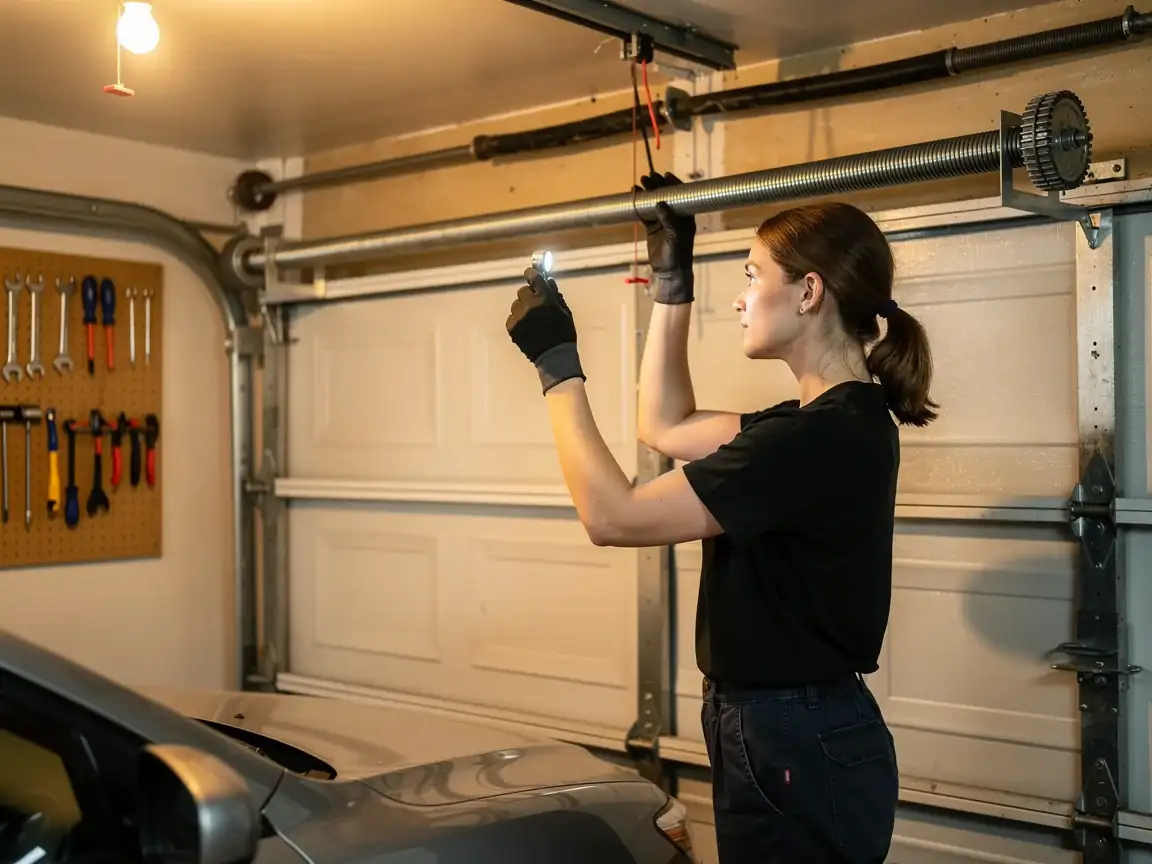
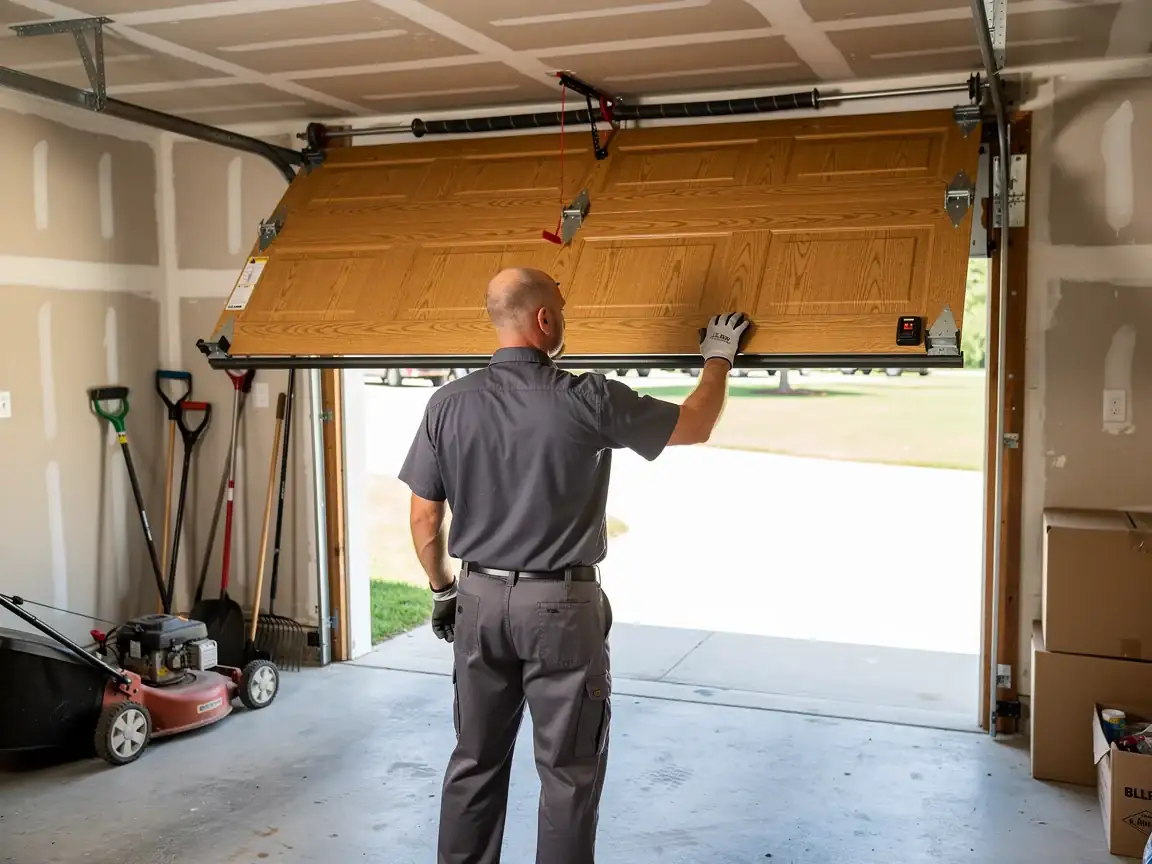
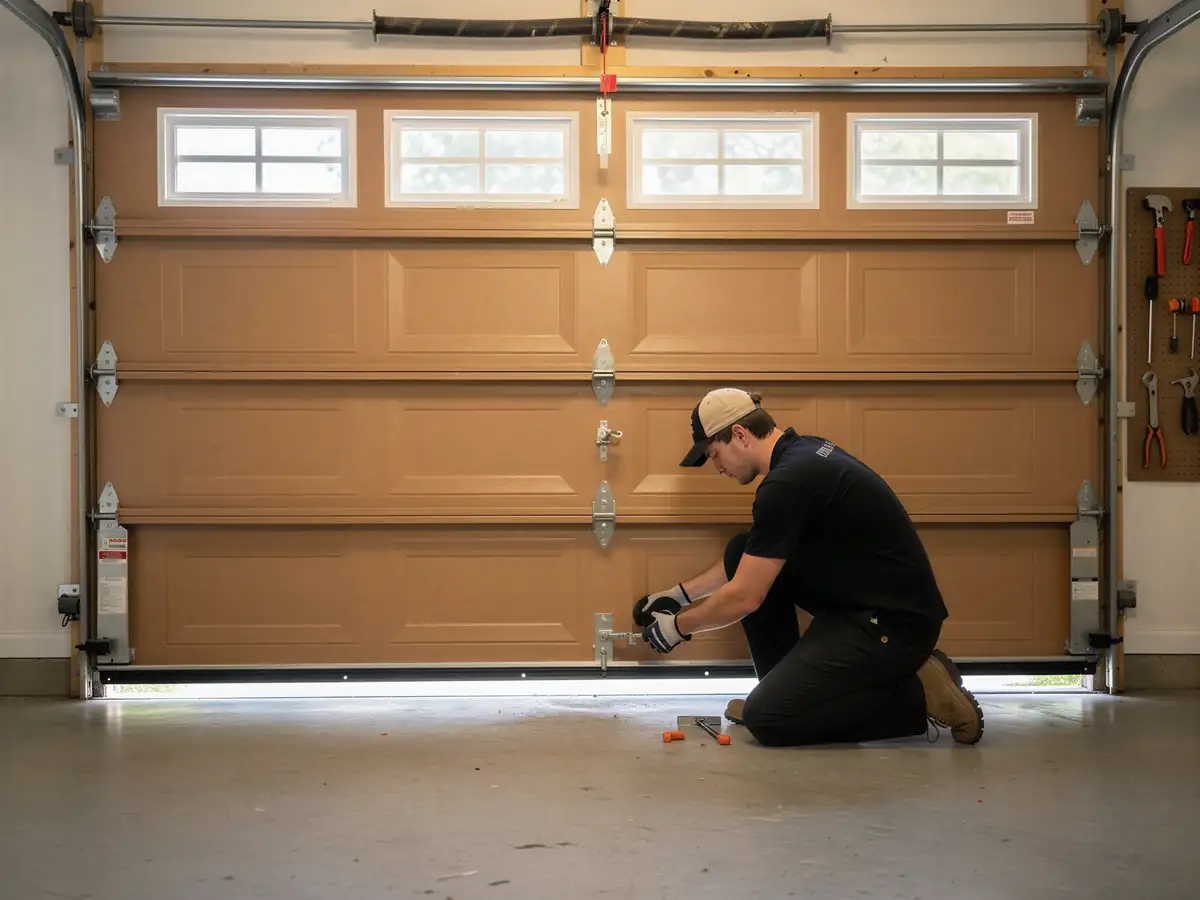
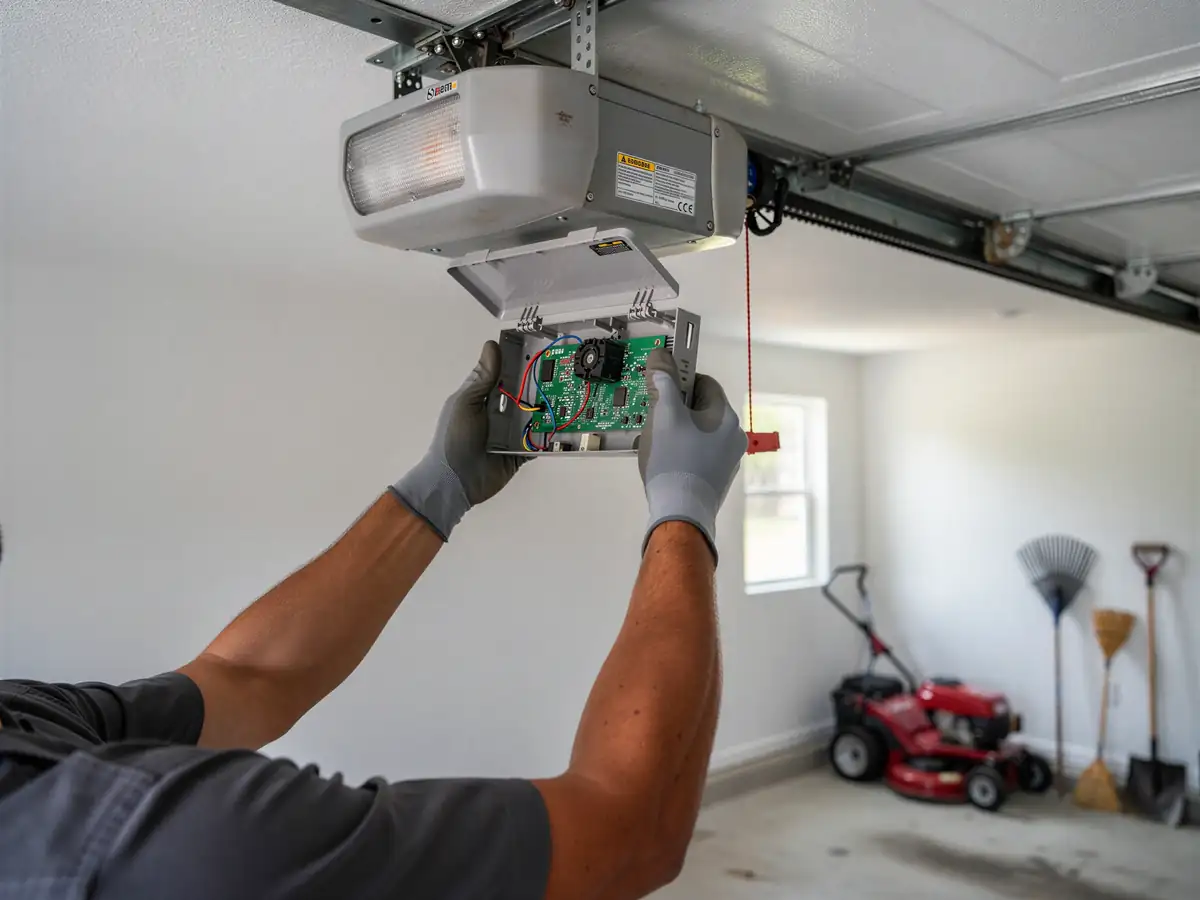
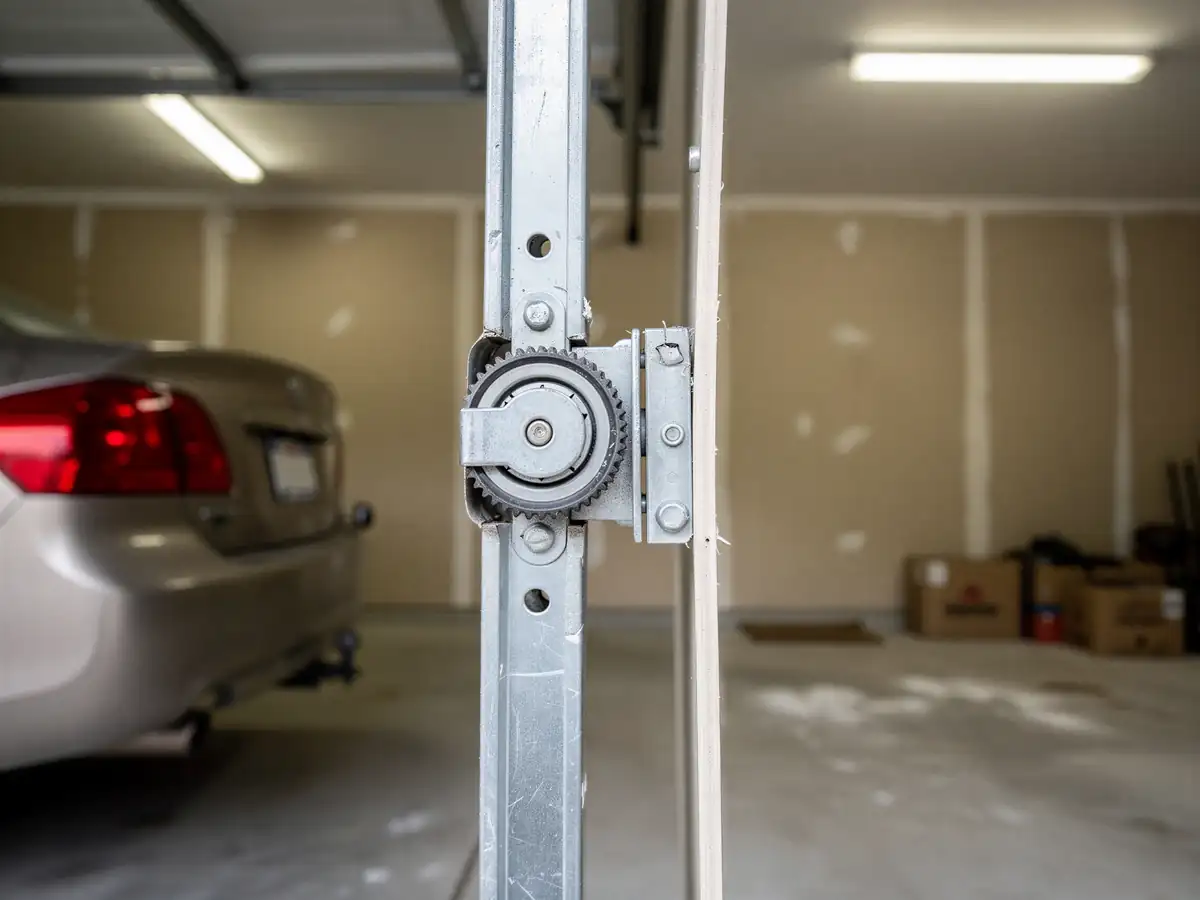
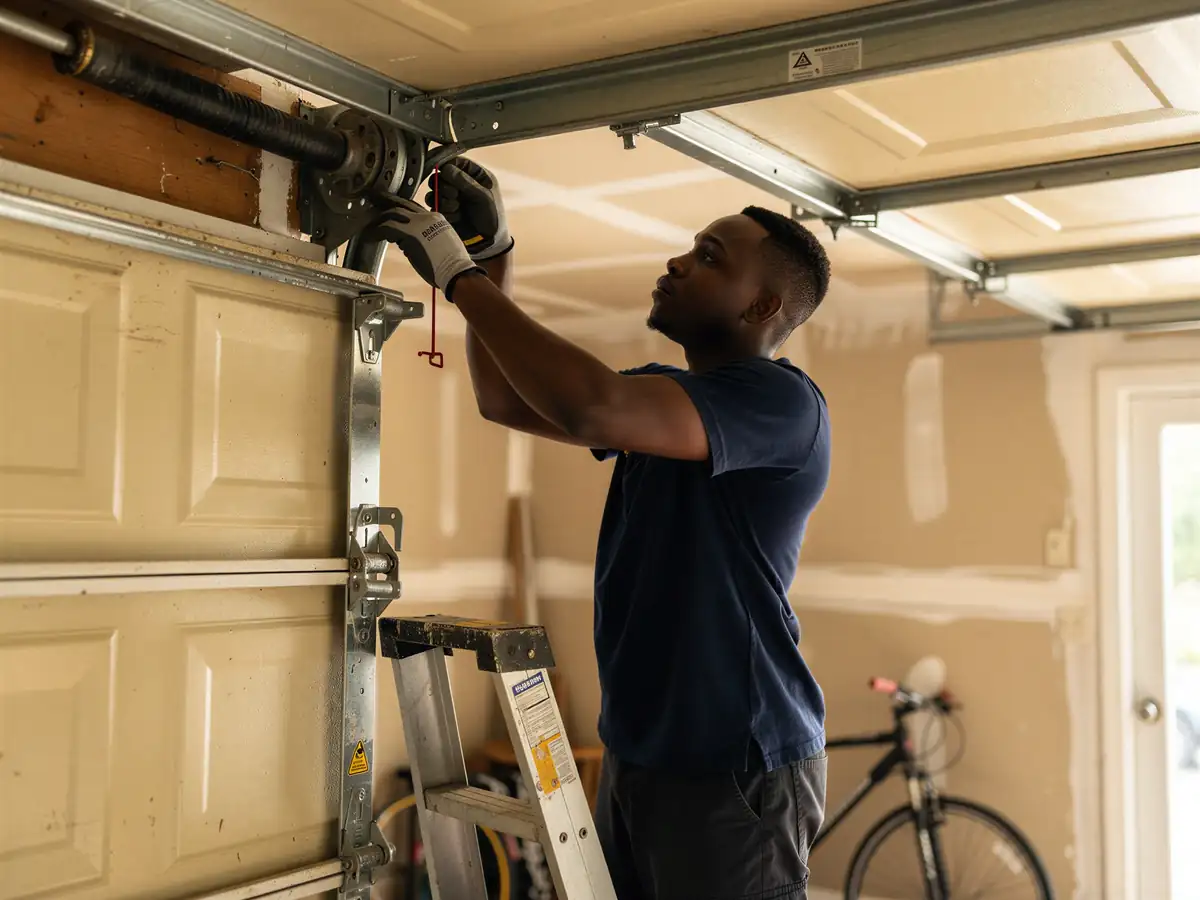
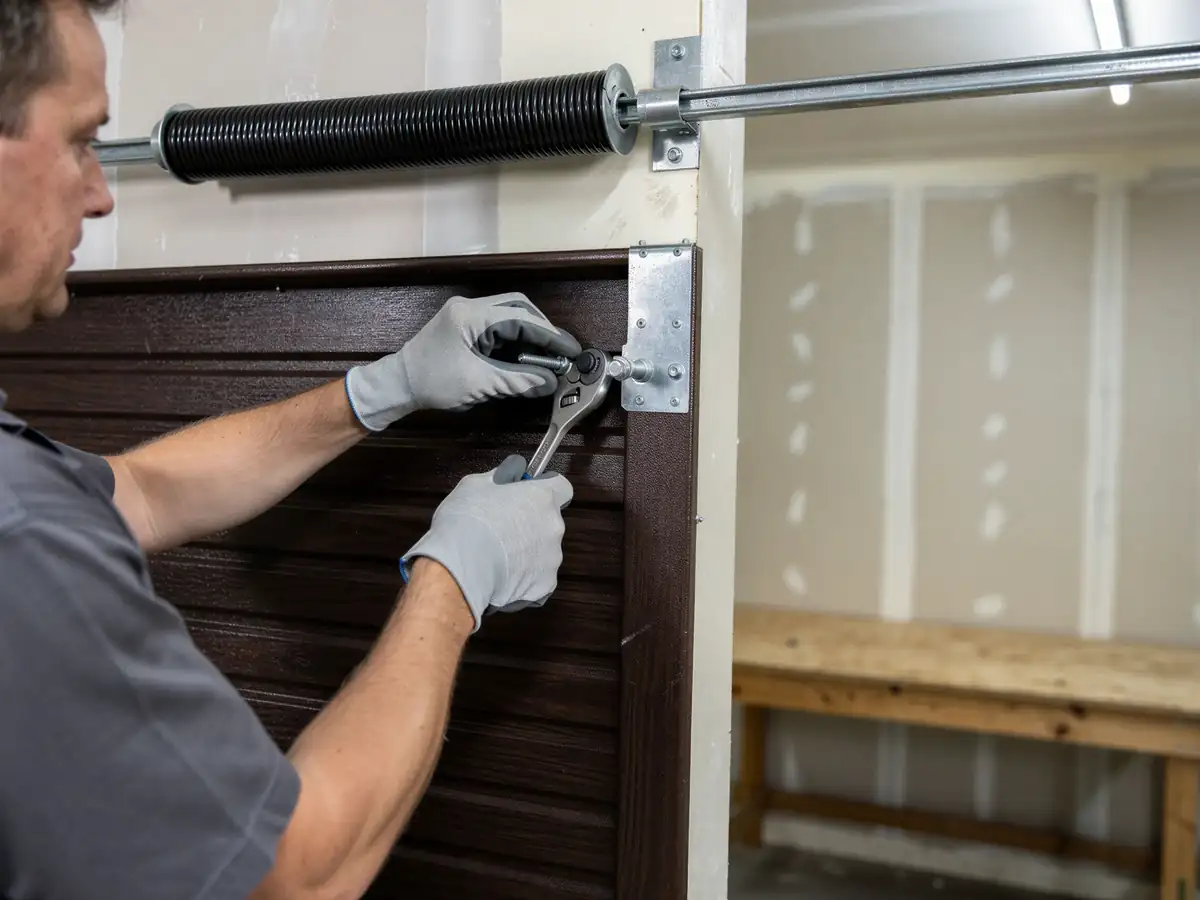
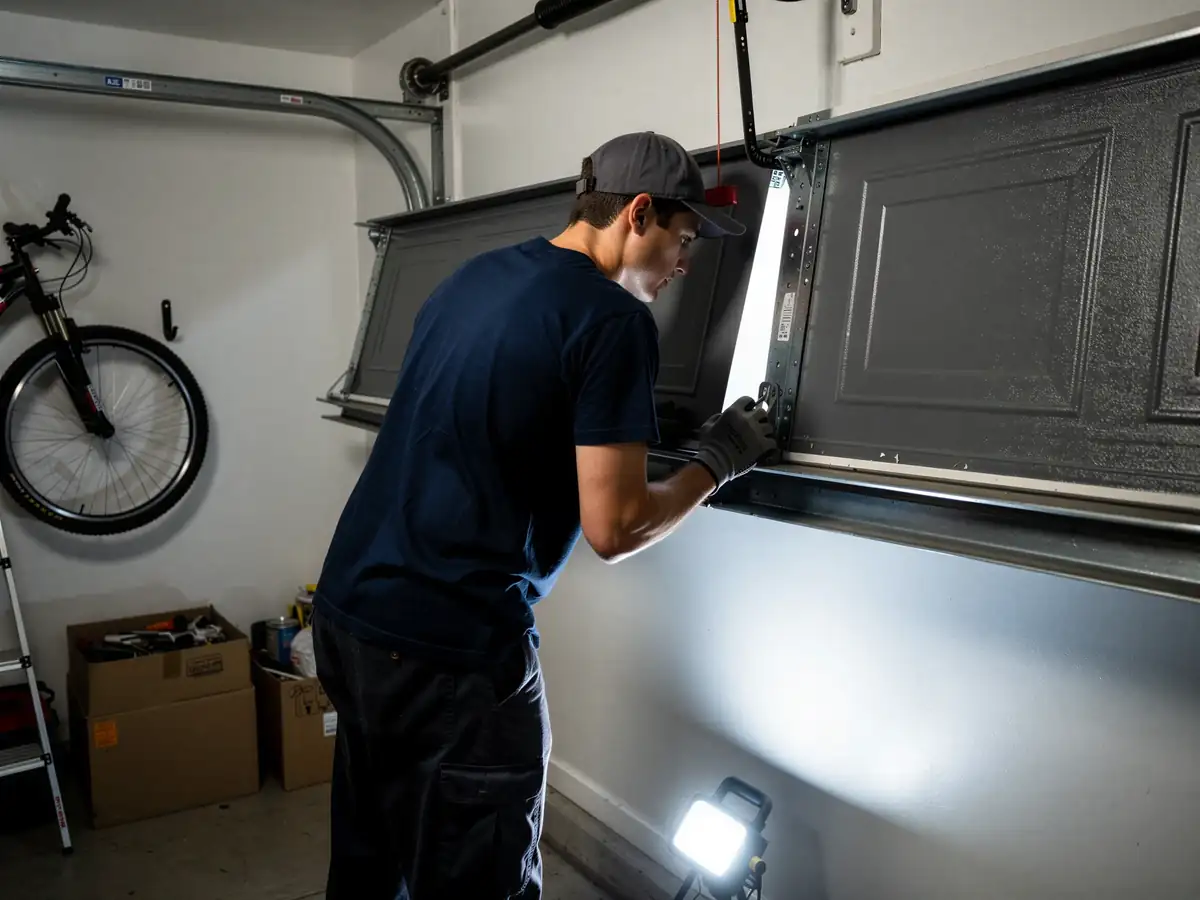
What fails on stock this age is usually the torsion spring itself, rated for a certain cycle count and now hitting it after a decade-plus of daily use, or the opener's circuit board giving out - capacitor failure, not the gear-stripping you'd see on an older chain-drive unit. We also see cable fraying on the drum side when a builder-grade cable was never upsized for a heavier insulated door. None of this is dramatic, but a snapped spring on a double door still means 400+ pounds of door with nothing holding it up, which is an emergency the moment it happens.
What You Pay
We don't have a Princeton-specific price list to quote here, and we're not going to make one up. What we can tell you is that the dispatch comes from Wylie, 11 miles out, so a call here means a drive before a wrench ever touches the door - that's a real variable in how a job gets scheduled, even if it isn't a line item.
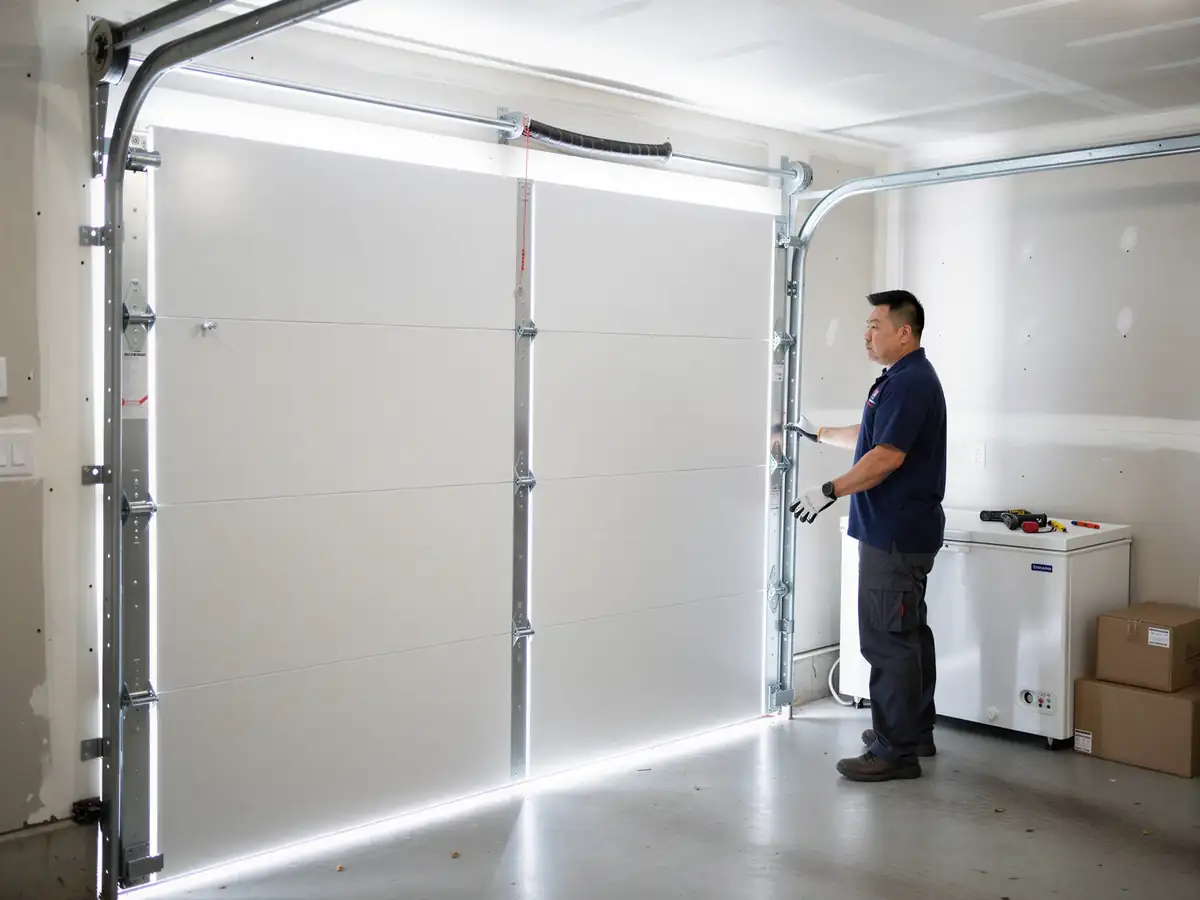
Most emergency calls in newer stock like Princeton's land on one of two jobs: a torsion spring replacement or an opener board/sensor fix. Both are bounded repairs - parts plus labor, no mystery diagnostic fee tacked on for guessing. If your door needs something we don't carry, we'll tell you that up front rather than charge you to find out on-site.
How to Book
Call it in
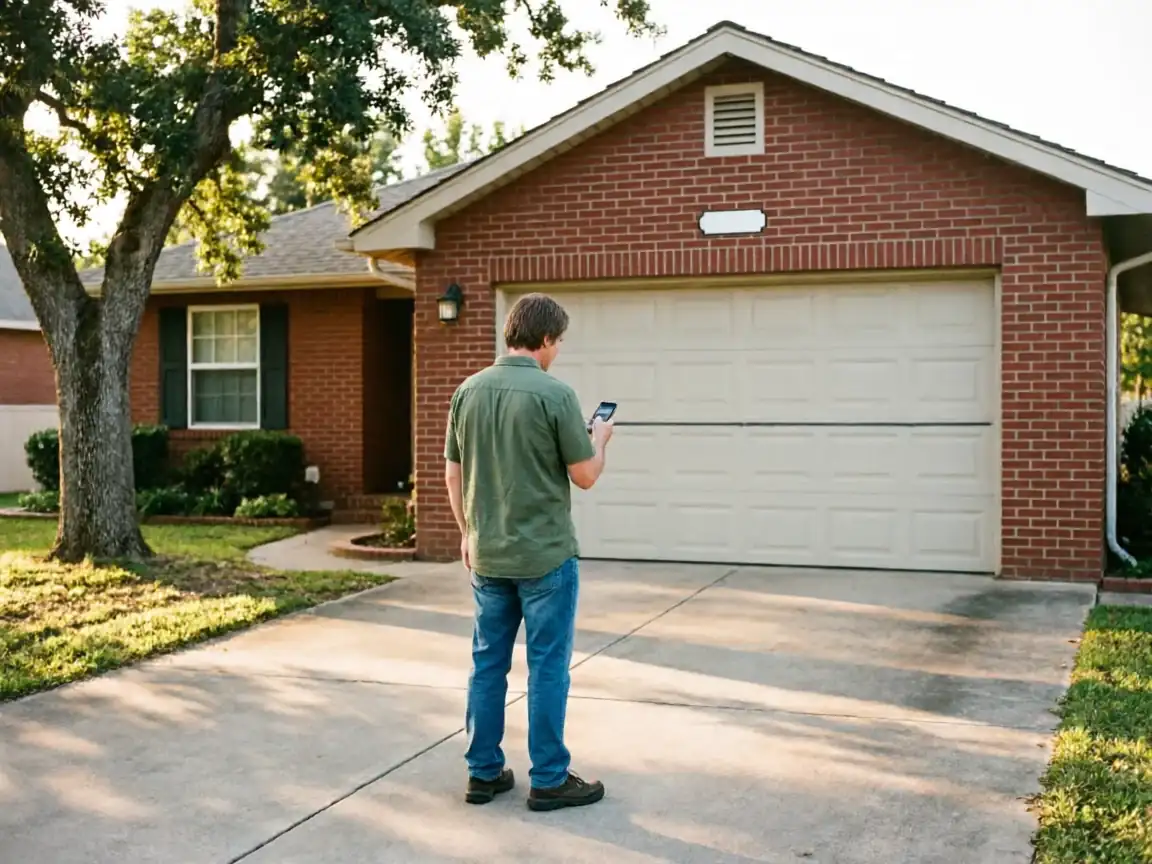
Tell us what the door is doing - won't open, opens partway and reverses, spring snapped, opener dead - and whether anyone's inside the garage with it stuck closed. We route the truck from Wylie, so give us the address and a callback number and we'll confirm the job before anyone's on the road.
If you can, check the obvious first
Is the opener plugged in, did a breaker trip, is the manual release pulled (a common reason a door feels disconnected after a storm). It saves a diagnostic step once we're there, though it never replaces a proper look at the spring and cable.
Why This Fails Locally
A door built for a 1980s house and a door built for a 2012 house don't fail the same way, and treating them the same is how a repair tech ends up guessing. Princeton's stock, built in that newer wave across the service area's roughly 20 named communities, mostly runs torsion hardware with heavier insulated panels - more weight on the spring, which means spring failure tends to be sudden rather than the slow sag you get on an old extension-spring door.
At a median household income of $96,766 in Princeton, noticeably under the $127,000 median for the wider service area, the jobs we get called for here skew toward repair over replace - fix the spring, fix the board, keep the door another decade - rather than a full door swap. That's not a knock on the town, it's just what the call volume looks like, and it shapes which parts we bring out on the truck for a Princeton address versus one closer in.
Stocked Parts
For stock this age we carry standard torsion springs sized for sectional steel doors, the most common residential sizes, along with nylon rollers and galvanized cable to match. Opener-side, we stock the sensor eyes and logic boards that fail most often on post-2005 units - the kind running on Princeton's 2012-median stock.
Where we come up short: a specialty insulated panel in a color or style a builder discontinued, or a proprietary opener board for a brand we don't stock, needs an order, and that's a lead-time job, not a same-visit fix. We'll tell you straight if your part falls into that category instead of promising a truck-stock fix that isn't there.
Can You Do This Yourself
Don't touch the torsion spring
It's wound under enough tension to break a bone or worse, and that's true whether the door is five years old or fifty. If the spring's snapped, the job is to keep people and cars clear and call it in - not to inch the door up by hand against a dead spring.
What you can check yourself
The manual release cord (sometimes pulled by accident, which disconnects the opener from the door entirely and looks like a dead motor), the photo-eye sensors near the floor (a stray leaf or cobweb can block them and stop the door from closing), and whether a breaker tripped after a storm. If none of that explains it, the honest move is to stop and let us look at the spring and cable rather than keep forcing a door that's trying to tell you something's broken.