How to Book
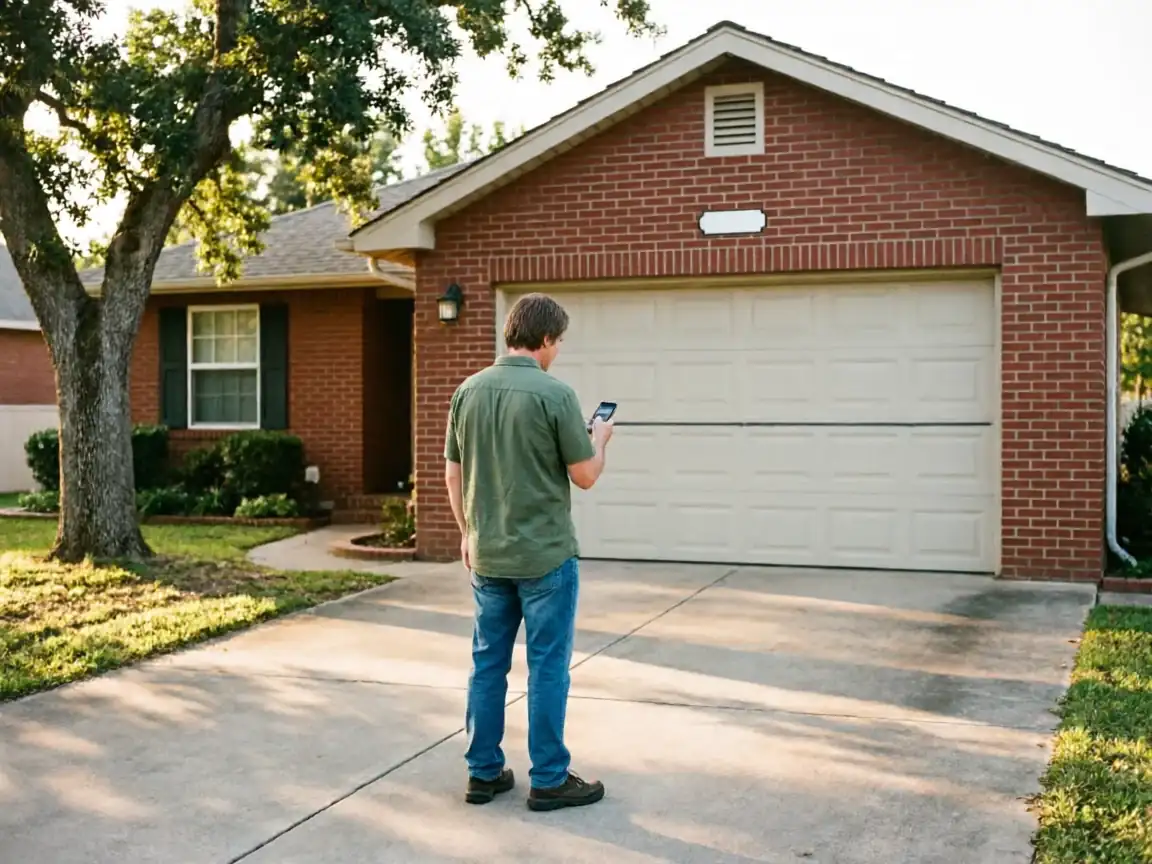
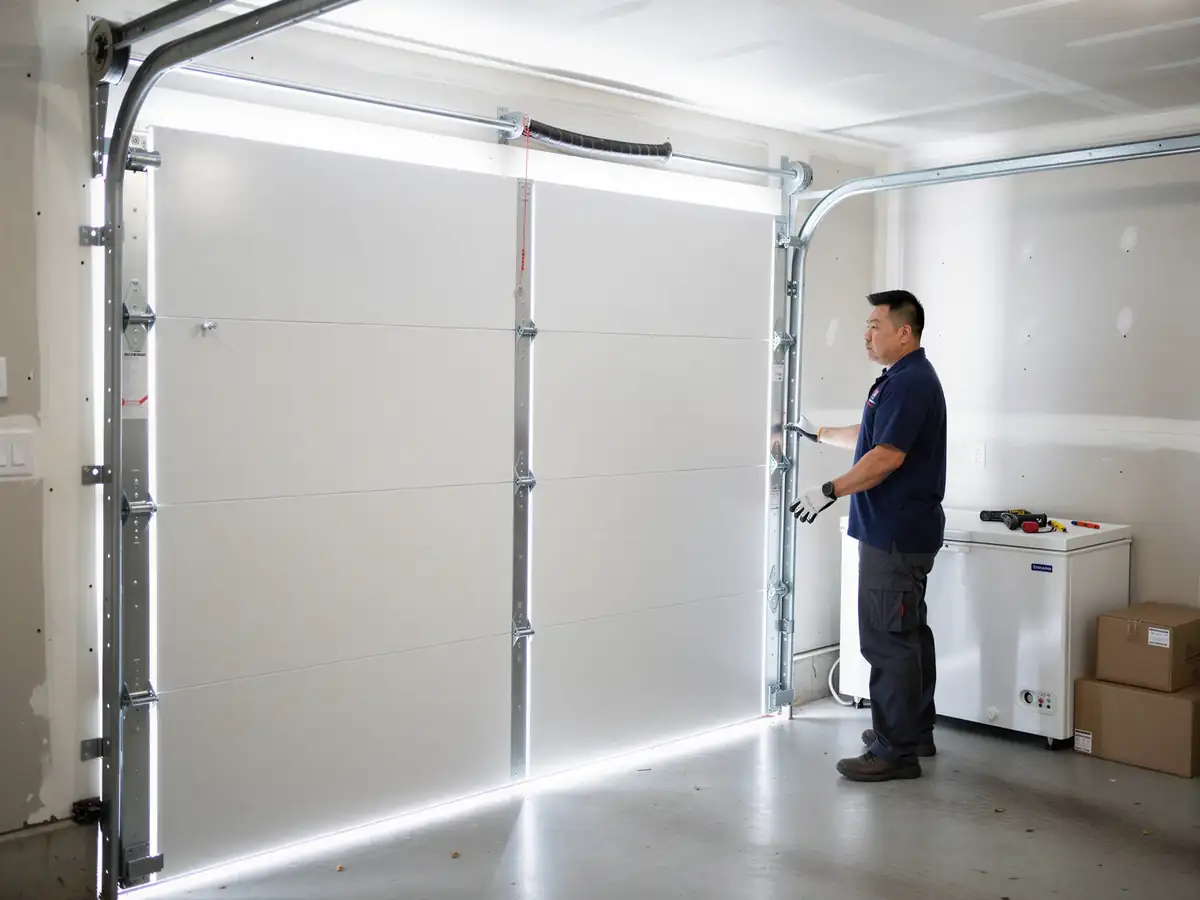
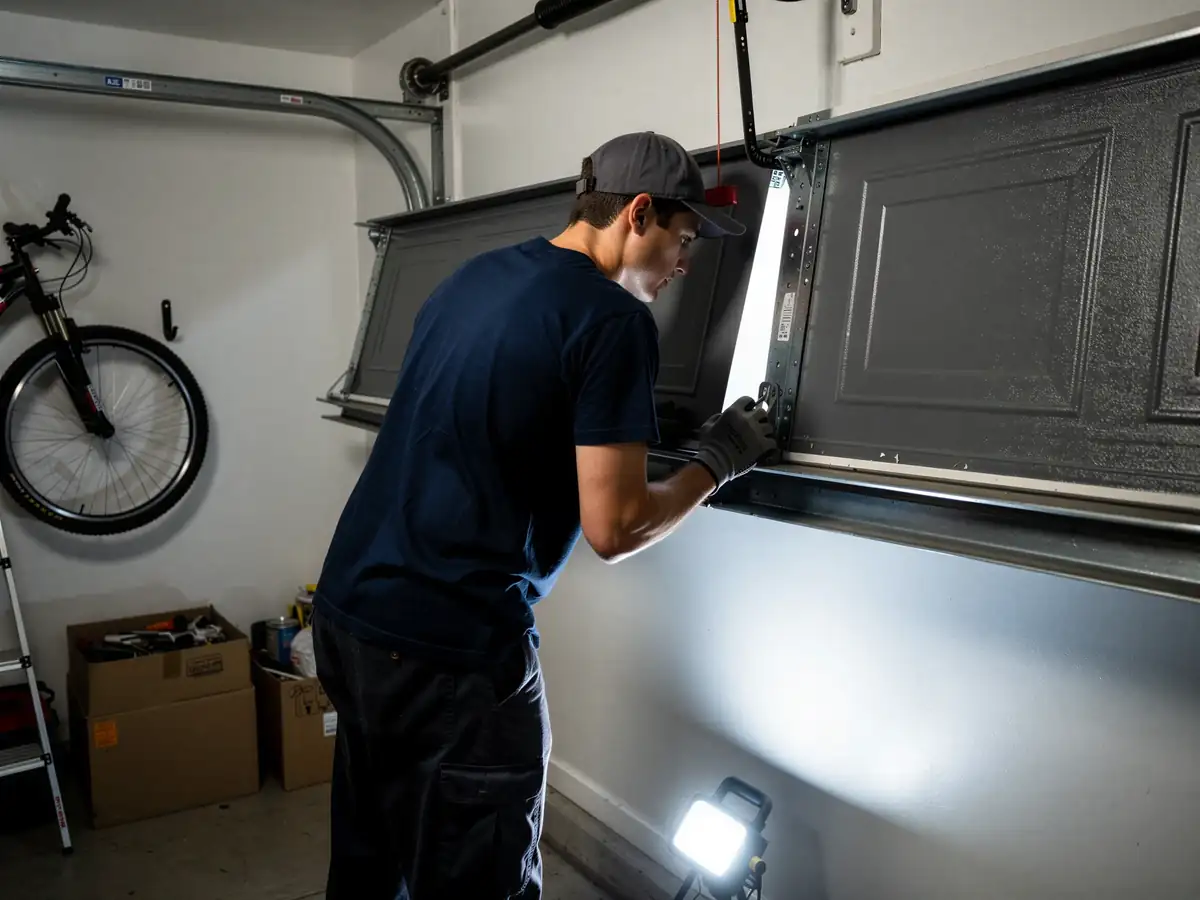
Fate's median household income runs around $129,500, a notch above the $127,000 figure for our wider service area, and that number matters more than it sounds like it should. At that income level, most owners we talk to aren't looking to replace a door that's barely into its second decade - they want someone to check it, adjust it, and catch the one part that's about to fail before it does. That's what a maintenance visit is for.
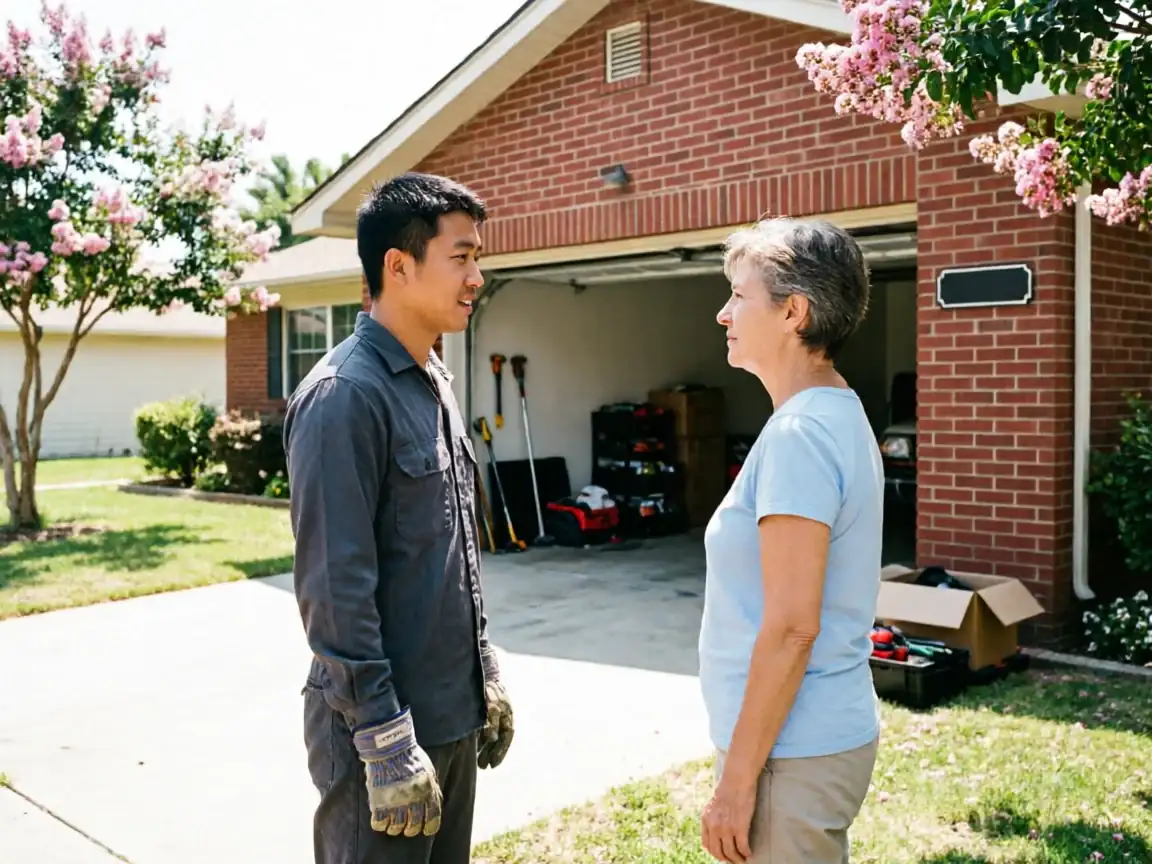
We don't run a branch in Fate. The call comes to our Wylie shop first, and the truck drives the roughly 10 miles out from there - so booking a visit means picking a day, not picking a location. We build the drive into the appointment window rather than promising a same-hour arrival, because we'd rather tell you that straight than guess. If you want the general service writeup for the area, see our Fate garage door service page; this page is just about the tune-up.
What You Pay
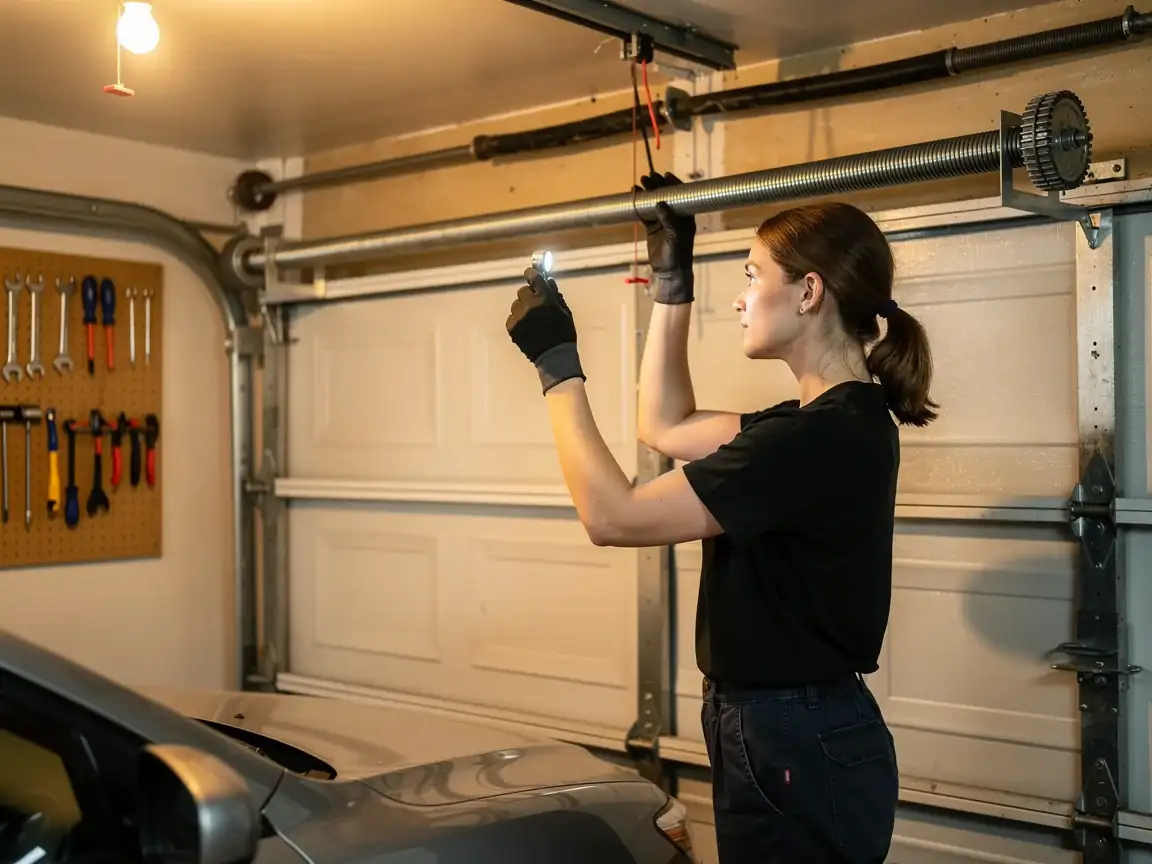
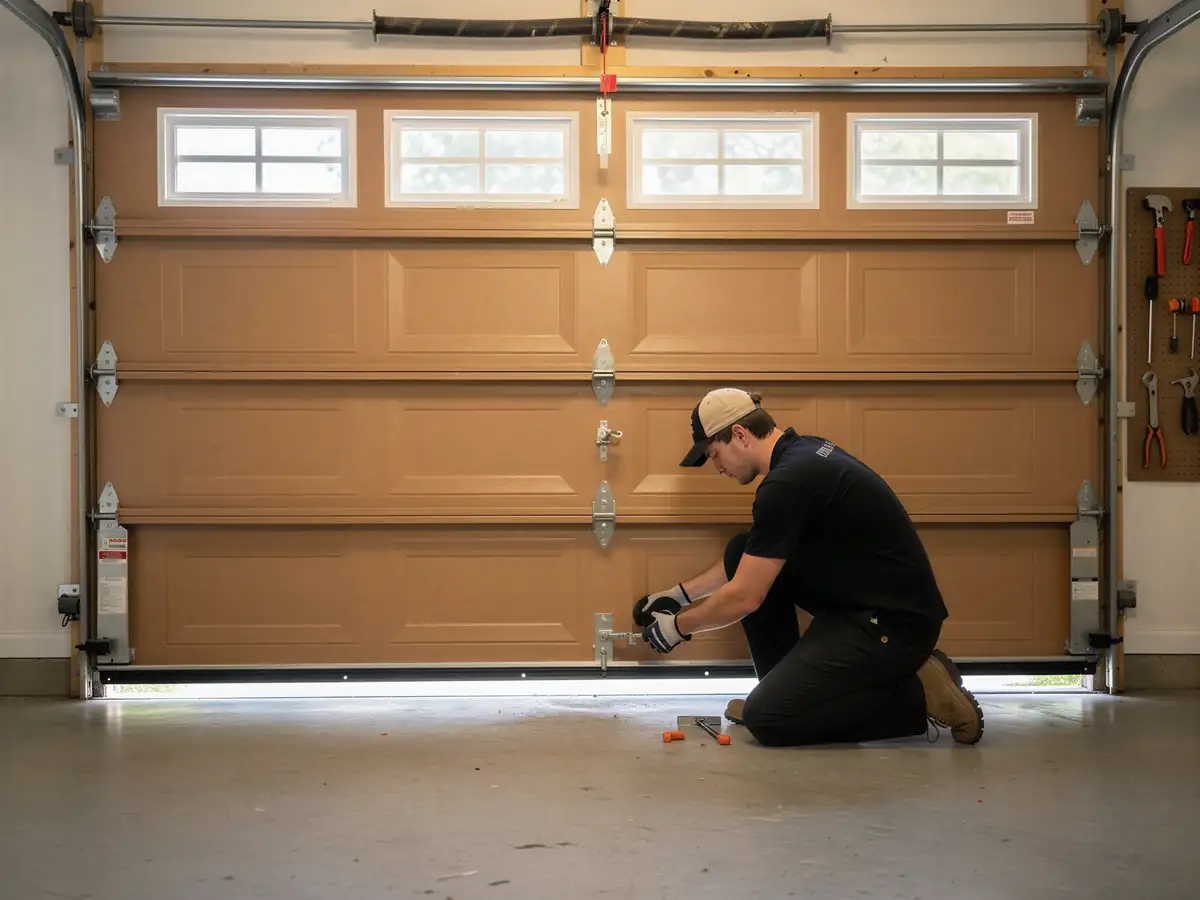
We don't post flat prices here because what a visit runs depends on the door, the opener, and what we find once the panel's open - and we'd rather not print a number that doesn't match your door. What we can tell you is how the math tends to shake out. Across the broader service area there are 48,073 households and 39,491 owner-occupied houses, most built between 1971 and 2015 with a median around 2005. Fate's own stock skews newer still, with a median build year closer to 2013. A door that age is usually still under its hardware's rated cycle count, so a maintenance visit - lubrication, spring tension check, track alignment, sensor test - is almost always the cheaper and more sensible call than swapping the whole unit. Replacement starts to make financial sense on older doors with worn rails or obsolete opener logic boards, which is a problem that shows up more in the 1970s-through-90s pockets of the wider area than in a 2013-built Fate house. For a broader rundown of what maintenance covers across the service area, our Wylie maintenance page has the full breakdown.
What Can Go Wrong
With most Fate houses built around 2013, the doors and openers we see out there are rarely more than fifteen years old
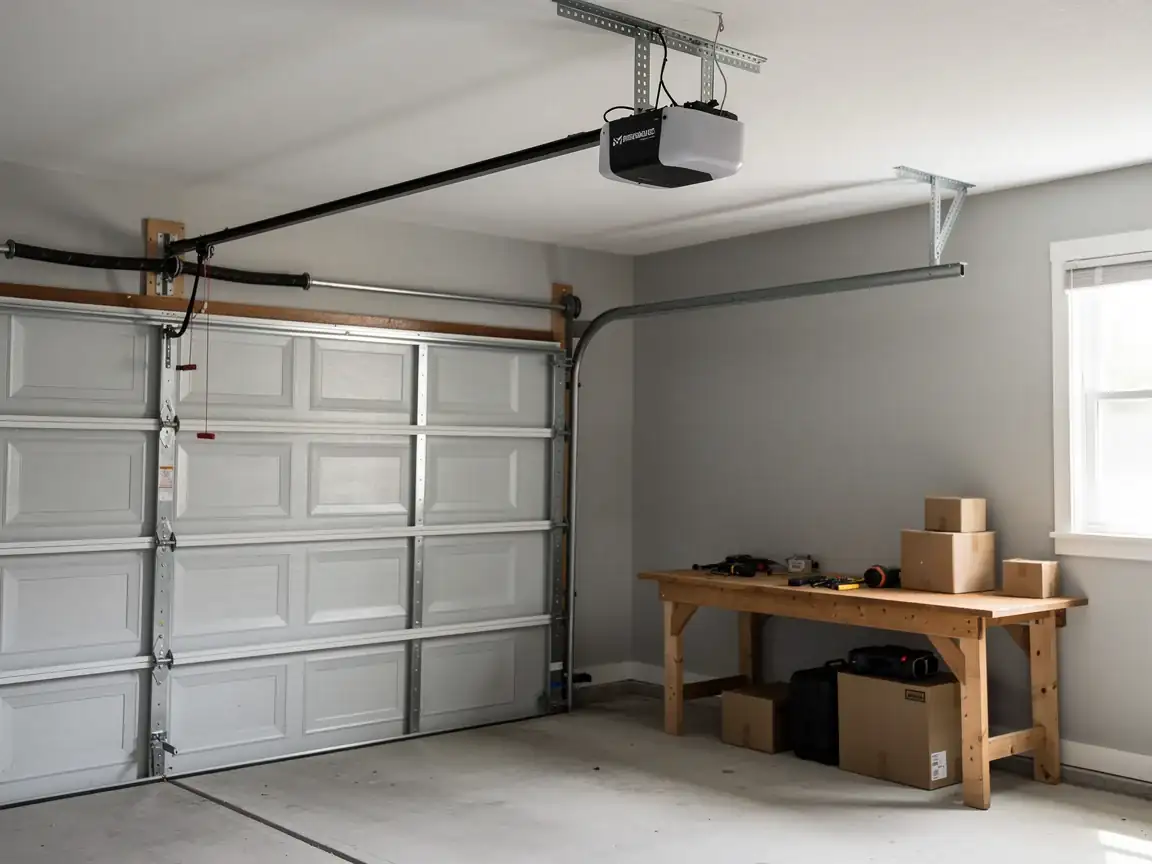
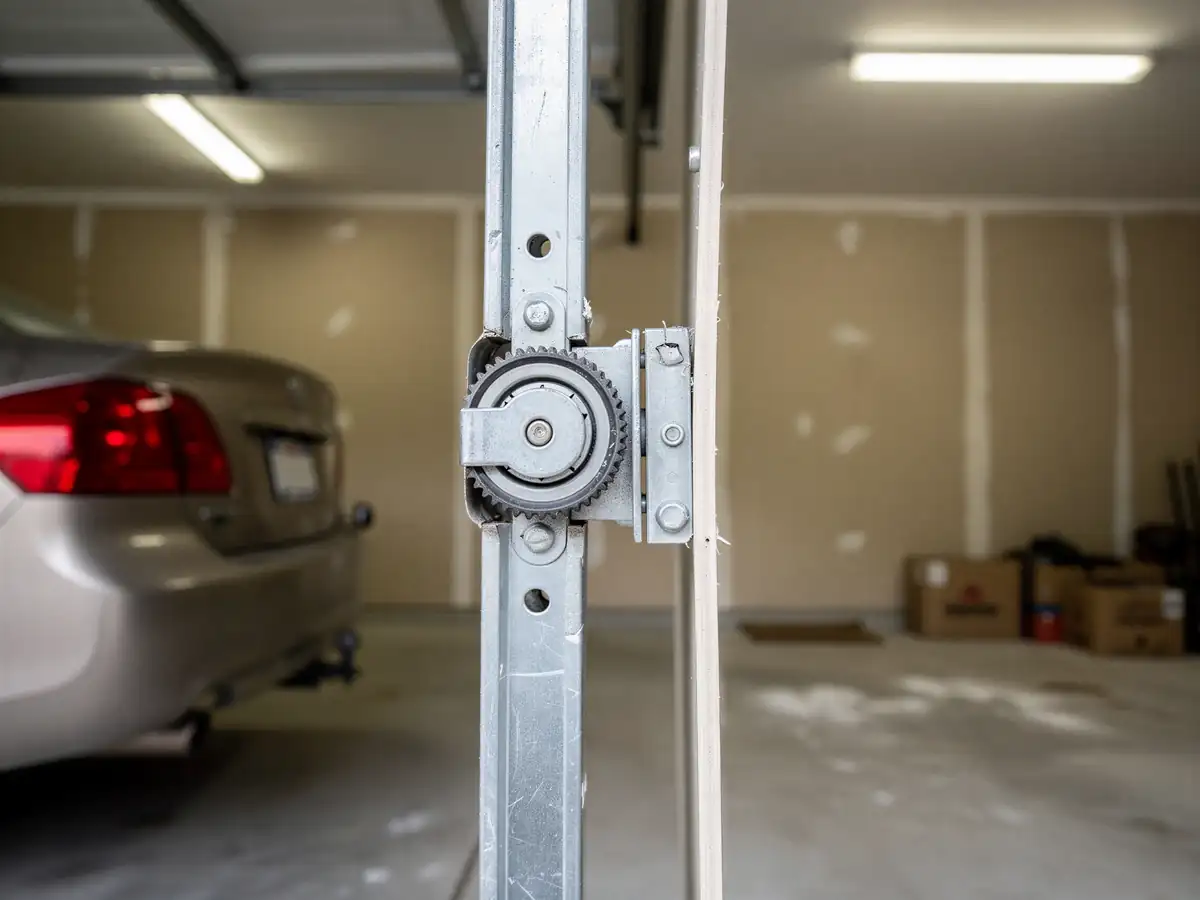
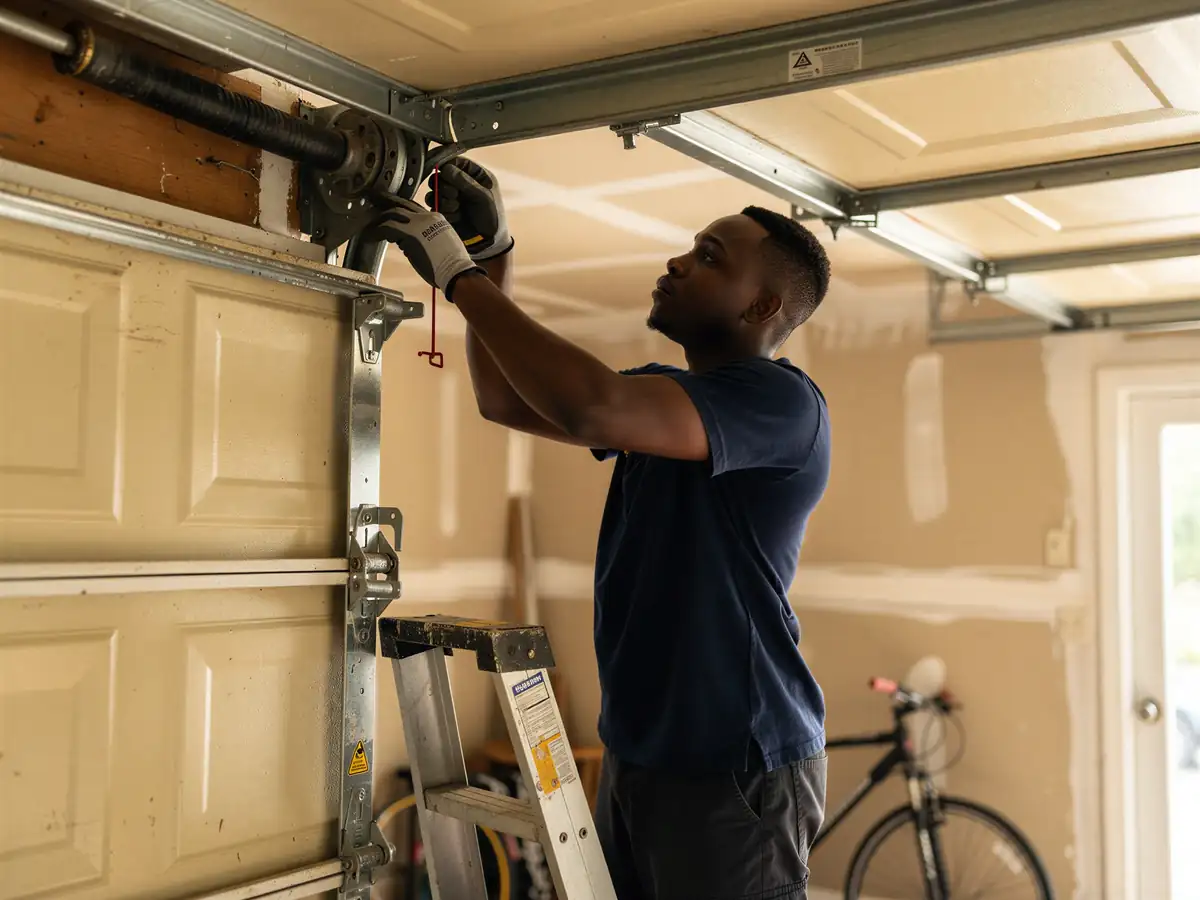
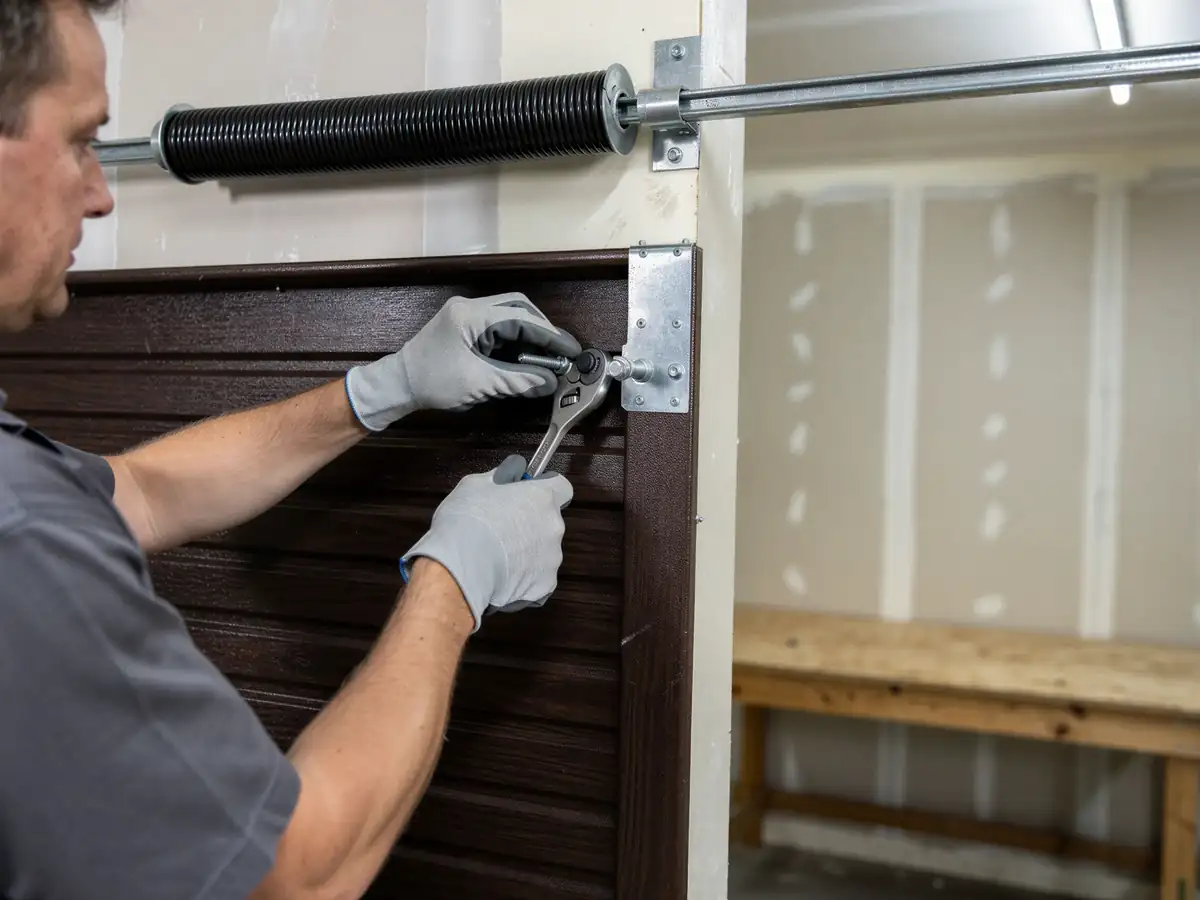
So the failures look different from what we pull out of 1980s stock elsewhere in the area. The usual culprits: rollers that have logged enough cycles to start binding in the track, photo-eye sensors knocked out of alignment during yard work or a parked bike, and belt-drive openers that have stretched just enough to skip or chatter on the way up. First-generation torsion springs on these builds are also starting to hit their fatigue window, since a standard spring is rated for a set number of cycles and a decade-plus of daily use adds up.
The area sits in a mild climate band with occasional freeze
Which doesn't crack concrete slabs the way harder winters do, but it does stiffen grease and dry out rubber. On a newer door, that shows up as a sluggish roll-up on a cold morning or a weatherstrip that's started to crack at the corners - small stuff, but the kind of small stuff that's cheap to catch early and annoying to ignore.
Stocked Parts
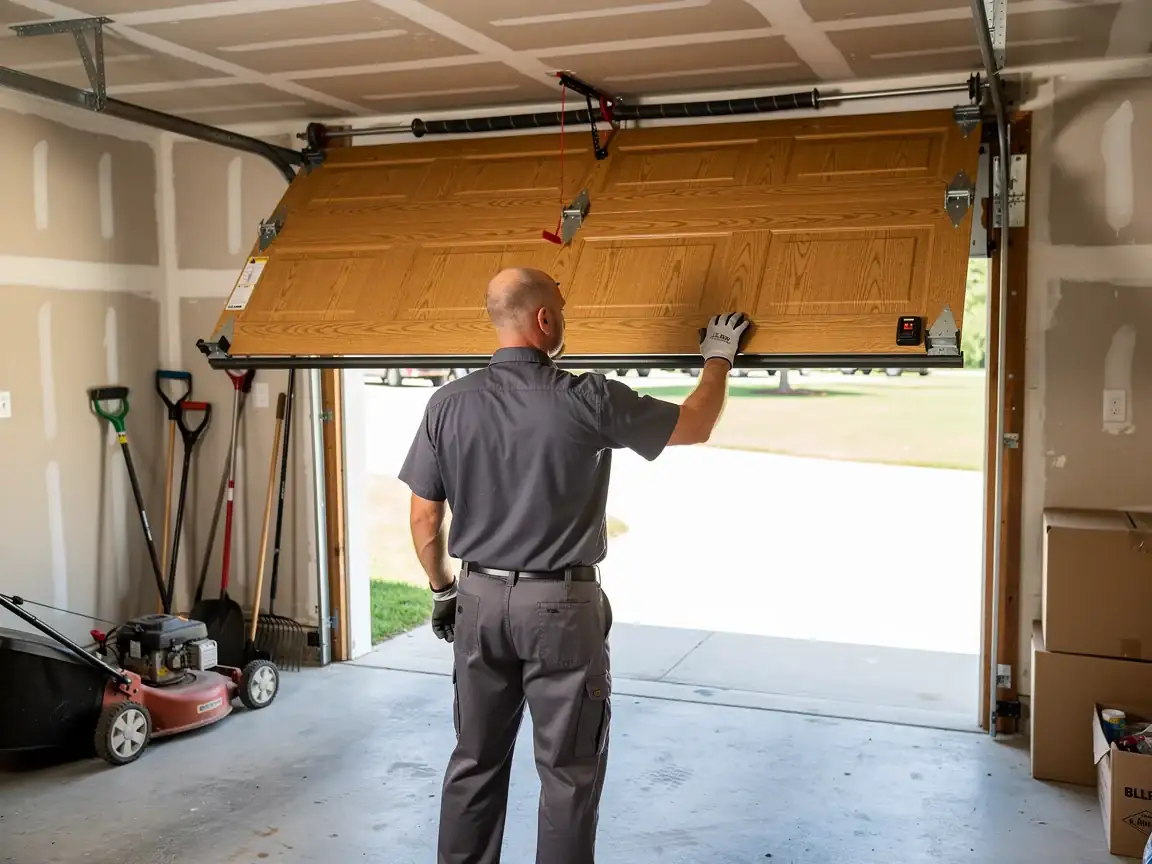
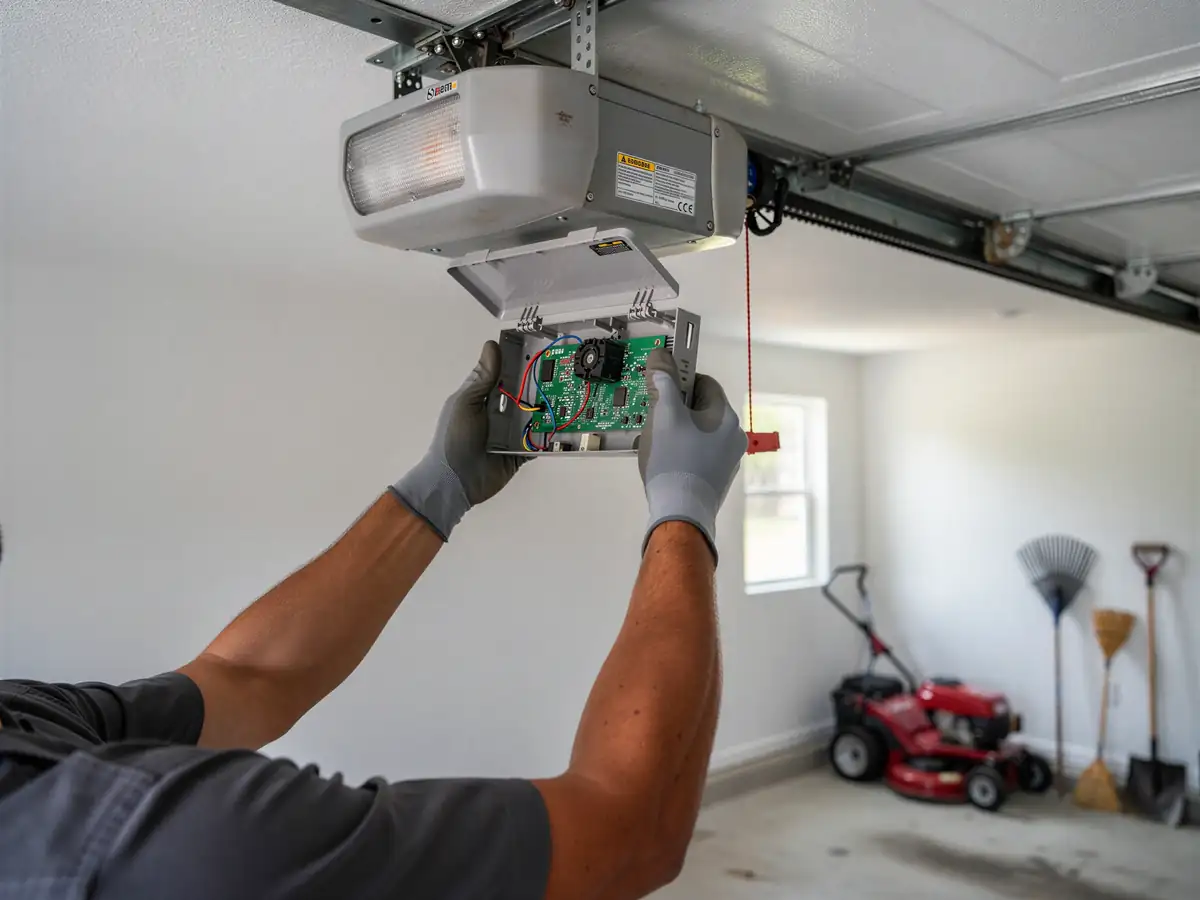
For doors in this age range, the truck carries what actually fails on them: standard-cycle torsion springs sized for mid-weight residential doors, nylon and steel rollers, photo-eye sensor pairs, galvanized lift cable, and belt-drive kit components for the opener brands common in 2000s-and-newer builds. That covers the bulk of what we find on a Fate maintenance call without a special order.
Where we run into a lead time is on anything custom - an insulated door with a non-standard panel finish, or an opener model that's been discontinued and needs a logic board sourced rather than pulled off the shelf. That's not common on a 2013-era house, but it happens, and when it does we'll tell you up front rather than quote a date we can't hit. Better to say the part's a few days out than to have you waiting on a truck that isn't coming.