Can You Do This Yourself
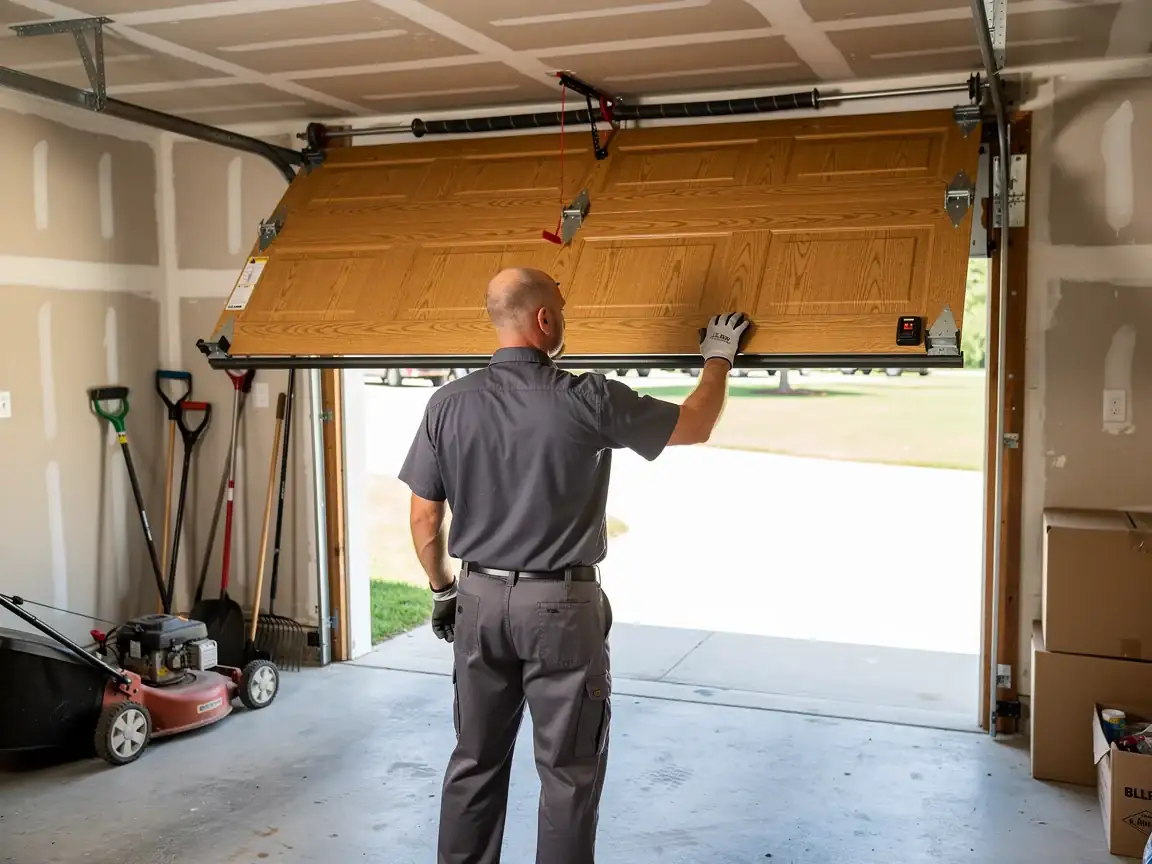
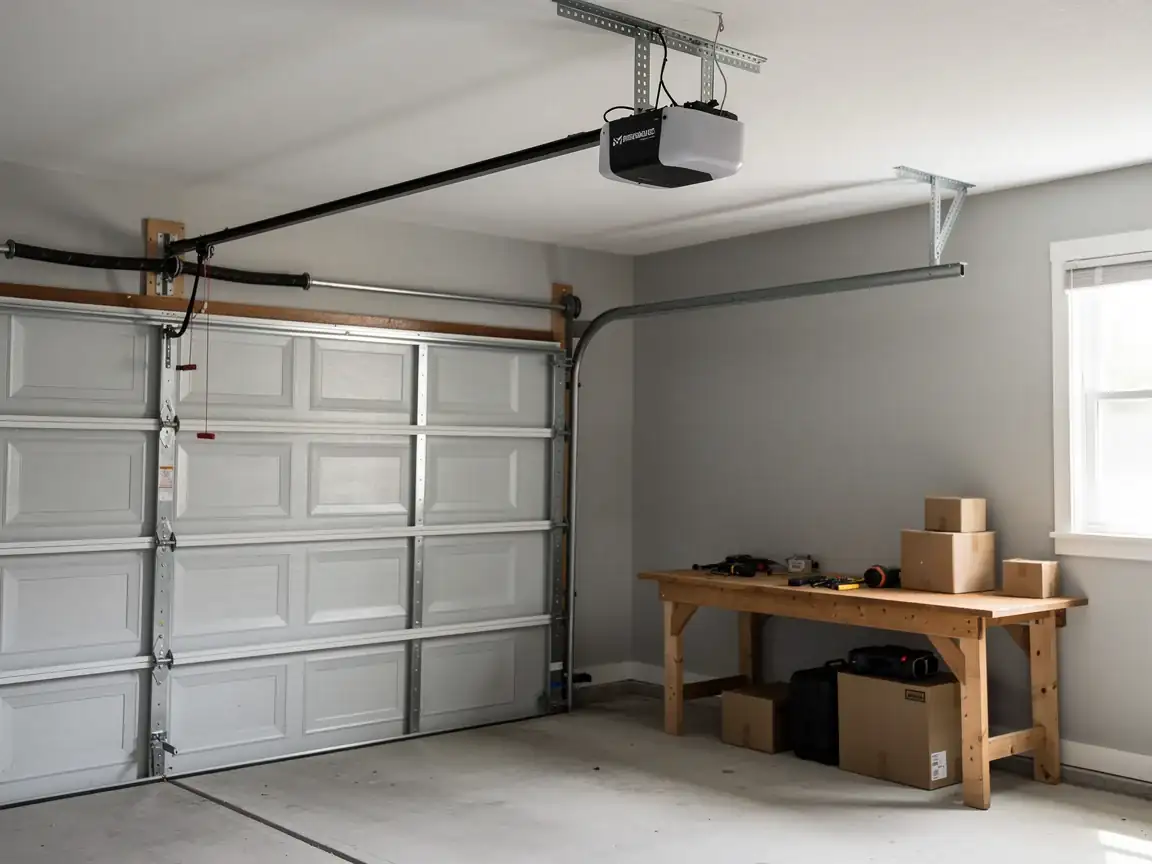
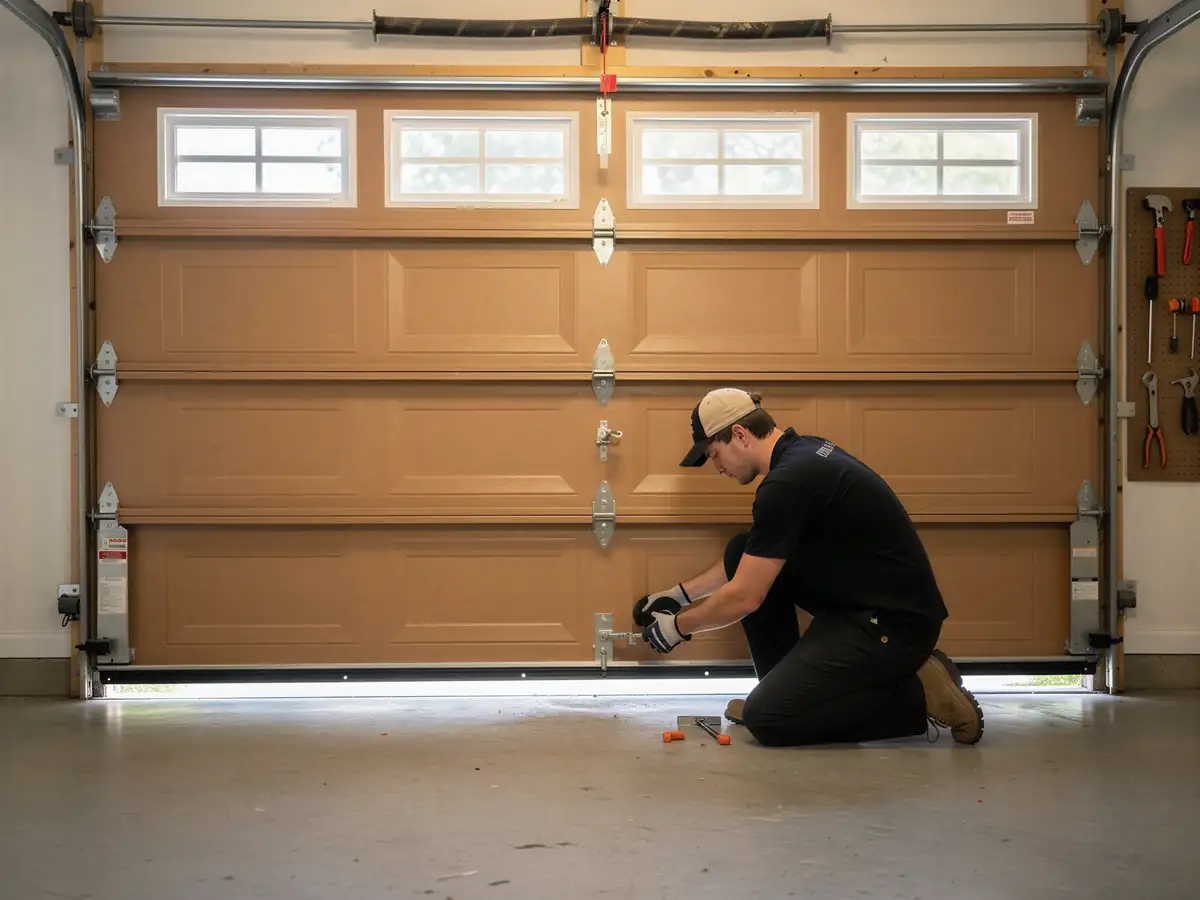
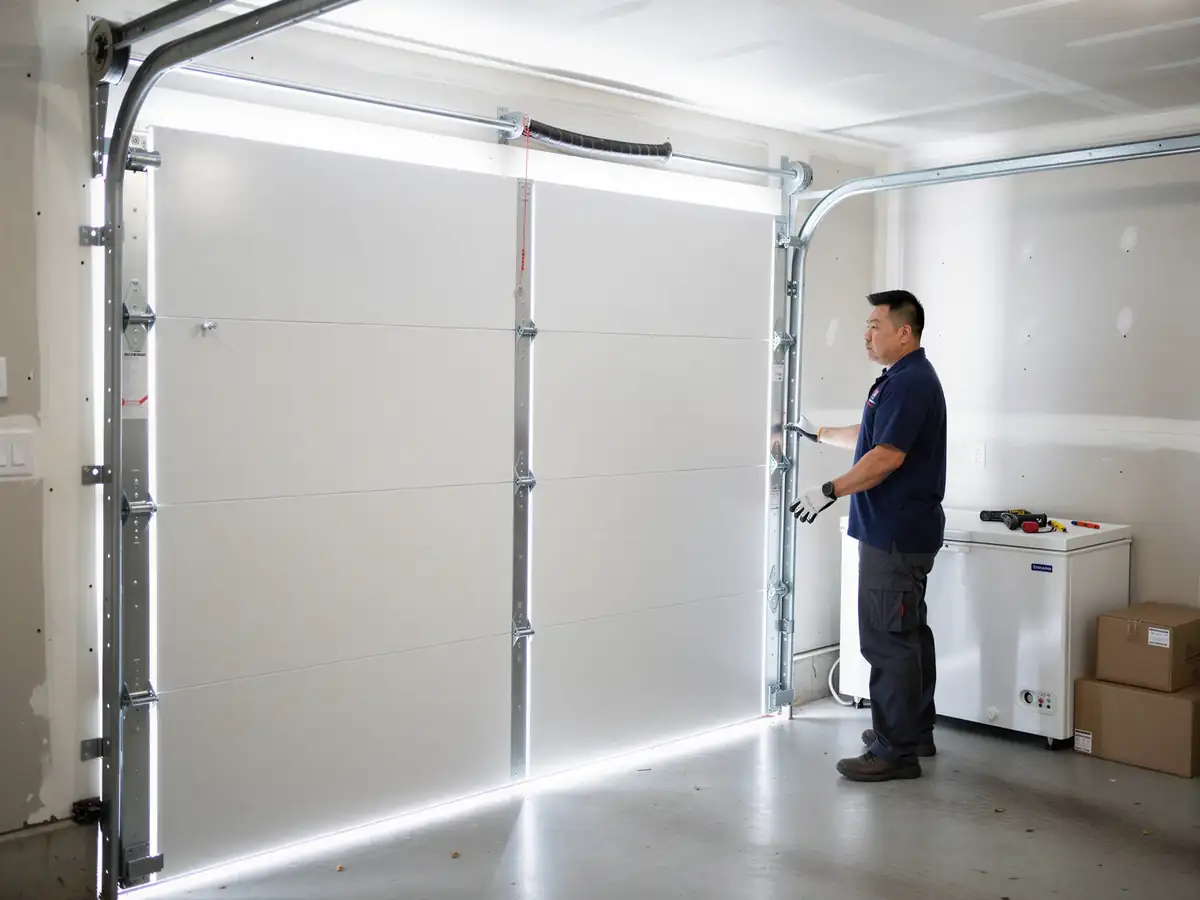
Some of it, yes. You can open the door by hand with the opener disconnected and check that it moves smoothly without binding or dropping suddenly - that tells you if a spring is losing tension. You can wipe down the tracks and look for bent sections or loose bolts in the mounting brackets. A light coat of garage-door-specific lubricant on rollers and hinges, done twice a year, is well within a homeowner's reach and it's the single cheapest thing you can do to slow down wear.
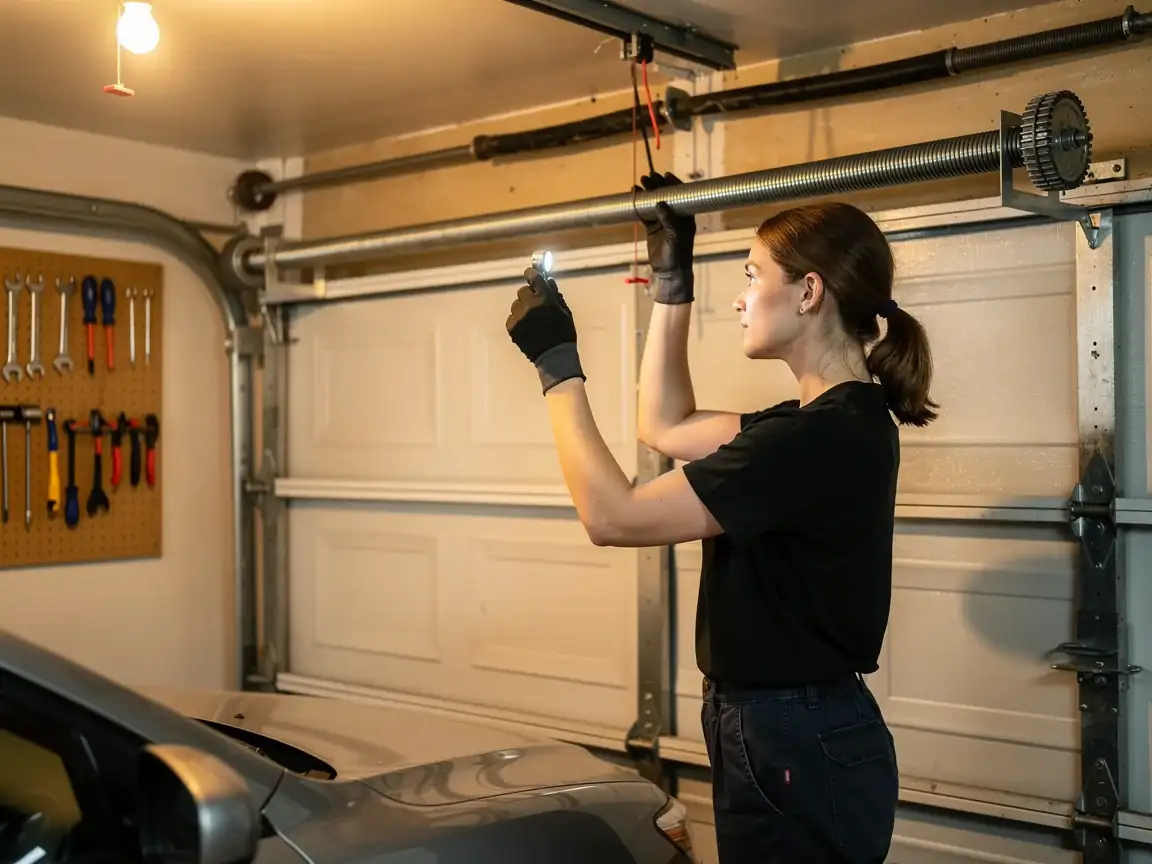
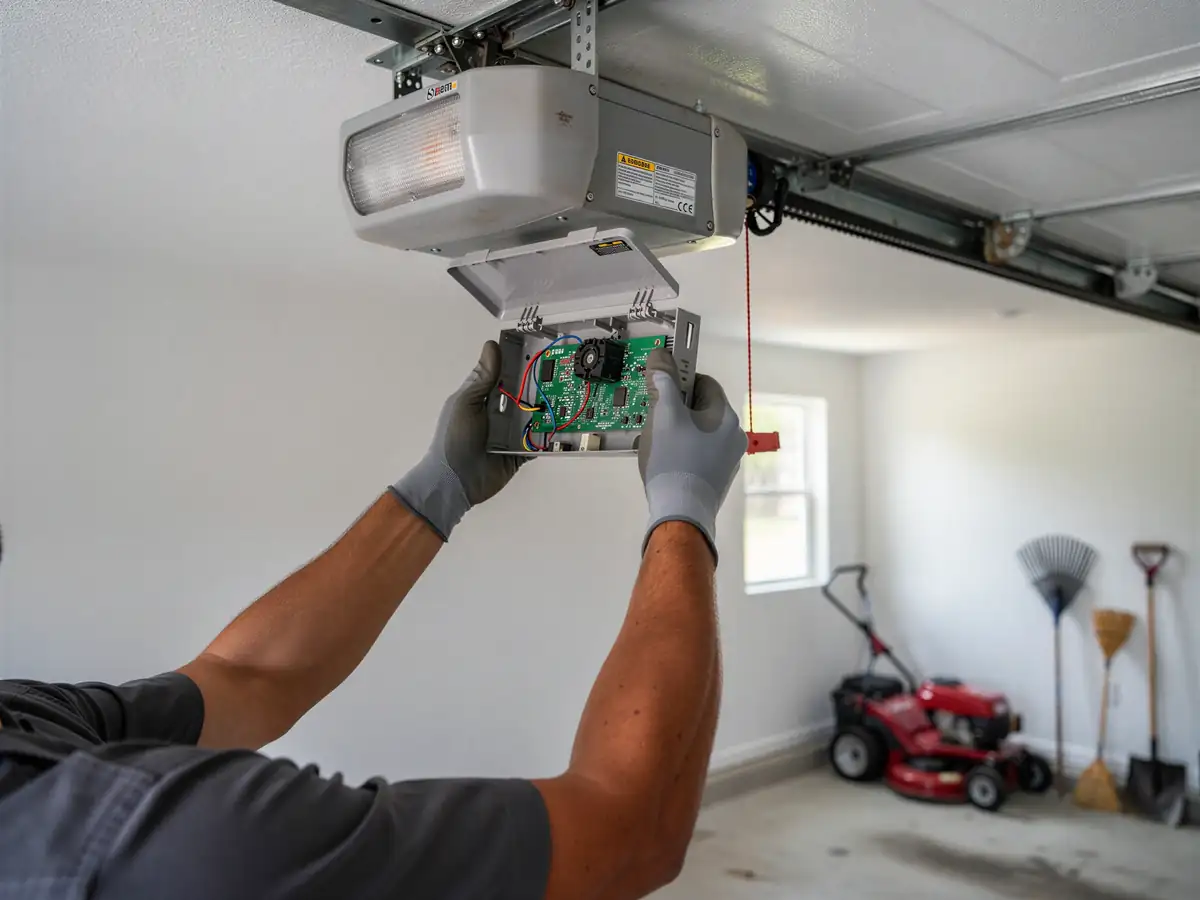
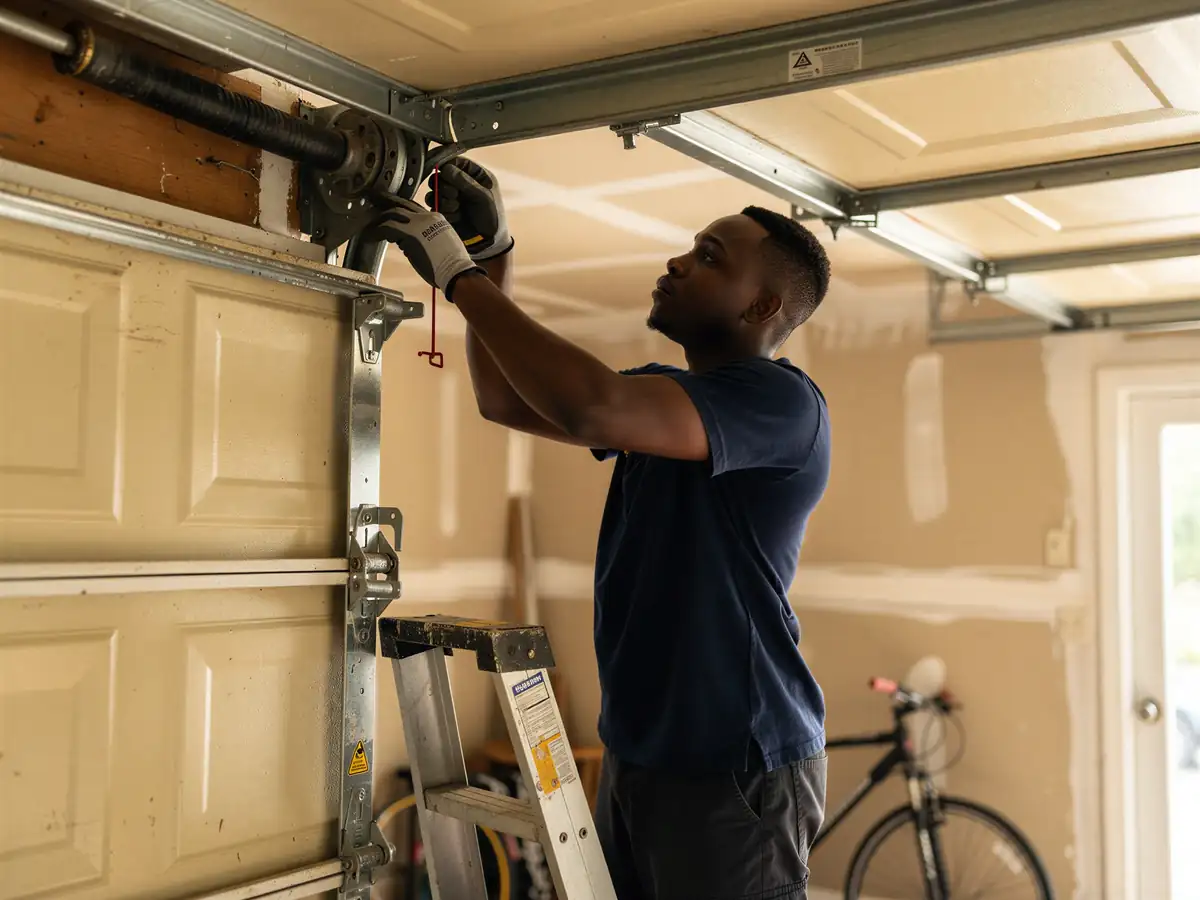
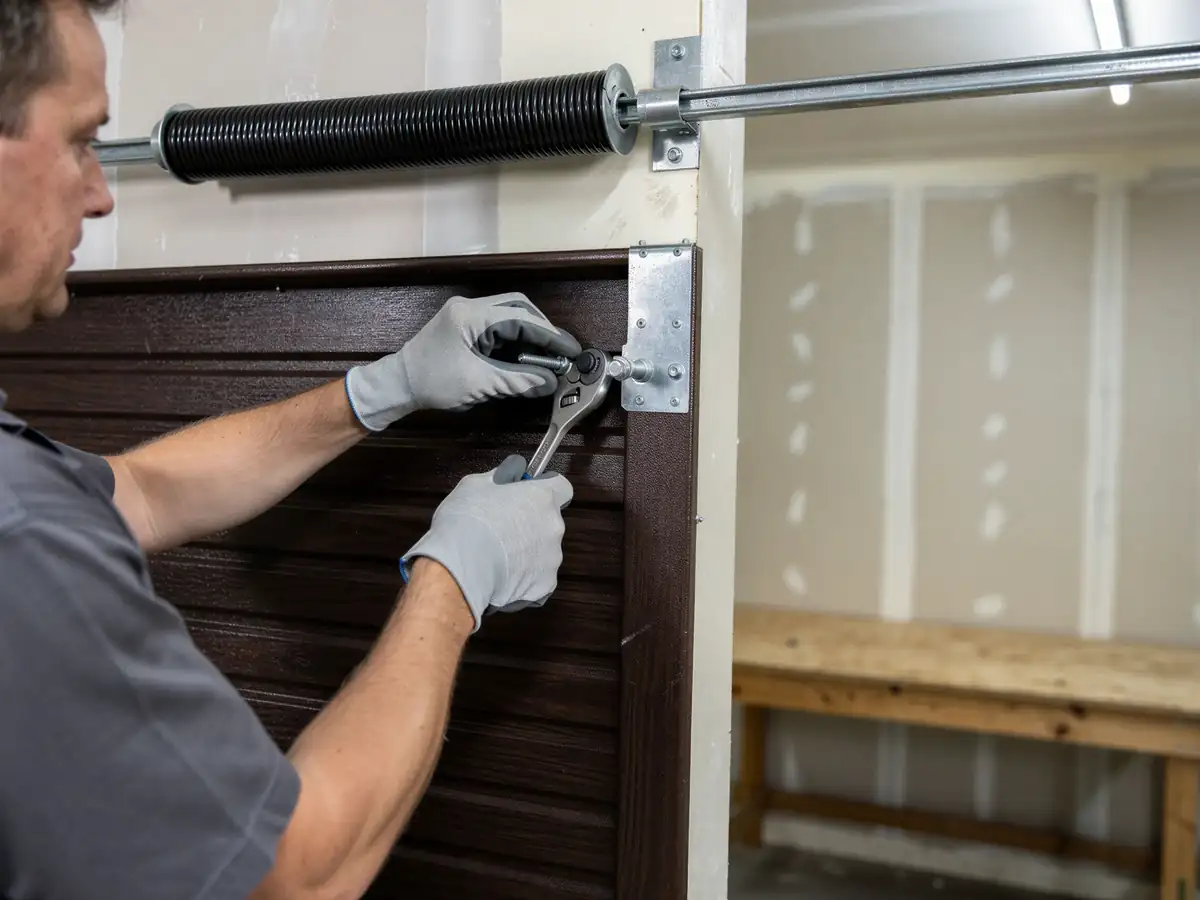
What you shouldn't touch is the torsion spring itself. It's wound under enough tension to break a bone or worse, and adjusting it without the right bars and experience isn't a place to learn on the job. Same goes for the opener's internal logic board if it starts acting erratic - that's a part swap, not a repair. If your door is sticking, grinding, or reversing on its own, that's past the point where a can of lubricant fixes it. Know where your limit is and call before a small adjustment turns into a bigger job.
The Symptom
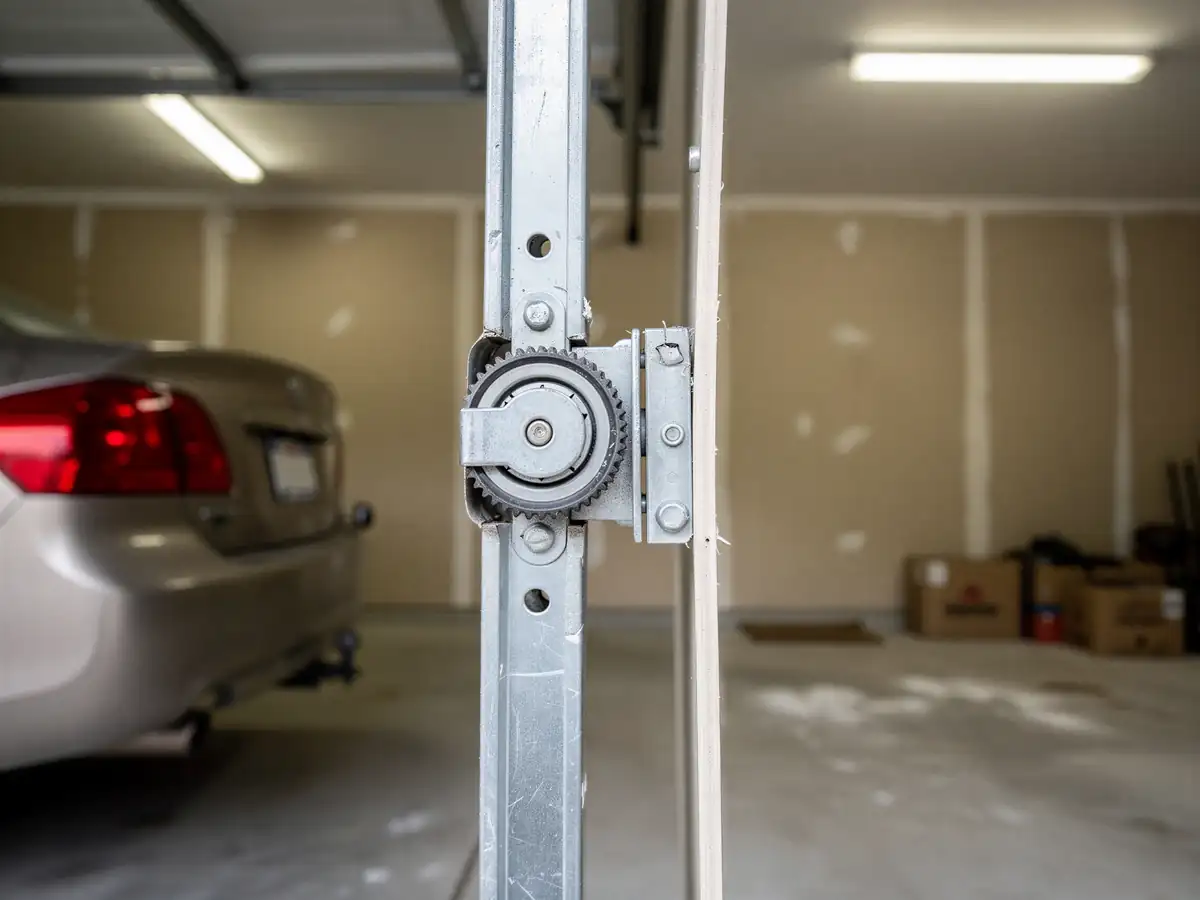
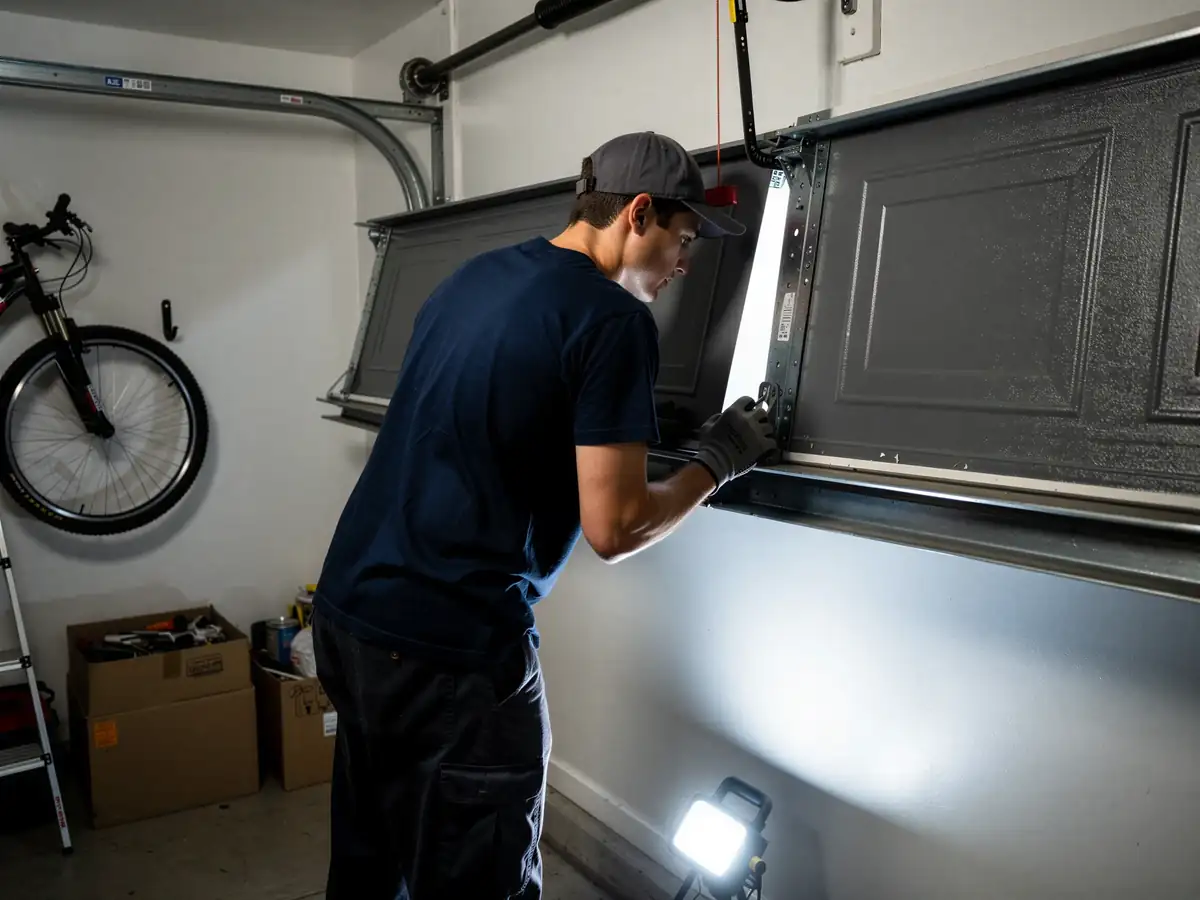
The complaint we hear most from this part of the service area is a grinding or squealing noise right as the door starts to move, sometimes followed by the door hanging up for a second before it catches again. It's not subtle - it sounds like metal on metal because that's close to what's happening. The steel rollers that came standard on doors installed around 2005 are now old enough that the factory grease has dried out and the roller itself has started to wear flat on one side.
A lot of Murphy's housing stock was built right around that median year, which means a large share of doors in town are hitting this wear point at roughly the same time. It's not a defect and it's not damage from a storm - it's just steel and nylon parts reaching the end of a normal service life after two decades of daily cycles. Left alone, the noise gets worse and the strain shifts onto the opener motor, which is a more expensive part to replace than a set of rollers.
Why This Fails Locally
Murphy's median build year sits at 2005, right in the middle of the wider area's 1971-2015 range
And that narrow build window matters here. Builders in that stretch used the same stamped-steel roller and standard torsion spring sizing across most tracts, so when one door in a neighborhood starts to groan, the one next door usually isn't far behind it.
The climate here is mild with the occasional freeze
Which isn't hard on springs the way a true winter is, but it does thicken old lubricant during the cold snaps, which is exactly when homeowners notice the grinding most. With 5,907 households in Murphy, most sitting on doors from that same decade, this isn't a handful of isolated breakdowns - it's a predictable wave of the same wear pattern showing up across town in roughly the same window of years. Income in Murphy runs well above the wider area's median, at $165,109 against $127,000, but that doesn't change the mechanics - money doesn't stop a steel roller from flattening out after twenty years of cycles.
- 5,907 households
What You Pay
We don't have a flat number to quote here, because the cost of a maintenance visit depends on what we find once the door's open - a full roller and hinge set is a different job than a lubrication and tension check. What we can tell you is what drives the cost: whether the rollers need full replacement or just lubrication, whether the track needs realignment, and whether the opener's drive chain or belt is worn enough to need attention at the same time.
For a door built around 2005 that's never had a maintenance visit, expect the first one to cost more than the ones after it, since we're usually swapping worn rollers and hinges that should have been replaced years earlier. After that first catch-up visit, keeping to a regular lubrication schedule usually keeps the job smaller and cheaper each time after.
Stocked Parts
We carry the parts that fit doors from Murphy's era on the truck, because builder-grade torsion springs and standard steel rollers sized for 2000s-era residential doors are what we're replacing most often out here. Nylon rollers, hinges, and garage-door-rated lubricant are routine stock, not special order.
Where it gets slower is less common opener models or cosmetic panel matches for doors that have been discontinued by the manufacturer - those can take longer to source. For the basic maintenance items that cover most of what fails on a house built around the median year here, we're not waiting on a supplier to show up and do the work.