Can You Do This Yourself
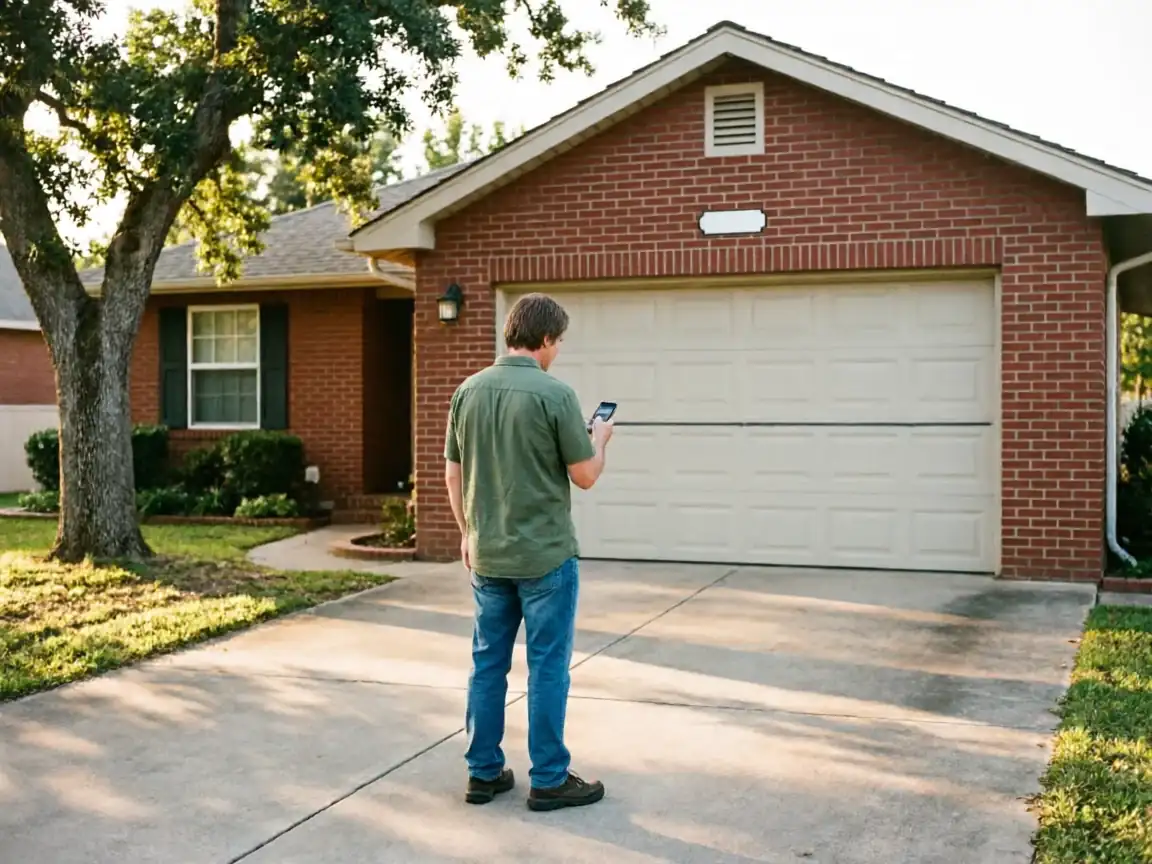
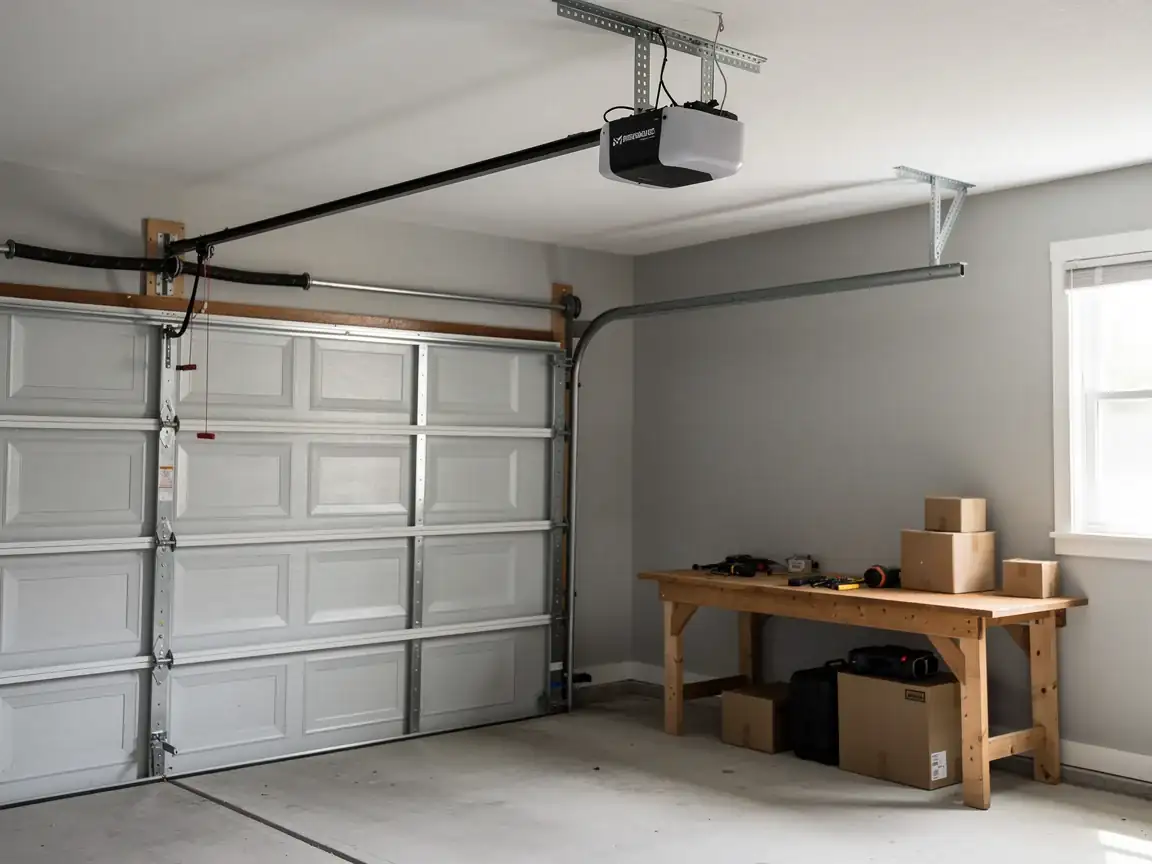
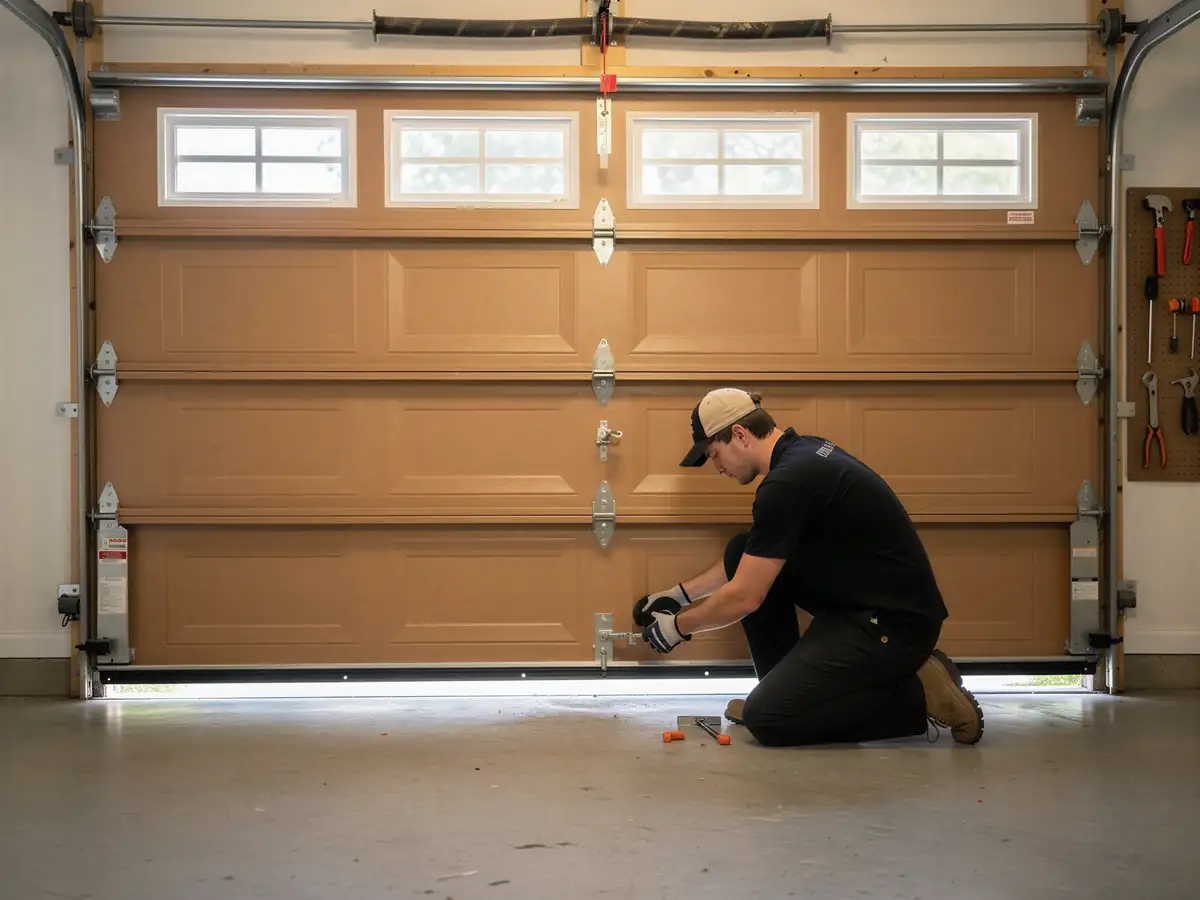
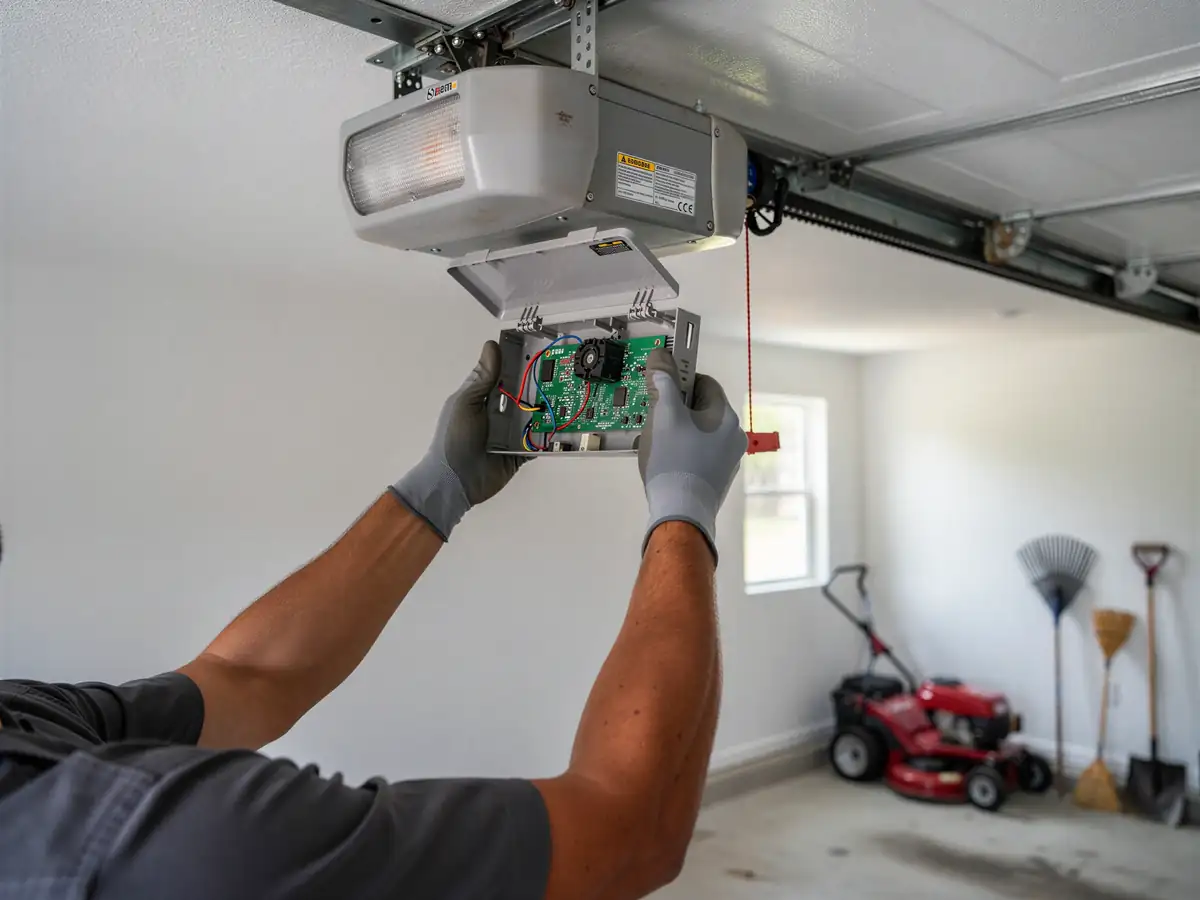
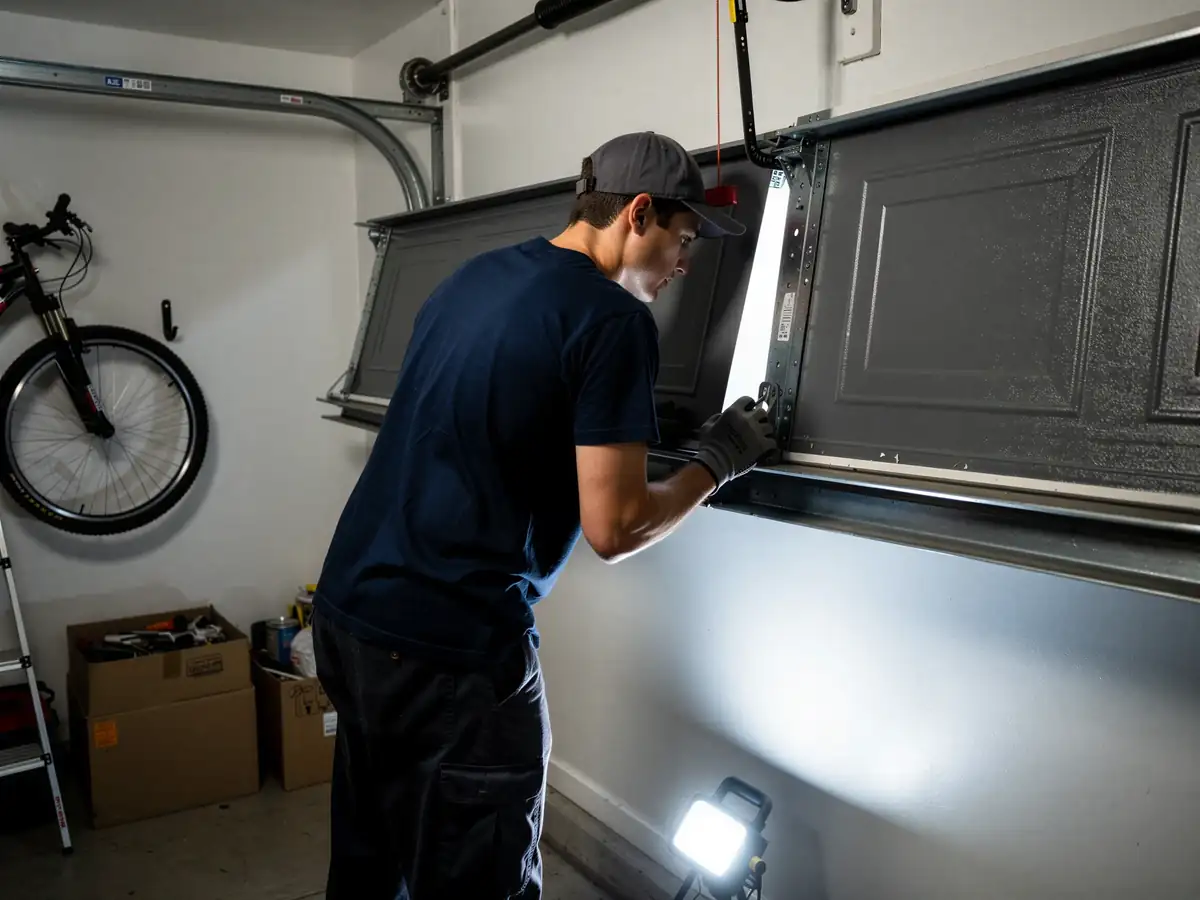
With 5,907 households in Murphy, most of them built around the same stretch of years, the garage door problems here tend to repeat themselves street to street rather than vary wildly. That's good news if you're trying to decide what to tackle yourself. A loose track bracket, a dirty photo-eye sensor, or a chain that needs lubrication - those are homeowner jobs, and you don't need us for any of them.
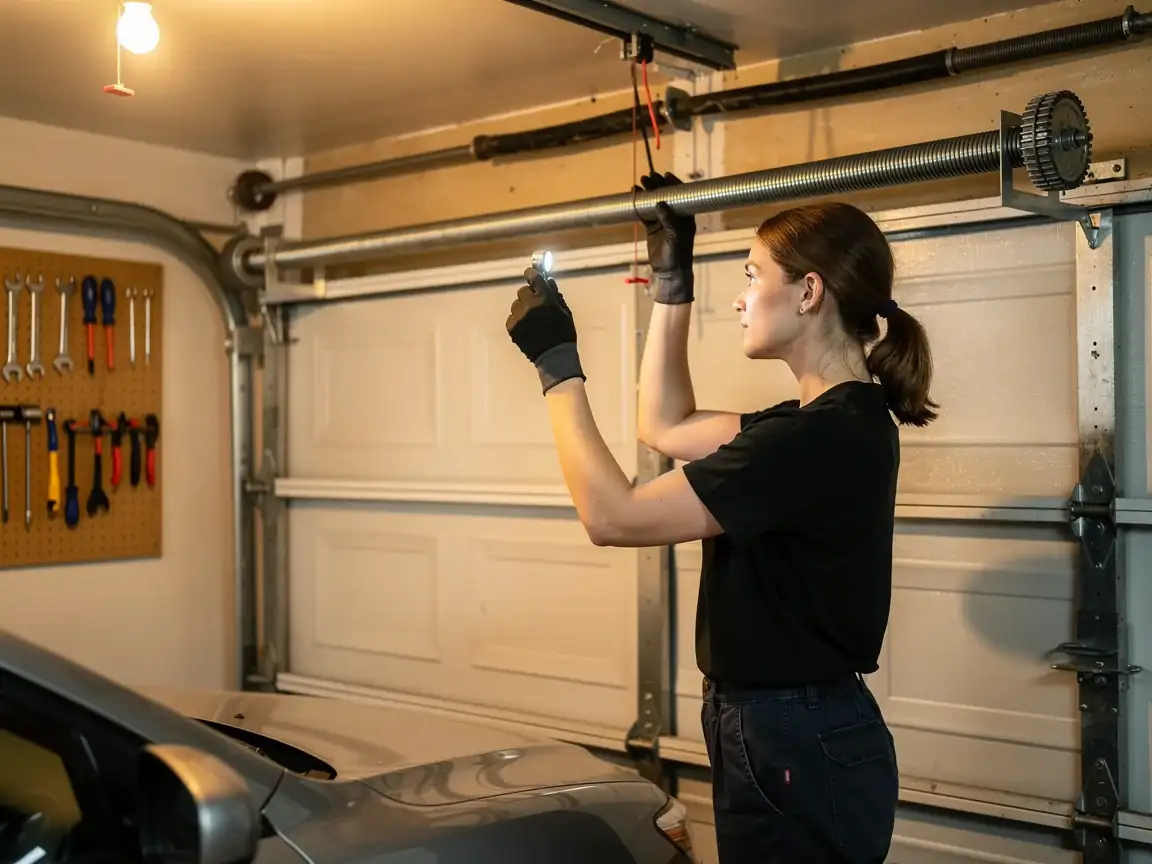
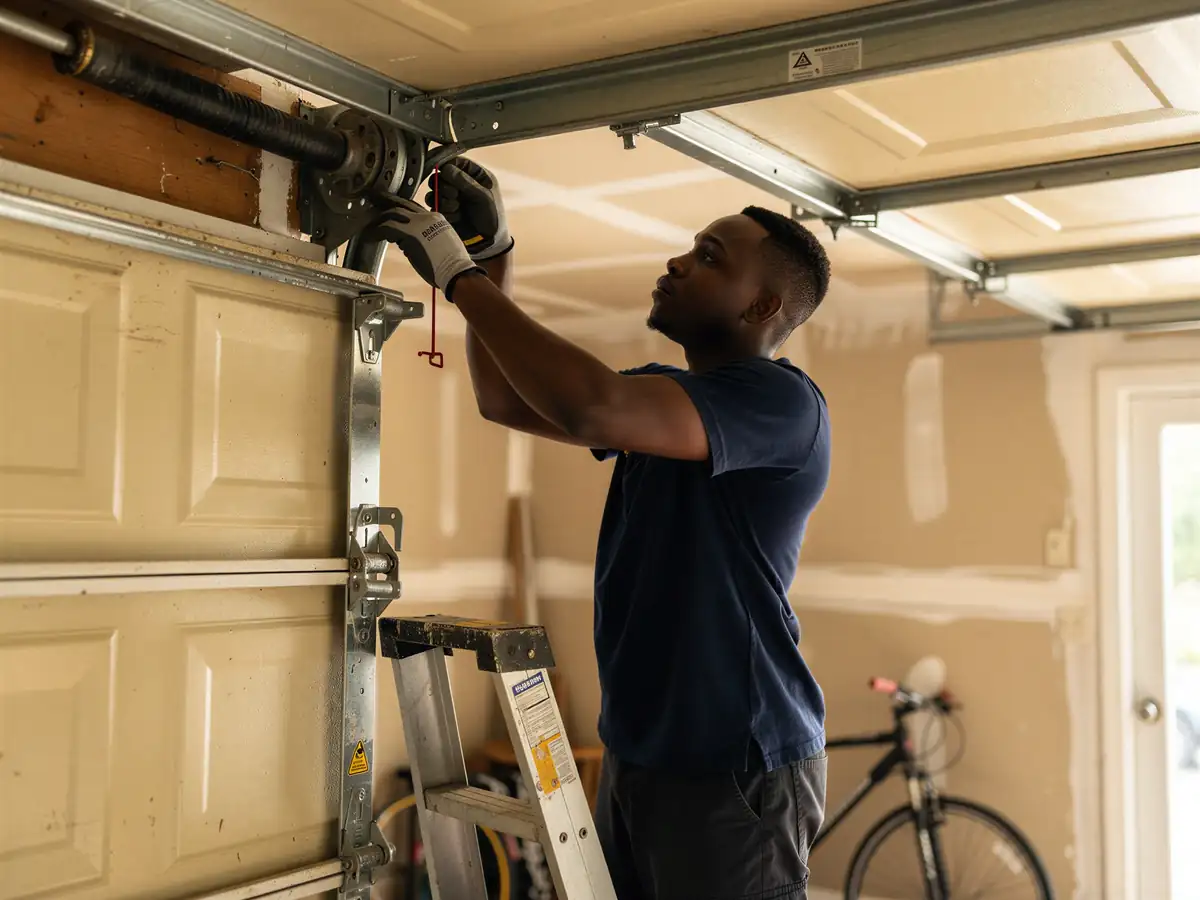
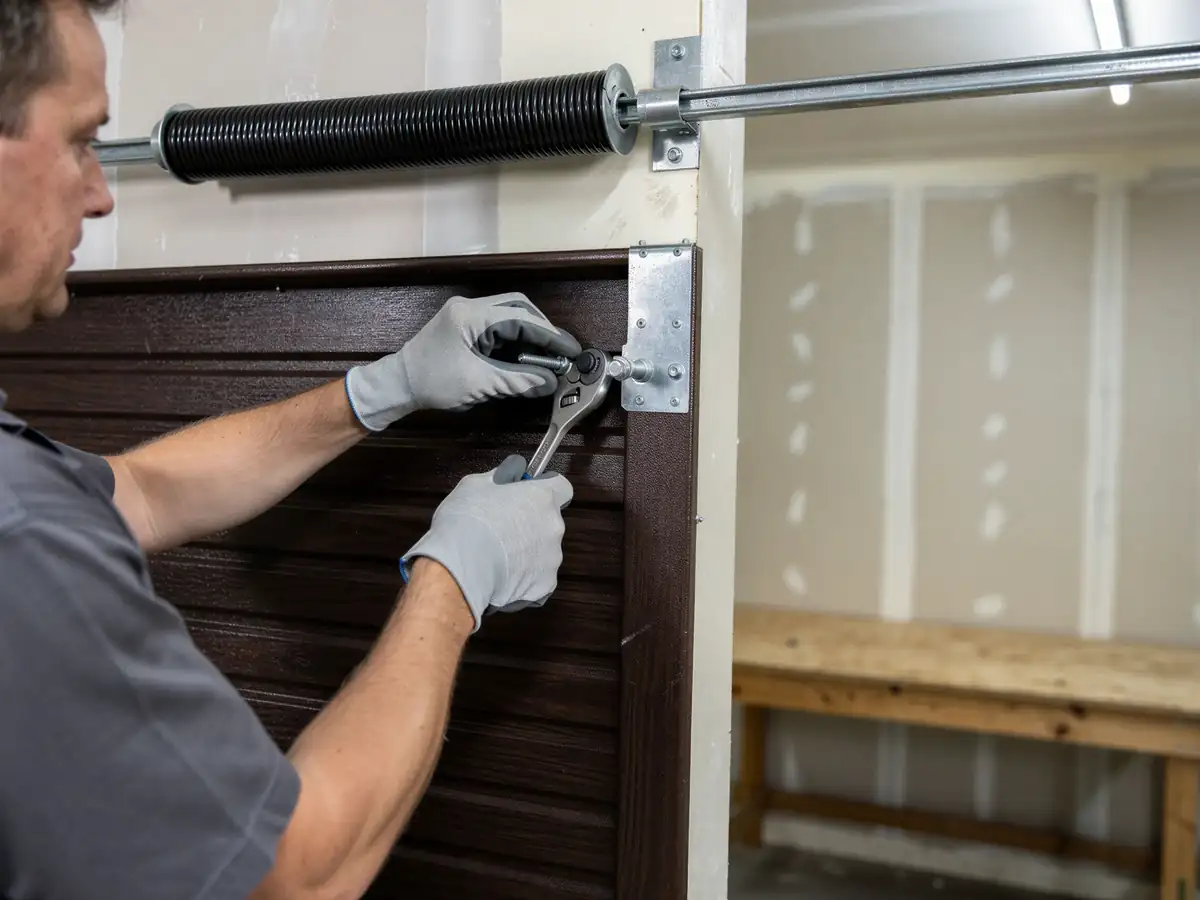
What isn't a homeowner job: anything involving the torsion spring under tension, or a cable that's frayed or off its drum. Those systems store enough force to break fingers or worse, and the tools to safely wind or release a spring aren't something most garages have lying around. If your opener motor runs but the door won't lift, or if the door slams down instead of lowering smooth, stop there and call it in rather than guessing. We'd rather talk you out of a job you can do yourself than have you start one you can't finish safely.
The Symptom
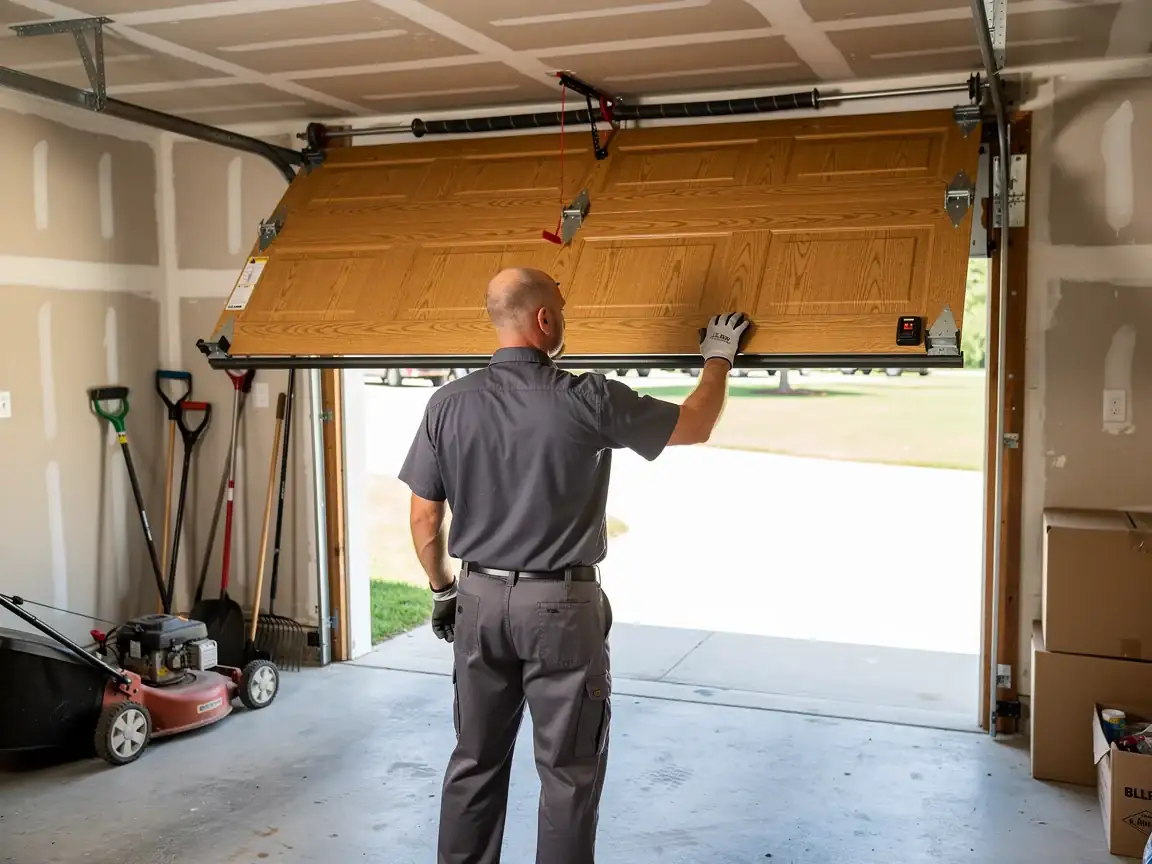
Houses in Murphy cluster around a median build year of 2005, and the openers and spring systems that came with that generation of construction are now in the part of their service life where they start failing - not catastrophically, just annoyingly. The common complaint we hear from this area is a door that reverses halfway up, or an opener that runs but the door barely moves. That's usually a spring that's lost enough tension to make the motor do work it was never built to do.
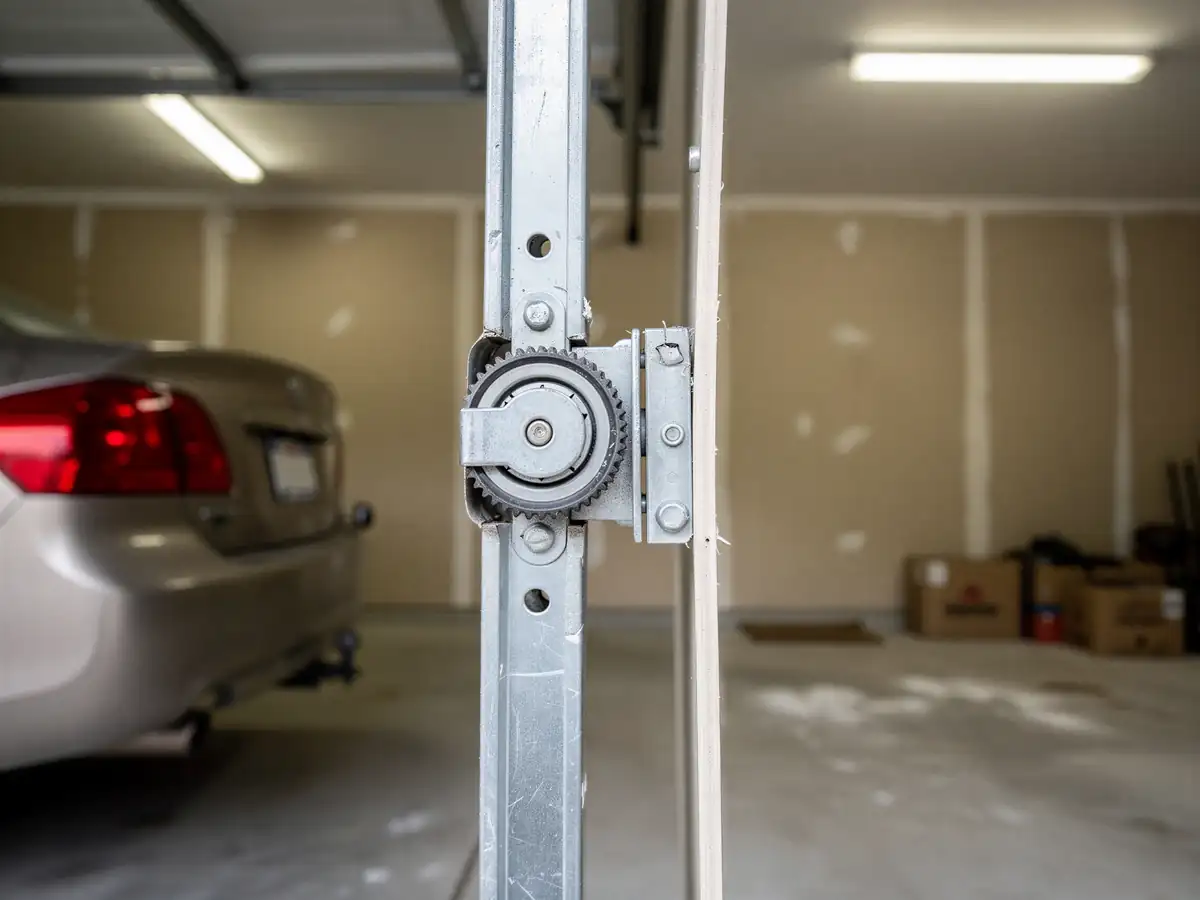
A second pattern specific to 2000s-era builds: nylon rollers that have gone brittle and started cracking, which shows up as a grinding or popping sound partway through the door's travel, not a smooth hum. Owners sometimes assume that means the opener itself is dying, when it's really the rollers dragging the whole system down. Either symptom points to a system aging out together, not one random part.
Why This Fails Locally
Murphy's housing stock lines up with the service area's broader pattern
Built mostly between 1971 and 2015, median year 2005 - which means a large share of doors here are now two decades into a system rated for maybe 10,000 cycles on the original springs. At typical daily use, that's roughly where failure odds start climbing fast, and a neighborhood built in a tight window tends to hit that wall around the same years.
The area's mild winters with occasional freezes don't stress steel the way a harder climate would
So the springs here usually fail from cycle fatigue and age, not from cold-snap brittleness. That's actually a point in Murphy's favor - you're not fighting the hardware failures that colder-climate towns see, just ordinary wear catching up with equipment that's been quietly doing its job since the mid-2000s.
What You Pay
We don't have a Murphy-specific price list to hand you, and we're not going to make one up. What we can tell you is that households here report a median income of $165,109, noticeably higher than the wider service area's $127,000 median - and in practice that shows up less in what people pay per repair and more in what they choose to replace rather than patch. A homeowner weighing a worn 2005-era opener against a full replacement with modern safety features tends to lean toward replacement sooner here than in areas where budgets are tighter.
One honest limitation: if a part on your door is old enough or obscure enough, we may need to order it rather than carry it on the truck, and that adds a day or two. We'll tell you straight if that's the case before we start, not after.
Stocked Parts
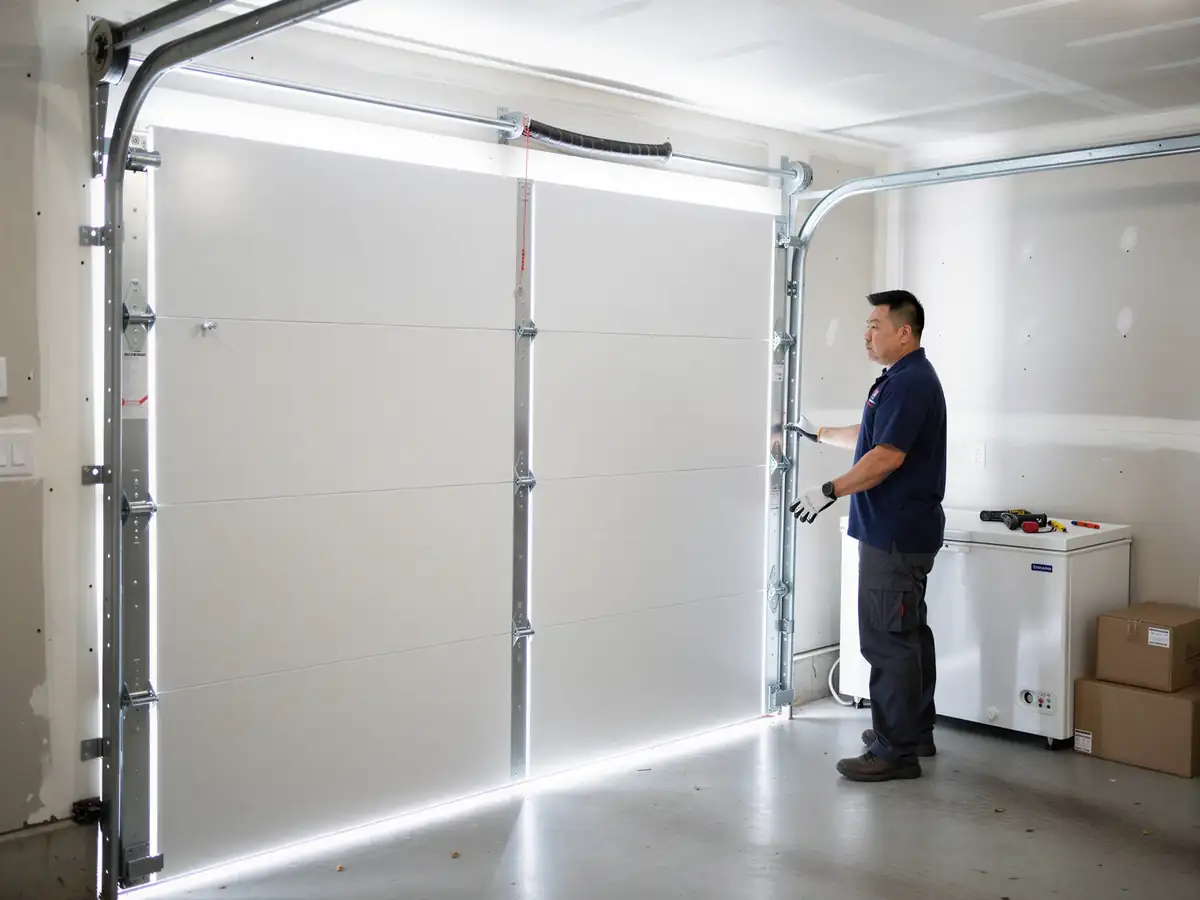
We run the truck out of Wylie, about 5 miles from Murphy, so the question that actually matters is what's on that truck when we show up. Given how much of Murphy's housing clustered into the 2000s, we keep common torsion springs, standard nylon and steel rollers, and openers sized for that era's doors stocked as routine inventory, not special order.
What we don't keep on hand is anything unusual - oversized commercial doors, discontinued opener models, or custom panel sizes. Those aren't common in a neighborhood this consistently built, but if your house is the exception, say so when you call so we know to check before we drive out.