Can You Do This Yourself
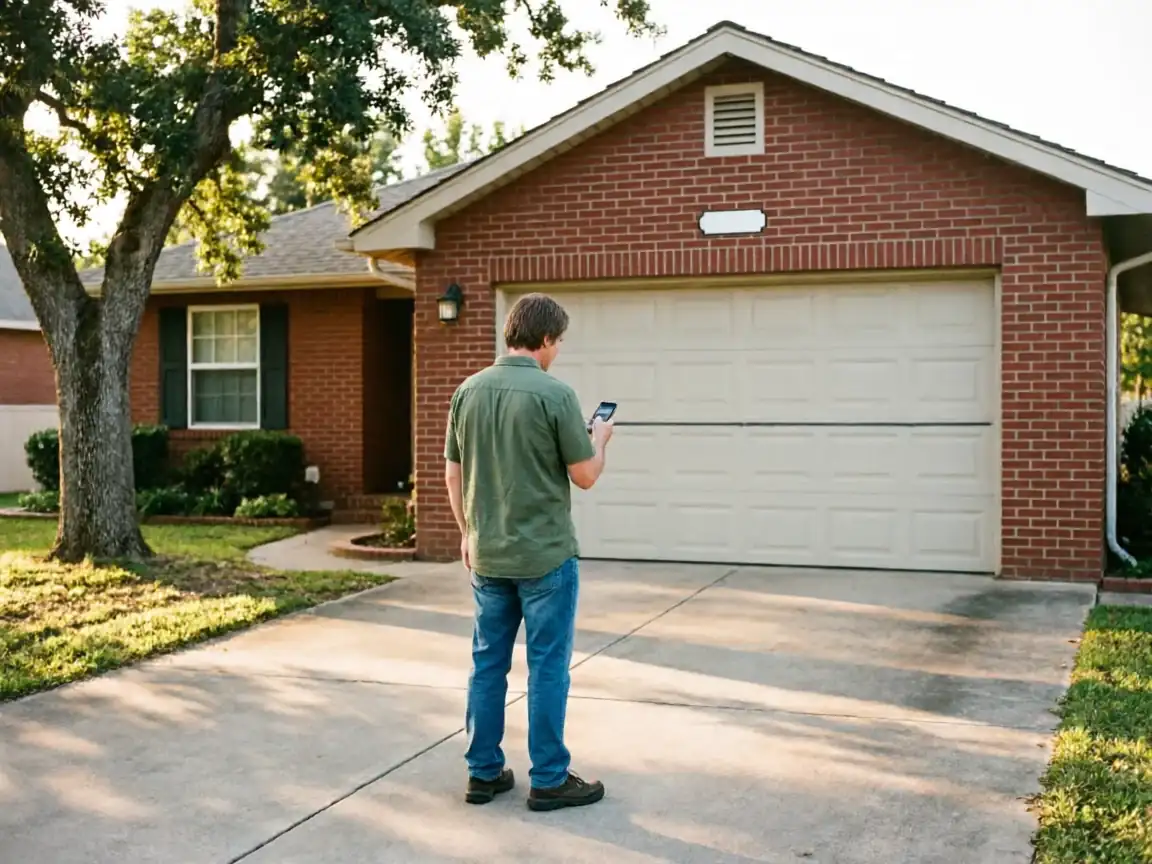
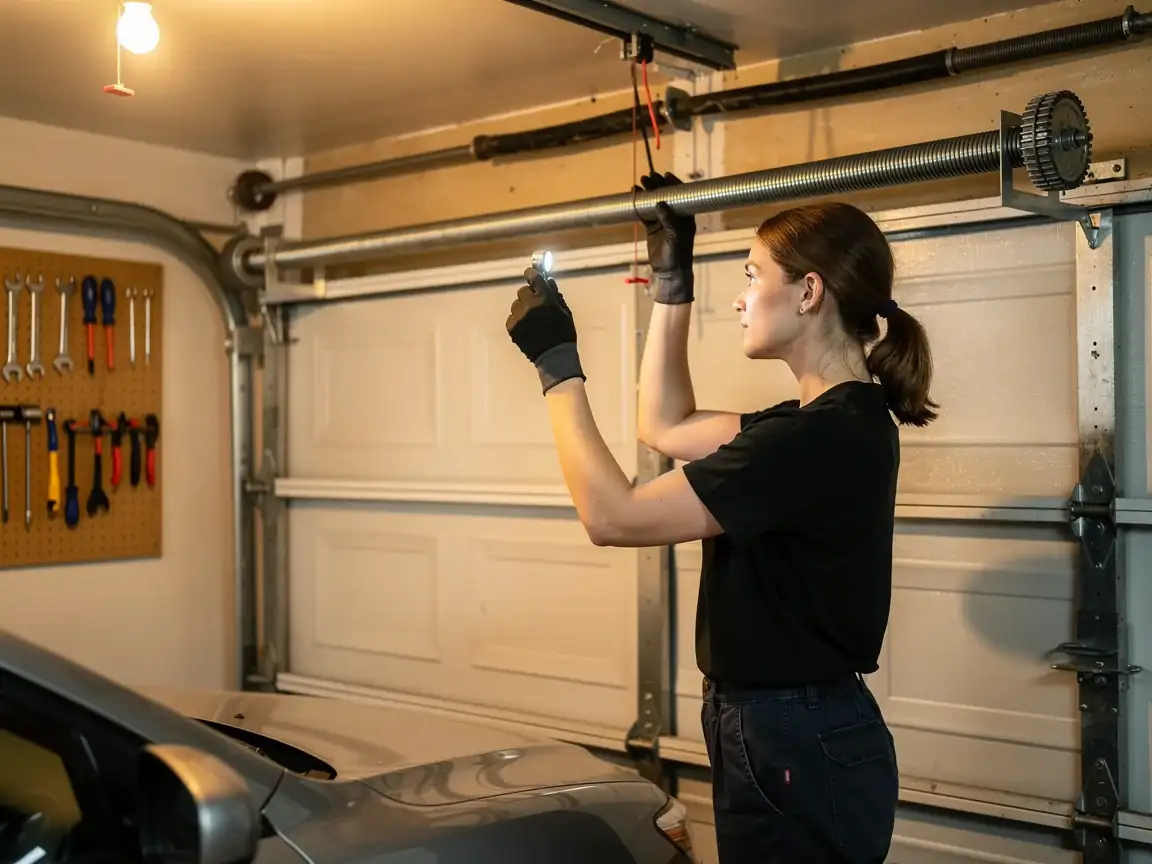
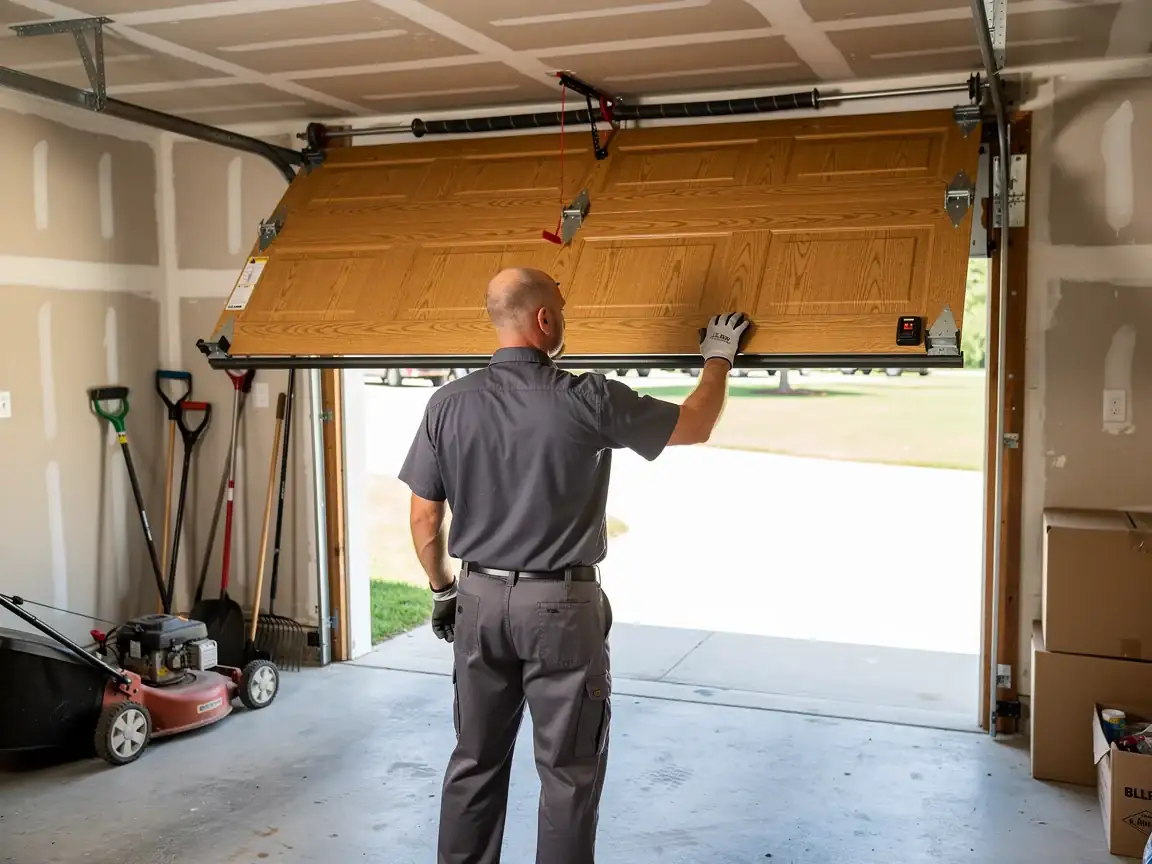
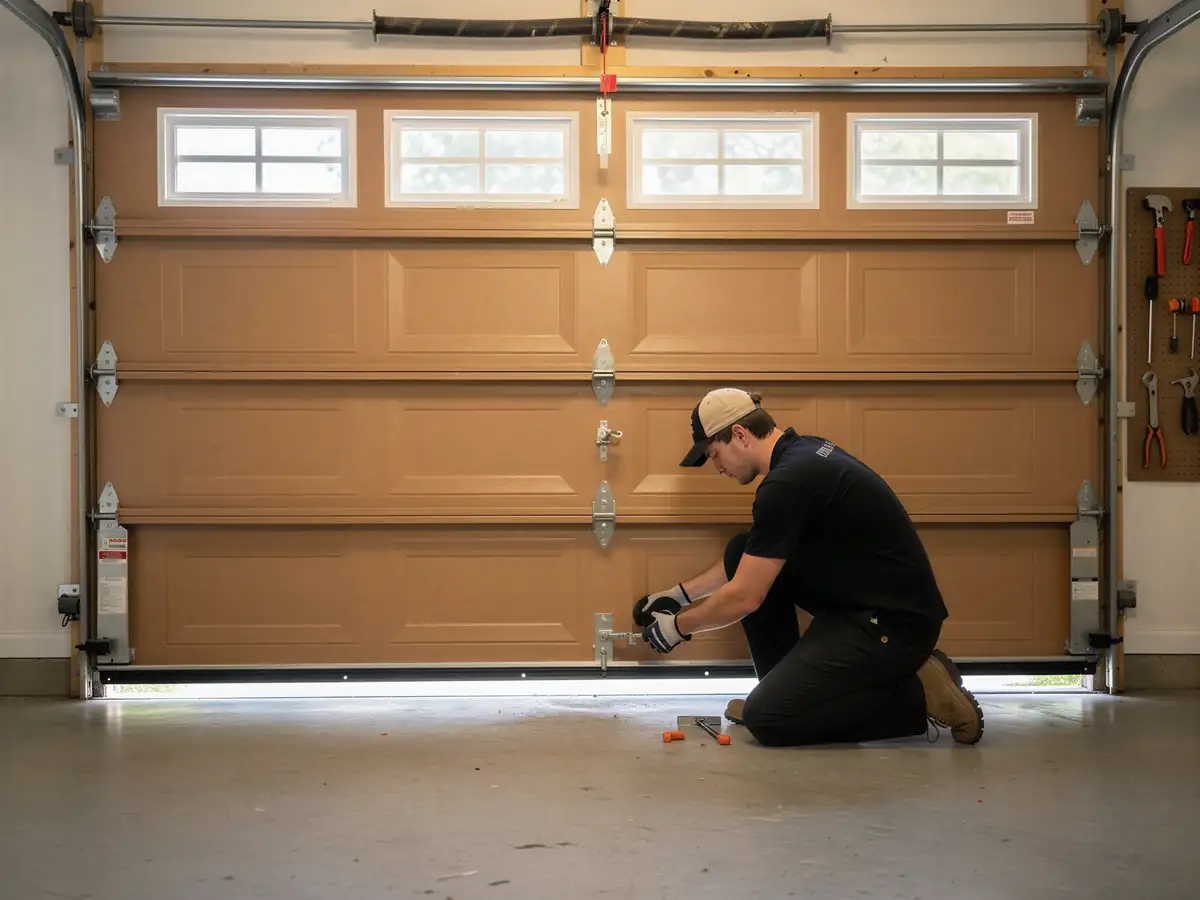
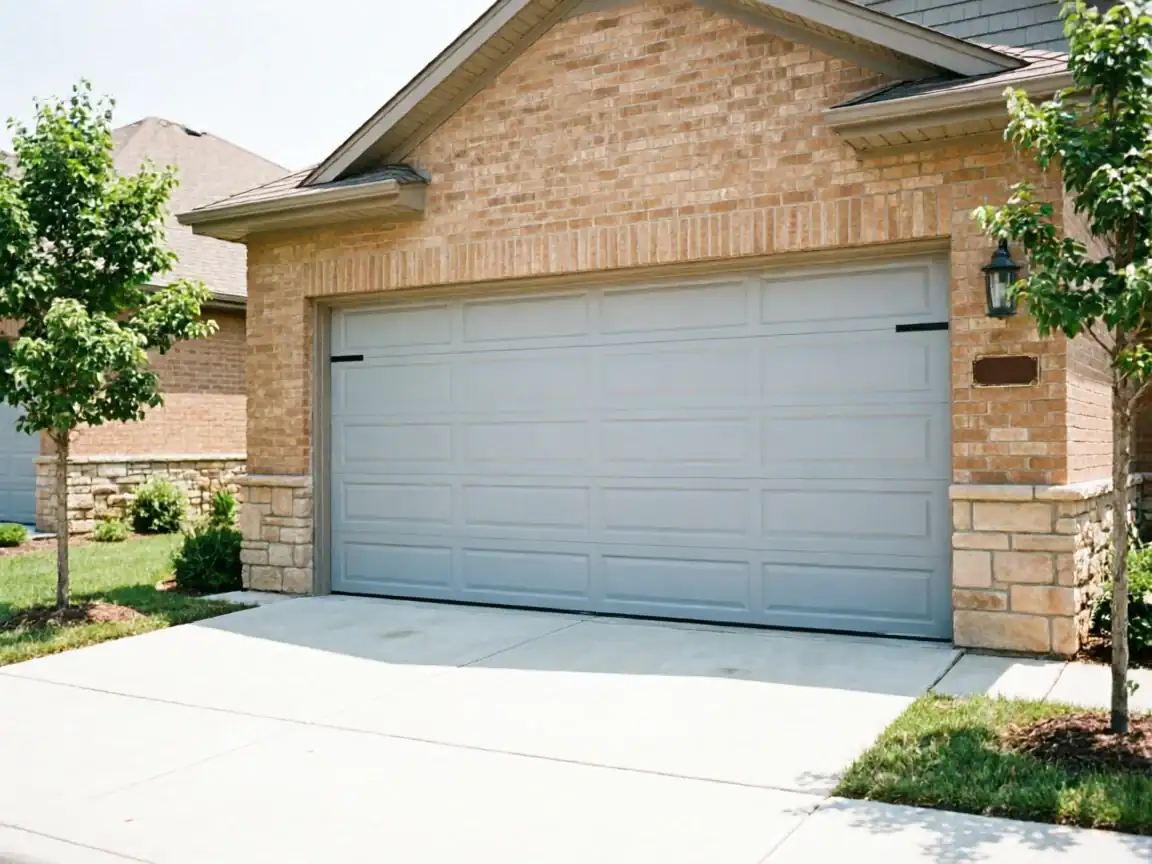
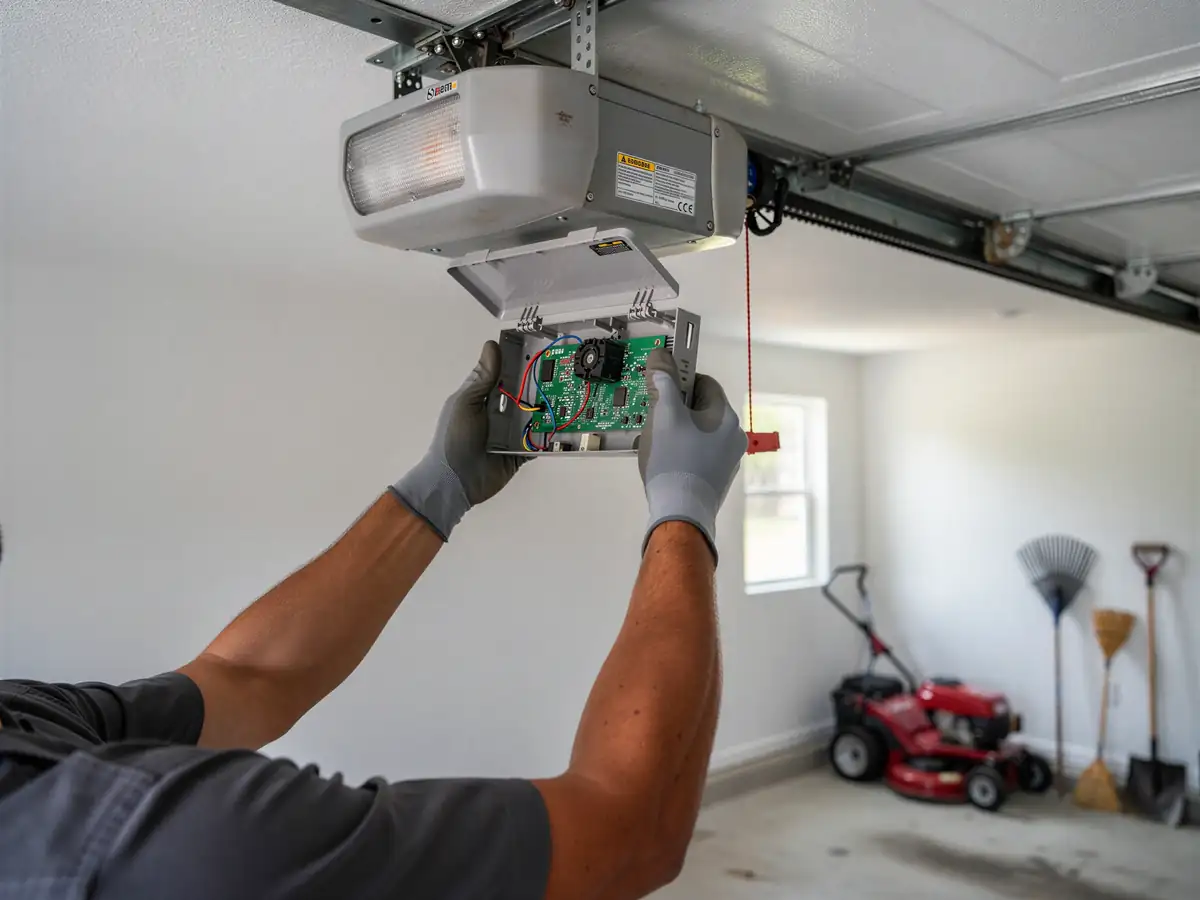
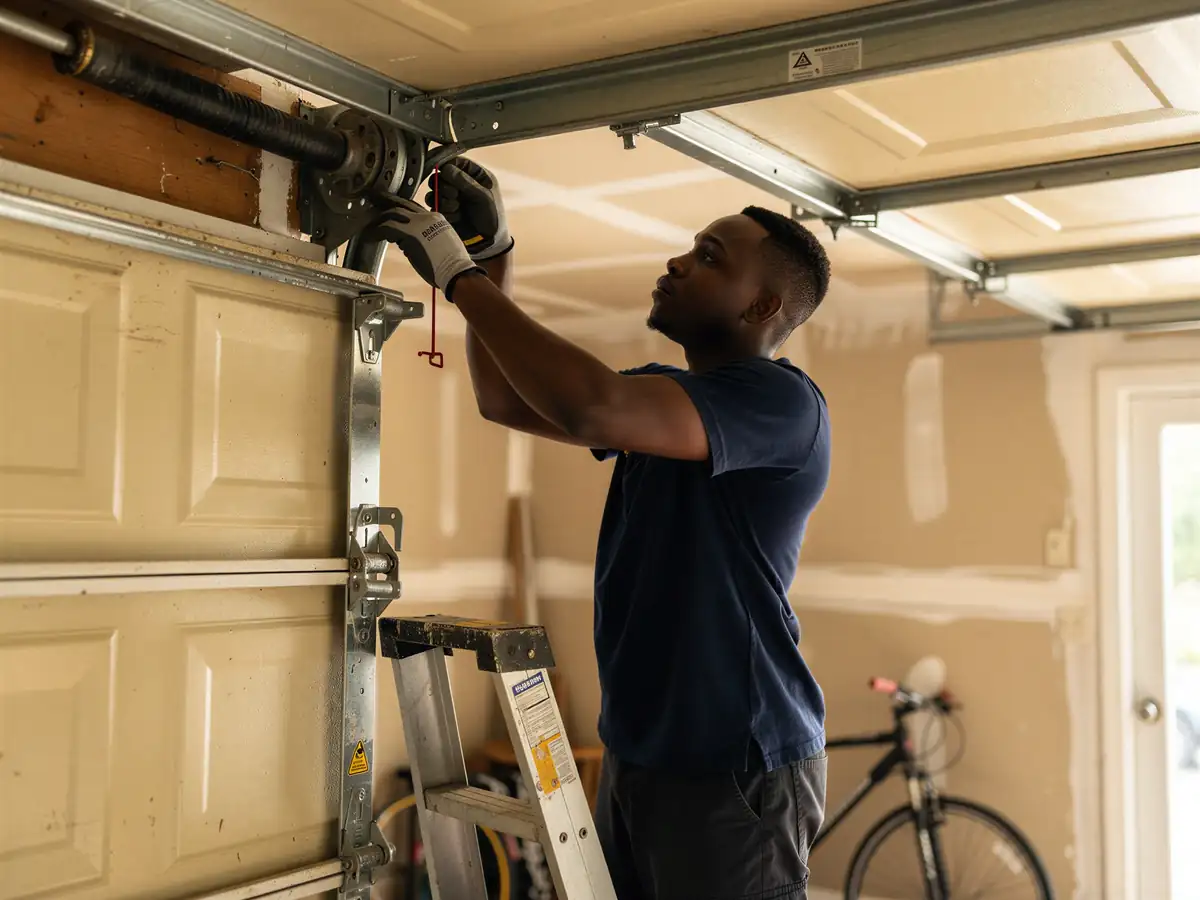
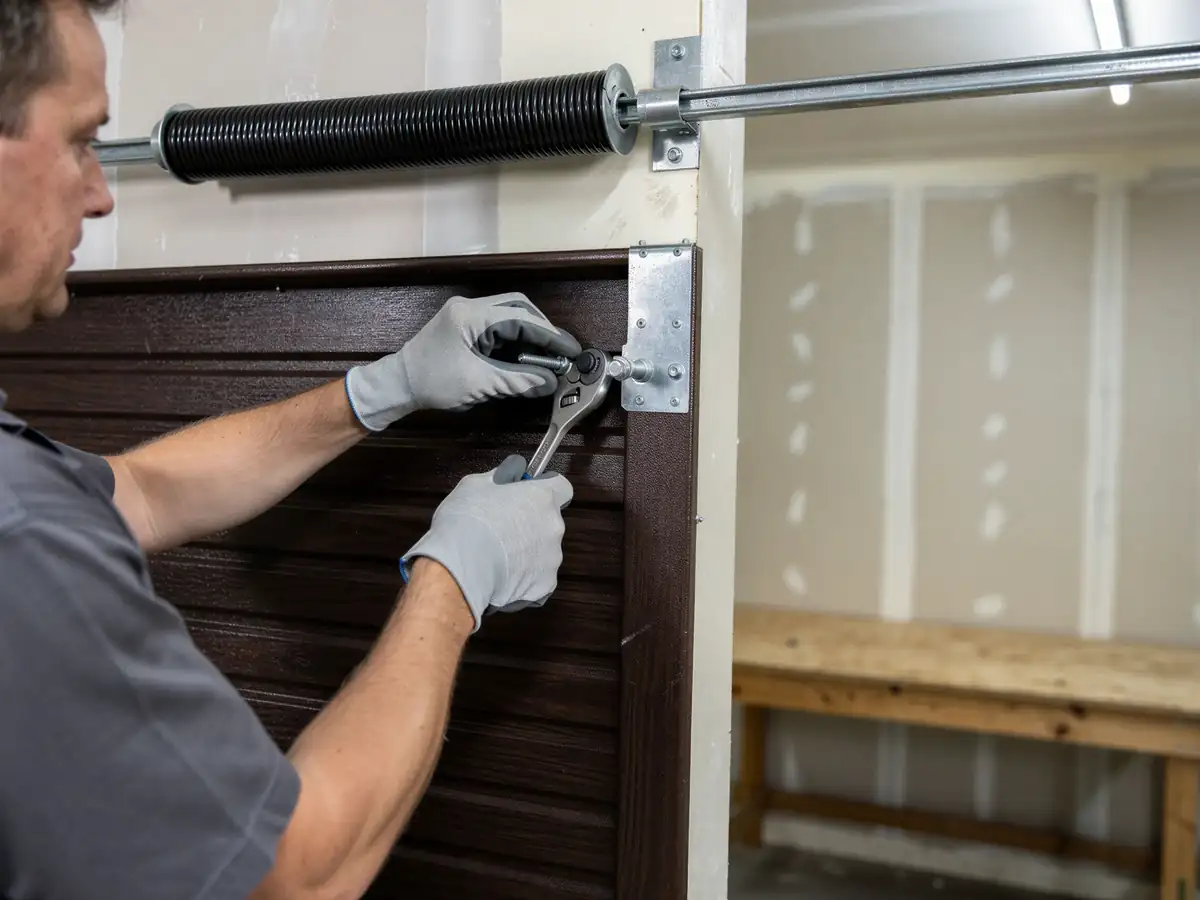
Murphy's houses went up mostly in the 2000s, which means most garage doors here run on torsion springs rated for a specific cycle count, paired with openers that have circuit boards instead of the old mechanical relays. If your door won't open and the opener light is blinking a code, that's usually diagnostic, not mechanical, and you can often read the blink pattern in the owner's manual before calling anyone. If a spring has snapped - you'll hear it, a loud bang, and the door won't budge or will only lift a few inches unevenly - that's not a DIY job. Torsion springs are under enough tension to break bones if you don't have the winding bars and the experience to use them. Same goes for a cable that's come off a drum. We'll say plainly: if the door still moves on its track and the problem is a sensor out of alignment or a remote that's lost its code, you can likely fix that yourself in ten minutes. If metal is bent, a spring is broken, or a cable is loose, that's a call.
The Symptom
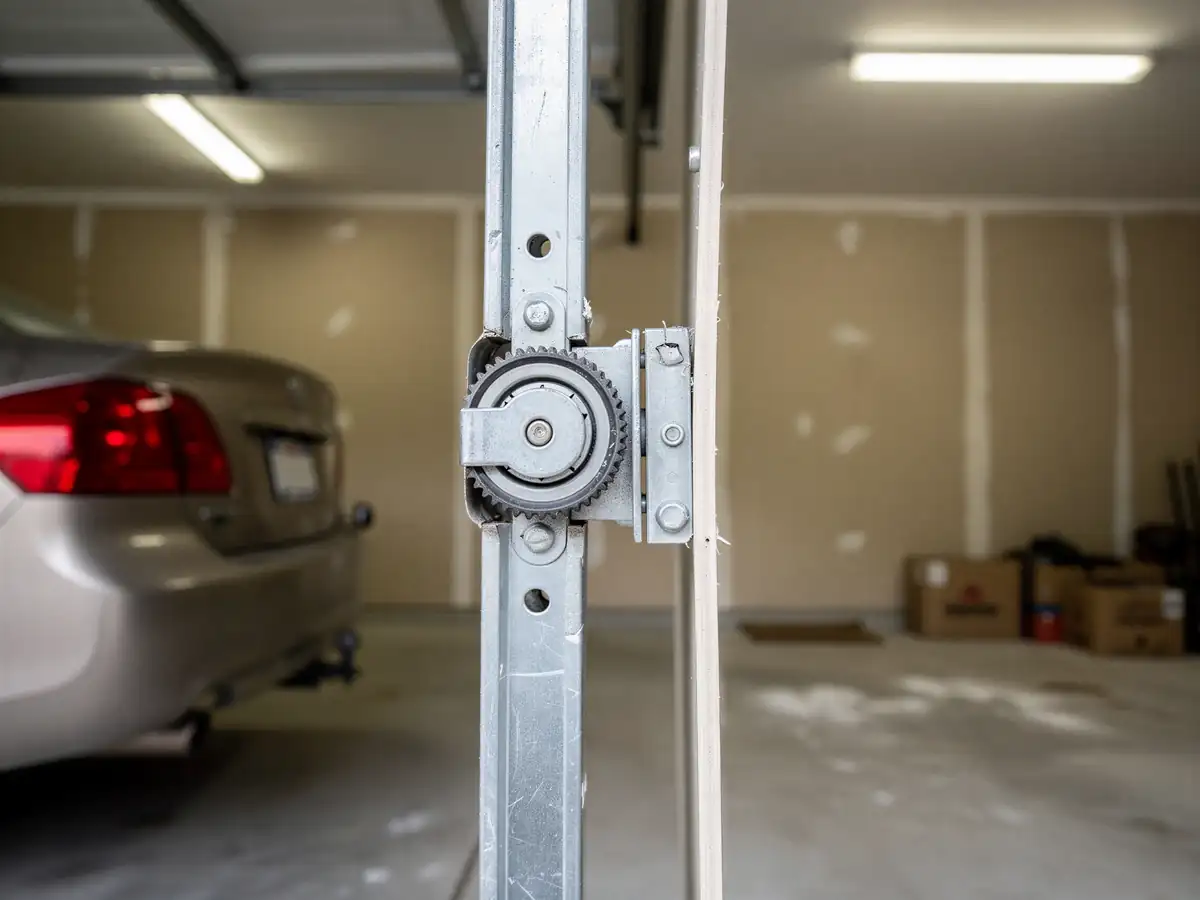
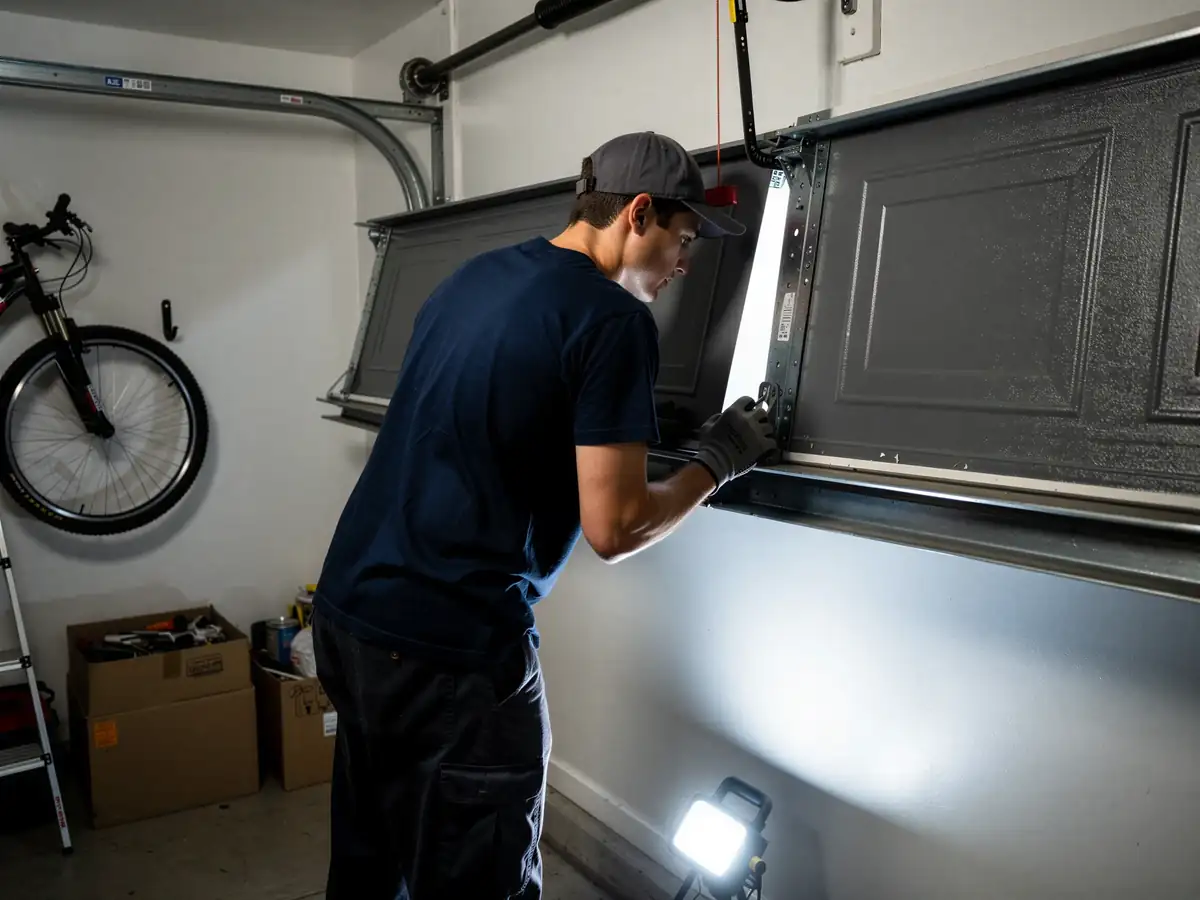
The most common emergency call we get from this area isn't a door that won't close - it's a door that reverses right before it touches the floor, or won't close at all, with the opener light flashing. That points to photo-eye sensors, which is a near-universal feature on 2000s-era openers but was optional or absent on older stock. The second most common symptom is a loud snap followed by a door that won't lift, which is a torsion spring giving out after years of cycles. Because the building stock here clusters tightly around the mid-2000s, we see the same handful of failure patterns over and over rather than the wide mix of eras you'd find in an older neighborhood.
What You Pay
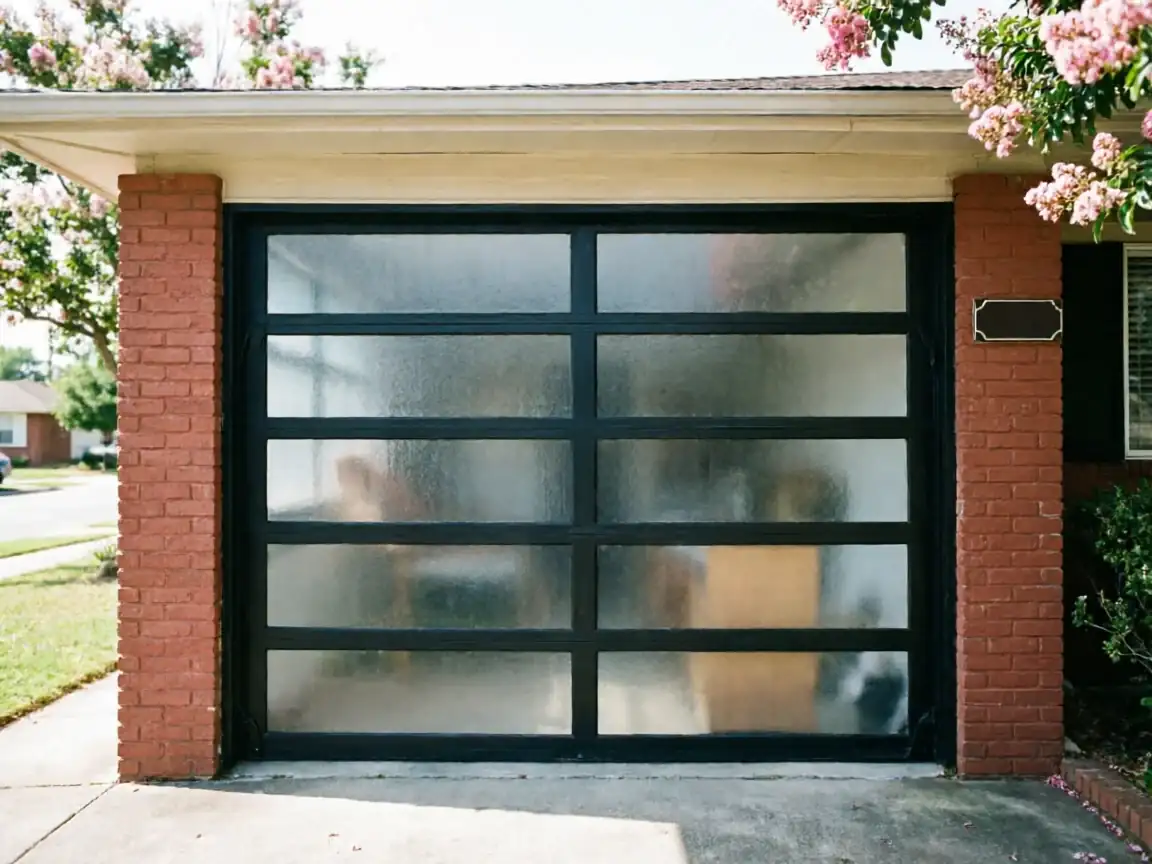
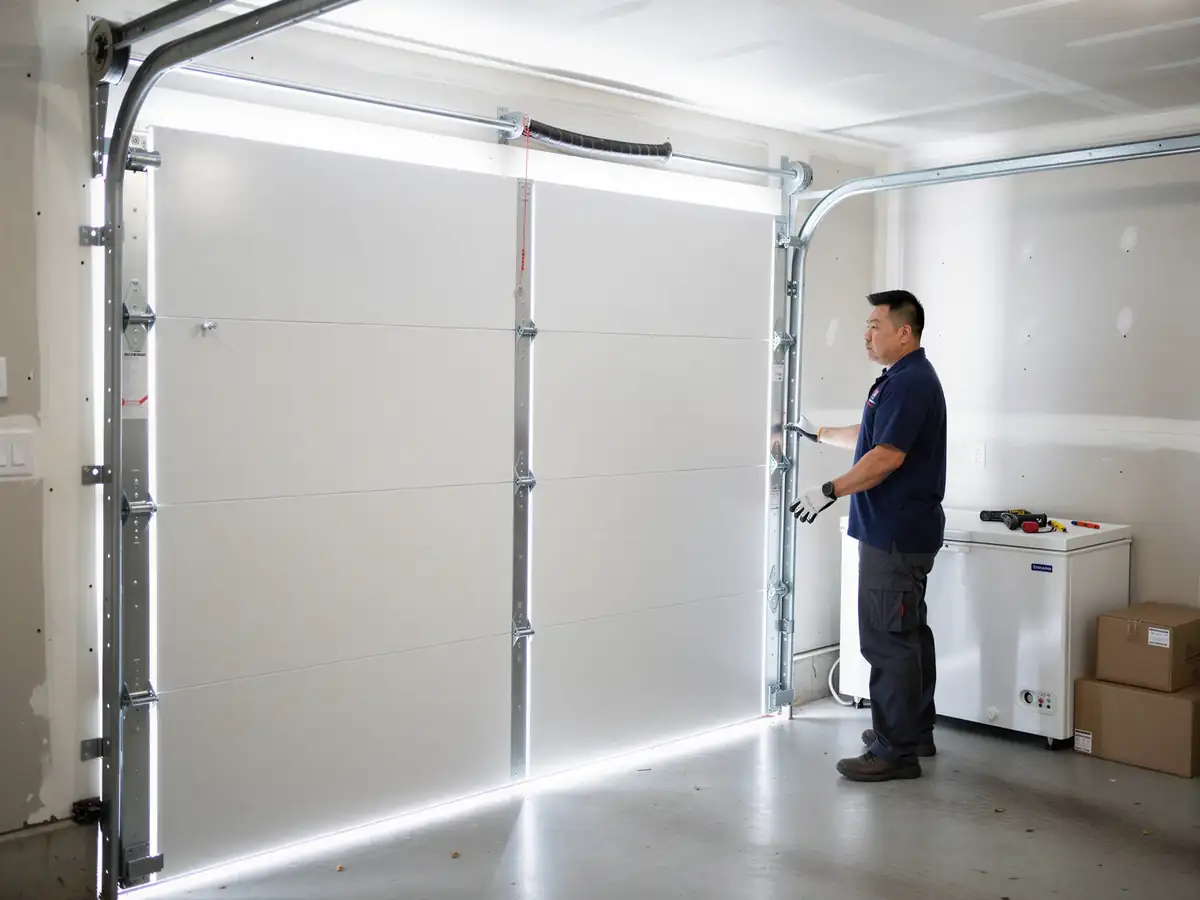
We don't post a flat emergency rate for this area because what you pay depends on whether it's a spring, a cable, an opener board, or a full section of panel, and we're not going to quote blind over the phone. What we can tell you: this part of the service area runs higher household income than the broader area we cover, and that shows up in the quality of hardware already installed - better-built doors mean the repair is often a single part swap rather than a full door replacement, which tends to keep the bill lower than you'd expect for an emergency call. We'll give you a number before we start work, not after.
Stocked Parts
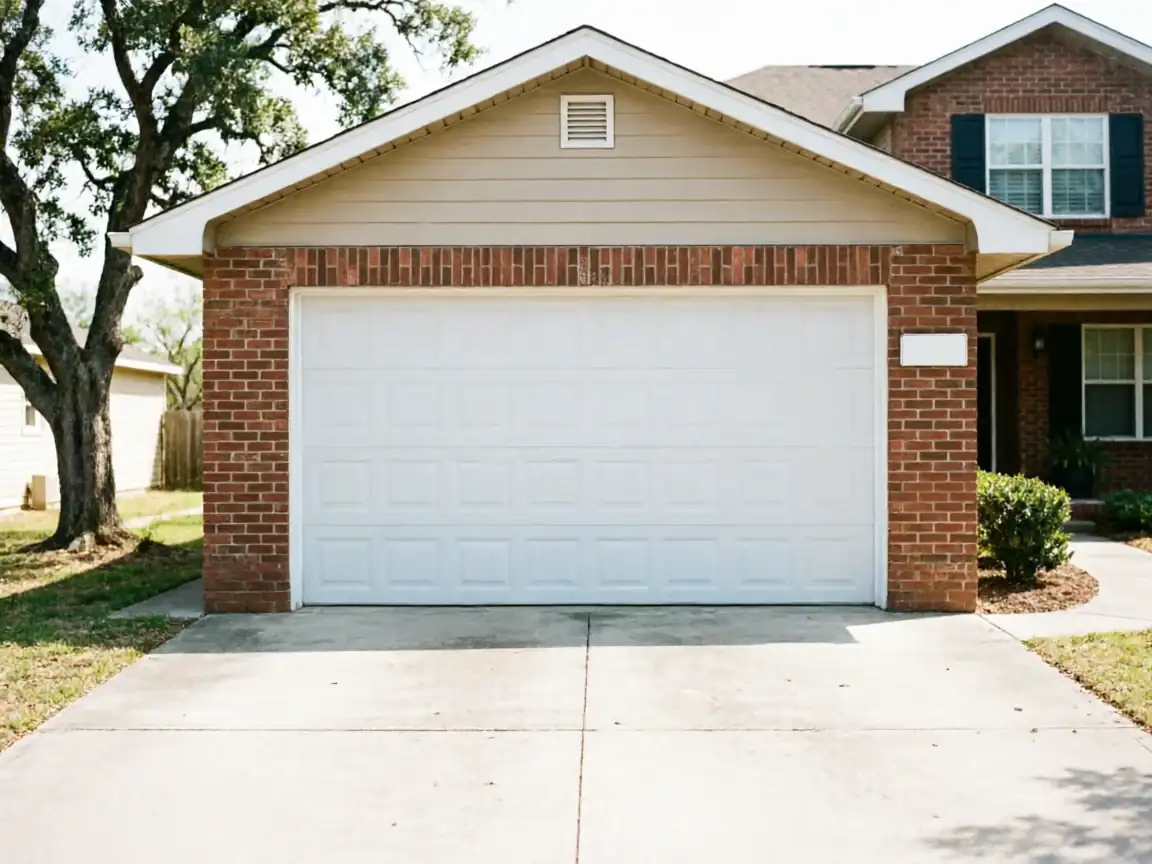
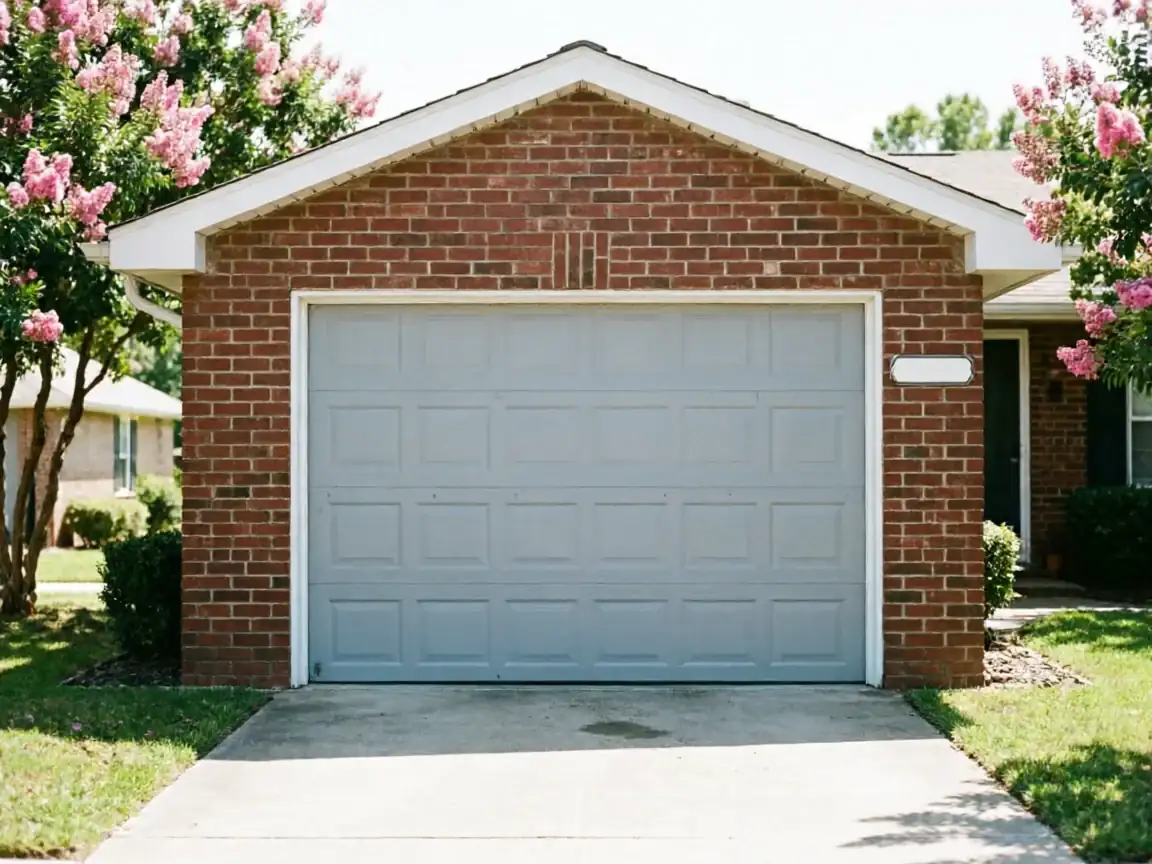
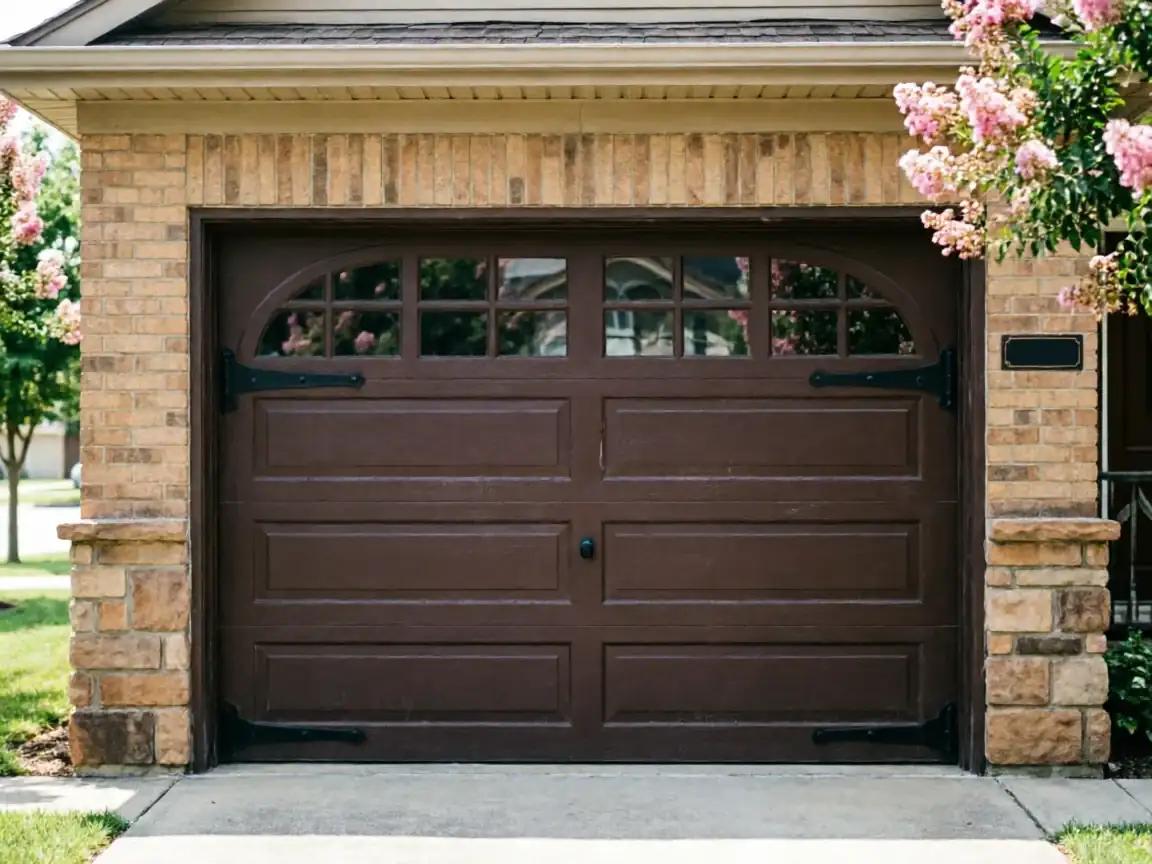
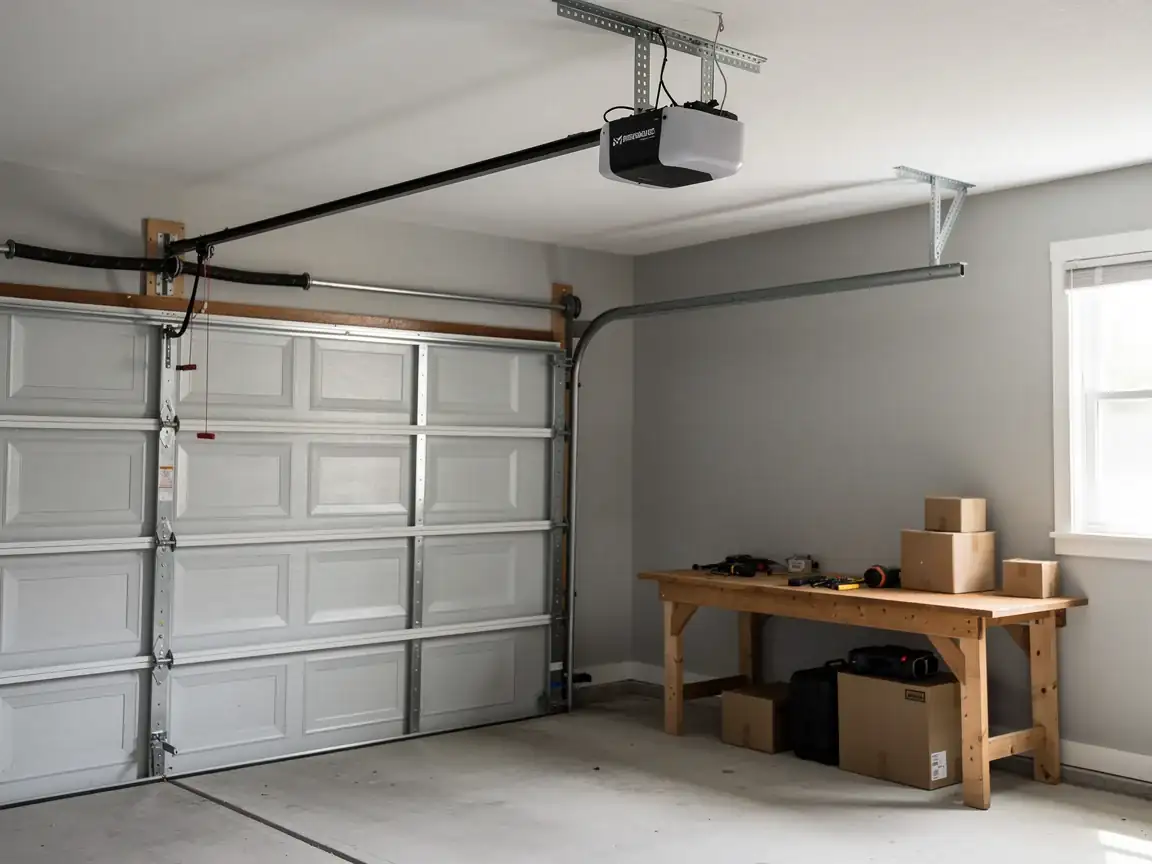
Because the housing stock in this area and the areas around it is mostly 2000s construction, our truck carries the torsion springs, cable sizes, and sensor brackets that fit that generation of door and opener. What we don't carry on the truck is anything for the handful of houses with older, pre-2000 hardware or a specialty panel - those sometimes need an order, and we'll tell you upfront if that's the case rather than make you wait at the door while we figure it out on-site. The climate here is mild with occasional freeze, so we don't stock the heavy cold-weather lubricants or insulated panel kits that garages in harder-freeze regions need.