Why This Fails Locally
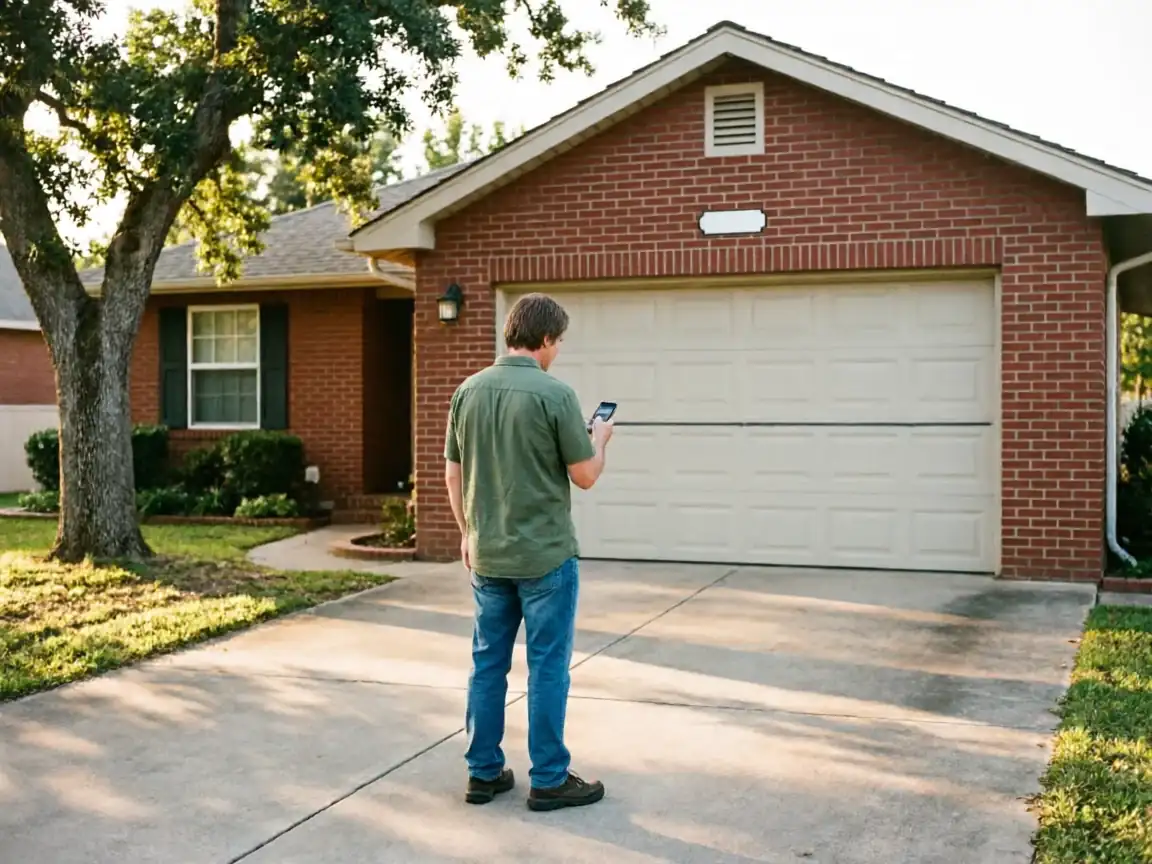
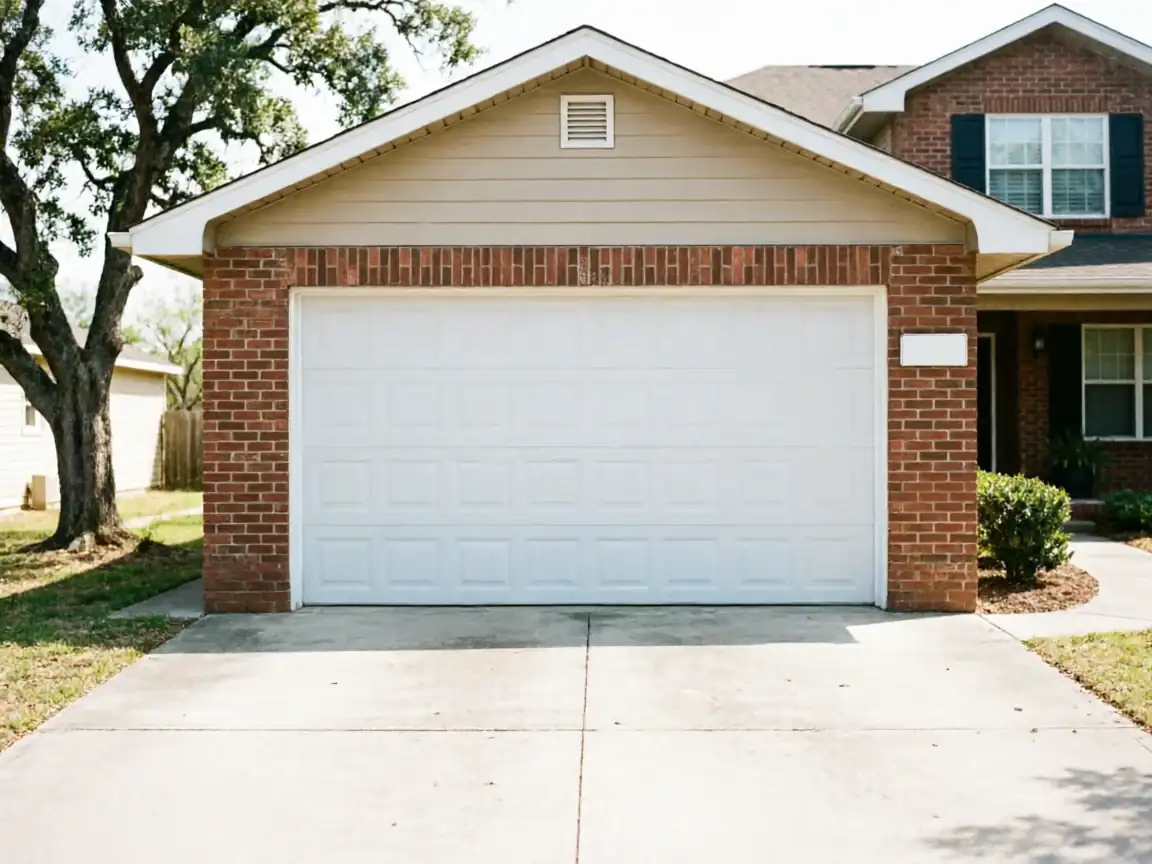
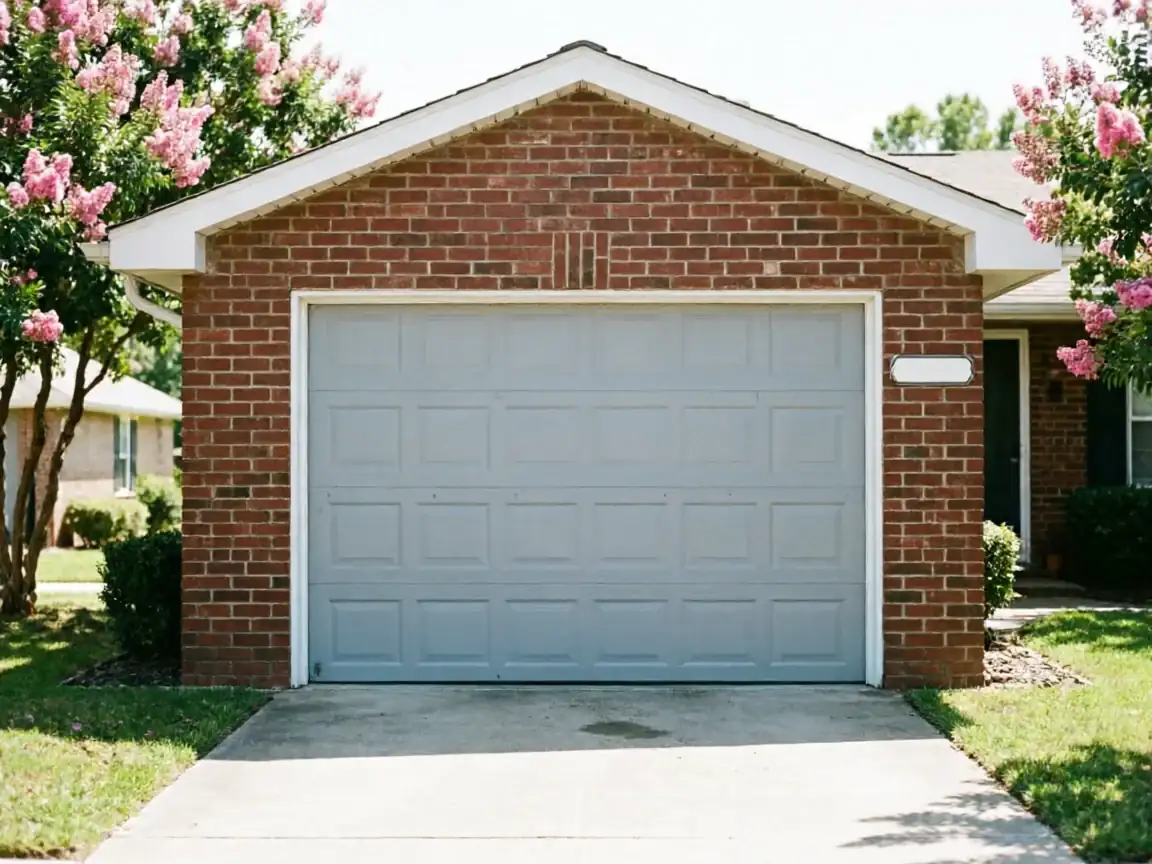
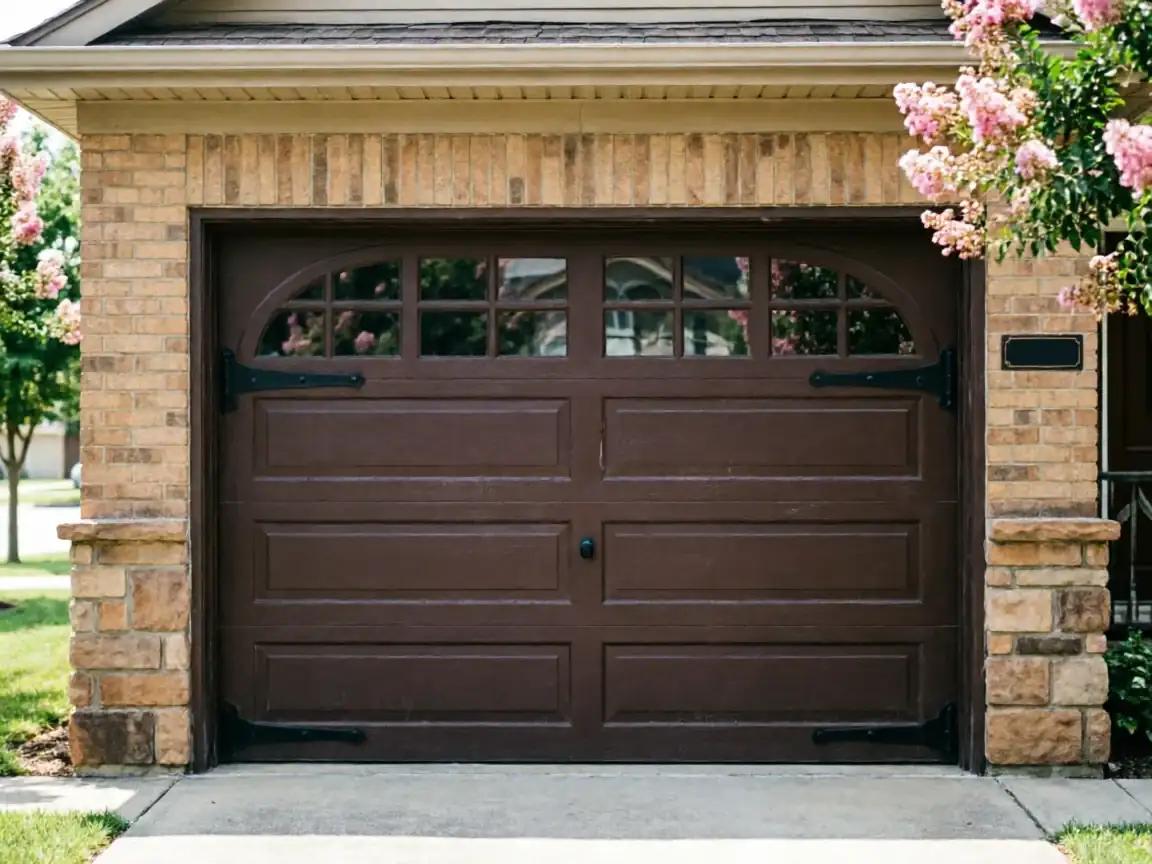
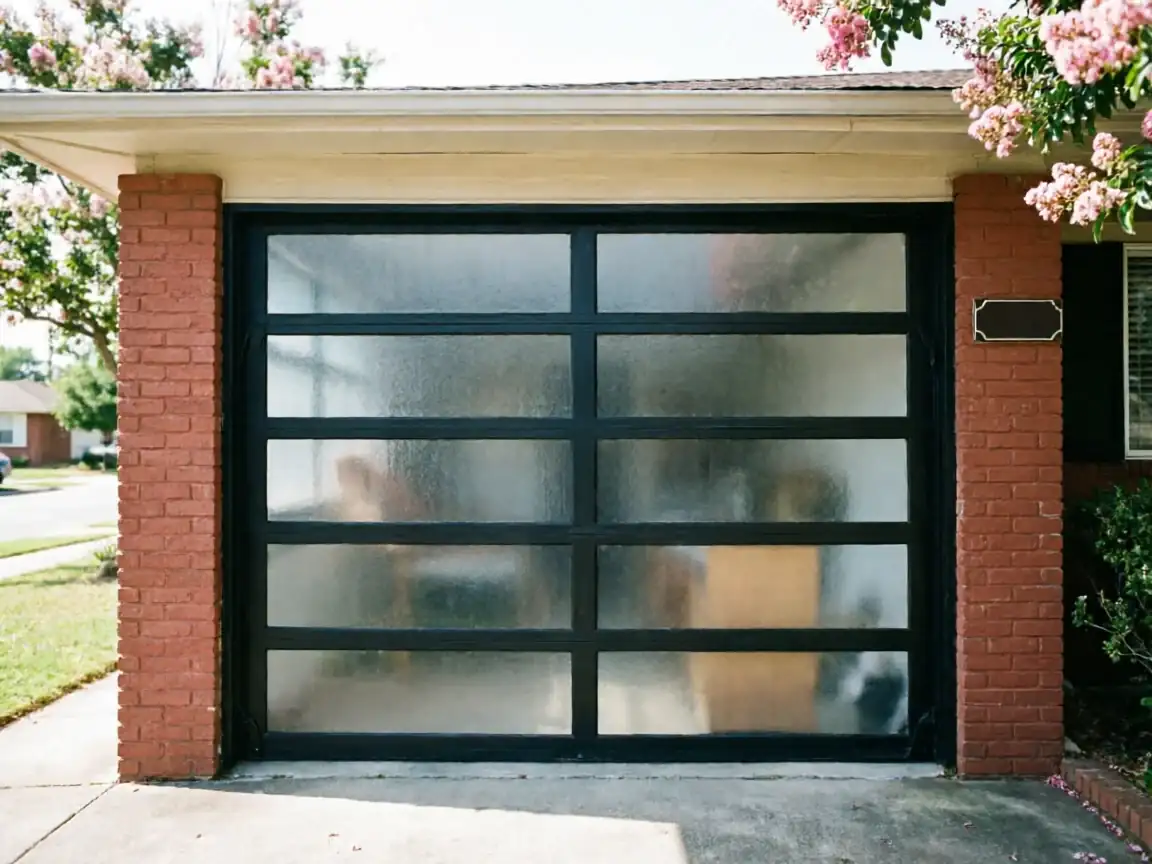
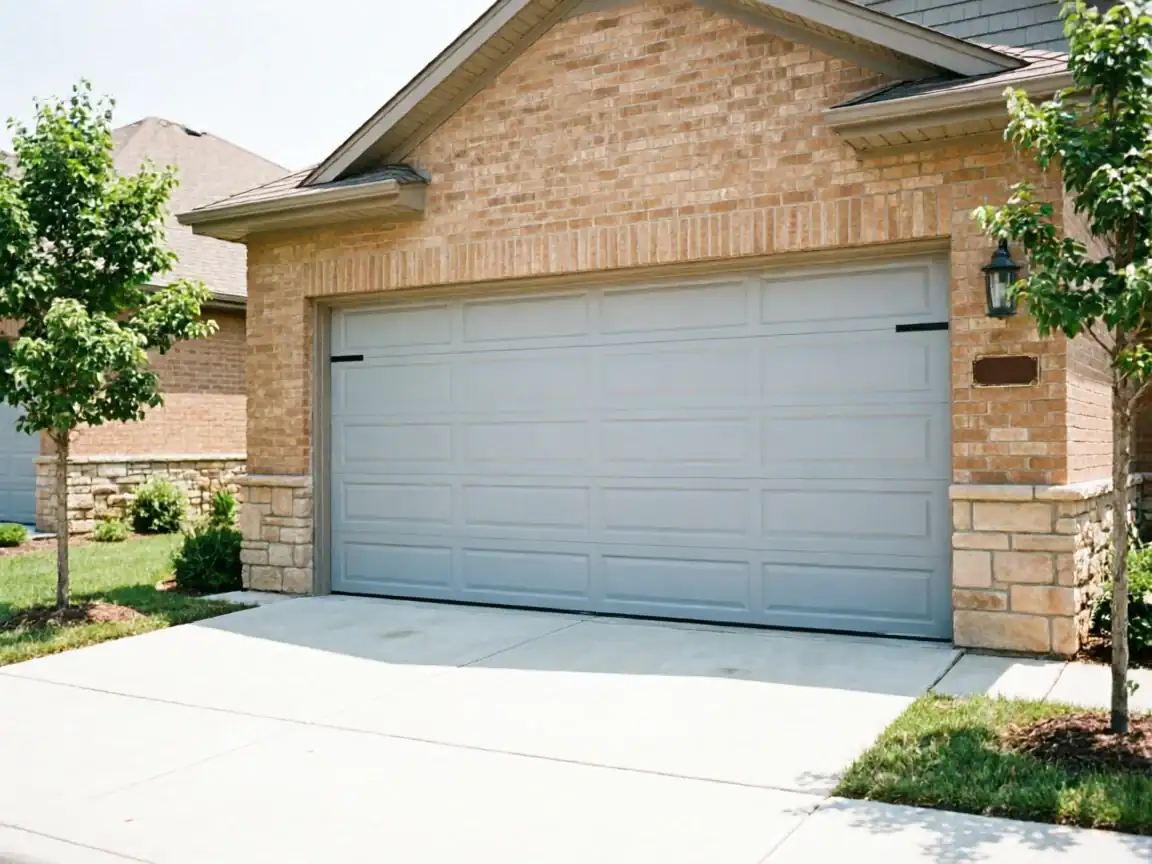
Most houses in Lucas went up around 2002, which puts the neighborhood squarely in the stretch of service-area homes built between 1971 and 2015, with the bulk of that stock dating to the 2000s. That matters because whatever hardware the builder hung on your garage door back then is likely still hanging there now. Nobody pulls a working torsion spring just because it's old. So the springs, the roller brackets, the cheap plastic idler pulleys that came standard on a builder-grade door in 2002 are the same ones carrying the weight today, twenty-plus years and thousands of cycles later.
Lucas is a smaller pocket of the service area, with 2,724 households, and it sits about 6 miles from our shop in Wylie. The homes here also run well above the area's median income of $127,000, with Lucas households reporting a median of $178,403. That income doesn't change the physics of a tired spring, but it does mean more of these garages hold two cars, a lift, or a workshop setup, and a dead door blocking that is a bigger daily problem than it looks.
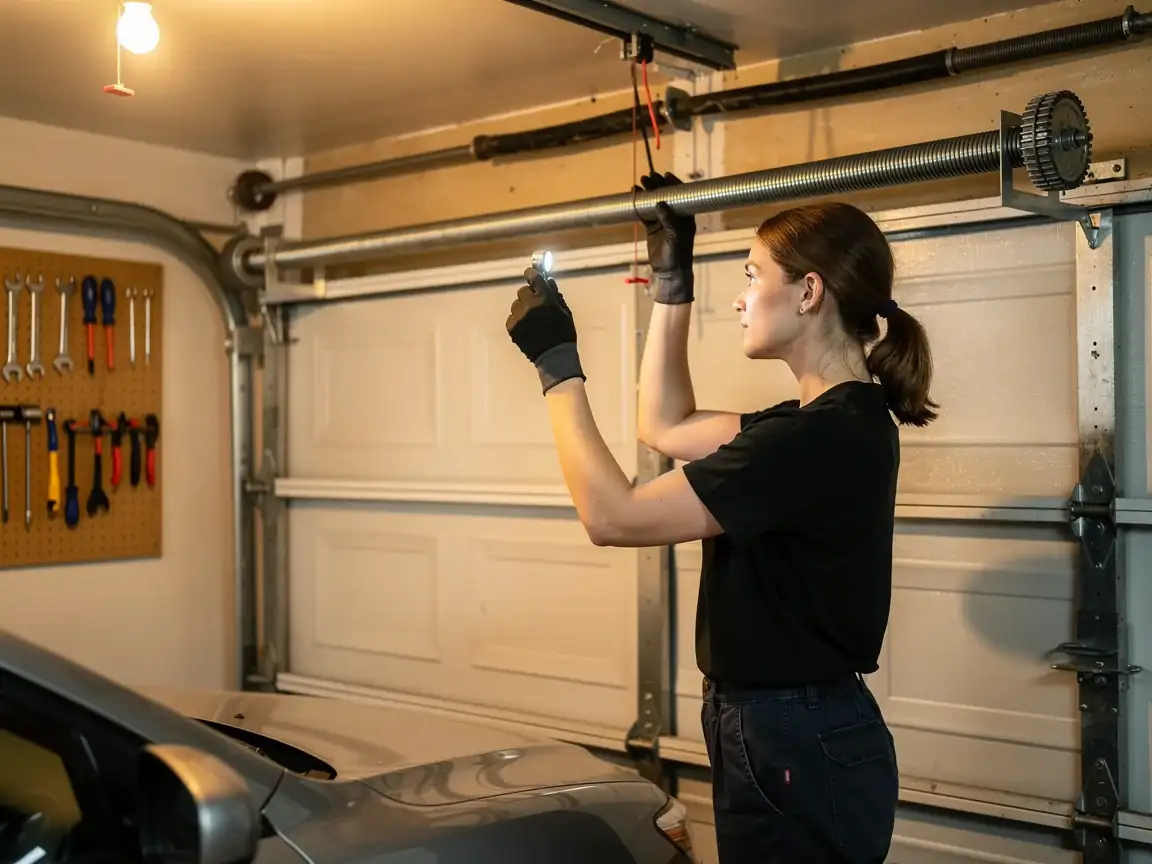
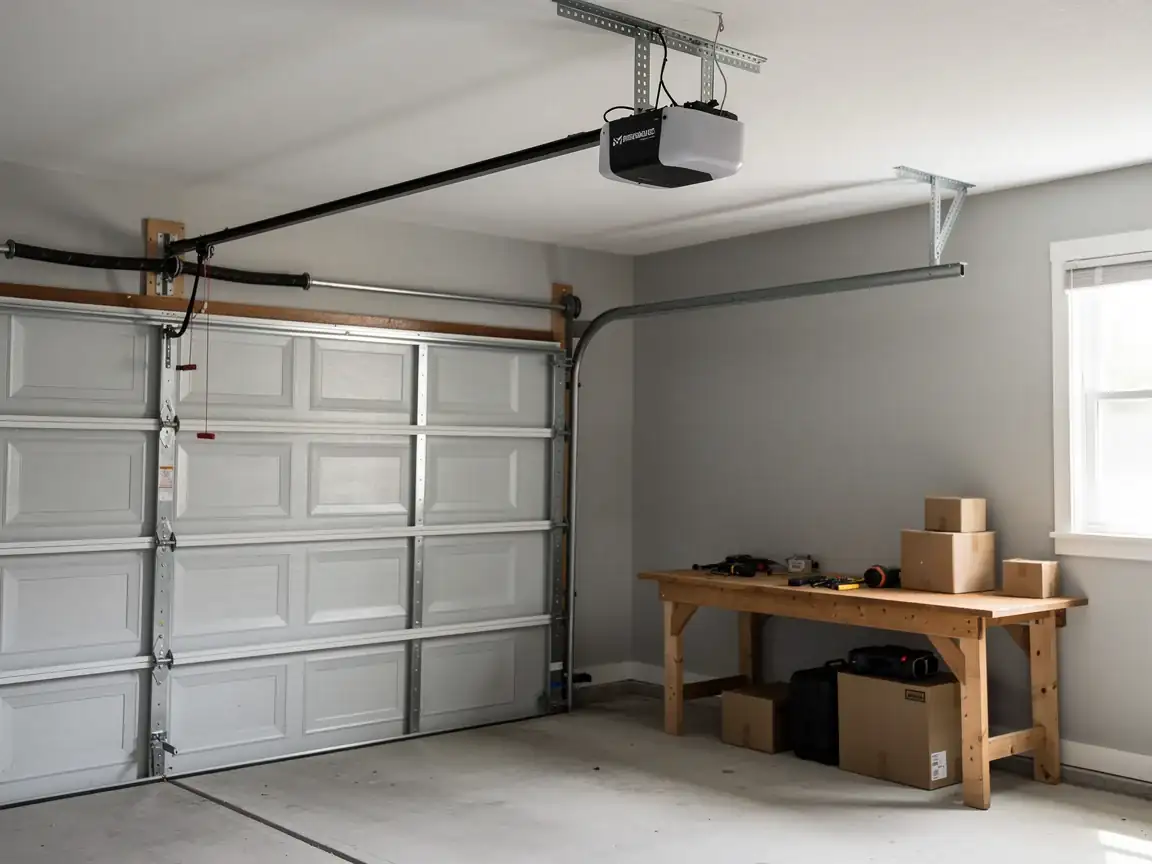
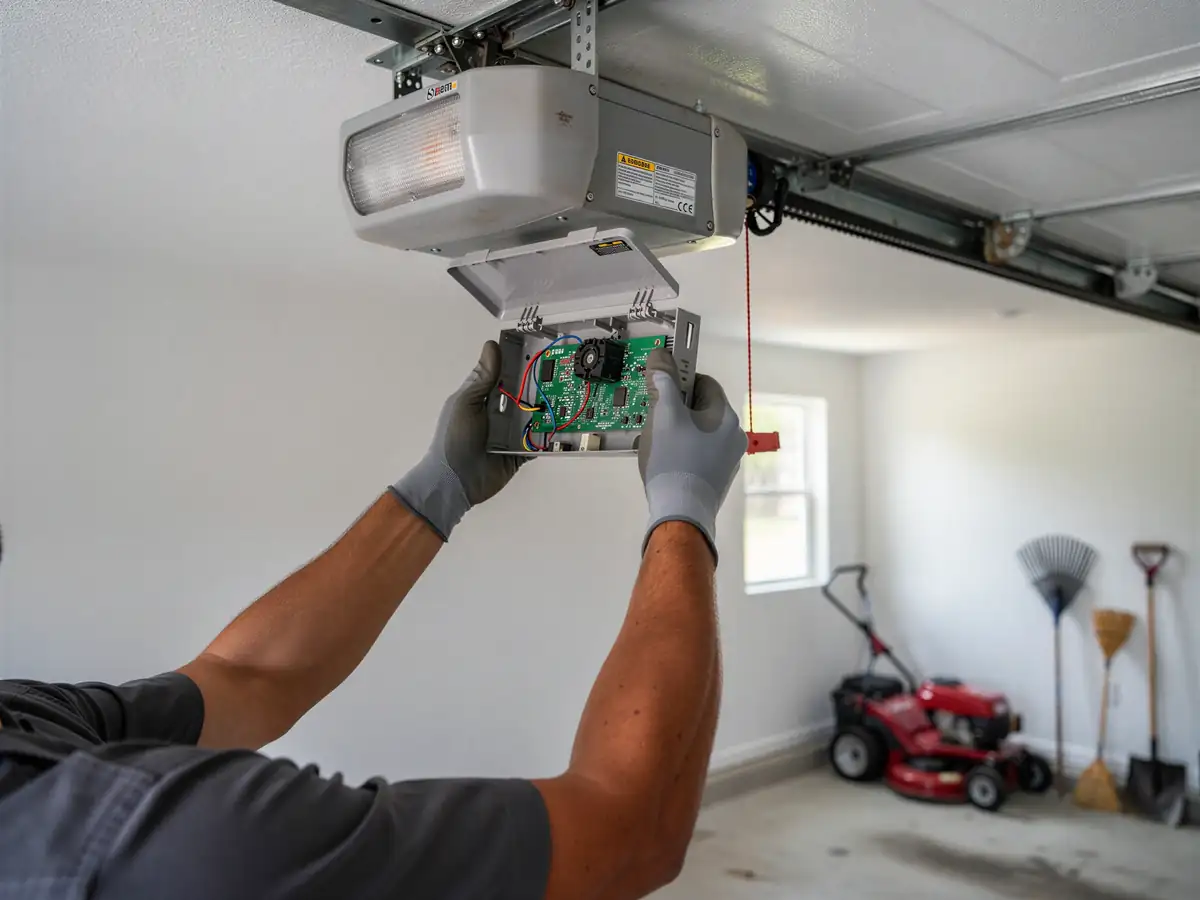
The fault pattern we see on 2002-era doors is specific: galvanized torsion springs losing coil tension right around the twenty-year mark, and openers from that generation hitting the point where the logic board just stops responding reliably.
What the Repair Takes
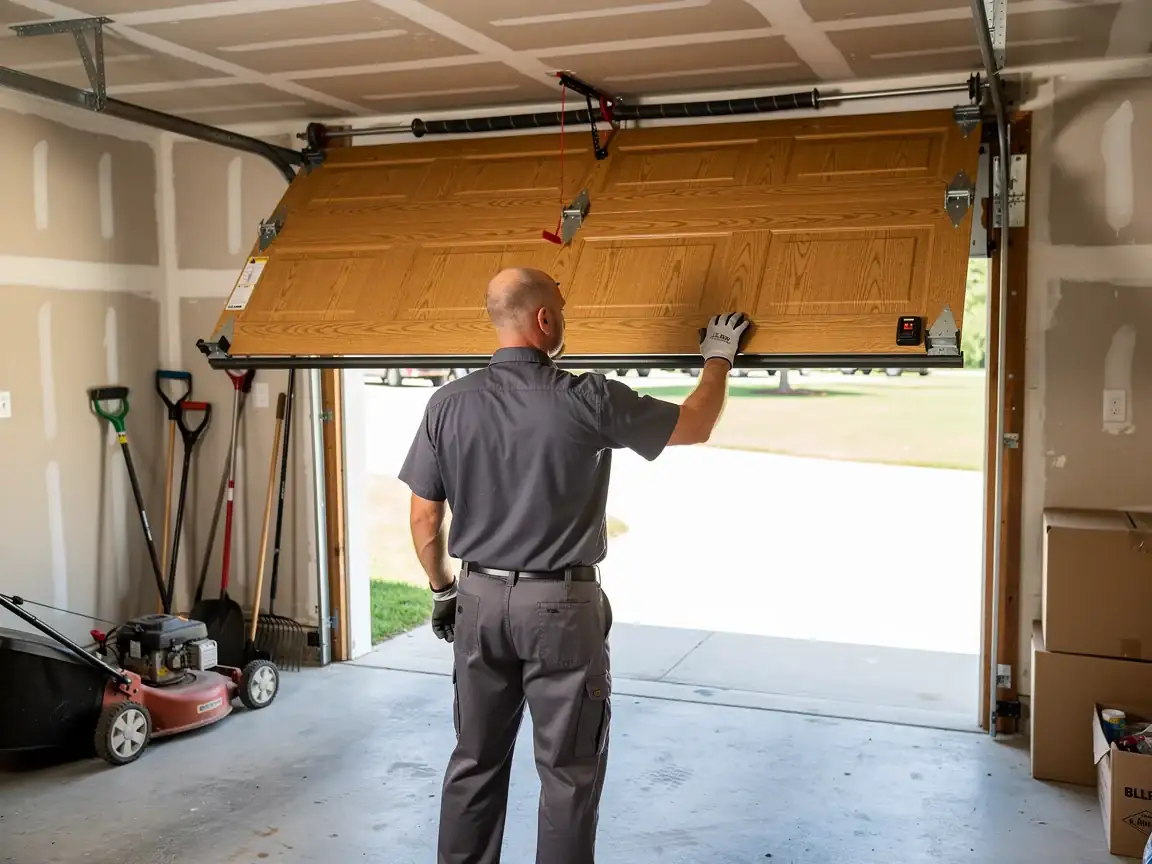
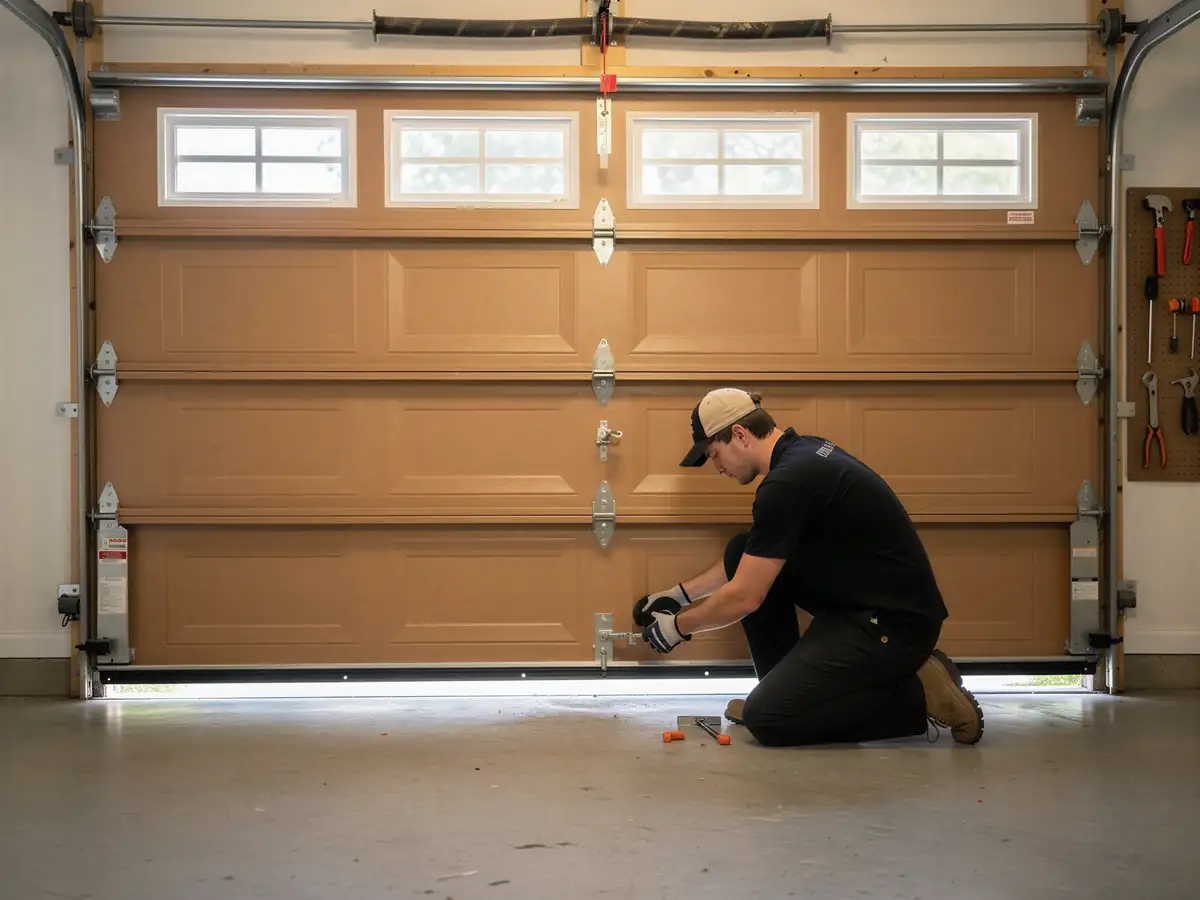
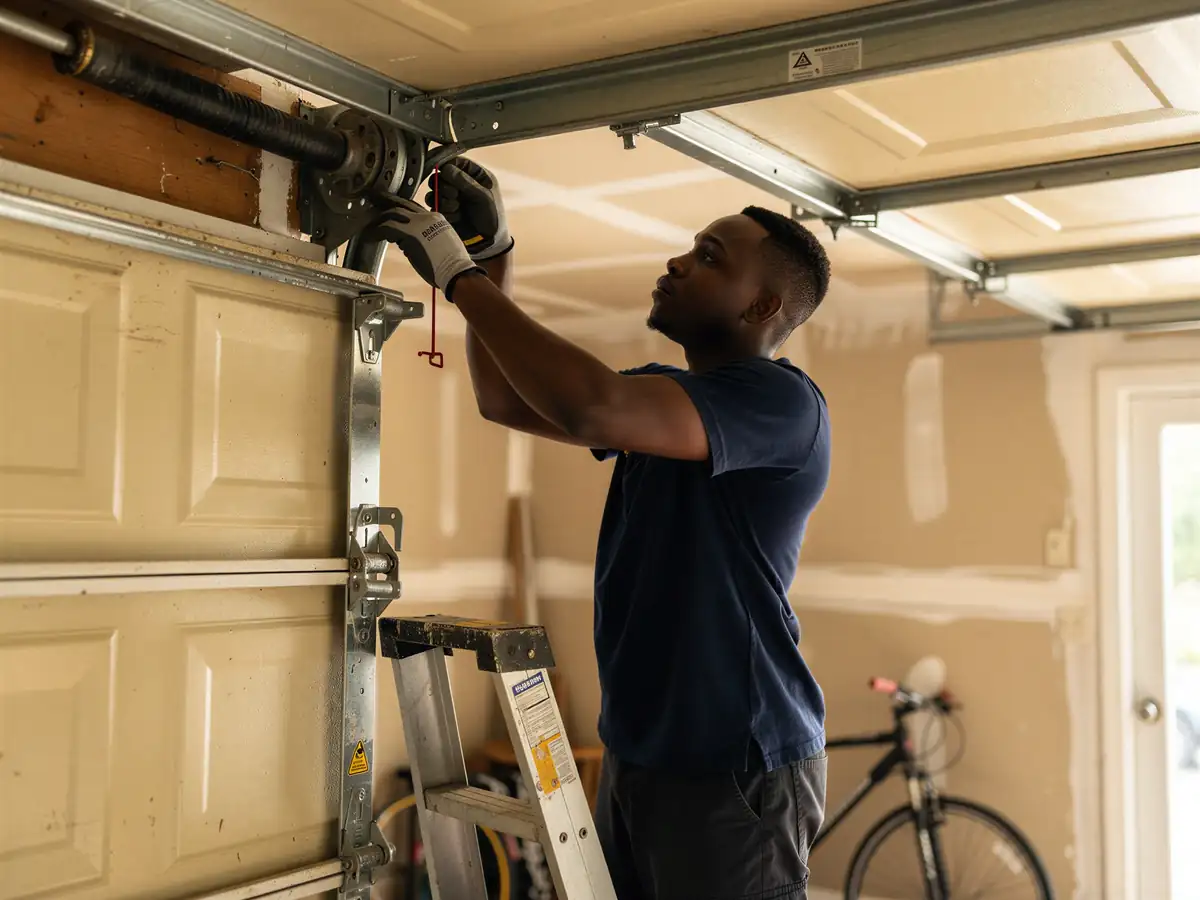
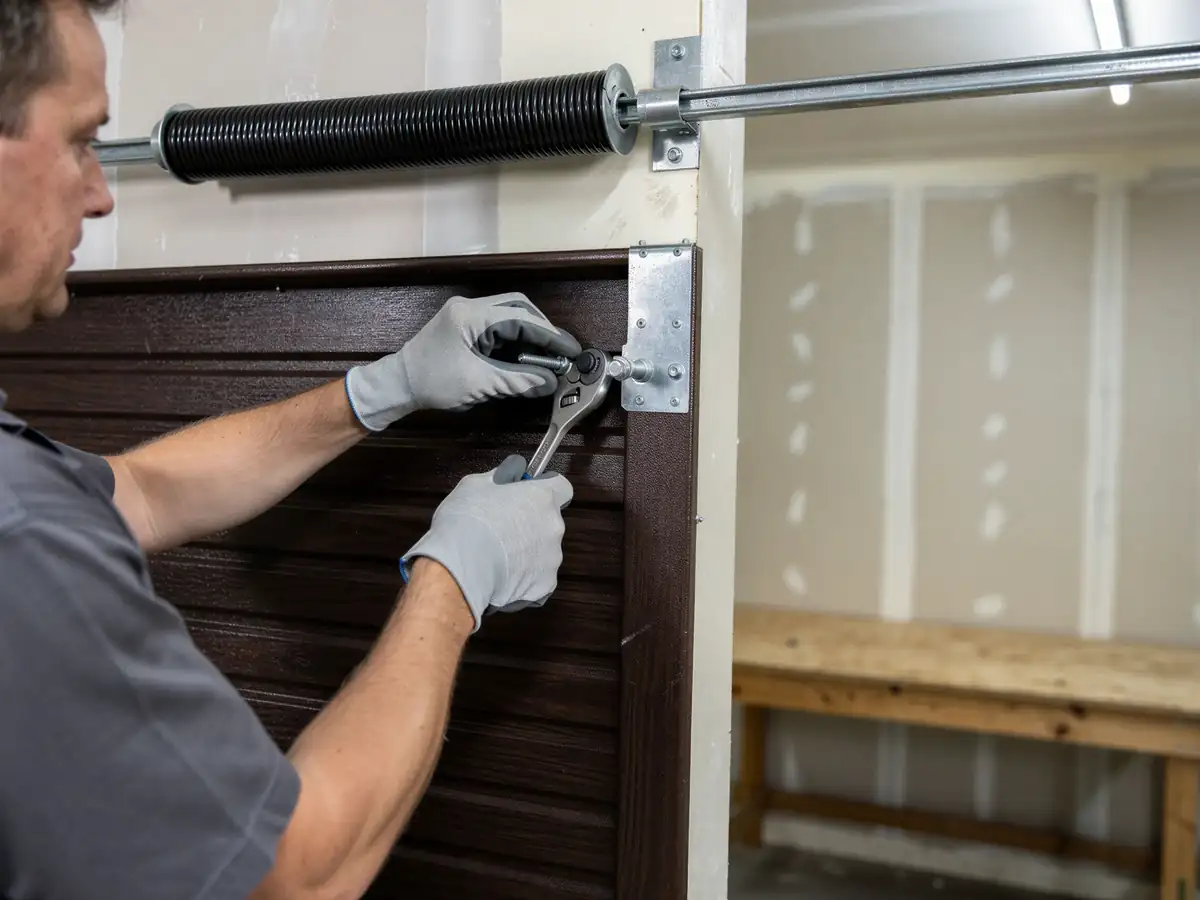
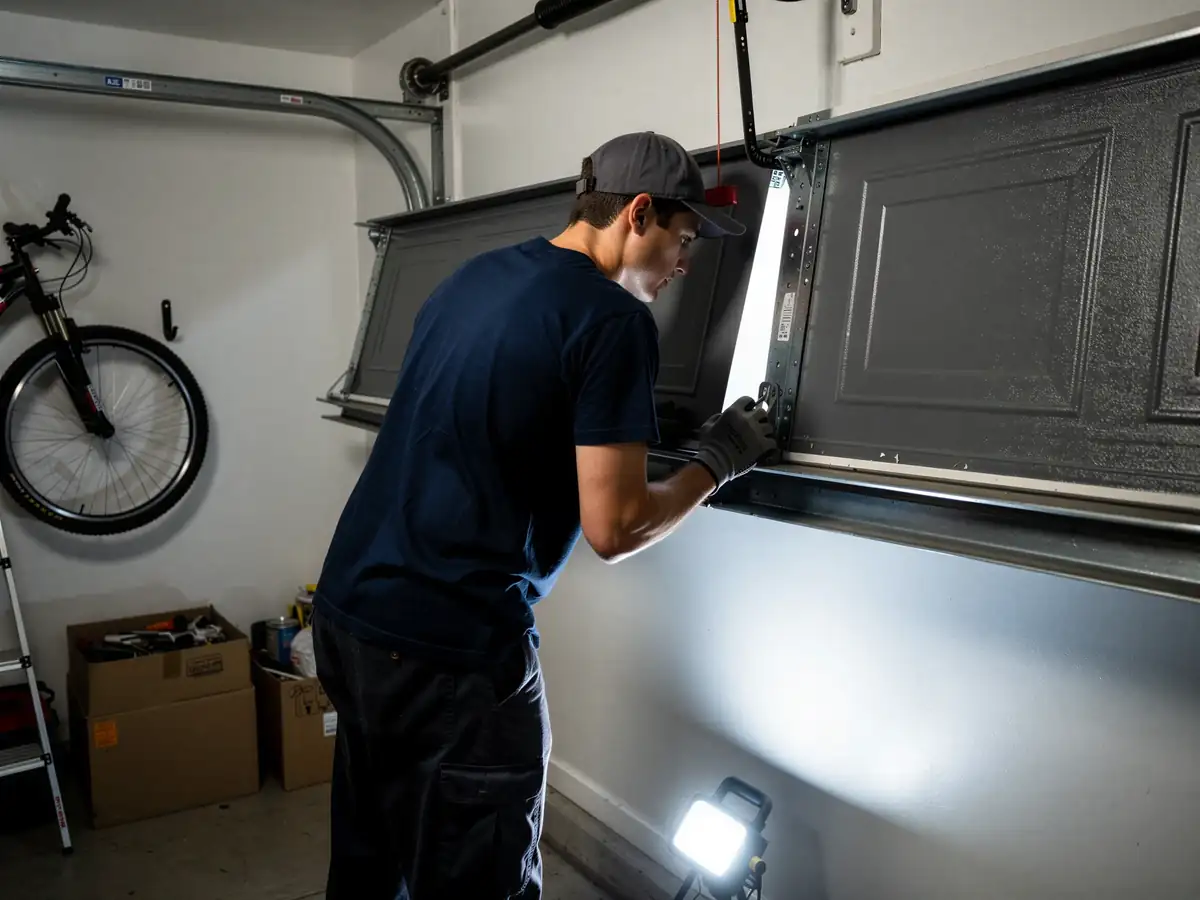
A torsion spring job on a door this age is usually straightforward: measure the existing spring wire gauge and wind, match it, swap both springs on a double door even if only one broke, and check the drum and cable for wear while the door is open. On a standard two-car door that's an hour or so of work once the parts are on the truck.
Openers from the 2002 window are a different conversation. If the motor still runs but the board won't hold a signal, or the safety sensors have started throwing false readings, that's often cheaper to replace outright than to chase down a part for a unit that old. We don't stock parts for every logic board made two decades ago, and we won't pretend we can source one on the spot.
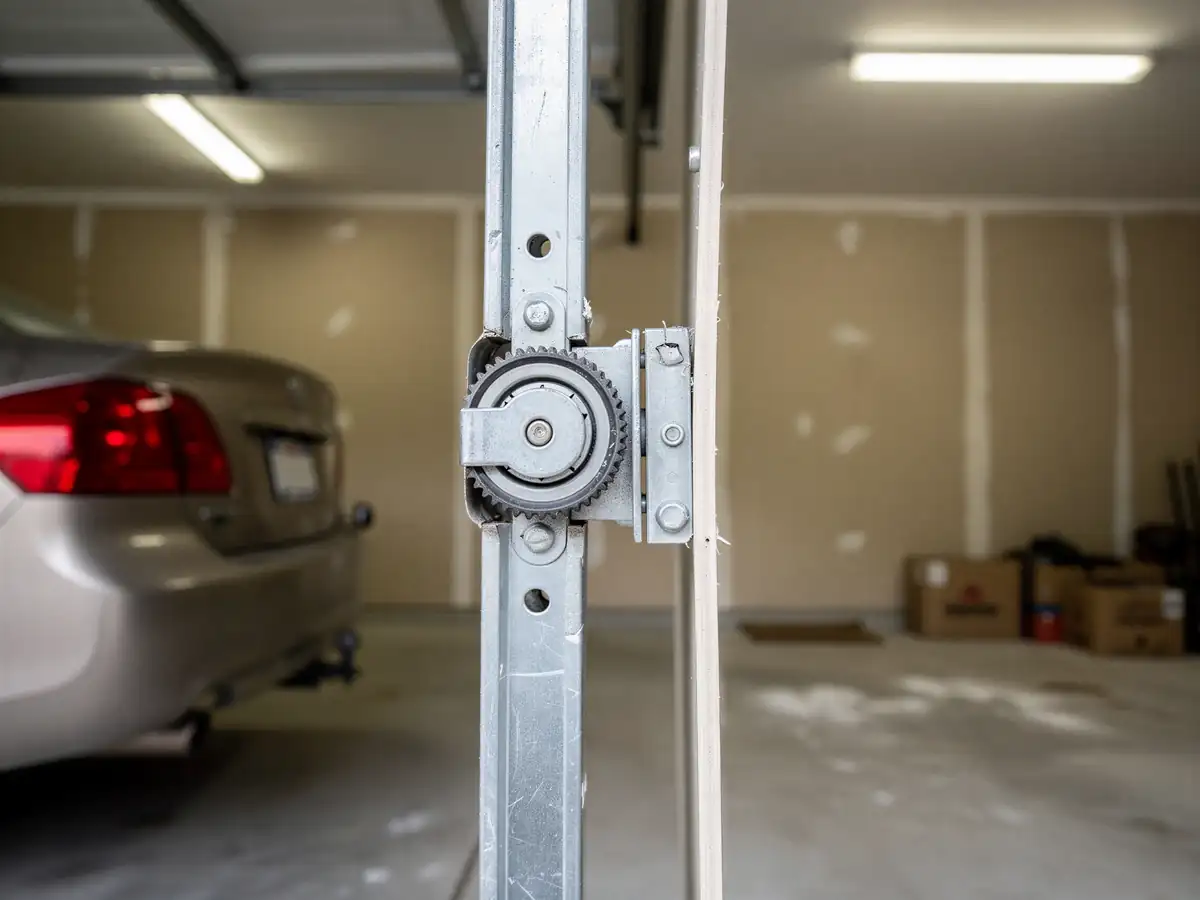
Track and roller wear shows up as noise before it shows up as failure. If the rollers are the original nylon ones, they're past their rated cycle count by now. Swapping them along with worn hinges during a spring job is a small add to the bill and it's the kind of thing that's much cheaper done together than as two separate truck visits.
Can You Do This Yourself
Lubricating hinges and rollers, tightening loose bolts on the track
And keeping the sensor eyes clean are all fine to do yourself and worth doing twice a year regardless of the door's age. None of that needs a call.
A torsion spring is a different matter
It's wound under enough tension to break a bone or worse if the winding bars slip, and that risk doesn't go down because the spring looks old and tired. If a cable has frayed or a drum looks cracked, same answer: that's spring-adjacent work and it carries the same risk.
If your opener from the 2002 era is just not responding, check the obvious first
Breaker, wall switch batteries, remote batteries. If it's getting power but still won't take a command, that's a board problem, not a user error, and no amount of resetting will fix a failed chip.
What Can Go Wrong
The most common failure on a door this age is a snapped torsion spring, usually announced by a loud bang and a door that suddenly won't lift. Second most common is an opener that runs the motor but won't engage the drive, which on a 2002-era unit is often a stripped gear that was never designed to be replaced on its own.
Less obvious: cables that have been slowly fraying inside the drum groove for years, invisible until the day they snap. On a mild-climate service area with occasional freeze, we don't see the dramatic weather failures some regions do, but two decades of Texas heat does dry out nylon rollers and crack rubber weatherstripping faster than people expect.
The honest limitation here: if your opener is from that original 2002 install and the logic board has failed, we're not going to hunt down a discontinued part to keep it alive. Replacing the opener outright is usually the cheaper, more reliable call, and we'll tell you that straight rather than running up a bill chasing a dead part.
How to Book
We run this job out of Wylie, about 6 miles away, and come to Lucas as part of the regular service run - there's no separate branch or dedicated crew stationed in town. For the door and opener details specific to your address, start on the Lucas garage door service page. If you want the full rundown of what the shop handles across the service area, that's covered on the Wylie garage door service page.