Why This Fails Locally
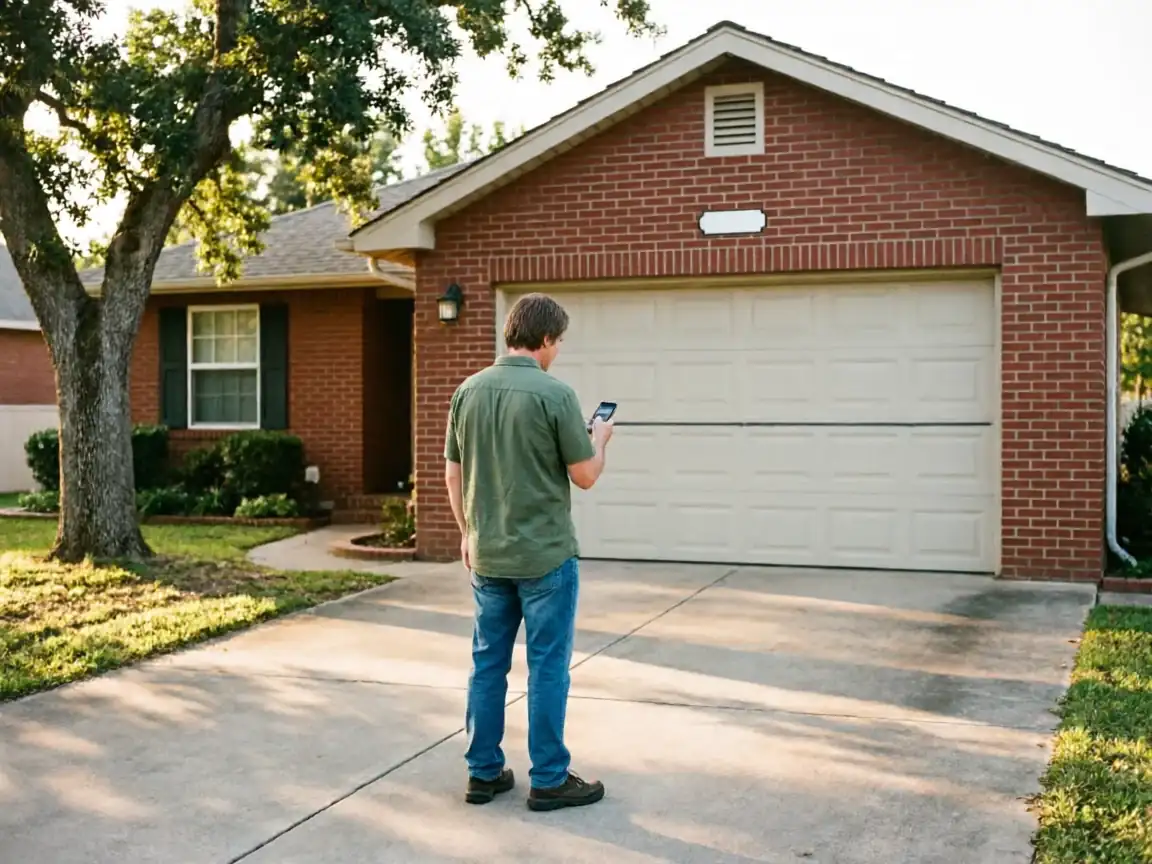
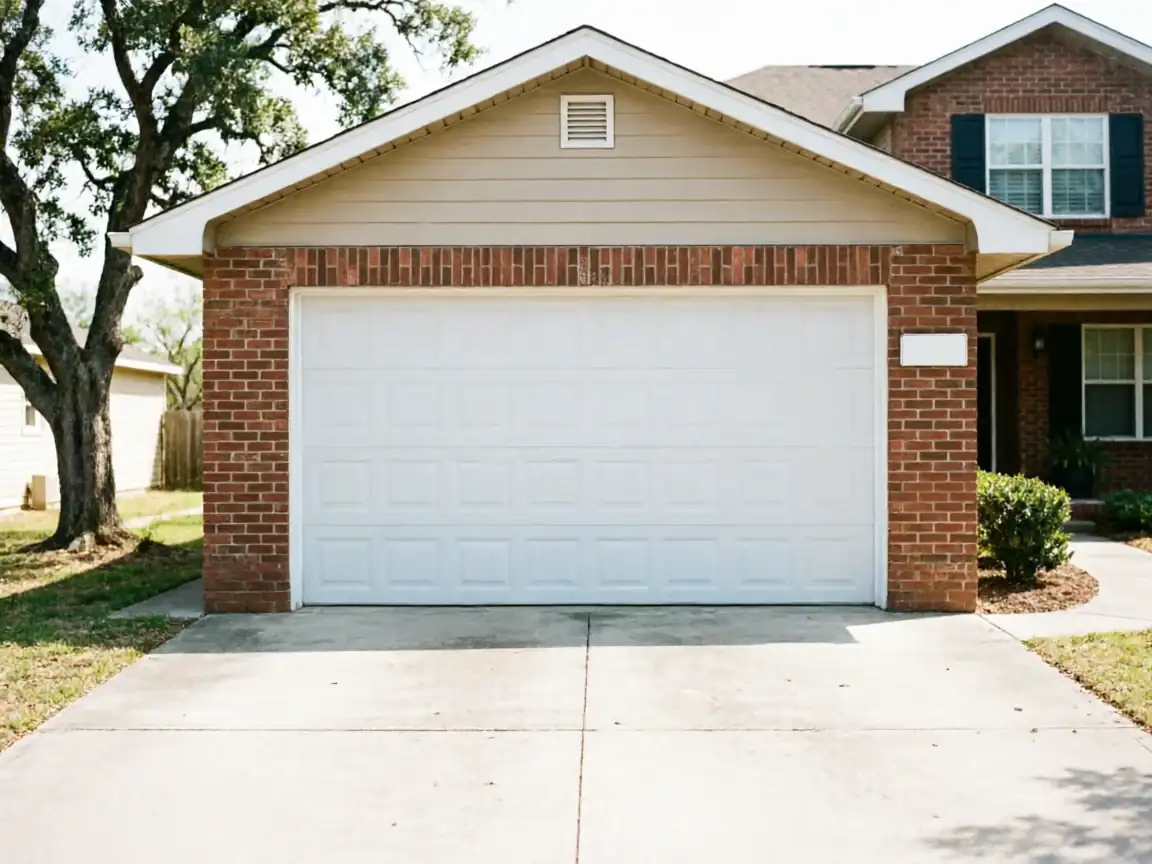
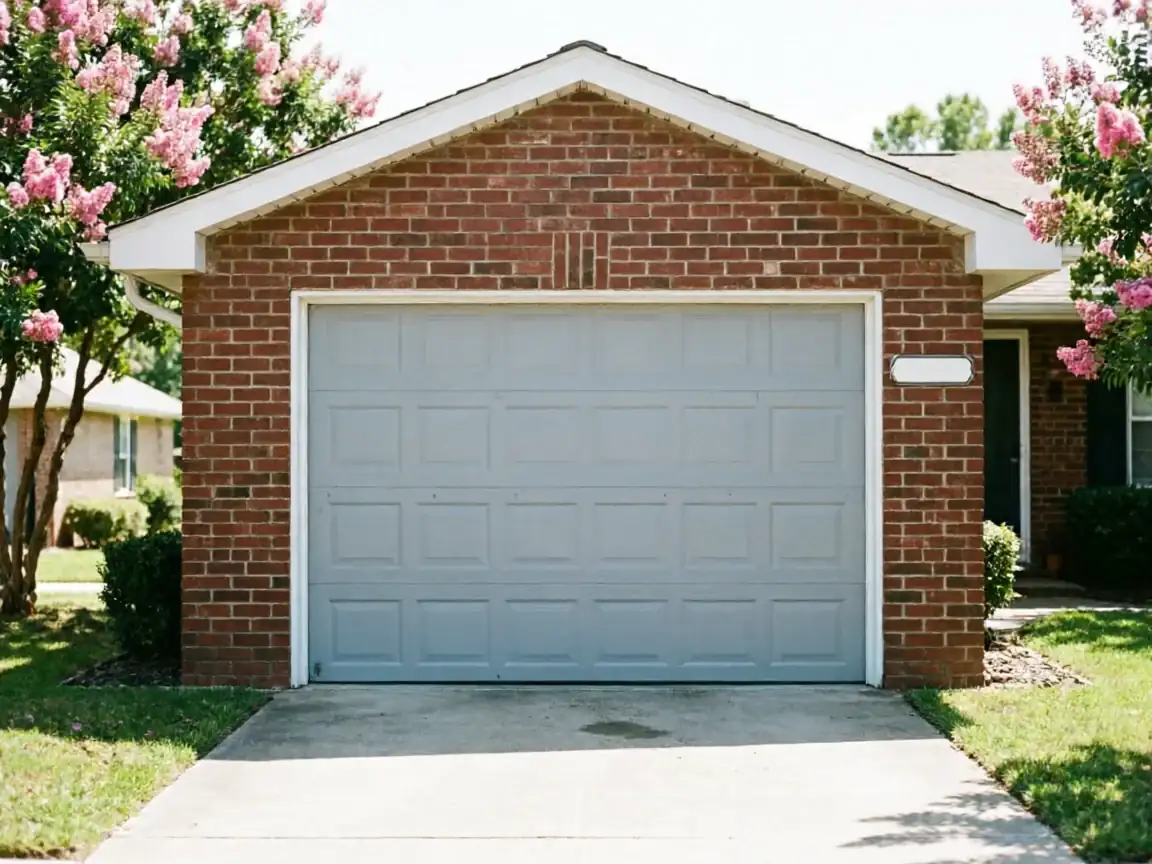
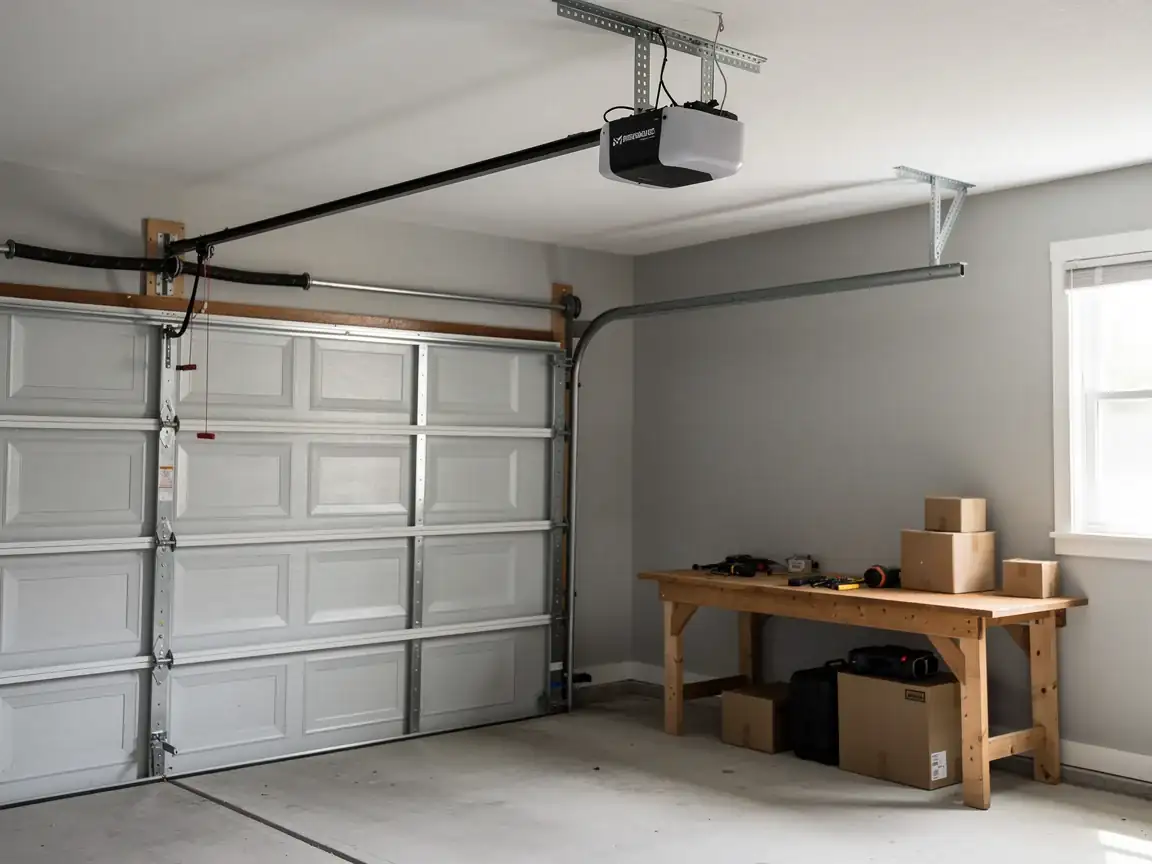
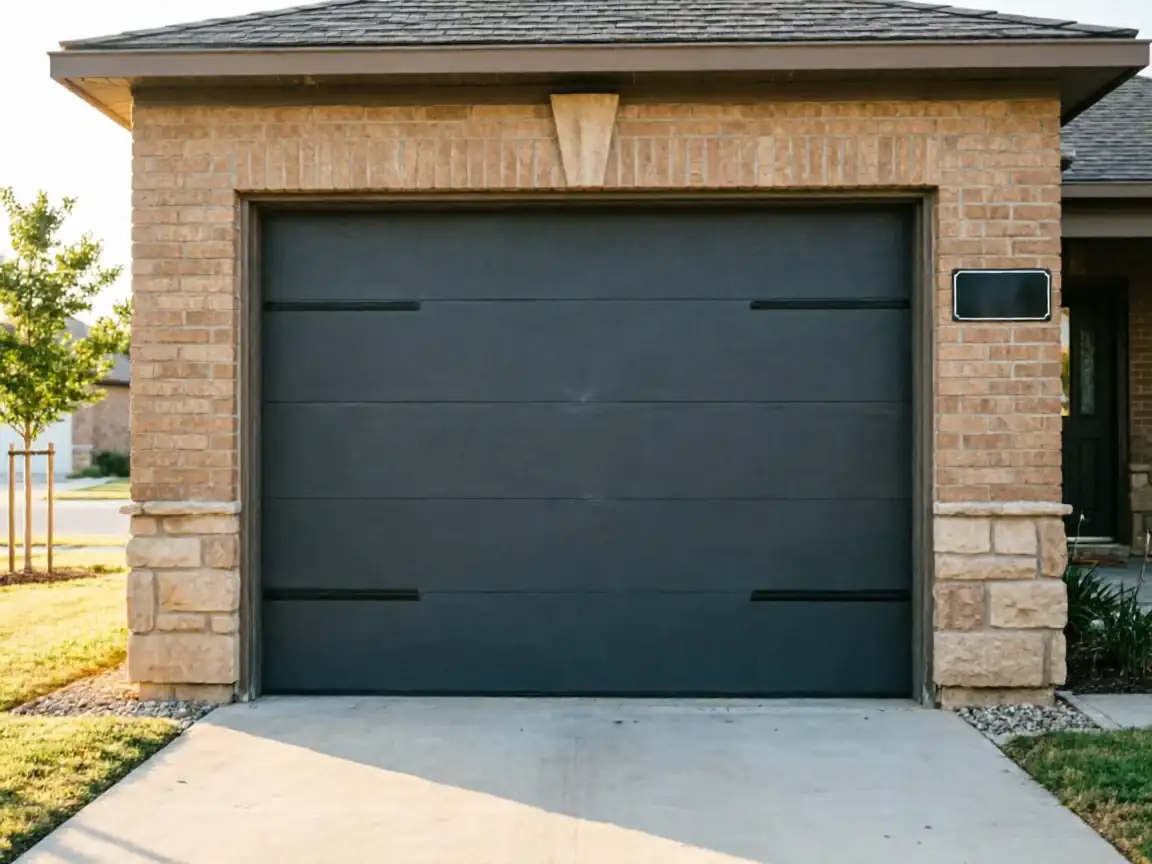
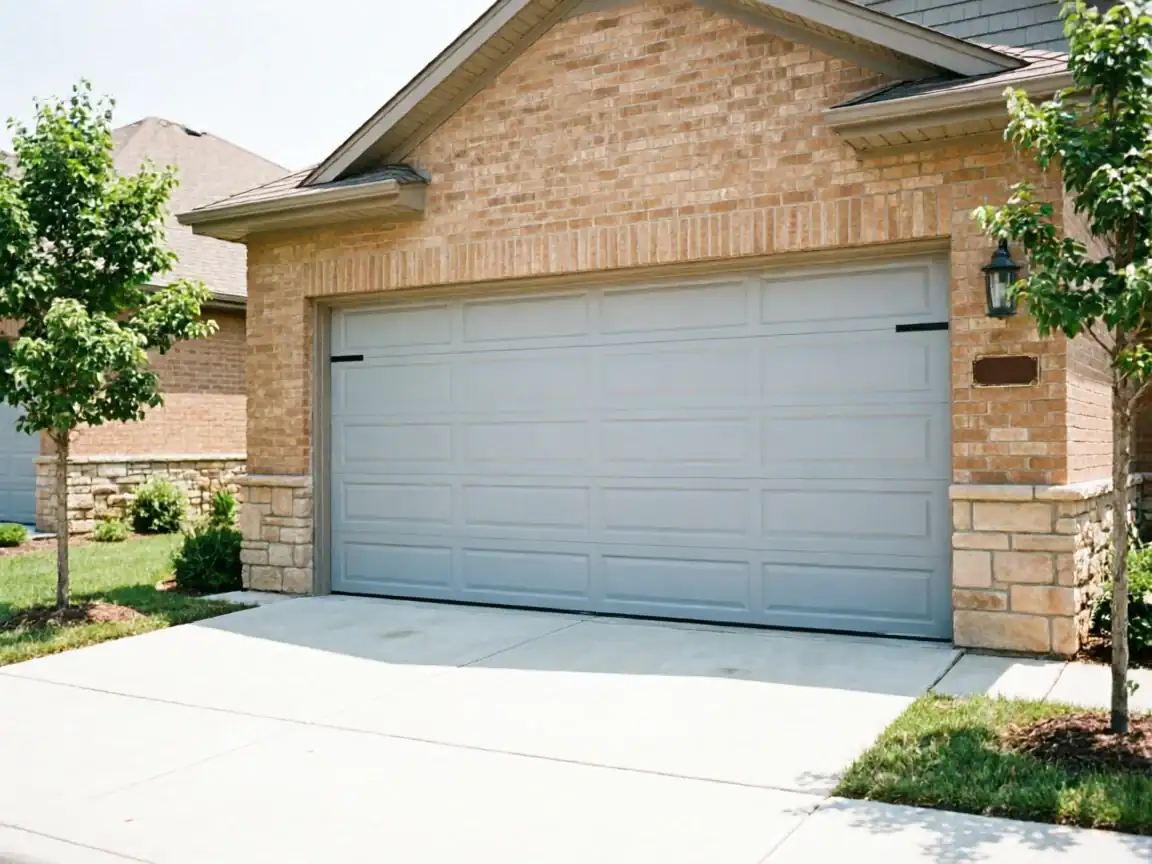
Most garages in Lucas went up around 2002, during the same building wave that filled in the acre and half-acre lots out this way. The doors that came with those houses are builder-grade steel, usually a 16-foot double paired with an 8-foot single, sized for the three-car garages that were standard on lots that size. Twenty-plus years on, those original doors are hitting the end of their service life at the same time across whole streets, because they were all put in within a few years of each other. The panels are thin single-layer or lightly insulated steel, the kind that dents from a basketball and bows in the middle once the hardware starts to sag. On a door that old, the torsion springs, the rollers, and the bottom seal have usually never been touched. When one piece goes, the rest isn't far behind, and a patch repair on a 20-year-old door often costs most of what a new one would. Household income in Lucas runs well above the wider service area average, and we see that reflected in what gets chosen here: insulated steel and composite doors outsell plain steel trim by a wide margin once homeowners are quoted both.
What the Repair Takes
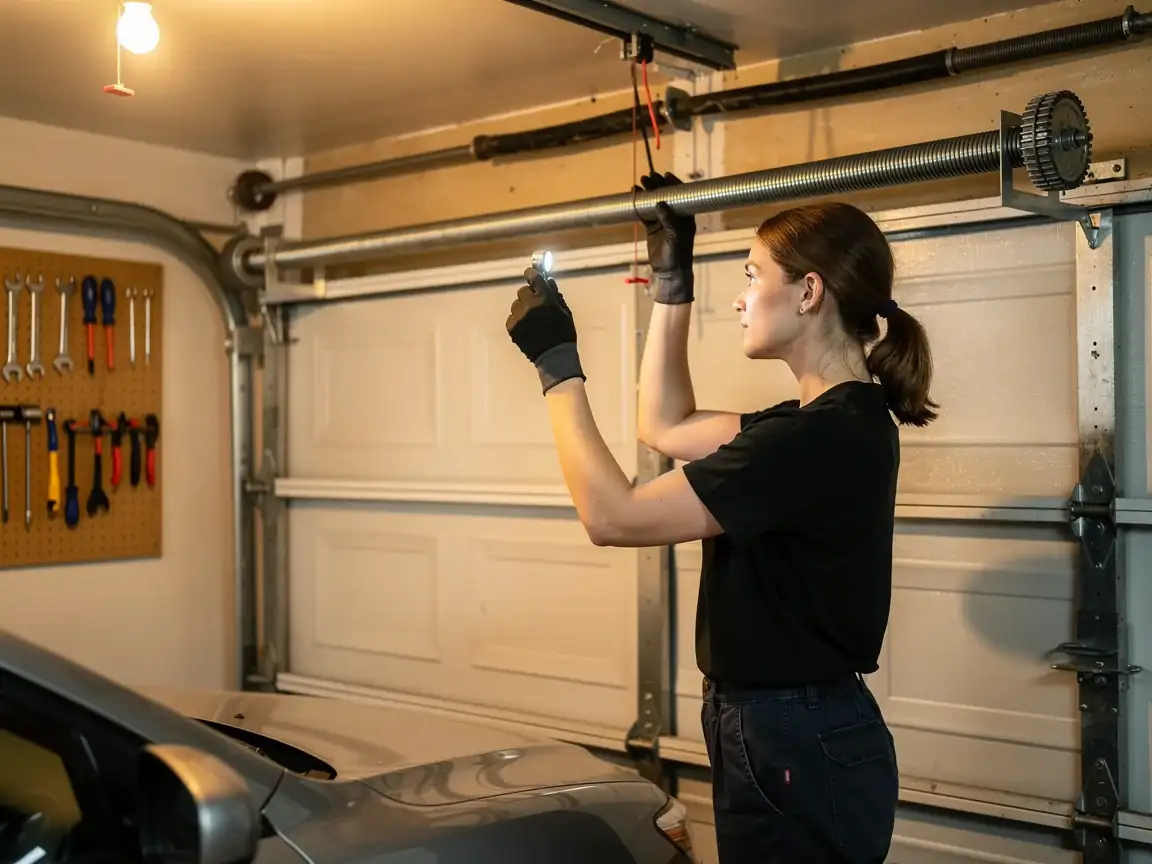
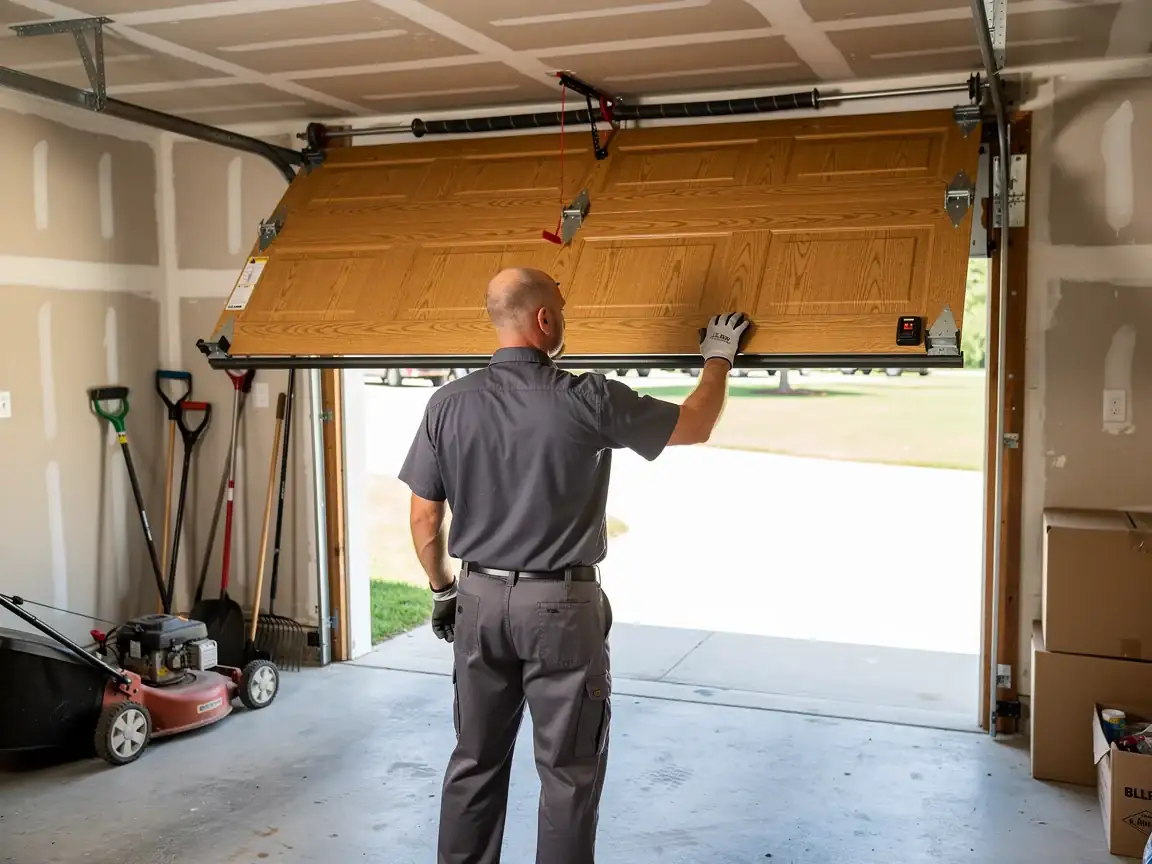
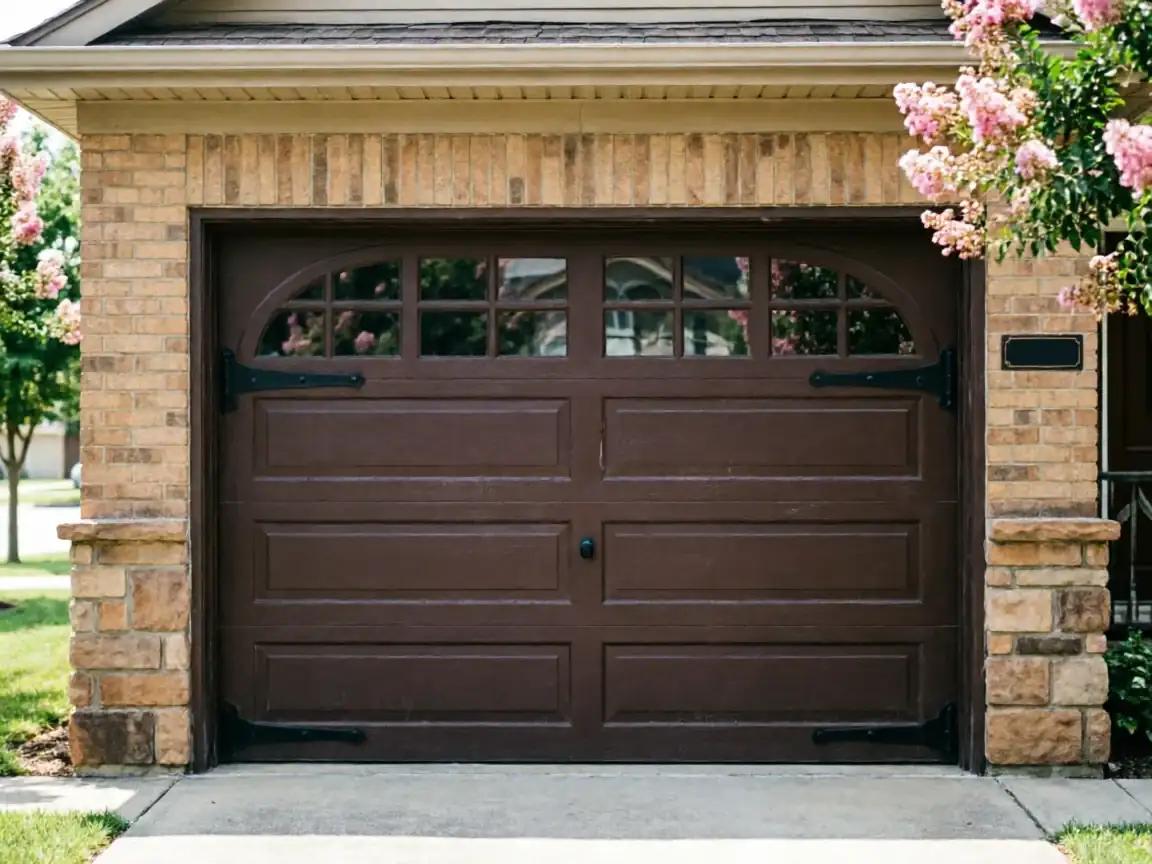
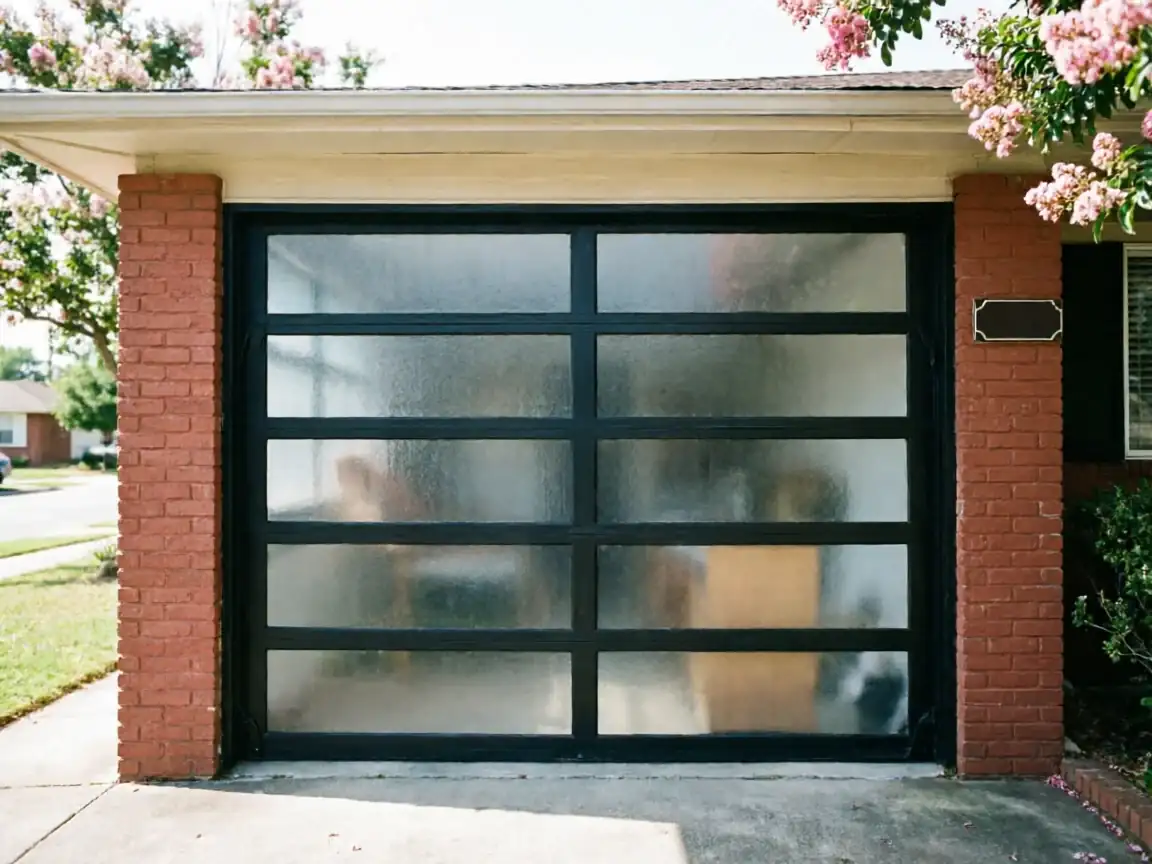
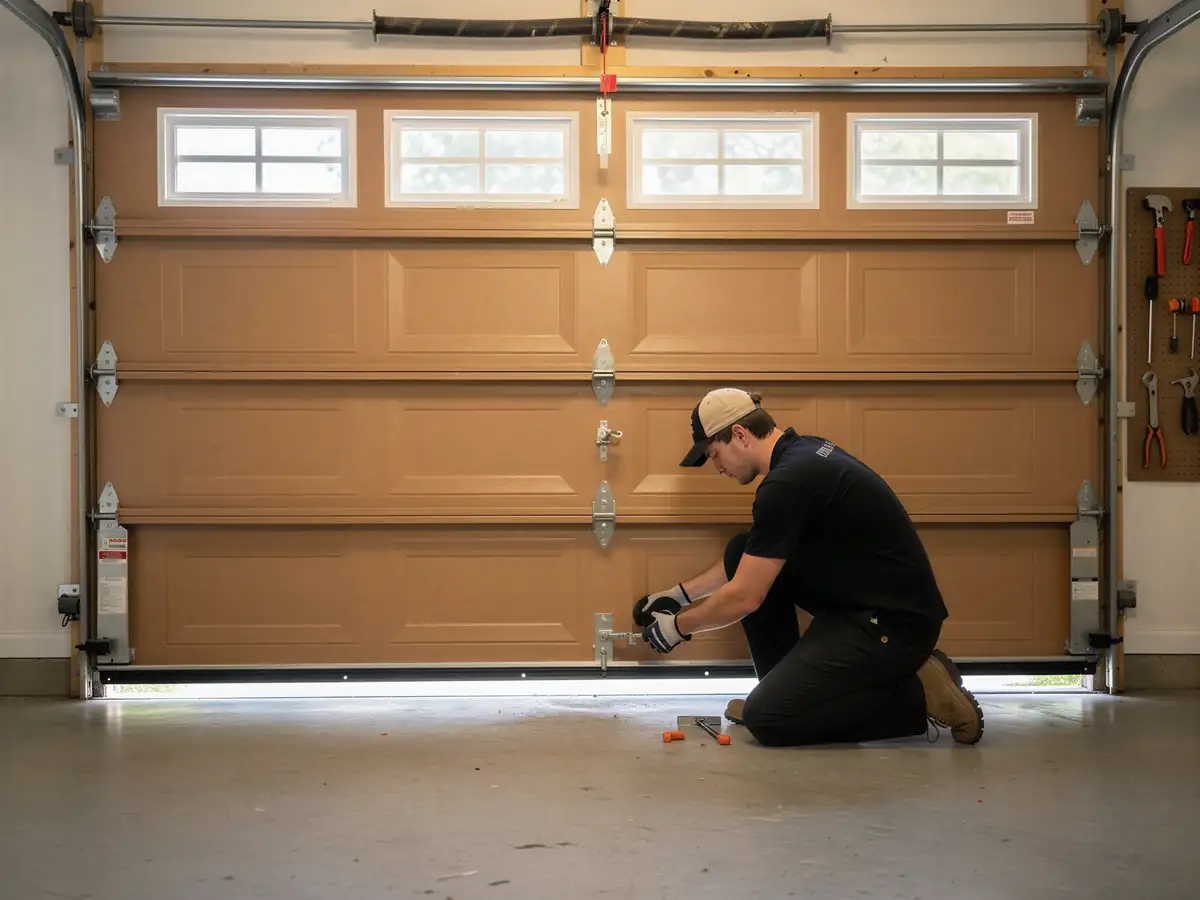
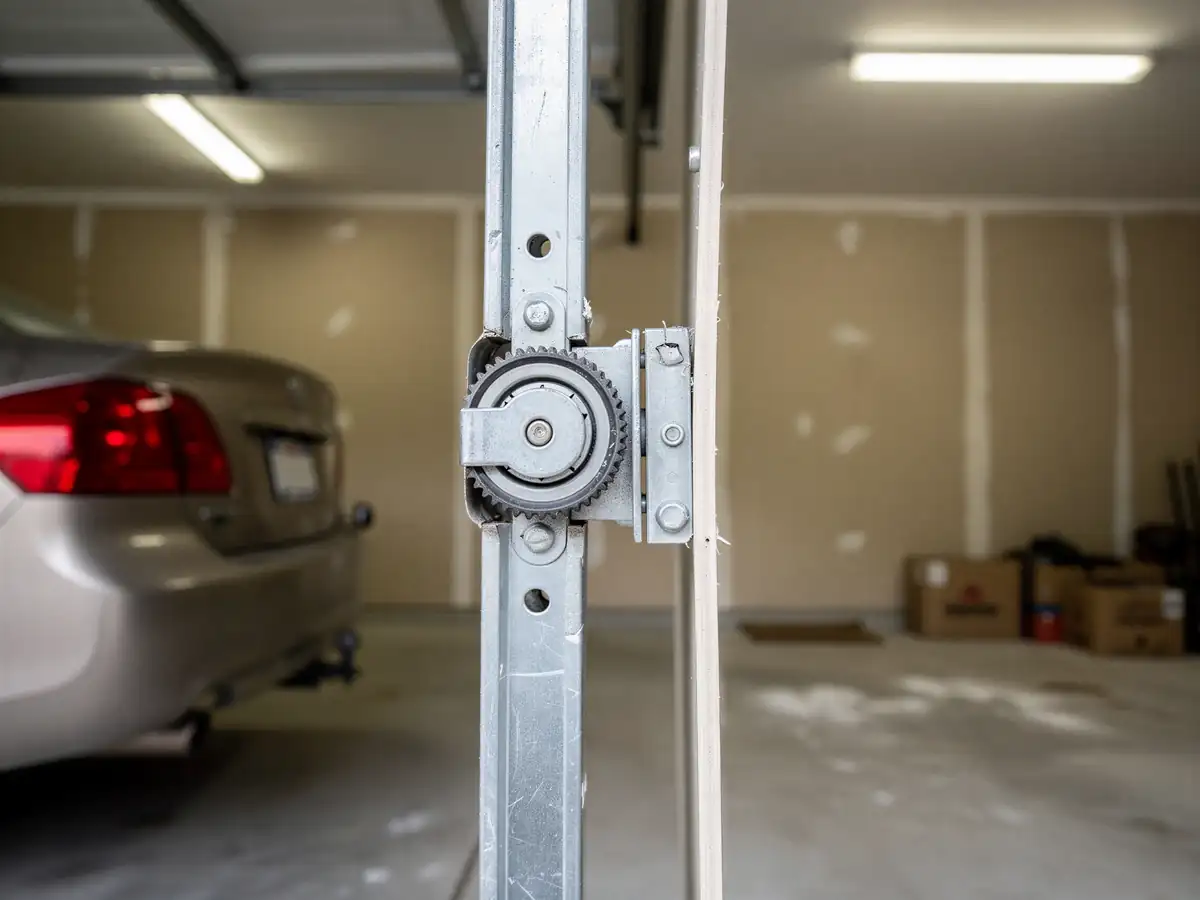
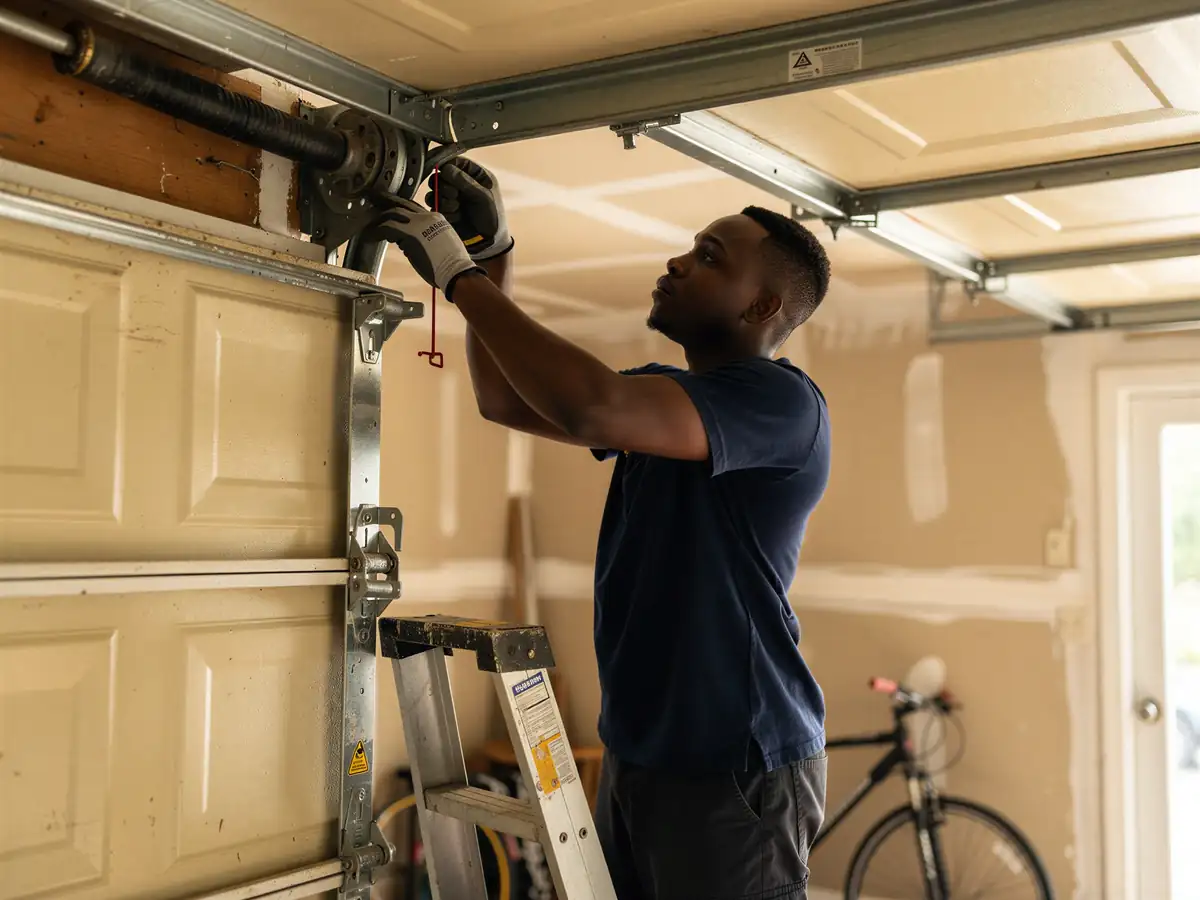
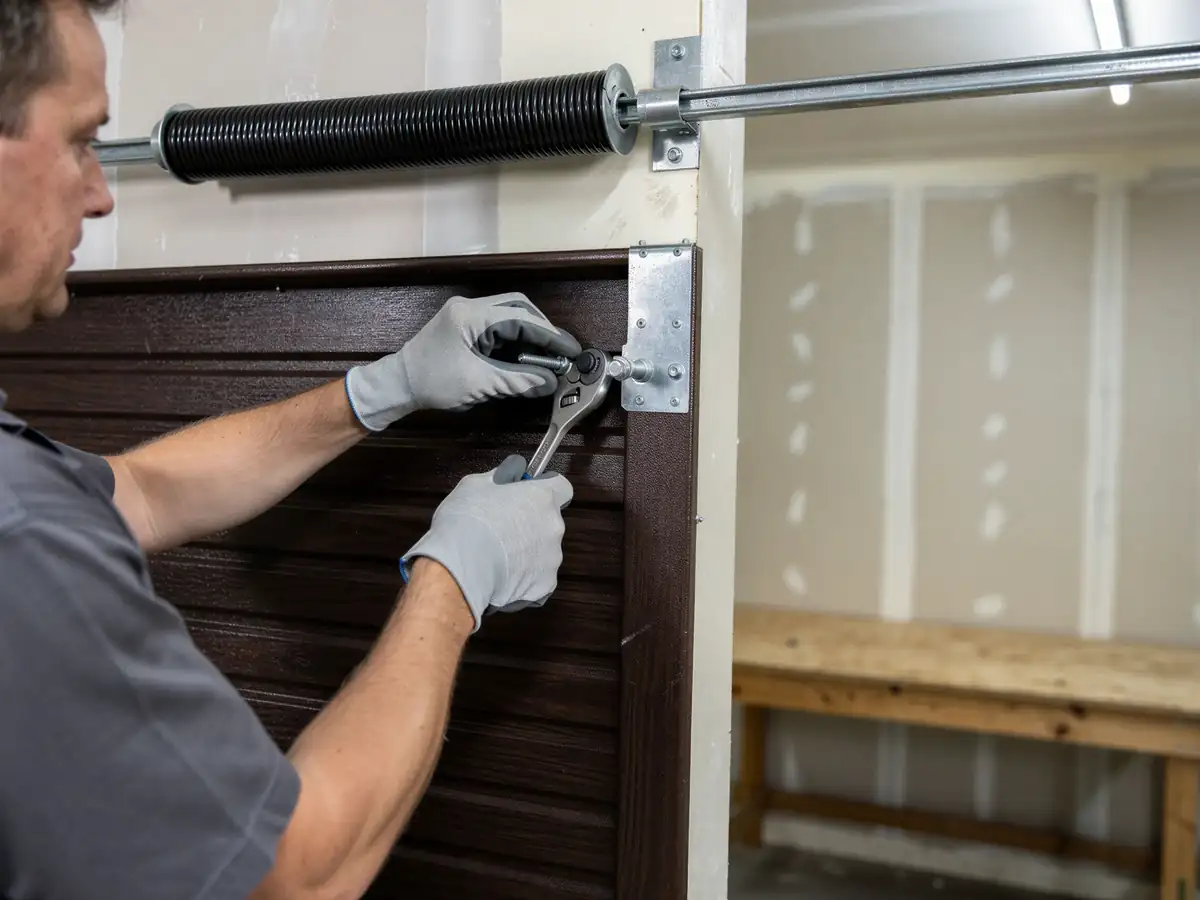
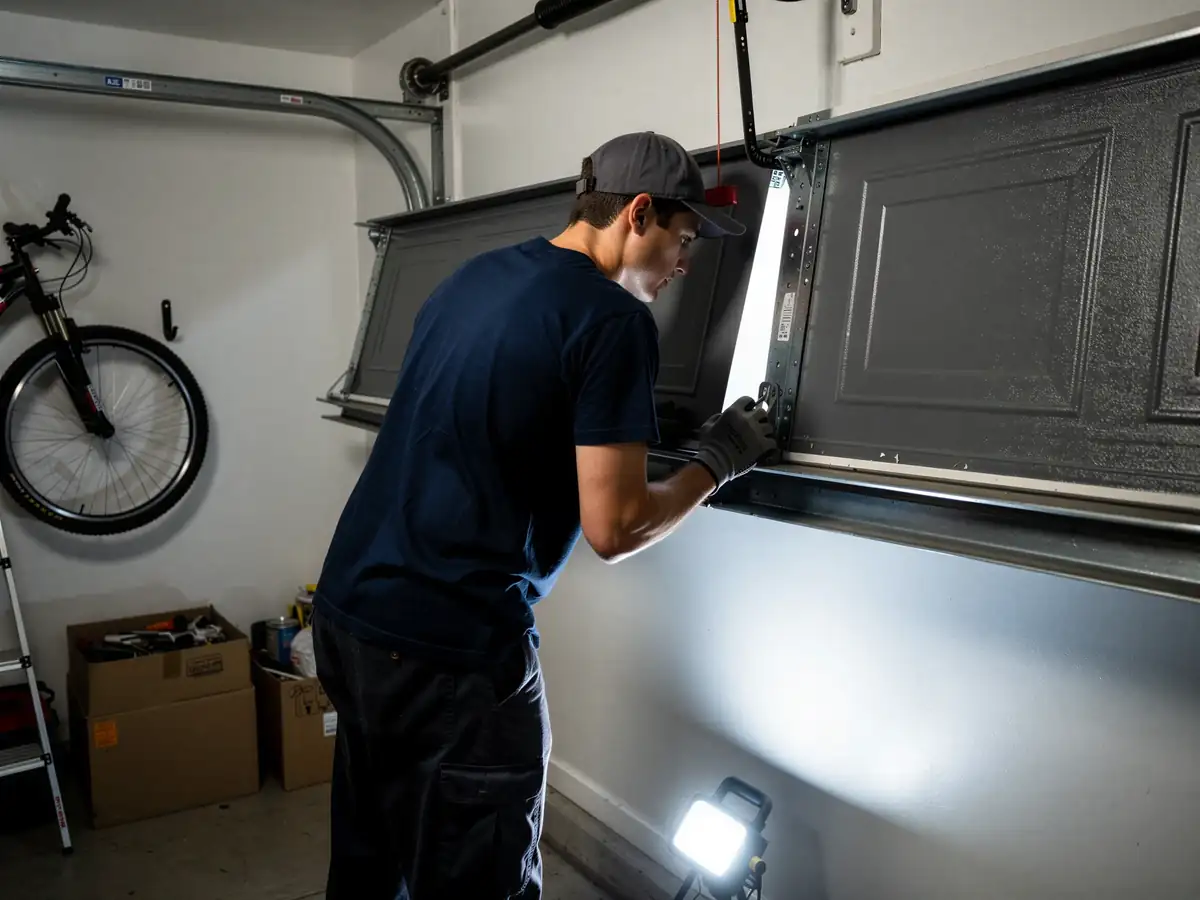
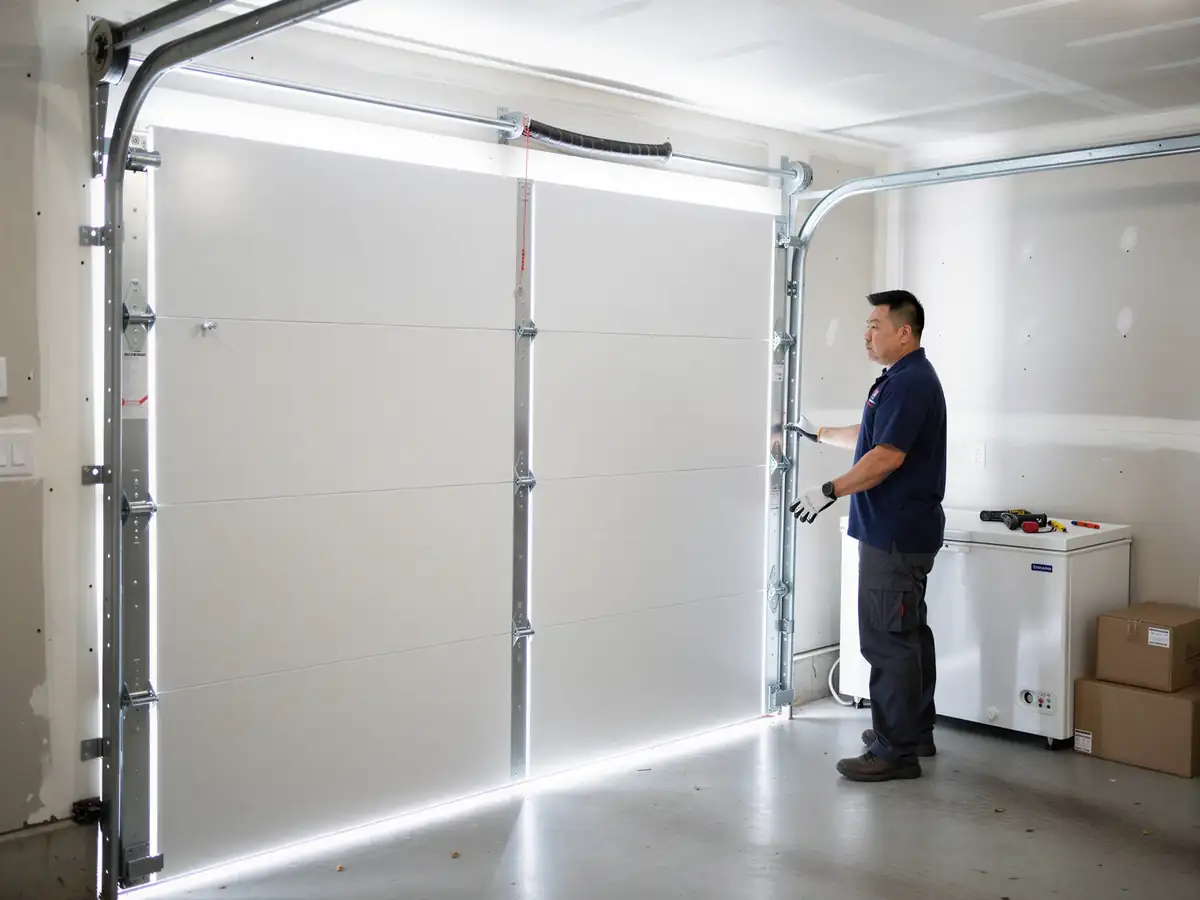
A full replacement on a Lucas garage is a day job, not an afternoon one, mostly because the openings here run wide. Pulling a 16-foot double off 2002-era track means replacing the track and springs too in nearly every case; the old torsion hardware is sized for a lighter door than most new insulated models, and reusing it is a false economy. We measure the opening, confirm header clearance, and match spring weight to whatever new door goes in, since a mismatched spring is the single most common callback on a job like this. Insulated steel and composite doors are both common choices here given the income profile of the area, and both take longer to install than a bare steel panel because of the extra weight and the thicker weatherstrip channel. We bring standard sizes on the truck; anything outside the common 16x7 double or 8x7 single, or a non-standard color, gets ordered and the install gets scheduled around when it arrives. That's the honest limitation: a custom width, a special glass-panel insert, or an unusual finish adds lead time, and we'd rather tell you that up front than promise a same-week install we can't keep.
What Can Go Wrong
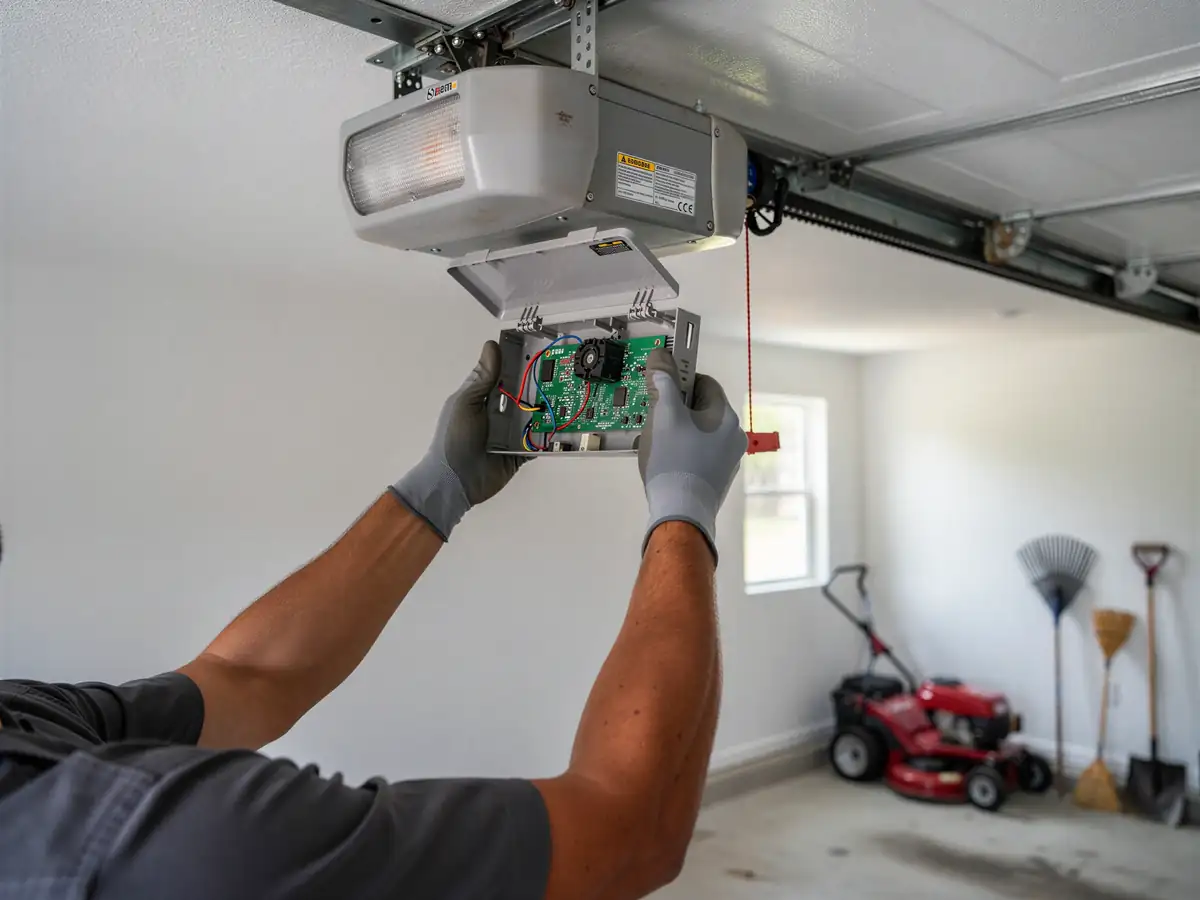
The area sits in a mild climate with occasional freezes, not the extreme swings you'd get further north, but 20 years of ordinary expansion and contraction still takes a toll on original seals and hardware. On a lot of these 2002 doors, the bottom astragal has cracked and the weatherstrip has glazed stiff, so even before you get to the springs, the door isn't sealing the way it did new. Once an installer pulls the old door, it's common to find the jamb or header slightly out of square from two decades of settling, which is normal on a house this age but needs shimming before the new track goes up, or the new door won't run true. Openers from that era are usually chain-drive and undersized for a heavier insulated door, so expect that conversation too. None of this is a reason to put off the job, but it's why a straight panel swap sometimes turns into a bigger scope once the old door comes off the hinges.
How to Book
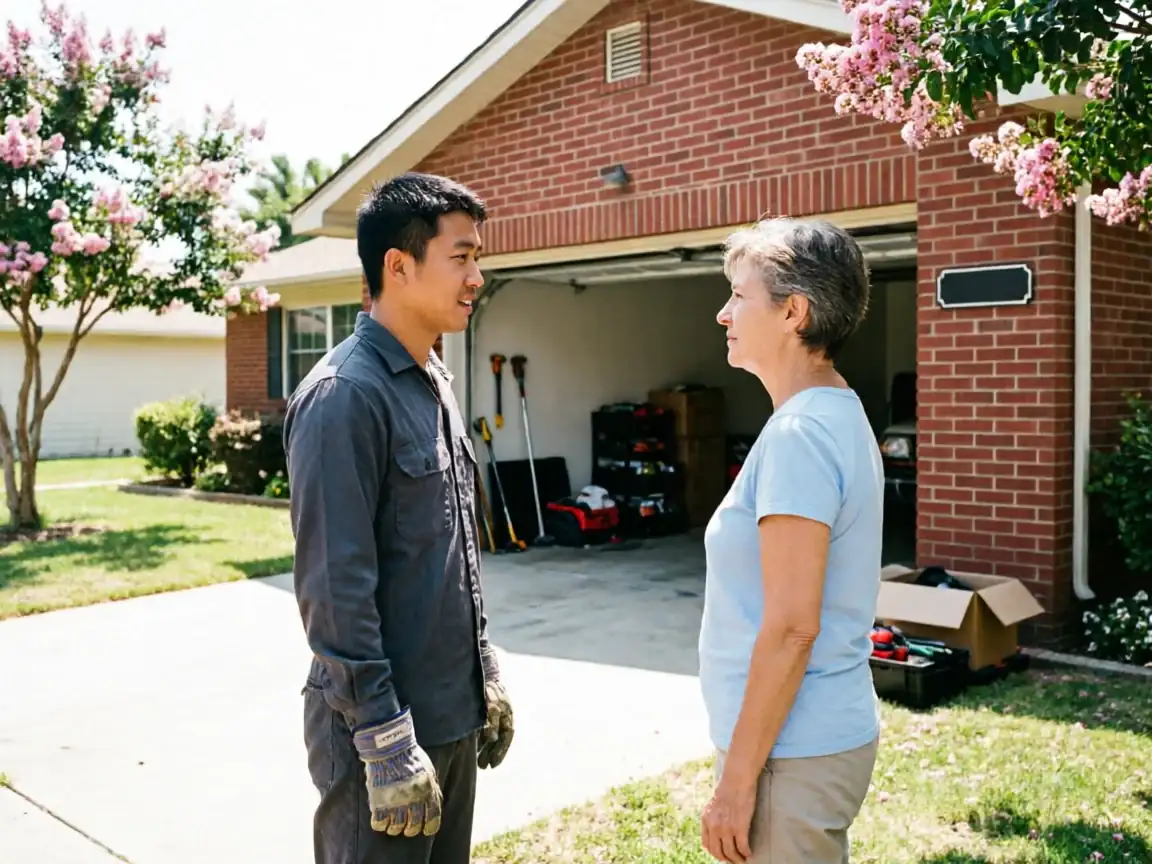
We run this job out of Wylie, about six miles from Lucas, so there's no separate branch here and no local response-time promise to make, just a scheduled visit for a measure or a quote. If you want the general rundown of install options and what we carry, that lives on the main Wylie installation page; if you're looking for repair or service rather than a full install, the Lucas service page covers that side of things. For a new door quote, tell us the rough size of your current opening and whether you want insulated steel or composite, and we'll bring the right spring weight and track hardware on the day rather than guessing at it on site.