Why This Fails Locally
The drive from Wylie to Lucas is about six miles, a short enough run that a maintenance visit doesn't eat into the appointment window the way a longer trip would. That matters because most of what goes wrong on a door here isn't an emergency - it's slow wear that a homeowner doesn't notice until the day the opener strains or a roller starts grinding.
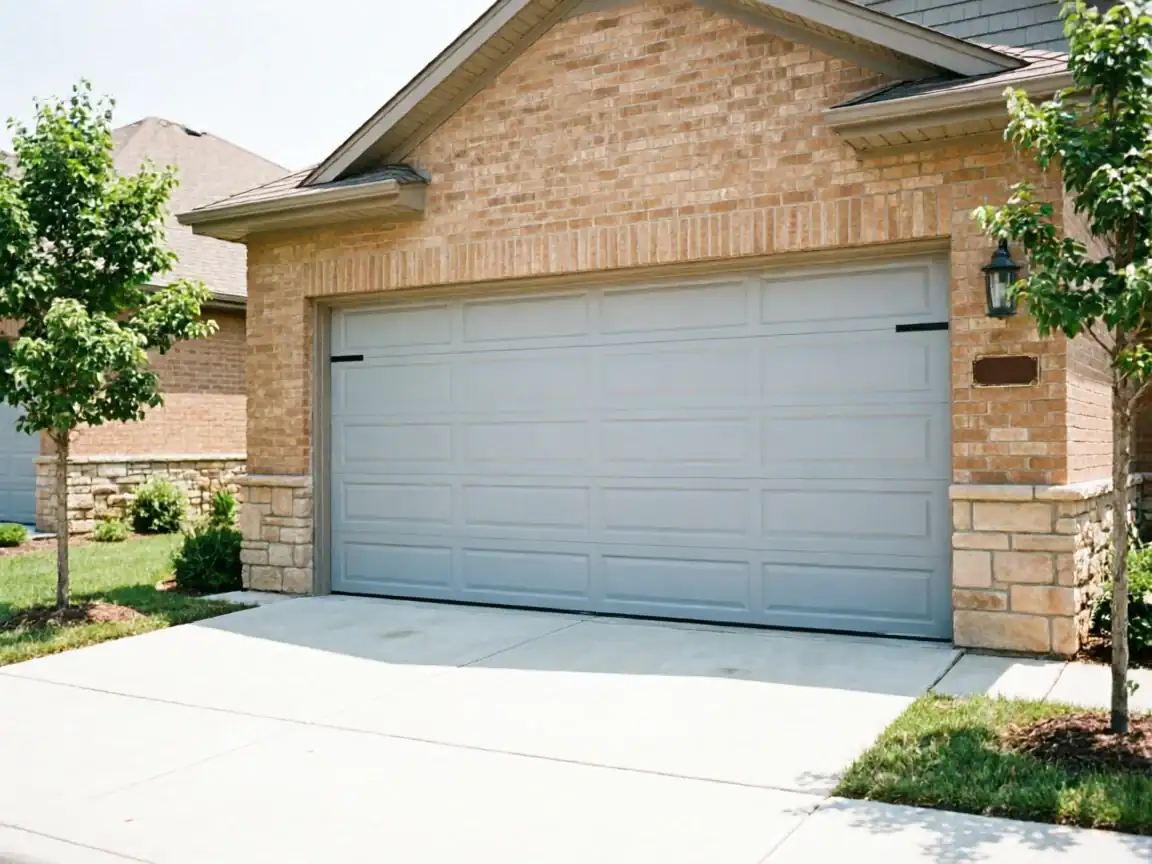
Most houses in Lucas went up around 2002, which puts the original torsion springs and rollers on these doors past the midpoint of their expected service life. That's a different problem than you'd see on a house built in the late 1970s or one finished last year. The hardware is old enough to have real wear on the winding cones and bearing plates, but new enough that it's still the factory-installed setup nobody's touched.
The climate here runs mild with occasional freeze, which isn't severe but isn't nothing either. Grease that was fine in August gets stiff on the handful of cold mornings each winter, and a door that was already a little out of balance shows it right when the temperature drops. None of this is dramatic. It's the kind of fault that builds for two years before it announces itself.
What the Repair Takes
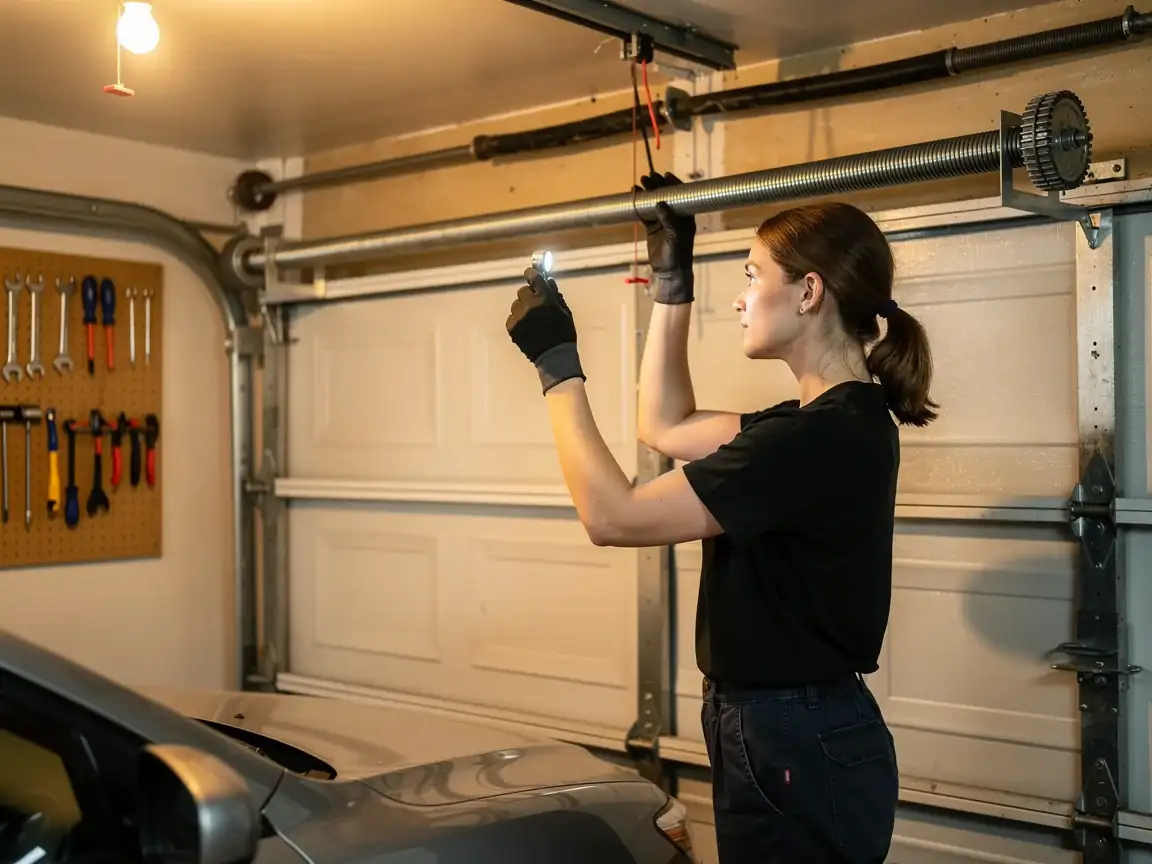
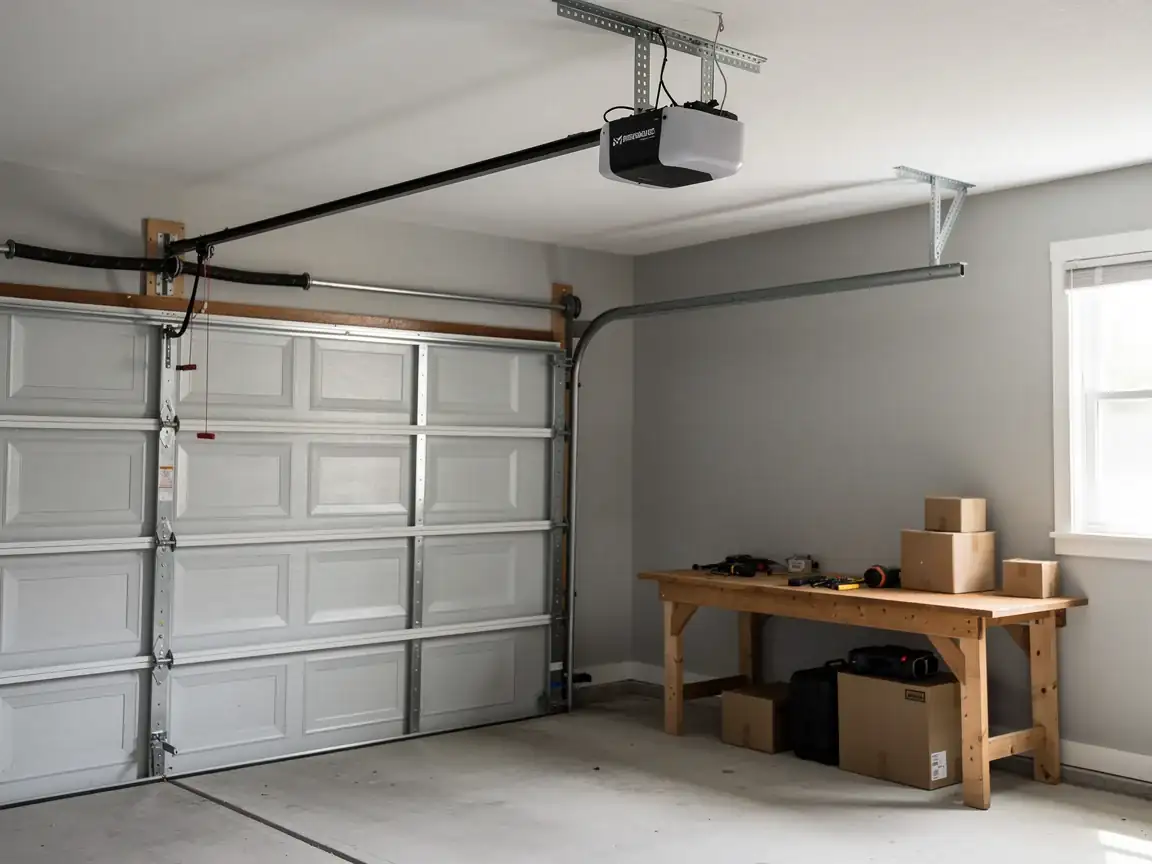
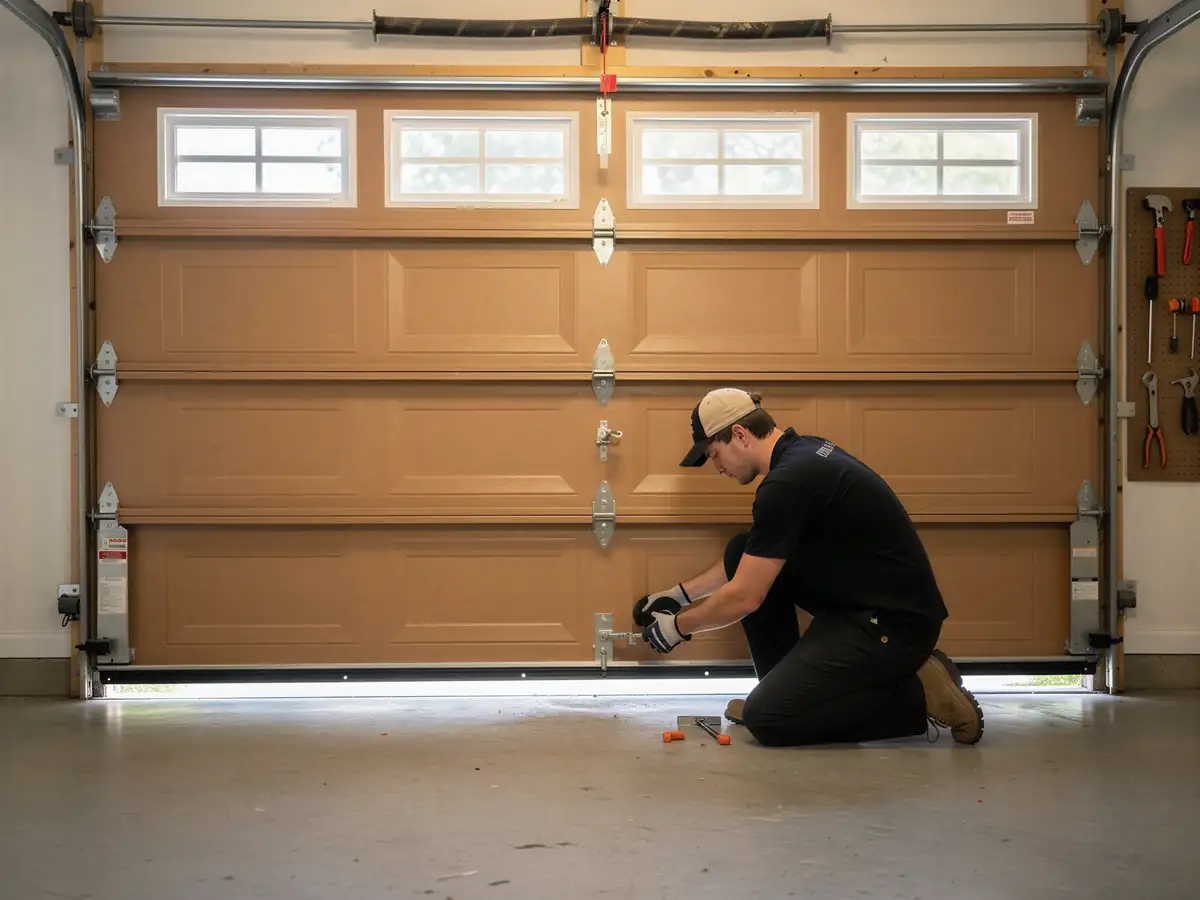
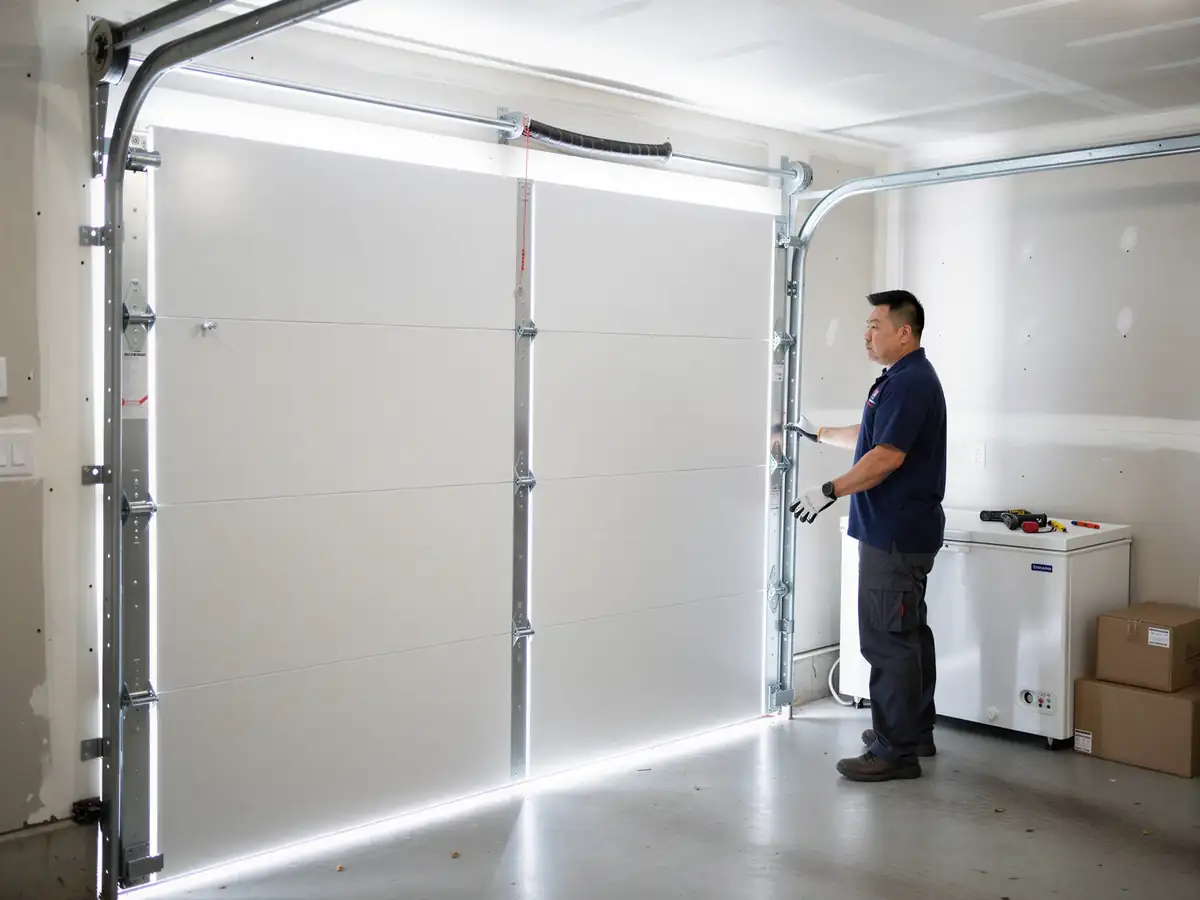
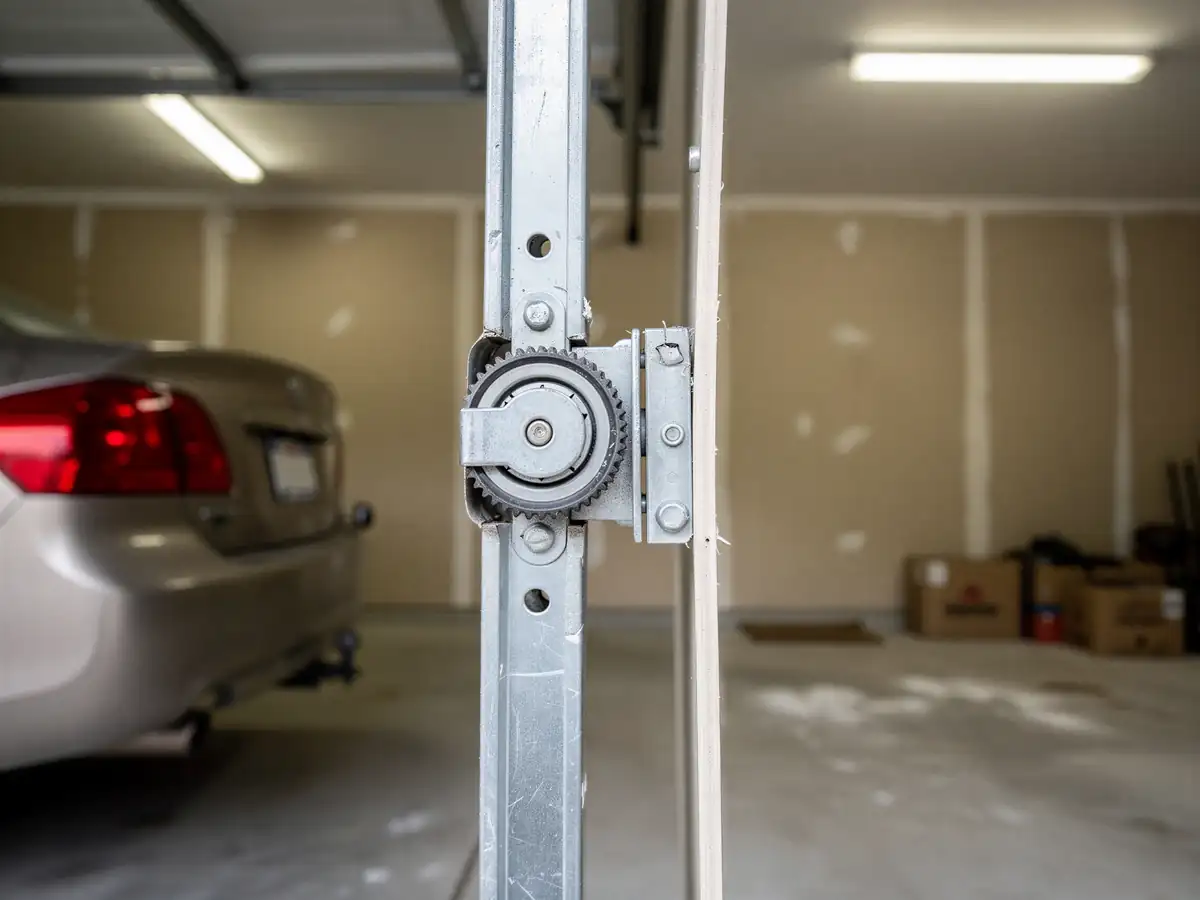
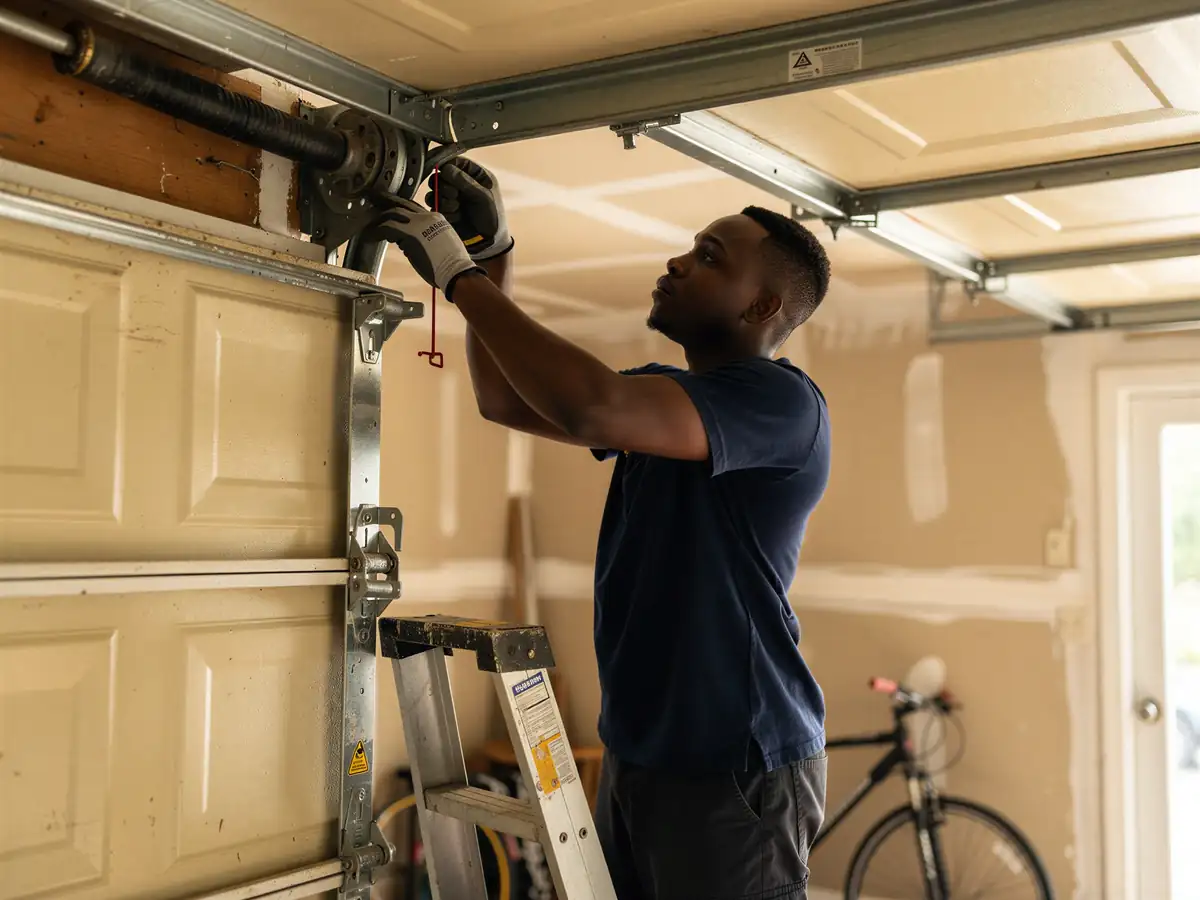
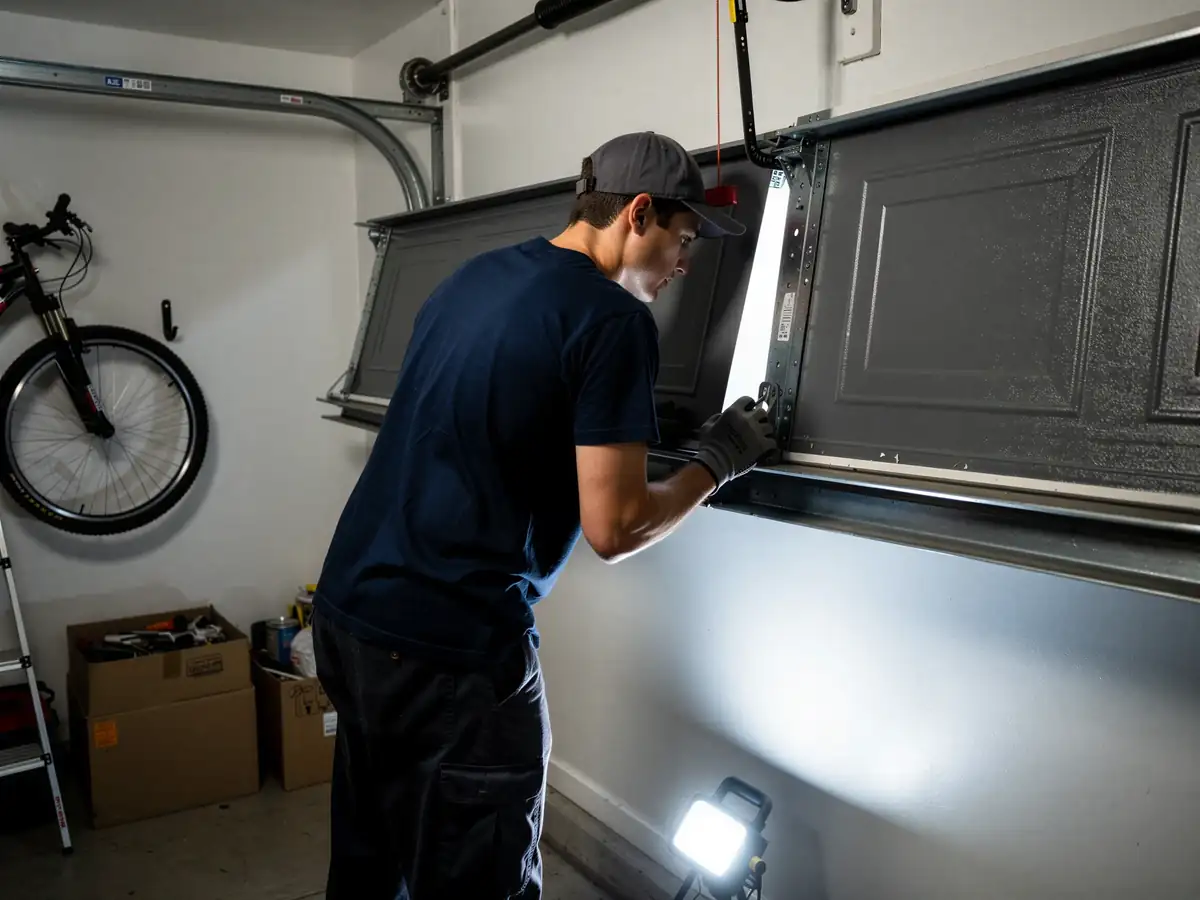
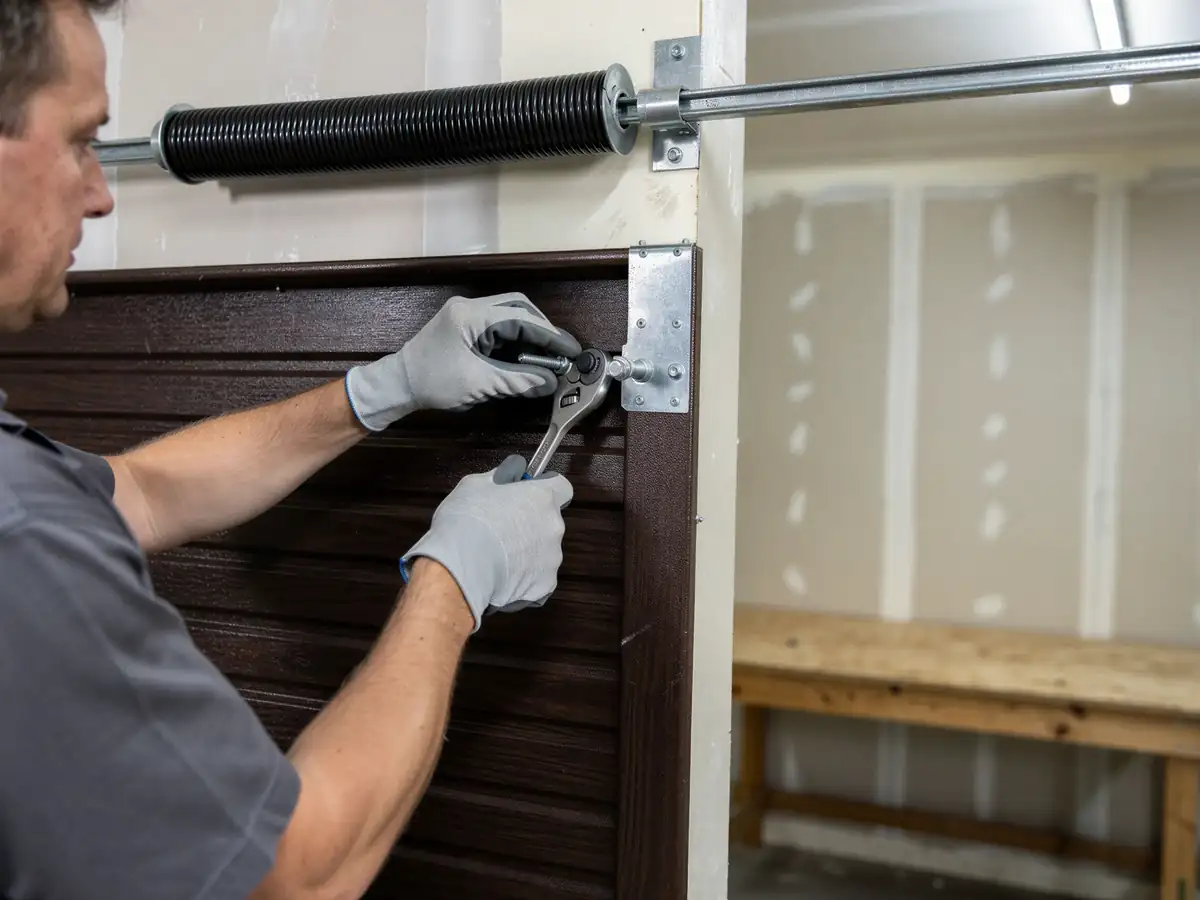
A maintenance visit on a 2002-era door in Lucas covers the same ground every time: check spring tension and balance, inspect the cables for fraying, lubricate rollers and hinges, tighten loose hardware on the track brackets, and test the opener's force settings and auto-reverse. On a door this age, the torsion spring is usually the thing worth the closest look - most residential springs are rated for a number of cycles that a door installed in the early 2000s is now approaching or past.
Rollers get swapped if they're the original steel or nylon ones and show flat spots or cracking. Weatherstripping along the bottom panel often needs replacing too; it dries out and splits well before the door itself shows any other sign of age. None of this takes long once a tech is on site, which is part of why bundling it into one visit from Wylie makes sense rather than waiting for something to break and calling for an emergency run.
What a maintenance visit doesn't do is replace a door or opener. If the spring has already failed or the panel is cracked, that's a repair or replacement conversation, not a tune-up.
Can You Do This Yourself
Some of this is fair game for a homeowner
You can visually check the cables for fraying, look at the rollers for cracking, wipe down and lubricate the hinges with a garage-door-rated lubricant (not WD-40, which washes out grease rather than replacing it), and test the auto-reverse by setting a block of wood under the door and running it down. You can also listen for grinding or popping sounds and tighten any bracket bolts that have worked loose.
What you shouldn't touch is the torsion spring
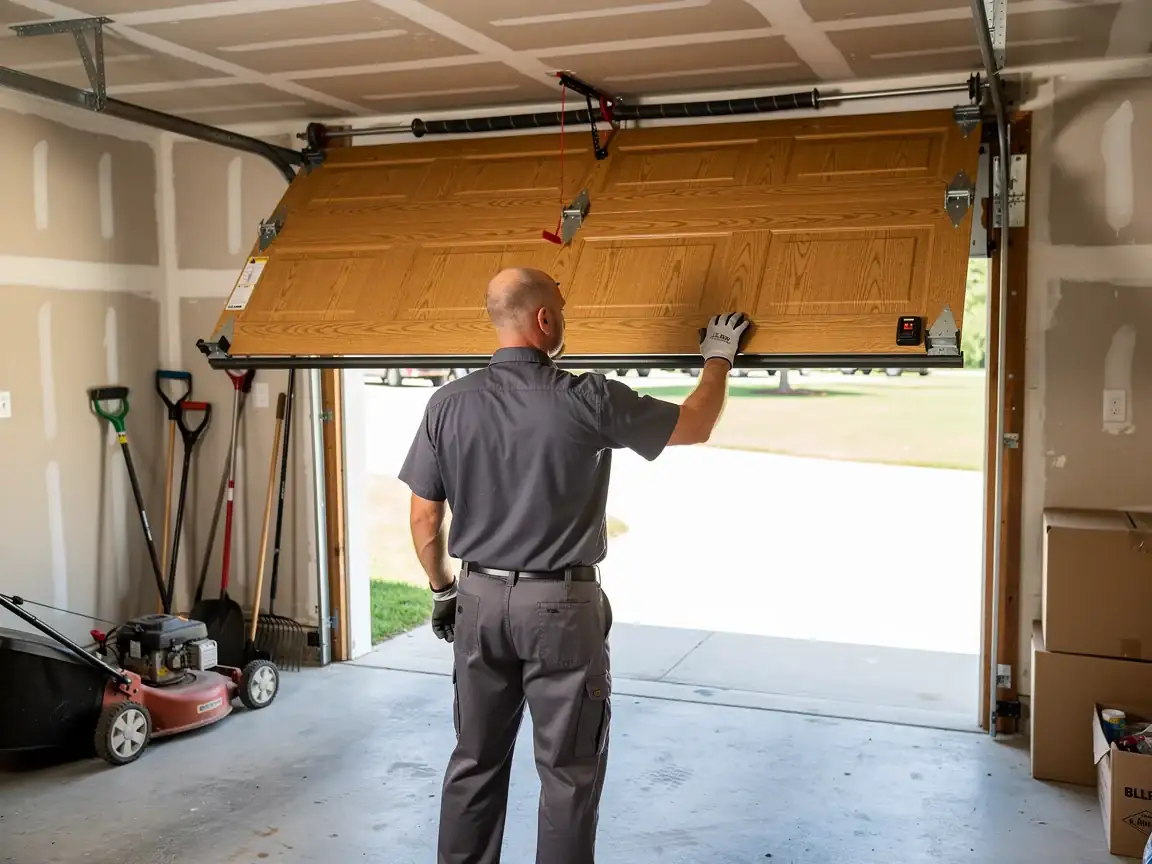
It's wound under enough tension to cause a serious injury if it slips while you're adjusting it, and on a door that's been in service since the early 2000s, that spring has already absorbed close to two decades of cycles. If your balance test shows the door is heavy on one side or won't stay put halfway open, that's a spring or cable job, not a DIY afternoon. We'd rather tell you that up front than have you find out the hard way.
What Can Go Wrong
Skipping maintenance on a door this age doesn't usually cause a dramatic failure right away - it causes a slow one. A roller that's been grinding for a year wears a groove into the track. A cable that's fraying quietly can snap without warning, and when it does, the door comes down unevenly and can jam or drop a panel. Lucas's median household income of $178,403 sits well above the $127,000 median across the wider service area, and in practice that often means a two-car or larger door seeing more daily cycles, which just speeds up the same wear pattern.
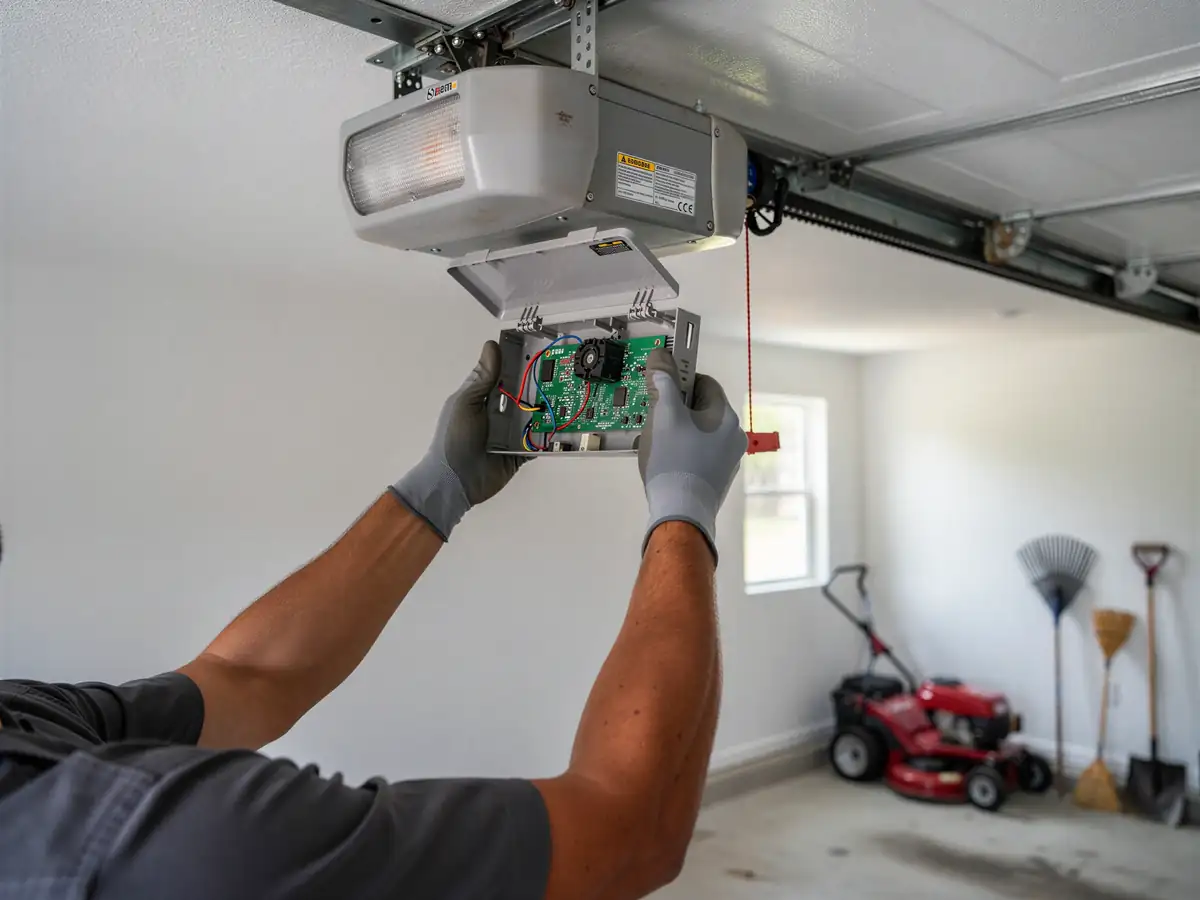
The other failure mode is the opener compensating for a bad spring. If the door is out of balance, the opener motor works harder to lift it every time, and that shortens the motor's life even though the symptom shows up as 'the opener's acting up' rather than 'the spring's worn out.' Catching the spring issue during a maintenance visit is cheaper than replacing both the spring and the opener motor a year later.
How to Book
Lucas sits about six miles from Wylie, closer than some of the other towns on this side of the service area and roughly the same distance out as Murphy or Lavon. A maintenance visit here gets scheduled the same way as anywhere else in the area - no branch office in Lucas, just a truck making the short trip out.
If you want the full rundown on what a maintenance visit includes and how scheduling works, see the Lucas garage door service page. If you're comparing what this looks like against the main Wylie service area, the Wylie garage door maintenance page covers that side of it.