Why This Fails Locally
Lucas carries a median household income of $178,403, and that number matters more here than almost anywhere else we drive to from Wylie. At that income level, most owners don't want three service calls spread over a year chasing a dying logic board - they want one honest answer: fix it now, or put in a new unit and stop thinking about it. Most houses in Lucas went up around 2002, a few years ahead of the broader service area's 2005 median build year. That gap matters because openers don't last forever. A chain or belt-drive unit installed when the house was built is now pushing past the 20-year mark, right where circuit boards, capacitors, and drive gears start failing for good. We're not coming from a shop in Lucas - the truck comes from Wylie, six miles down the road - but the fault pattern we see on these calls is specific to houses this age, not a generic "opener broke" story. The repair-or-replace line falls early here: if the motor and board are both original, patching one part rarely buys more than a year.
What the Repair Takes
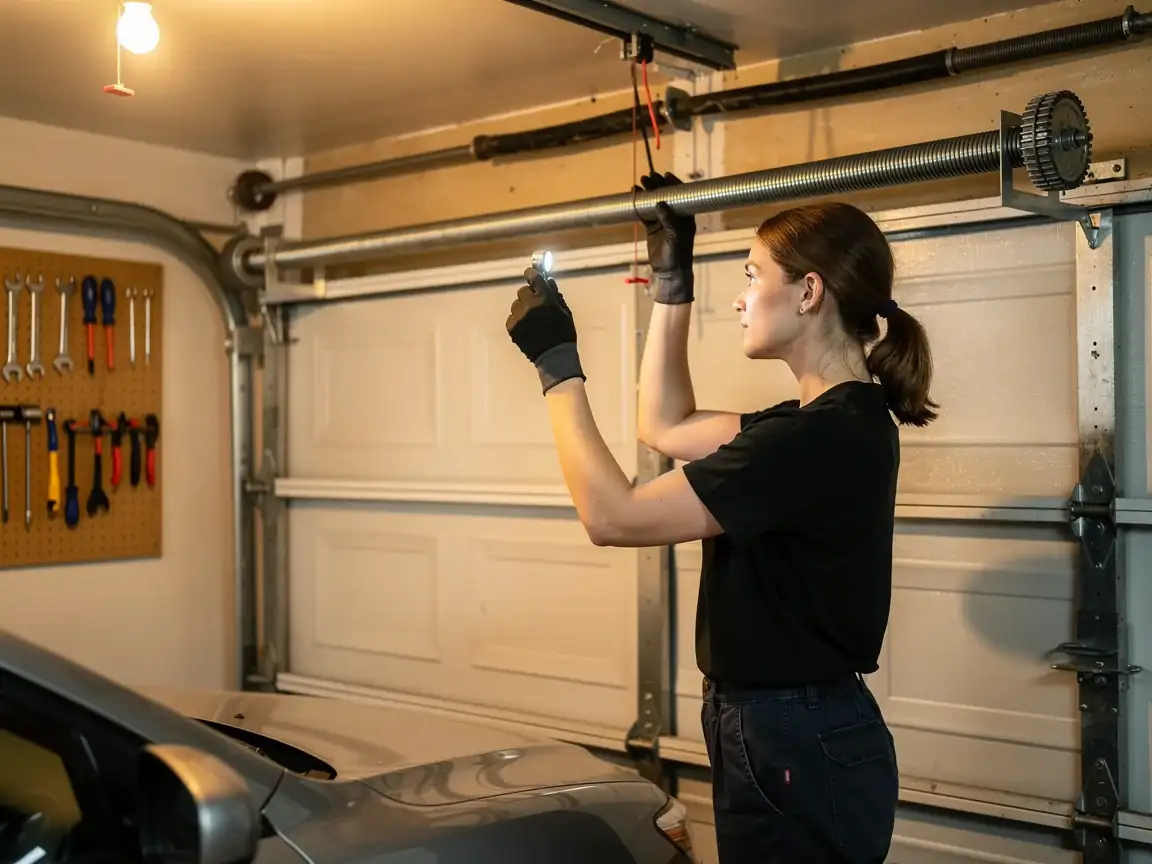
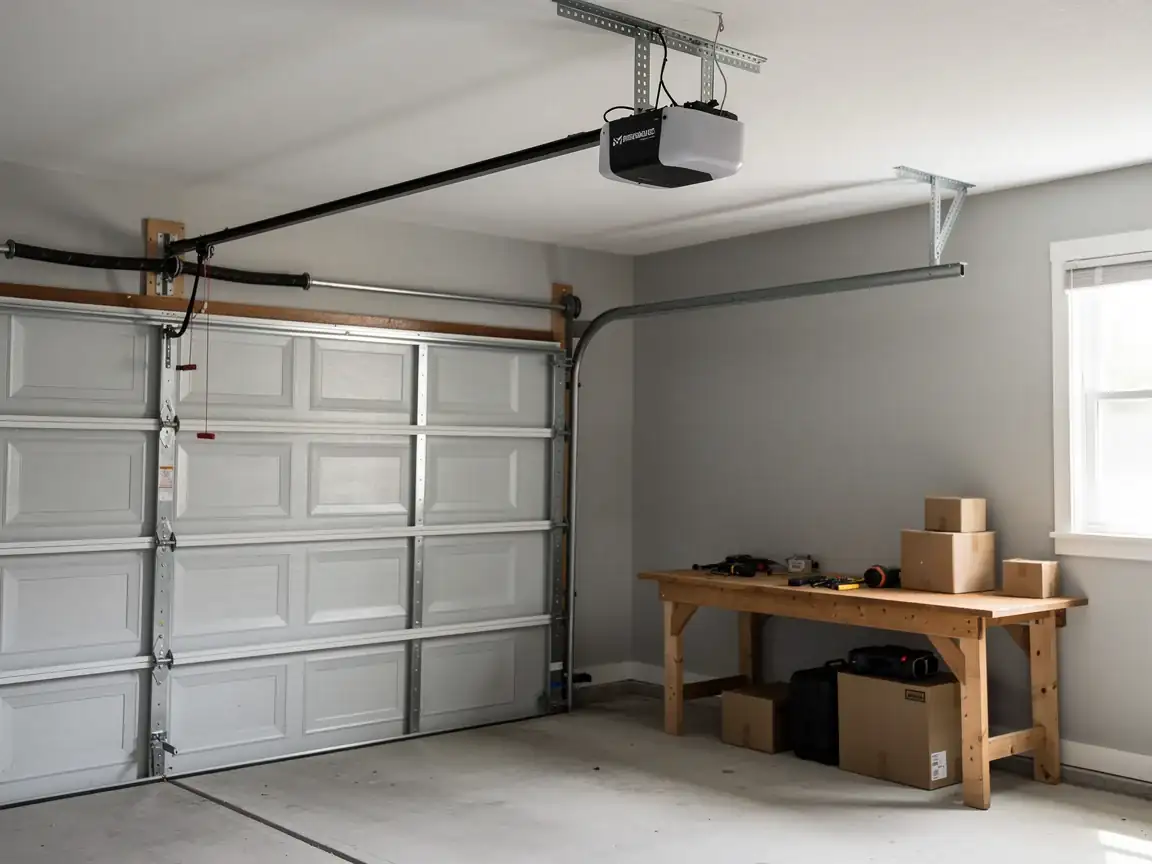
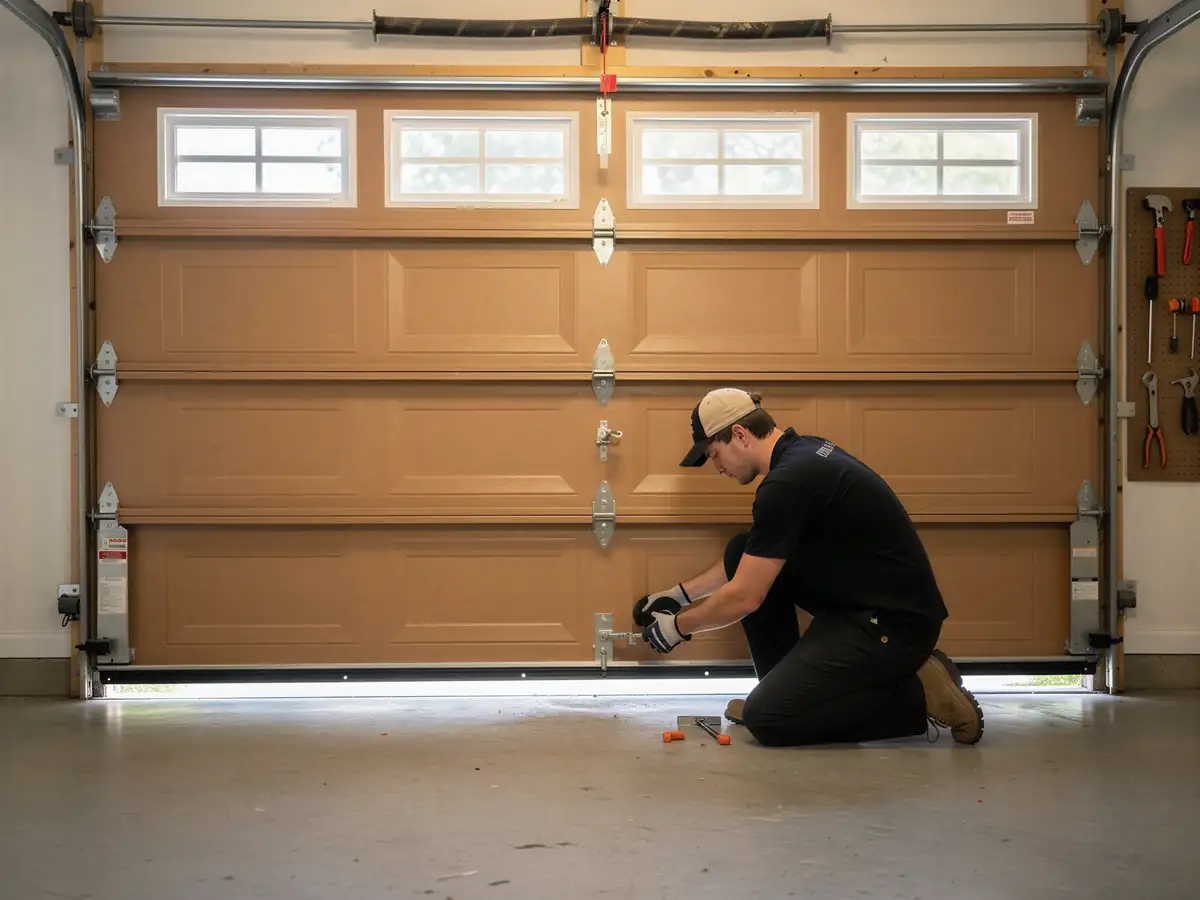
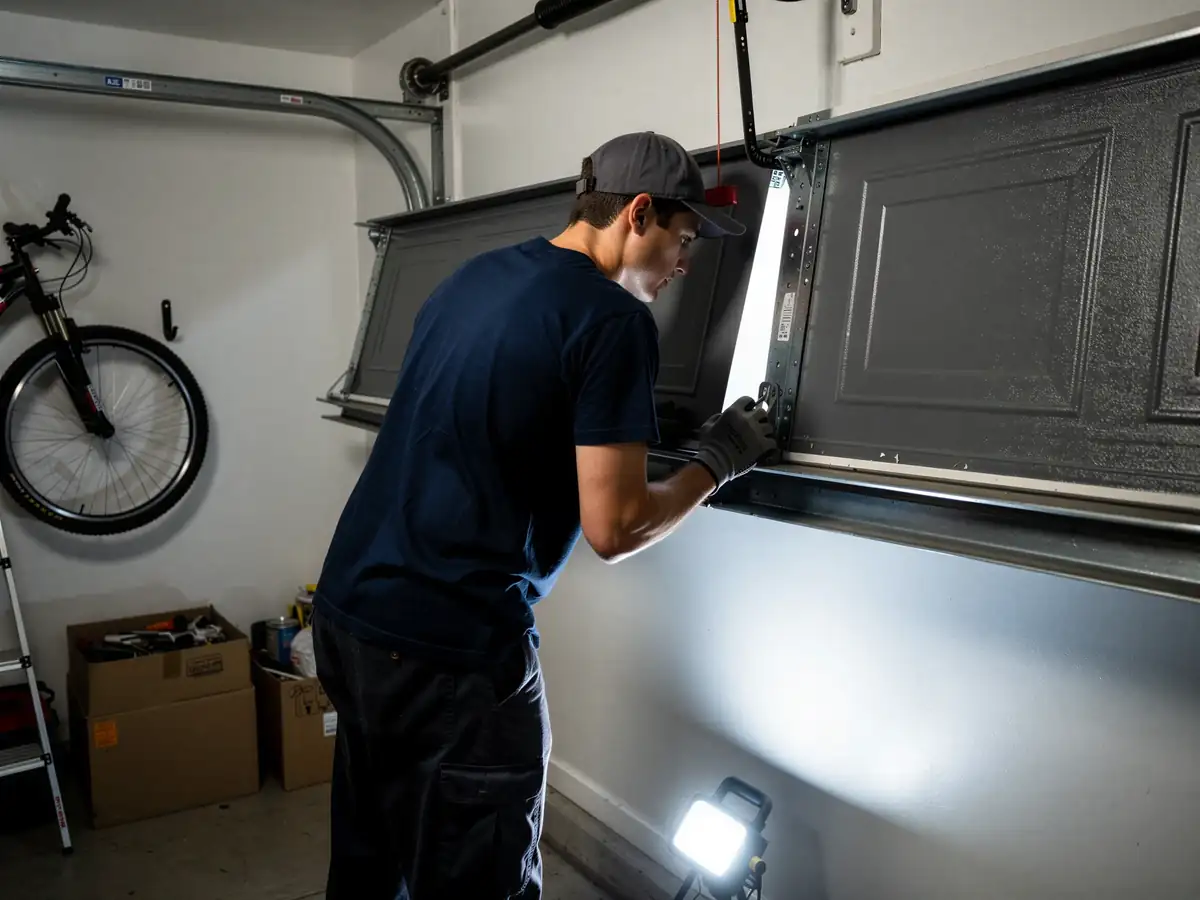
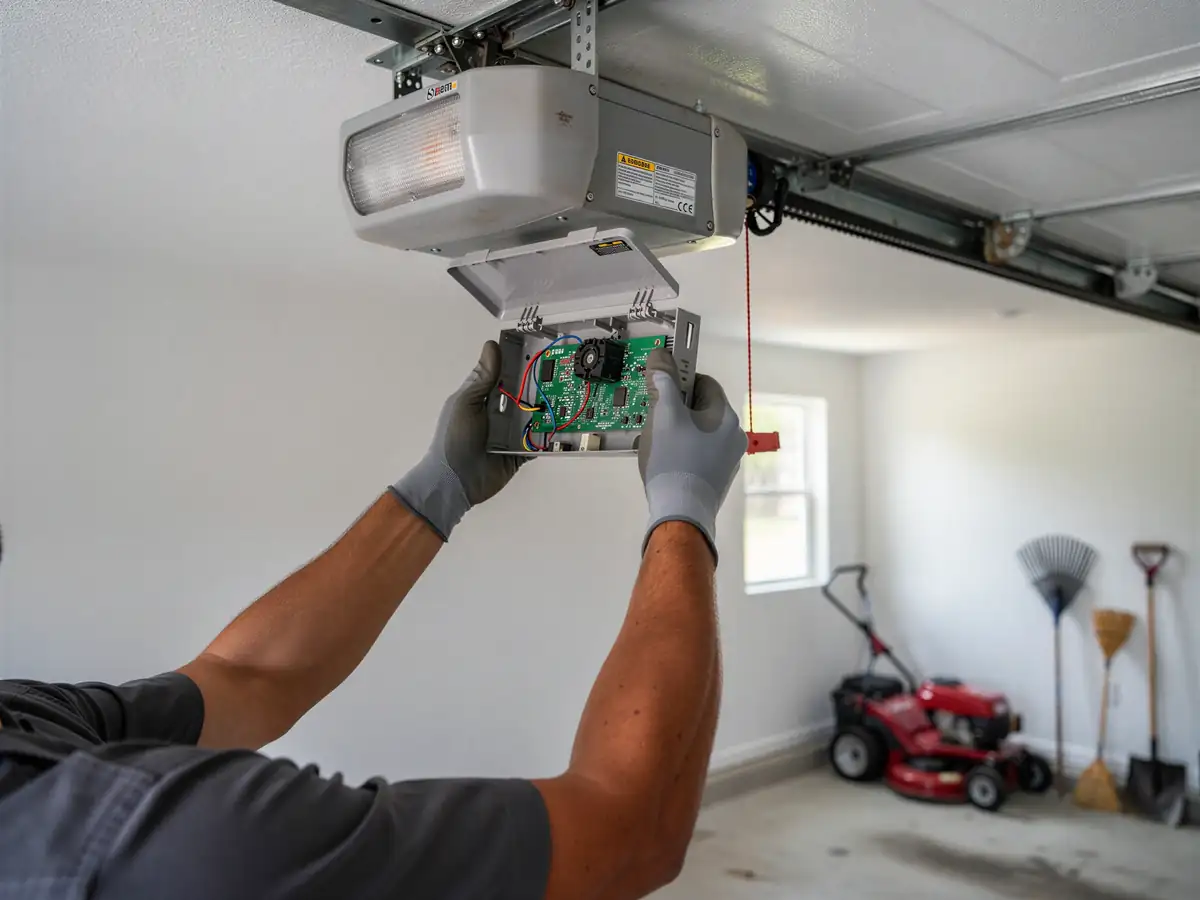
Most calls start the same way: the opener runs but the door doesn't move, or it moves and reverses for no reason. We check the logic board, the drive gear or belt, the safety sensors, and the wall control before touching anything else. On a 2002-era opener, the common failure is a stripped drive gear or a board that's finally given out after two decades of heat cycles - this area's climate runs mild with occasional freeze, so we're not fighting the gasket cracking or ice-jammed track problems that colder regions deal with, which narrows down what's actually gone wrong. Sensor misalignment here is usually dust or sun glare through a garage window, not frost. If the board's dead, we replace the opener head rather than source a part for a unit that age - parts for openers from 2002 aren't something we stock on the truck, and ordering one often costs more in time than a new unit costs in dollars. We tell you that straight before we start, not after.
What Can Go Wrong
The most common mistake we see on Lucas calls is an opener mismatched to the door it's lifting - a half-horsepower unit straining against a heavier insulated door than the house had when it was built, which burns out the motor faster than it should. Second most common: a homeowner replaces the opener but leaves the original sensors or wall button from 2002 wired in, and the mismatch causes intermittent reversal that looks like a new-unit defect but isn't. We also see capacitors fail quietly - the door gets slower over weeks before it stops outright, and by the time it's noticed the motor's usually working harder than it should. None of these show up on a quick glance; they show up on the bench or mid-repair, which is part of why we quote after we look, not before.
How to Book
We cover Lucas from our Wylie location, six miles out, and we don't keep a branch or a standing crew in town - the truck comes to you. If the opener's dead, slow, or reversing without cause, tell us what you're seeing and roughly how old the unit is; that alone narrows the diagnosis before we show up. For the rest of what we handle on doors in Lucas, see our Lucas service page. If you're comparing this against what we do out of Wylie itself, that's covered on the Wylie opener repair page.