What the Repair Takes
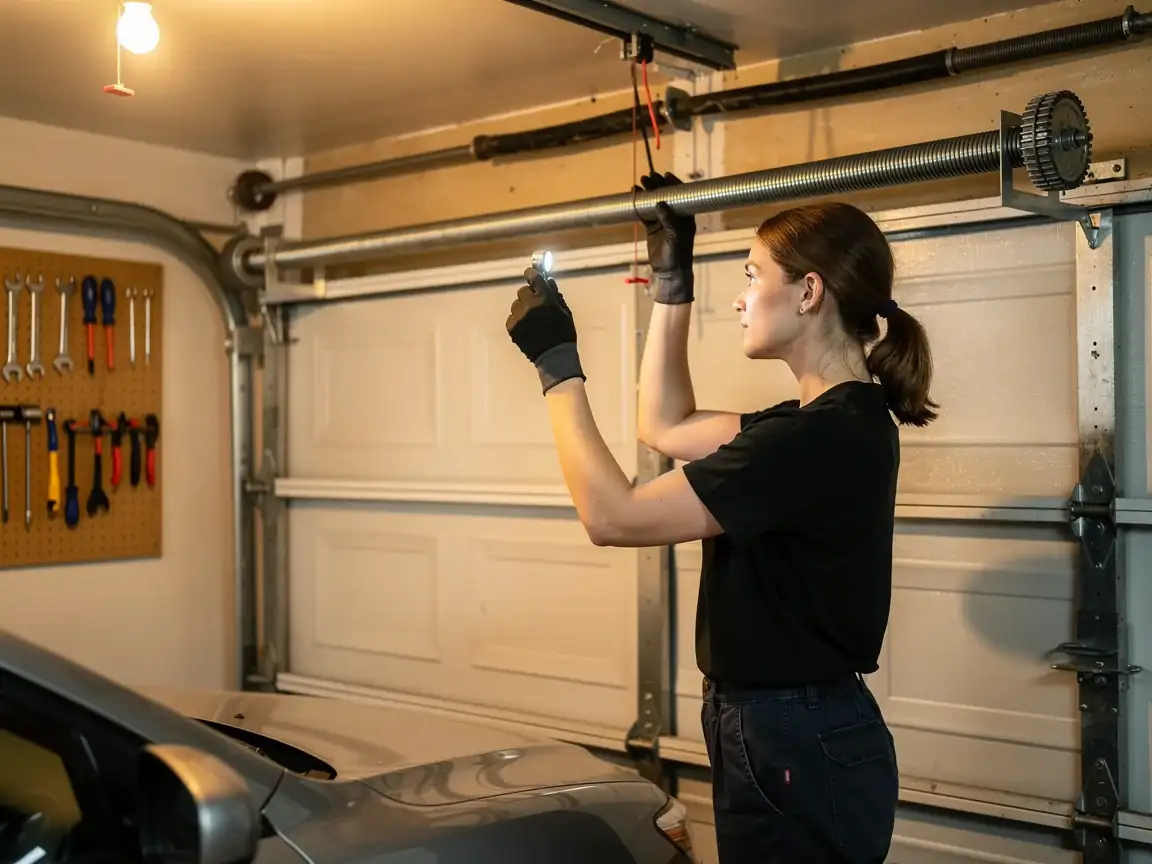
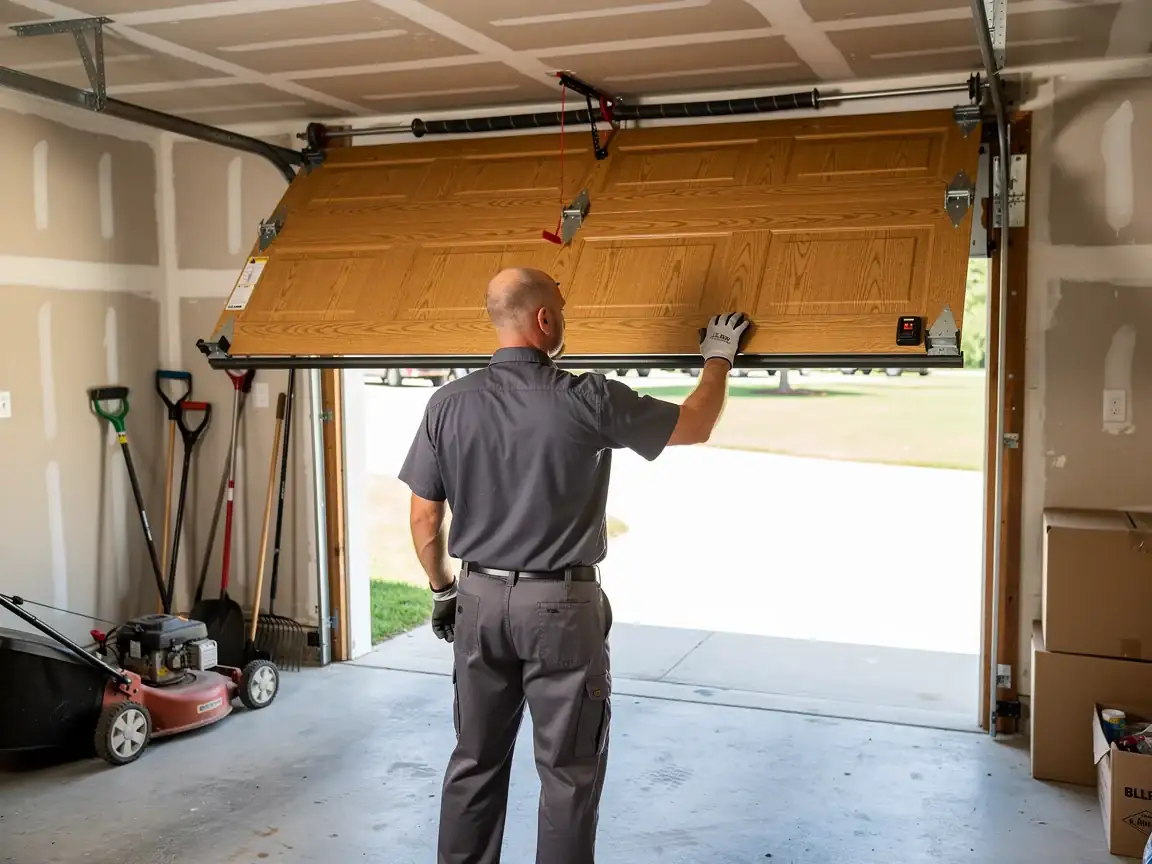
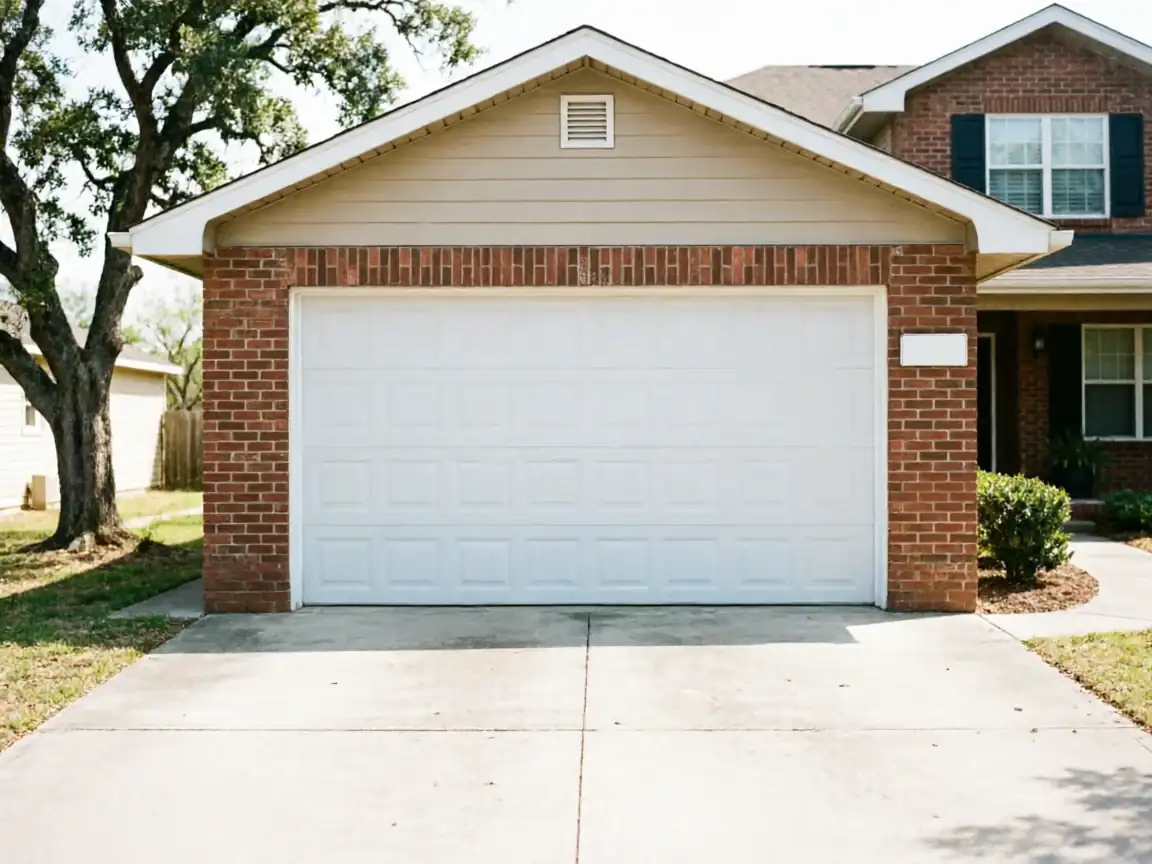
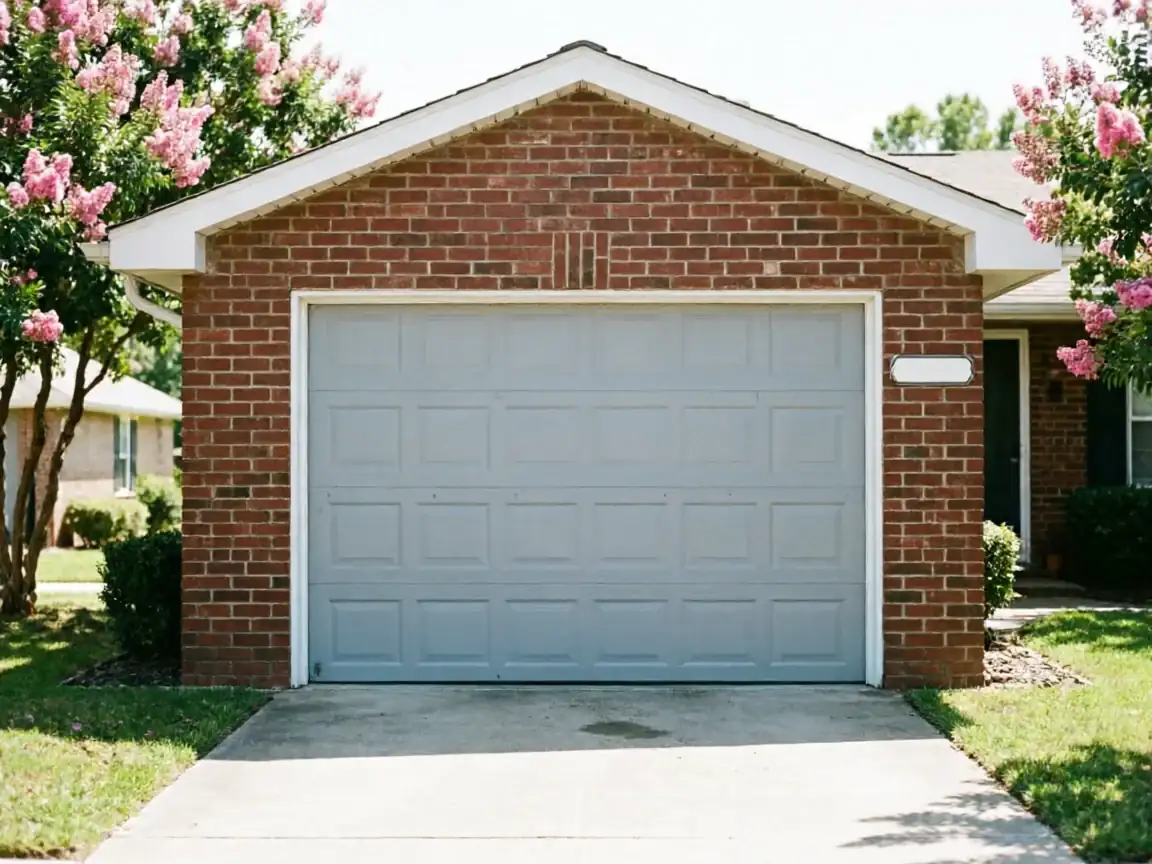
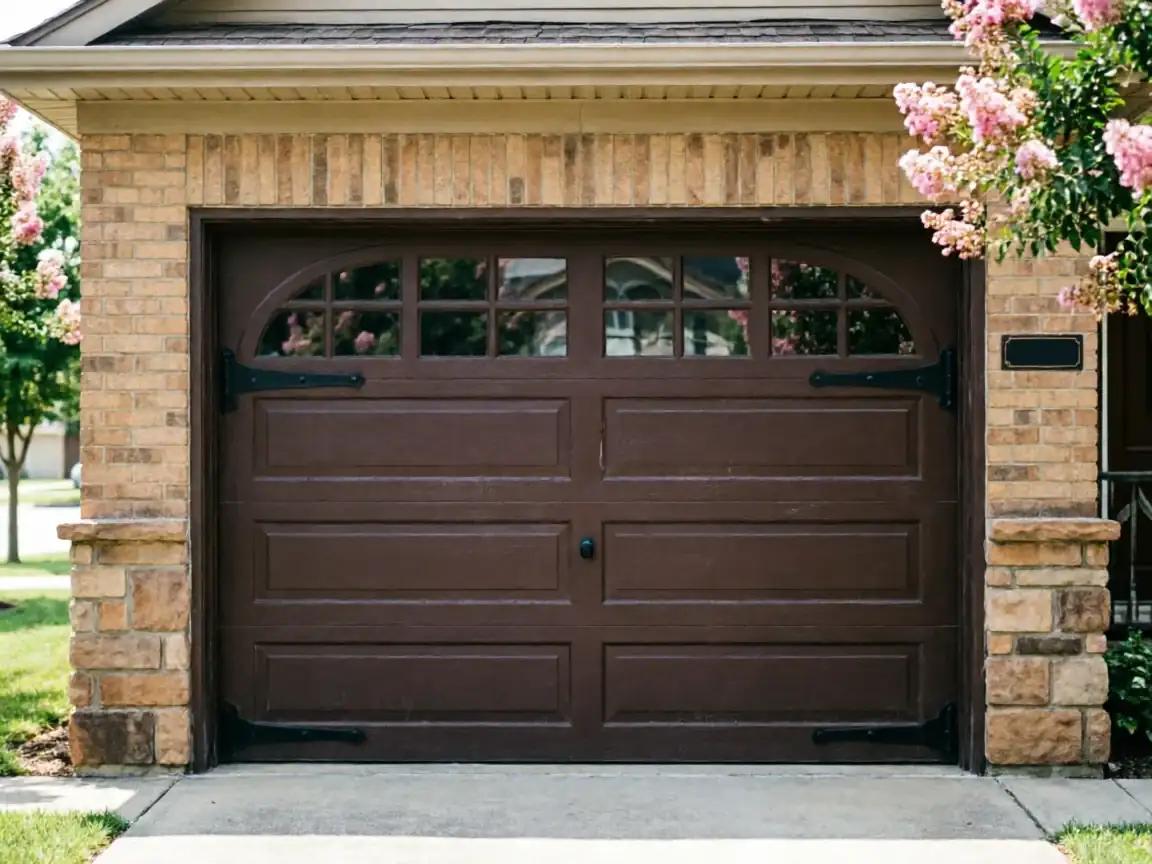
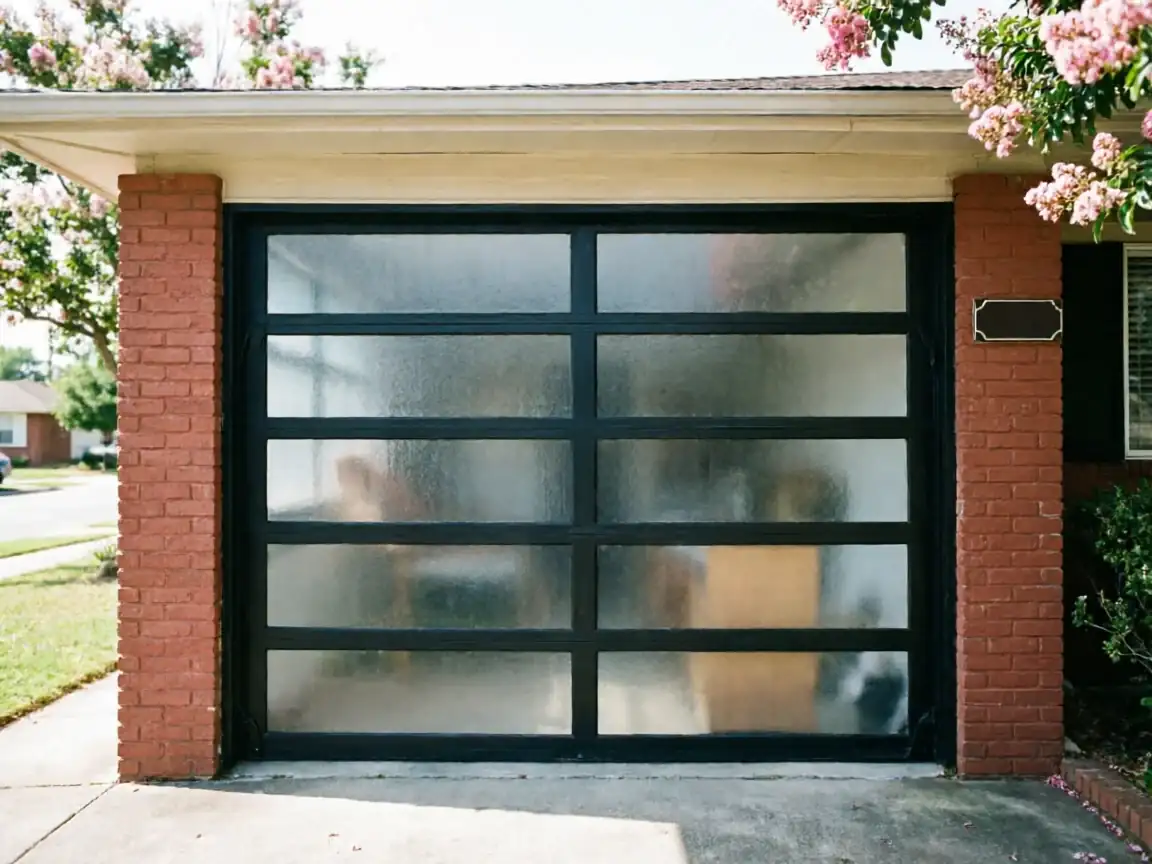
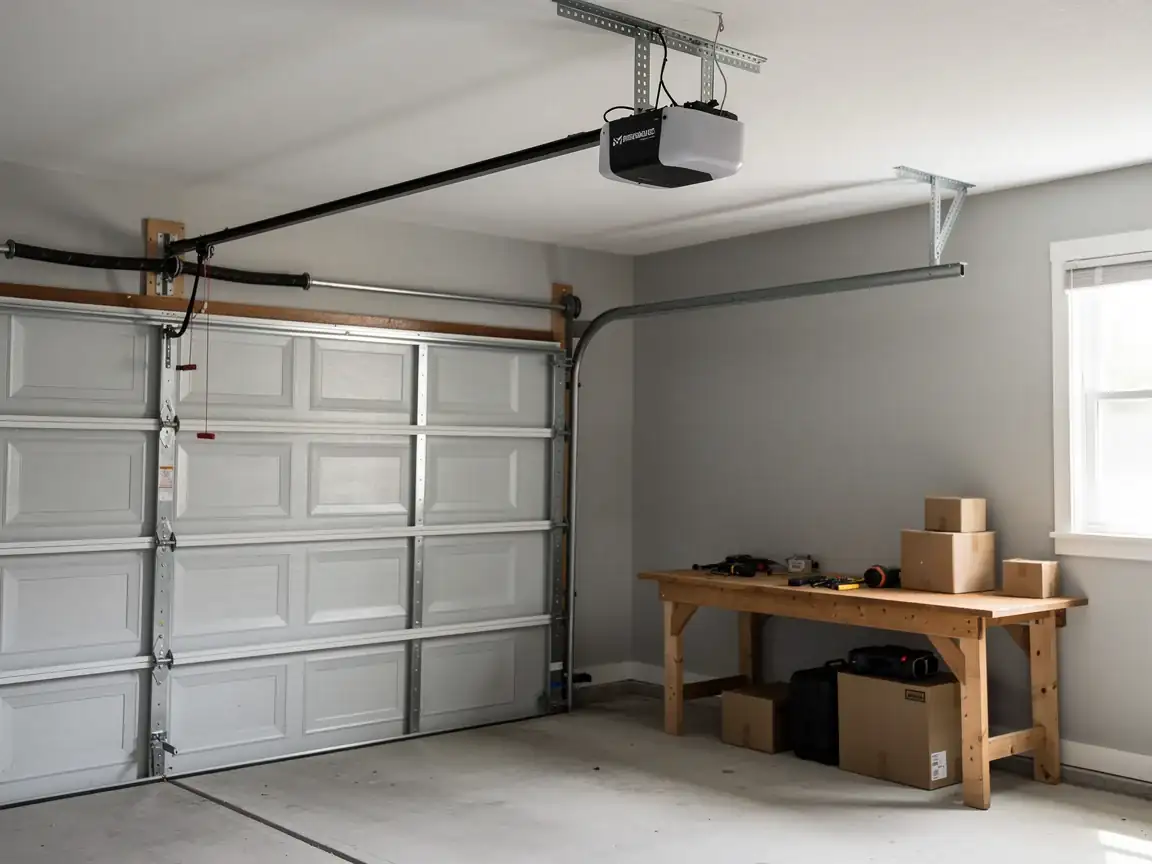
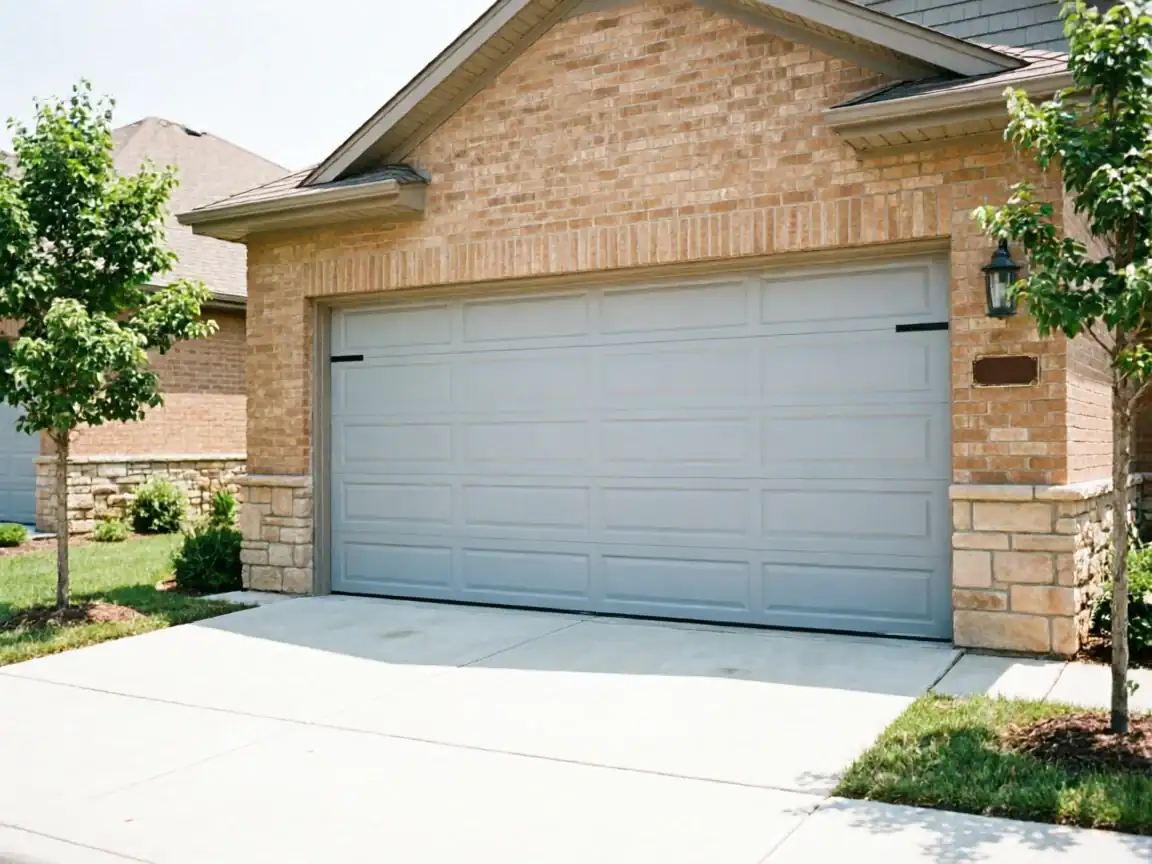
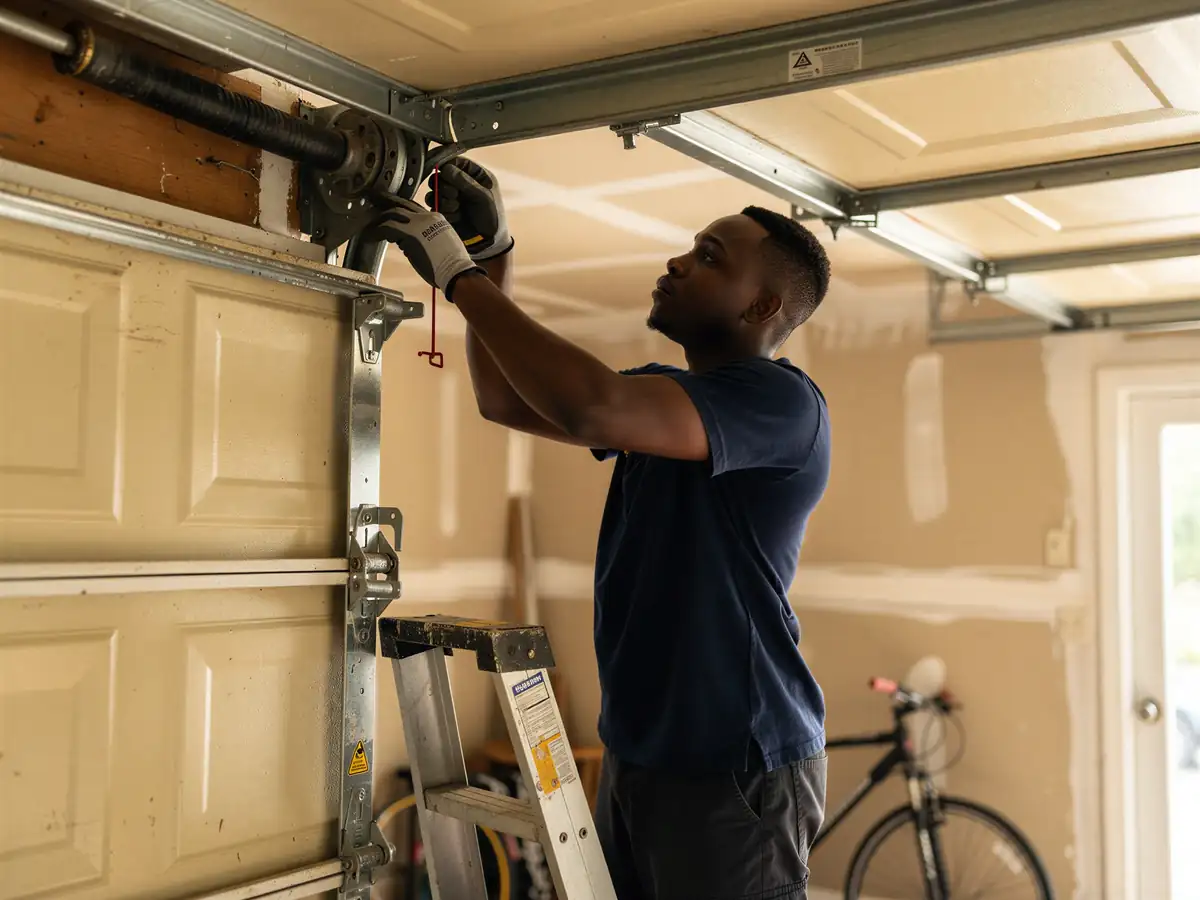
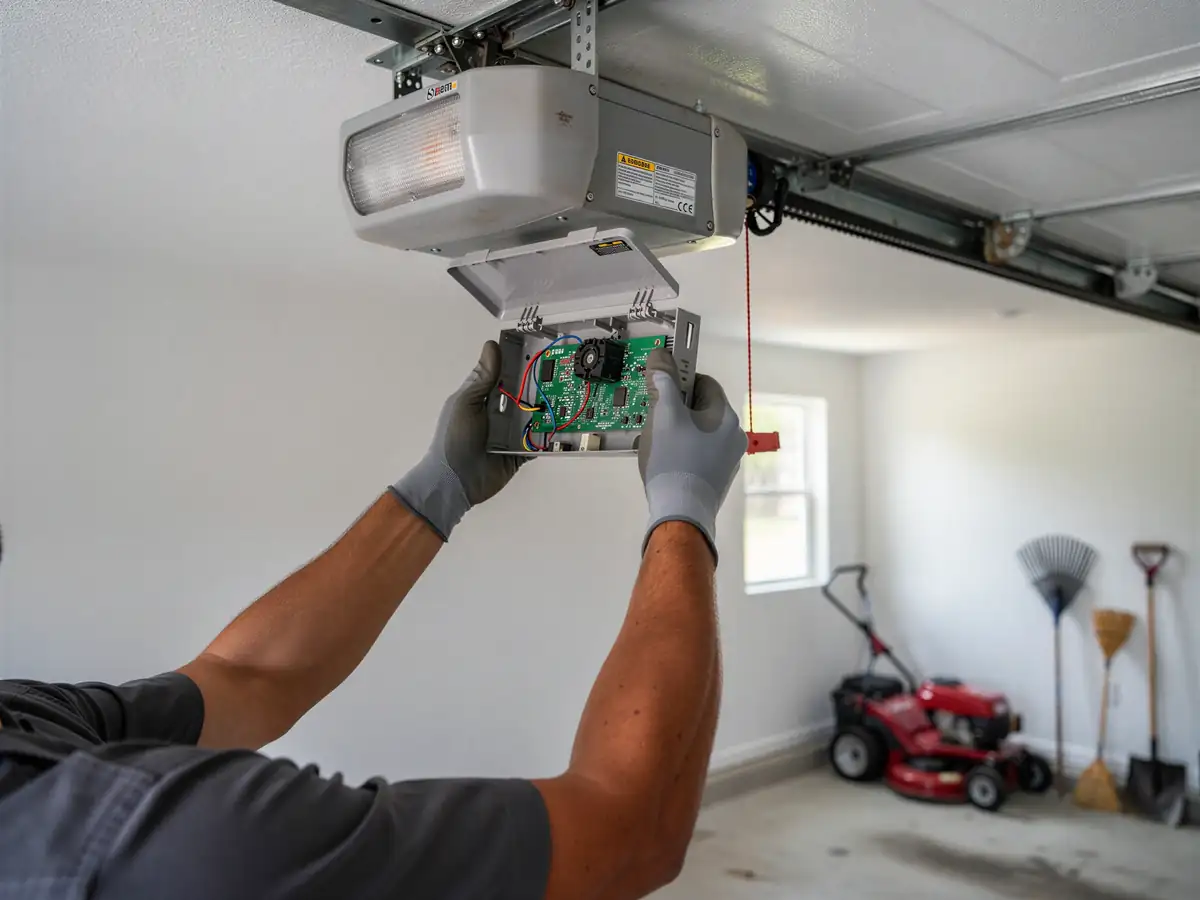
Melissa's housing stock runs newer than a lot of what we see elsewhere on our route, with a median build year of 2015. That matters for opener work because houses from this era came with steel sectional doors paired with chain-drive or belt-drive openers and rolling-code remotes as standard builder-grade equipment, not the older screw-drive units or manual chain hoists you find in a 1970s or 80s neighborhood. The repair usually isn't about replacing a worn-out mechanical system - these units aren't old enough for that yet. It's circuit boards, logic boards, sensor alignment, and the occasional motor or capacitor failure on a unit that's maybe ten to fifteen years old at most. We start by checking the control board and safety sensor wiring before we touch anything mechanical, because on newer installs that's where the fault usually sits. If the opener is original to the house, we also check whether the manufacturer still supports that board at all, since some builder-installed units get phased out of parts production faster than people expect.
The Symptom
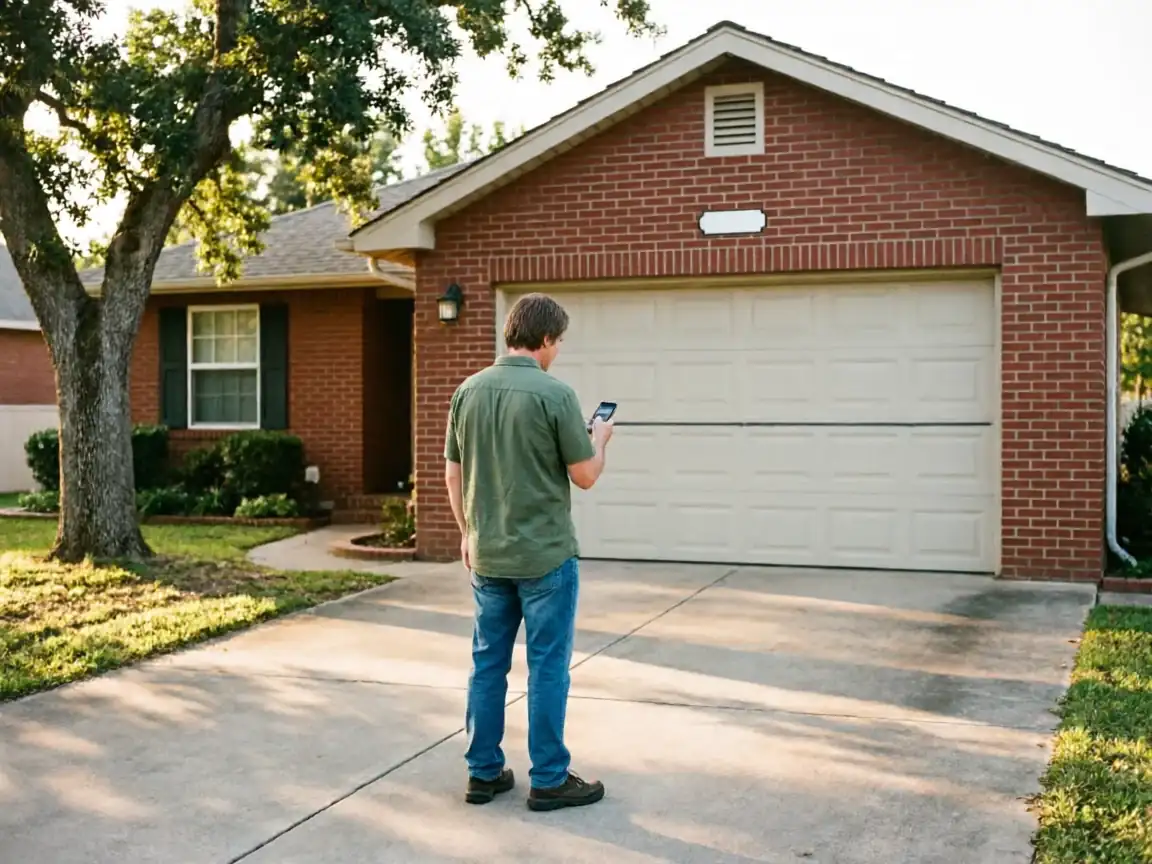
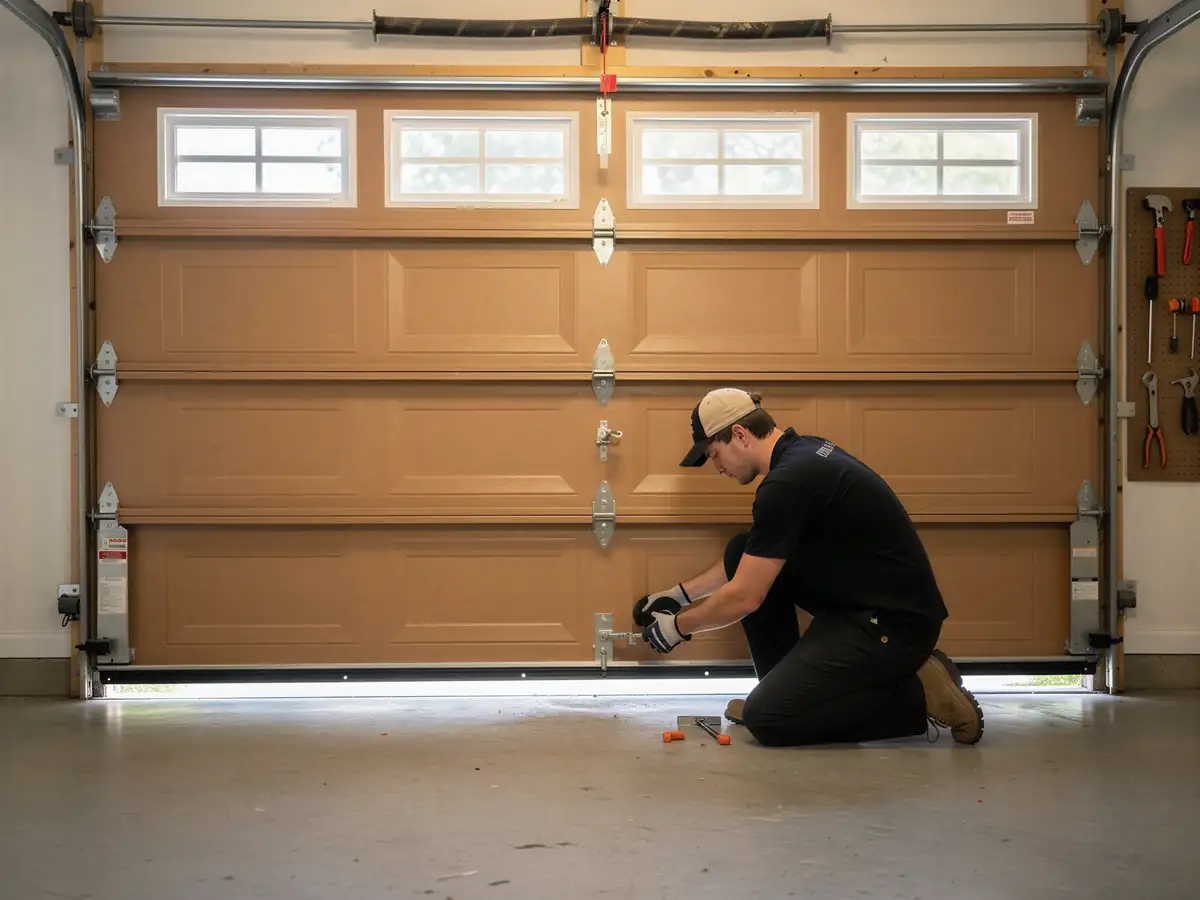
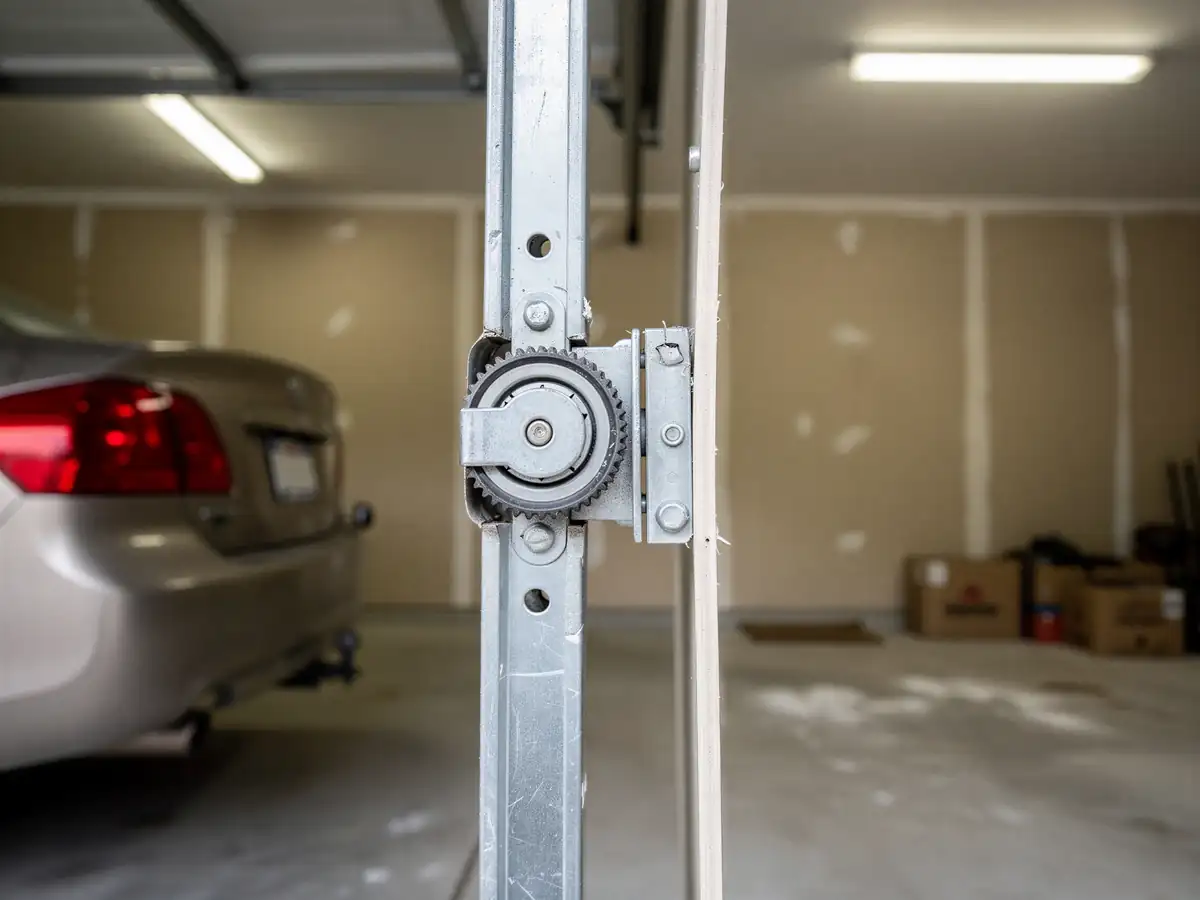
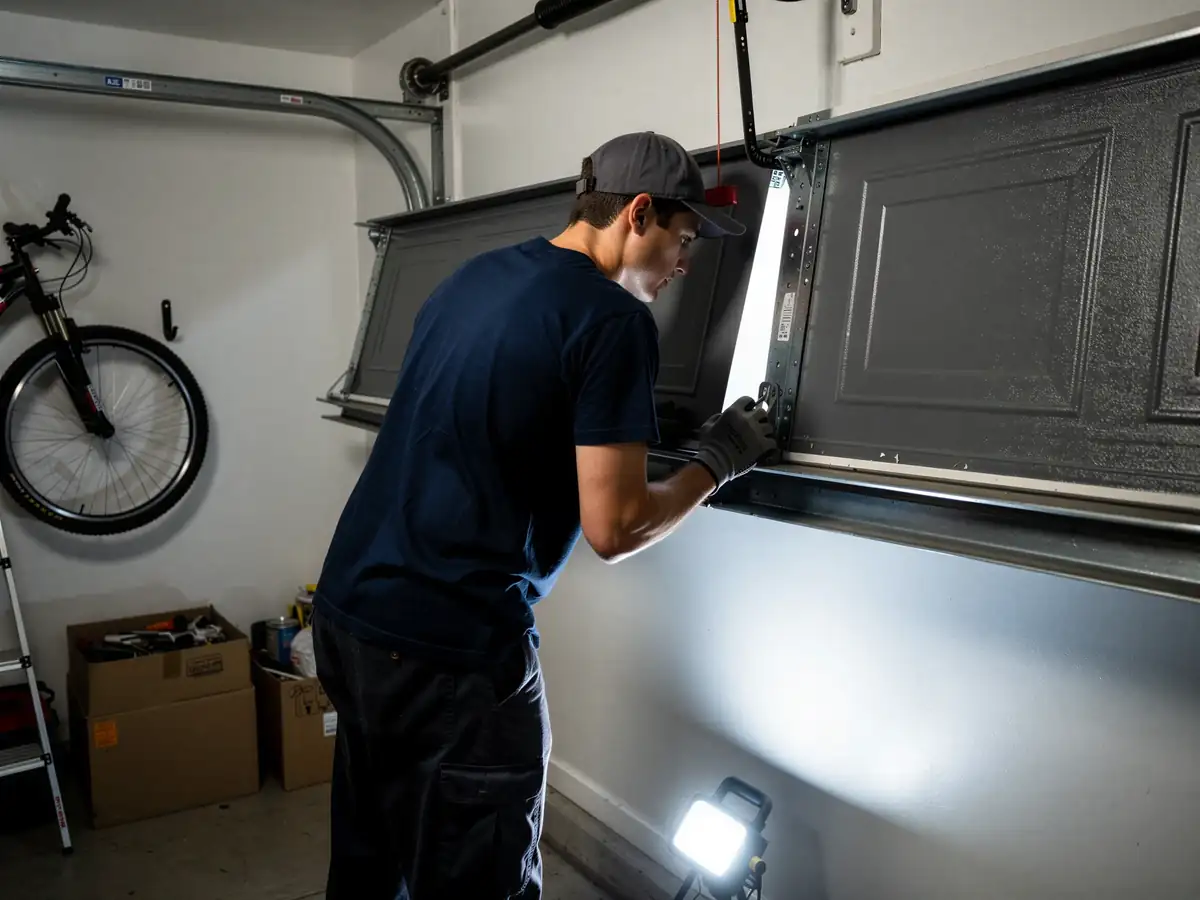
The door won't close, or it closes partway and reverses, or the wall button does nothing but the remote still works. On newer builds like most of what's in Melissa, this is almost always a safety sensor issue - a sensor knocked out of alignment, a hairline crack in the sensor eye, or a wire pinched somewhere along the track. Sometimes it's the logic board itself losing sync with the remotes, which shows up as intermittent response rather than total failure. We also see capacitor failure on belt and chain-drive motors that have been running for several years under regular use - the door seems to strain, stall, or hum without moving. Less common here, because the housing is newer, is worn-out gearing or a stripped drive mechanism, which tends to show up more in older openers elsewhere in the area.
What You Pay
We don't have a published price list to quote here, and opener repair cost depends on what's actually failed - a sensor realignment costs a lot less than a logic board or motor replacement. What we can say is that newer openers like the ones common in Melissa often cost more to repair than older units, simply because the circuit boards are proprietary to the manufacturer and not interchangeable the way an old relay switch was. If a board isn't available or costs close to what a new opener runs, we'll tell you straight - sometimes replacement is the better math, especially on a unit still within its original operating life.
Stocked Parts
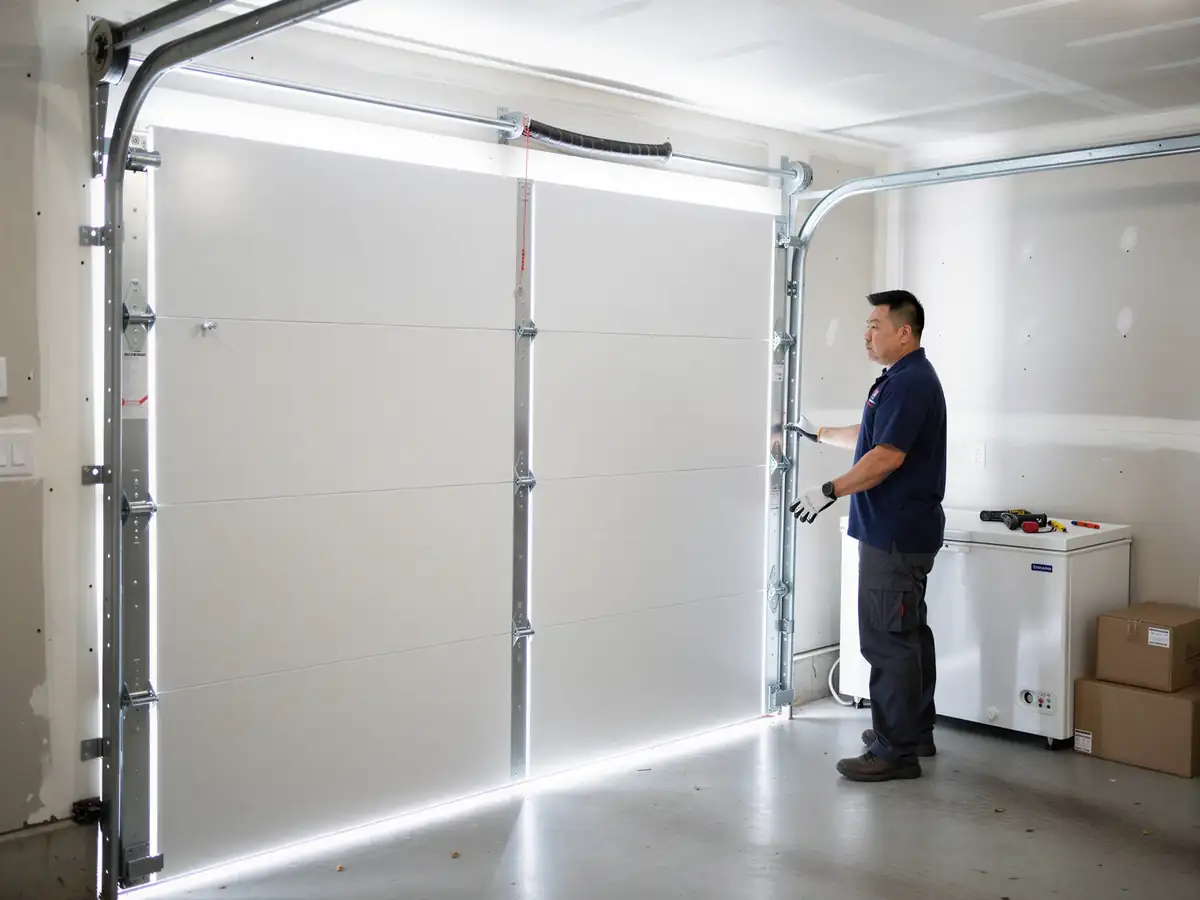
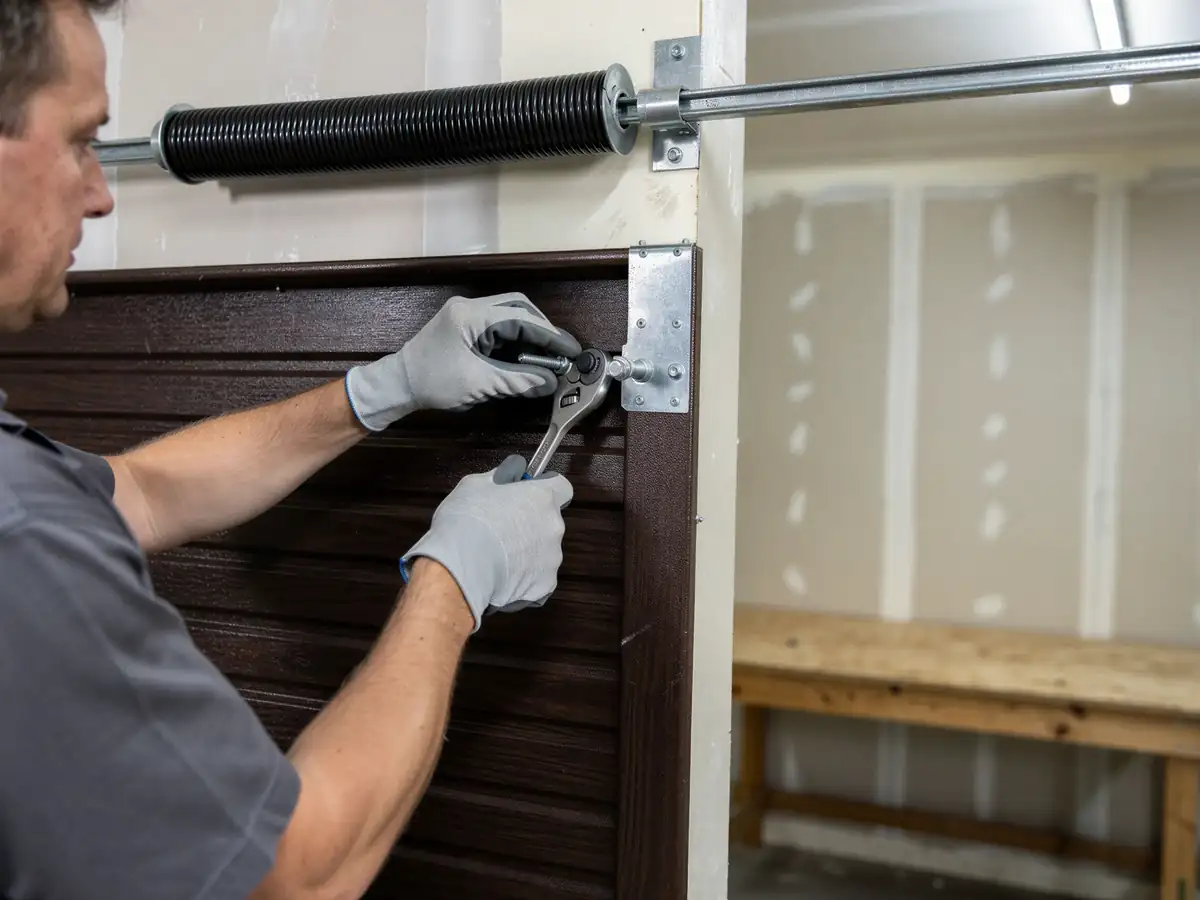
We carry common safety sensors, standard remotes, and wall control units on the truck, which covers most of what fails on a newer opener. Logic boards and manufacturer-specific control boards are a different story - those are often tied to a specific brand and sometimes a specific production run, and we may need to order the exact board rather than pull one off the shelf. That's the honest limitation: if your opener needs a board we don't carry, we'll tell you the lead time before we start rather than after.