What the Repair Takes
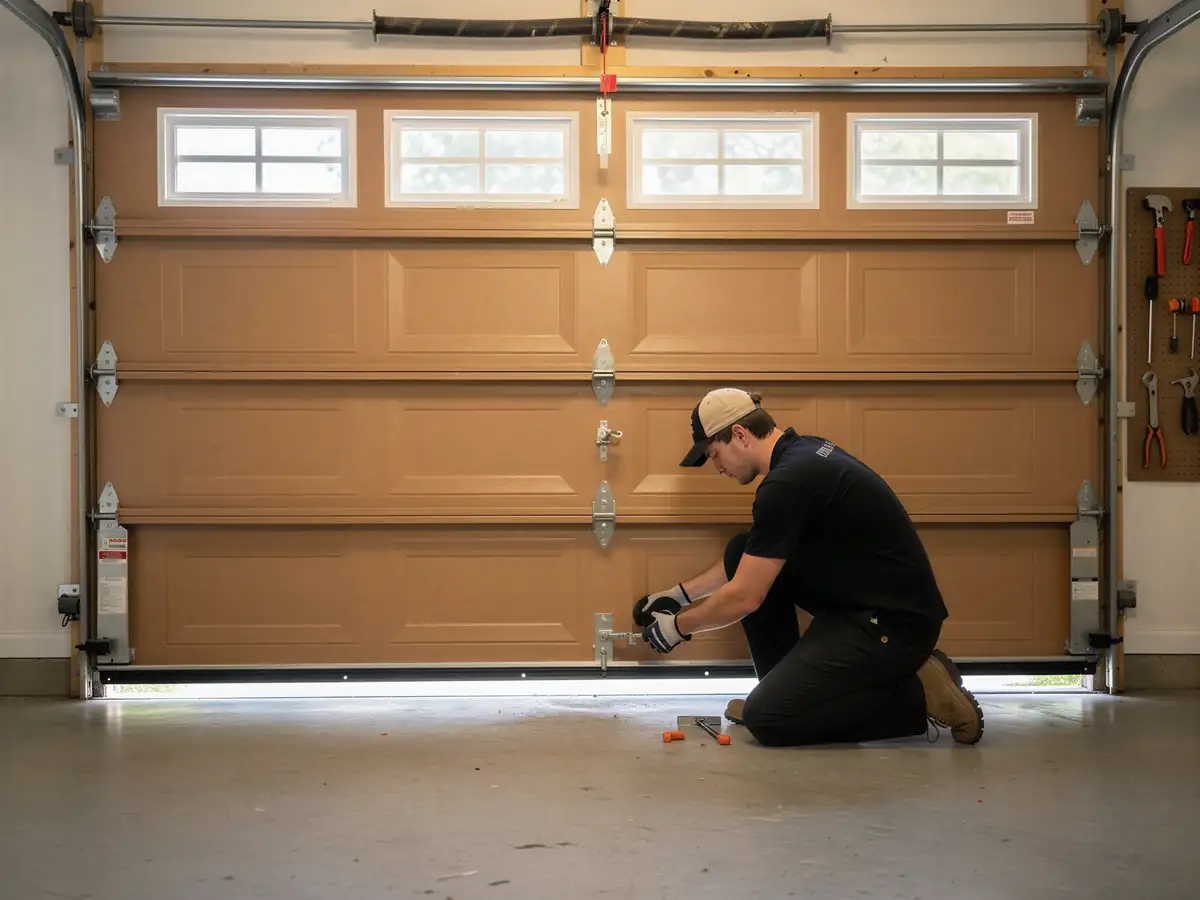
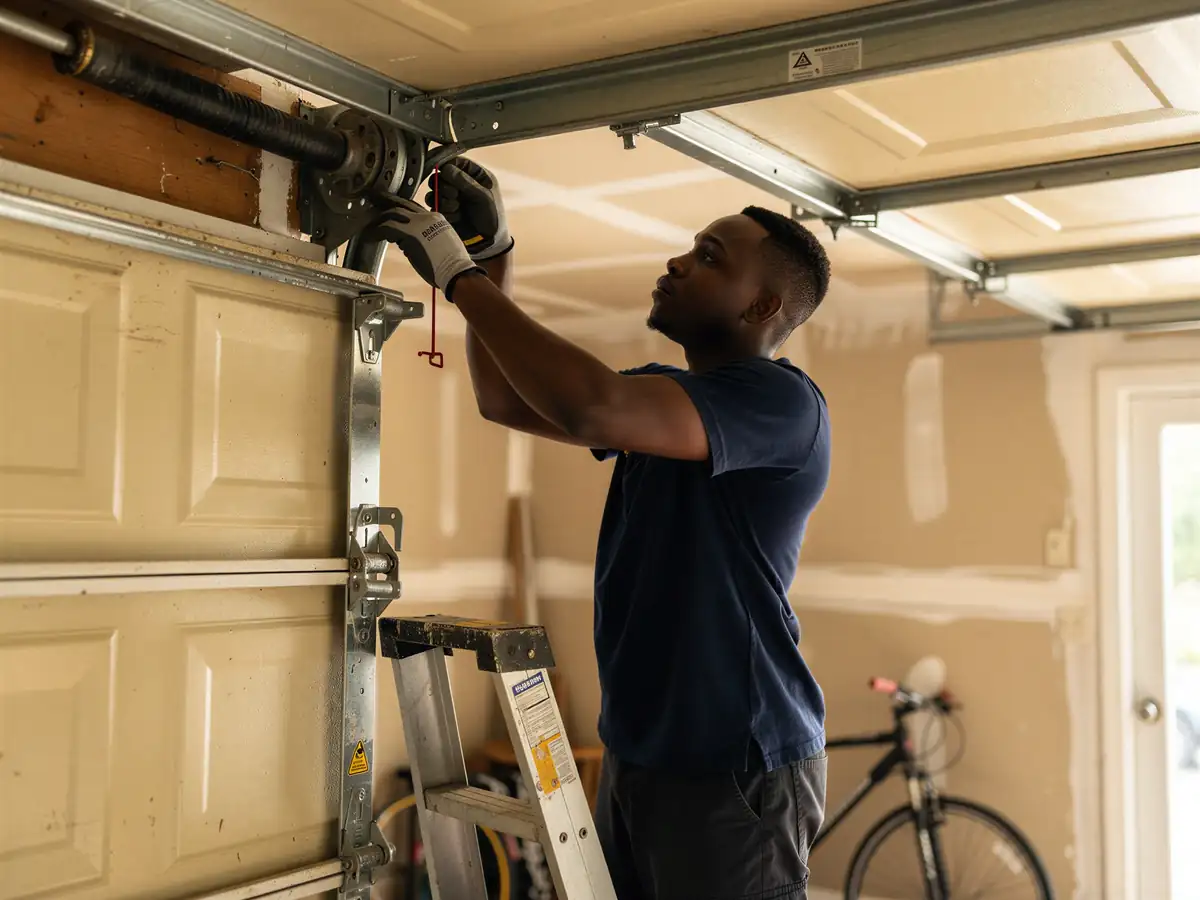
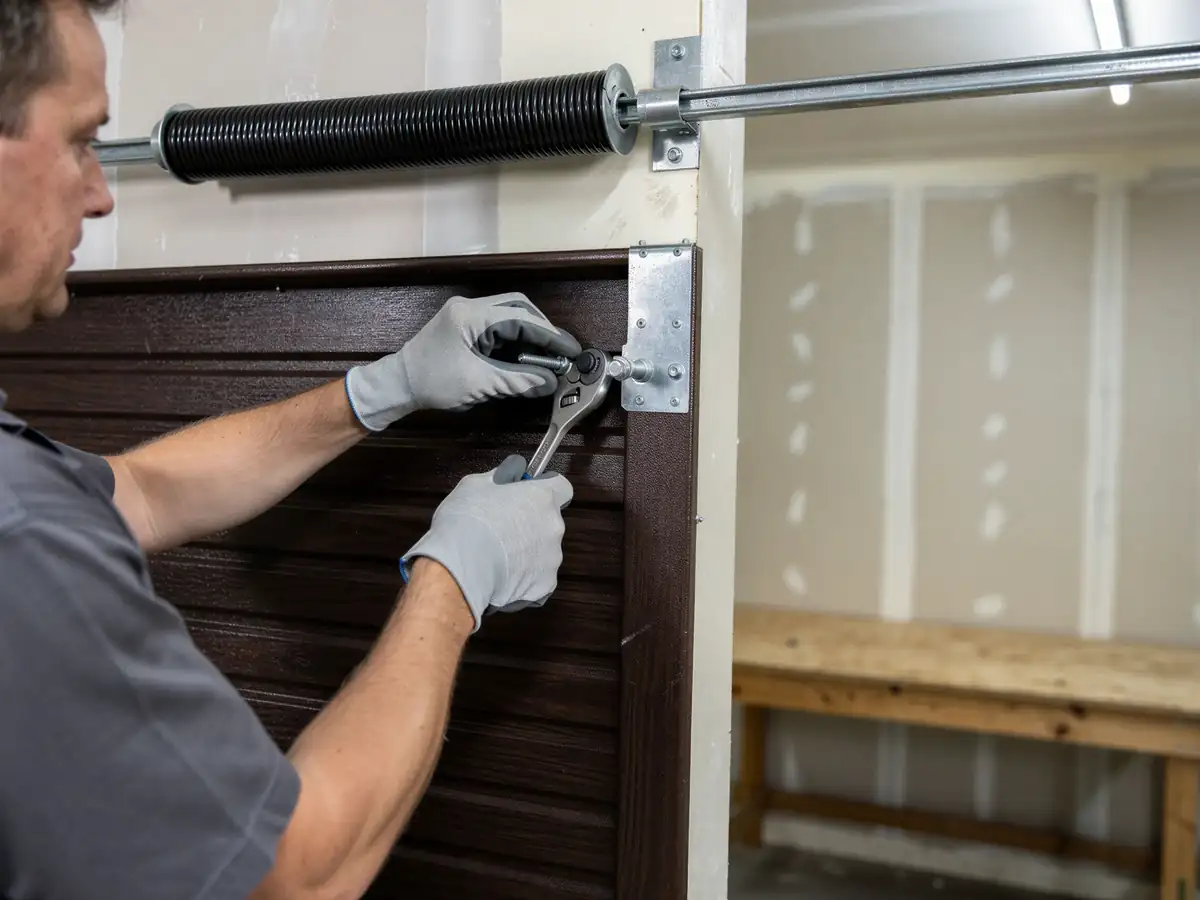
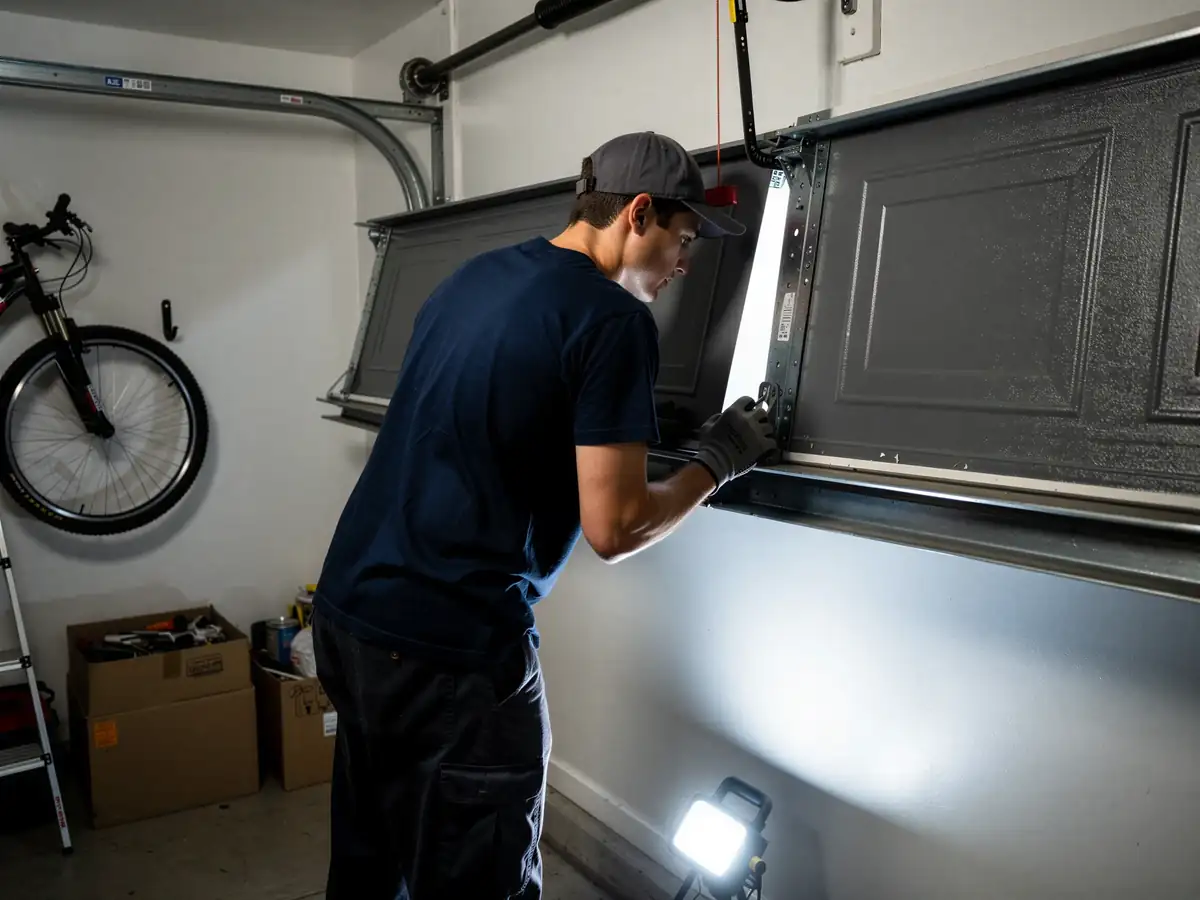
Start with the number that actually matters here: Melissa's median household income is $137,875, among the highest in the territory we cover. That matters because it moves the repair-or-replace line. On an older, lower-income street, a homeowner facing a cracked panel and a worn opener might patch both and wait. In Melissa, the math usually points the other way - if a 2015-built door needs a new opener, new springs, and new rollers in the same visit, replacing the whole unit often costs less over five years than three separate service calls. We still fix what's fixable. A single broken spring or a bent track doesn't need a new door just because the house can afford one. The repair takes exactly as long as the parts list on hand that day: a spring swap, a roller replacement, a sensor realignment. What it doesn't take is guesswork about whether the hardware is original - at a median build year of 2015, it almost always is, and that tells the tech what torsion size and opener model to expect before the truck even leaves Wylie."
The Symptom
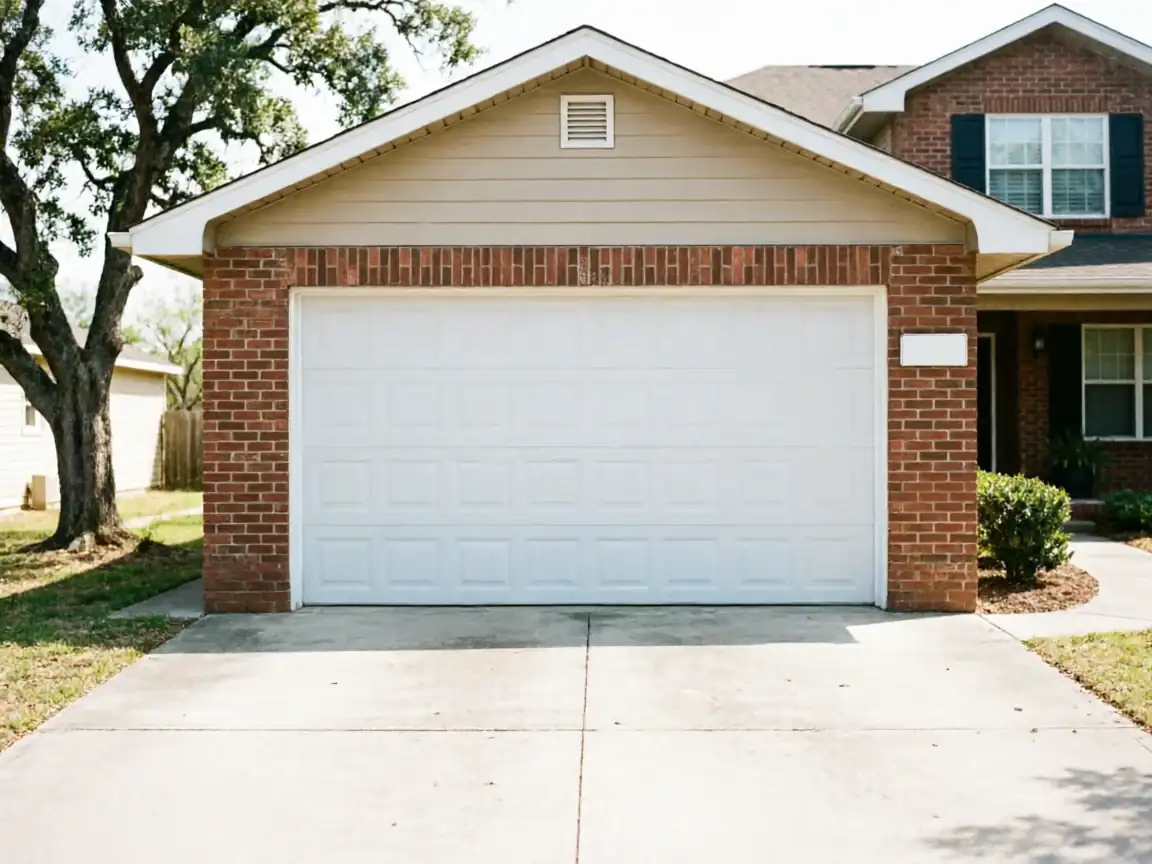
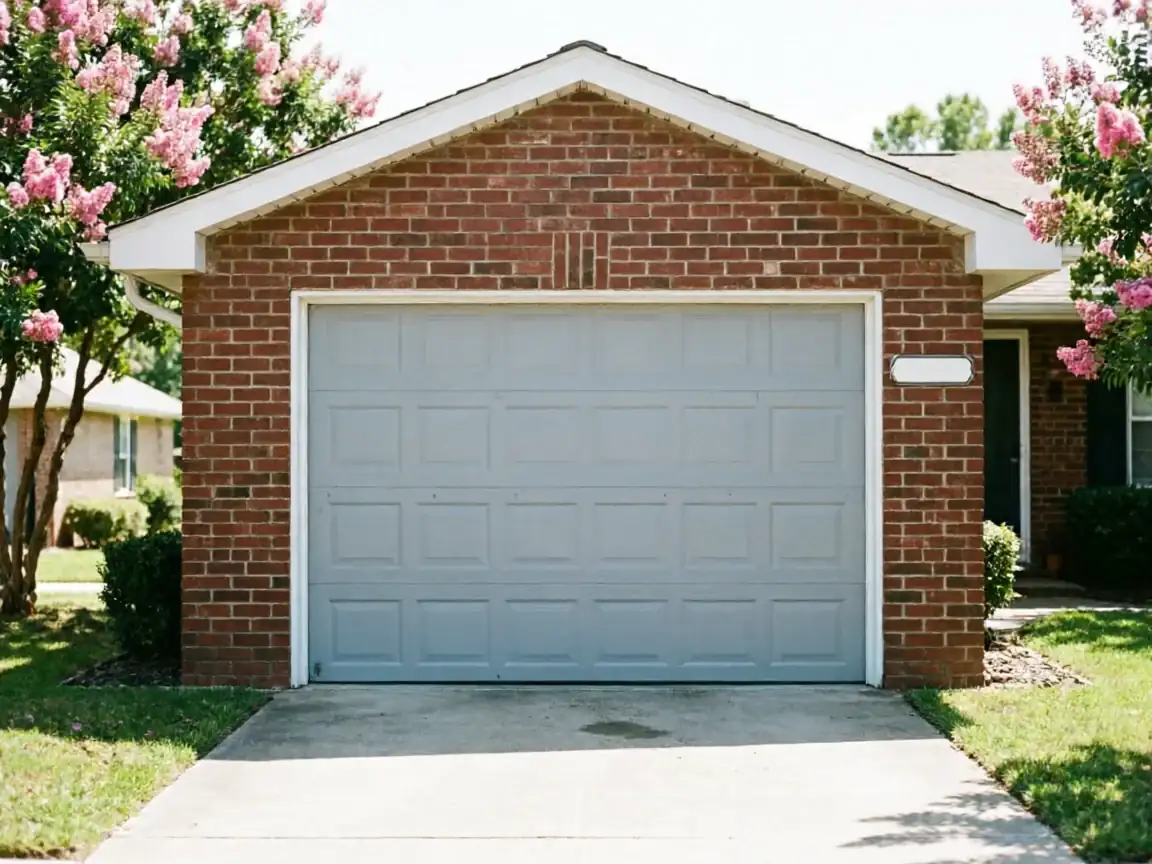
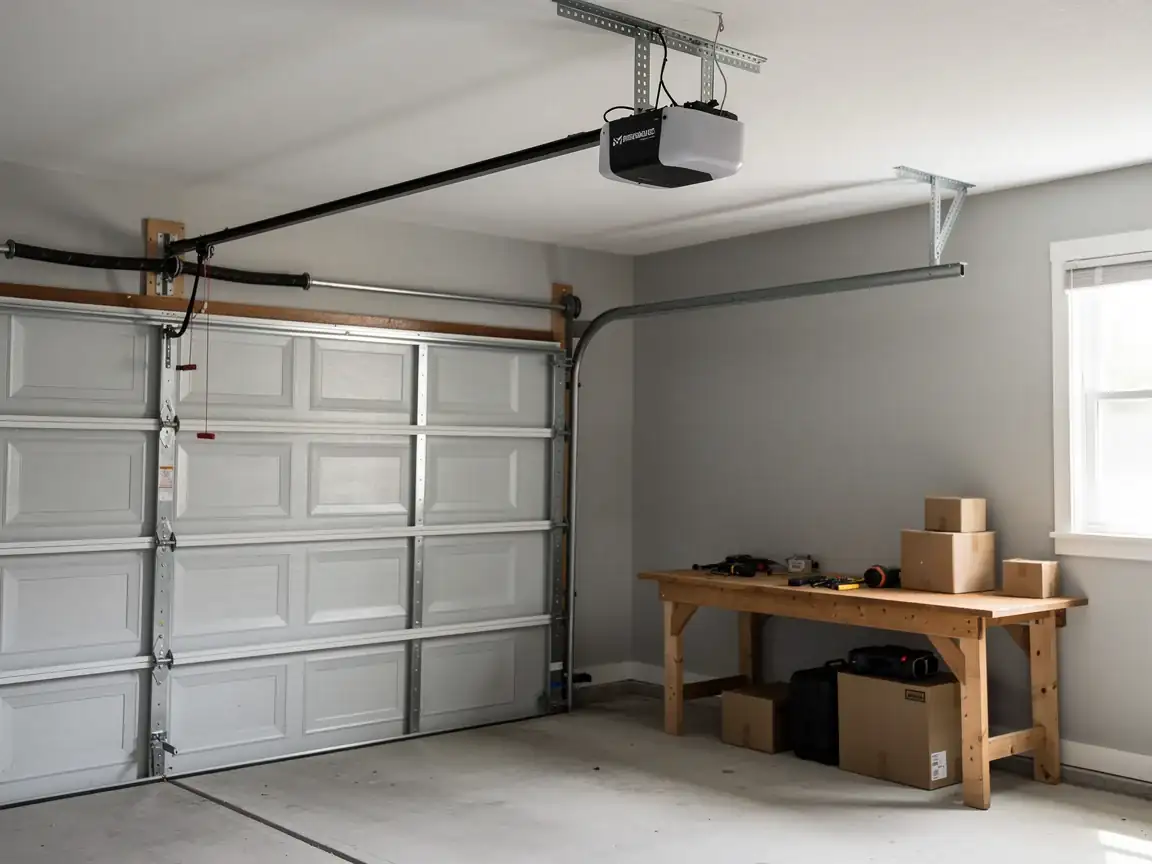
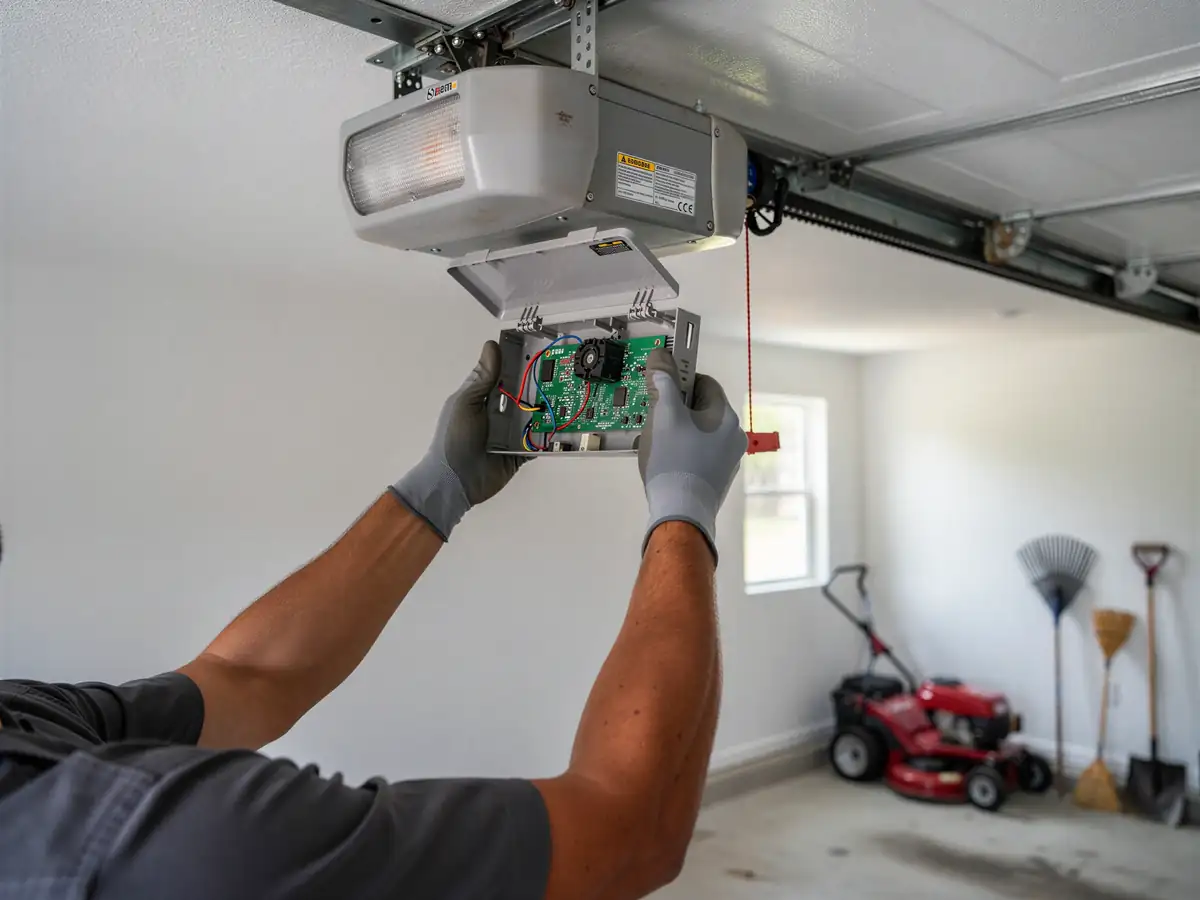
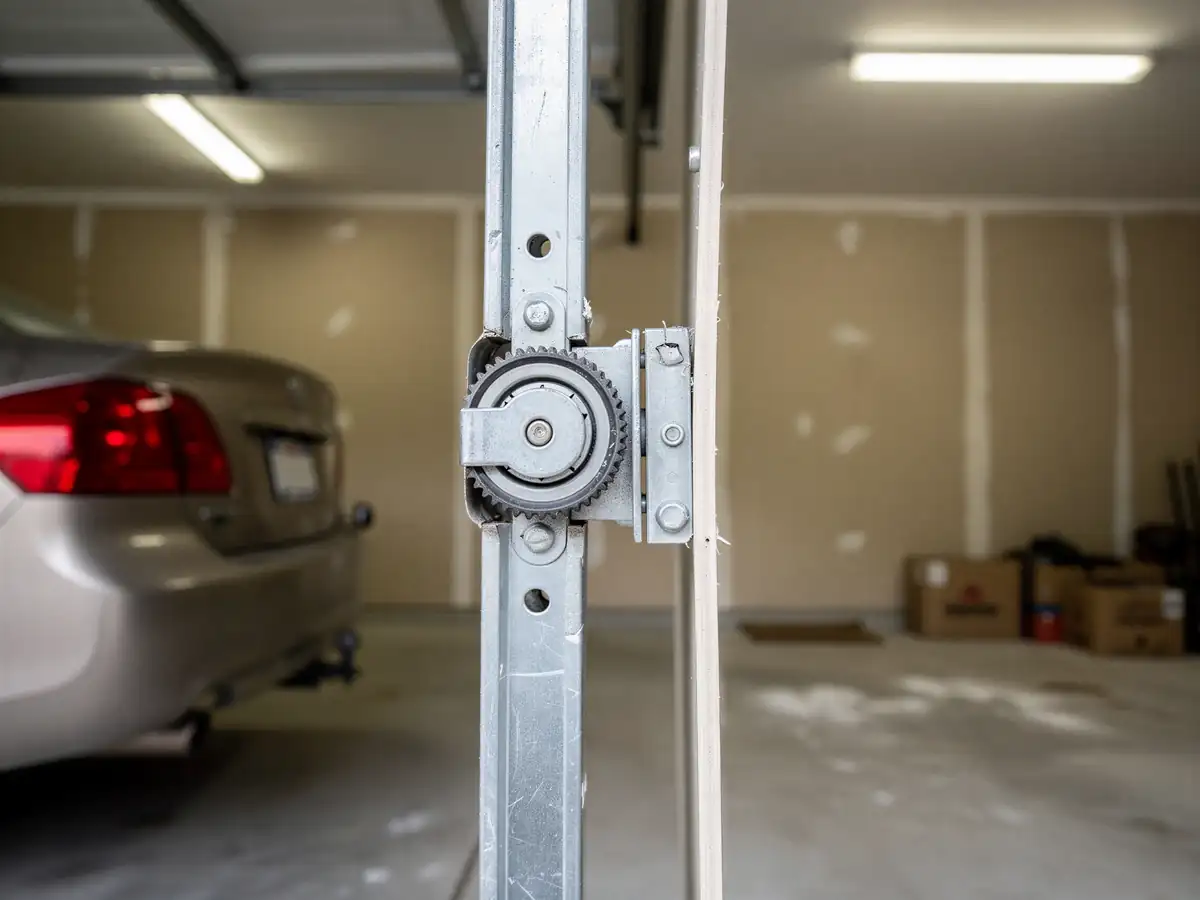
Most Melissa service calls track back to housing built in the 2010s boom, and the symptoms match that age. Steel rollers that shipped standard on builder-grade doors start grinding around the ten-to-fifteen-year mark, which is exactly where this town's housing stock sits now. You'll hear it before you see it - a rhythmic scrape or clunk as the door travels, worse in cold snaps when the mild-with-occasional-freeze winters here stiffen the nylon rollers and PVC weatherseal. Openers from that same construction wave are starting to show their age too: a chain drive that used to run quiet now has slack, or a keypad that worked for eight years suddenly needs three tries. None of this is storm damage or foundation settling - it's parts reaching the end of a normal service life on a door that was installed once, during construction, and never touched since. The honest version: if your house went up anywhere near 2015, assume the door hardware is original until proven otherwise.
What You Pay
We don't have a posted price list for this page, and we're not going to invent one. What we can say is how the income figure shapes the decision homeowners here actually make. At $137,875 median household income, a full opener-plus-spring replacement is less often a budget decision and more often a timing one - people here tend to ask whether to do it now or wait for the next failure, not whether they can afford it at all. That changes the conversation on site: less haggling over whether a repair is worth doing, more questions about whether replacing now avoids a second visit later. For a single spring or a sensor fix, the job stays small regardless of the house's value. The honest limitation: we won't quote a number without seeing the door, because a 2015-era door with original hardware and a 1990s door with retrofitted parts need completely different parts lists even if the symptom looks the same from the driveway.
Stocked Parts
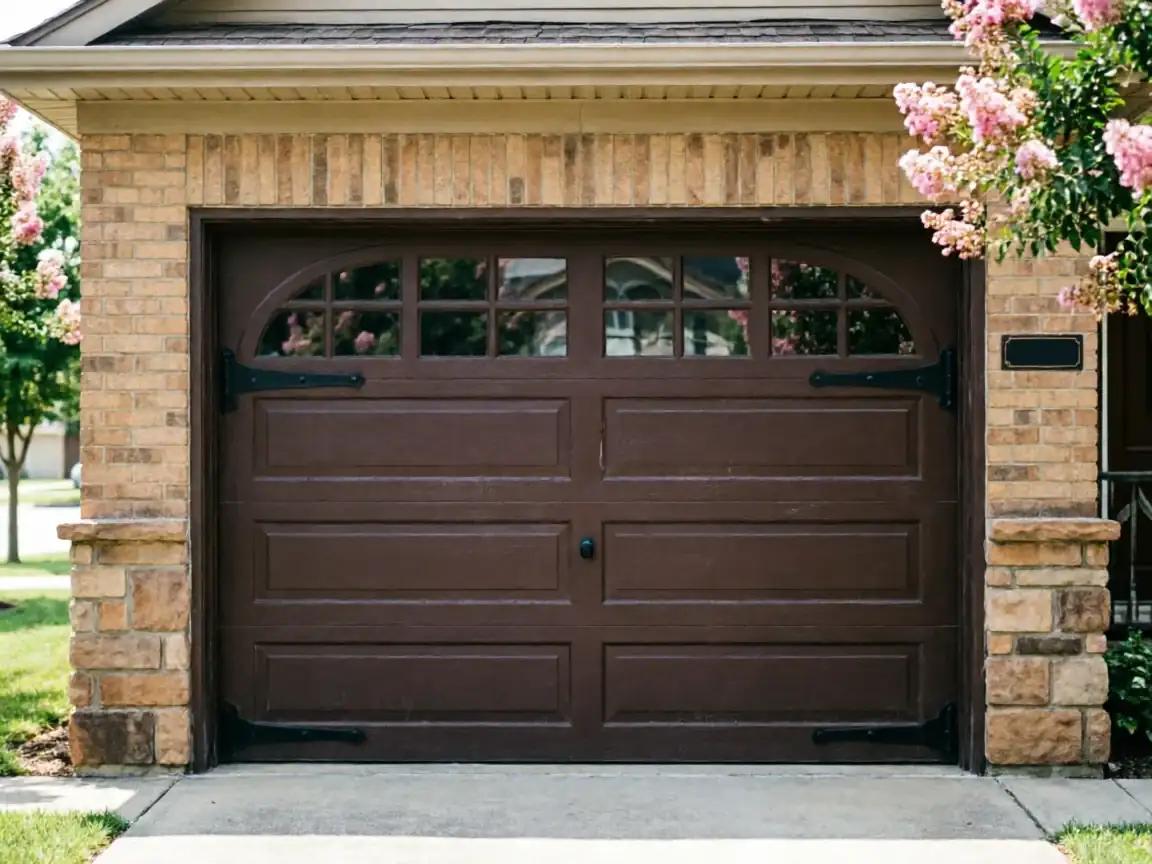
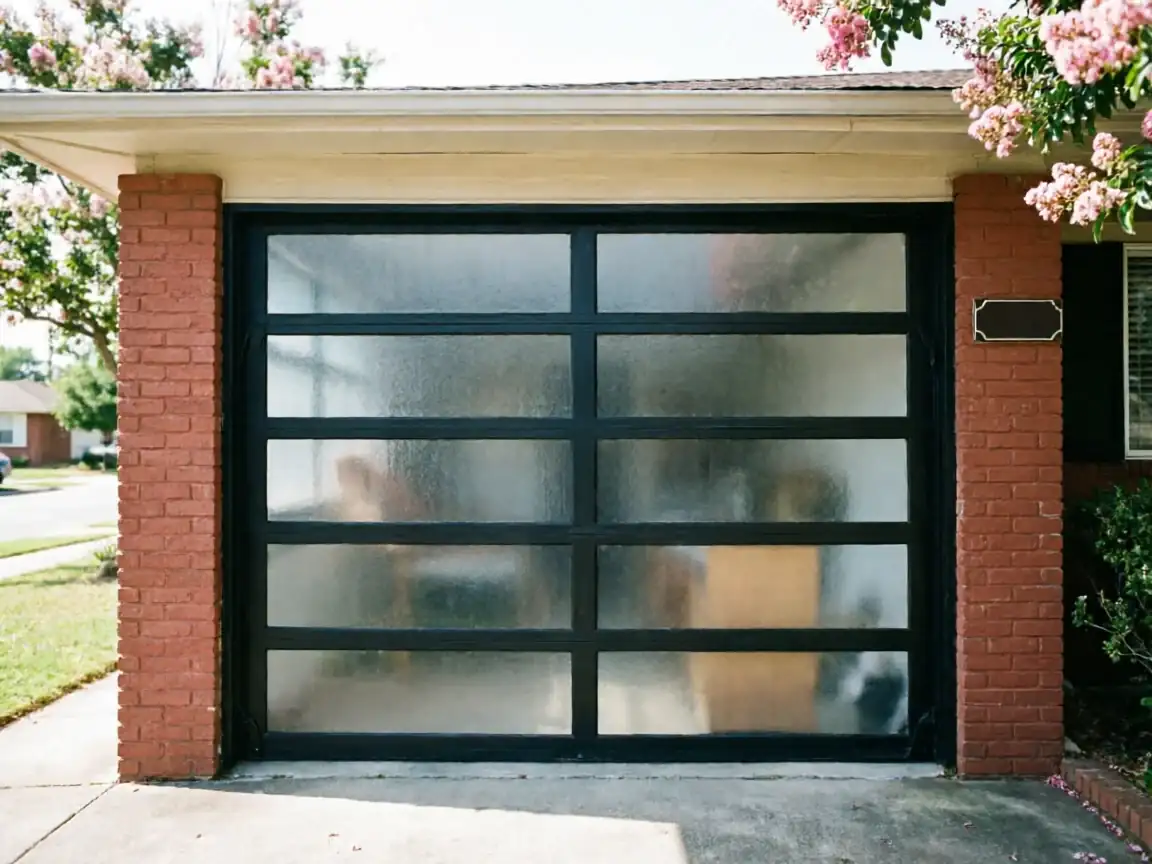
The truck carries what a 2015-median housing stock needs most: standard torsion springs sized for builder-grade double and single doors, steel and nylon rollers, and the sensor and keypad hardware that matches openers from that construction era. That's deliberate - across the roughly 5,333 households in Melissa, the doors are young enough and similar enough in age that the common failures repeat: worn rollers, a spring at the end of its cycle count, a sensor knocked out of alignment. What's less likely to be on the truck is a part for a custom or high-end door outside that standard builder spec - those jobs sometimes need a special order, and we'll tell you that up front rather than make a second trip look like the plan all along. Mild winters with occasional freeze don't demand heavy-duty cold-weather seals the way harsher climates do, so the stocked weatherseal and insulation options are standard grade, not the upgraded kind some colder regions carry as default stock.