What the Repair Takes
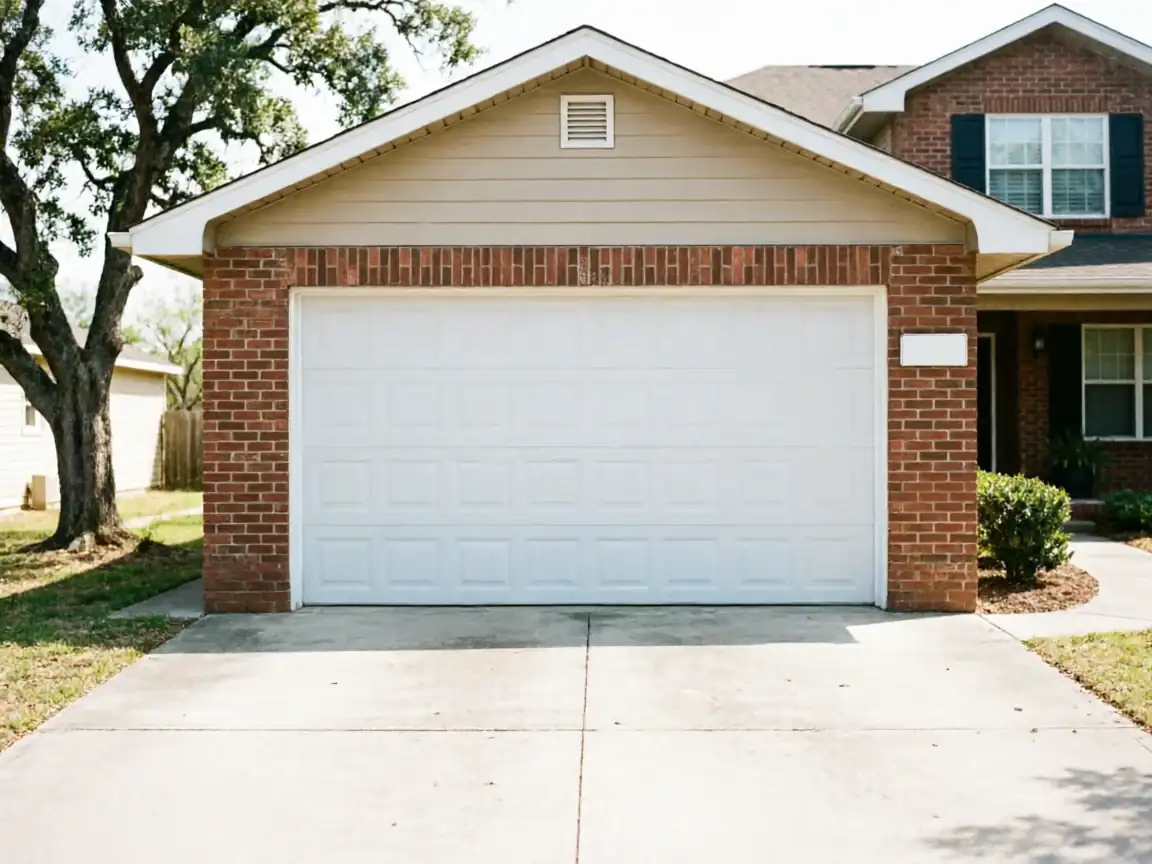
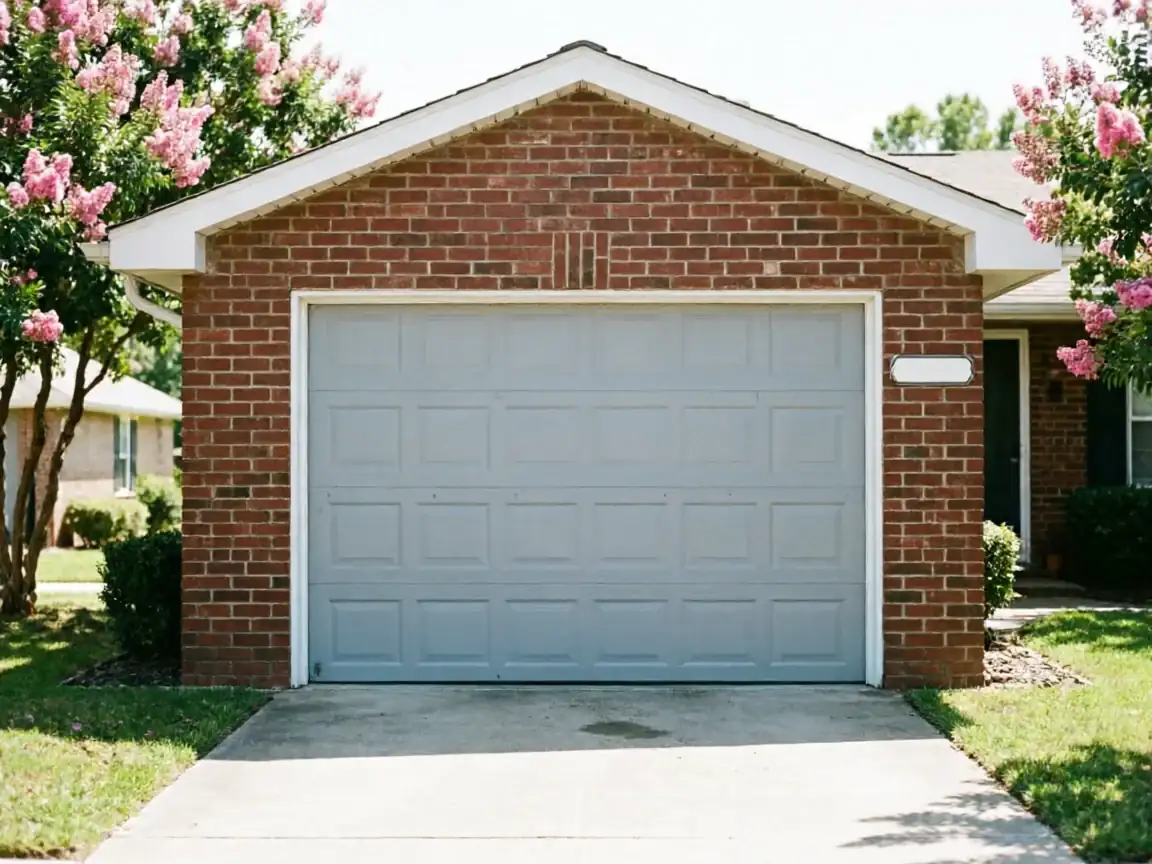
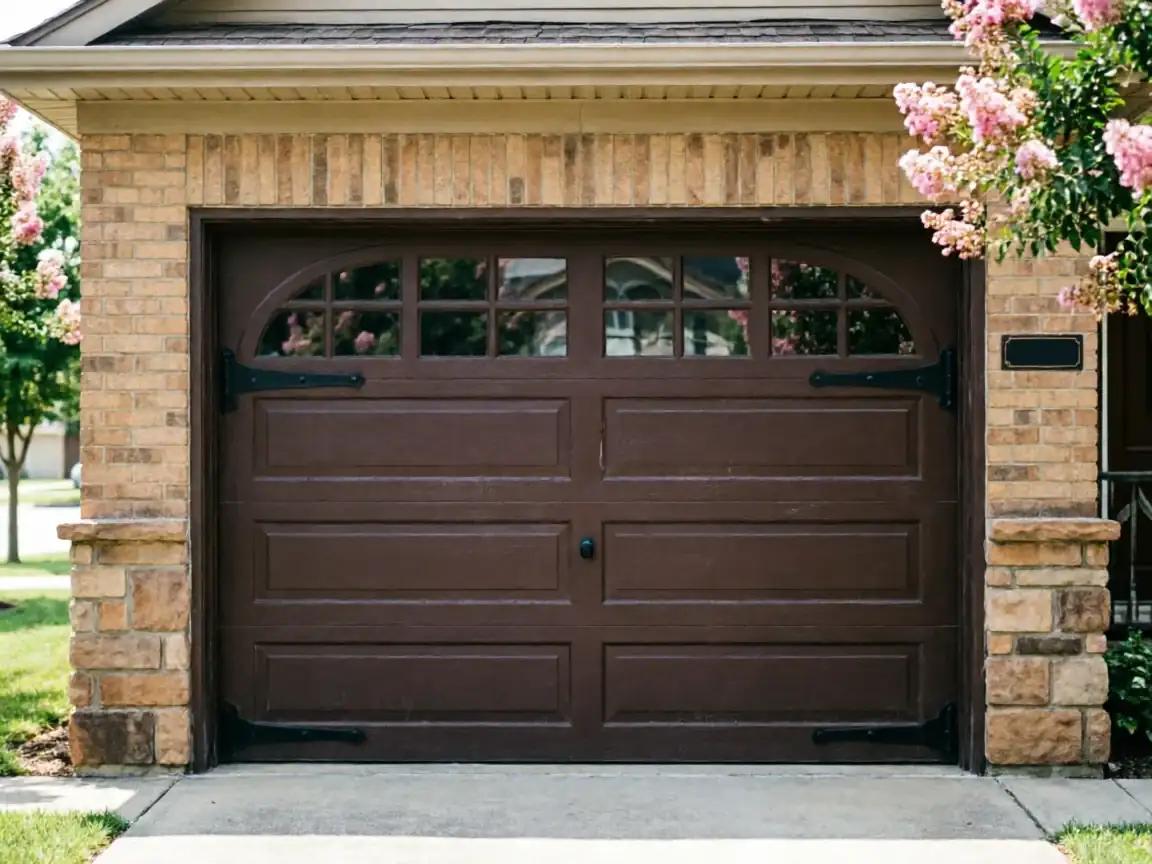
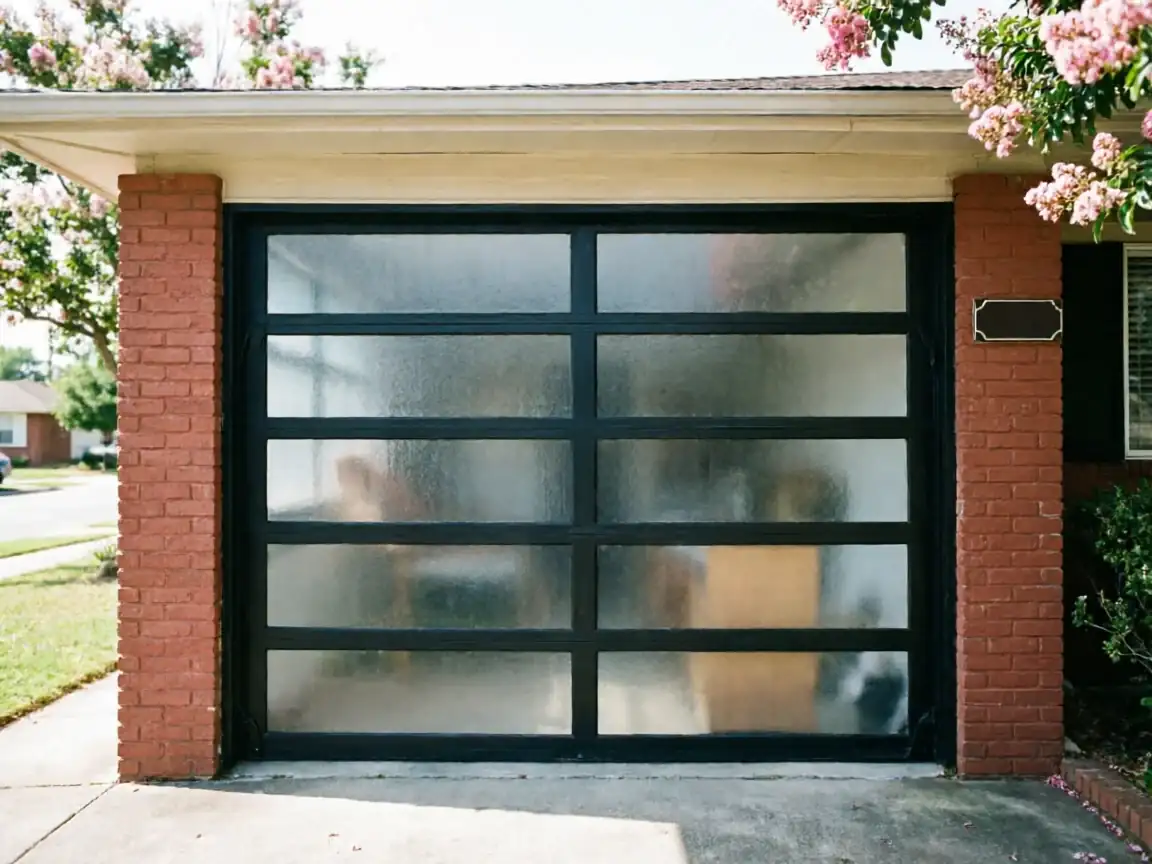
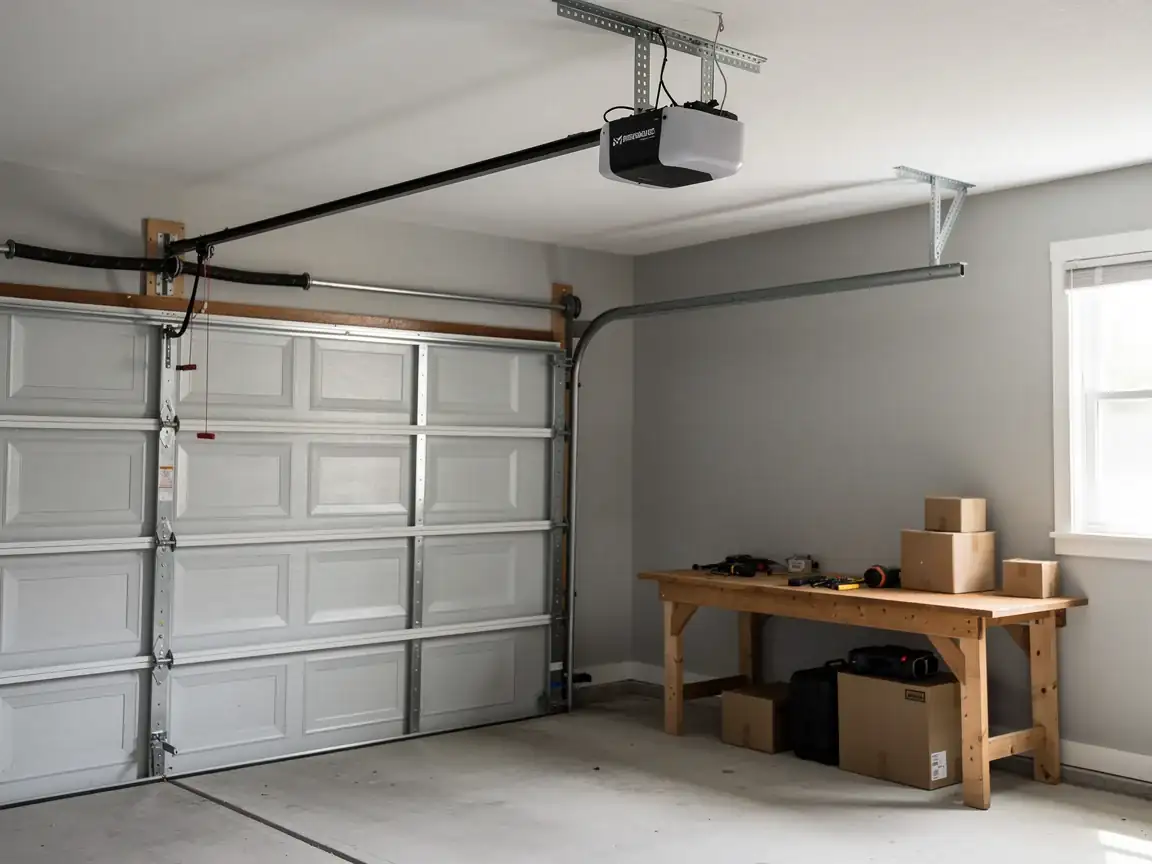
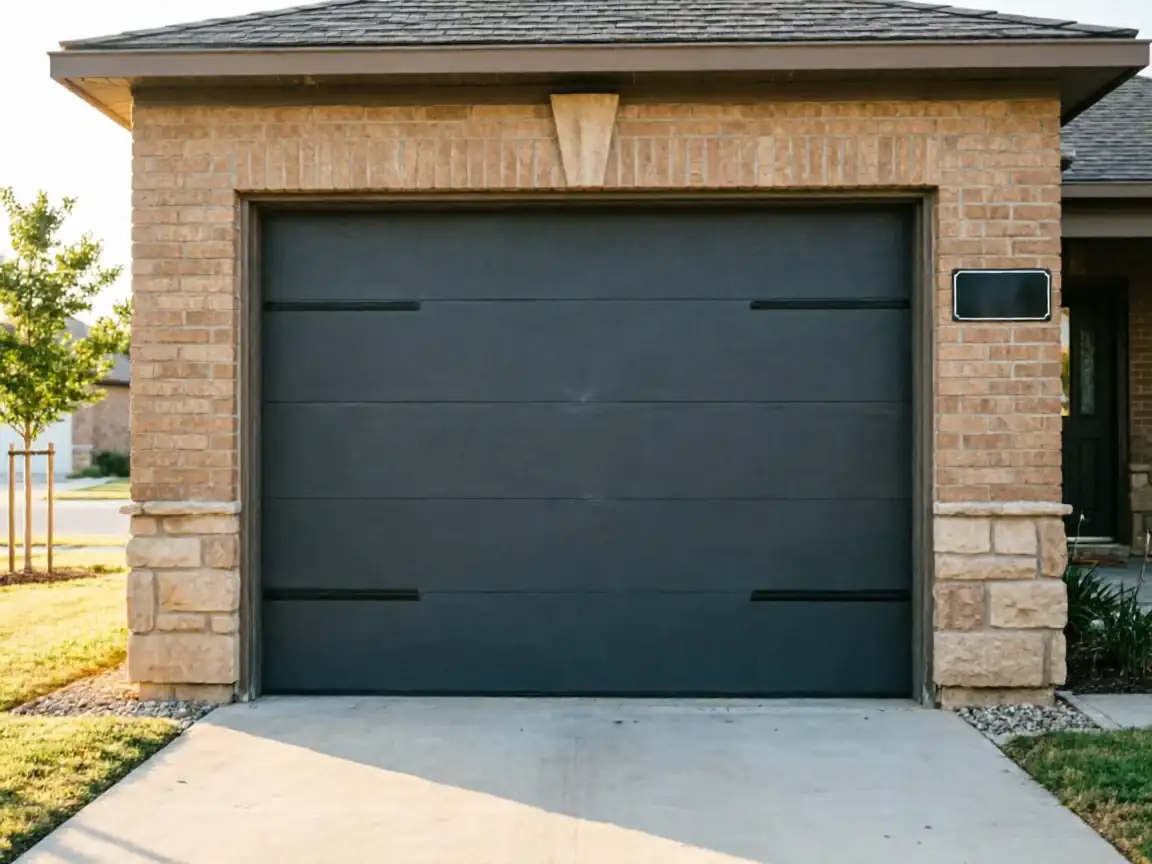
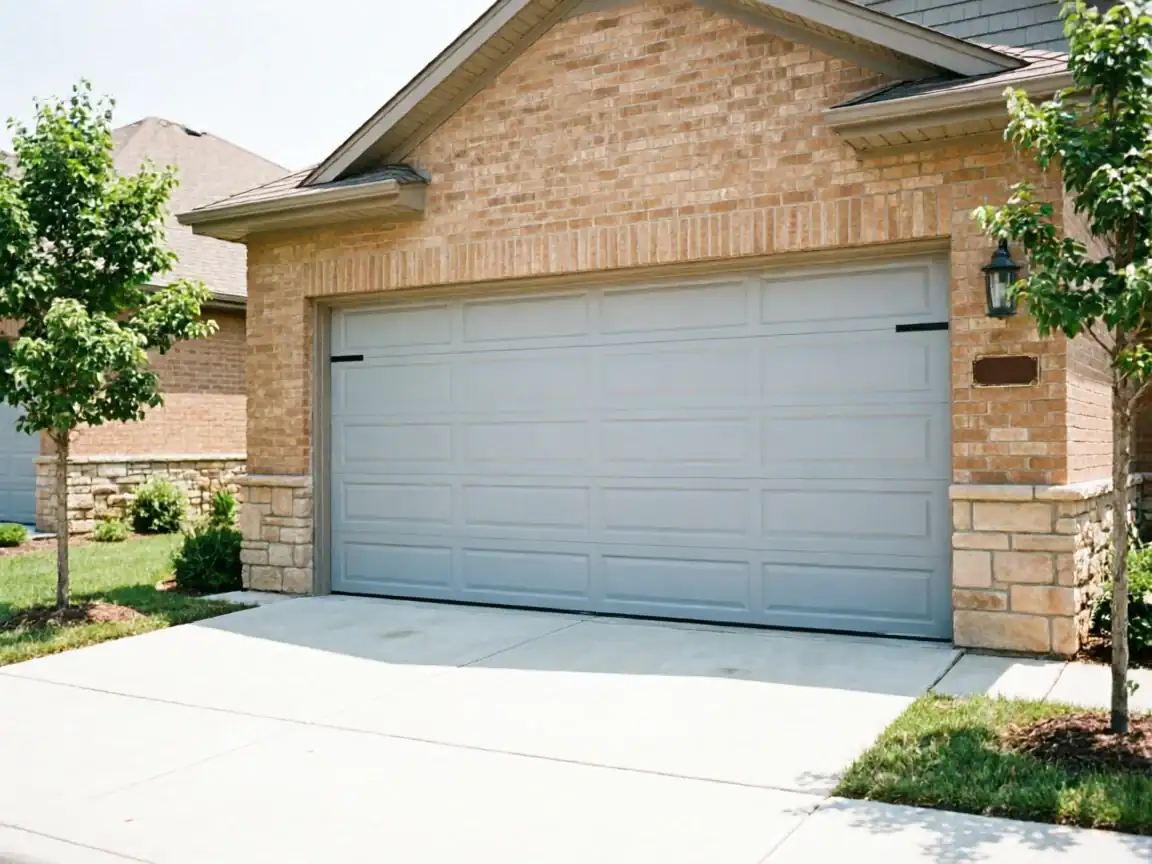
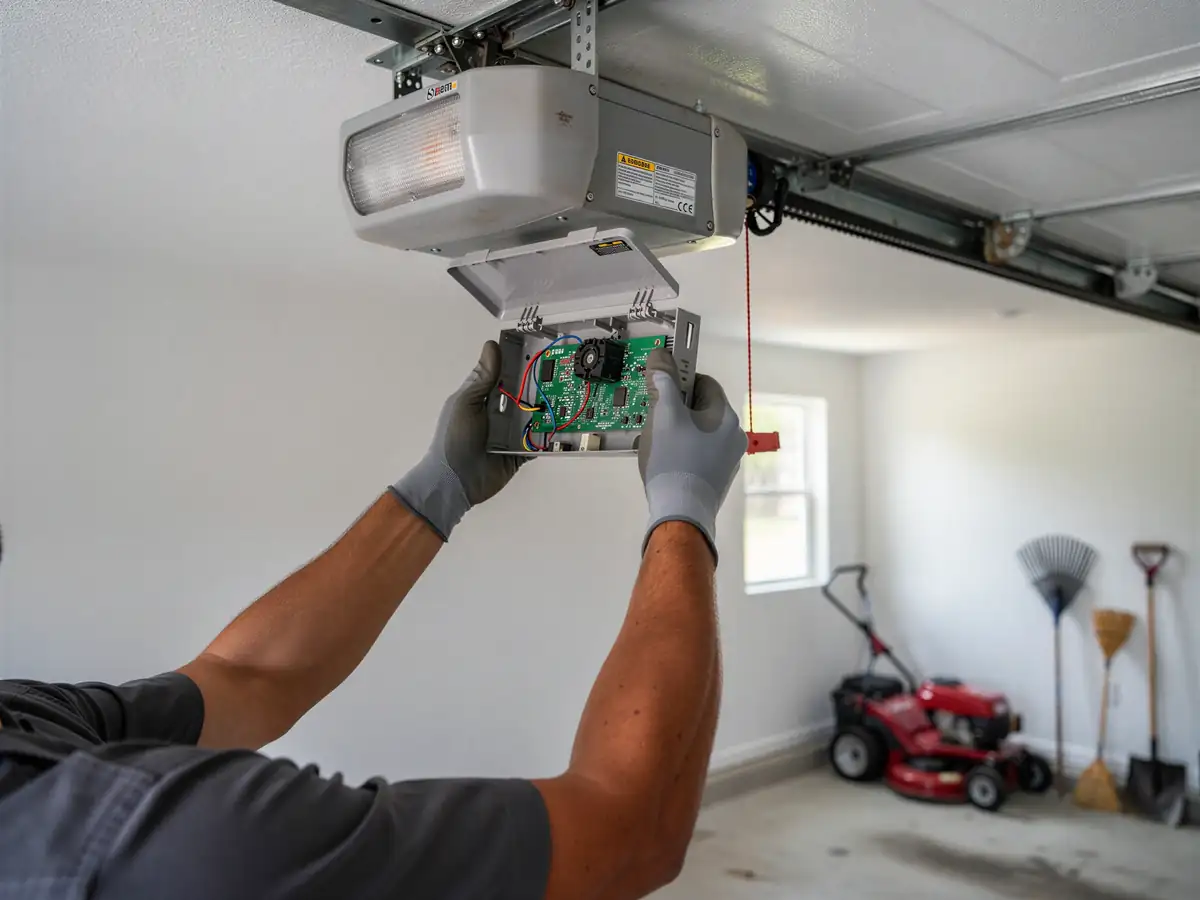
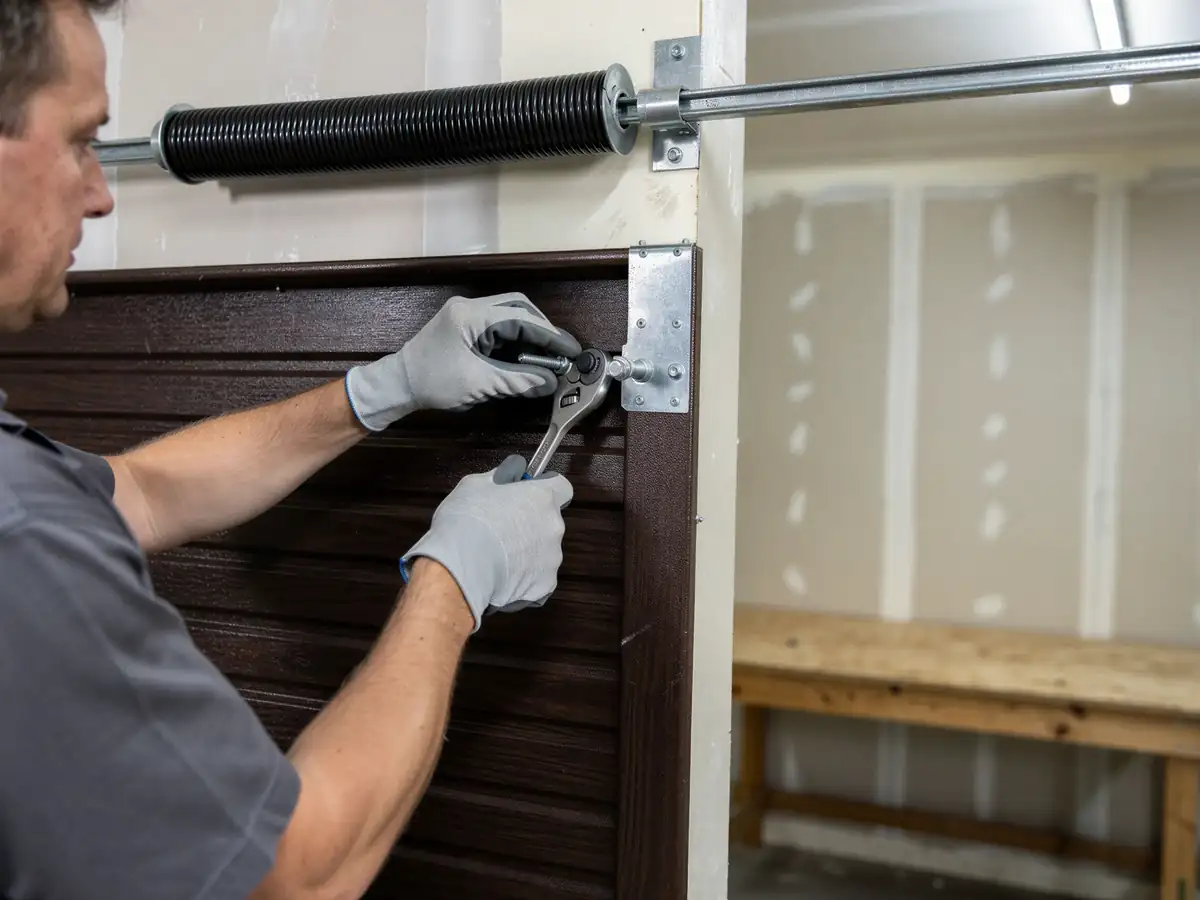
Most of what we get called out for in Melissa isn't a snapped spring on a forty-year-old door - it's a newer opener that's stopped talking to its sensors, or a belt-drive unit that's thrown a code. Melissa's housing stock is young; a lot of it went up right around 2015, which puts it at the newer end of the 1971-2015 range we see across the whole service area. Newer doesn't mean trouble-free. It means the failure points are electronic before they're mechanical: logic boards, photo-eye alignment, wall console wiring.
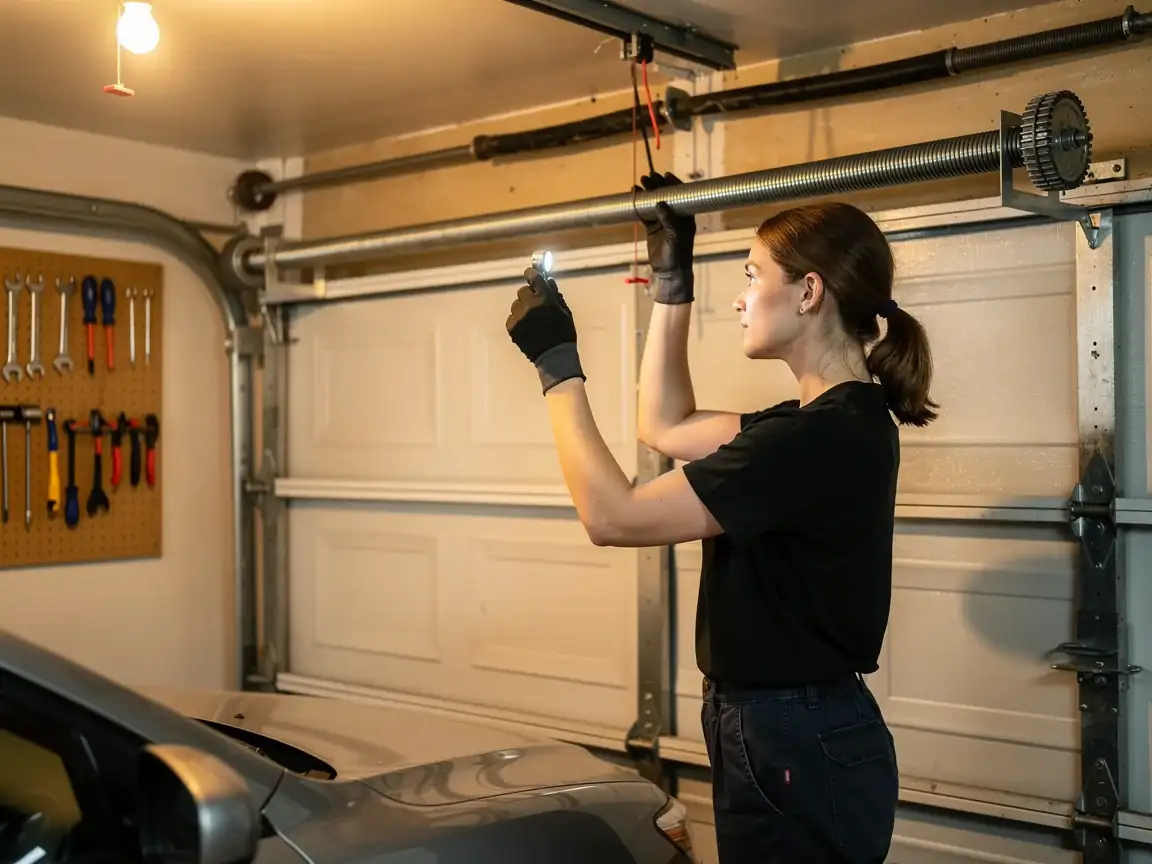
We come out from Wylie, about 18 miles off, carrying parts sized for the opener models that shipped with homes built in the last fifteen years or so, not the older chain-drive units you'd find on a 1980s build. If your door won't close and the light on the opener is blinking a pattern instead of running steady, that's usually a sensor fault we can clear on the spot, not a full unit swap.
The Symptom
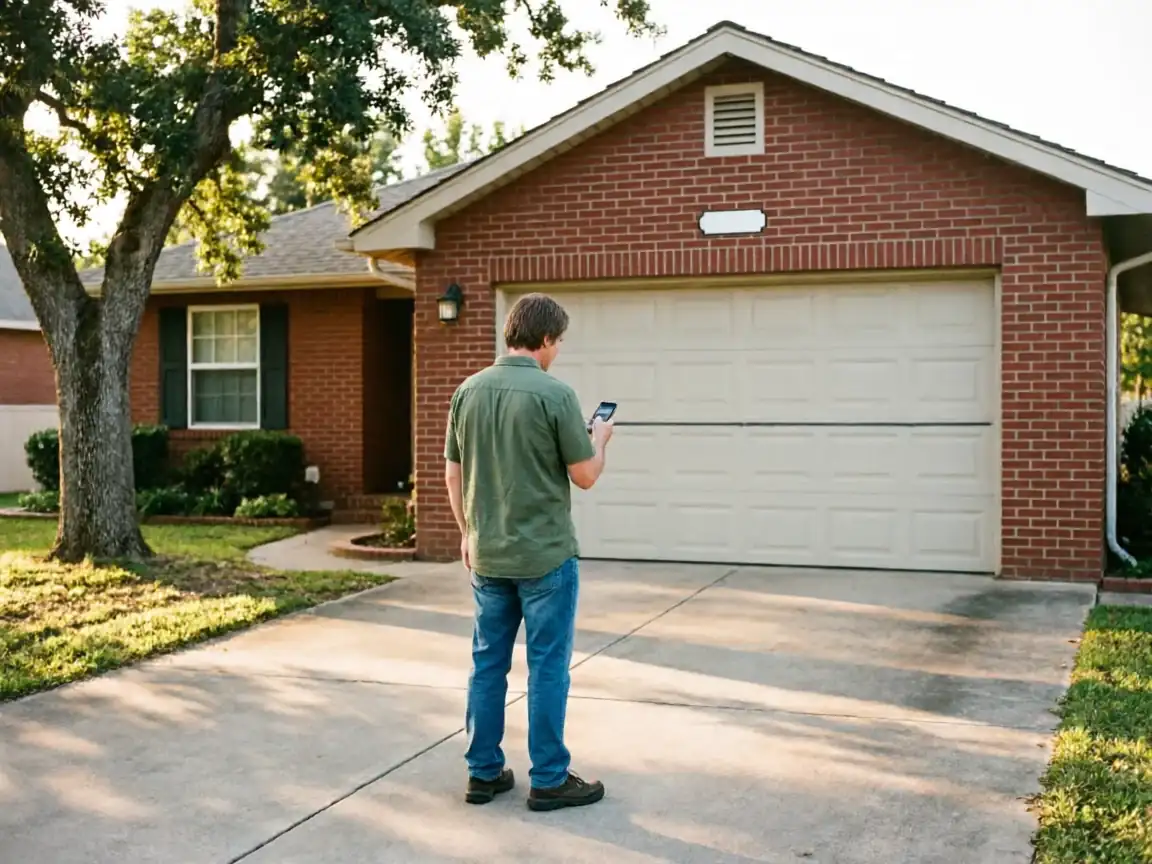
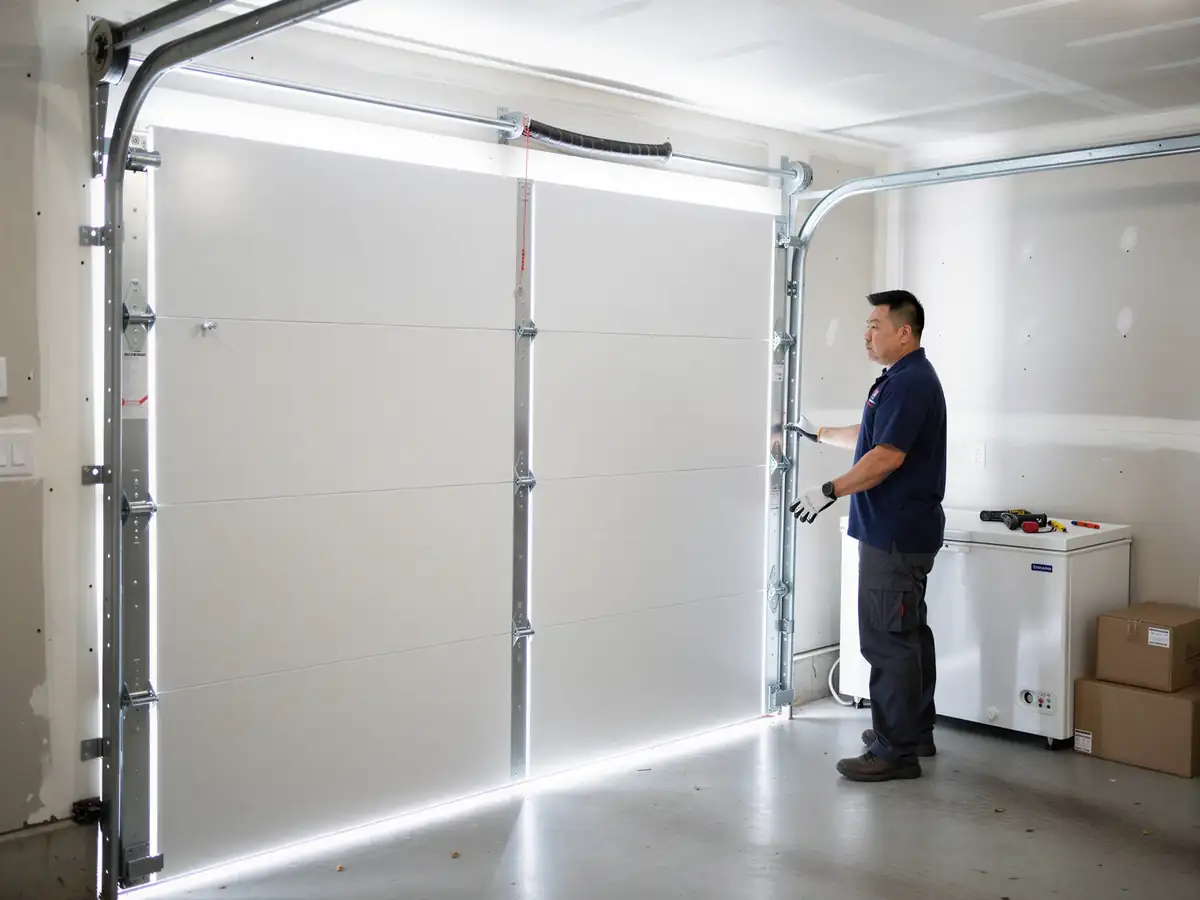
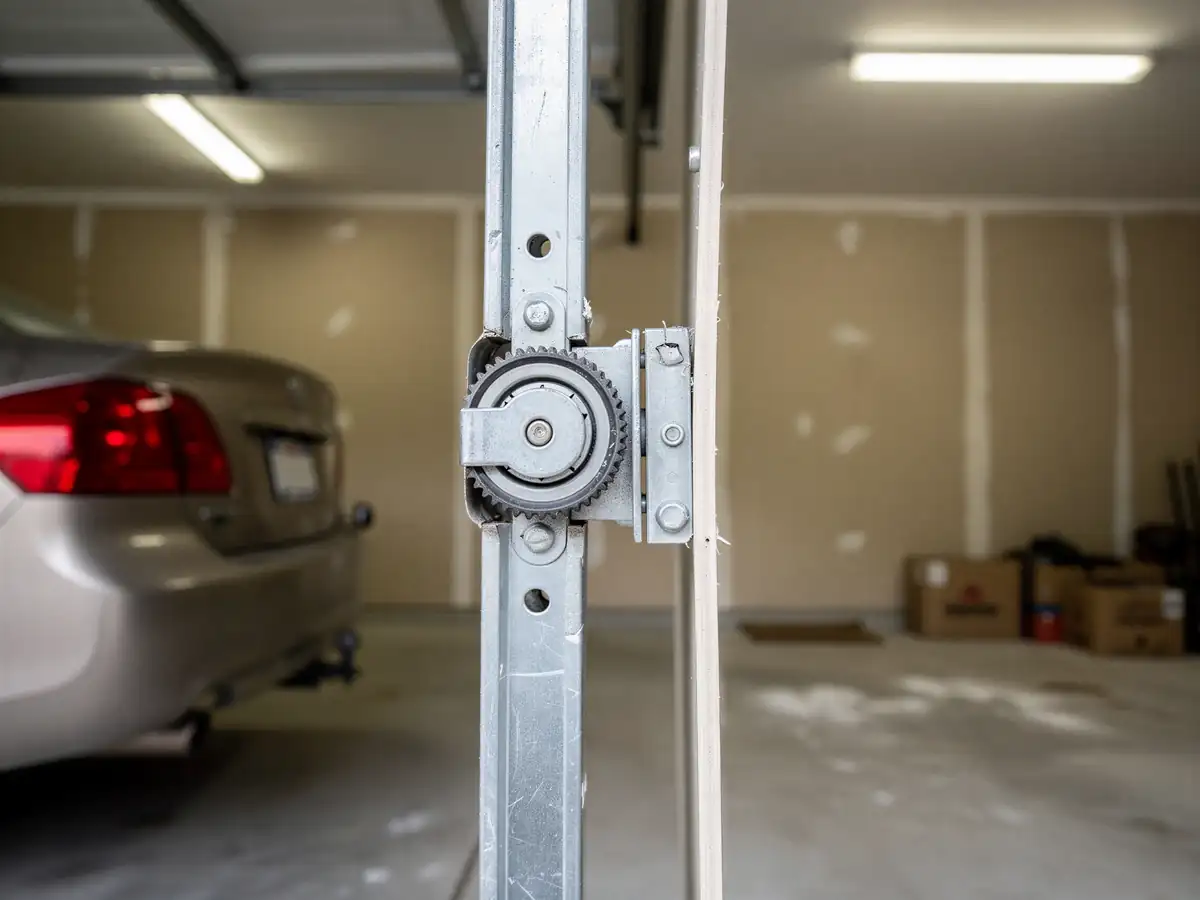
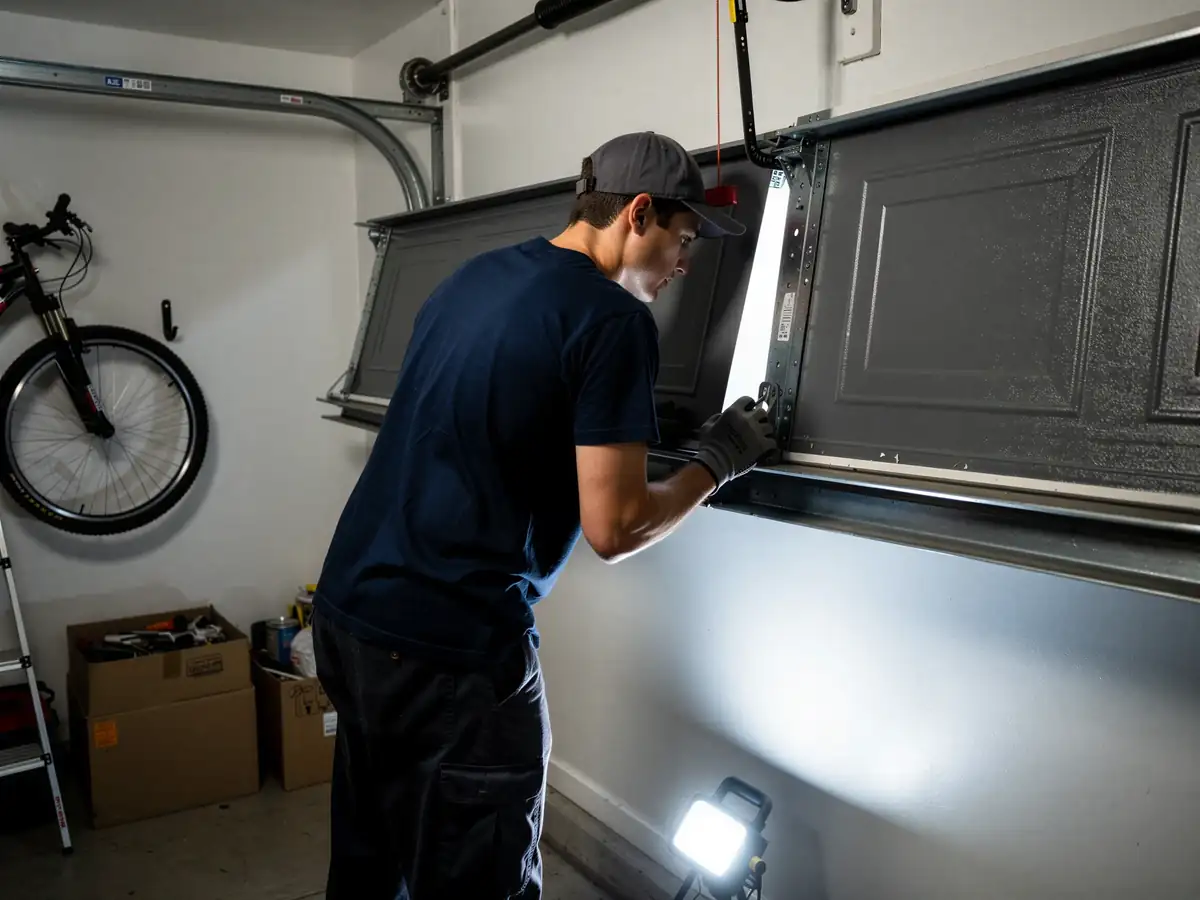
The call we get most from this part of the service area is a door that reverses right before it touches the floor, or won't close at all and just blinks. On a 2015-era build that's almost always a safety sensor out of alignment - bumped by a stored bike, a shifted shelf, sometimes nothing more than the bracket working loose over time. Less often it's a circuit board that's taken a power surge, which shows up as an opener that runs the motor but never engages the drive.
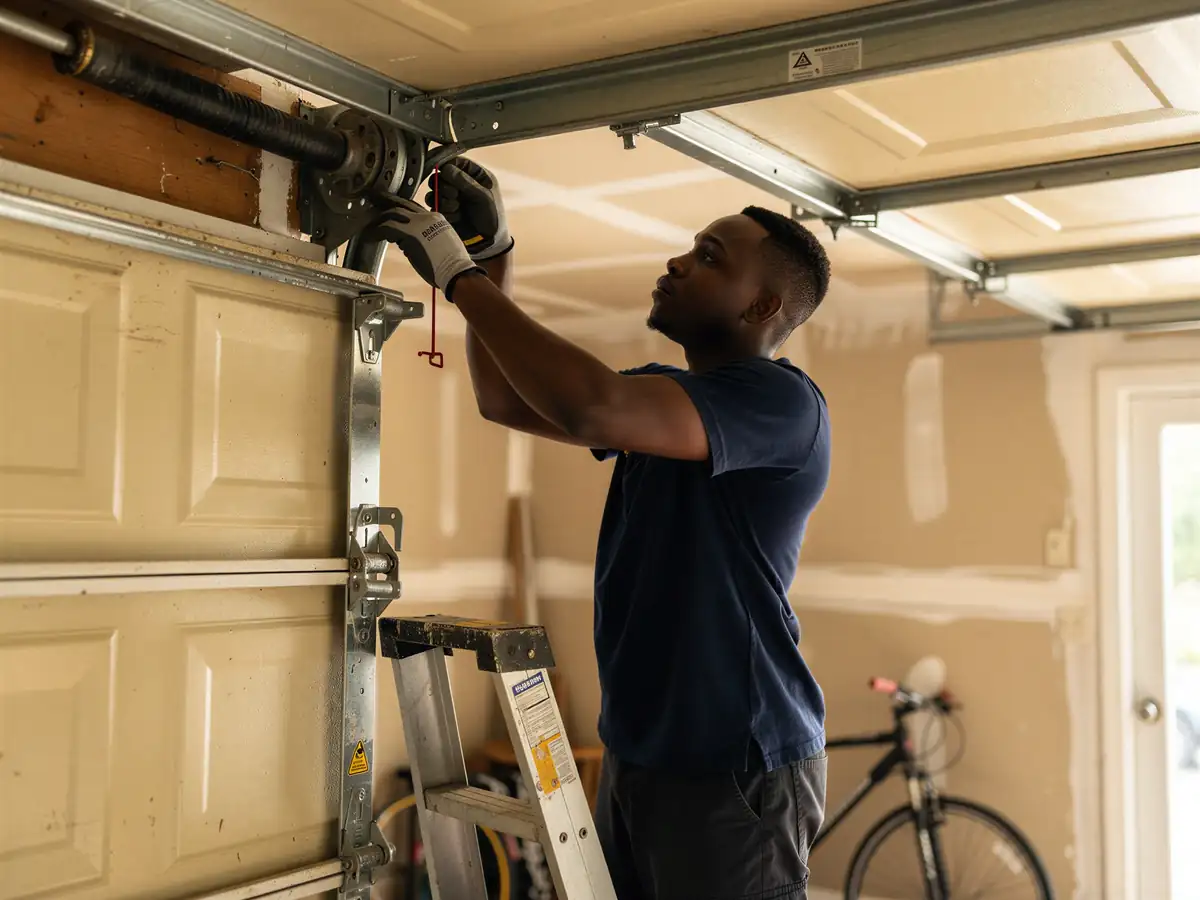
What we don't see much of here is the classic torsion spring snap that dominates calls in older neighborhoods - the hardware's too new for that failure mode to show up yet in any numbers. That's worth knowing before you assume the worst and brace for a spring replacement bill that may not apply to your door at all.
How Long It Takes
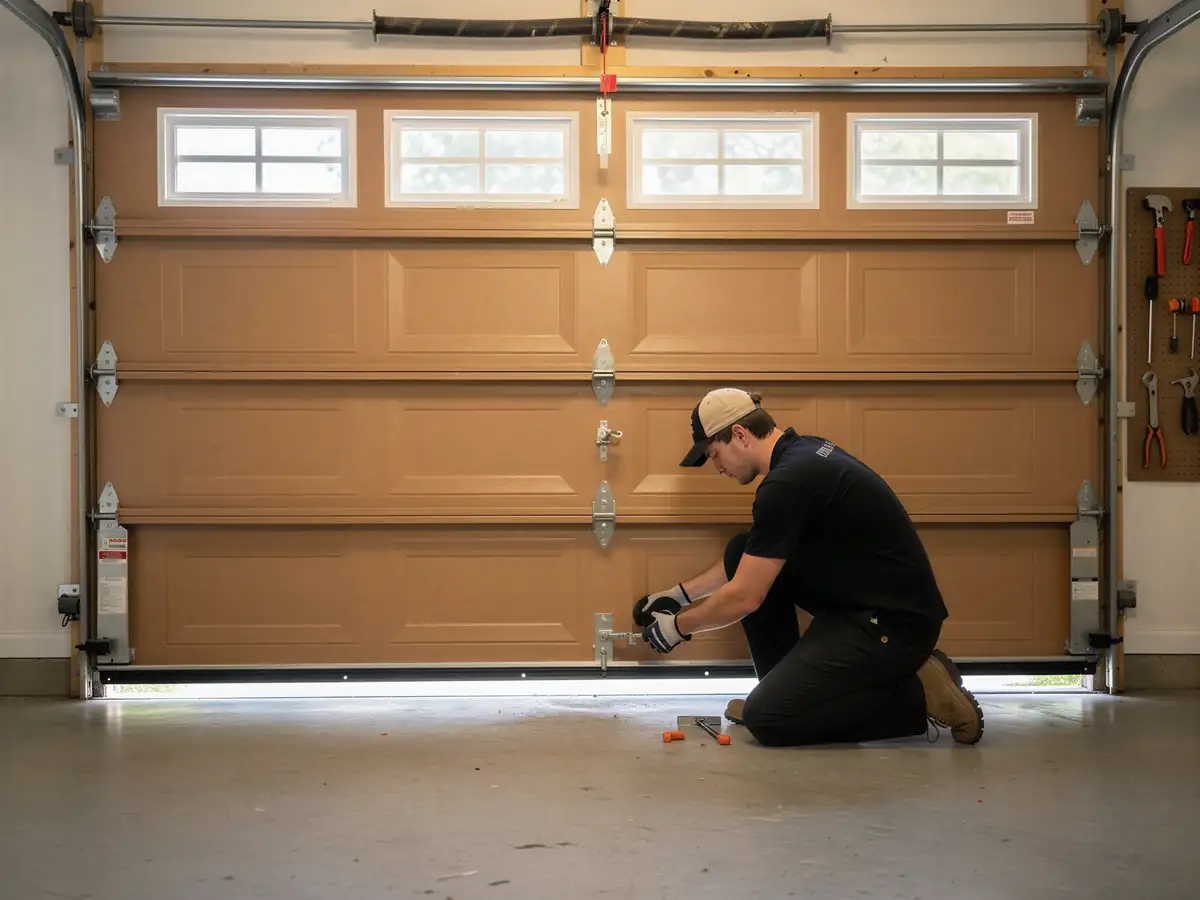
A sensor realignment or a wall-console fix is a short visit once the truck is on-site
Most of the time goes into the drive from Wylie, not the repair itself. A board swap takes longer because we have to confirm the model and pull the matching part before we leave. We don't carry every opener logic board ever made; if yours is an odd or discontinued model, that part may need to be ordered, and we'll tell you that up front rather than guess.
Mild winters here mean we're rarely fighting ice or a frozen track
But the occasional freeze can still stiffen weatherstripping or tighten a belt just enough to trip a sensor fault on a cold morning - worth ruling out before assuming electronics are the whole story.
What You Pay
We don't have a published price list for this page, and we're not going to invent one - what a sensor fix costs versus a board replacement is a different job with a different part cost. What we can tell you is that the repairs we run most often in Melissa skew toward opener electronics rather than heavy spring or cable work, and that tends to mean a shorter bill than the typical older-home call, simply because there's less mechanical hardware involved.
Stocked Parts
The truck carries photo-eye sensor pairs, wall console units, and a handful of common opener logic boards sized for the drive types that came standard in homes built through the 2000s and 2010s - belt and screw drive more than chain. We also carry weatherstripping and standard rollers, since those wear regardless of the home's age. What we don't stock is every discontinued board or a part specific to a commercial door; if your opener is an unusual model, we'll confirm before the visit whether we're carrying the right part or need to order it.