What the Repair Takes
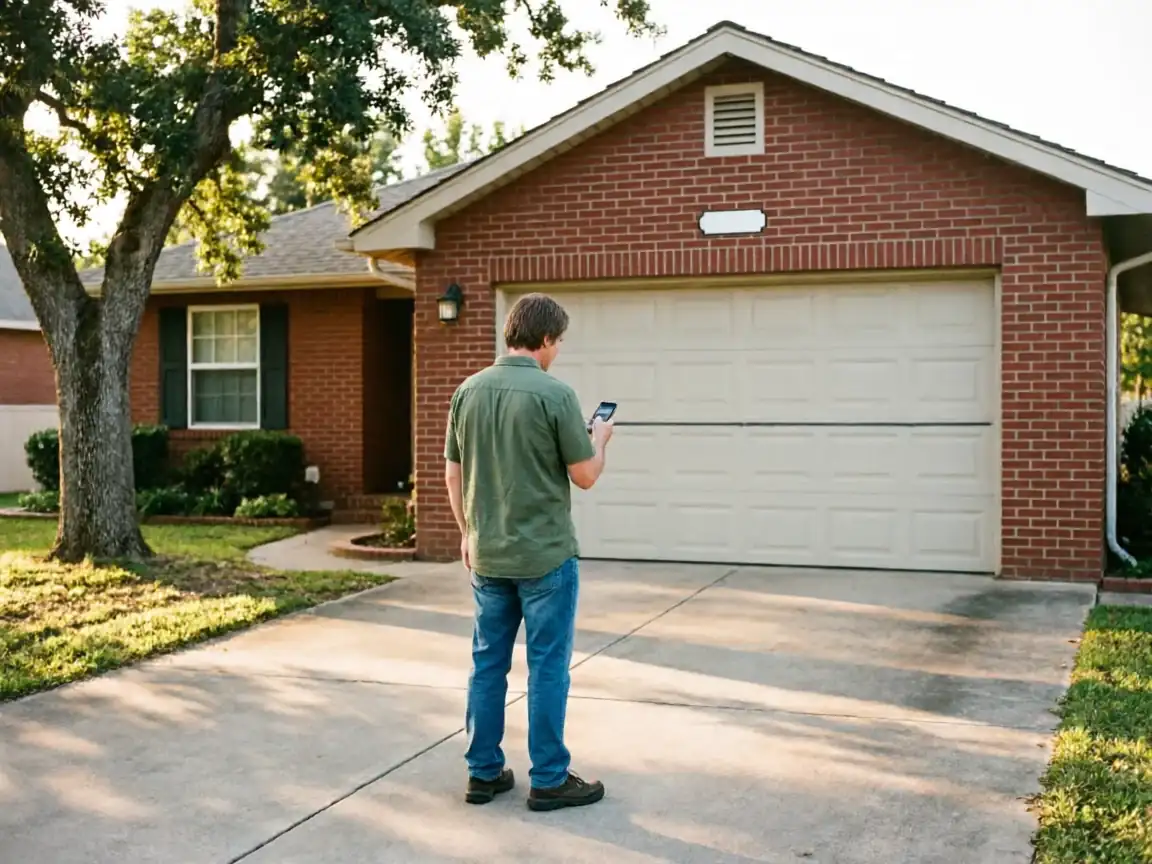
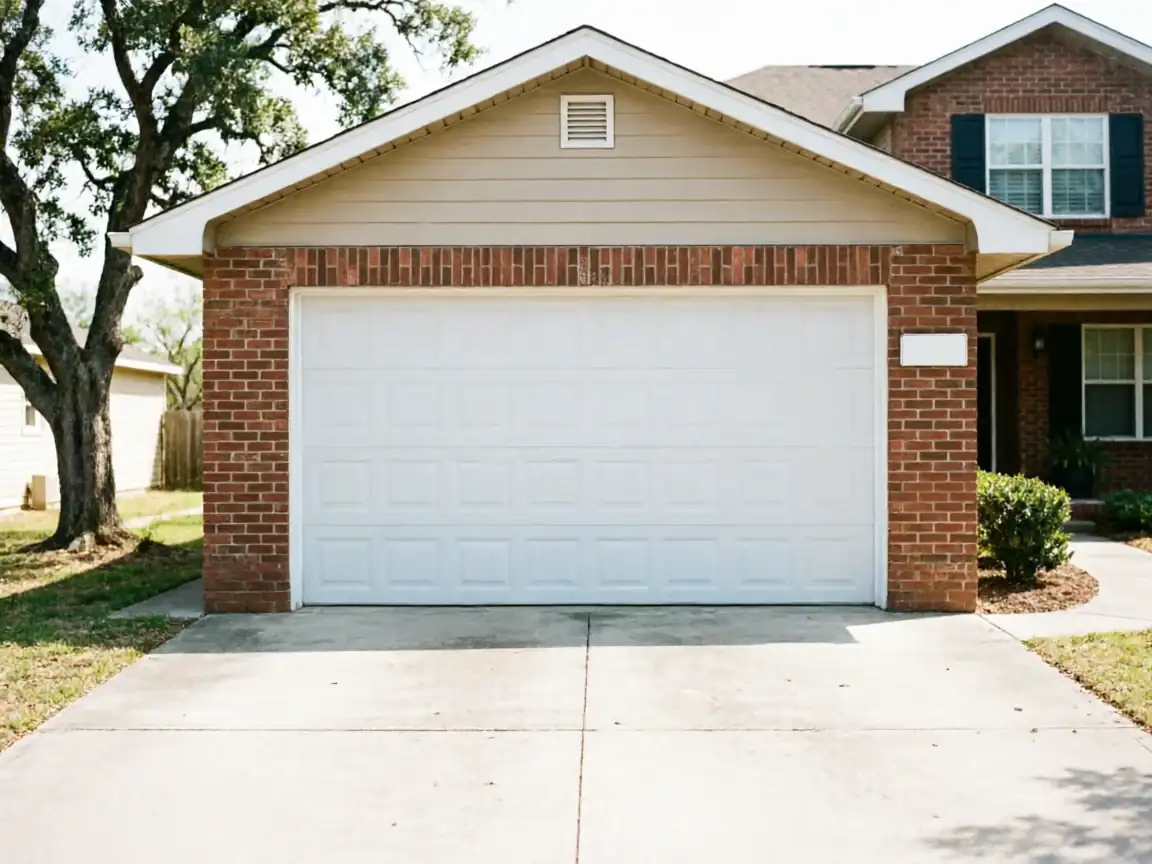
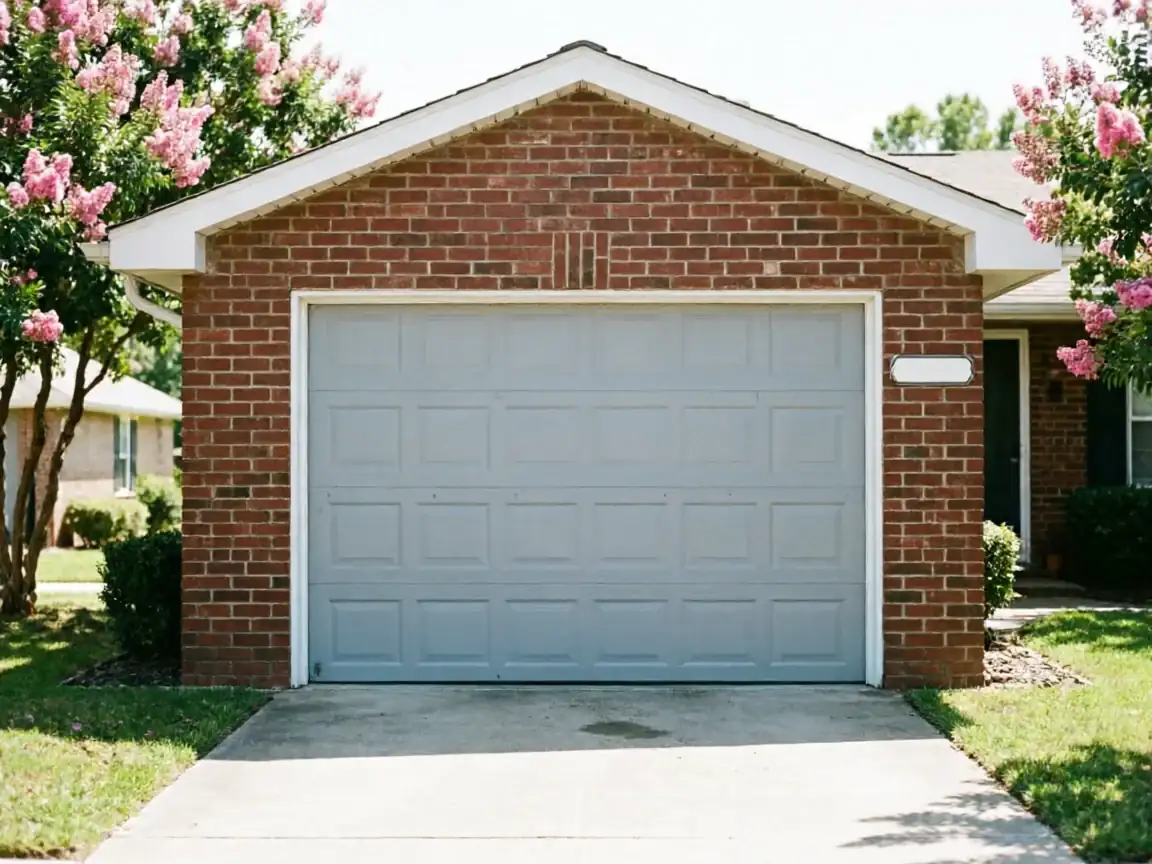
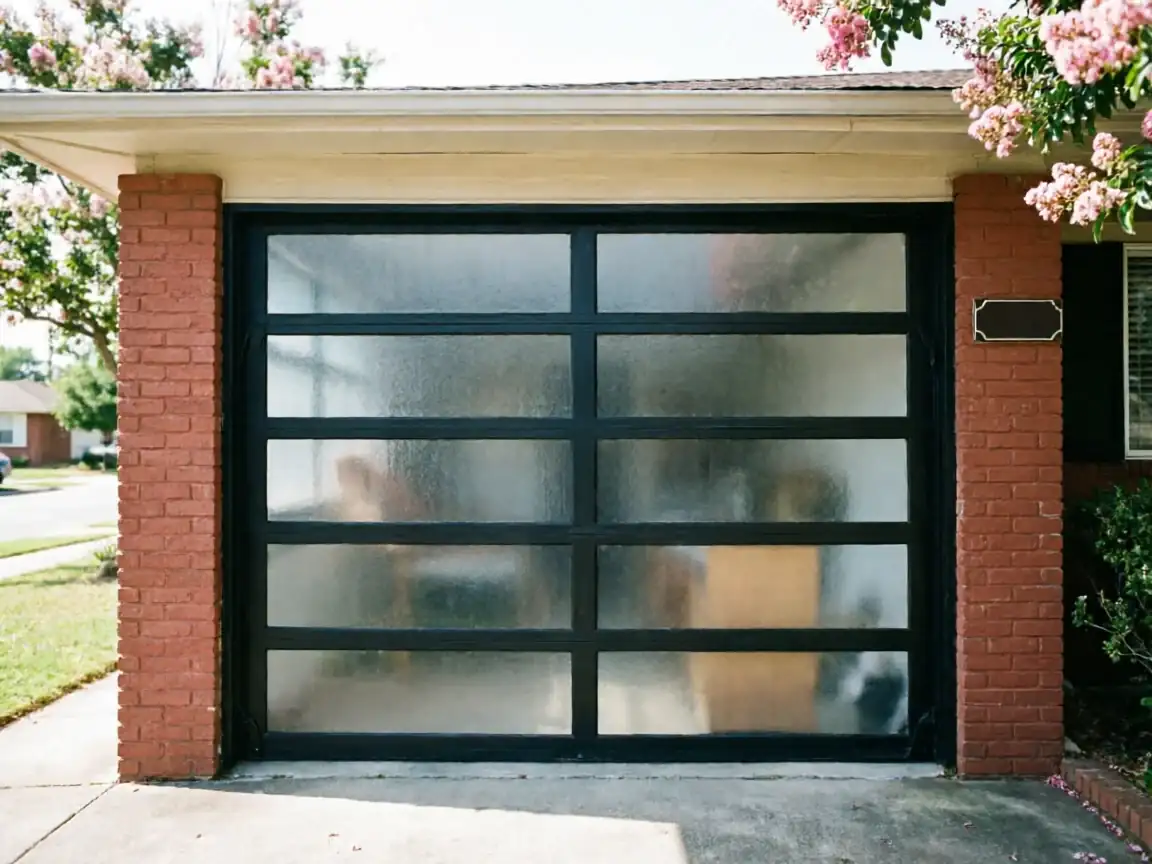
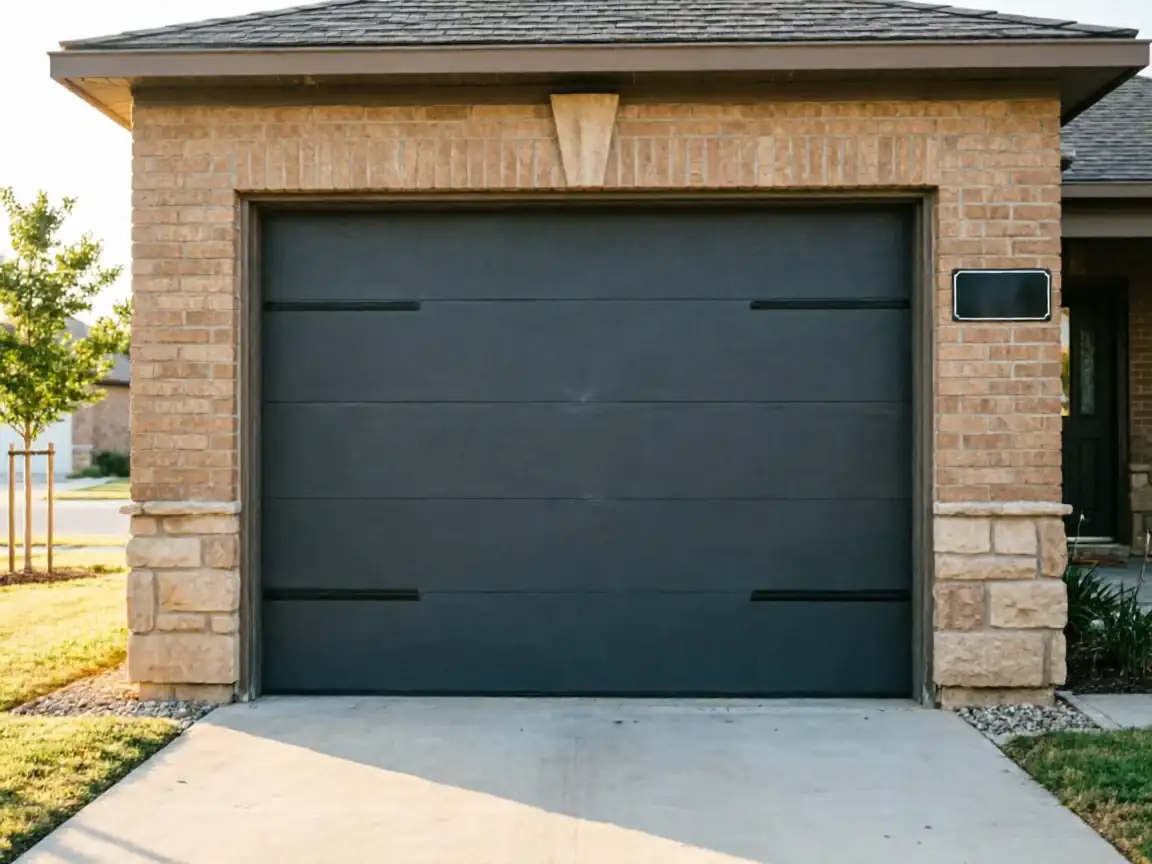
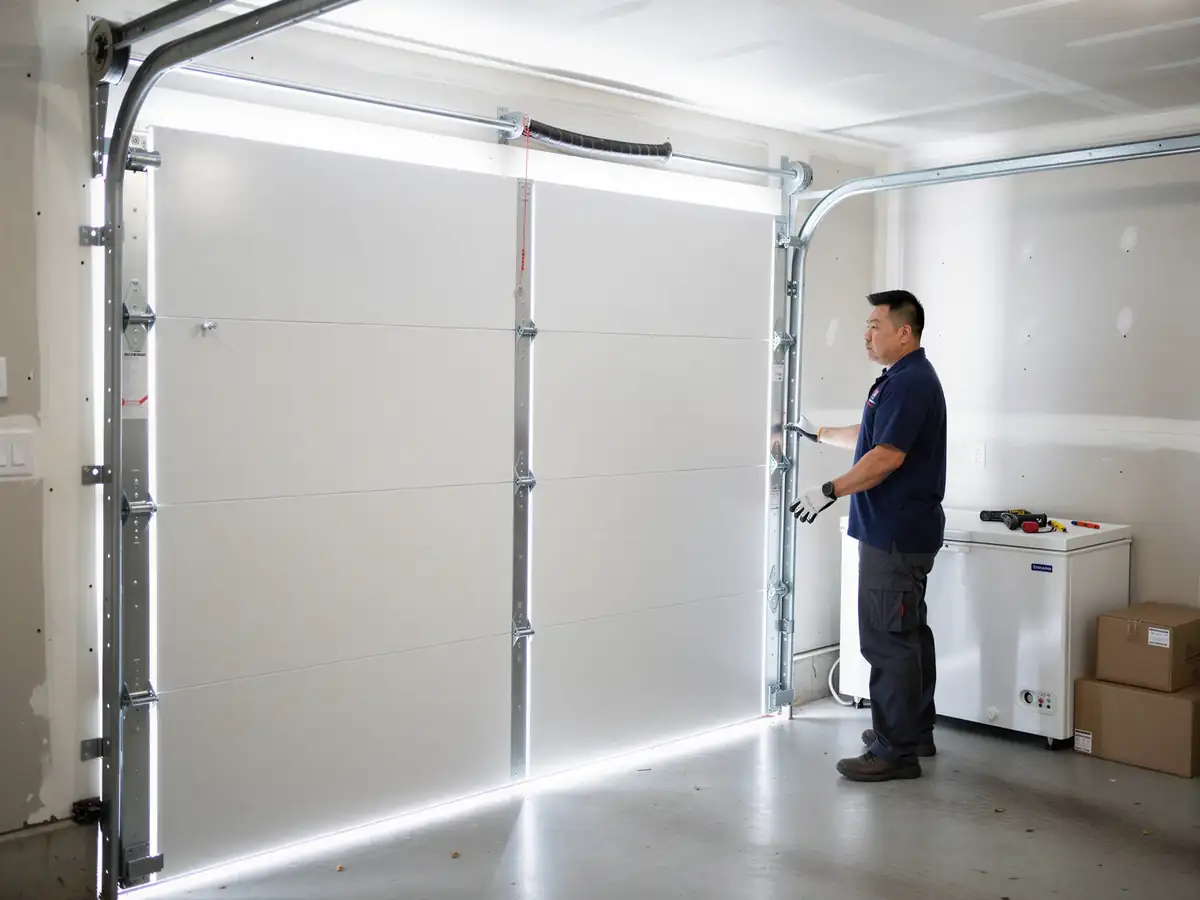
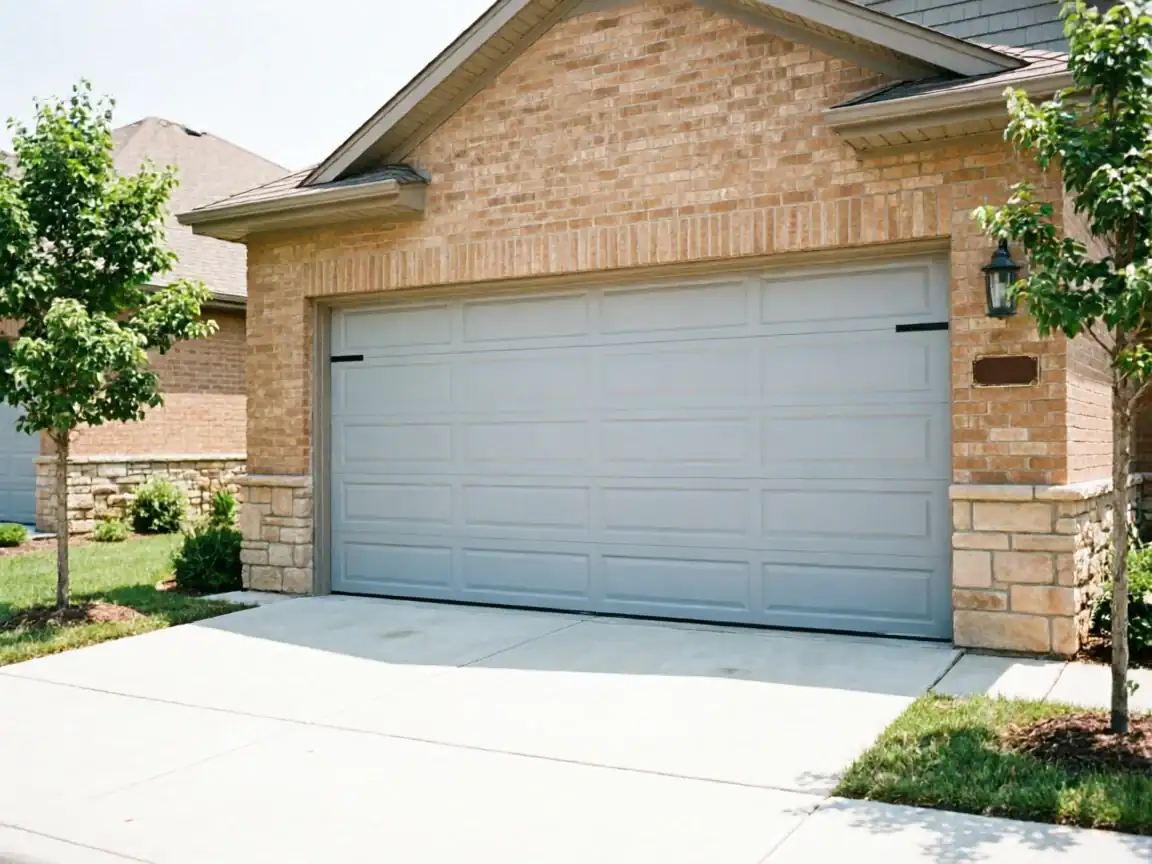
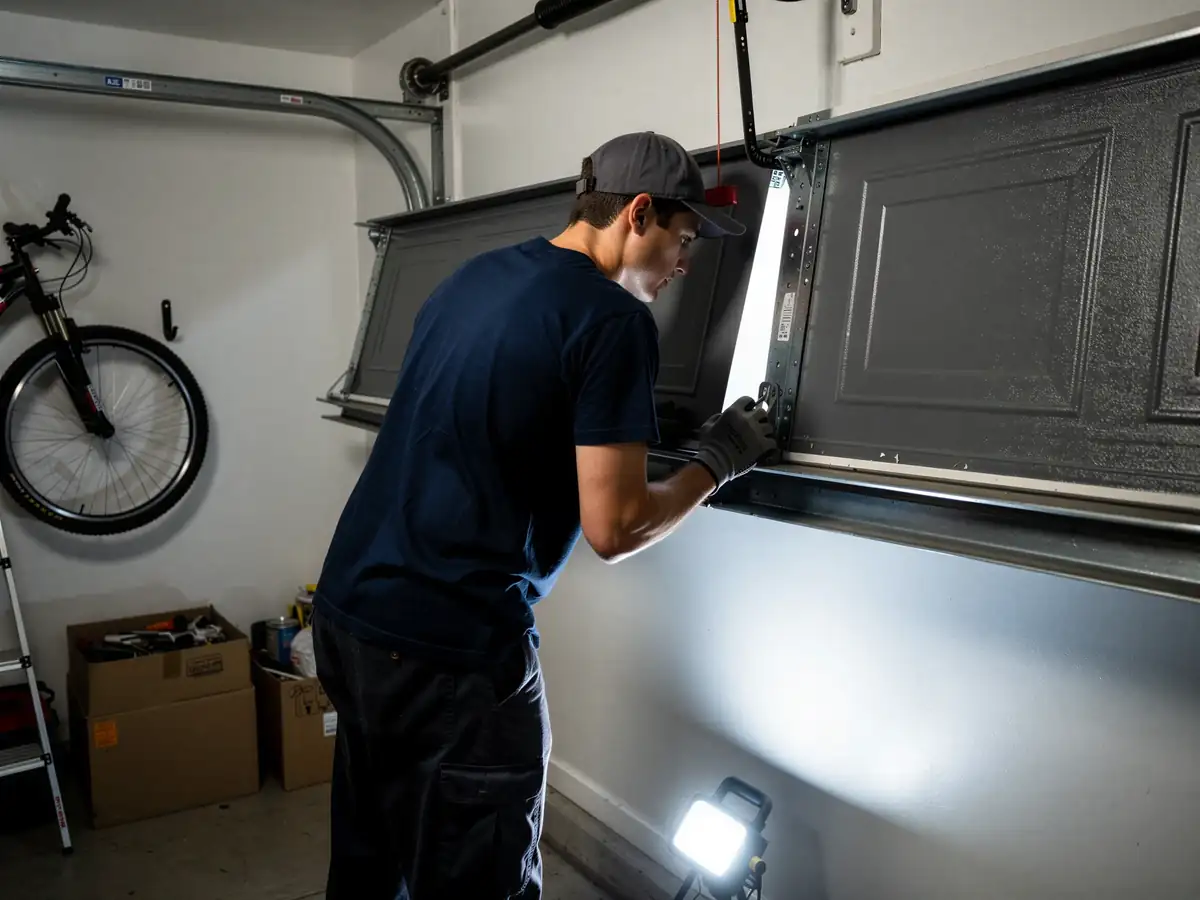
Melissa is a smaller piece of our territory, around 5,333 households, which means we're not running trucks through here every hour the way we might in a bigger pocket of the service area. That doesn't change what the job needs. A broken spring, a dead opener board, or a track knocked out of alignment takes the same tools and the same parts whether the house is three streets or eighteen miles from our shop in Wylie, which is roughly the drive out to Melissa. What does change is the age of what we're working on. The median home here was built around 2015, a decade newer than the service-area median of 2005, so we're mostly opening up factory hardware from the 2010s rather than the older retrofit torsion setups you find on the far side of the territory. That means newer opener logic boards, newer galvanized spring coating, and fewer of the mismatched replacement parts that show up on houses that have had three owners and two prior repairs.
The Symptom
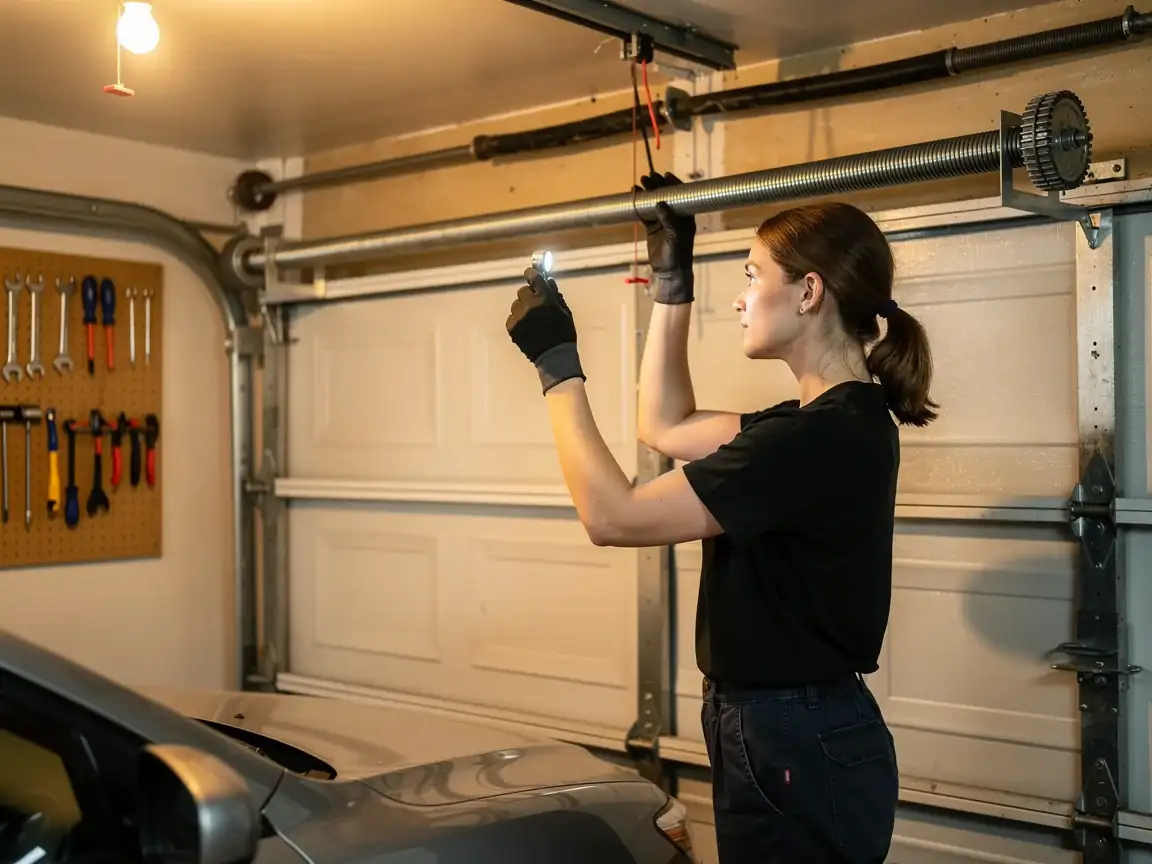
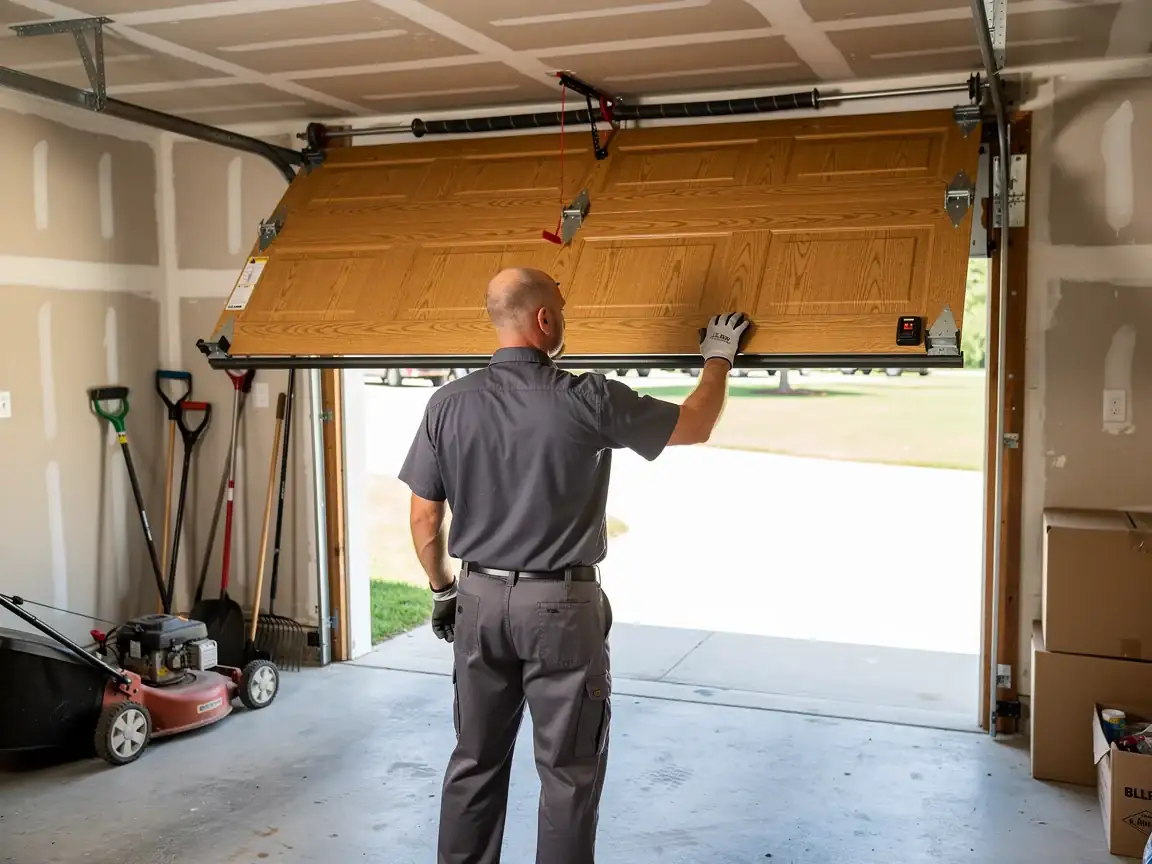
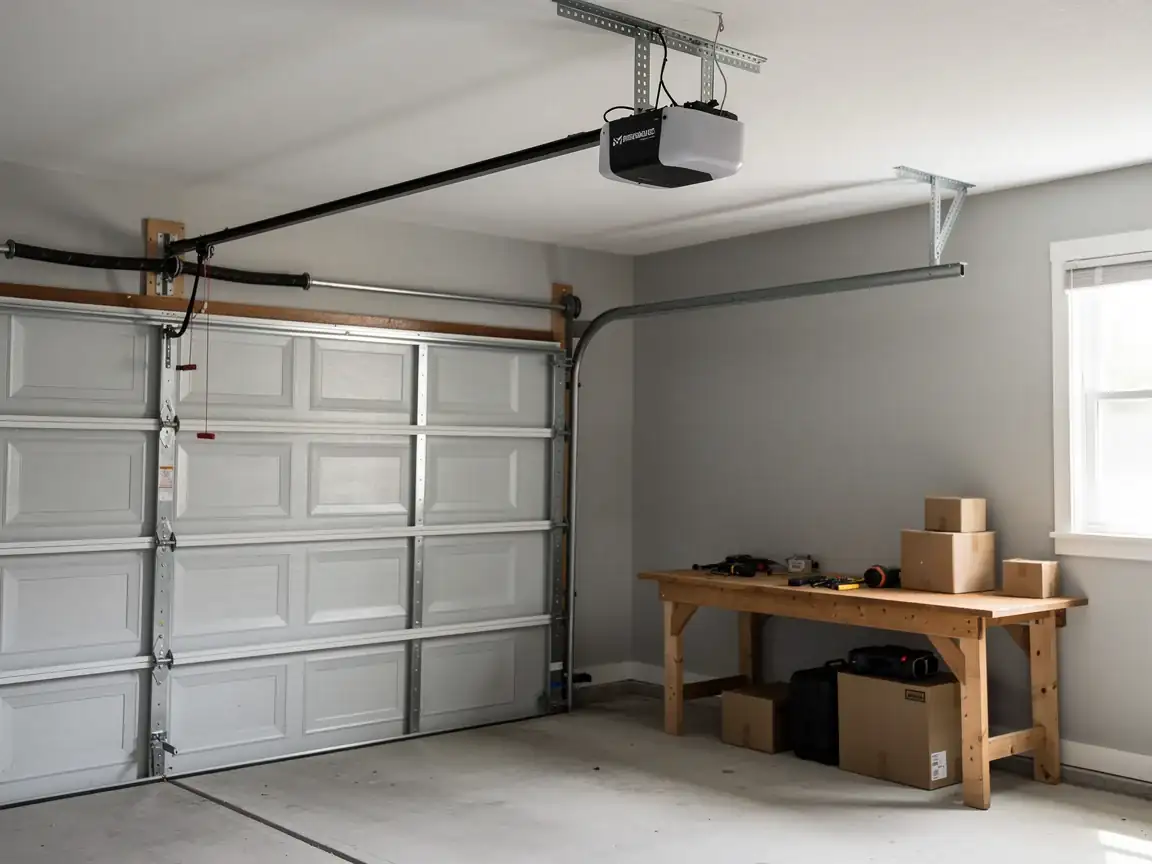
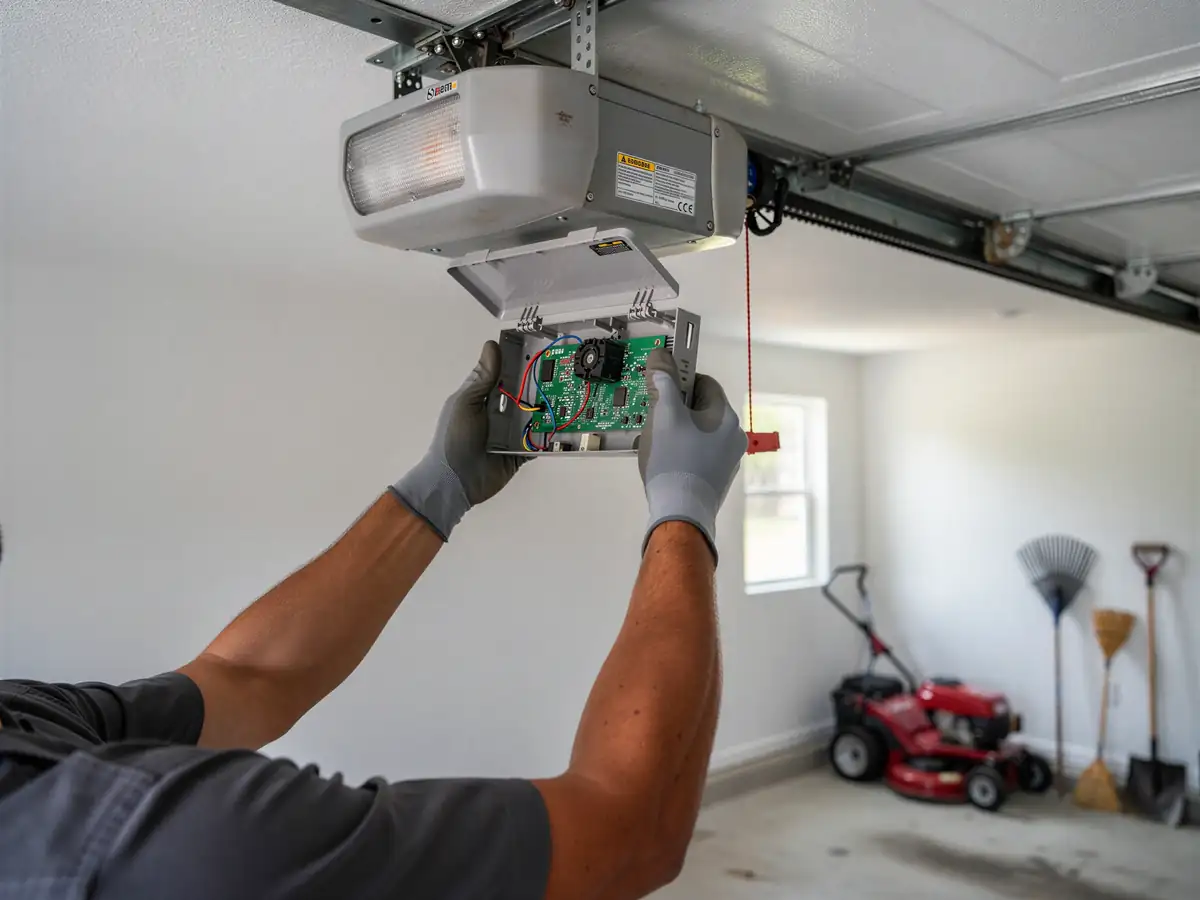
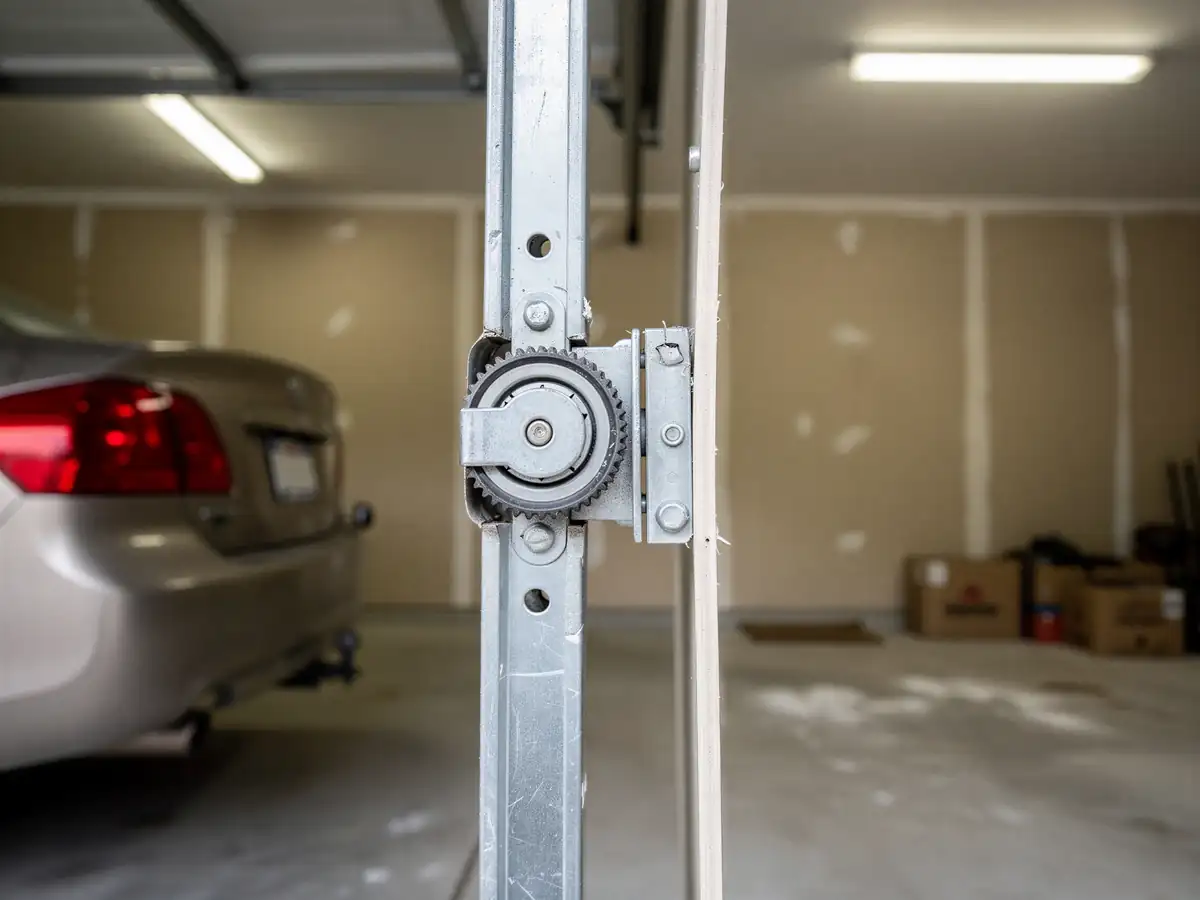
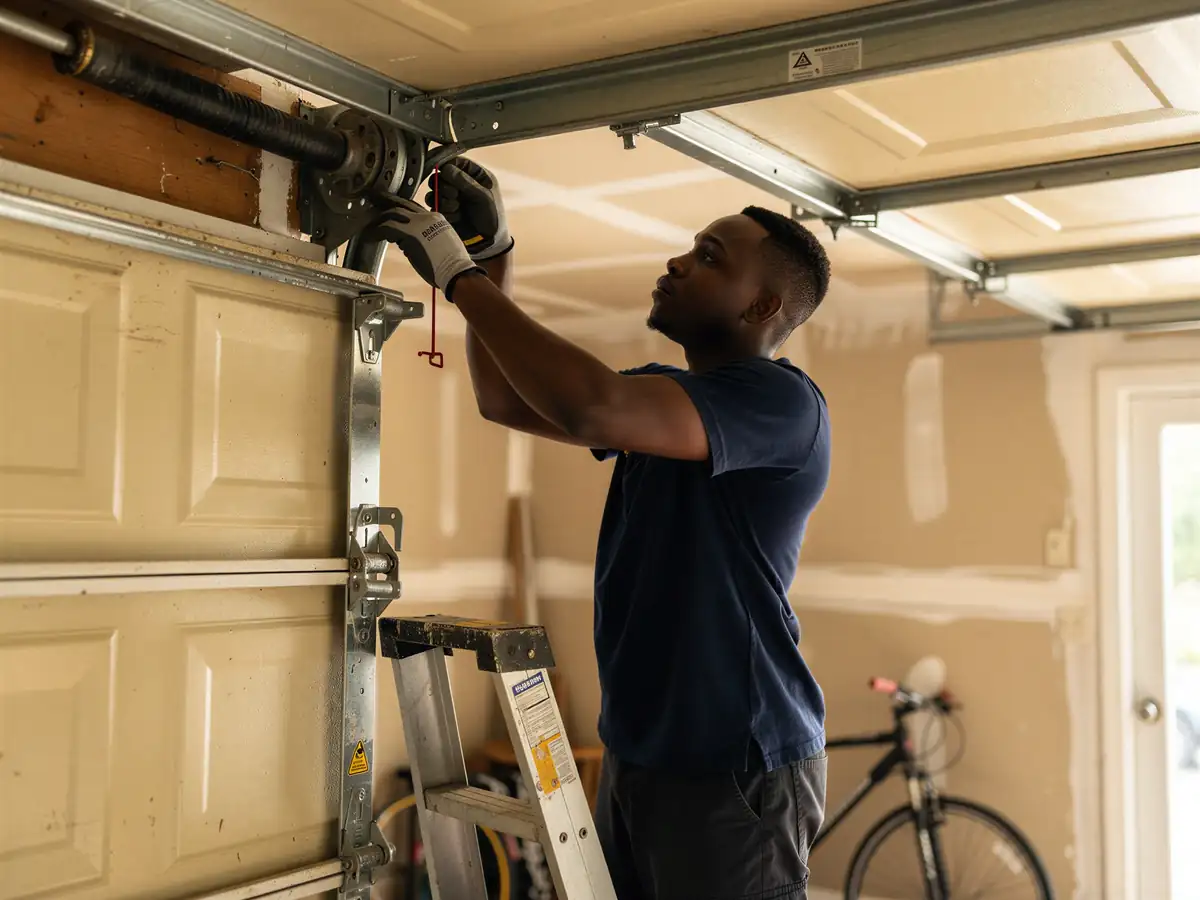
On a house built close to 2015, the door that won't open usually isn't a snapped spring first - it's the opener. Circuit boards and drive gears on consumer-grade openers from that era are starting to reach the end of their service life, and a belt or chain drive that's run for close to ten years will often show it as a door that reverses for no reason, a remote that works intermittently, or a motor that hums without moving the door. Springs on newer builds are usually still within or near their rated cycle count, so when a spring does go, it's often one that was undersized for the door weight from the factory rather than one that's simply worn out. We also see nylon rollers glazing over and binding in the track, which on a five- or ten-year-old door reads as a grinding or sticking door rather than a full failure. None of this is dramatic, which is exactly why homeowners wait on it - it's a door that works most of the time, until the day it doesn't.
What You Pay
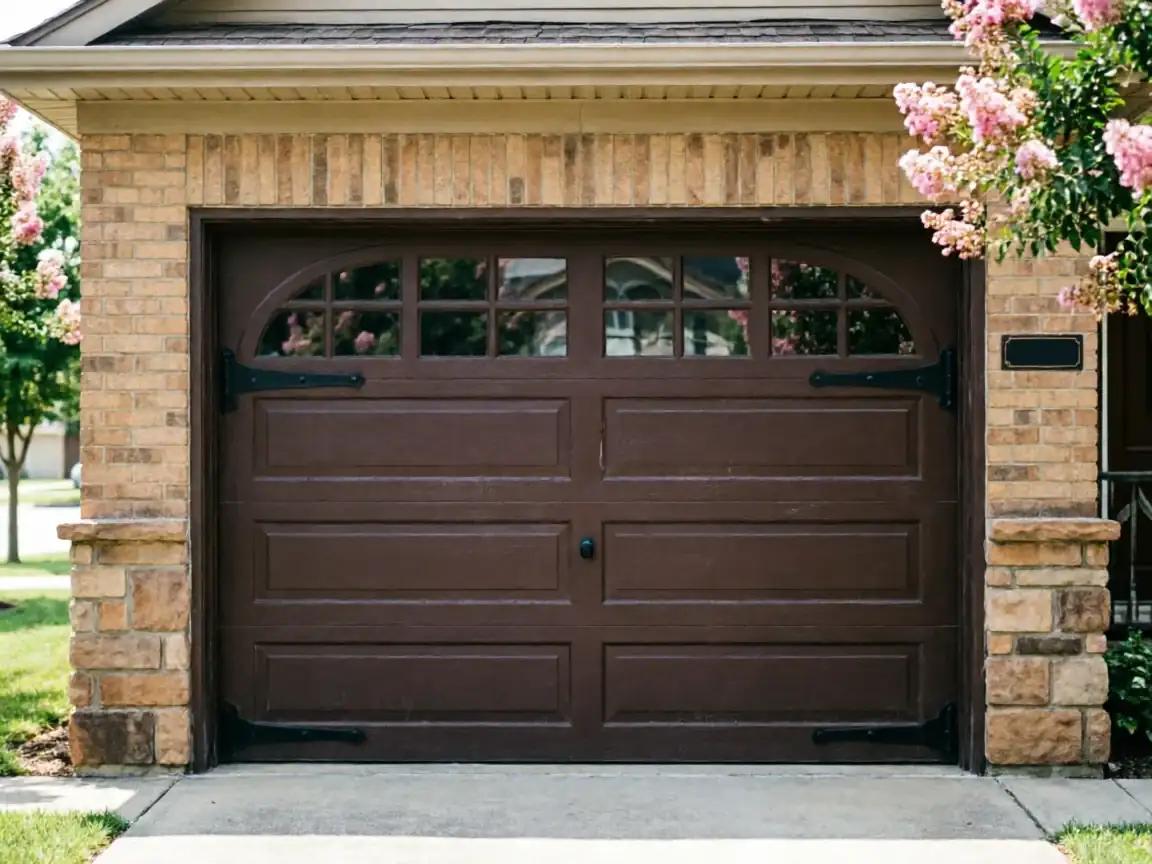
We don't have a flat number to quote here and won't invent one - repair cost depends on what's actually broken, the door's size and weight, and whether the part is something we carry or something we order. What we can say is that Melissa's income profile, a median household income of $137,875 against roughly $127,000 across the broader service area, lines up with what we generally see on newer construction: double doors, heavier insulated panels, and openers with more electronics to go wrong, all of which cost more to fix than a single lightweight door with a basic chain-drive opener. If you want a number before we're standing in your driveway, tell us the door's age, whether it's single or double, and what it's doing (or not doing), and we can narrow it down over the phone.
Stocked Parts
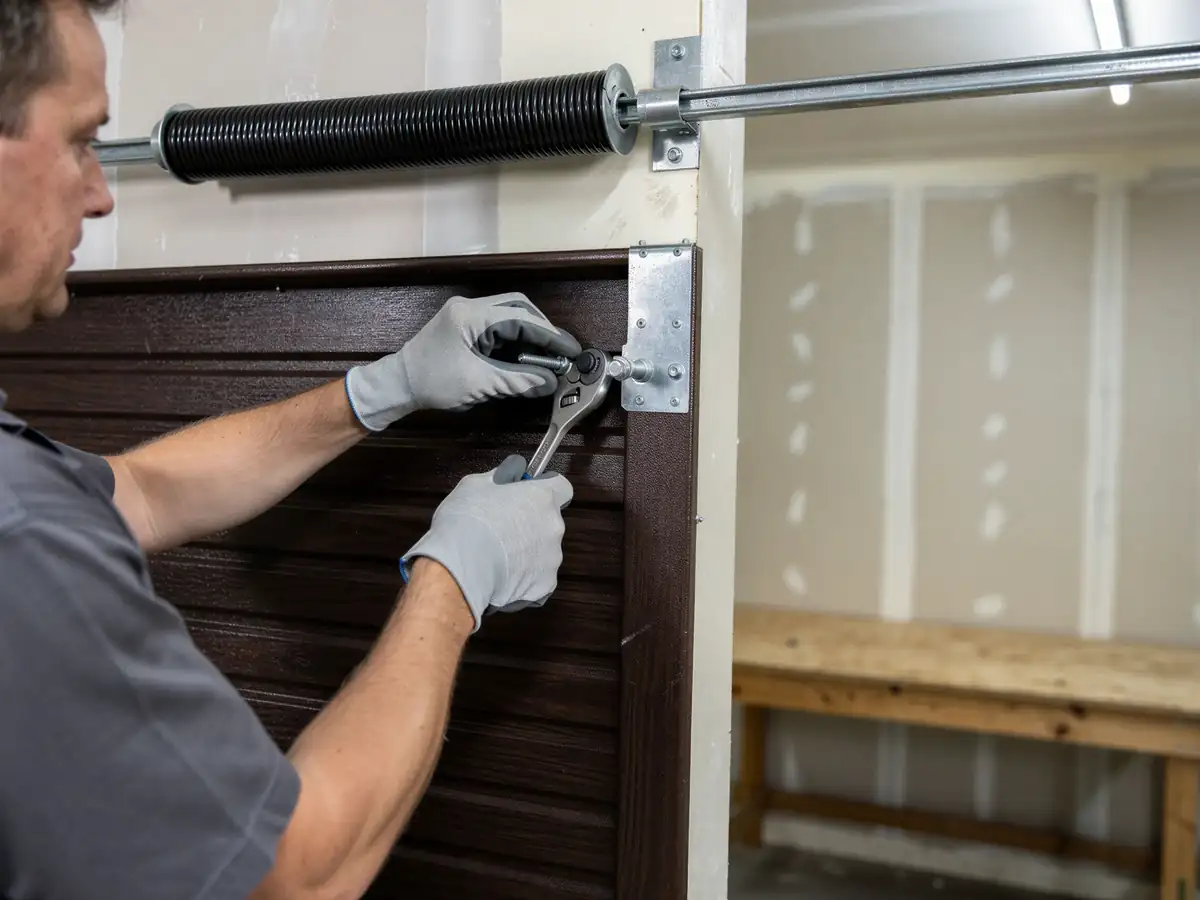
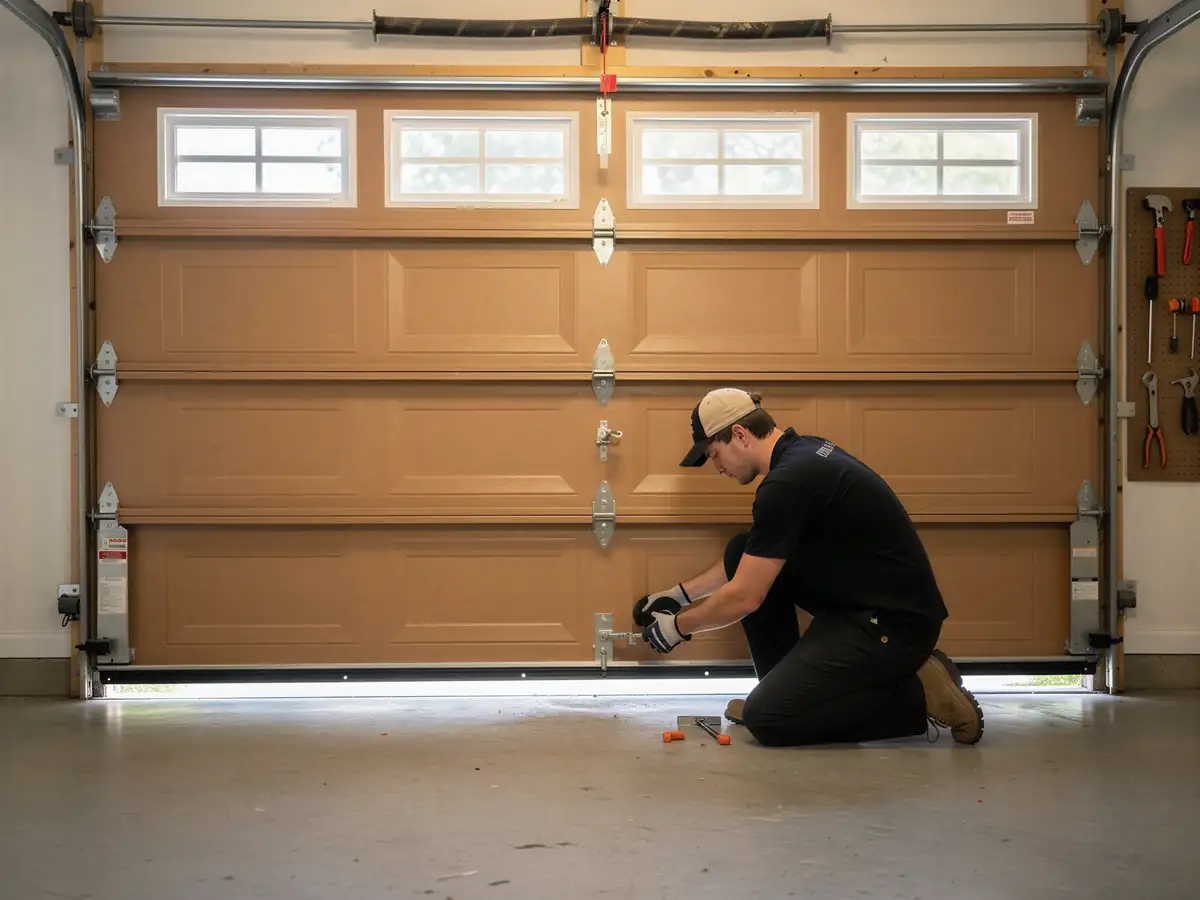
Our truck carries the springs, cables, rollers, and hinges that cover the bulk of residential doors across the territory, sized for the torsion and extension setups common on homes built from the 1970s through the 2010s. For a Melissa job, that usually means we're pulling newer-spec torsion springs rated for heavier insulated doors, plus the belt-drive opener parts - drive belts, trolley carriages, logic boards for the more common opener brands - that match what's actually installed on a 2010s-era build. The climate here runs mild with occasional freezes rather than hard winters, so we don't stock the heavy cold-weather lubricants or insulated weatherseal kits that a northern climate would call for; standard-grade parts hold up fine. What we don't carry on the truck is anything custom-width or a discontinued opener model - that has to be ordered, and we'll tell you that up front rather than make you wait to find out.