Why This Fails Locally
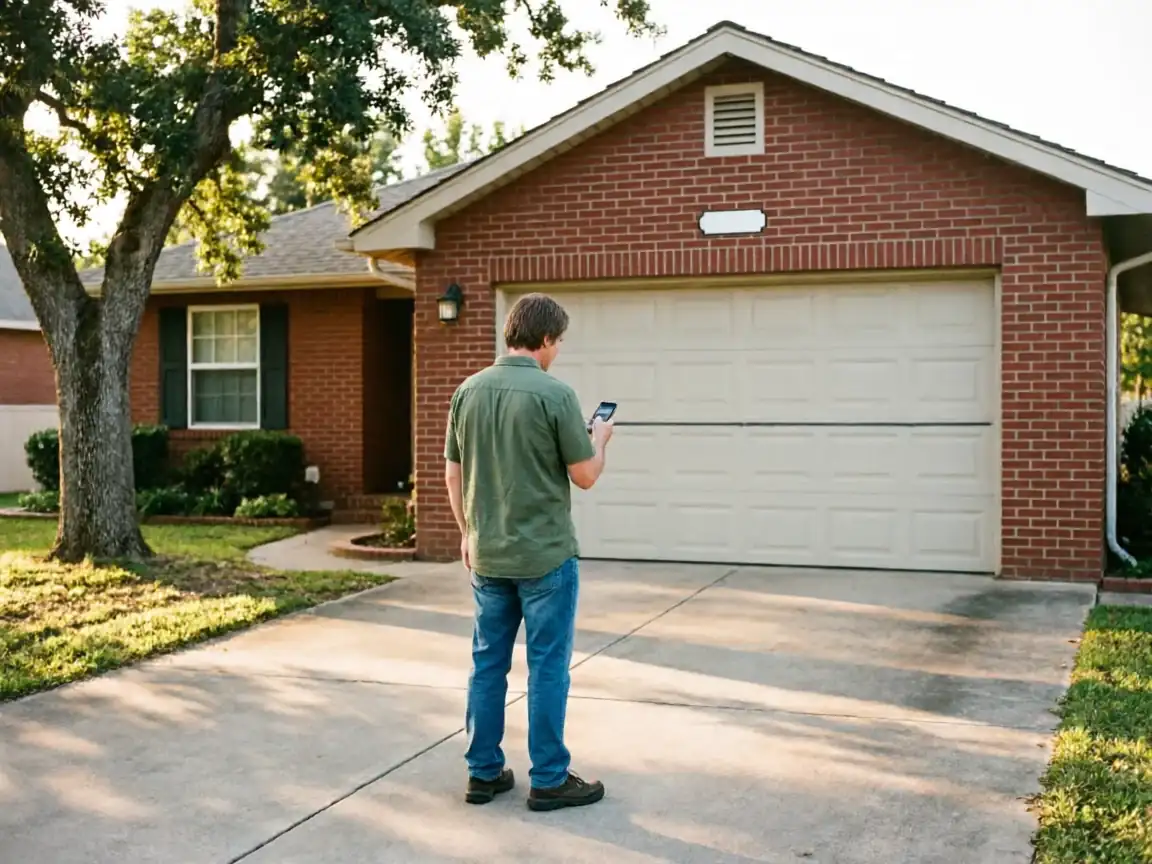
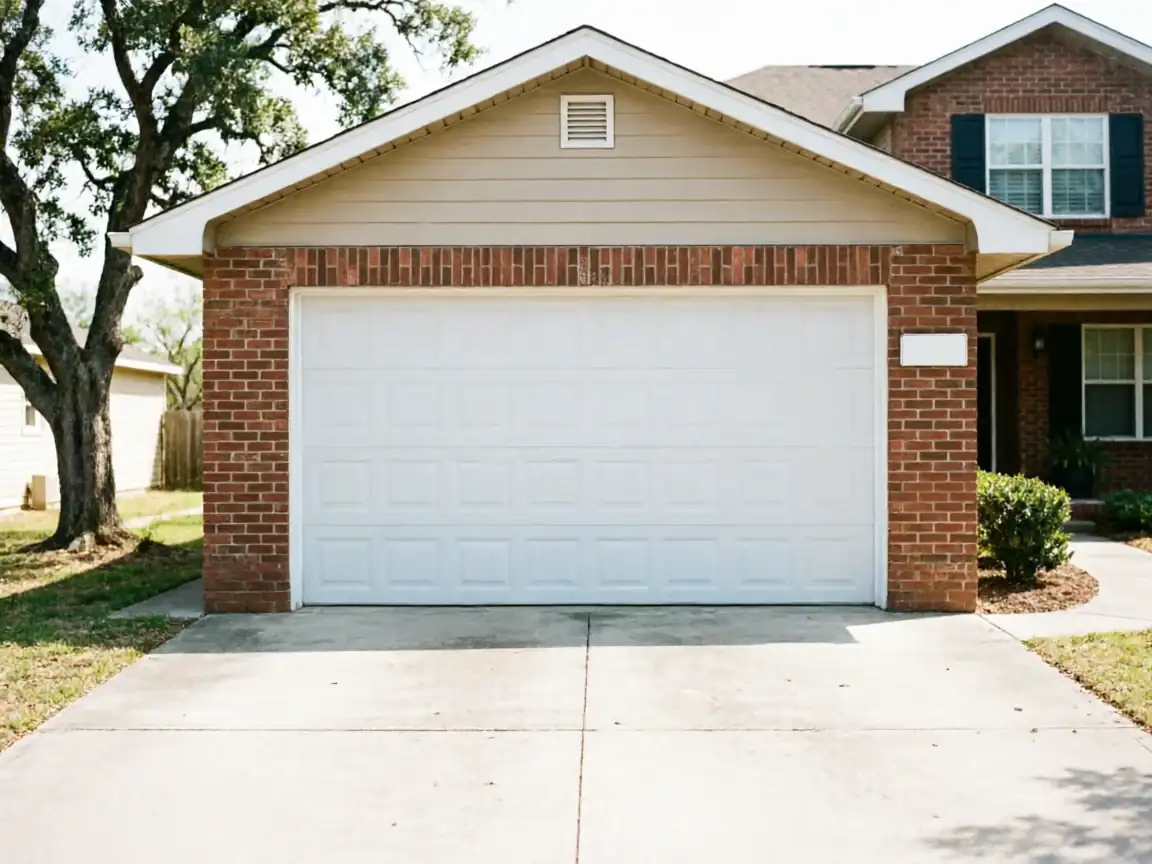
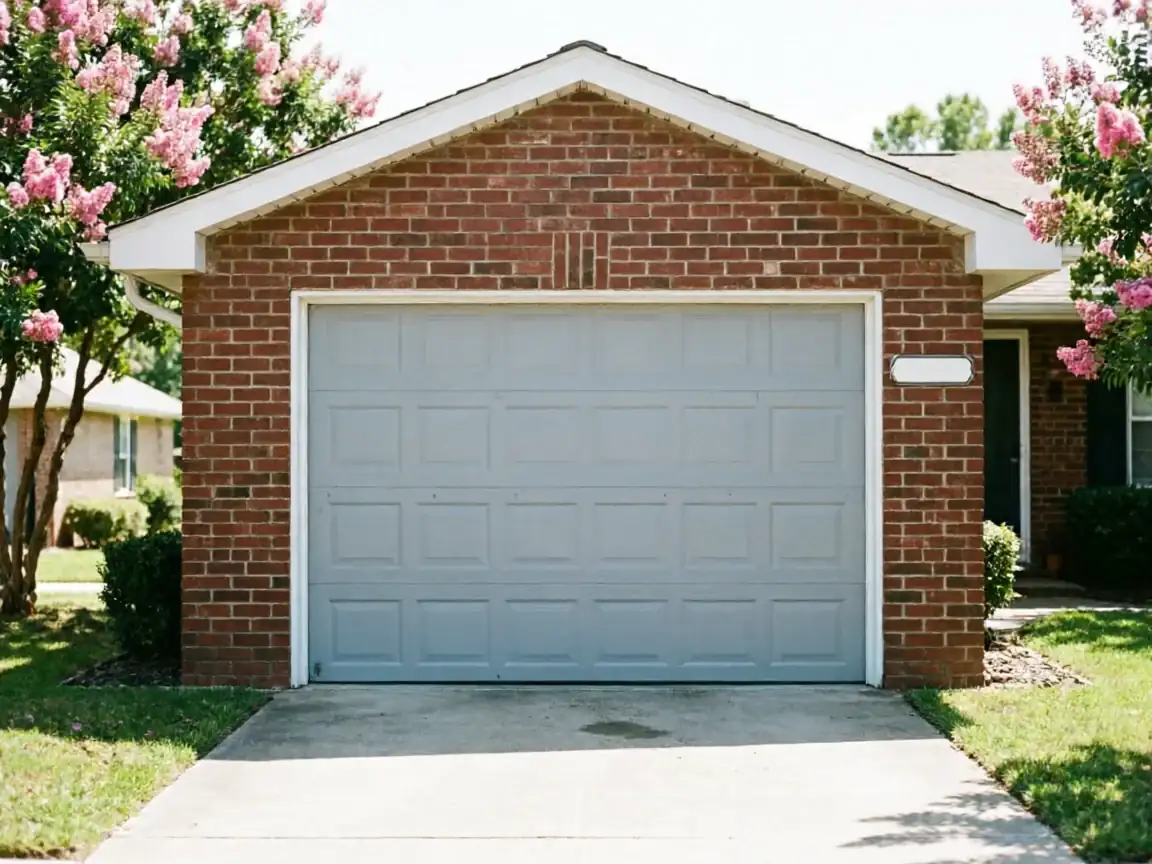
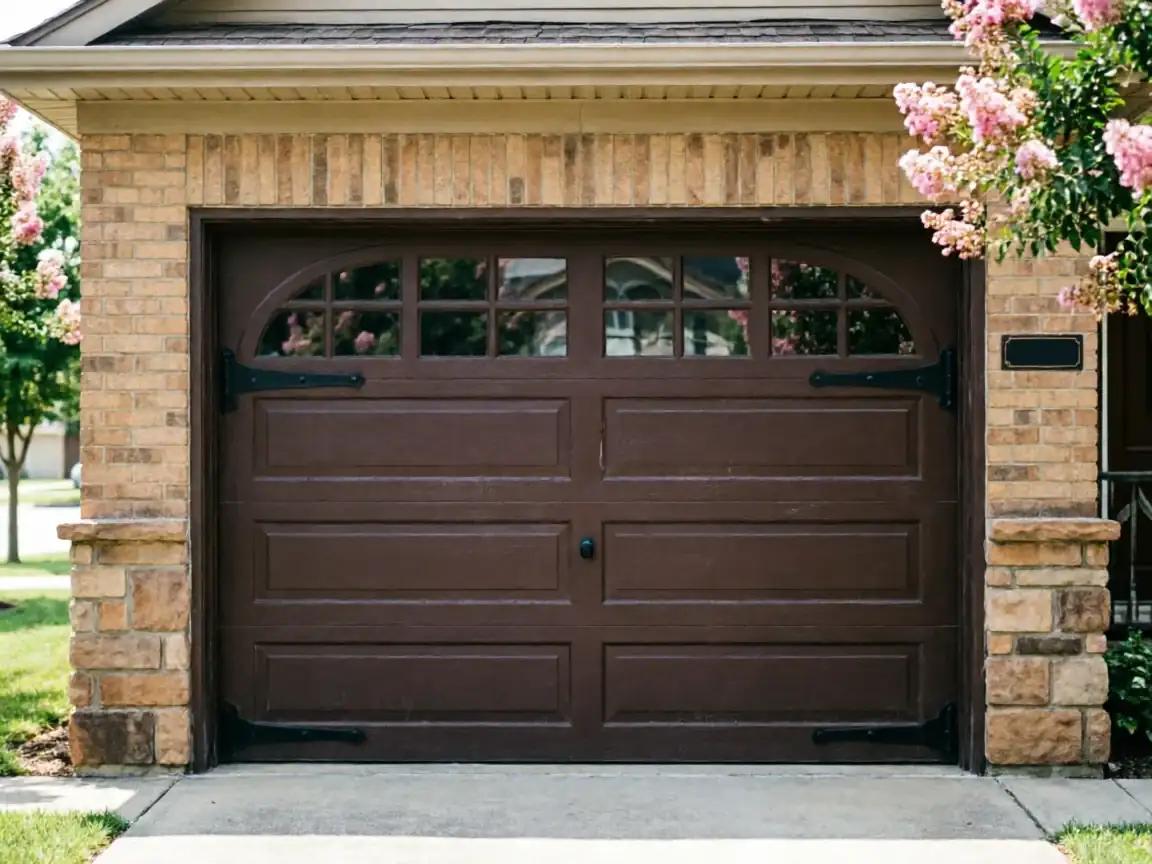
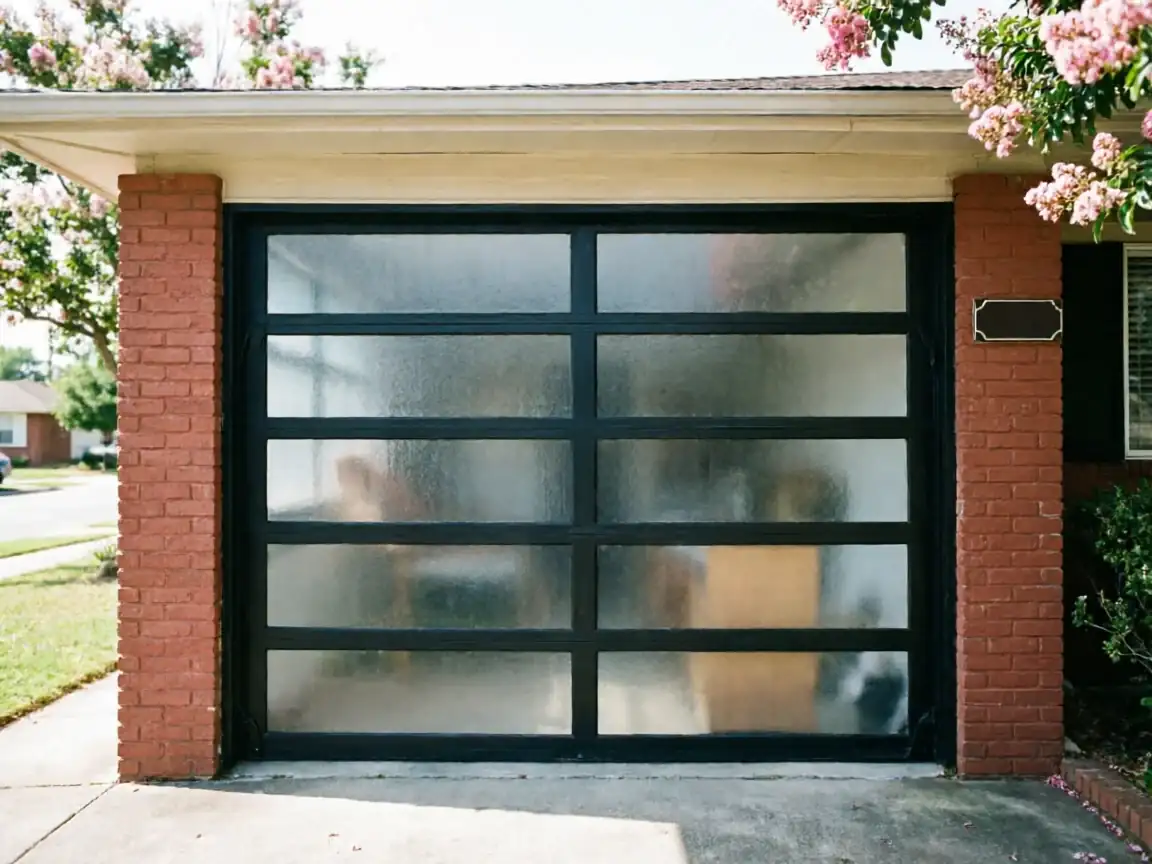
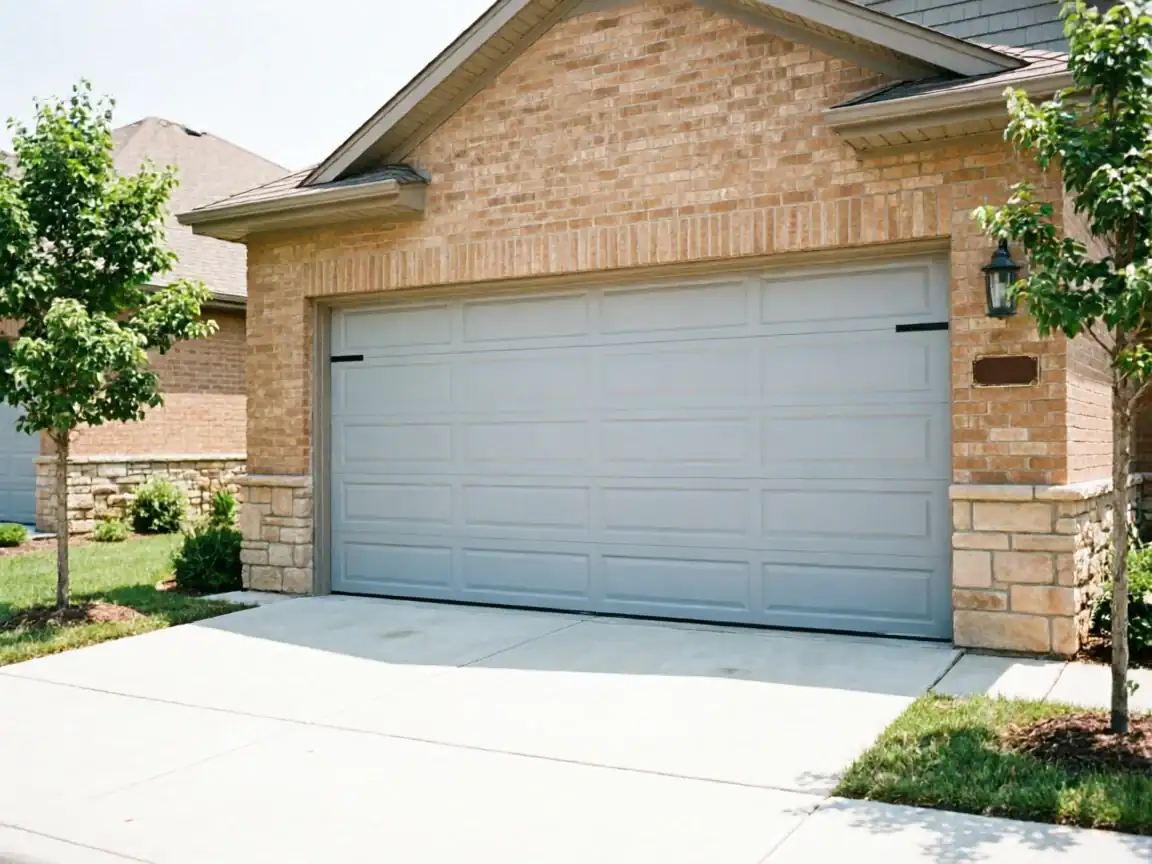
Wylie's housing stock spans 1971 to 2015 with a median build year of 2005, but Lavon sits a touch newer, with a median year built of 2007. That's not a big gap on paper, but it means almost every door in Lavon came off the same builder spec during the same stretch of the 2000s construction run. Builders in that window leaned hard on stamped-steel rollers with plastic or nylon wheels, the cheapest spec that passed inspection. Those parts are rated for a certain number of open-close cycles, and a door installed in 2006 or 2007 has now put in close to two decades of daily use. The rollers are wearing out in the same few-year window across most of the town, not randomly house by house. That's different from an older, mixed-era suburb where failures are scattered by whatever hardware each era used. In Lavon, when one roller on a builder-grade track starts grinding, the neighbor's door built the same year is usually not far behind. We travel out from Wylie, about 5 miles, so we see this pattern repeat house after house on the same street.
The Symptom
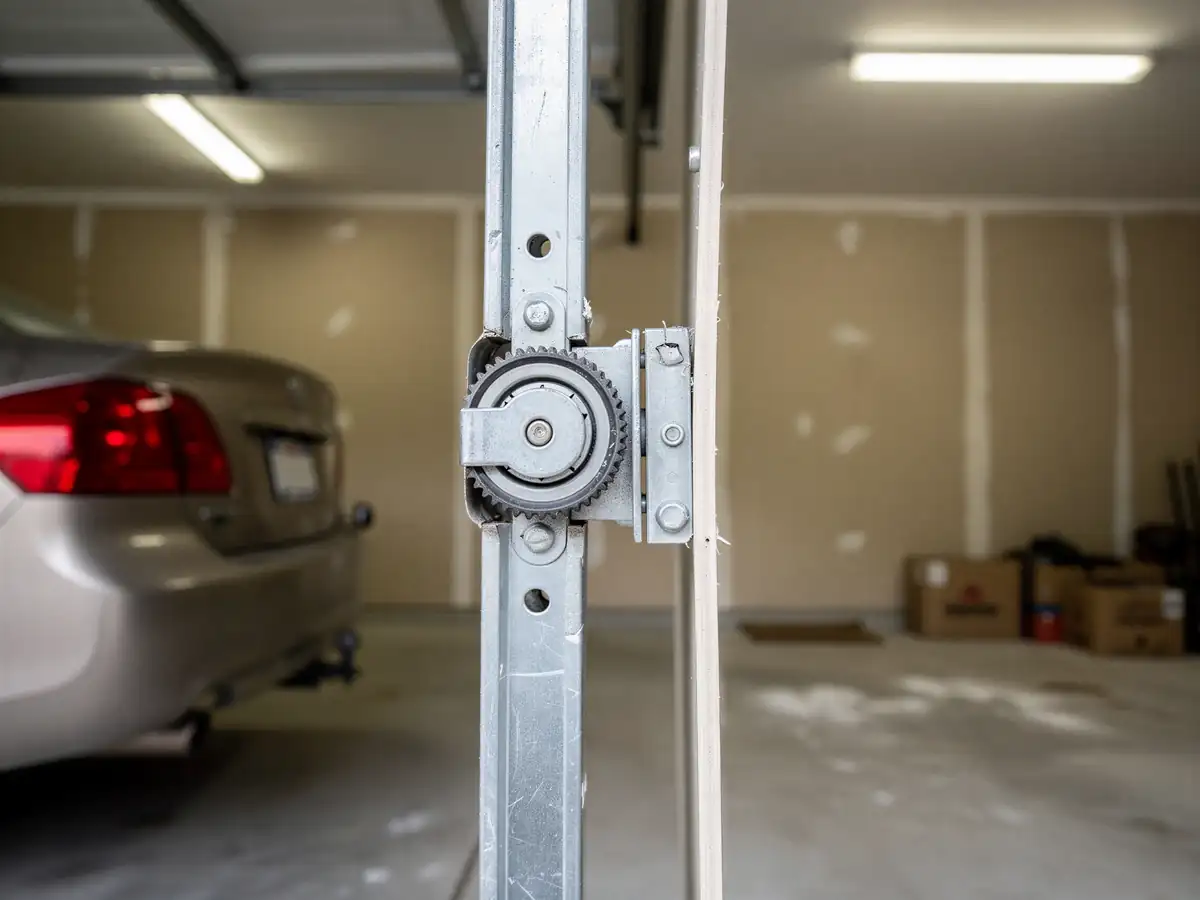
A worn roller doesn't fail all at once. It starts as a rhythmic thump or squeal as the door travels, one beat per roller per cycle, getting louder as the nylon wears flat on one side or the bearing seizes inside the wheel. On the builder-grade doors common to Lavon's 2000s stock, the stems bend before the wheel itself cracks, which throws the panel slightly off the track and makes the door bind or jerk partway through its travel. You might also notice the door sitting a little crooked when fully open, or scraping the track on one side only. None of this is dramatic at first, which is exactly why it gets ignored until a roller jumps the track entirely and the door won't move at all. Our climate here doesn't bring hard freezes, but it does get cold enough some winters that stiff, dry nylon wheels crack rather than flex, so a roller that was marginal in October can seize completely by January.
What Can Go Wrong
The honest limitation first: if the rollers on a Lavon door have been bad long enough to bend the track, roller replacement alone won't fix the symptom. We'll swap the rollers, but a warped track needs its own repair or the door will keep binding in the same spot. On the builder-grade hardware common to the 2007-era homes here, we also sometimes find the roller stems have worn an oval hole in the hinge plate, not just the wheel itself, which means the hinge needs replacing too, not just the roller. Steel rollers with sealed bearings cost more up front than the plastic ones builders installed, but they outlast them by years and handle the mild winters here without cracking. We'll tell you straight if a full roller set makes more sense than patching one or two, since mixing new steel rollers with fifteen-year-old plastic ones on the same track just means uneven wear again within a year or two.
What the Repair Takes
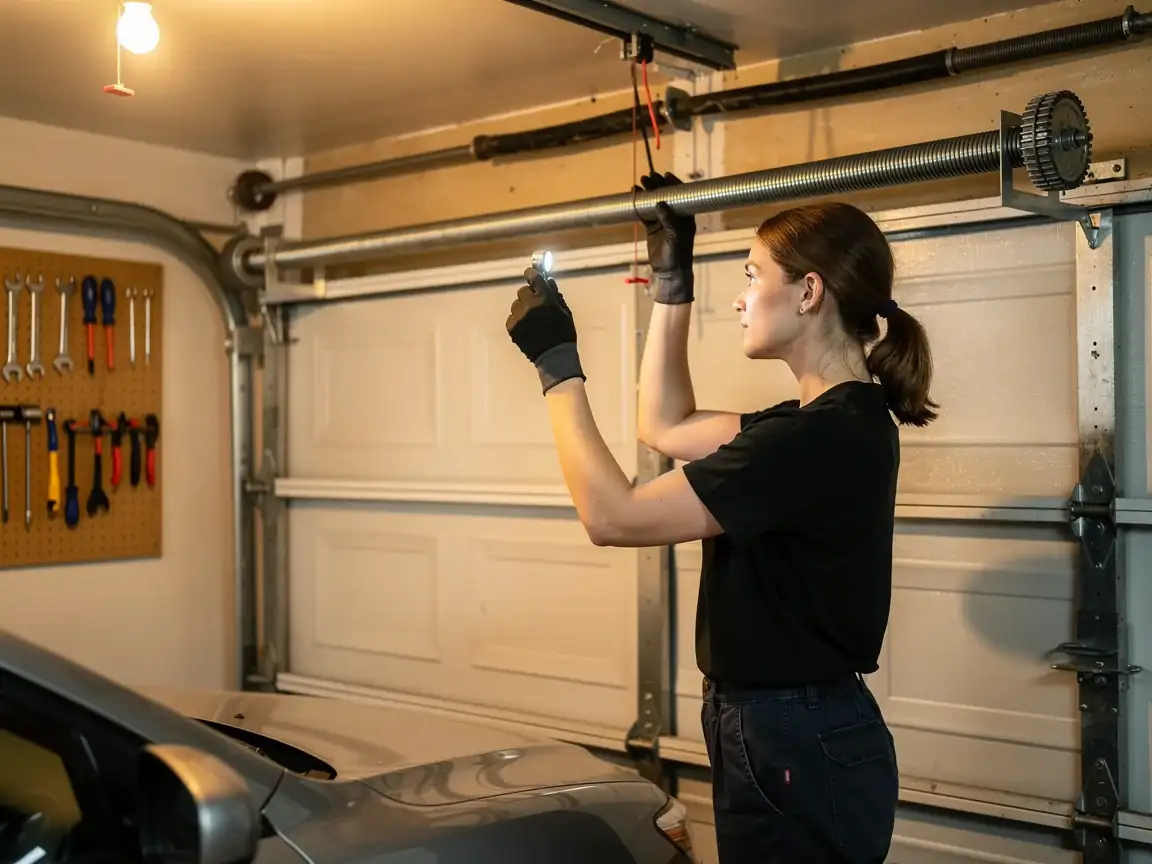
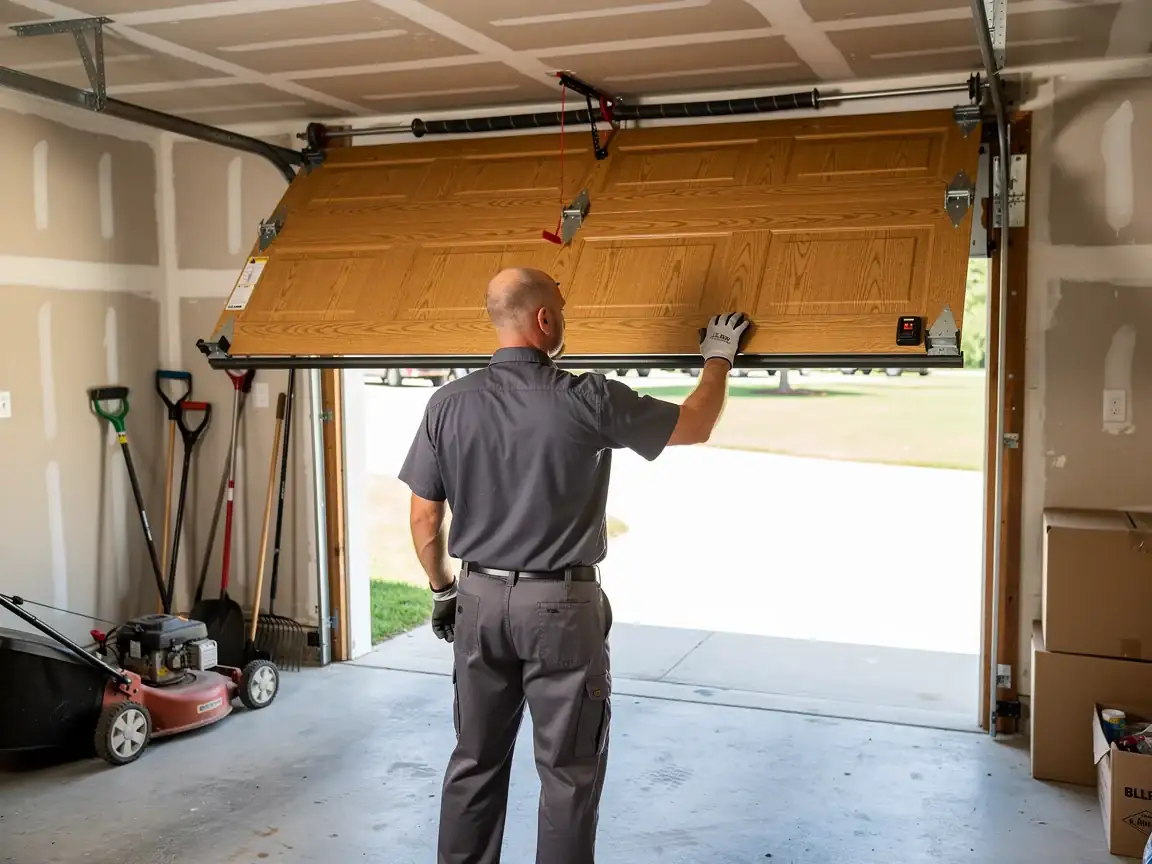
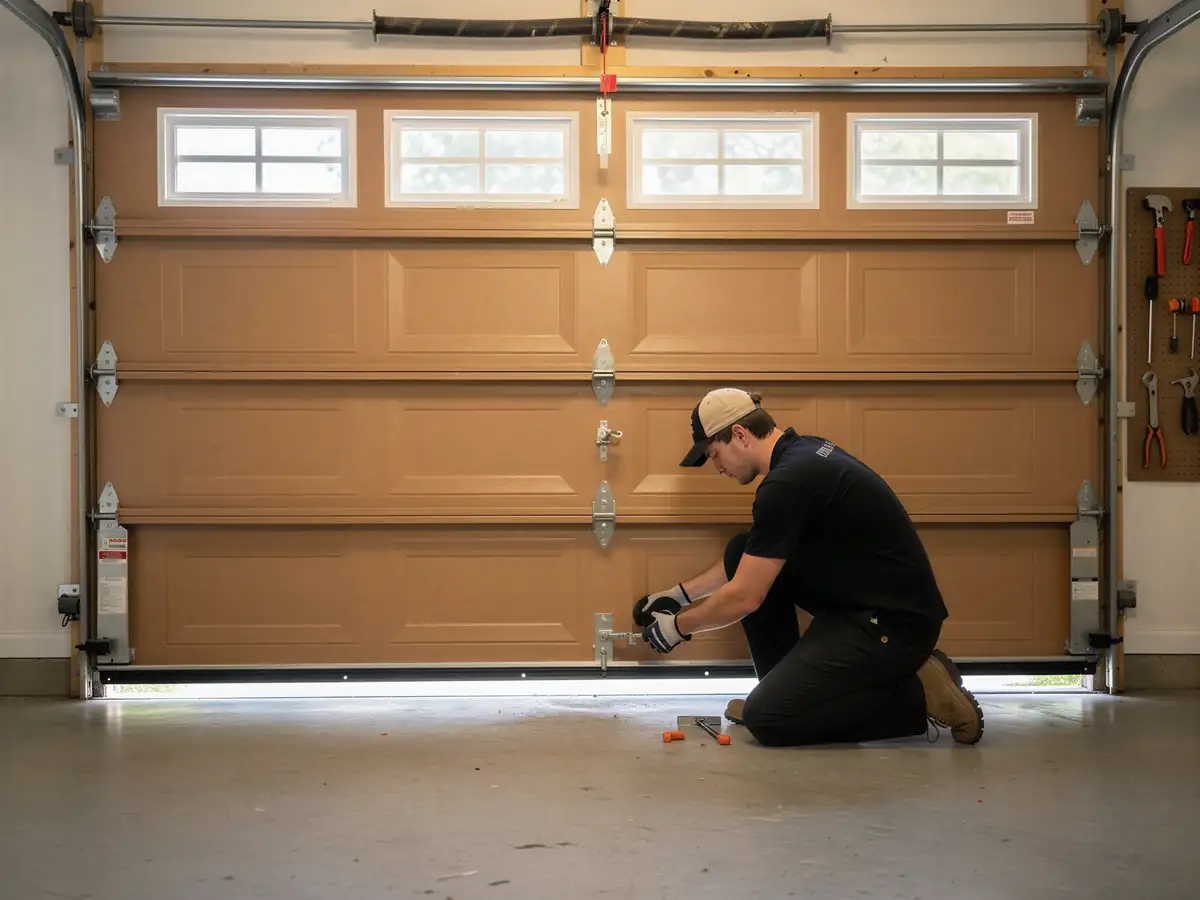
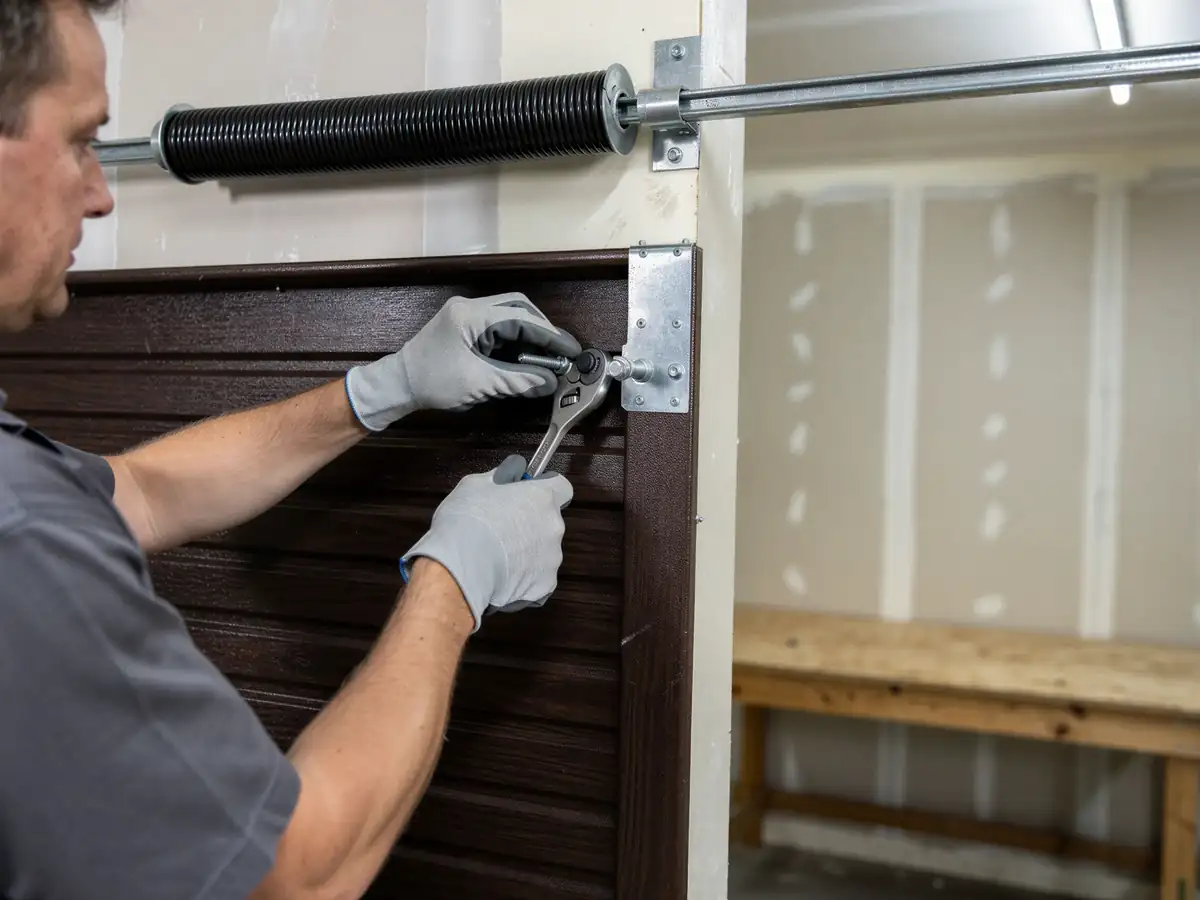
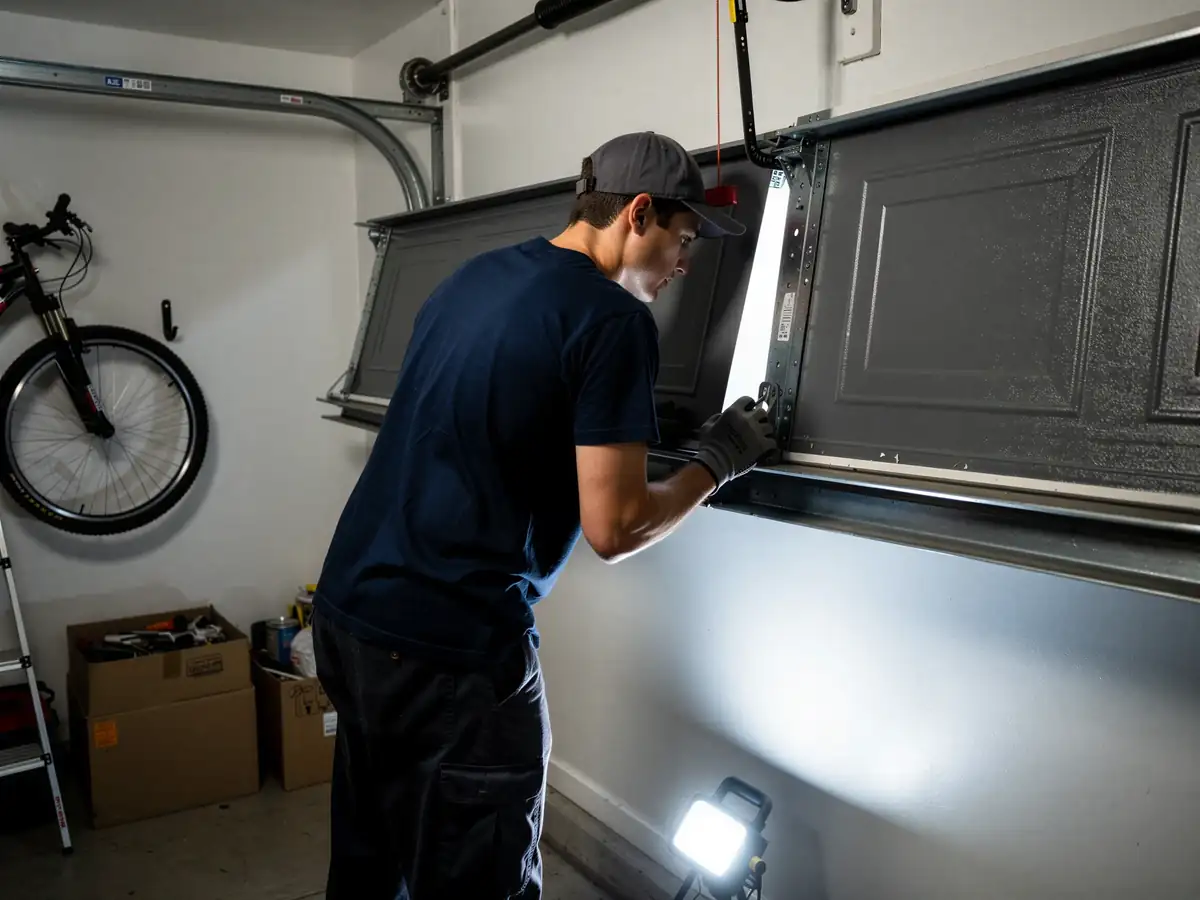
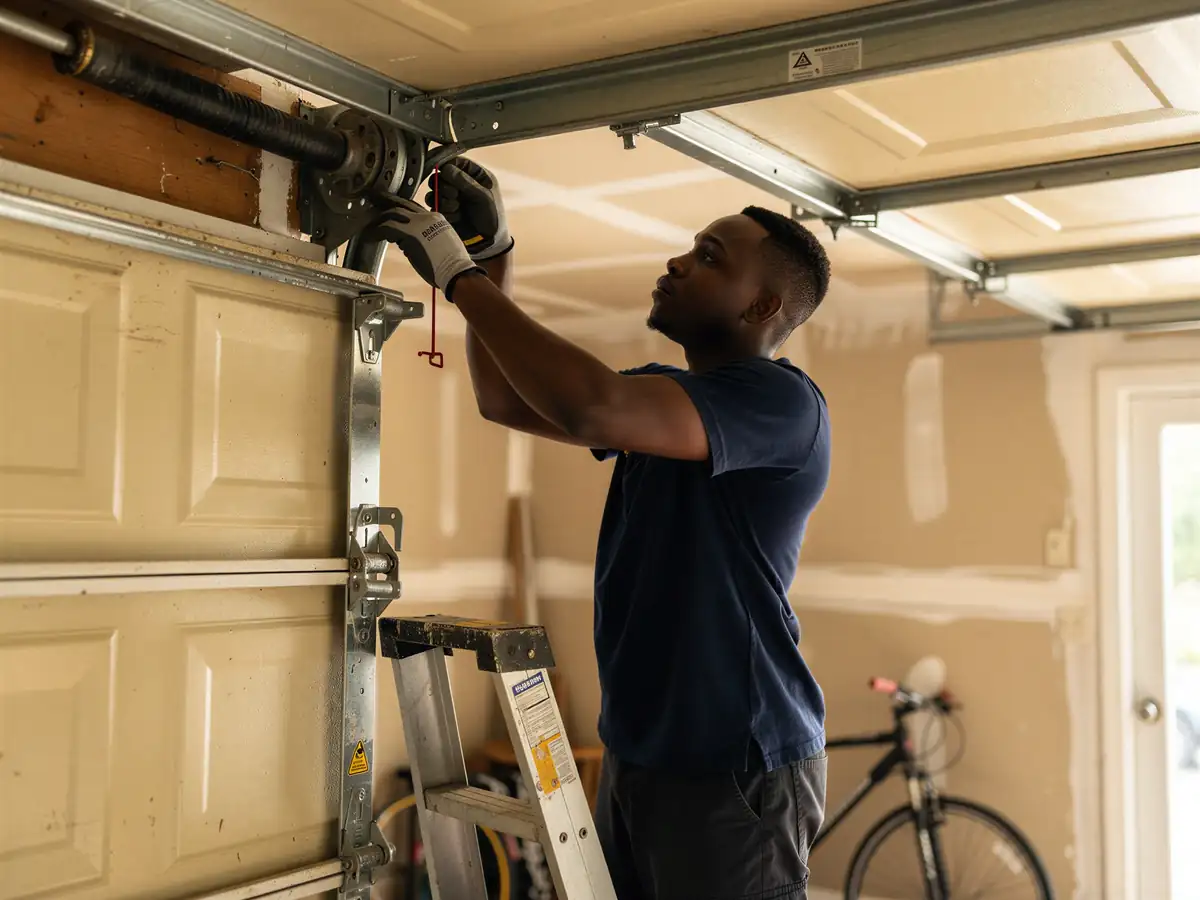
We pull the door down safely, support it, and replace rollers one hinge point at a time so the panel never comes fully loose from the track. On most 2000s-build doors in Lavon that means working around a standard torsion or extension spring setup, nothing unusual for the era, but we check spring tension before we start since a bad roller job on top of a tired spring is a bad day. We use steel ball-bearing rollers as the standard replacement unless there's a reason to match something specific on an unusual door. Once the new rollers are in, we run the door through a handful of full cycles to check it tracks straight and the hinge plates aren't flexing under the new hardware.