Why This Fails Locally
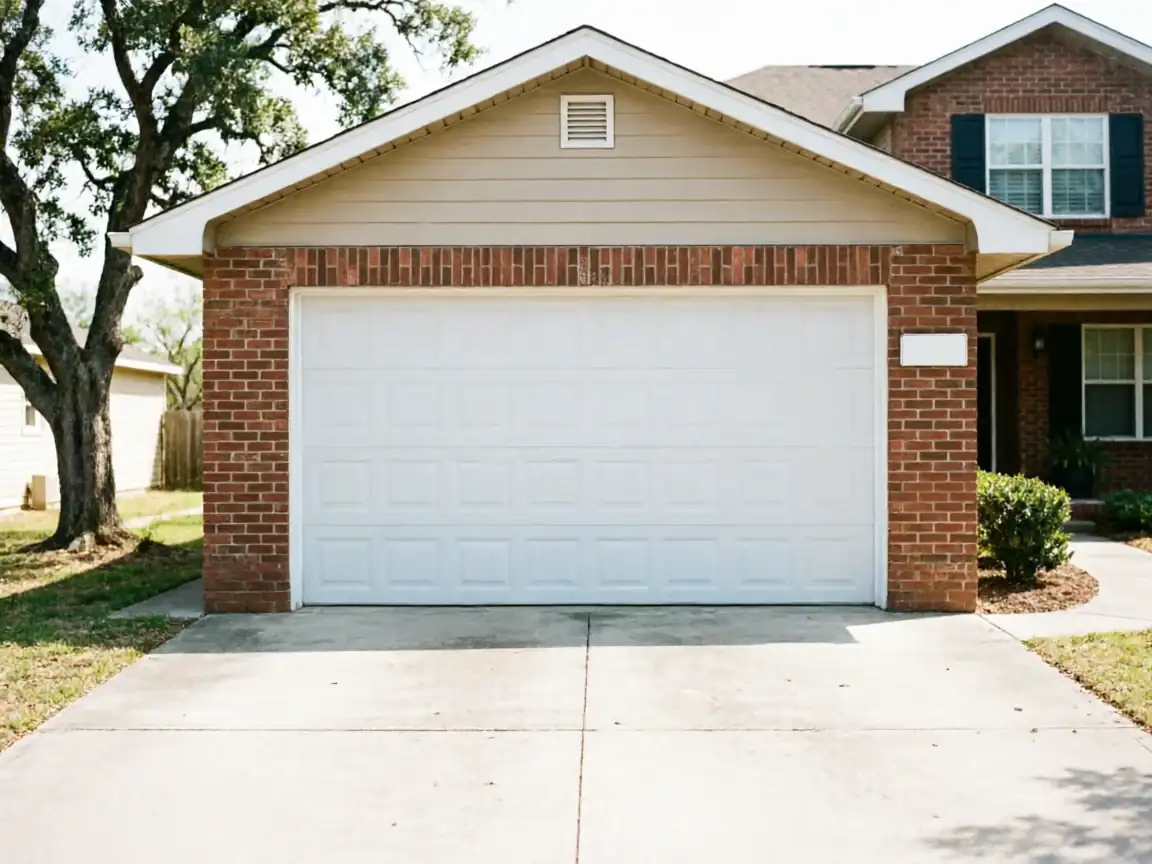
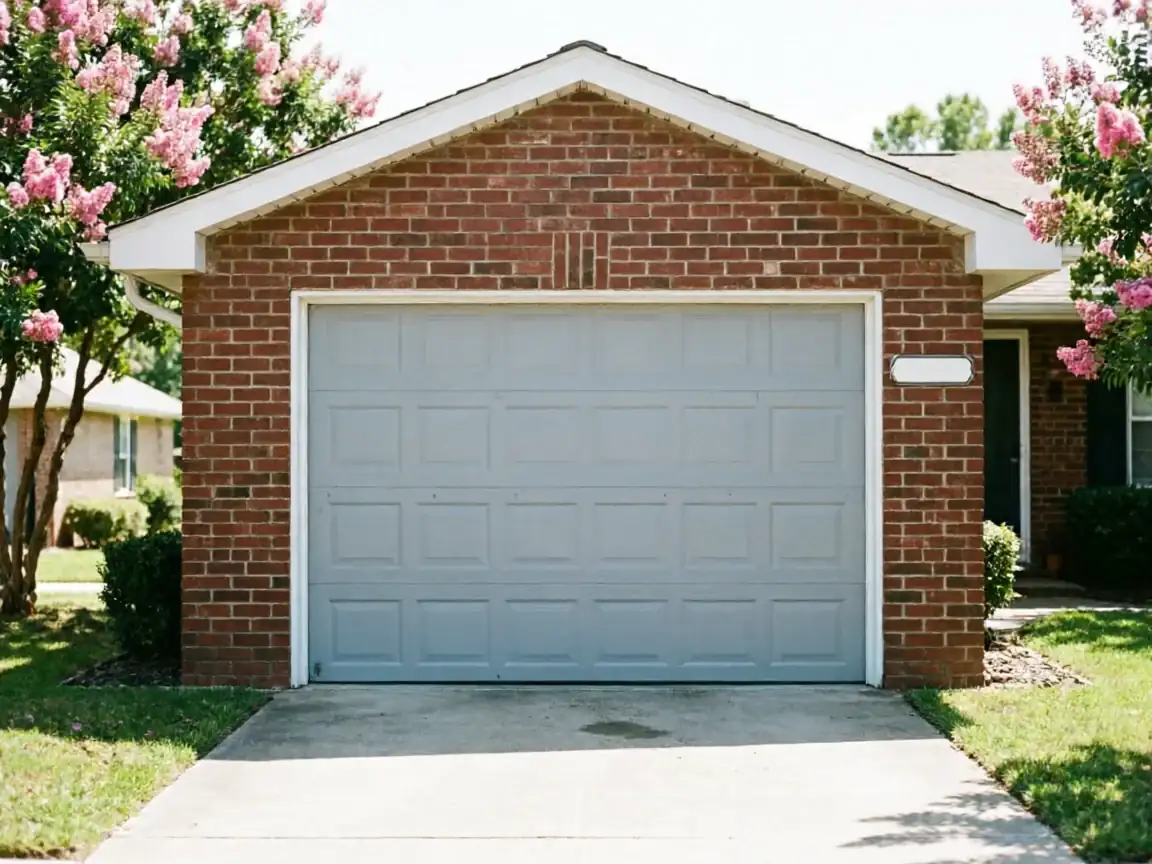
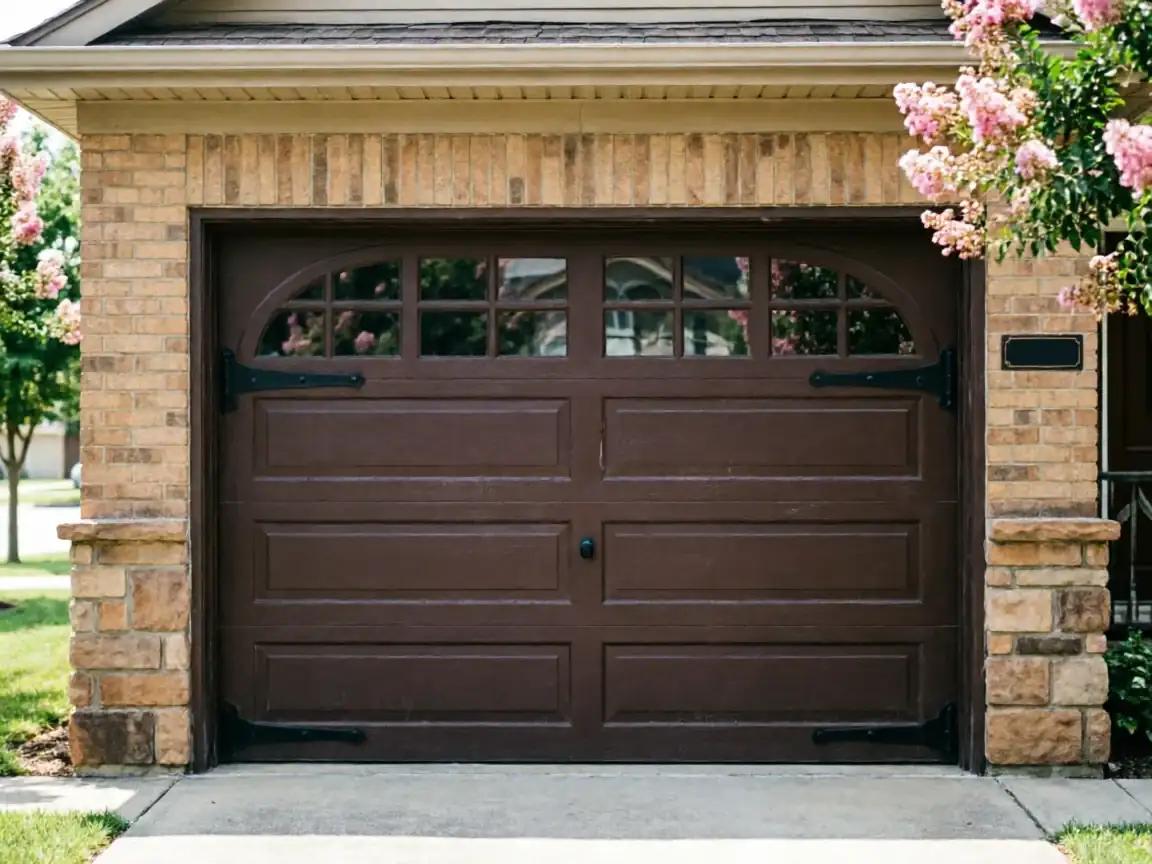
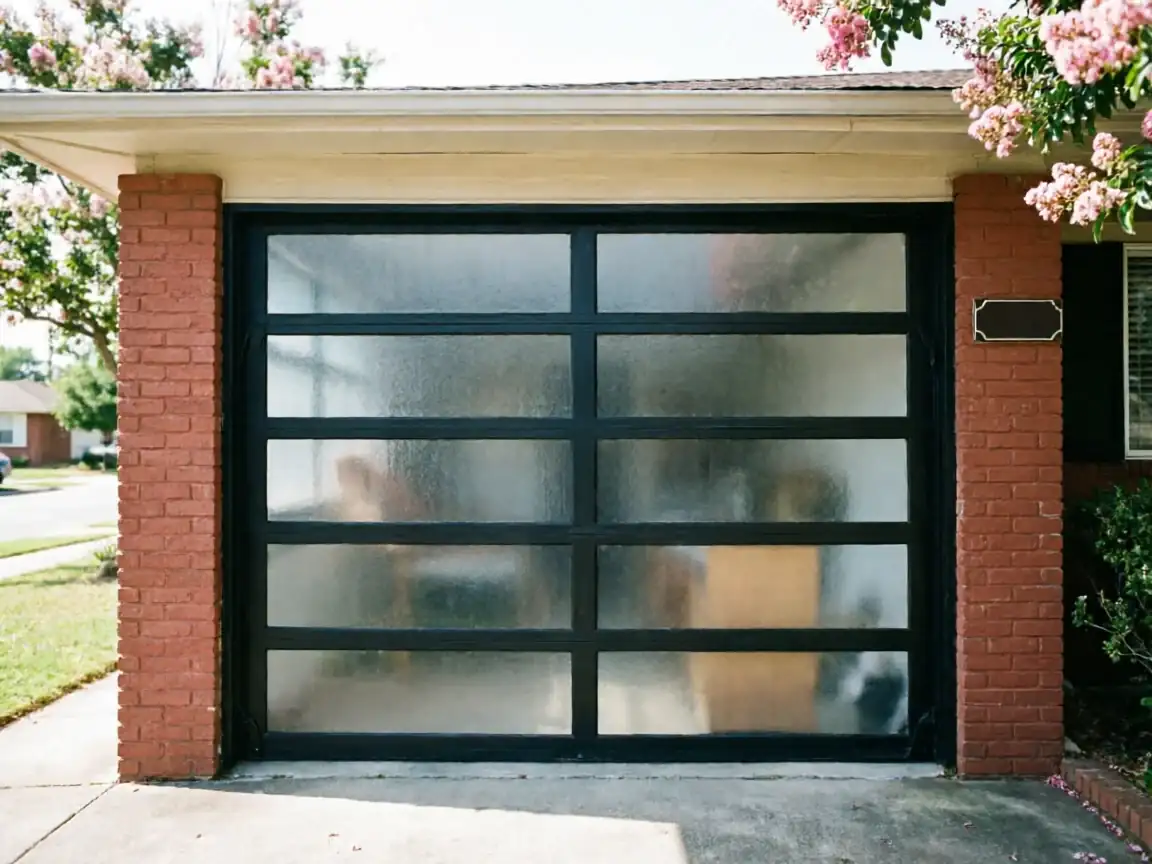
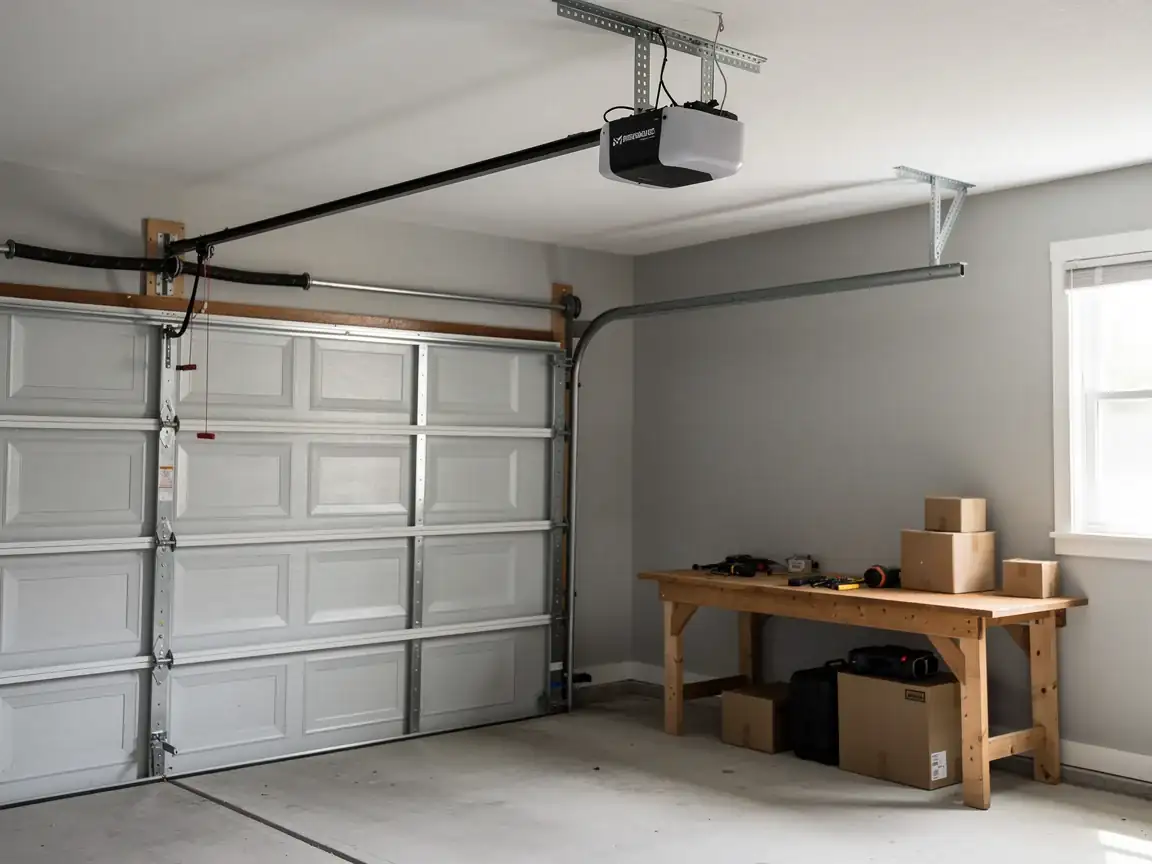
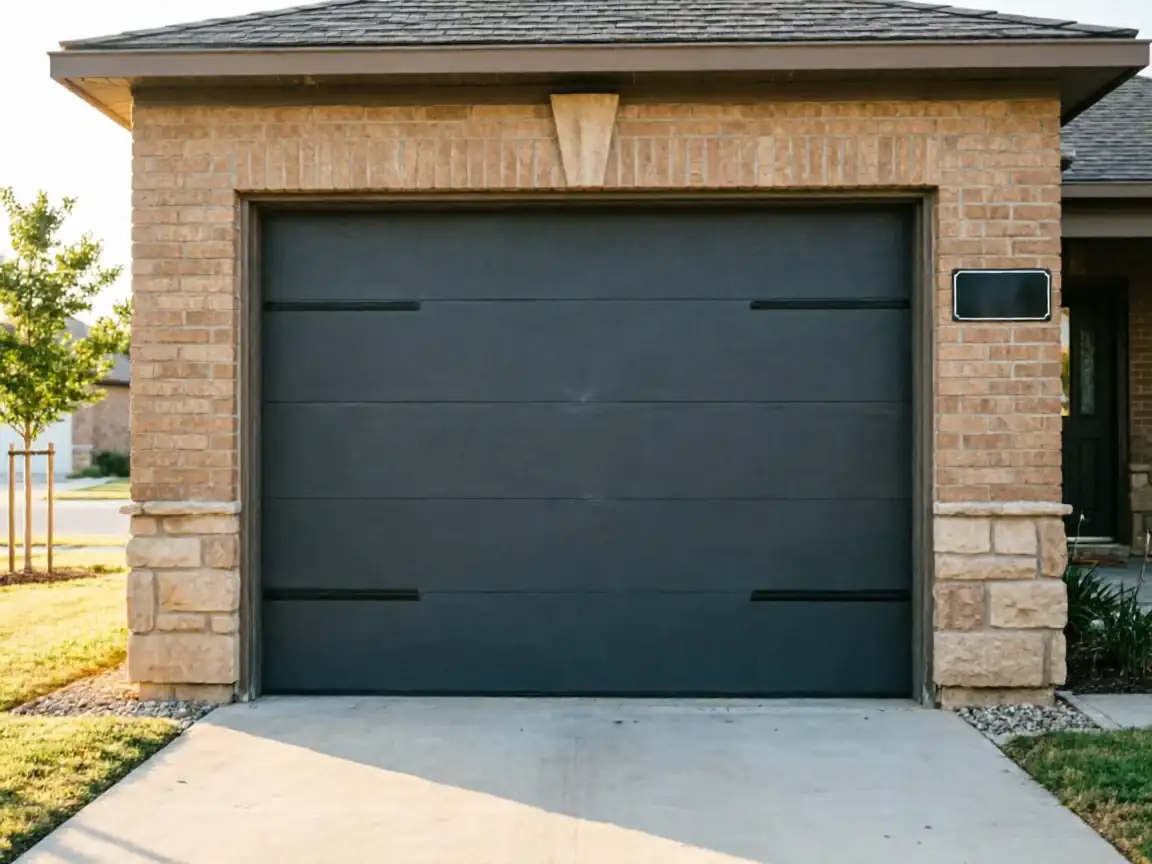
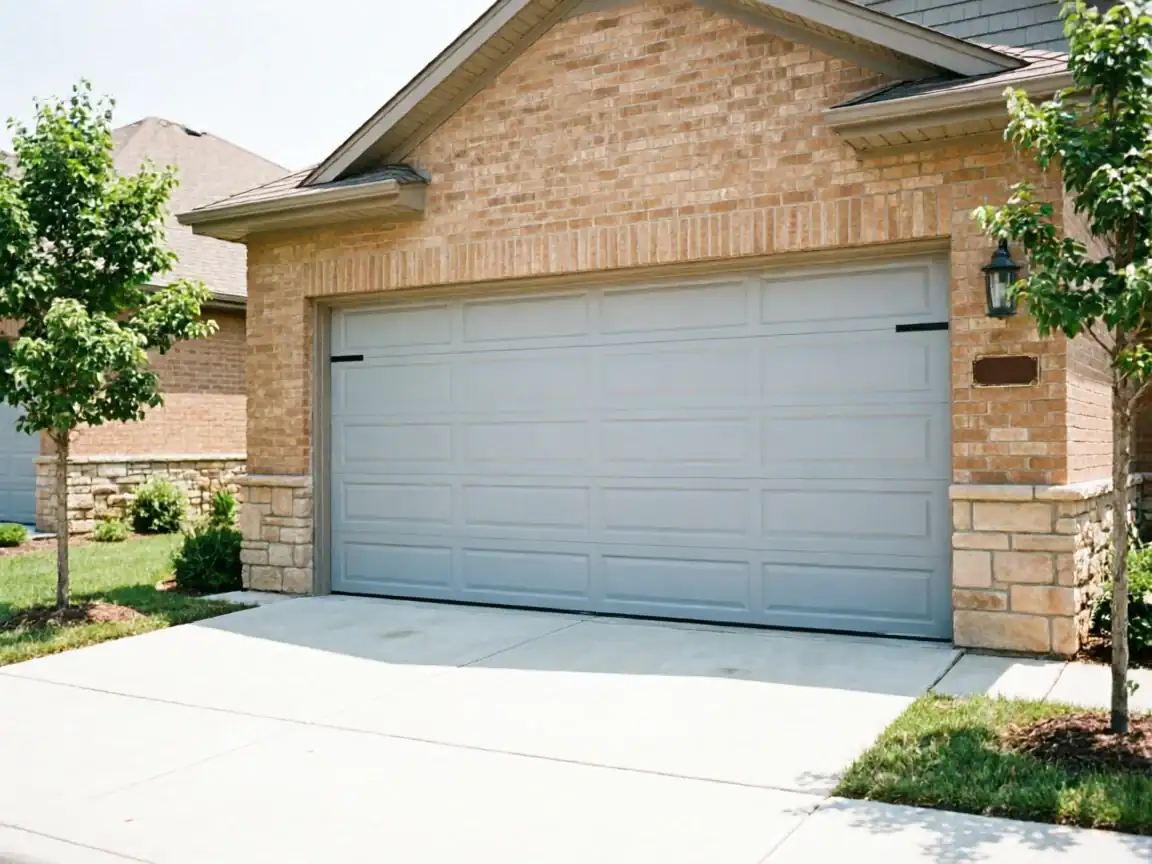
Lavon's housing is young. The median home here was built around 2007, which puts almost every door in this town on steel sectional panels, torsion springs mounted on a center shaft, and a factory photo-eye safety sensor pair at the bottom of the track. That hardware is a known quantity - it's the same stuff that was standard across the broader service area when the housing boom here was in full swing between 1971 and 2015, with Lavon itself landing on the newer end of that range. That's good news in one way: you're not dealing with the old side-mounted torsion setups or single-piece doors that show up in older pockets of the area. The failure points on a 2007-era door are predictable - spring fatigue after years of cycles, a photo-eye knocked out of alignment, or an opener logic board that's simply aged out. What it isn't is older cosmetic rot or warped wood panels, because almost nobody here has those.
The Symptom
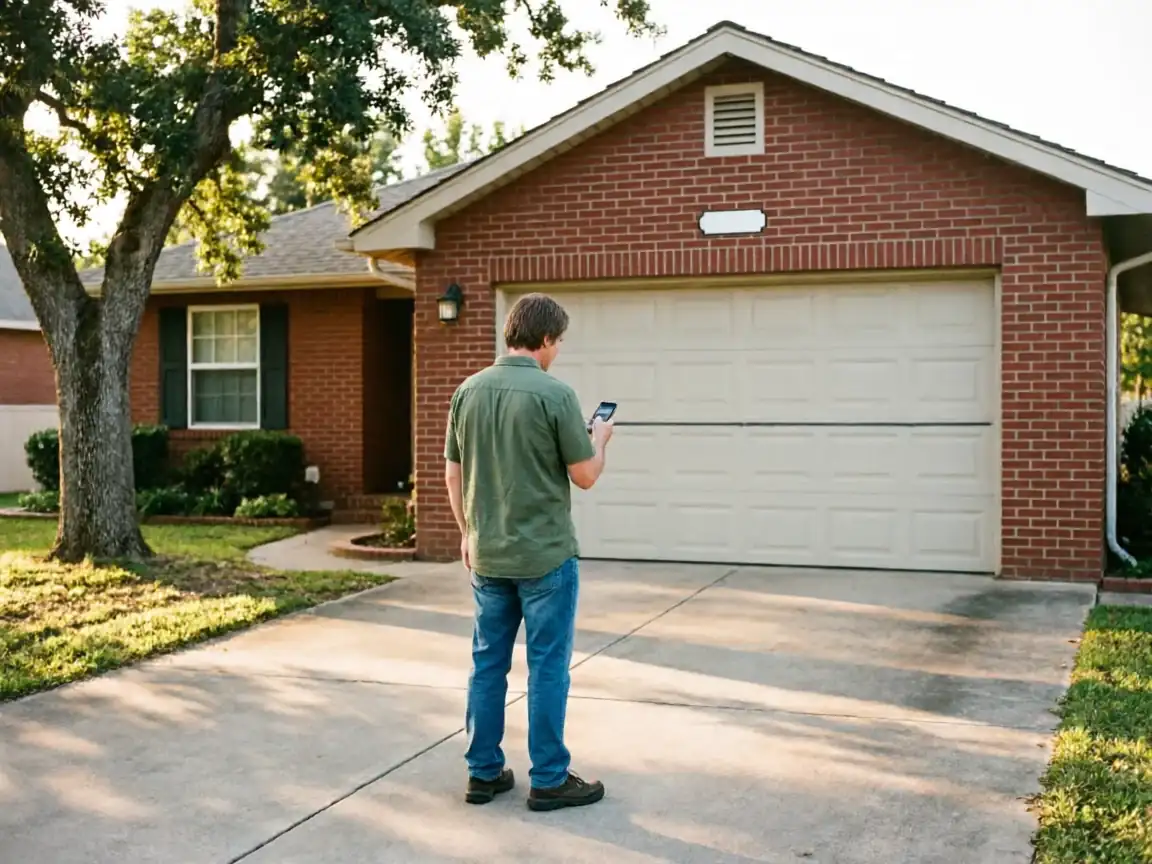
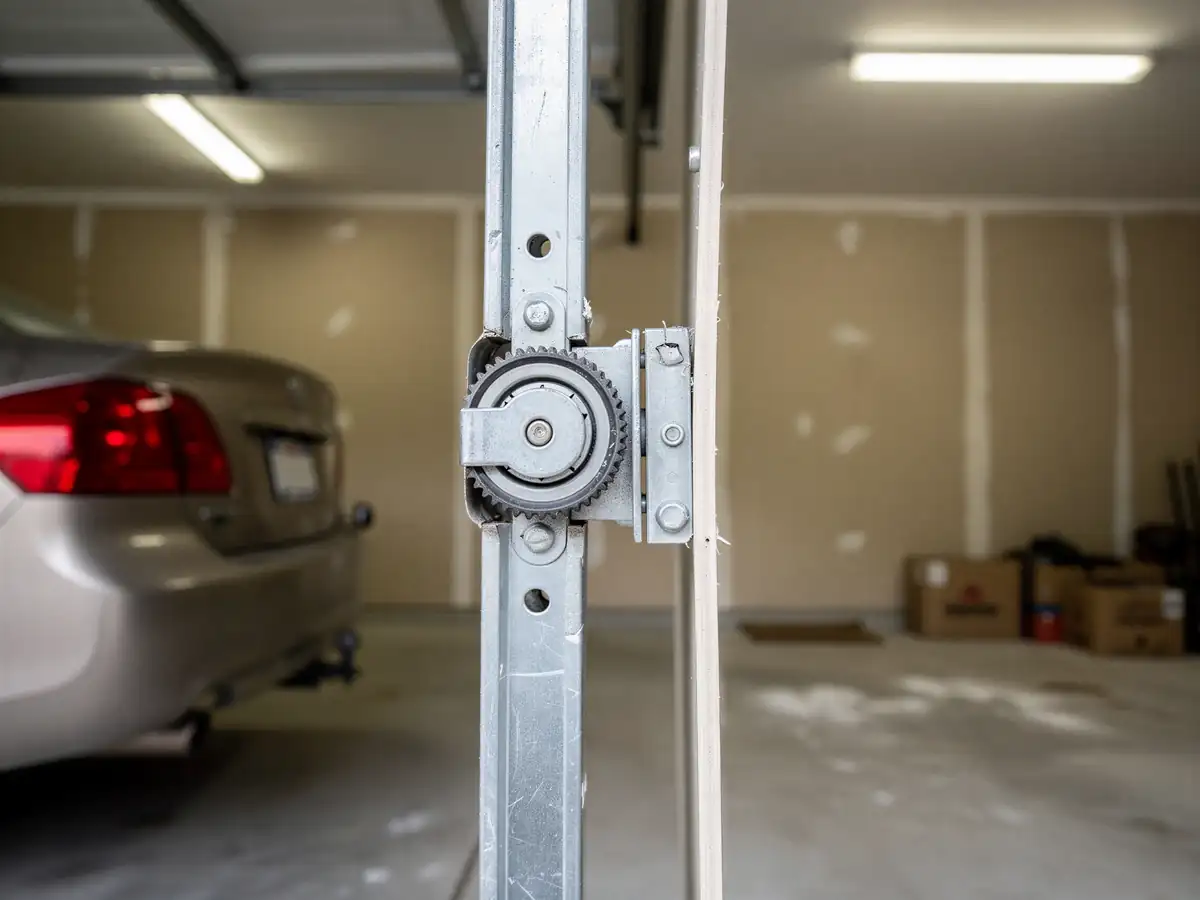
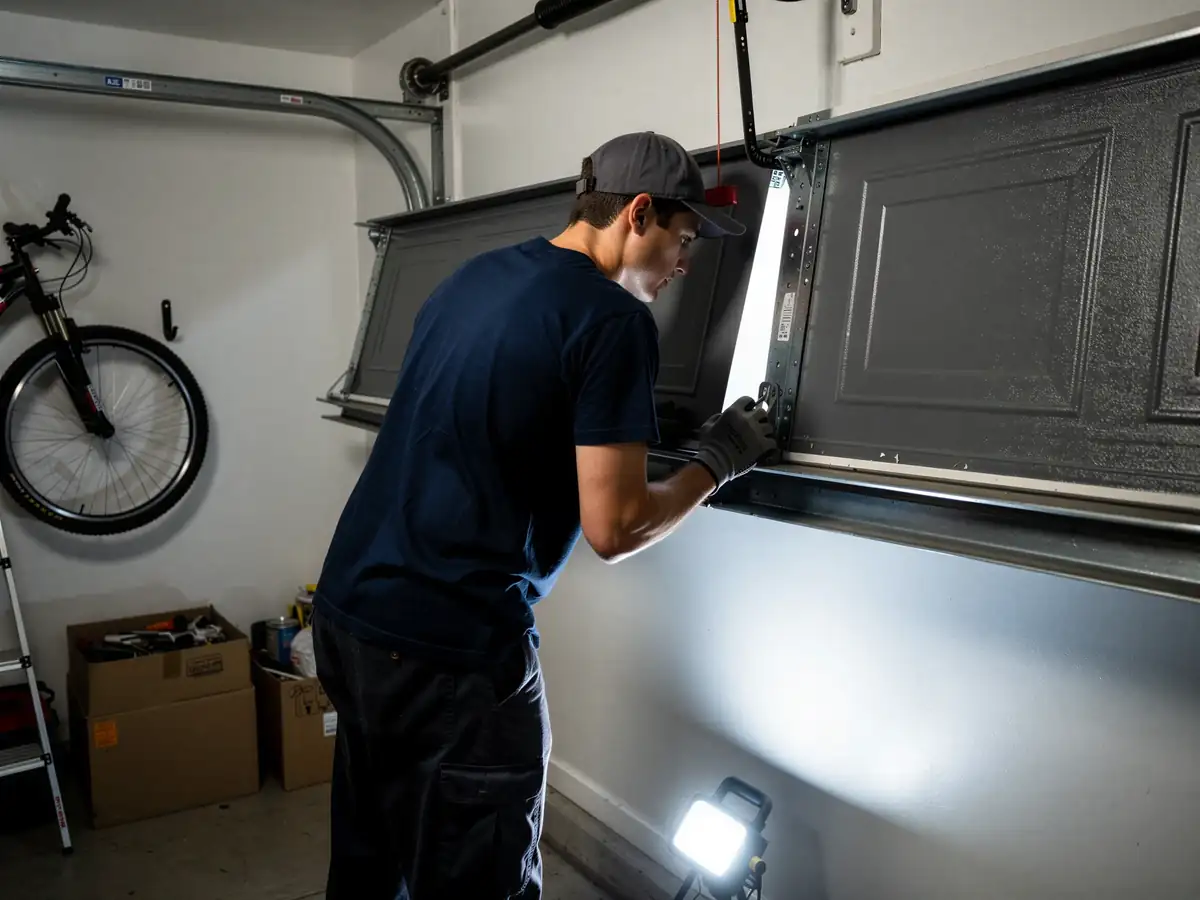
The call usually starts the same way: the door won't open, or it opens a few inches and stops, or it reverses right back down before it clears the floor. On a 2007-build door, that reversal is almost always the photo-eye sensors - one knocked loose or trapped behind a few degrees of misalignment reads as an obstruction even when there isn't one. A door that simply won't move, dead quiet, points toward a broken torsion spring or a stripped opener gear, not a structural problem with the panel itself. A door that's noisy going up but not coming down, or vice versa, usually means a roller or a bent track, and on a house this age that's wear, not age-related sag.
What Can Go Wrong
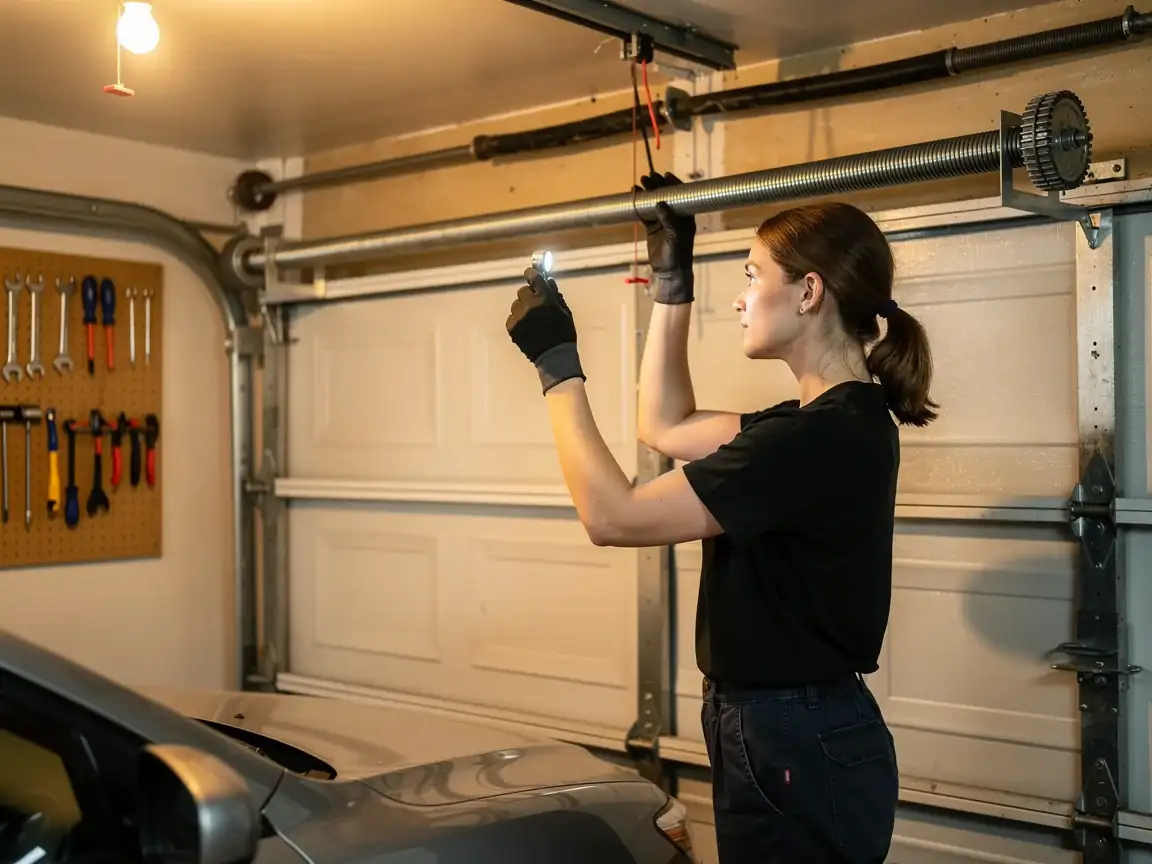
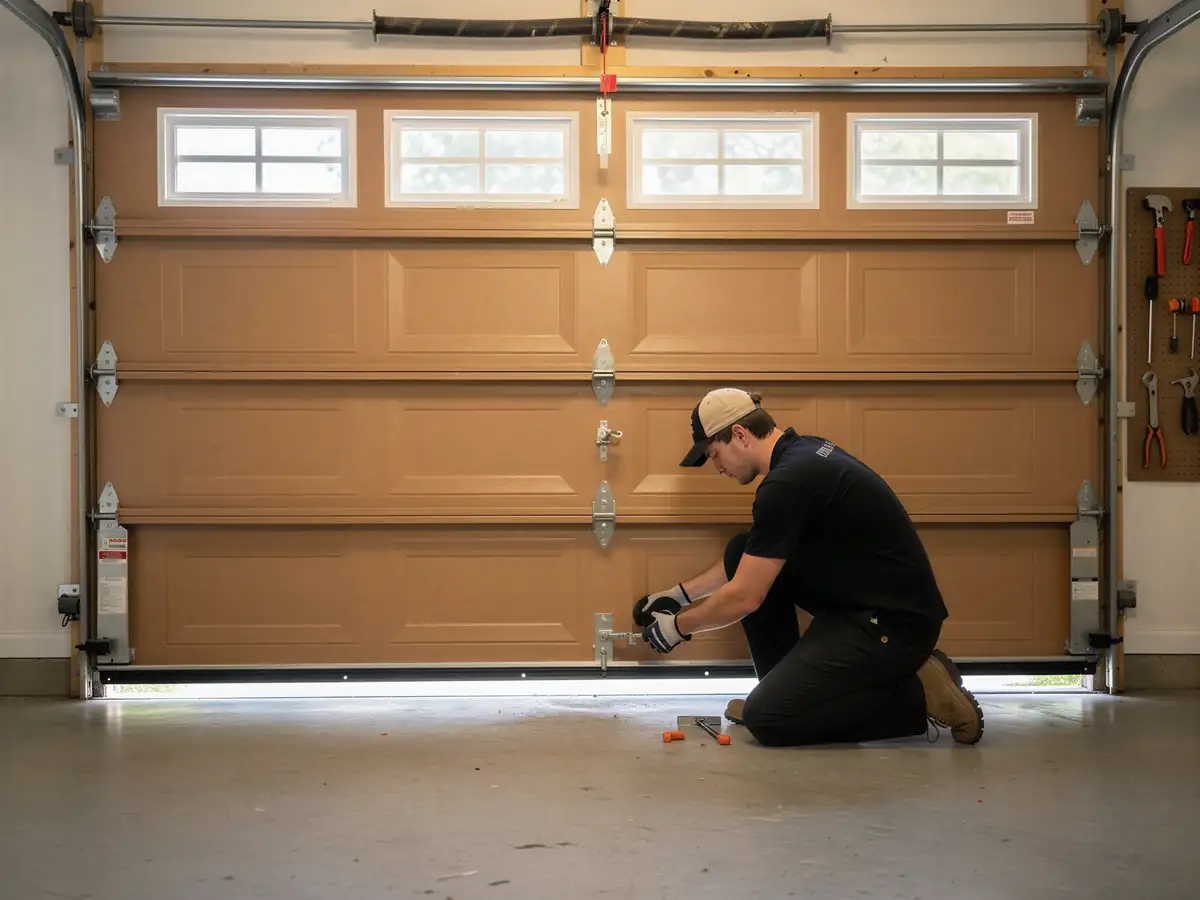
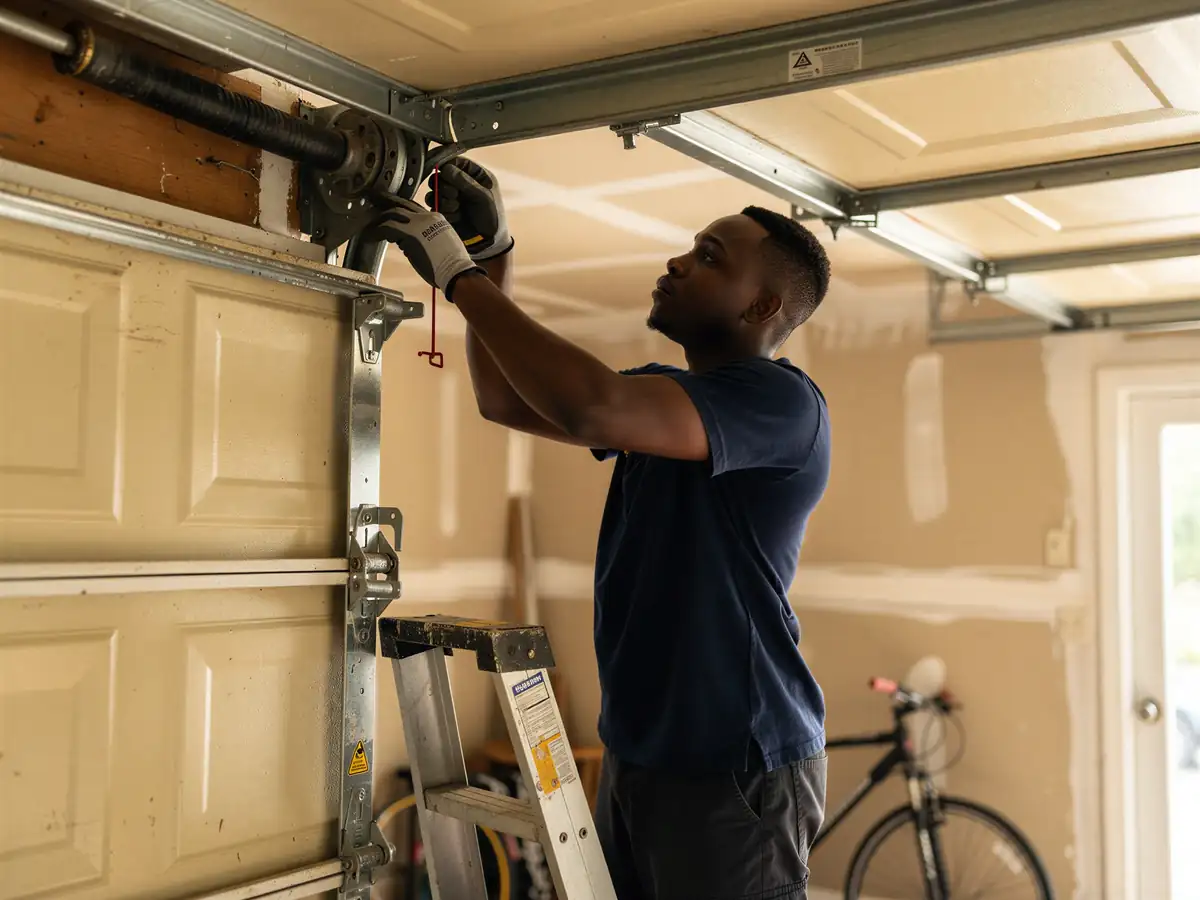
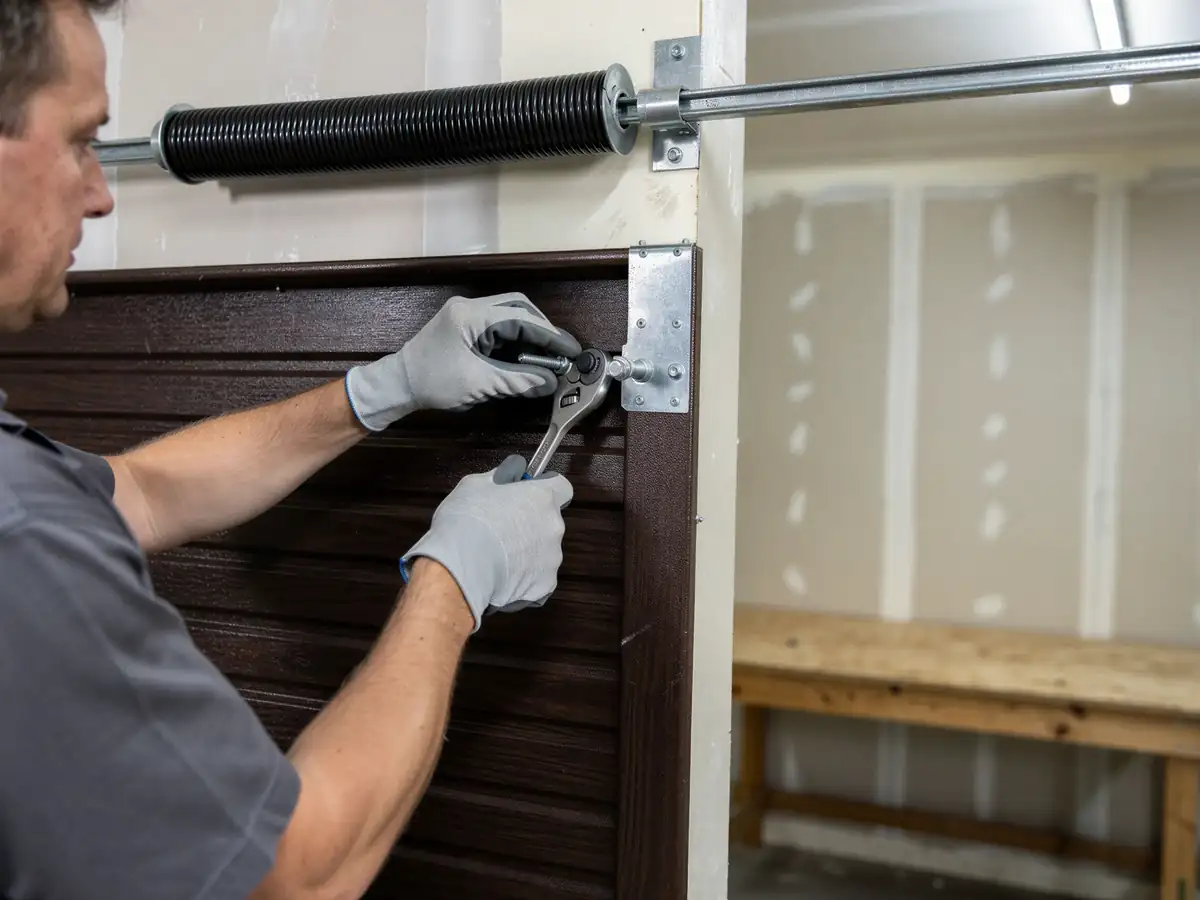
A broken torsion spring under load is the most dangerous failure on this kind of door - it's wound tight enough to cause real injury if someone other than a trained tech tries to release or replace it, and that's not a DIY call regardless of how new the door is. The other failure we see on newer stock like this is a cable that's frayed but hasn't snapped yet; it'll work fine right up until it doesn't, usually on a cold morning when the steel is stiffer. The climate here runs mild with occasional freeze, so cable and roller lubrication matters more in winter than people expect - not because of heavy snow, but because a few freeze-thaw cycles a year is enough to dry out grease that was fine in August.
What the Repair Takes
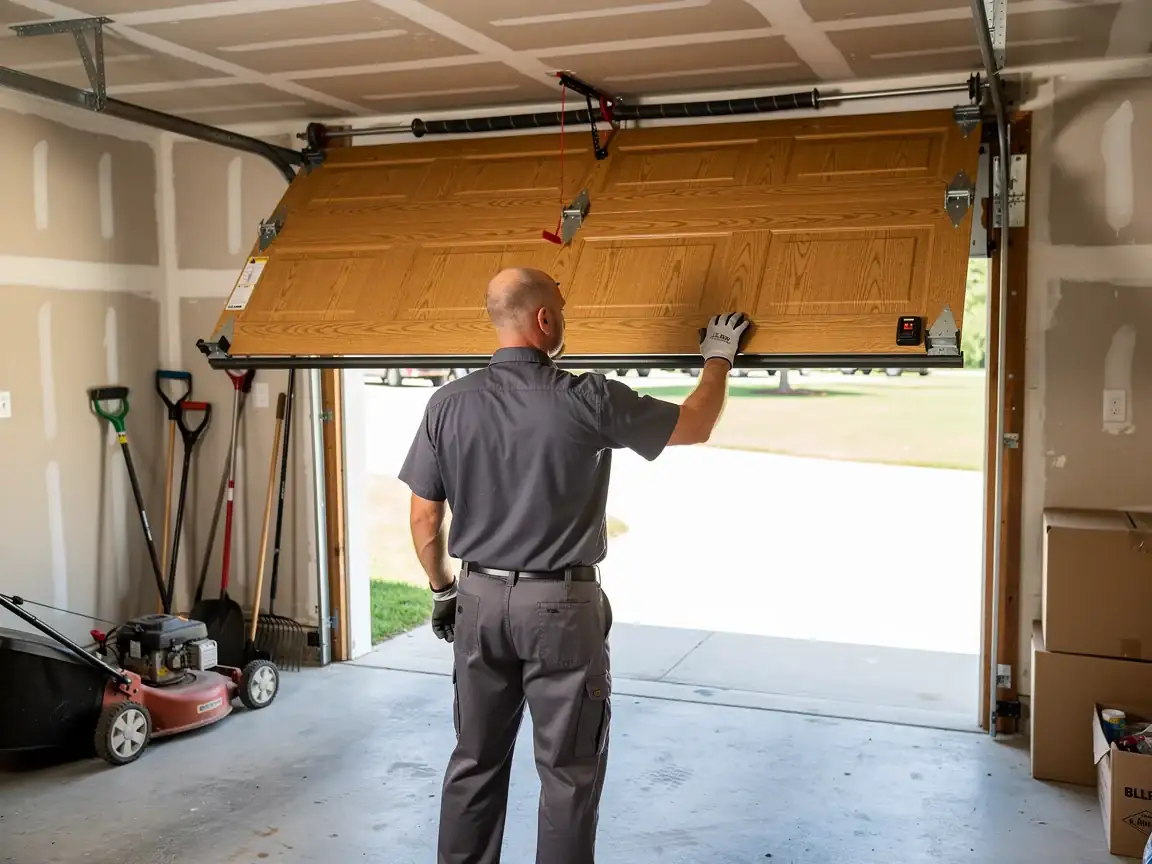
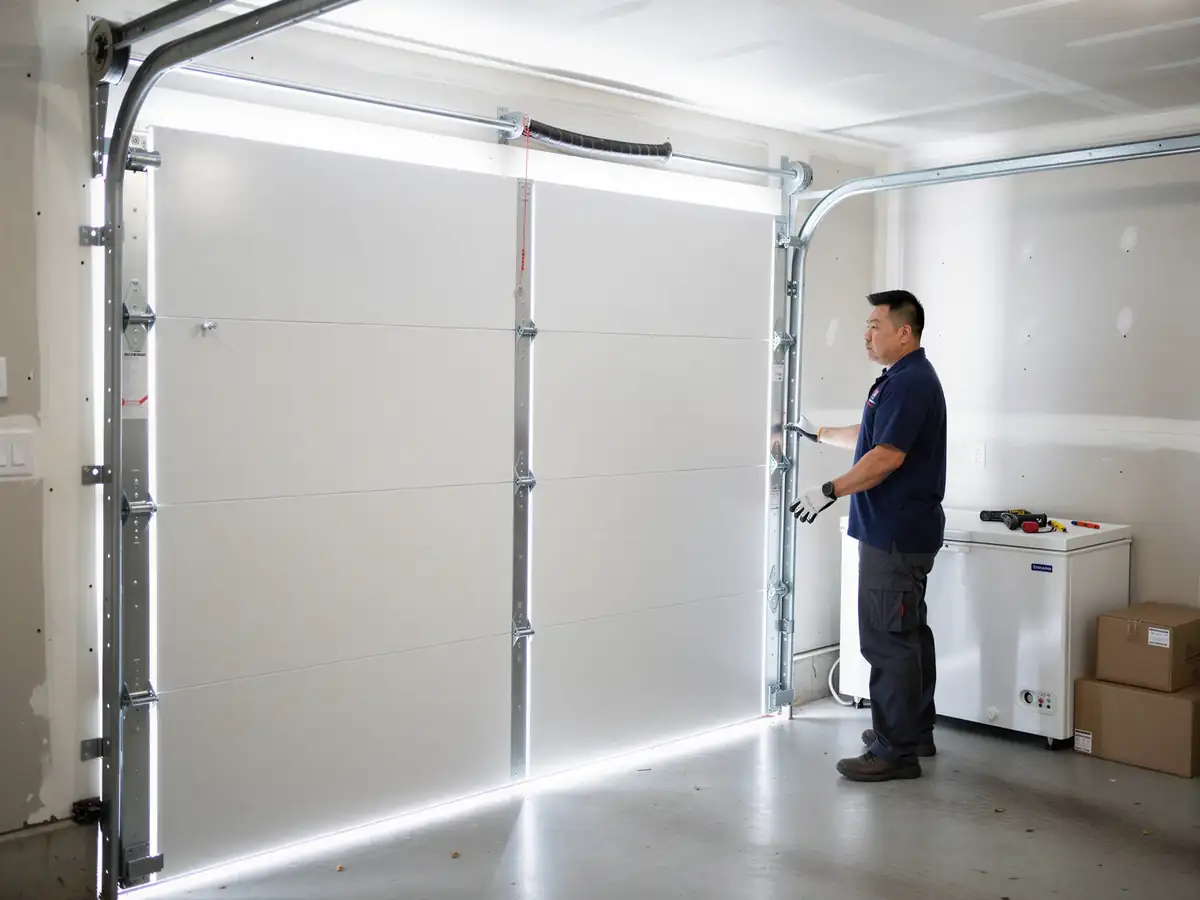
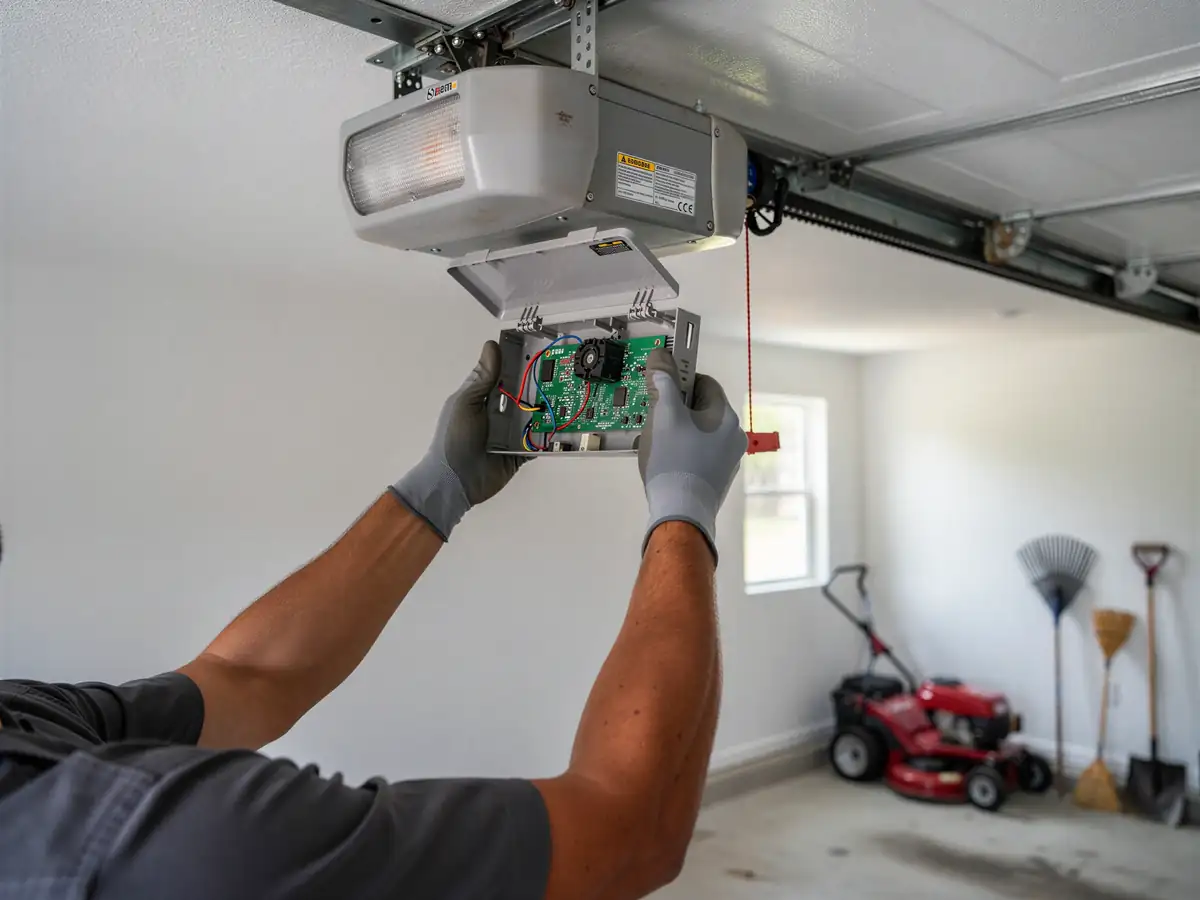
Most jobs on a door this age are parts-and-labor, not a full door replacement - the panels and track on 2007-and-newer stock are usually in good enough shape that swapping the spring, sensor, or opener board is the right call rather than tearing the whole unit out. Where replacement does make sense is if the opener itself has failed electronically and parts for that specific model are no longer made, which happens on units pushing toward 20 years old now. We'll tell you straight if a repair isn't worth it rather than billing you for parts on a door that's better off replaced.