Why This Fails Locally
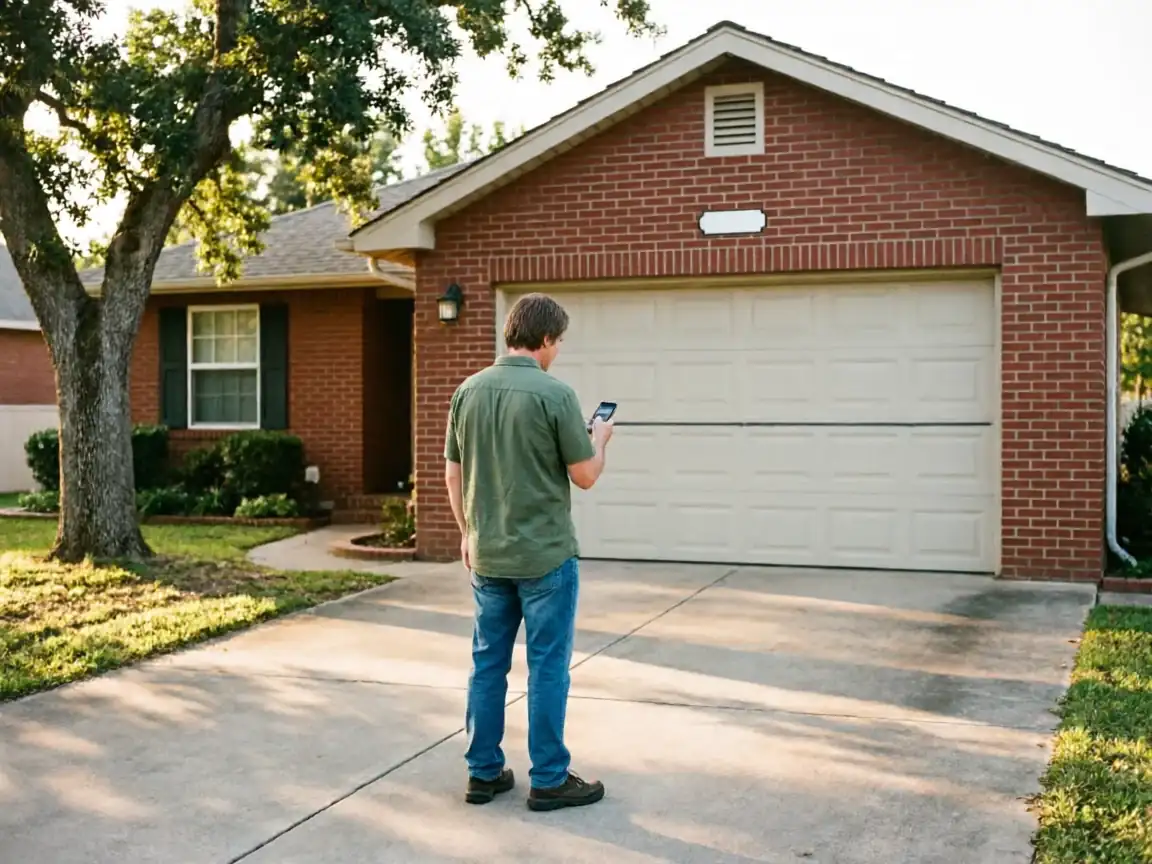
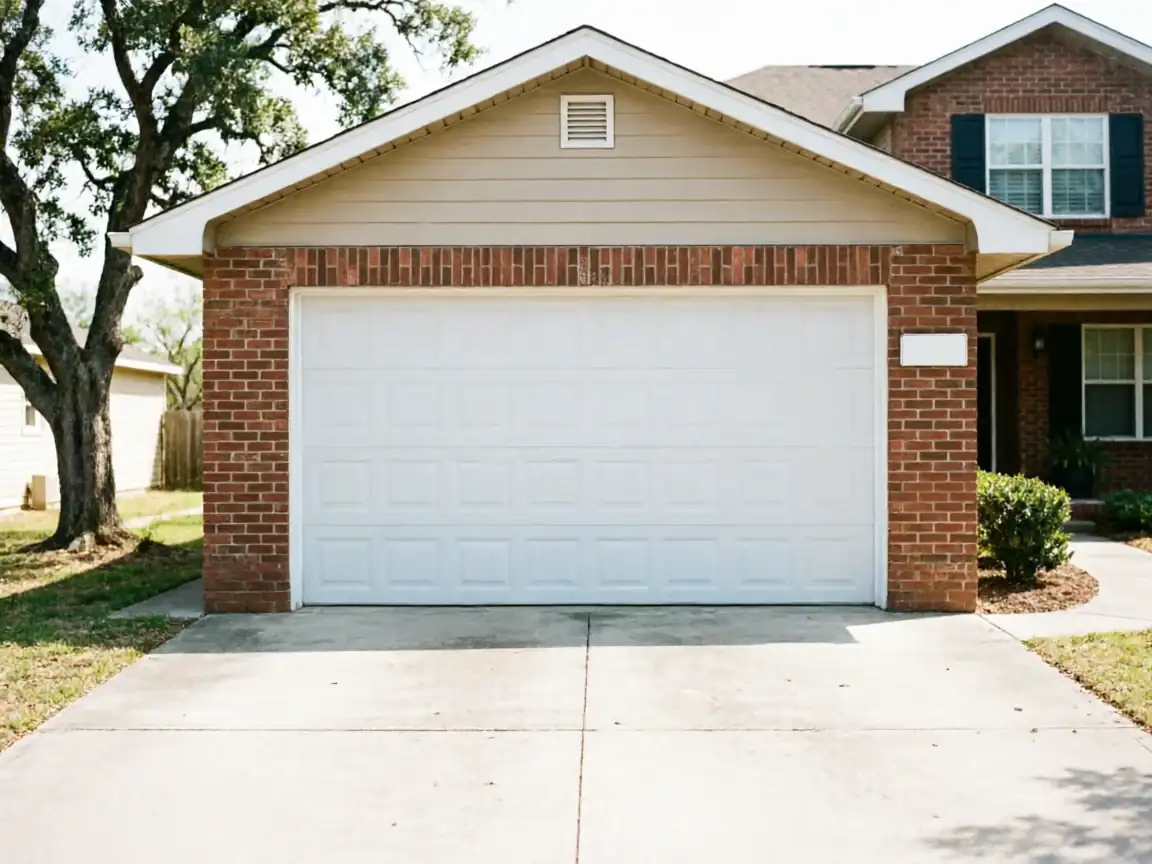
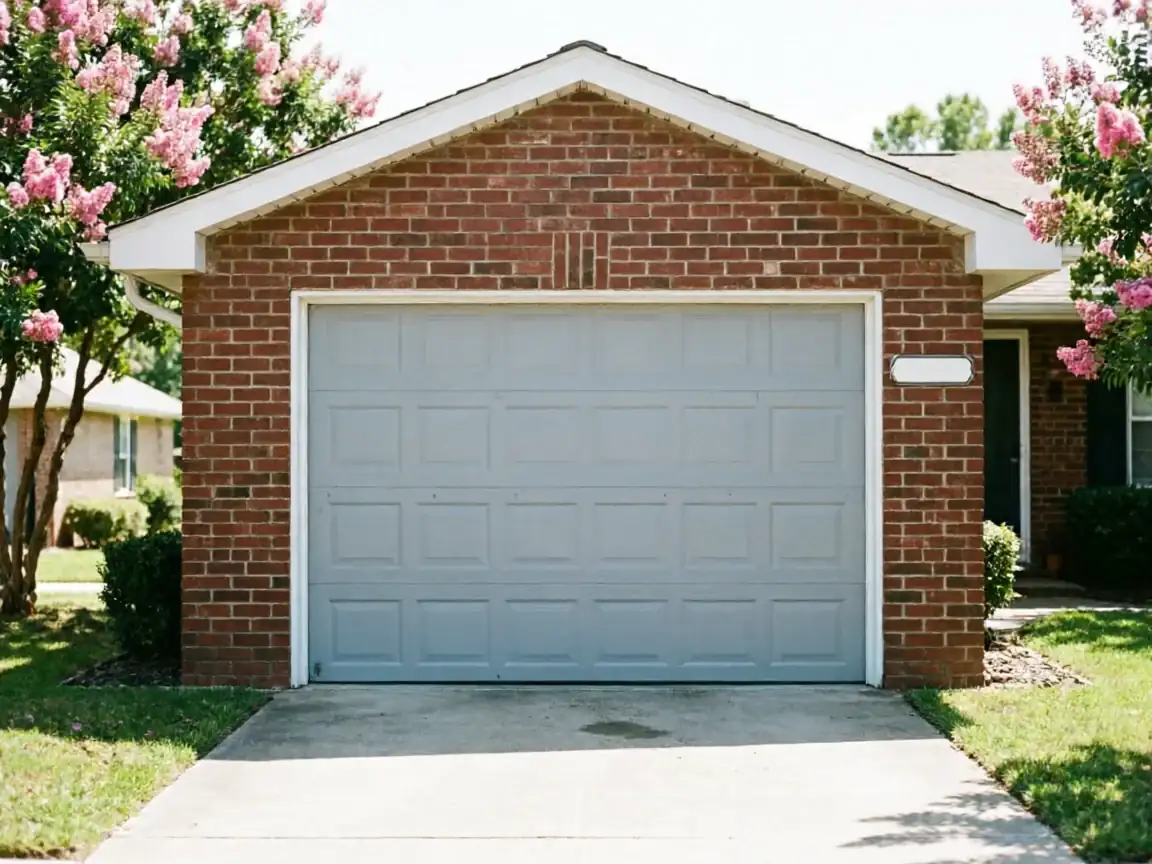
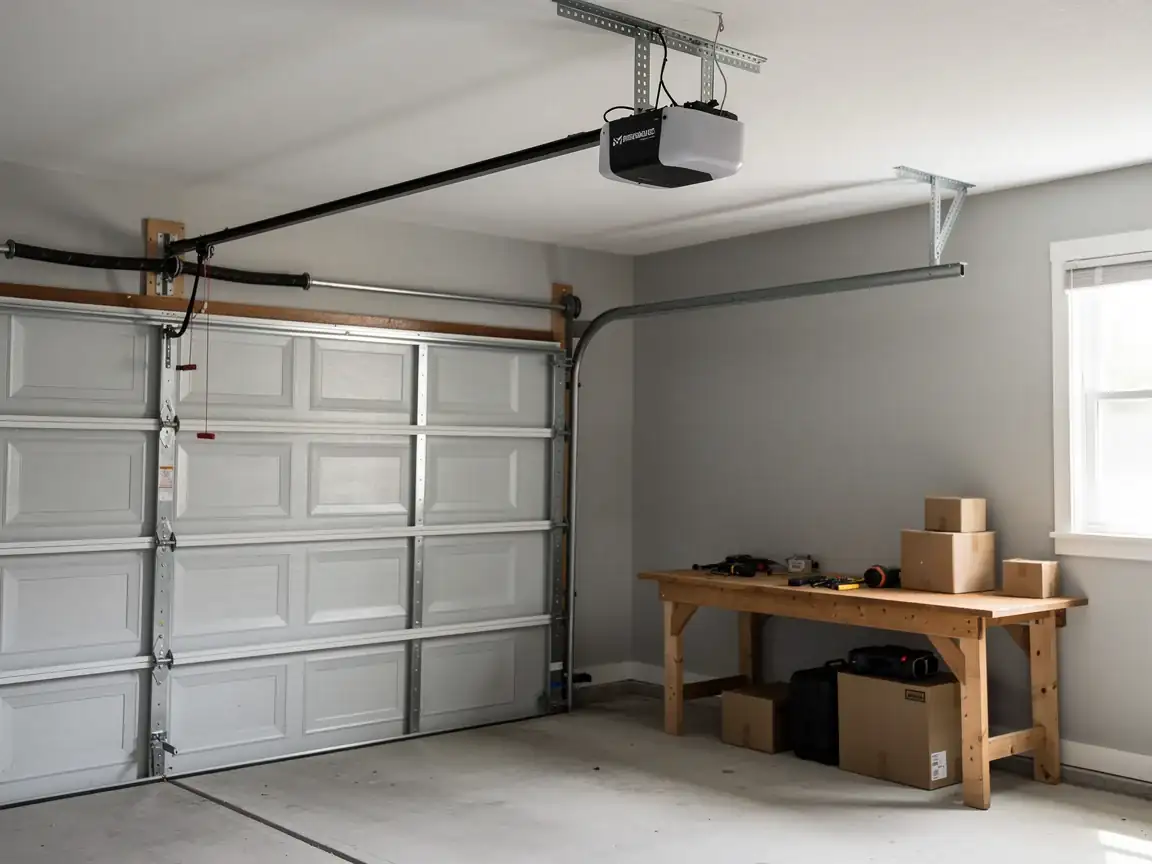
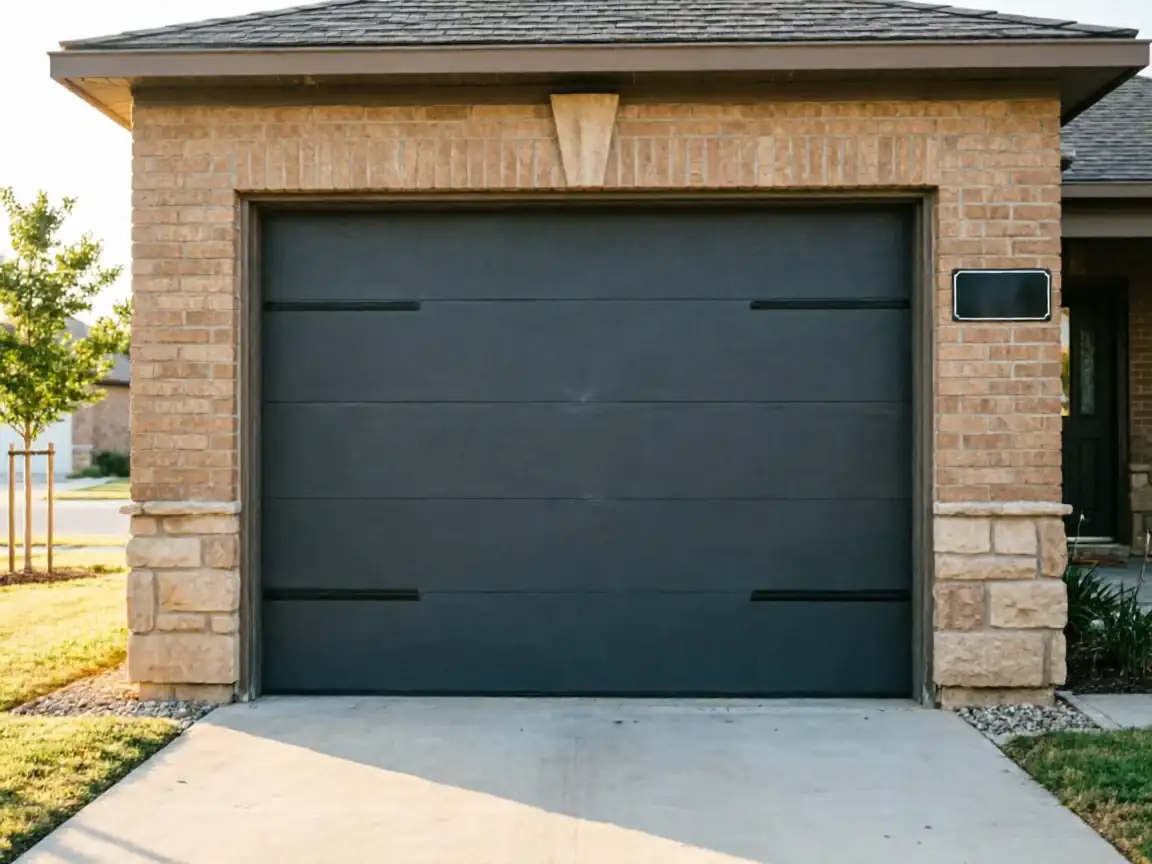
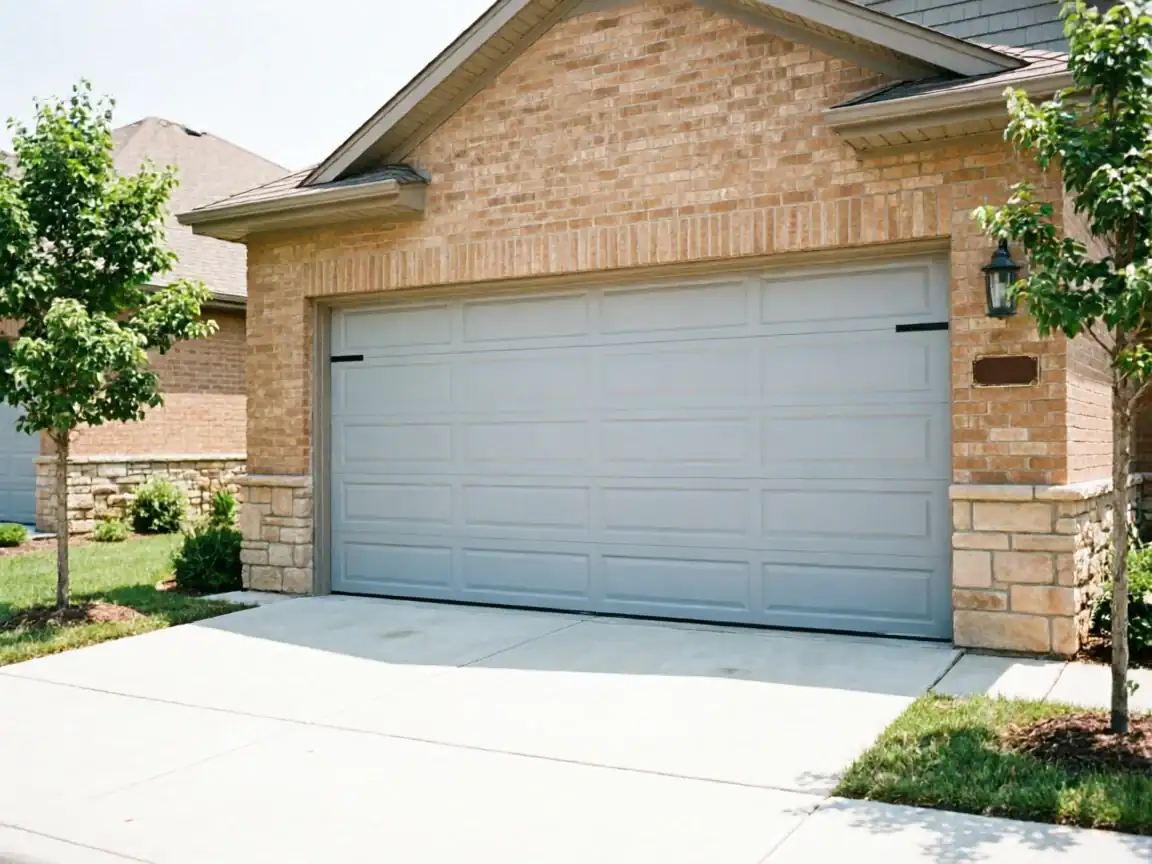
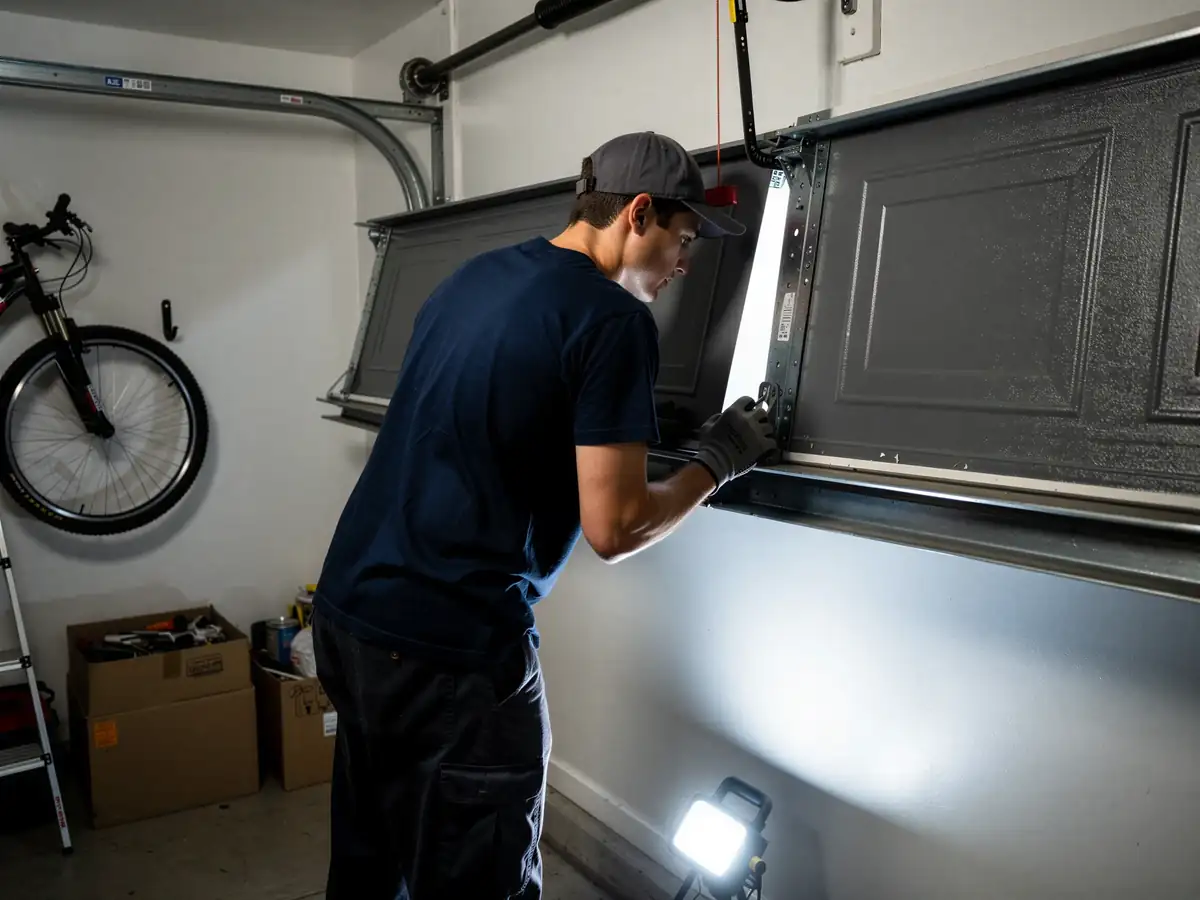
Most of Lavon went up around 2007, and the garage doors that shipped with those houses are almost all the same thing: a 16x7 steel double-panel door on a single builder-grade torsion spring, non-insulated, with whatever opener the production builder contracted for that phase. That door is now pushing eighteen years old. Steel of that era doesn't rust through fast, but the bottom panel takes the brunt of lawn sprinklers and runoff, and the factory spring was never rated for a long service life - it was rated to pass inspection. With 1,862 households in Lavon, a large share of the garage doors out there are that same door, aging at the same rate, because the neighborhoods filled in over a short window rather than over decades. That's different from older towns in the area where doors span fifty years of styles and failures. Here, when one builder-grade door starts going, the one next door usually isn't far behind. New installation at this point isn't about disaster - it's about swapping a door that's done its eighteen years for one built for the next eighteen, often with insulation the original never had.F1 F2 F6
The Symptom
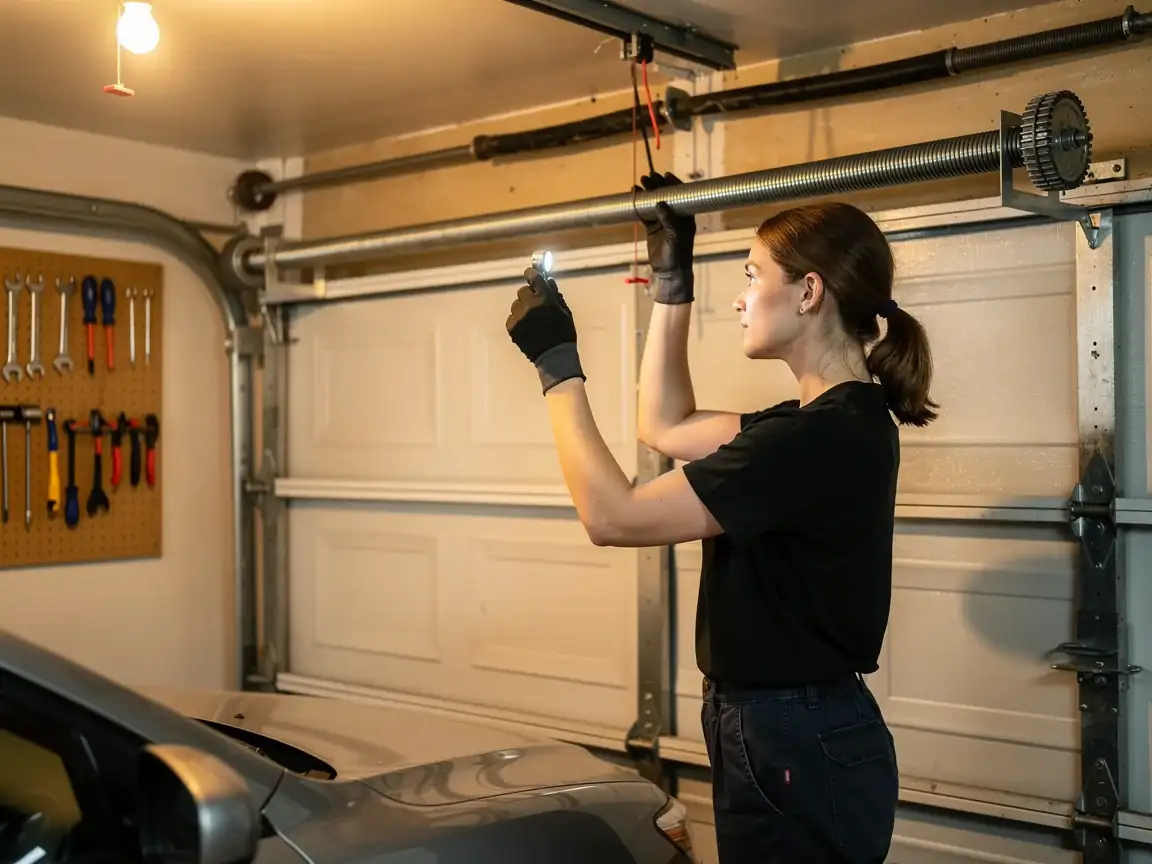
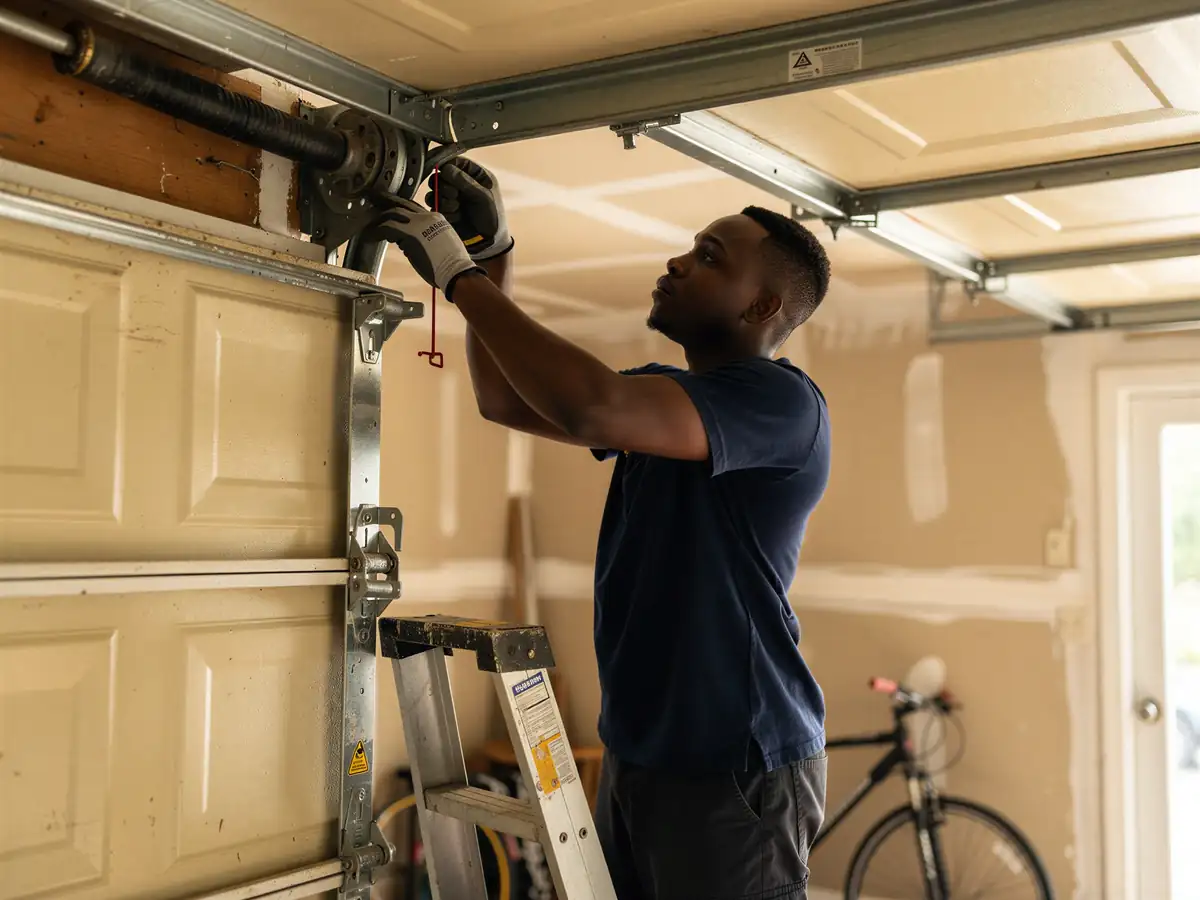
The giveaway isn't usually a door that won't open - it's a door that opens slow, sags visibly at the top when it's down, or booms through the house when the opener fires. Owners also notice the garage running warmer or colder than it should, which is just the non-insulated steel panel doing exactly what it was built to do: nothing, thermally. On a double door at this age, sagging top corners usually mean the original spring has lost tension gradually rather than snapping outright, and the track has been fighting a door that's no longer square. None of that means you need a new door tomorrow, but it's the pattern that shows up right before someone calls us about a door that finally won't budge.
What Can Go Wrong
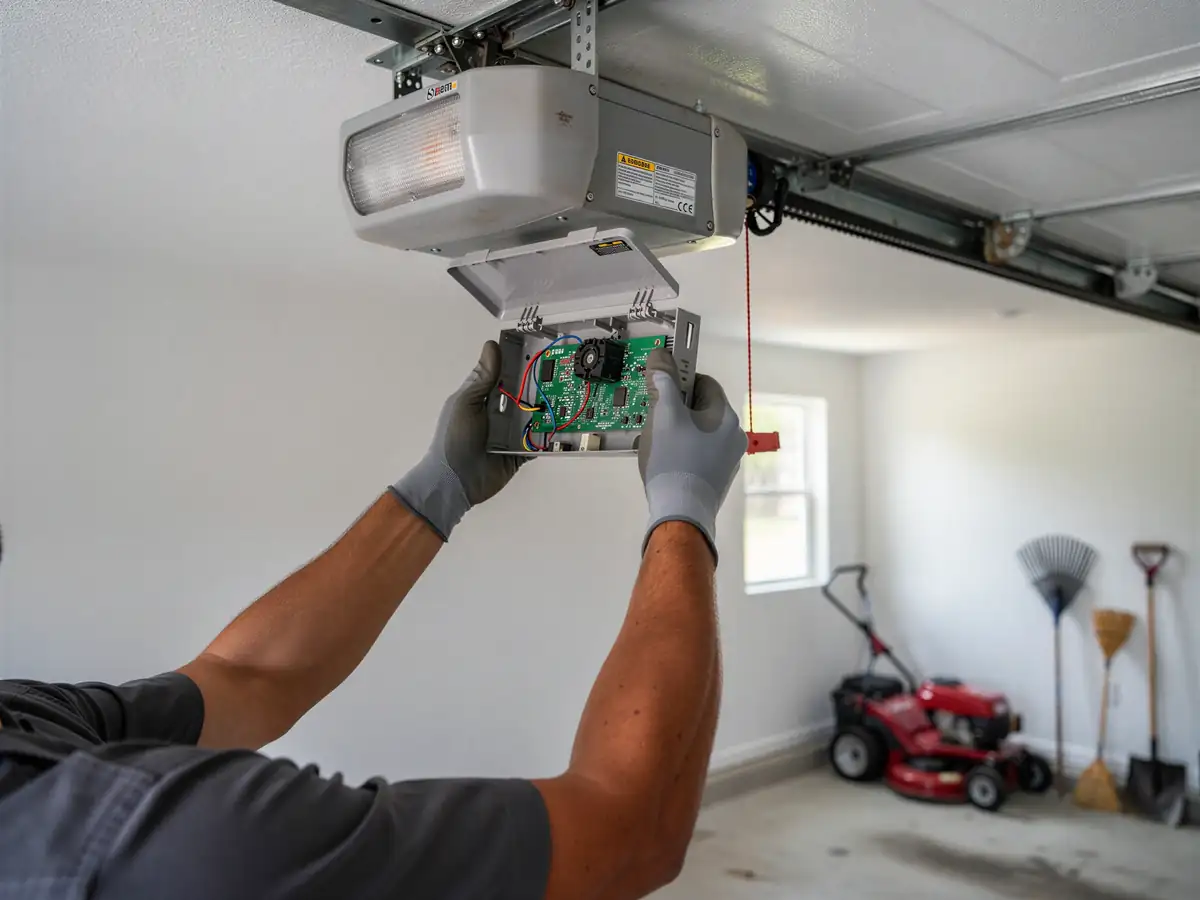
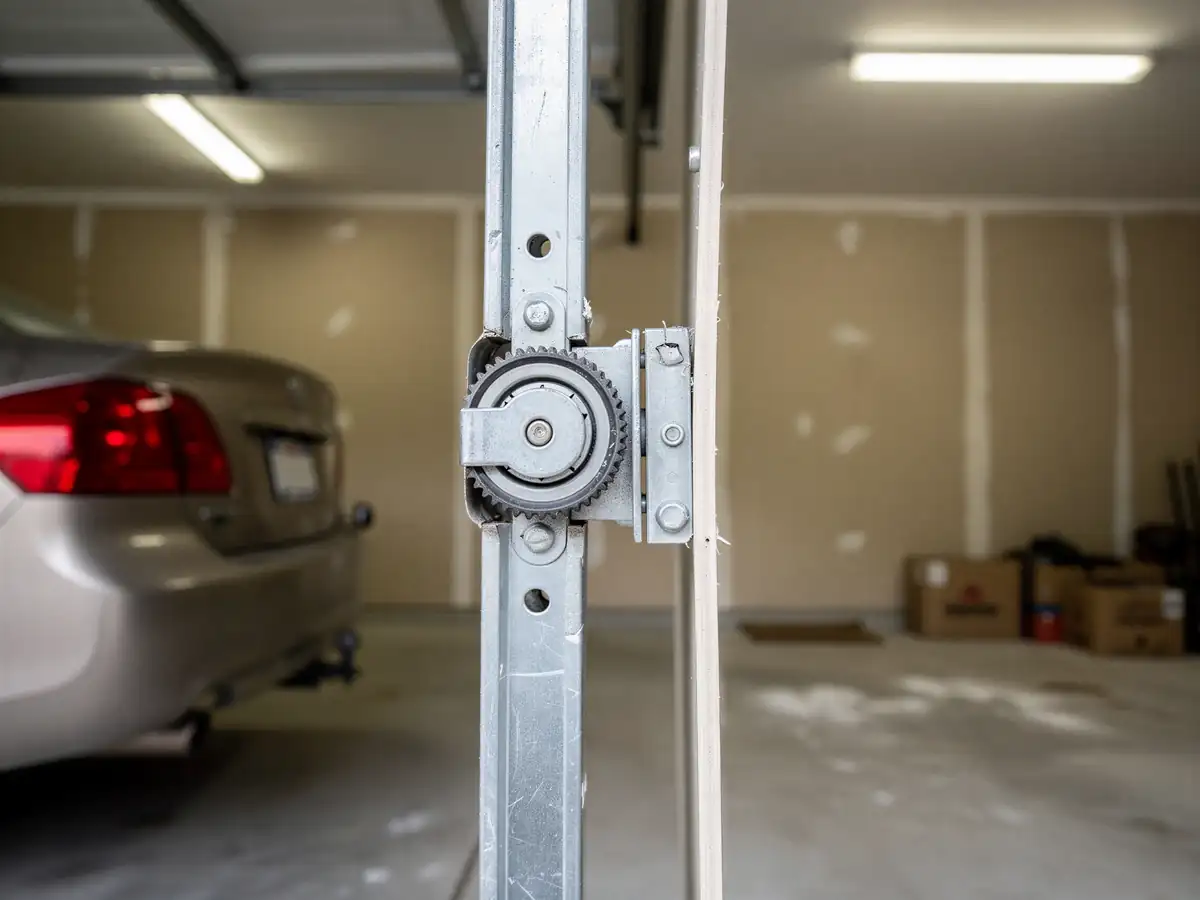
The most common surprise on a 2007-era Lavon opening is that the rough frame isn't quite true anymore. Houses settle over seventeen-plus years, and a door that measures fine on paper can bind on a frame that's shifted a half-inch out of square. We catch that at the install, not after. The other thing we see: homeowners want to reuse the existing opener because it still runs, but it was matched to the old door's weight, not the new one's - especially if you're stepping up to an insulated panel. An opener that was fine on a light steel door can struggle on a heavier insulated one, and forcing it shortens its life fast.
What the Repair Takes
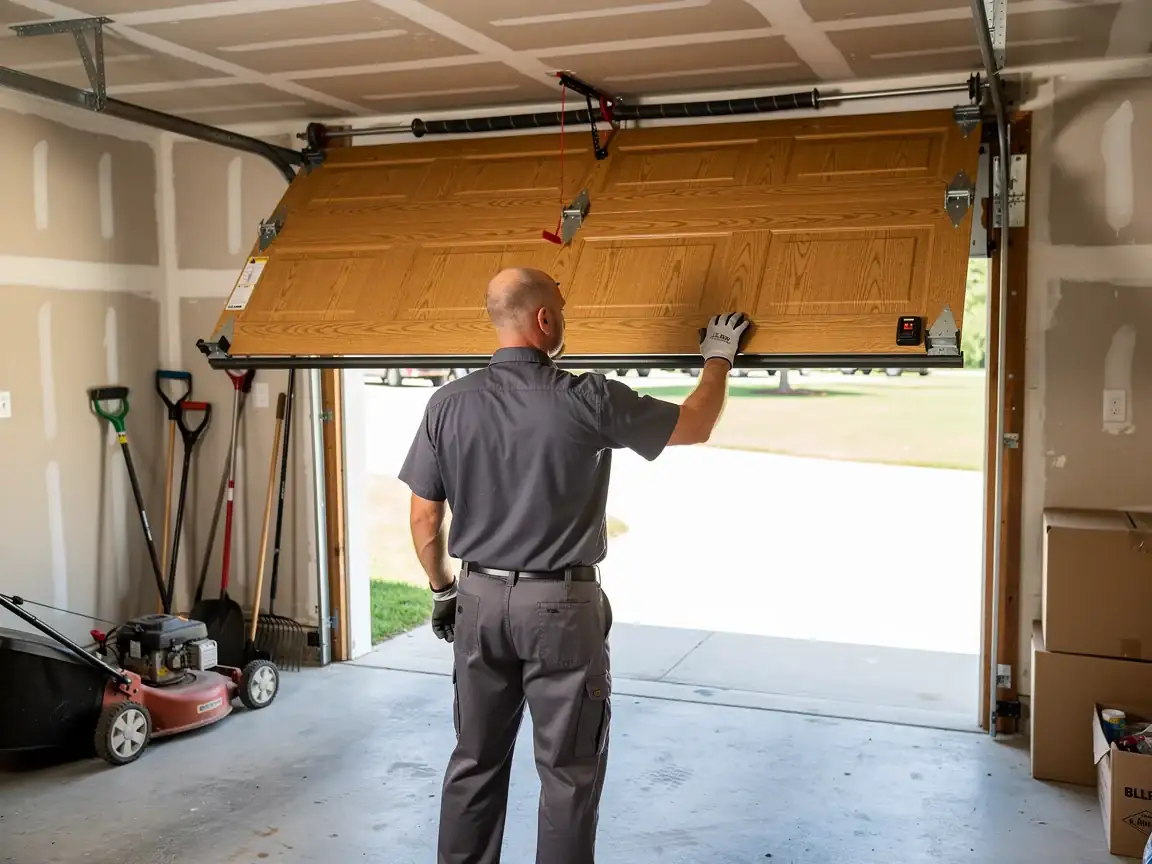
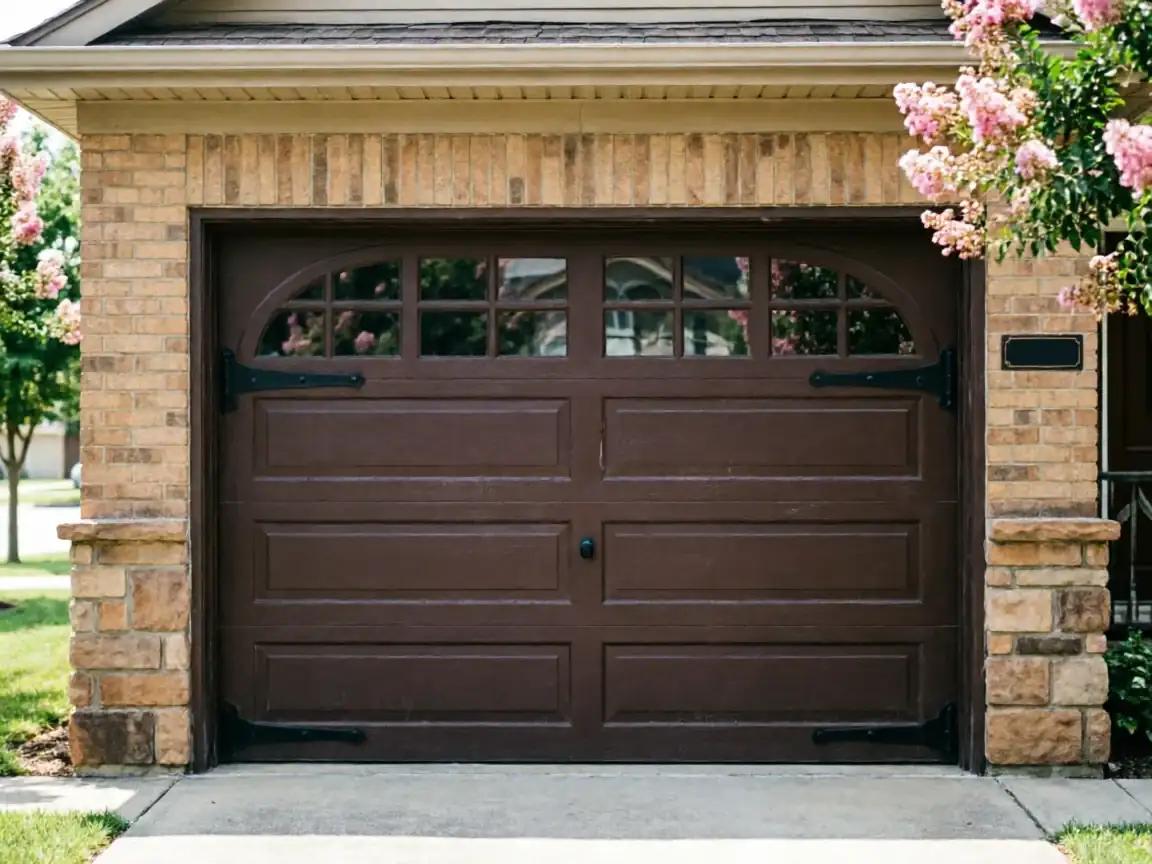
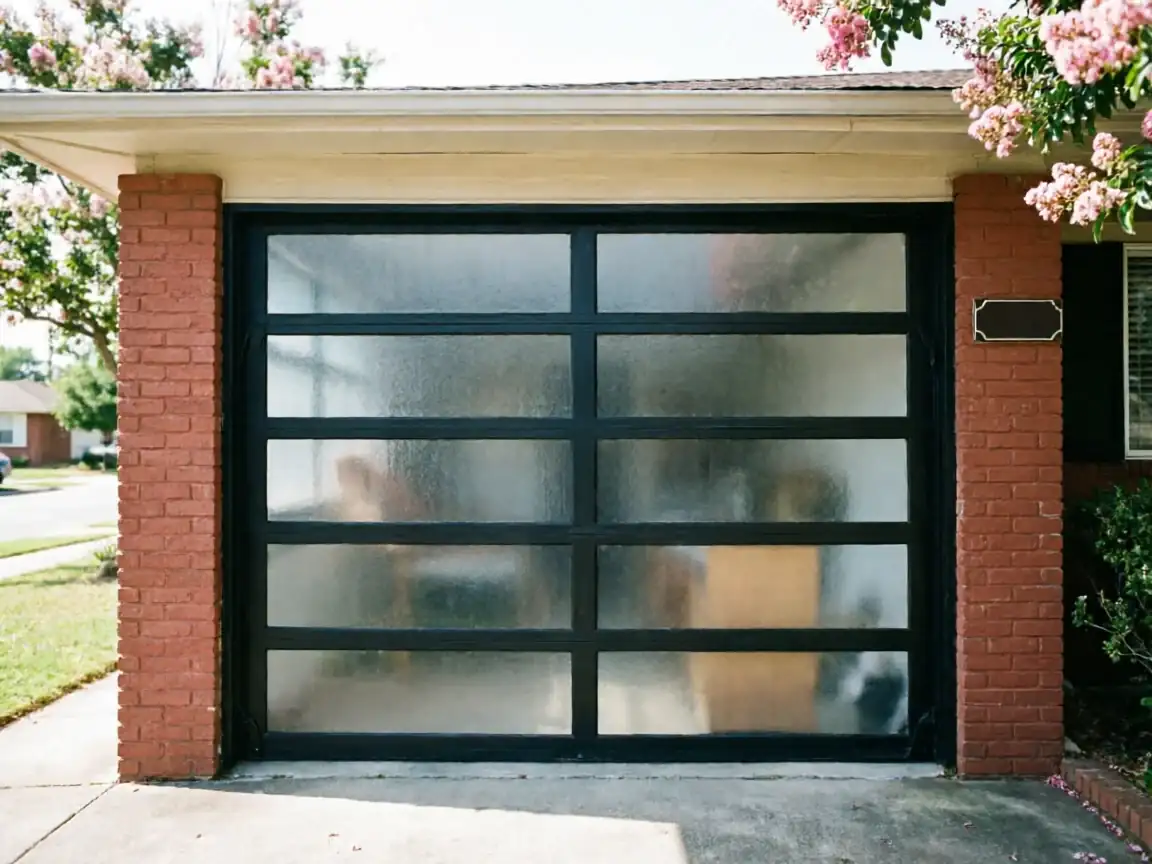
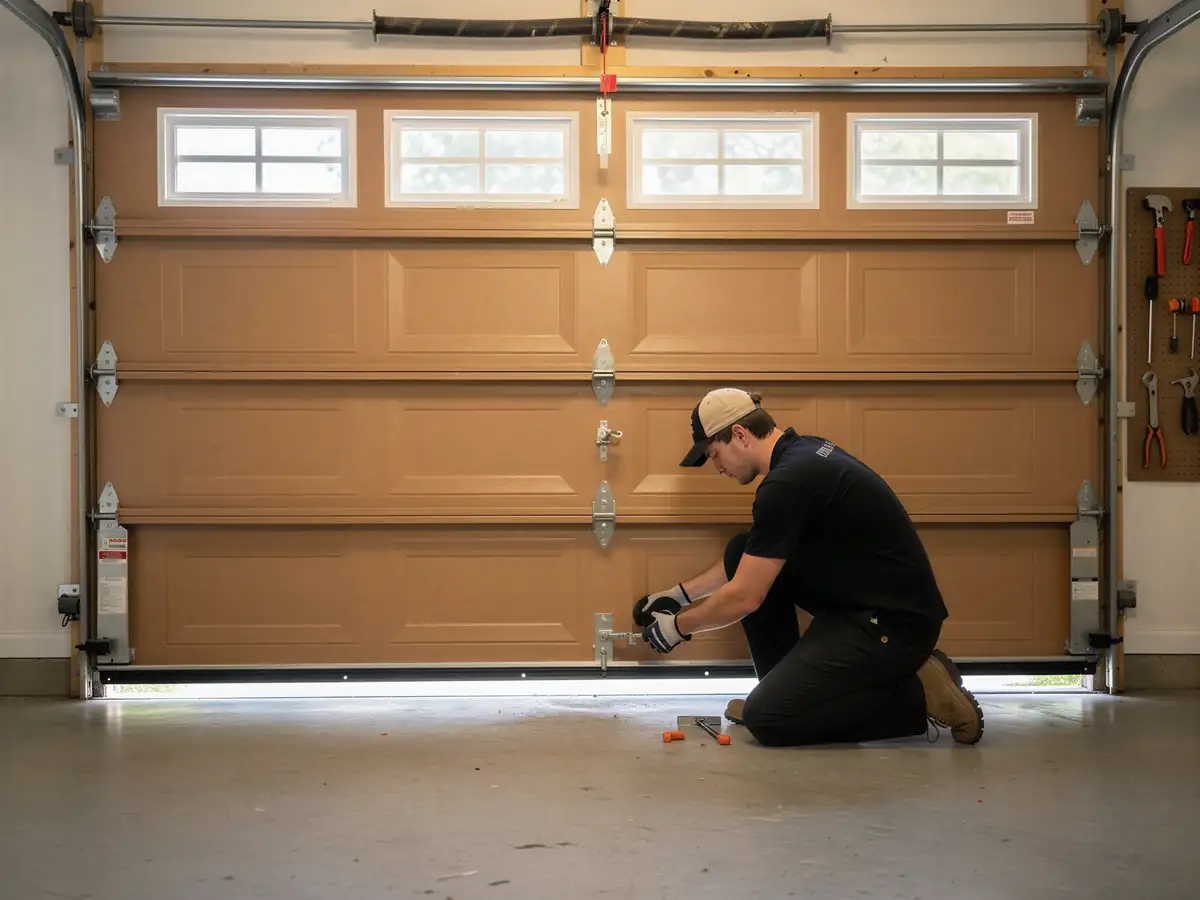
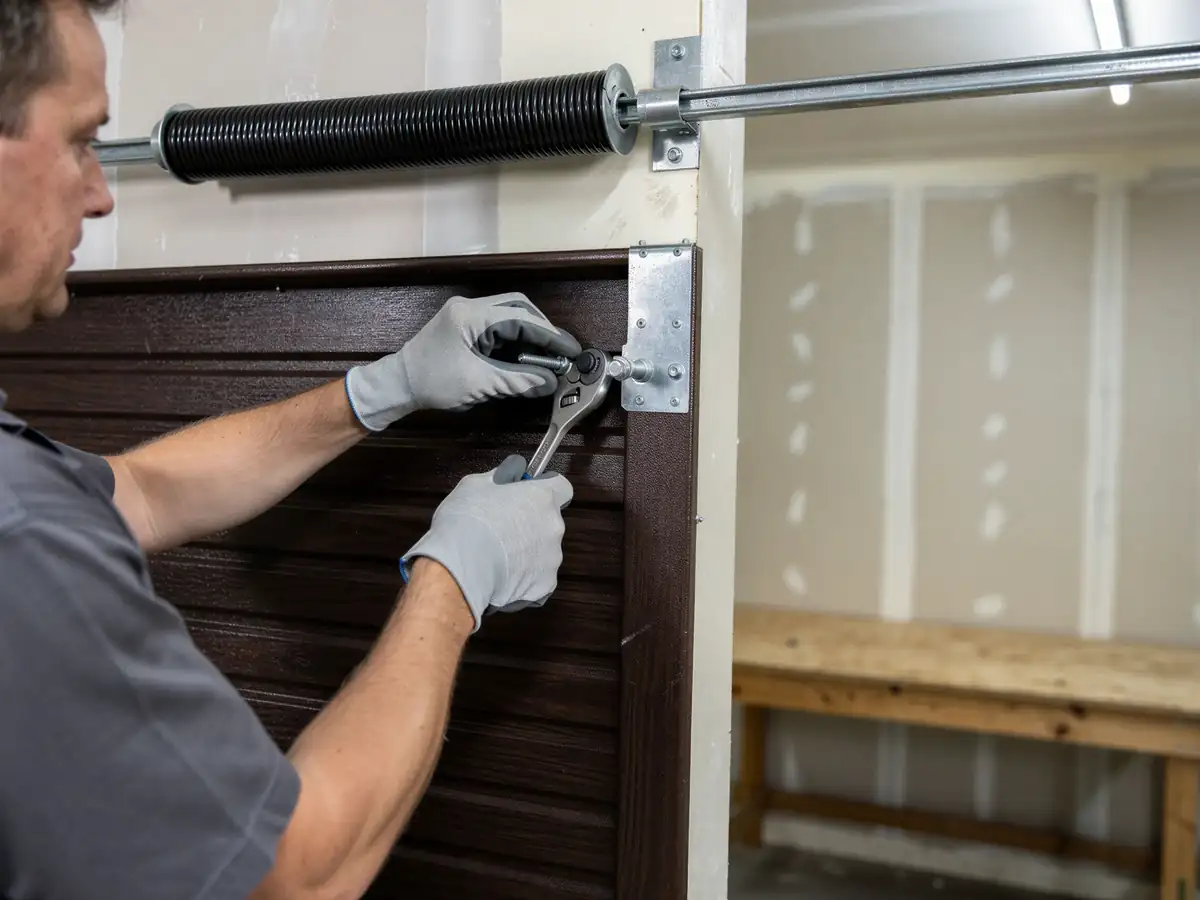
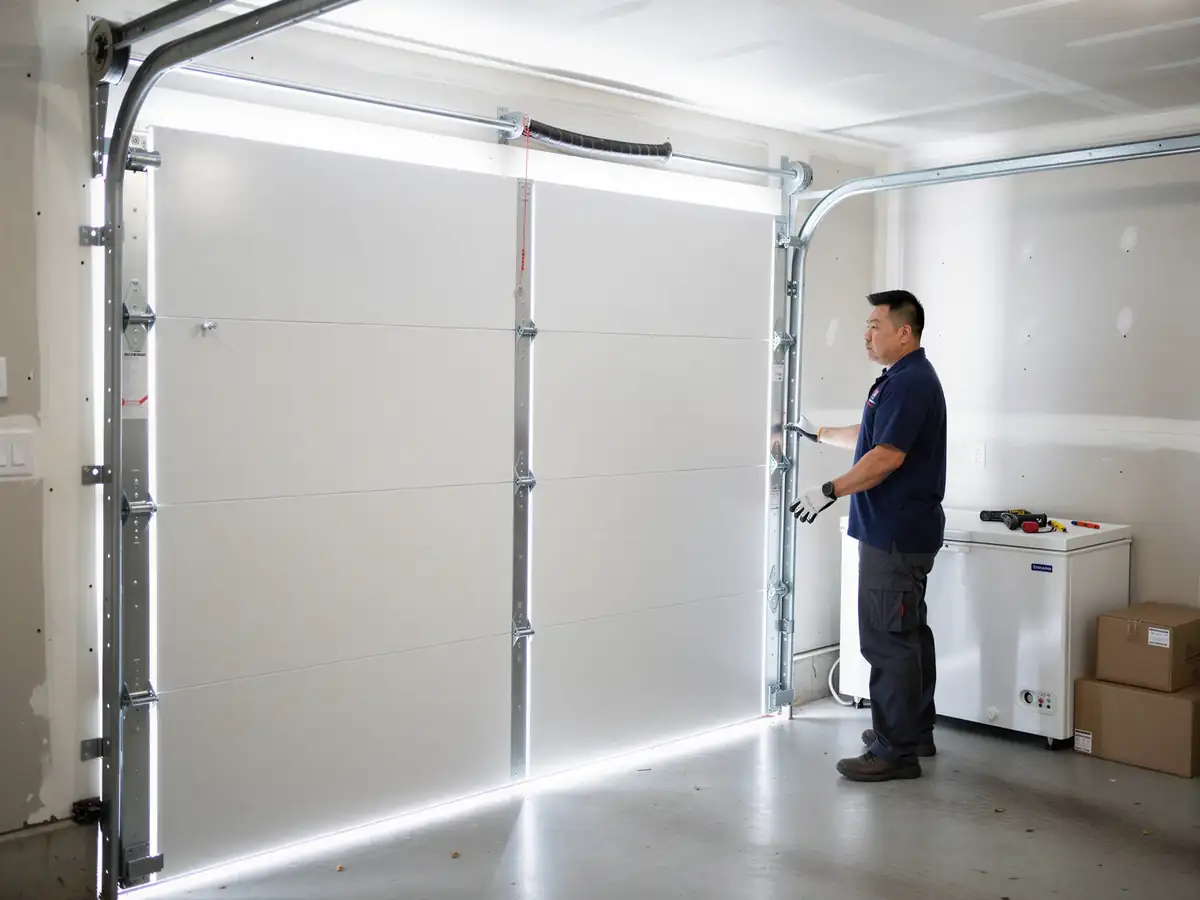
For a like-for-like swap, you're looking at the old door and track coming out, a new door set, new springs sized to the panel weight, and a reconnect to the existing opener if it's rated for the new load - or a new opener if it isn't. Lavon's median household income runs at $132,778, ahead of the roughly $127,000 average across the rest of the territory we cover out of Wylie, and that shows up in what gets requested: more insulated steel and carriage-style doors here, fewer bare single-layer replacements. The climate across this part of the territory is mild with the occasional freeze, so we're not building for deep cold, but a non-insulated door still lets a garage swing ten or more degrees on a cold morning, and that's the upgrade most owners are actually chasing when they call about a 'new door' rather than a repair.F3 F7