Why This Fails Locally
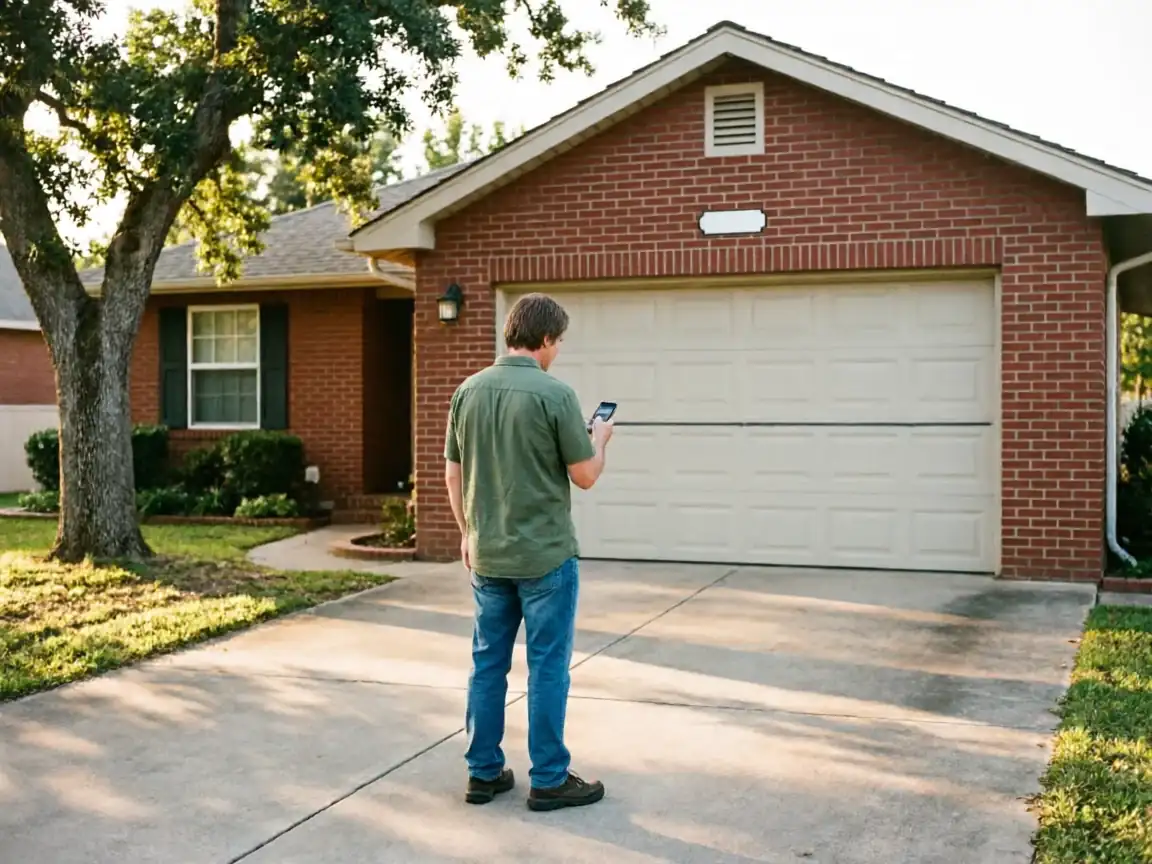
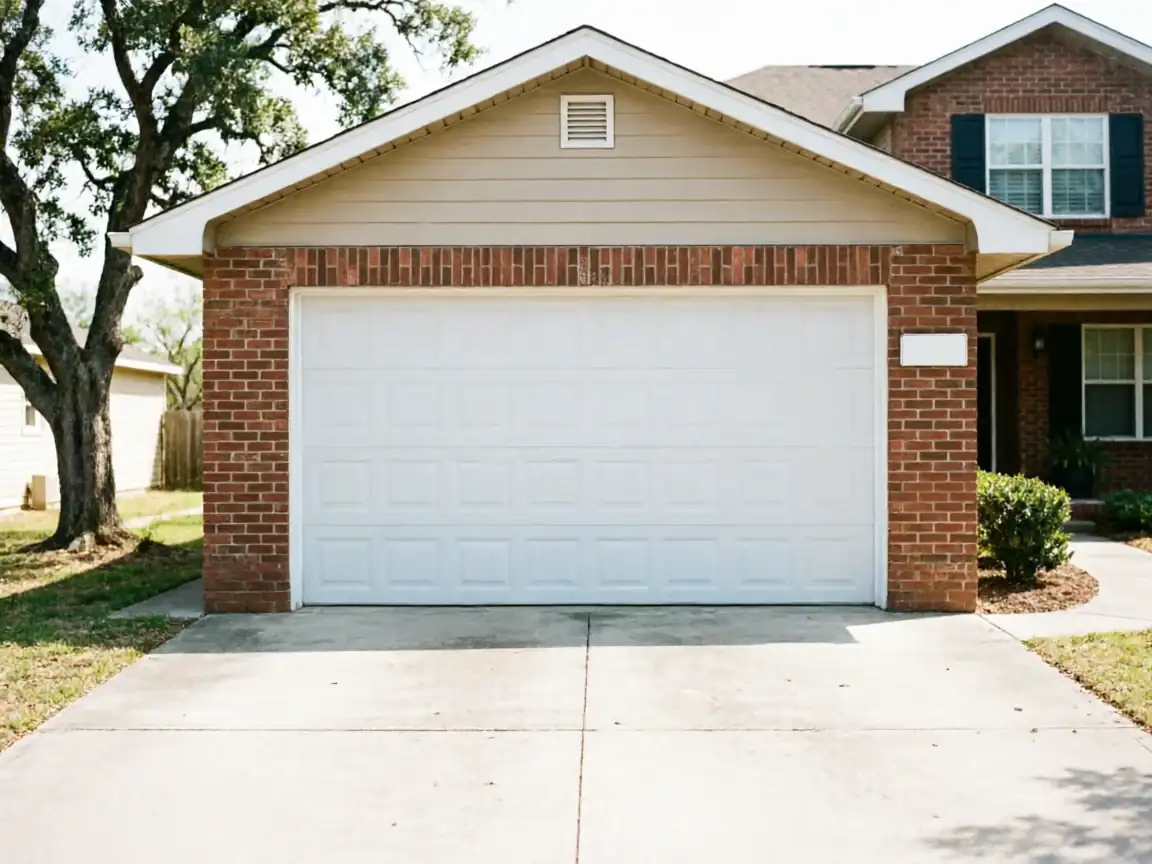
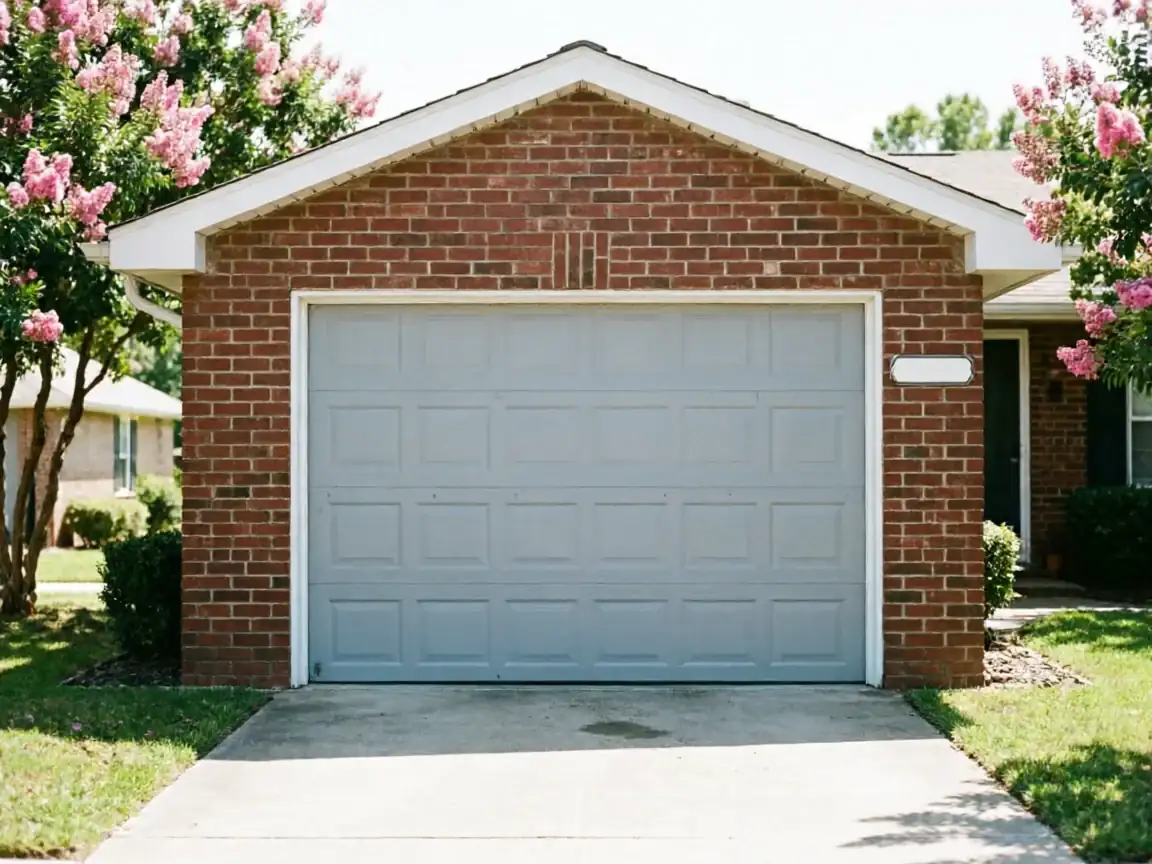
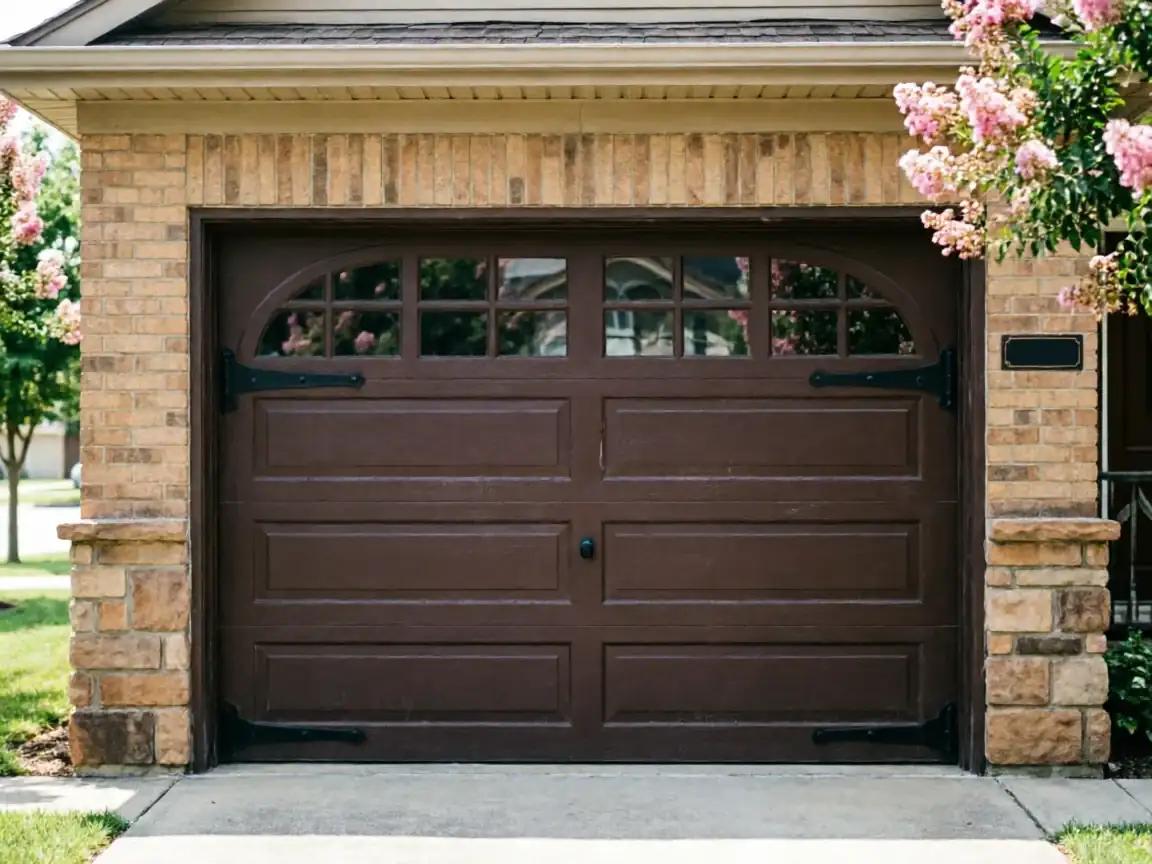
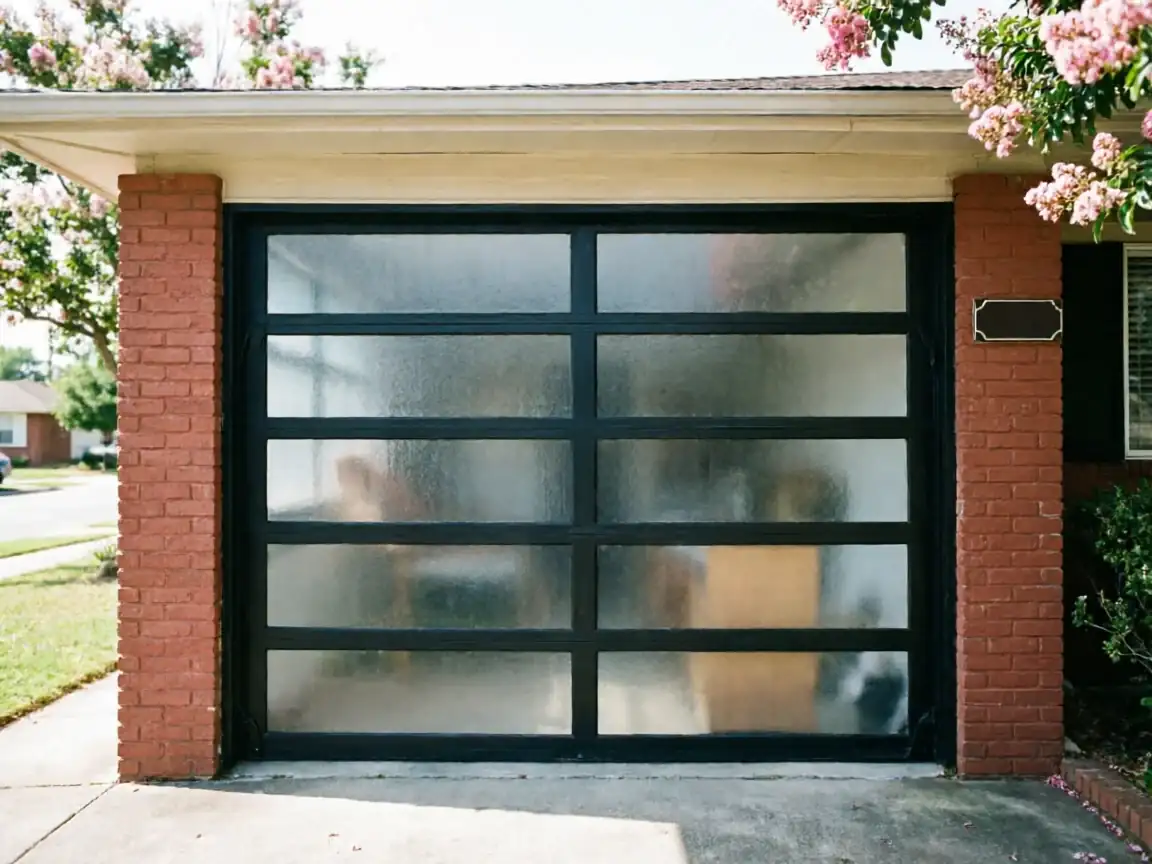
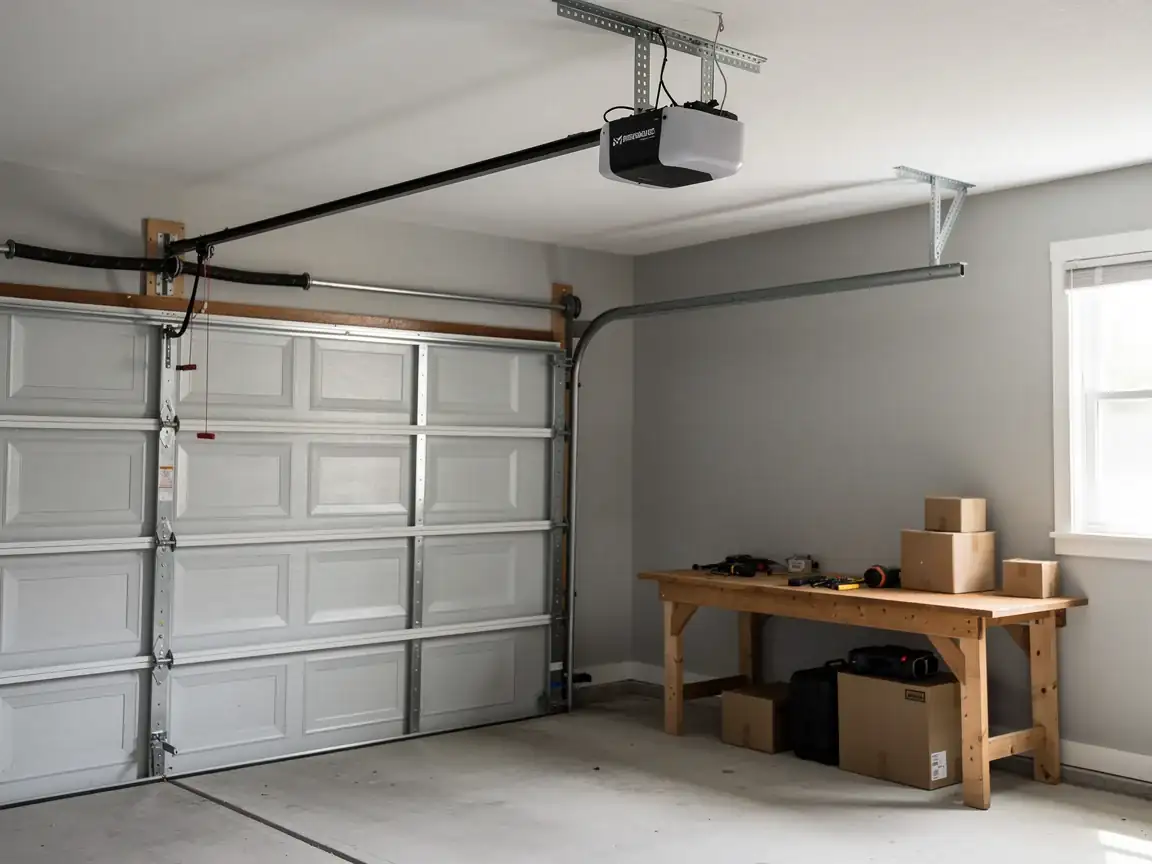
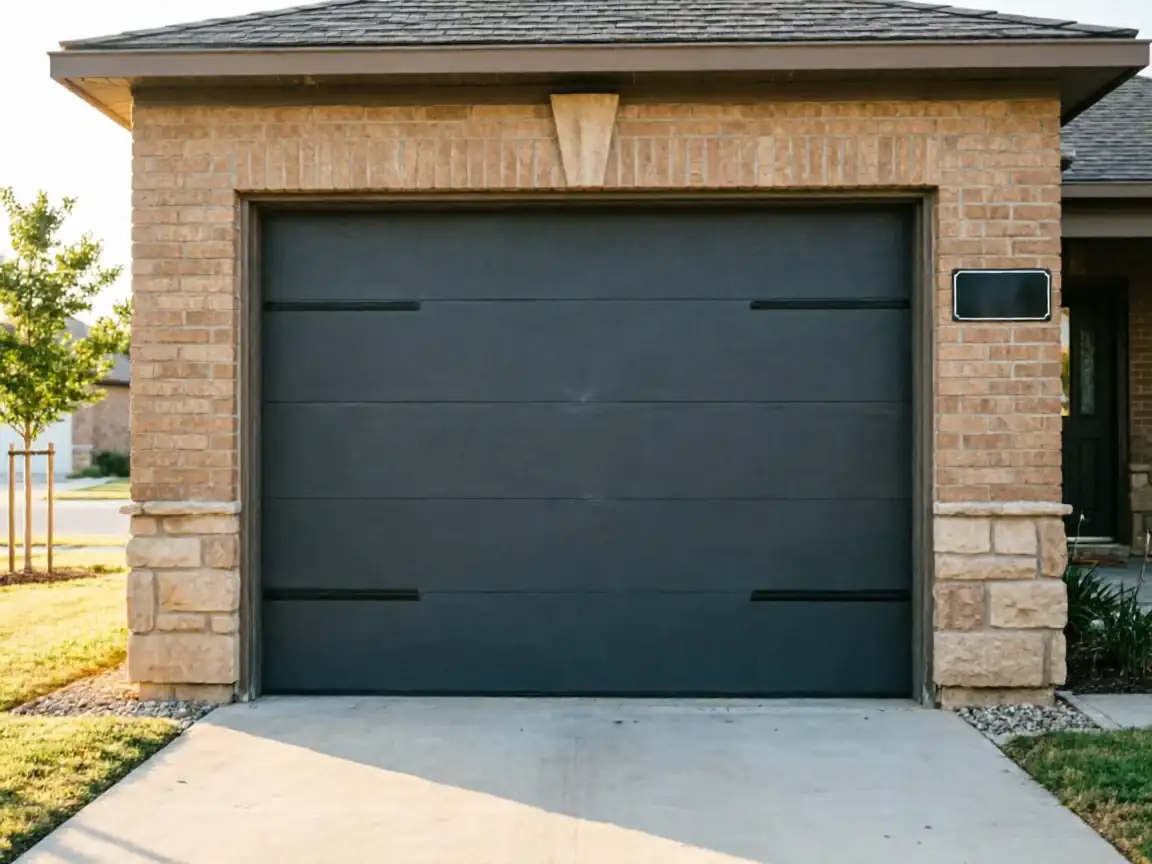
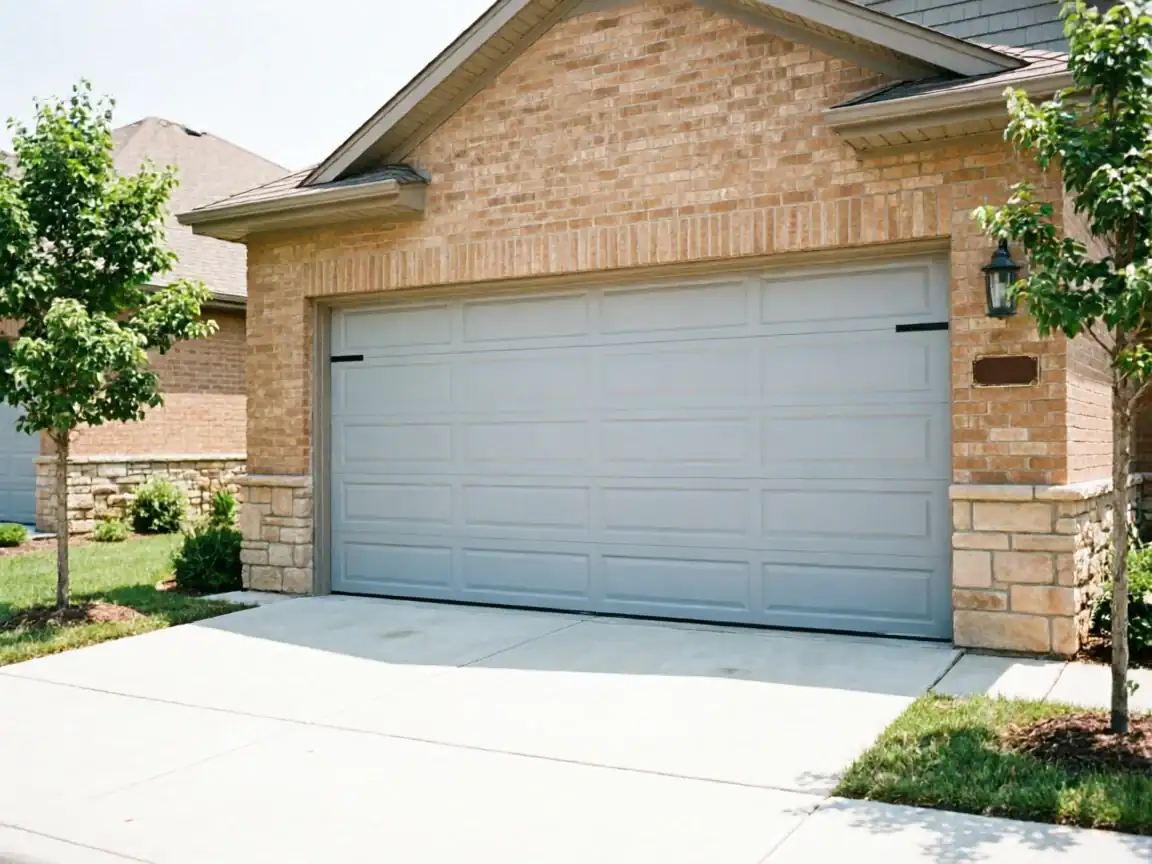
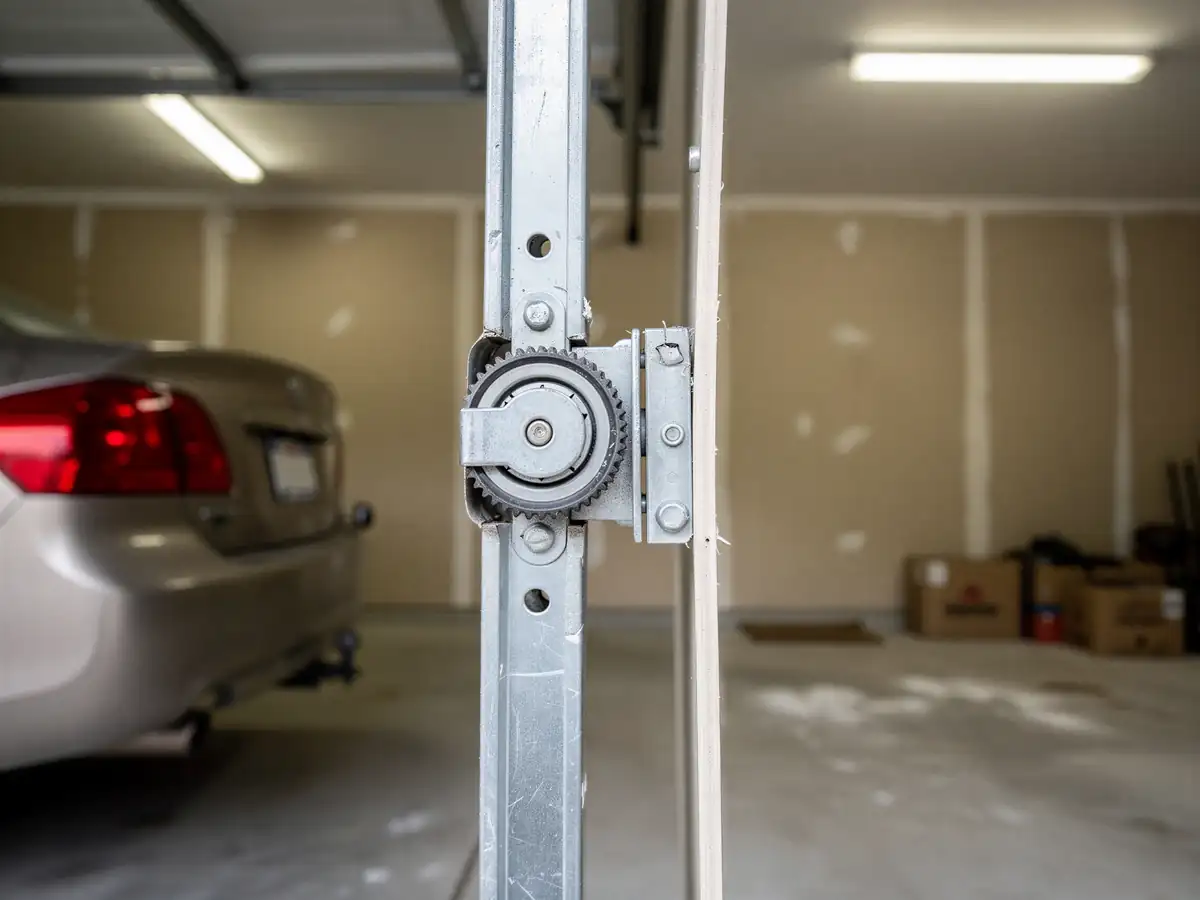
Lavon is a small place - about 1,862 households - and that matters for how we plan a job, not just for how we talk about it. A town this size doesn't have the mix of 1960s and 1990s stock you find elsewhere in the service area. The houses here were mostly built after the median year of 2007, which means long double-car tracks on wide garages, builder-grade roller brackets, and factory torsion setups that were installed once and never touched again. That hardware is lighter-gauge than what you'll find on an older door, and over 15-plus years of normal opening and closing, the horizontal track brackets that bolt to the framing start to walk loose. A door that looks fine sitting still can jump the track the next time it closes. We come out from Wylie, about 5 miles off, to deal with exactly this.
The Symptom
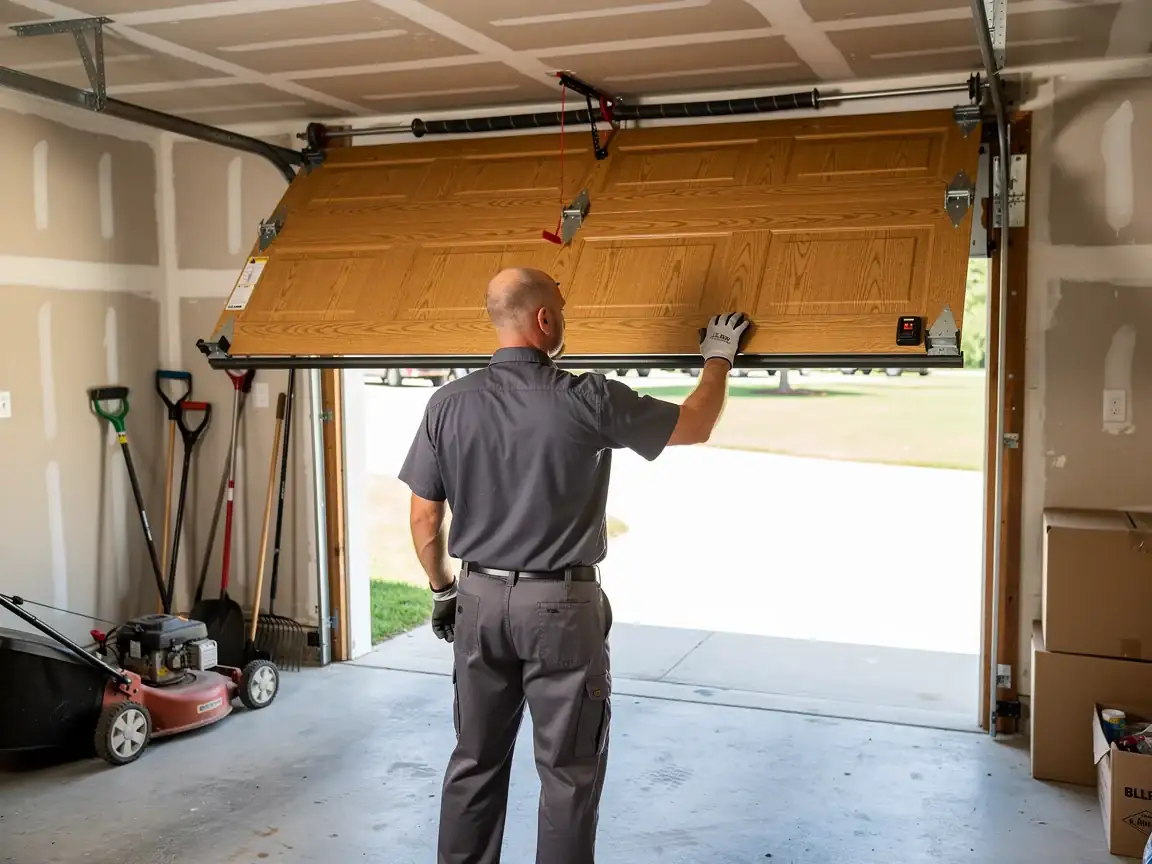
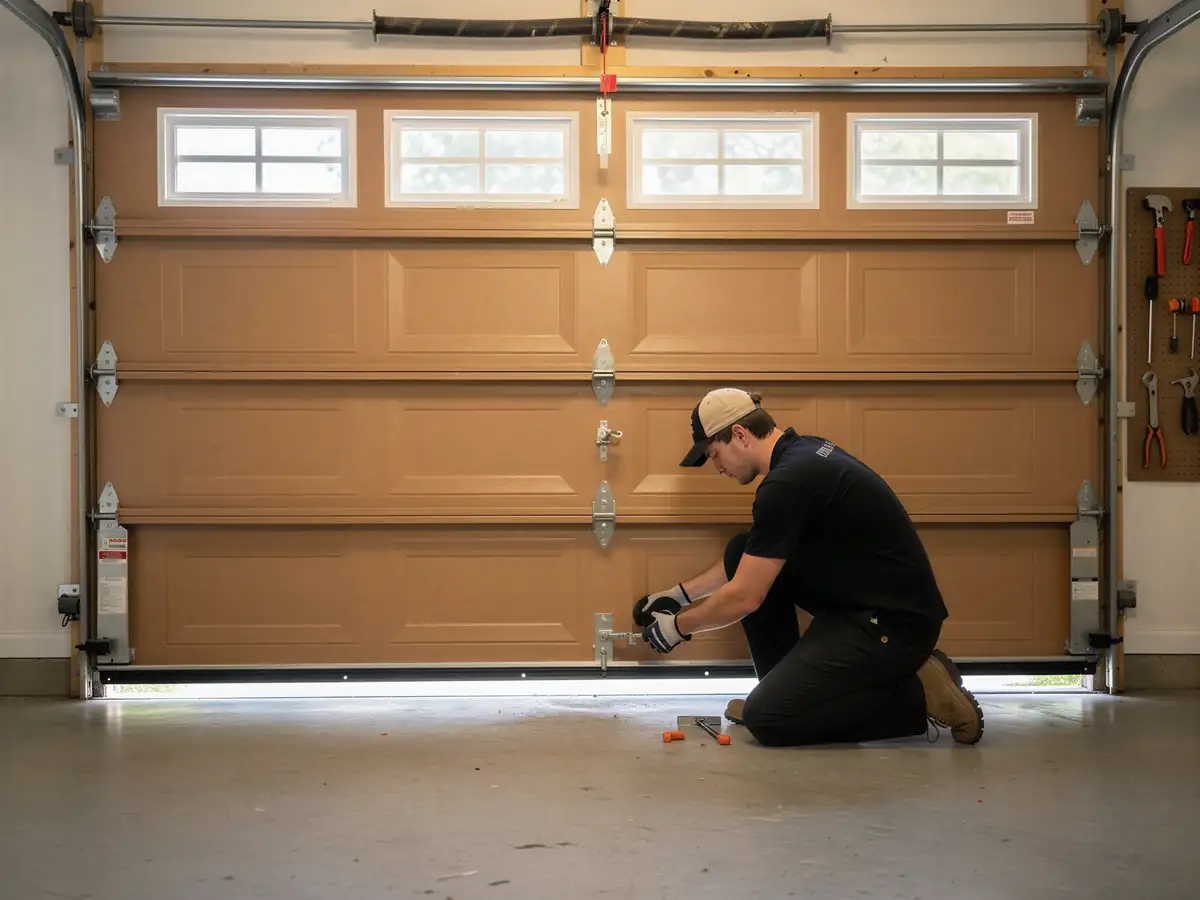
On a door this age, off-track usually doesn't look dramatic at first. One side of the door hangs a little lower than the other, or a roller sits visibly outside the track channel near the bottom bracket. Sometimes the opener runs and the door barely moves, or it moves and then reverses on its own - that's the safety sensor circuit or the opener's travel limit reacting to a door that's no longer square in its tracks. On the newer, wider double-door setups common in Lavon, an off-track door often shows up as a gap at one top corner first, because the extra width puts more leverage on the end hardware. If you hear a grinding or popping sound right before the door hangs up, stop running the opener - running it further usually bends the track or tears the bracket out of the jamb.
What Can Go Wrong
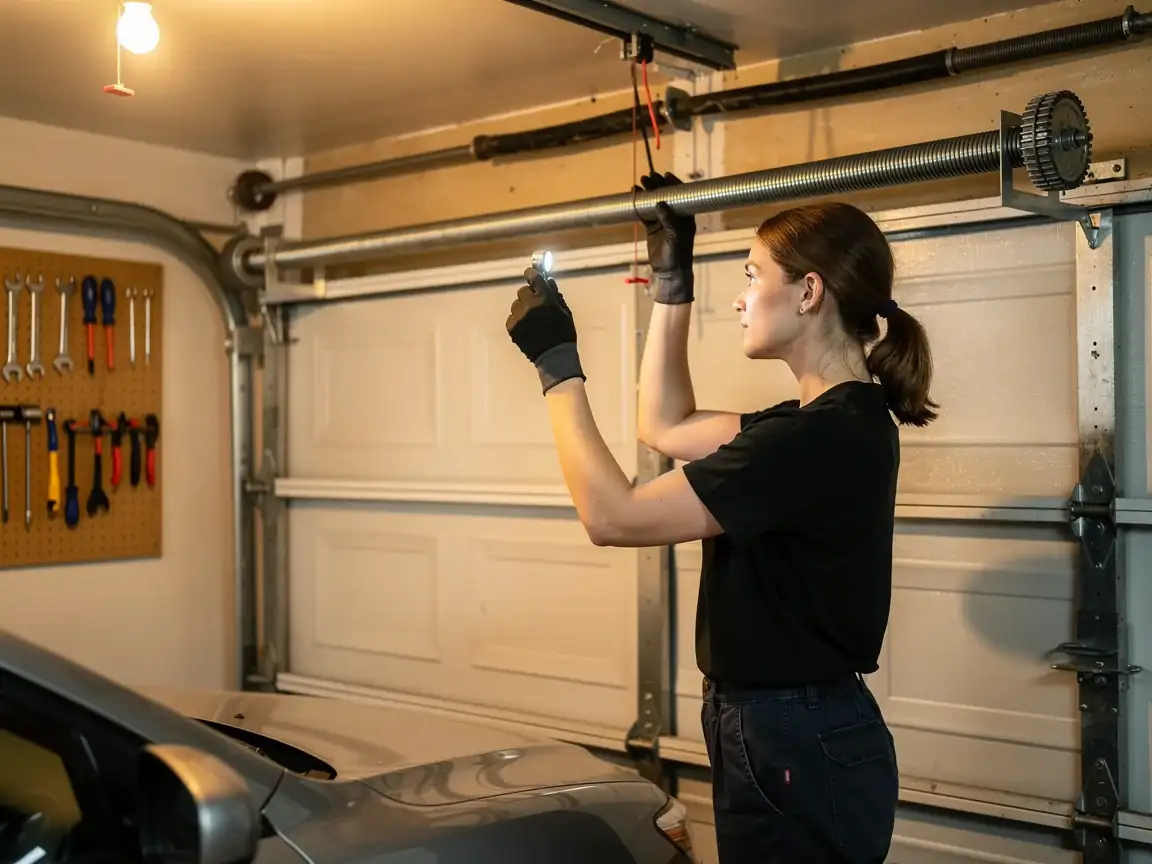
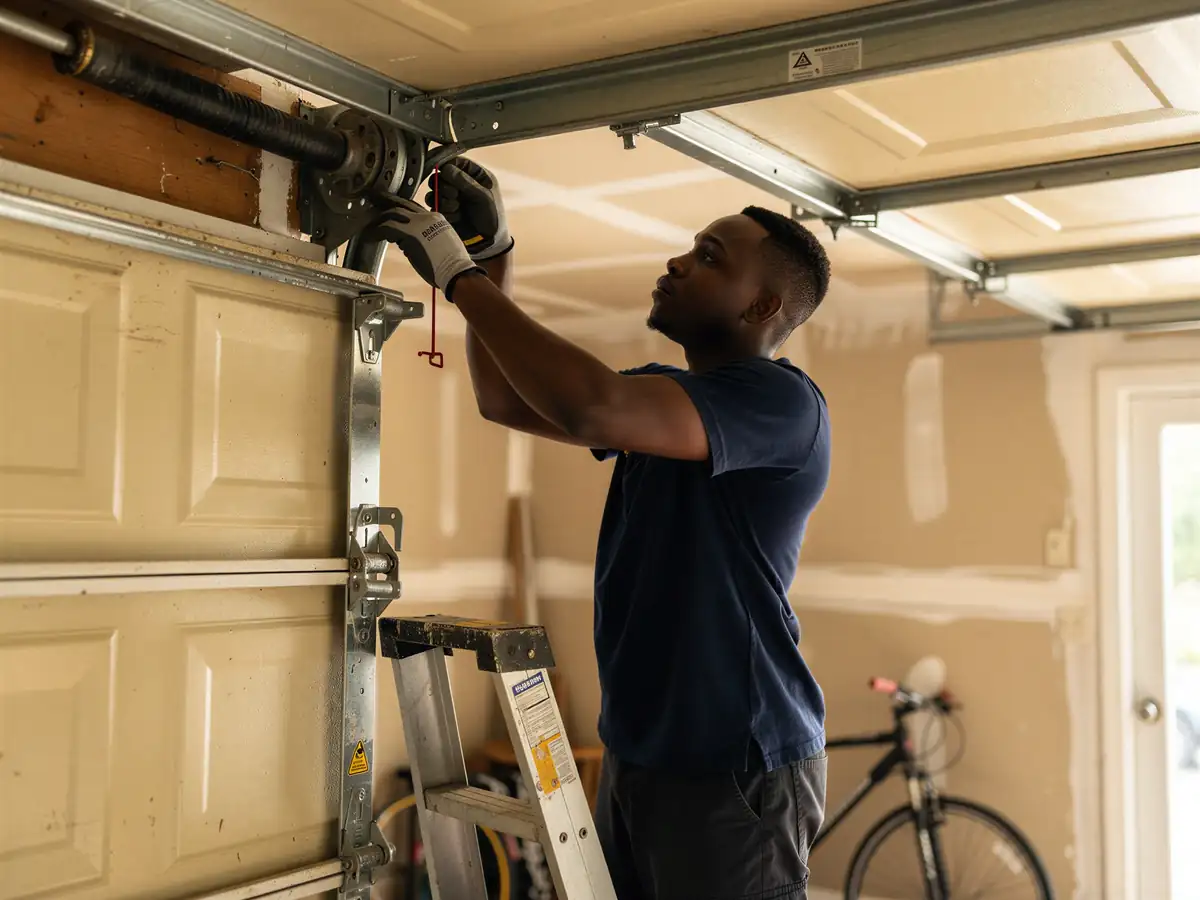
The biggest mistake we see is someone trying to force the door back onto the track themselves, or running the opener repeatedly hoping it clears. Both usually turn a bracket problem into a track-and-panel problem. A torsion spring under tension, combined with a door that's off its track, is not something to handle without disconnecting the opener first - the spring doesn't know the door is misaligned, and it will still release that stored force if a cable jumps or a drum slips. On the newer builder-grade hardware common here, we also see end bearing plates that were never properly shimmed at install, which puts a slow, steady strain on one side of the track for years before it finally lets go.
What the Repair Takes
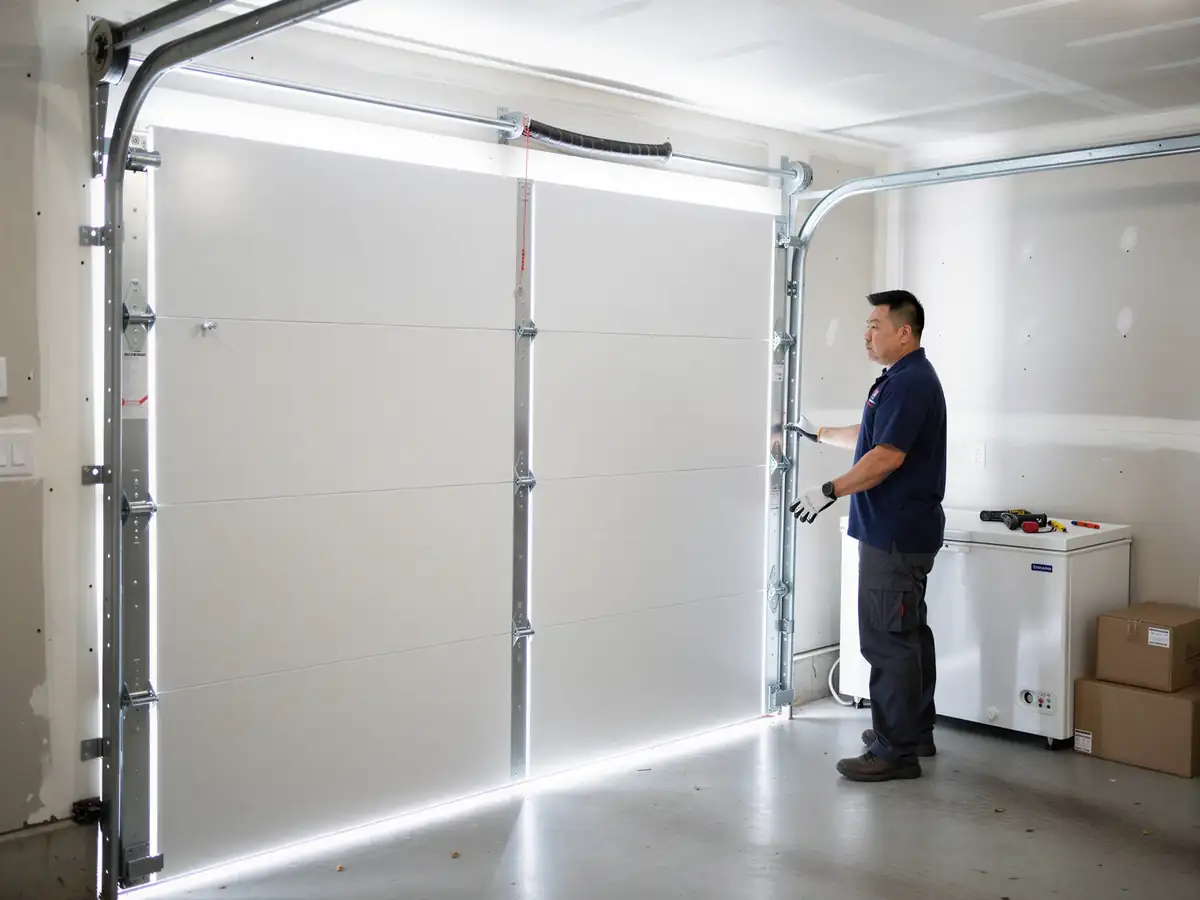
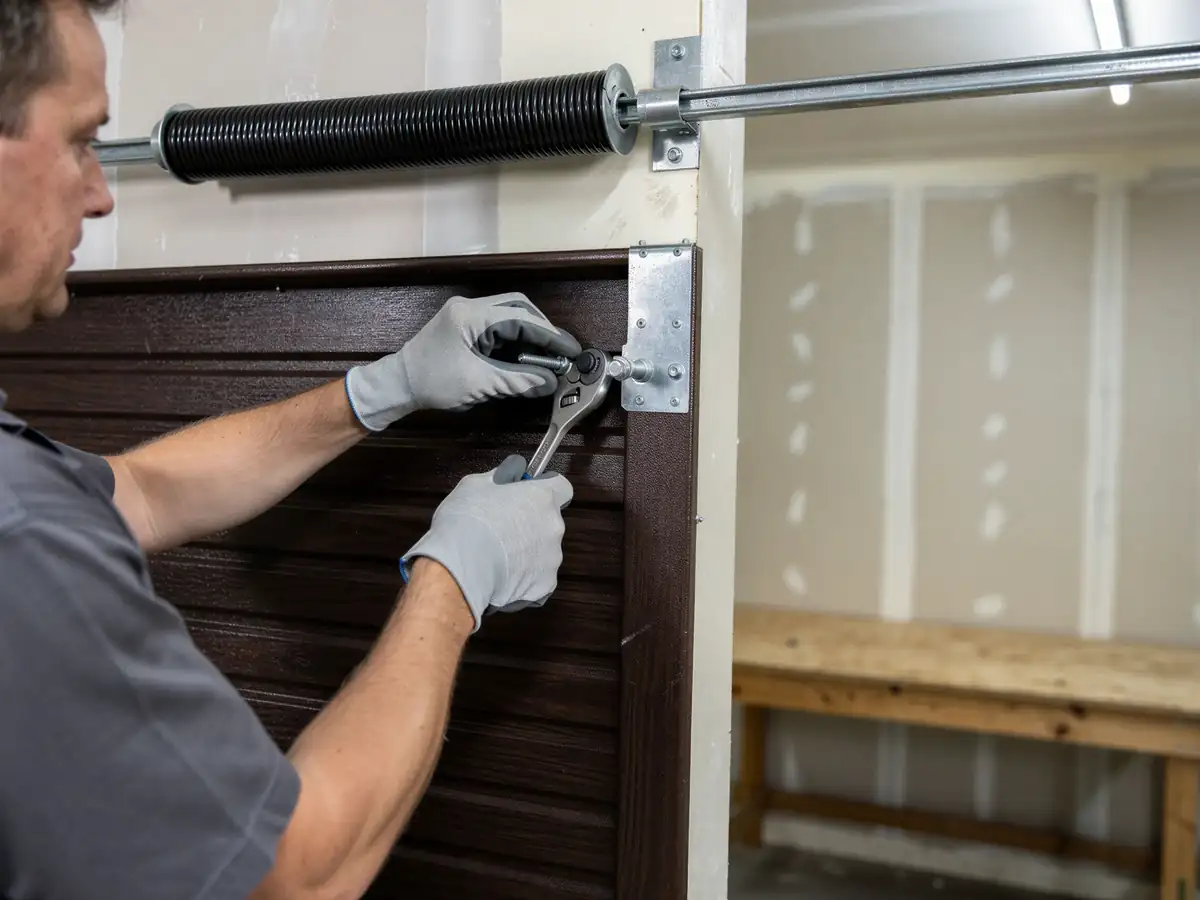
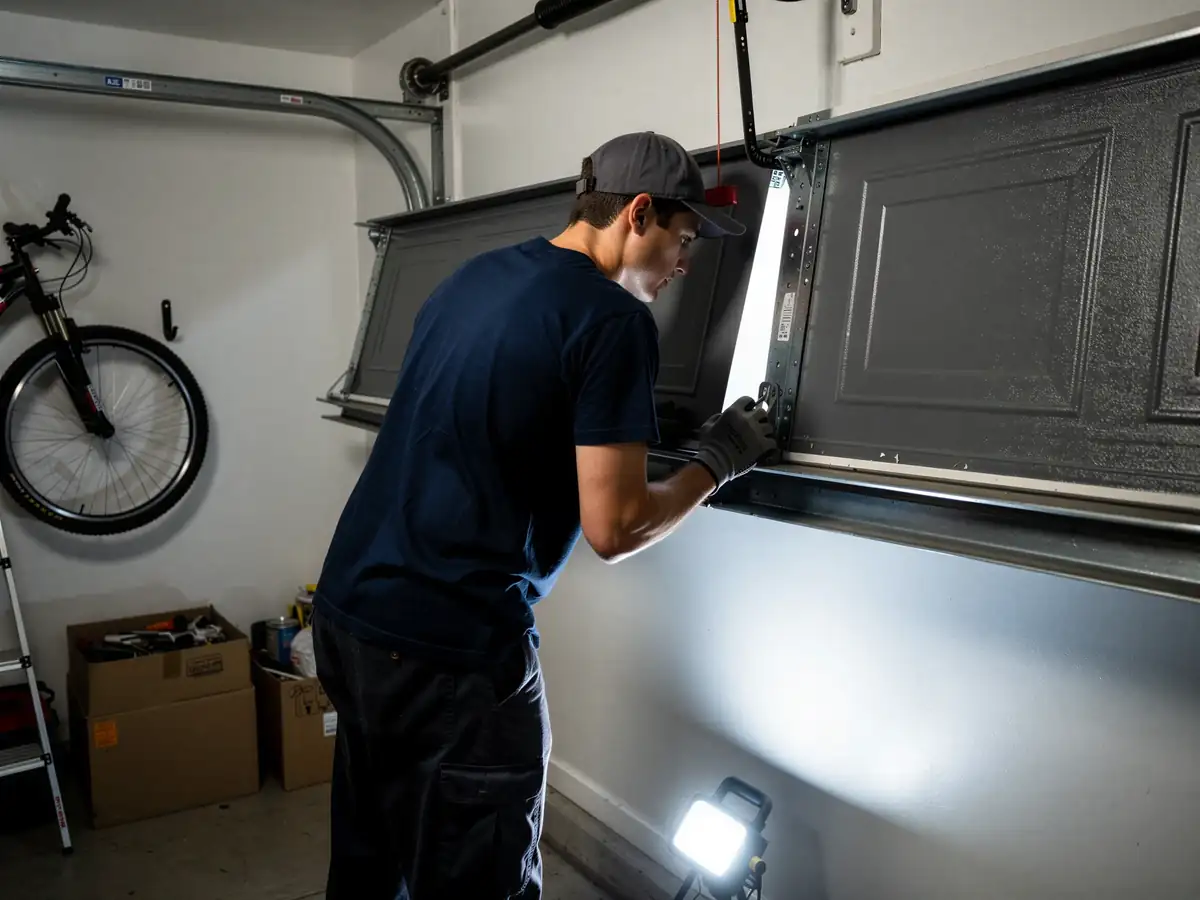
Getting a door back on track means separating what's cosmetic from what's structural. We check the track plumb against the jamb, inspect every roller for wear or a cracked wheel, and look at where the horizontal and vertical track sections bolt together, since that joint is the usual failure point on the lighter hardware used in 2000s-era construction. If the fix is realignment and a bracket or two, that's a direct job. If a section of track is bent or a bearing plate has pulled loose from the framing, replacing that section and re-shimming it properly is what keeps the same failure from happening again in another year or two. We don't recommend just bending a track back into shape and calling it done - a track that's been kinked once is weaker at that spot permanently.