Why This Fails Locally
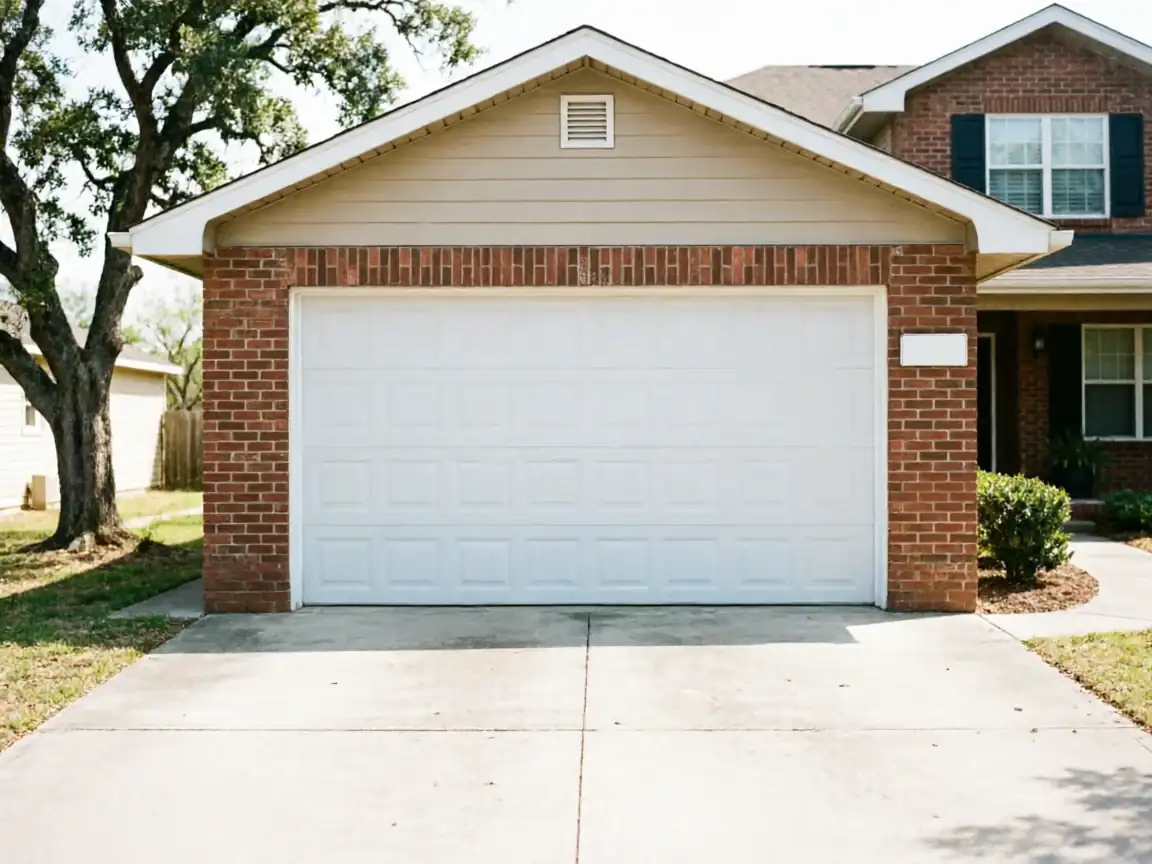
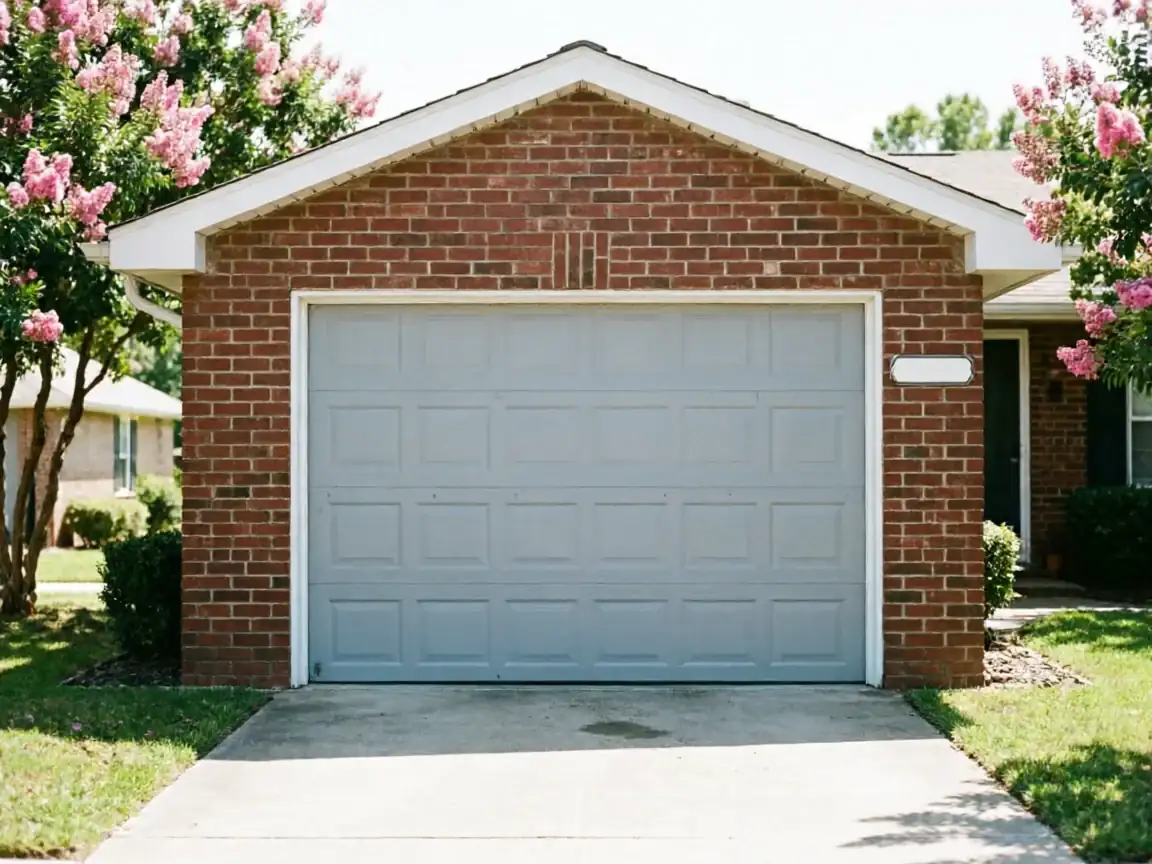
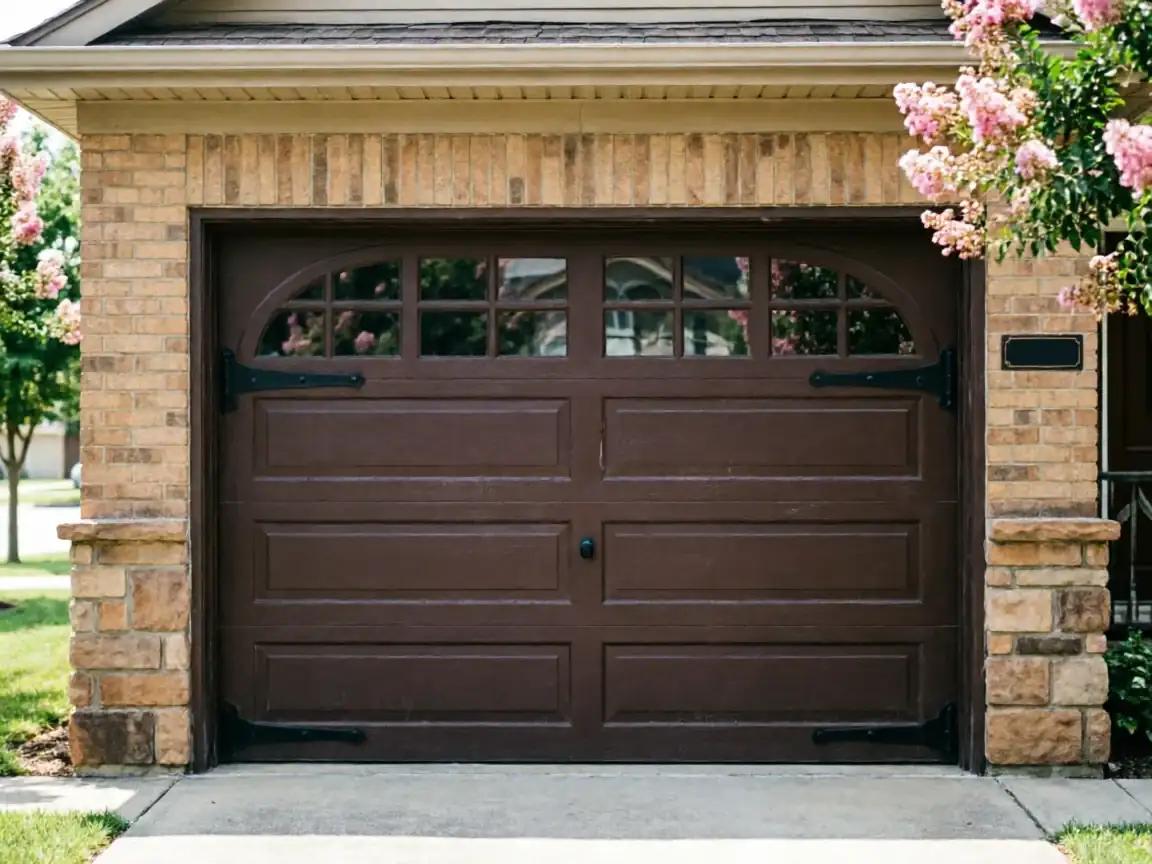
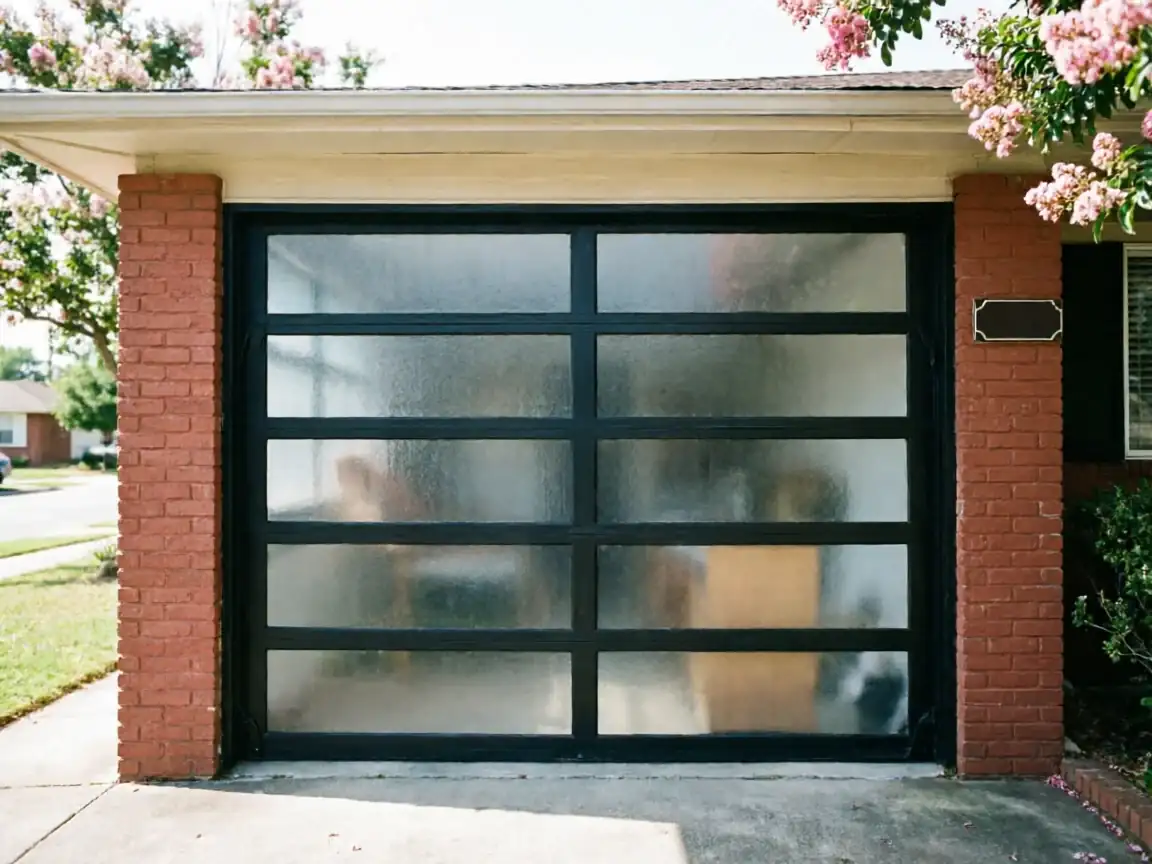
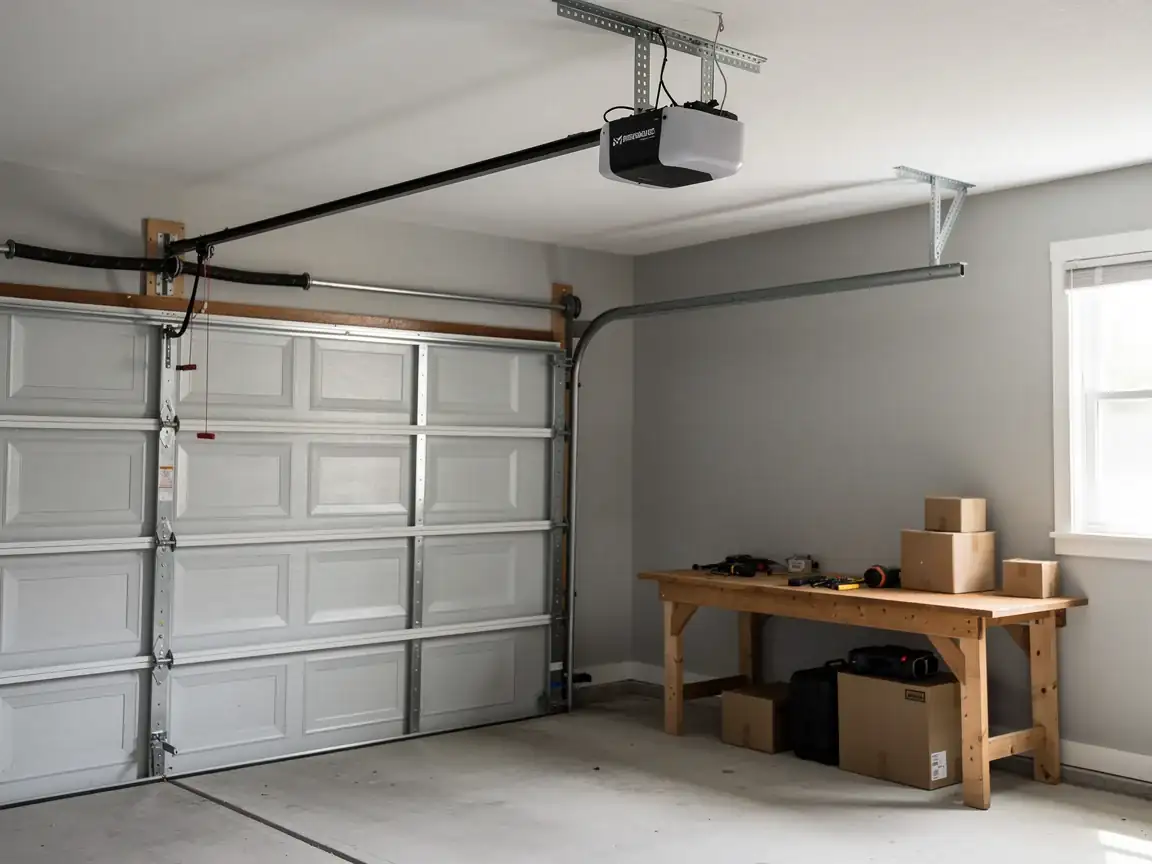
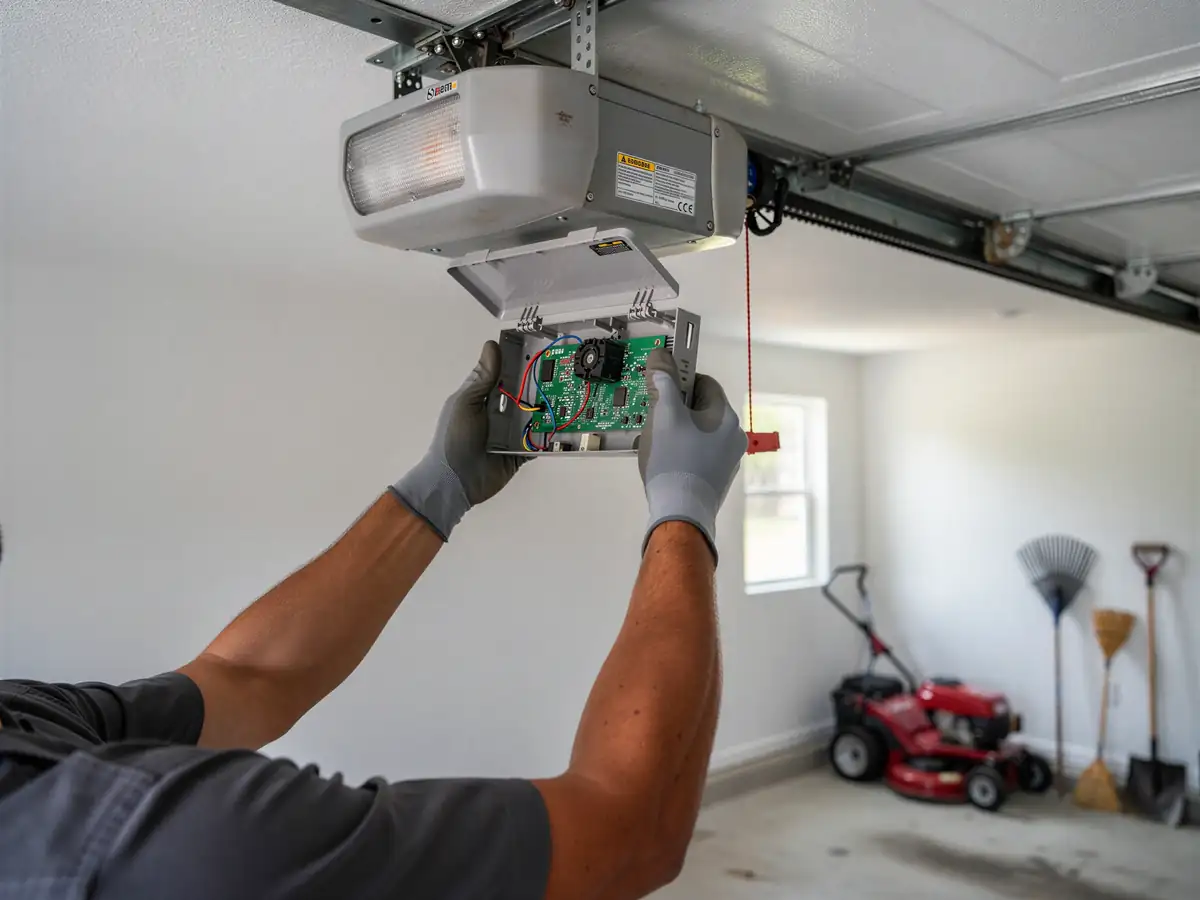
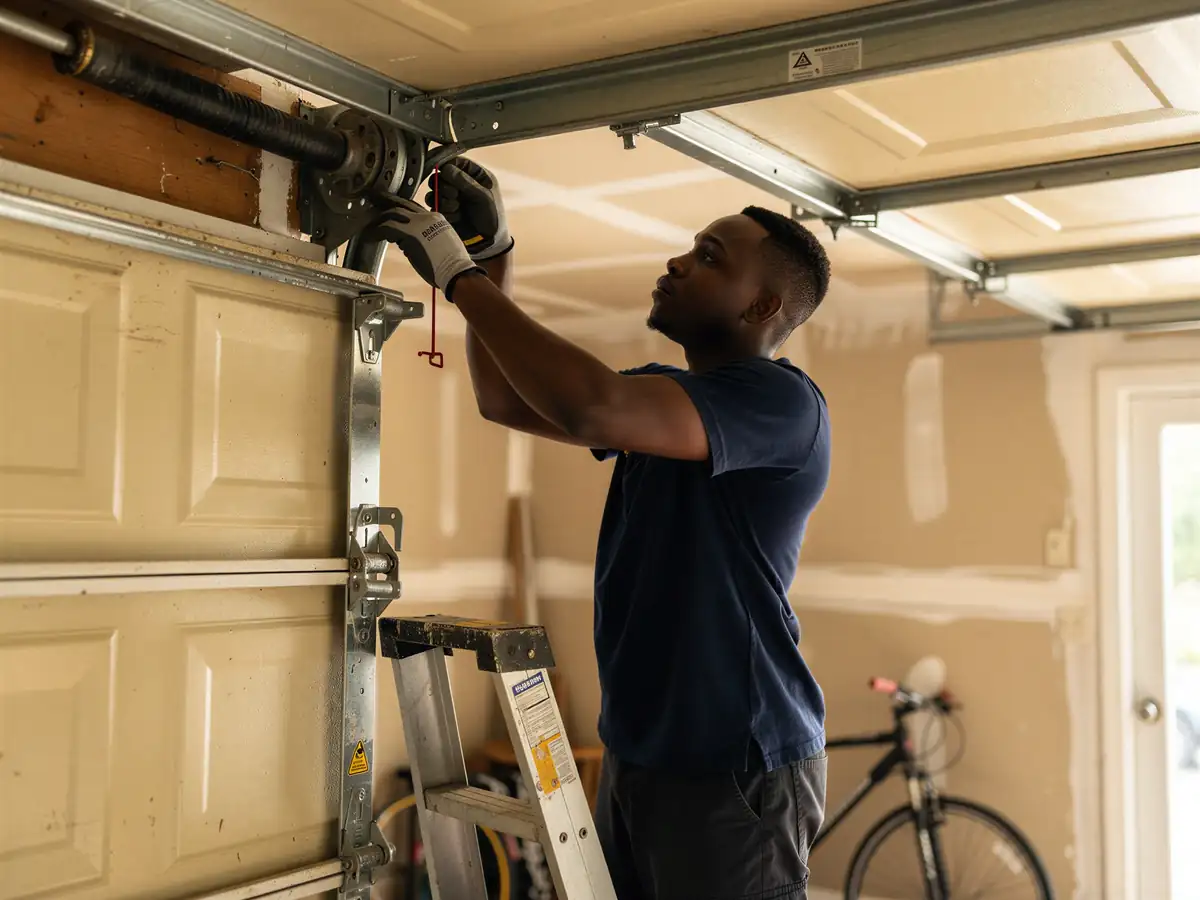
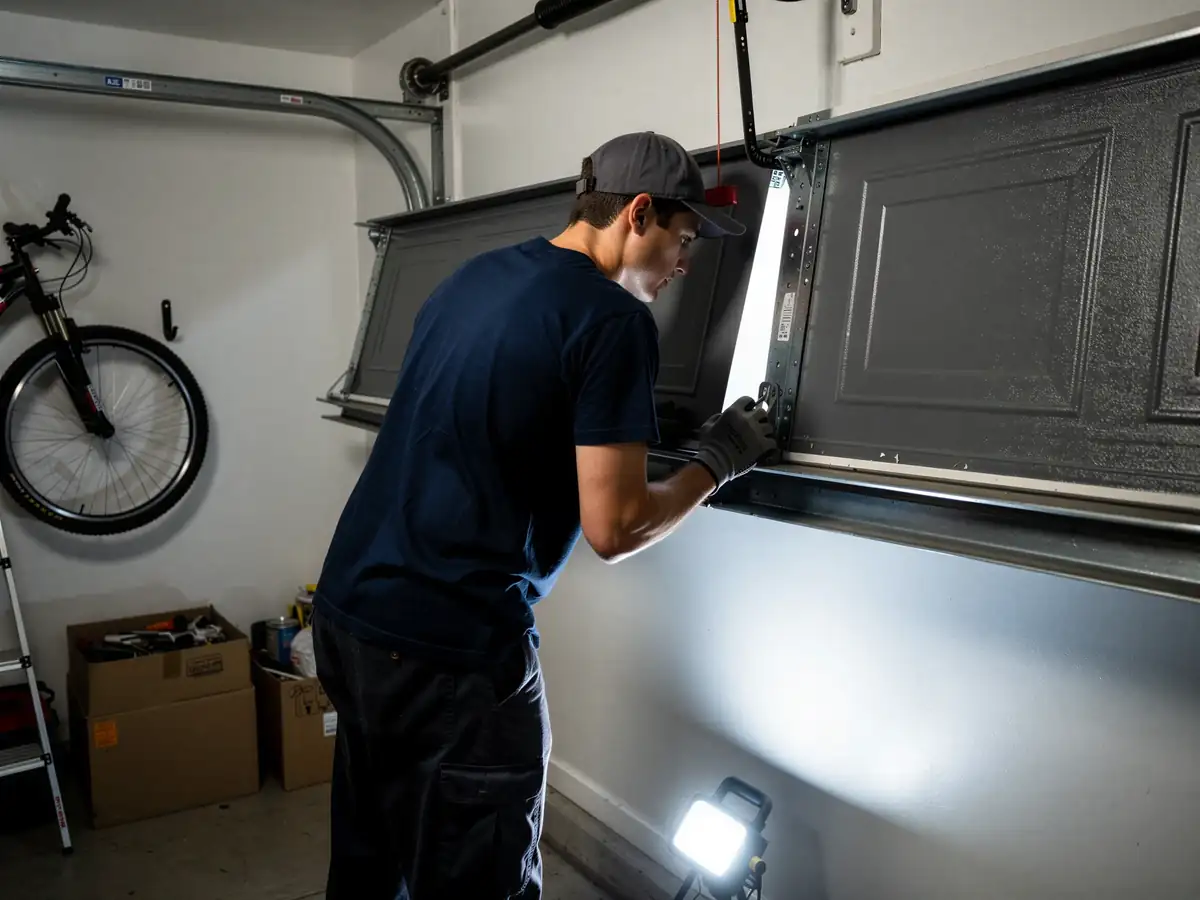
Lavon's housing mostly went up around 2007, which puts a lot of garage doors here at the age where the factory-installed torsion spring is nearing or past its rated cycle count and nobody has touched it since the builder walked off the job. The opener is usually the original chain-drive unit that came with the house, not a replacement, and the safety sensors bolted to the track are the same ones from that build year too. When a house this age calls about a door that won't open, the first question is whether anything under the hood has ever been swapped out, and in Lavon the honest answer is usually no. That matters because original hardware from a single build wave tends to fail in the same order: spring first, then the opener's drive gear, then the sensor wiring that's been flexed by eighteen years of door cycles. We come out from Wylie, about 5 miles away, and we see this pattern often enough in this pocket of the service area that we check the spring date stamp before we touch anything else.
The Symptom
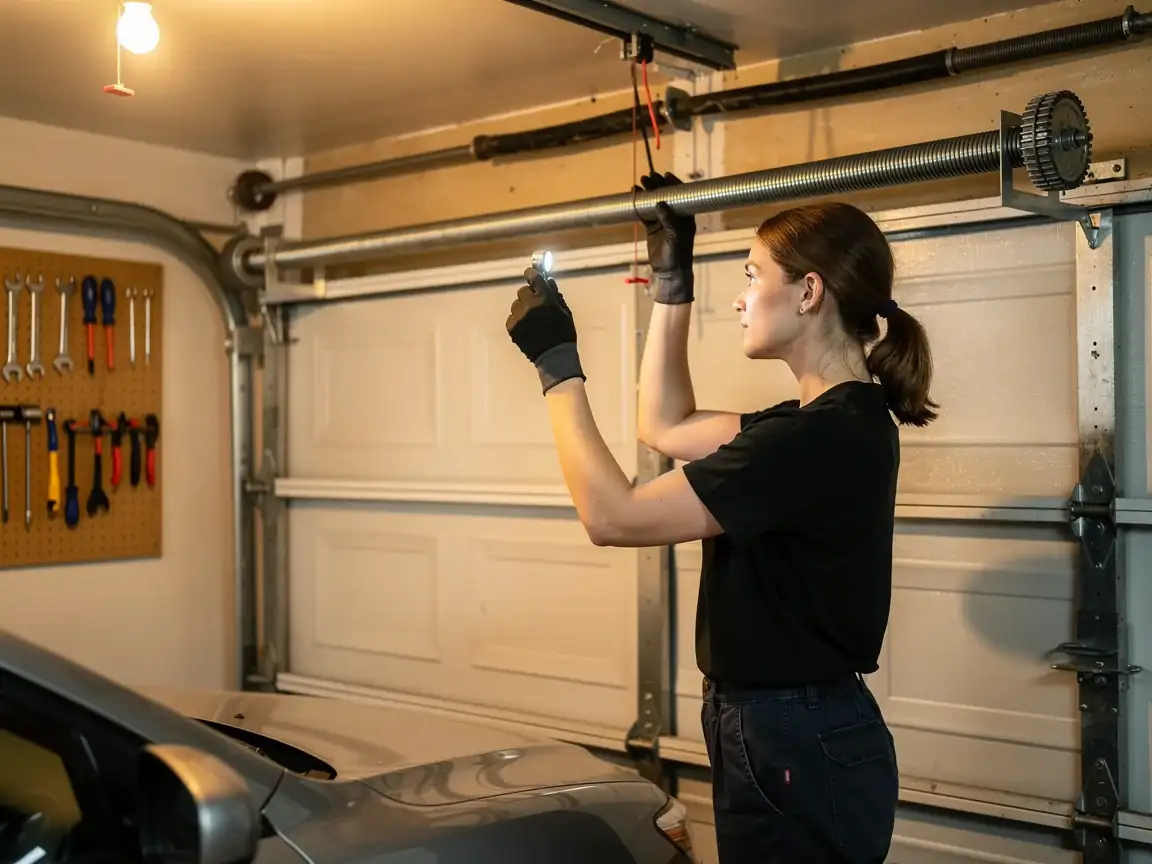
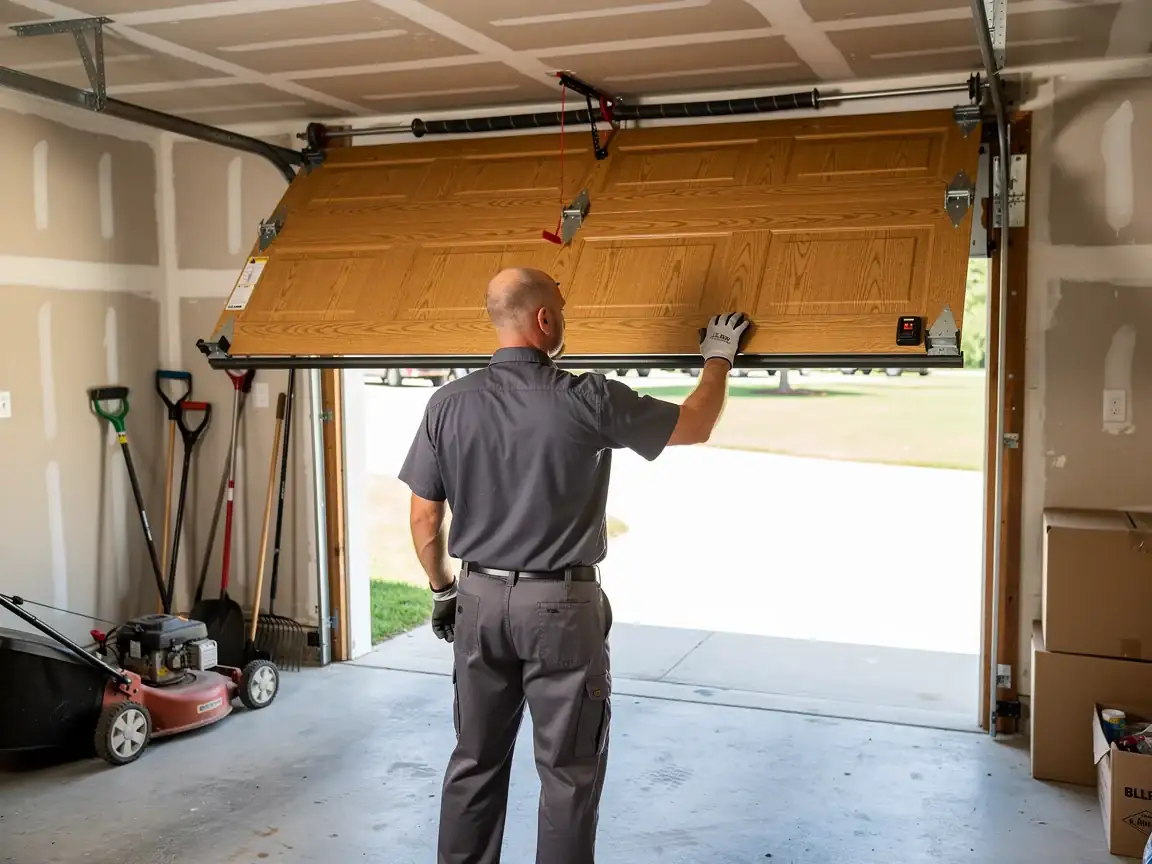
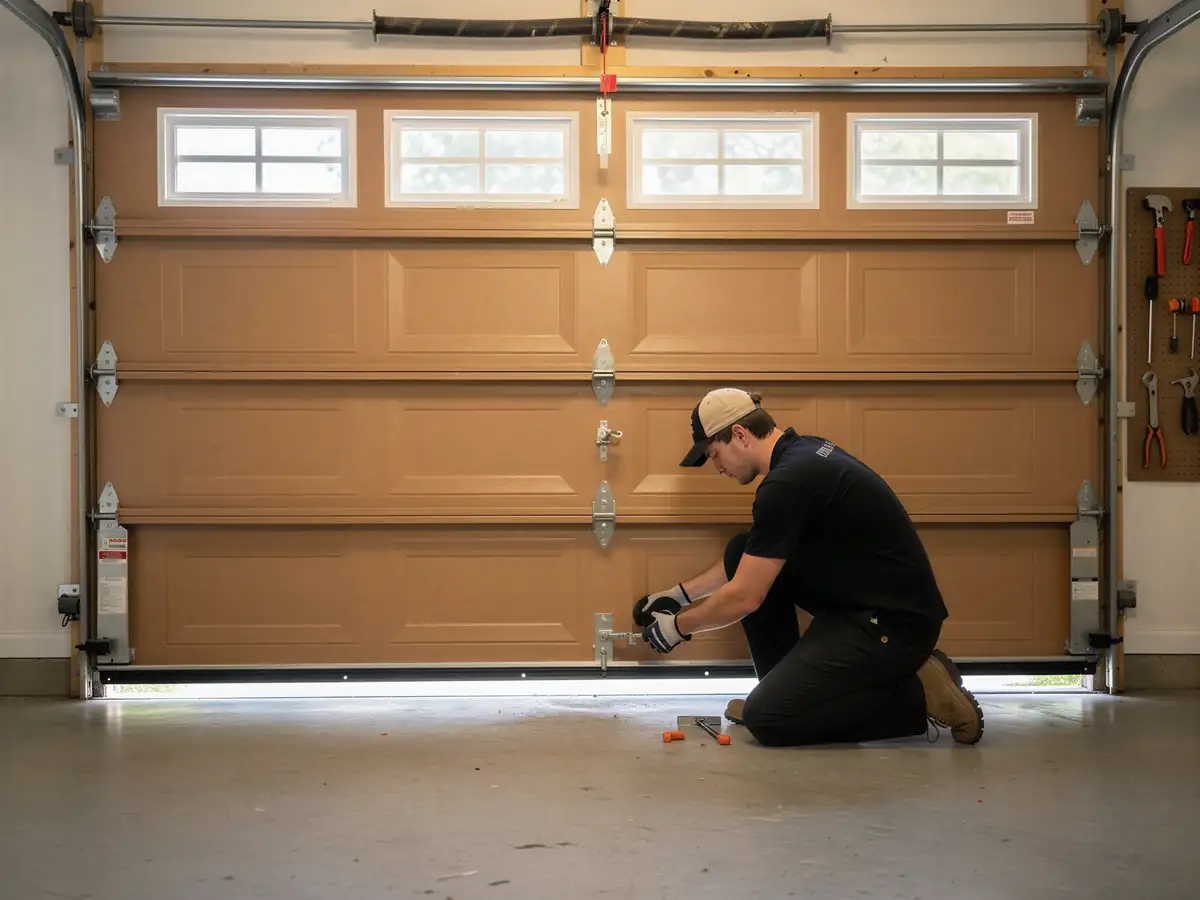
The door that's heavy to lift by hand, or an opener that hums and doesn't move the door, is almost always a spring that's finally given out after running since 2007. A door that reverses halfway down, or won't close at all, points to the opener's force settings drifting or a sensor that's gone out of alignment after years of vibration. If the door is noticeably off level, one side dropping before the other, that's a cable or a roller on its way out, not just noise to ignore. None of these are rare for a house built in this window. They're what you'd expect from hardware that's been running quietly for close to two decades without anyone looking at it.
What Can Go Wrong
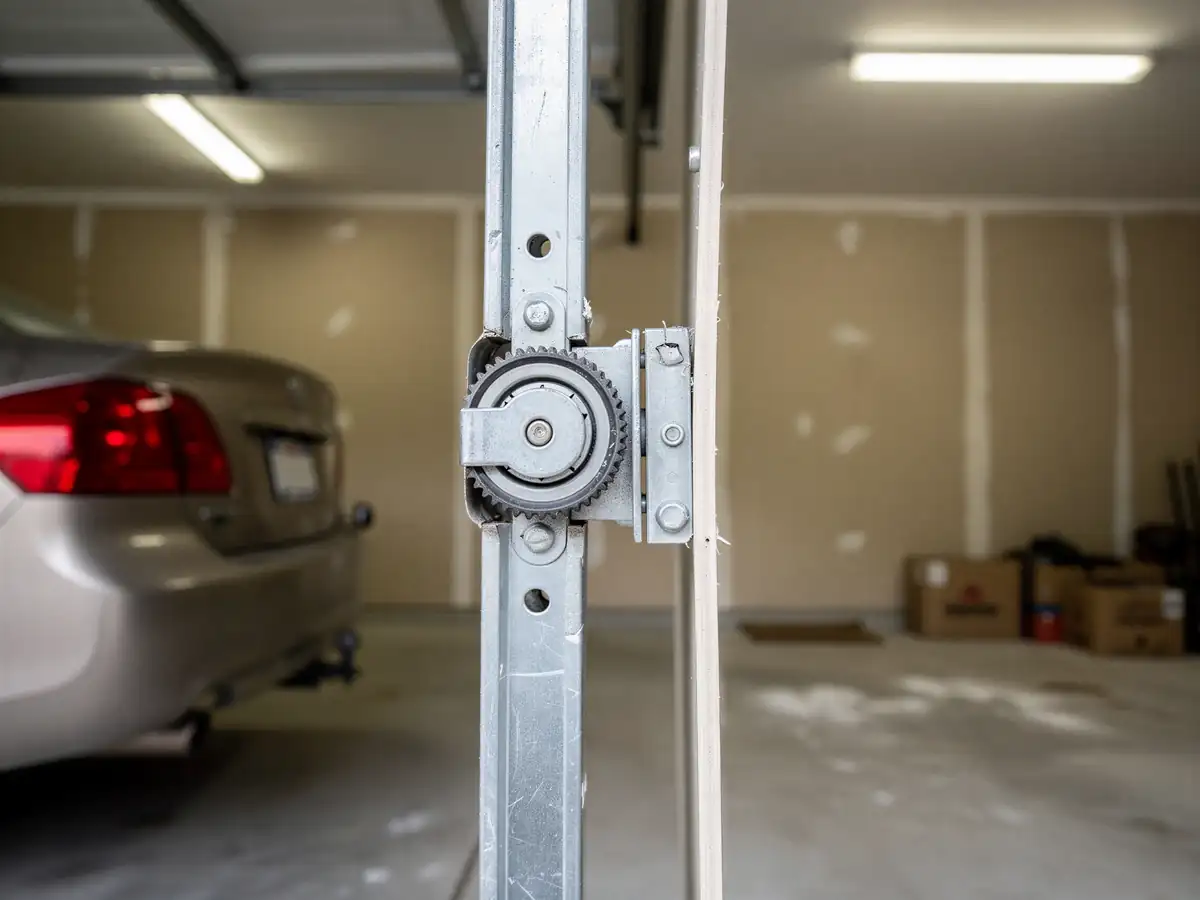
The big risk with original hardware this old is that one component failing stresses the others around it. A spring that's been overdue for replacement puts extra load on the opener's drive gear every time it tries to lift a door that's heavier than it should be, and that gear doesn't recover once it's stripped. Cables that have been under tension since 2007 can fray at the drum and let go without much warning, which is a safety issue, not just an inconvenience. The climate here is mild with occasional freezes, so hardware doesn't corrode the way it would somewhere wetter, but eighteen years of thermal cycling still dries out lubrication and stiffens springs that were never rated to sit unserviced that long.
What the Repair Takes
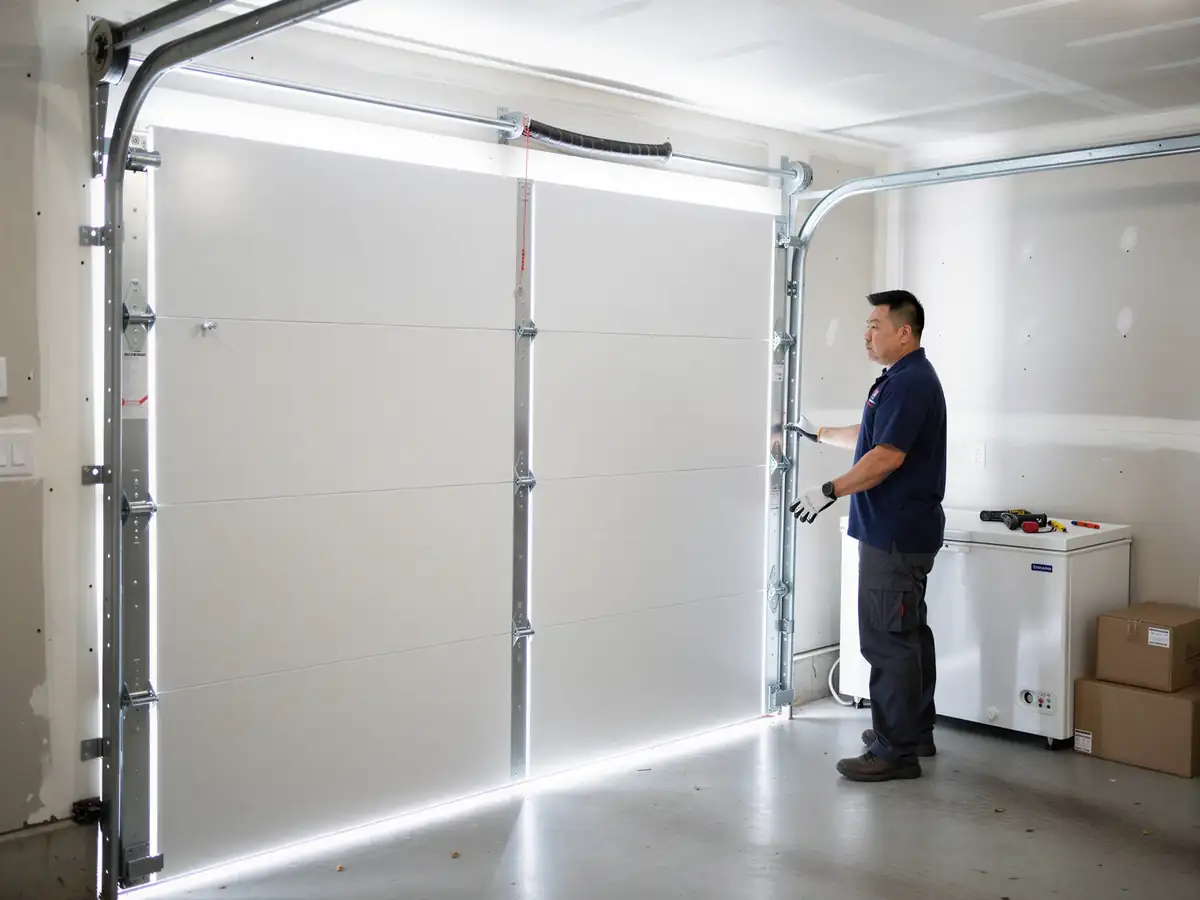
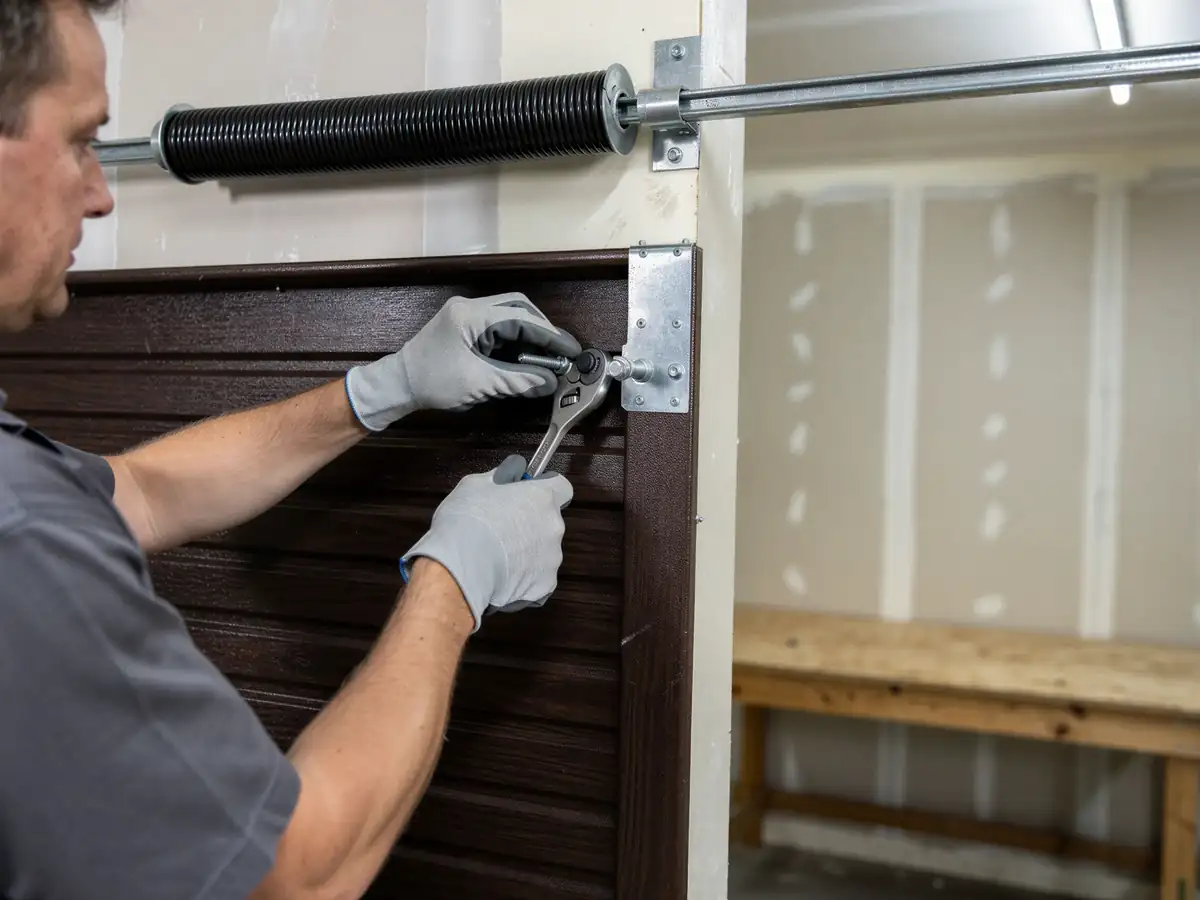
Most jobs on a 2007-era Lavon door come down to replacing the spring, the cables, or both, matched to the torsion hardware that was standard for houses built in this window. If the opener itself is failing, not just out of adjustment, replacement is usually the better call over trying to source parts for a unit that old, since finding an exact match for original 2007 hardware gets harder every year. We'll tell you straight if a repair isn't worth it against a new opener's cost, rather than patching something that's going to fail again in six months. One limitation worth saying up front: if a part needs to be special-ordered because it's no longer a stocked size, that adds a day or two beyond the visit itself.